Charlotte Harbor Advanced Inshore Fishing
Charlotte Harbor's shallow flats and winding mangrove creeks offer some of Florida's most rewarding inshore fishing, and this 6-hour charter is designed for anglers who know their way around a rod. This isn't your typical tourist trip – we're talking sight casting to tailing redfish, working structure for snook, and reading the water like a book. Built for skilled anglers, this top-rated charter accommodates two guests with room for up to four total, giving everyone space to work without crowding the deck. The extended time on the water means we can adapt our approach, follow the fish, and really dial in on productive patterns throughout the day.
What to Expect on the Water
Your captain expects you to come ready with basic casting skills and fish-handling experience – this trip moves at a different pace than beginner charters. We'll be covering serious water across Charlotte Harbor's diverse inshore fishery, from grass flats where spotted seatrout cruise to oyster bars that hold big snook. The beauty of a 6-hour window is flexibility. Morning might start with topwater action around mangrove points, then shift to deeper structure as the sun climbs higher. If we find a productive area, we'll work it thoroughly. If the bite slows, we're moving to the next spot without hesitation. The captain reads conditions constantly – wind, tide, water temperature, bait movement – and adjusts tactics accordingly. Some days that means sight fishing crystal clear flats, other days we're bouncing jigs through deeper cuts where current brings the food chain together.
Techniques and Tackle
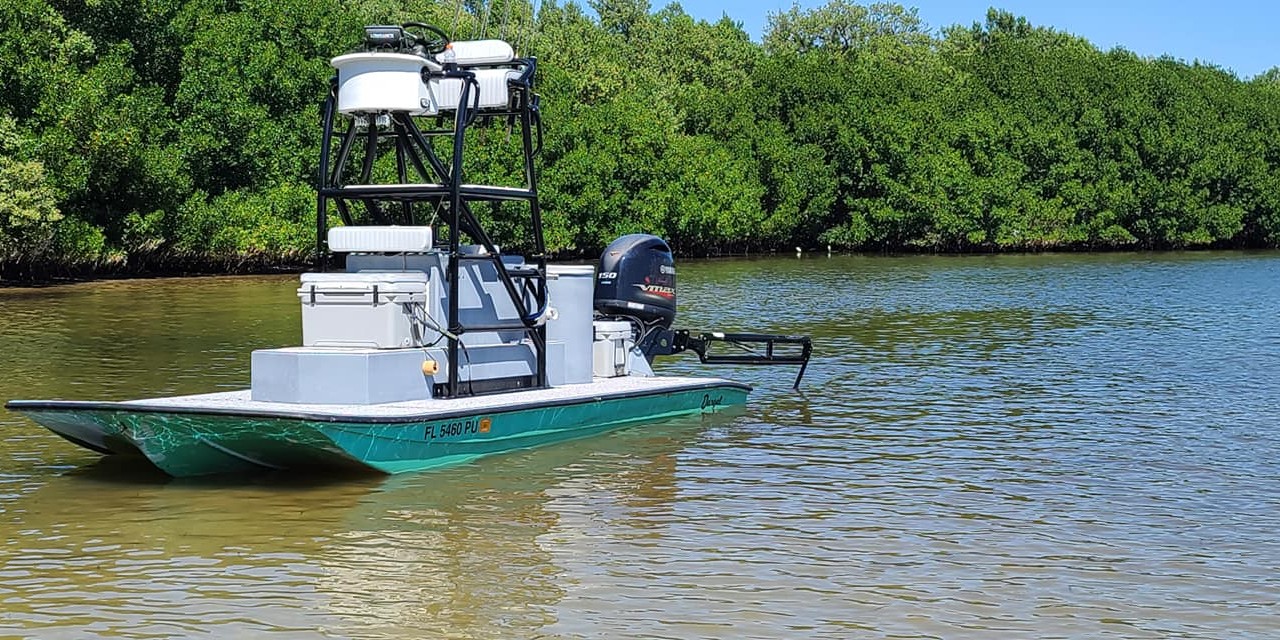
This charter focuses on refined inshore techniques that separate good anglers from great ones. Sight casting is a huge part of the experience – you'll learn to spot fish before they see you, make accurate presentations, and handle the pressure of one-shot opportunities. We work structure methodically, understanding how fish relate to oyster bars, docks, and mangrove overhangs at different tide stages. The captain brings quality tackle suited for Charlotte Harbor's conditions – medium-light spinning gear that can handle everything from finesse presentations to pulling fish out of cover. Live bait, artificial lures, and soft plastics all have their place depending on what the fish are telling us. You'll get hands-on experience with different retrieves, lure selections, and reading subtle strikes that less experienced anglers miss. The boat is rigged with a shallow draft hull perfect for navigating Charlotte Harbor's varied depths, from 6-foot channels to skinny water barely deep enough to float.
Top Catches This Season
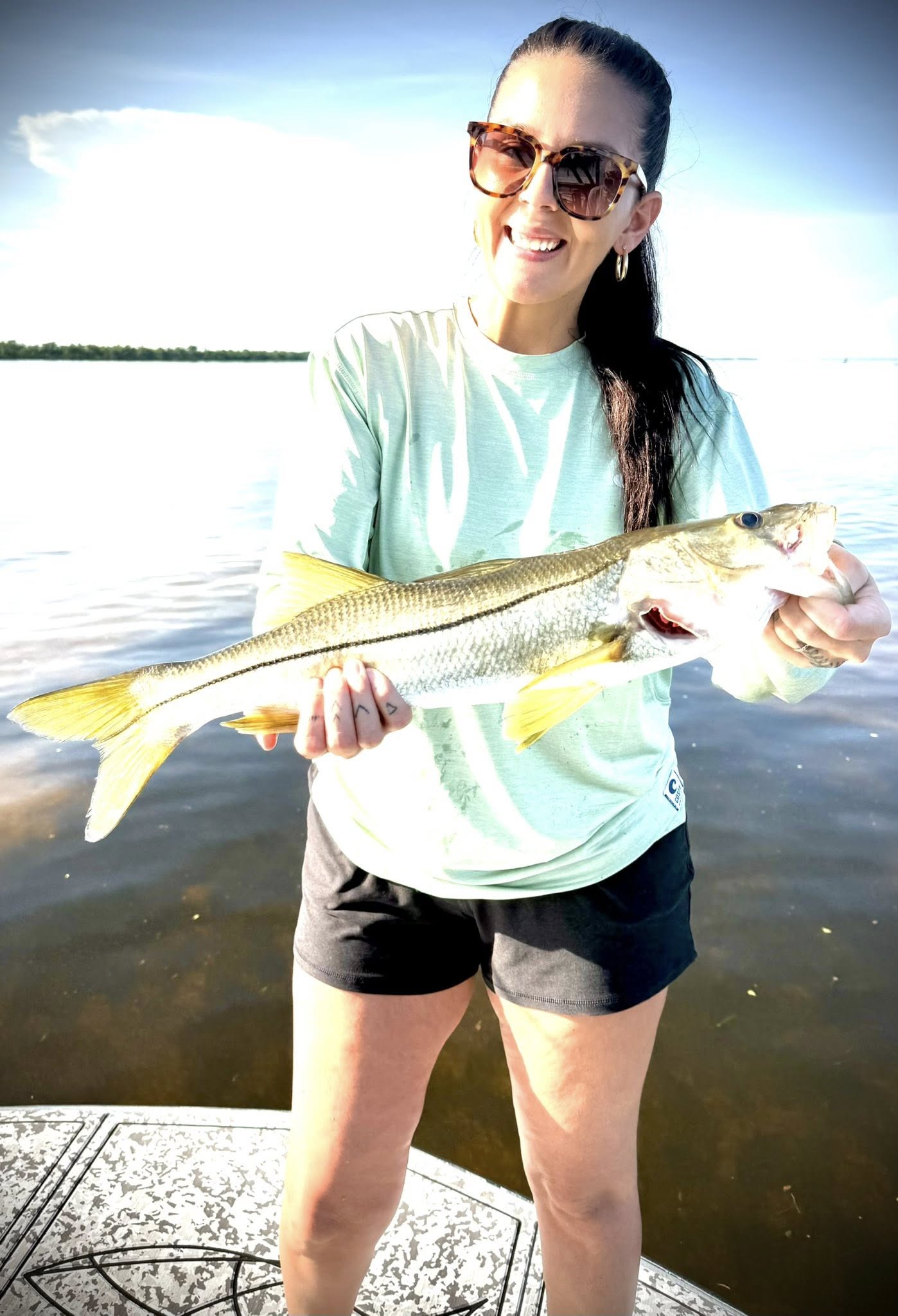
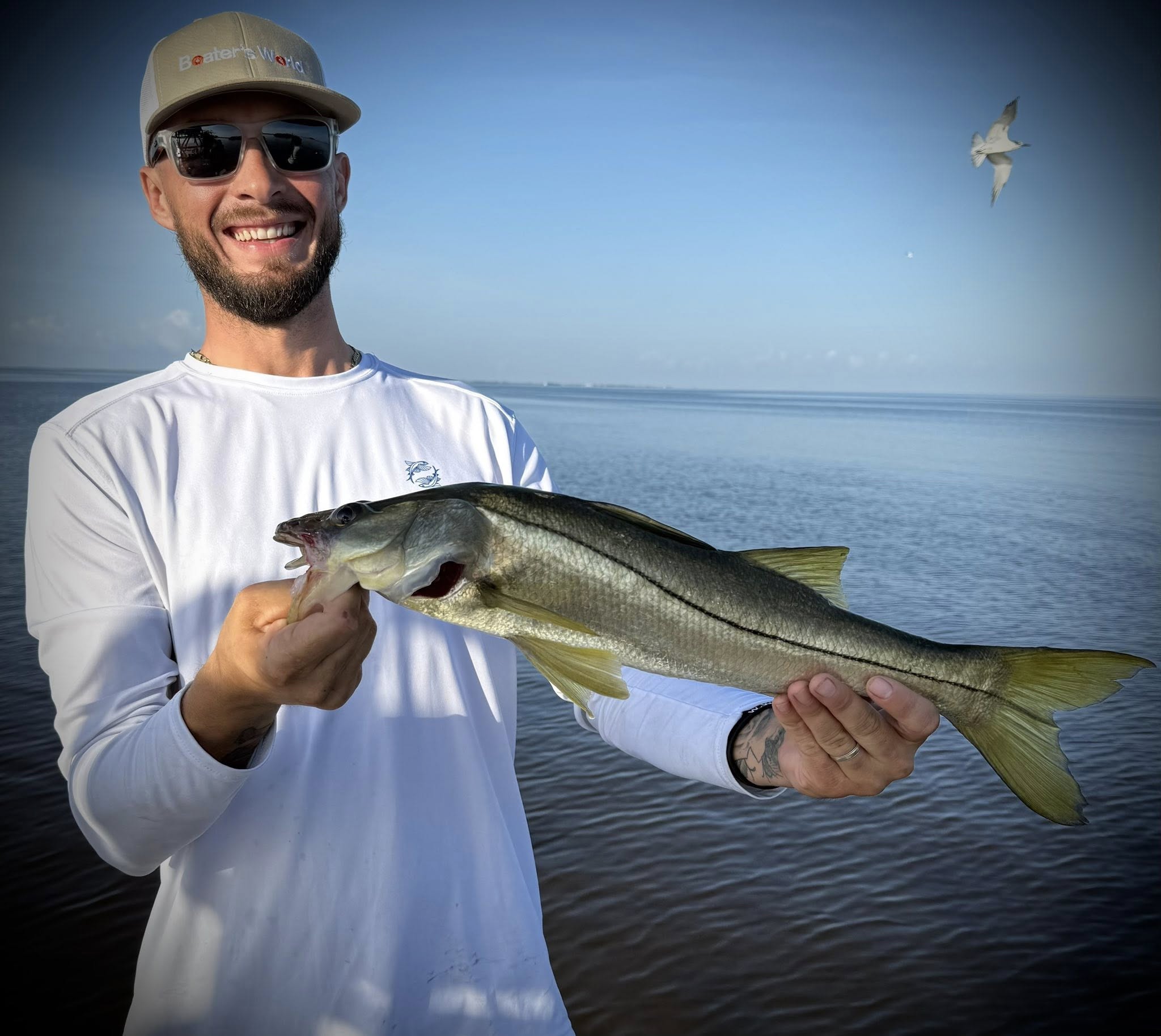
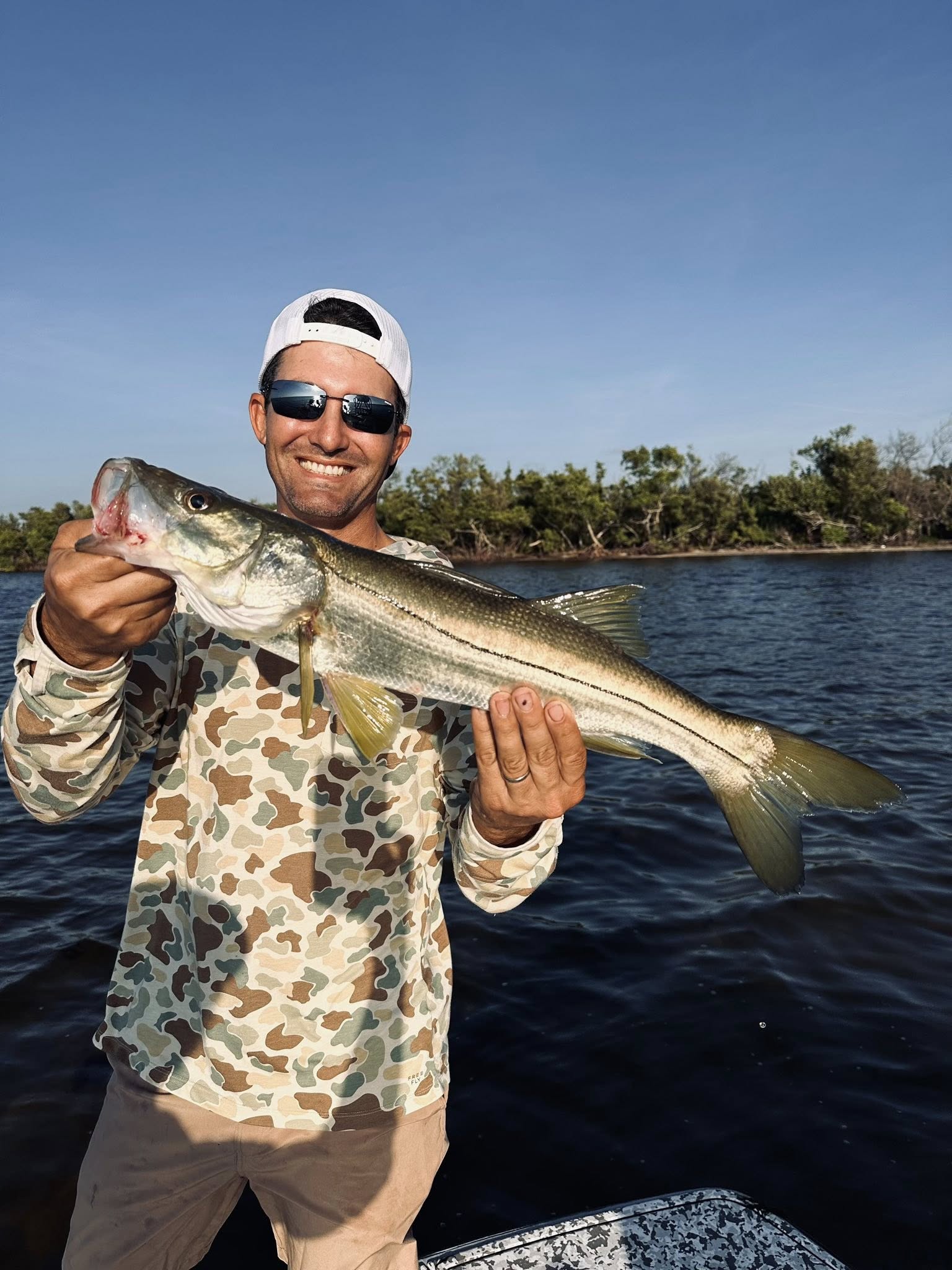
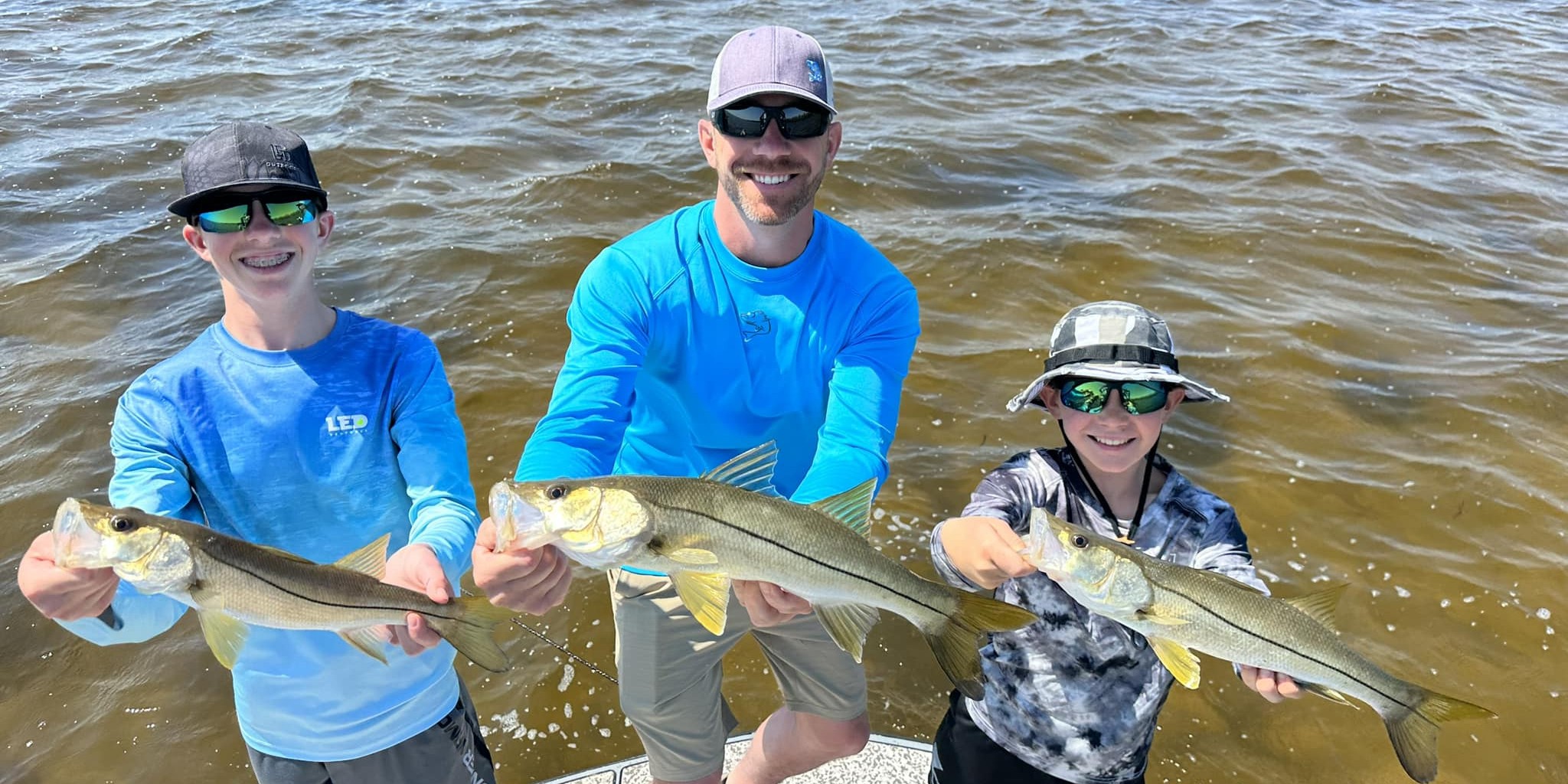
Charlotte Harbor's inshore waters support an outstanding variety of game fish, each presenting unique challenges that keep skilled anglers coming back. Snook are the crown jewel of this fishery – ambush predators that lurk around structure and strike with explosive power. These fish are incredibly structure-oriented, holding tight to mangrove edges, docks, and oyster bars where they can surprise passing baitfish. Peak snook action happens during moving tides when they position themselves at feeding stations. They're notorious for their gill-rattling jumps and powerful runs back toward cover, testing both your drag settings and reflexes. Fall and spring offer the most consistent snook fishing as water temperatures stabilize in their preferred range.
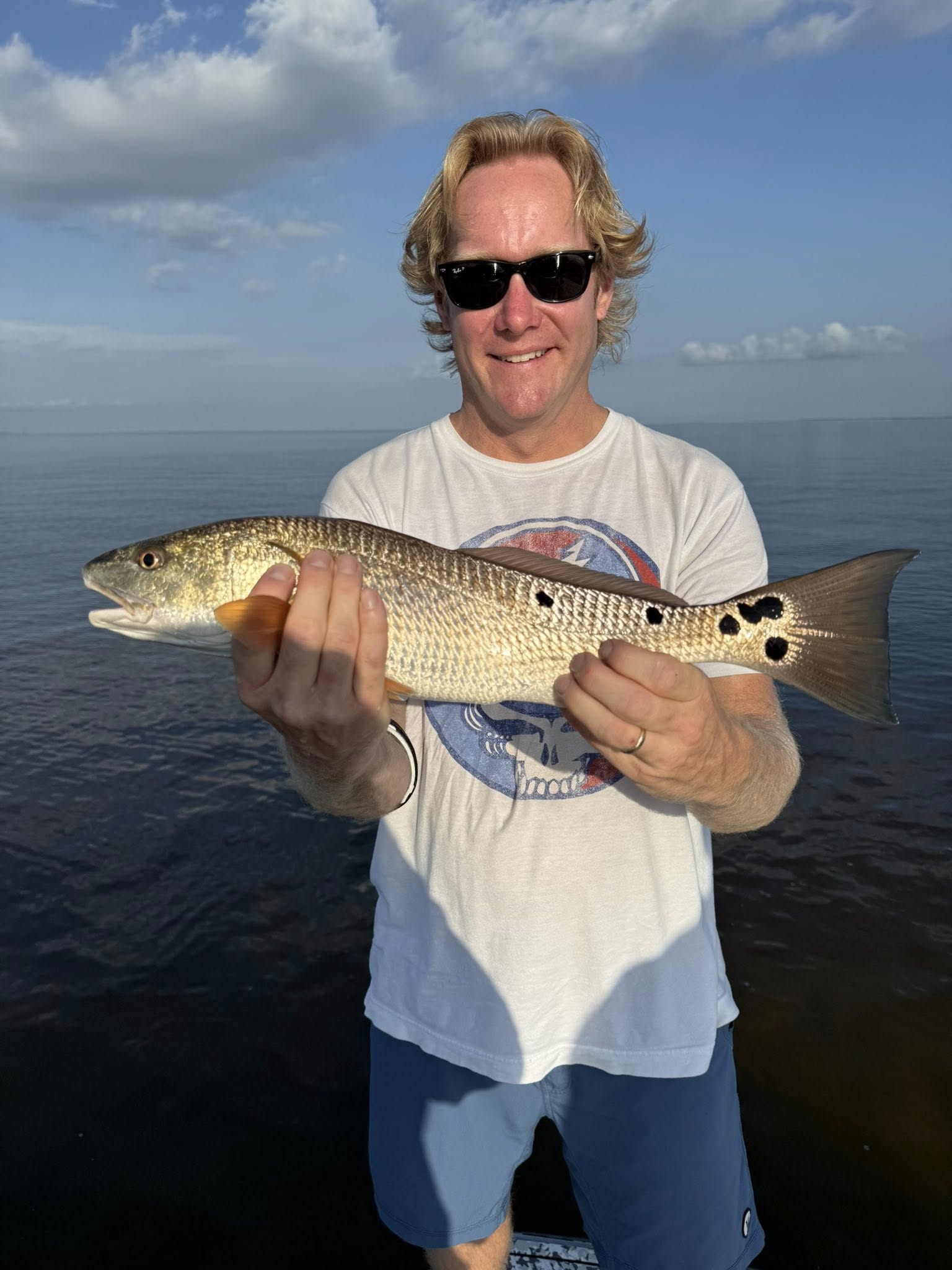
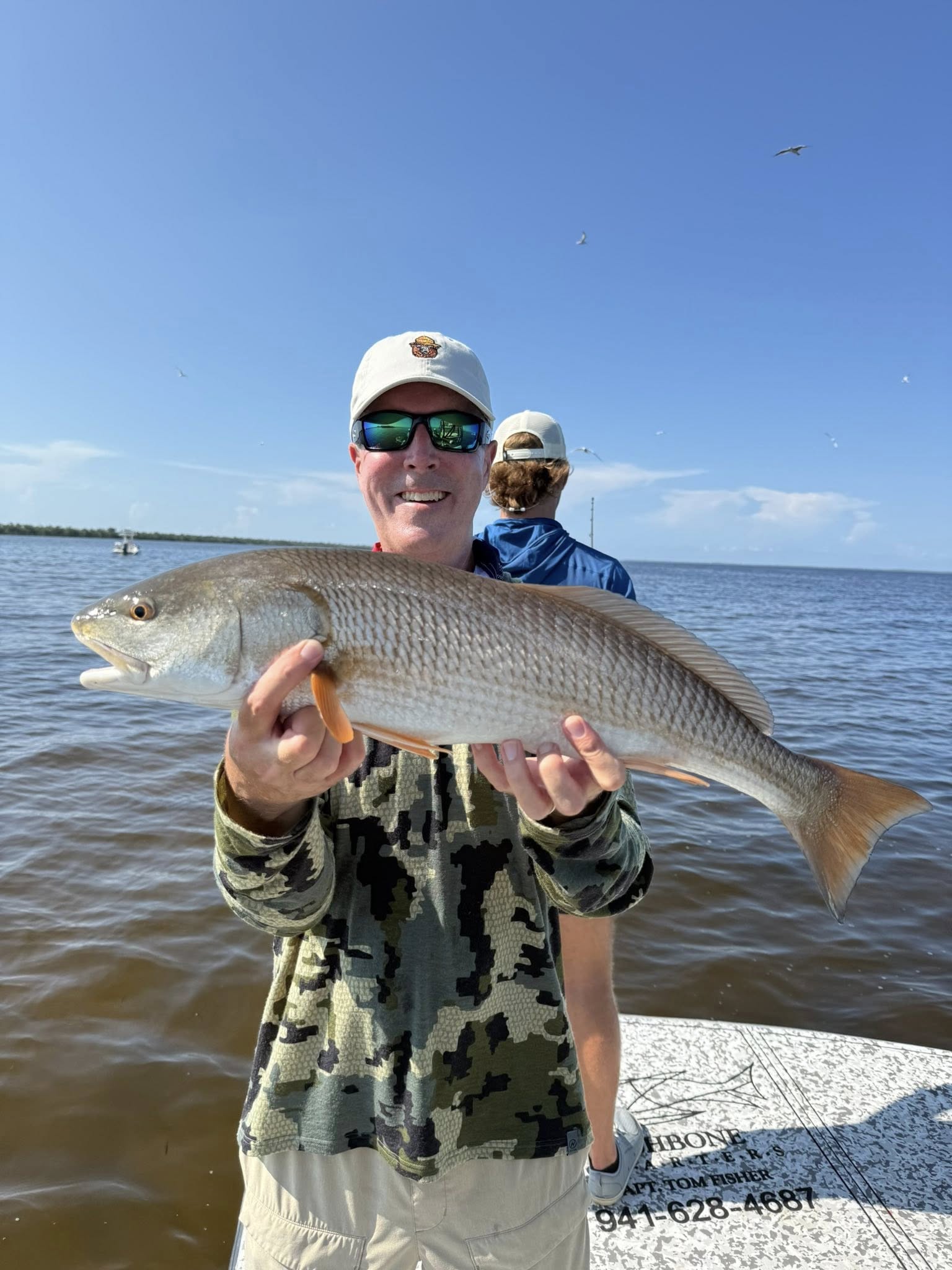
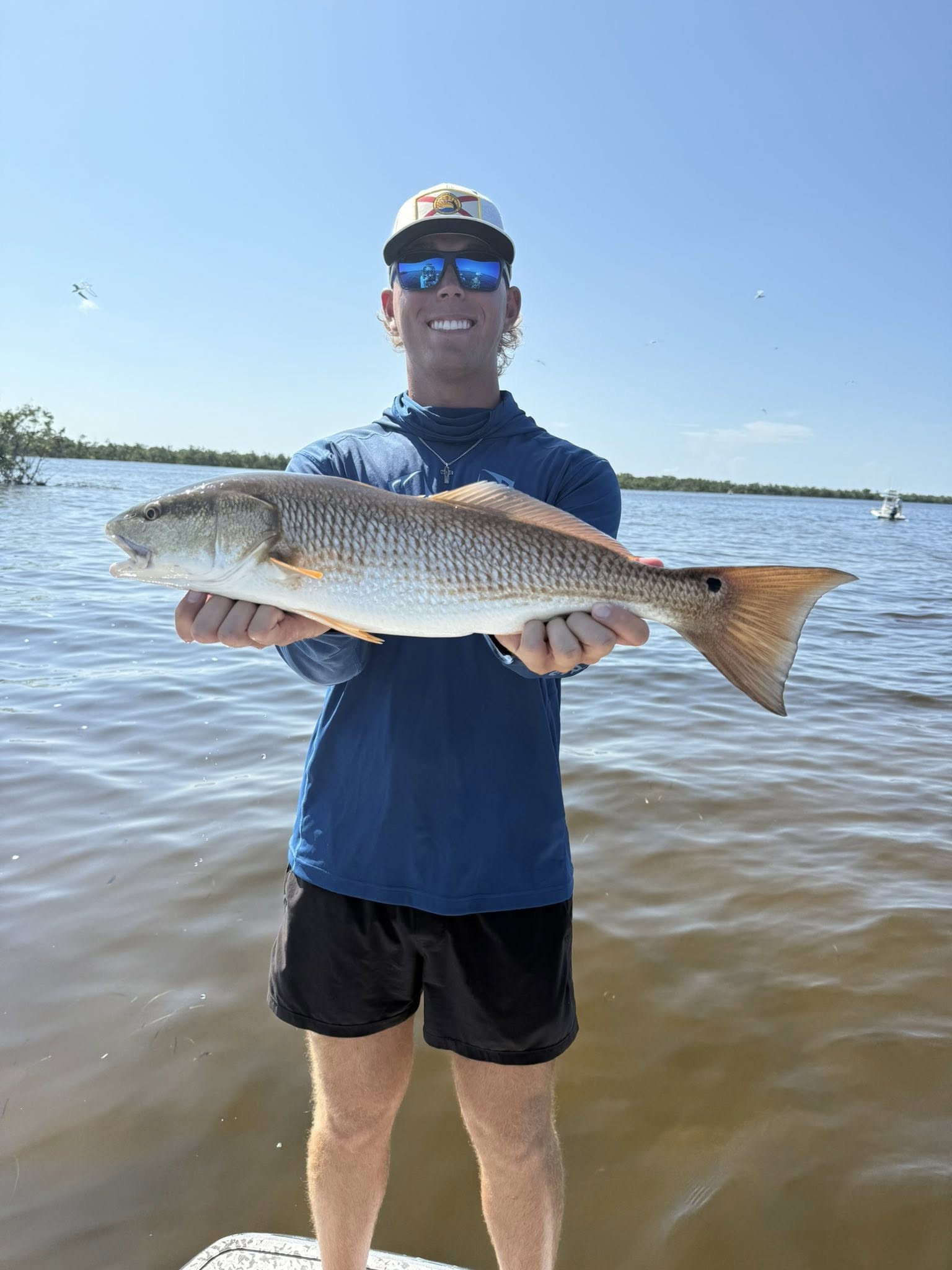
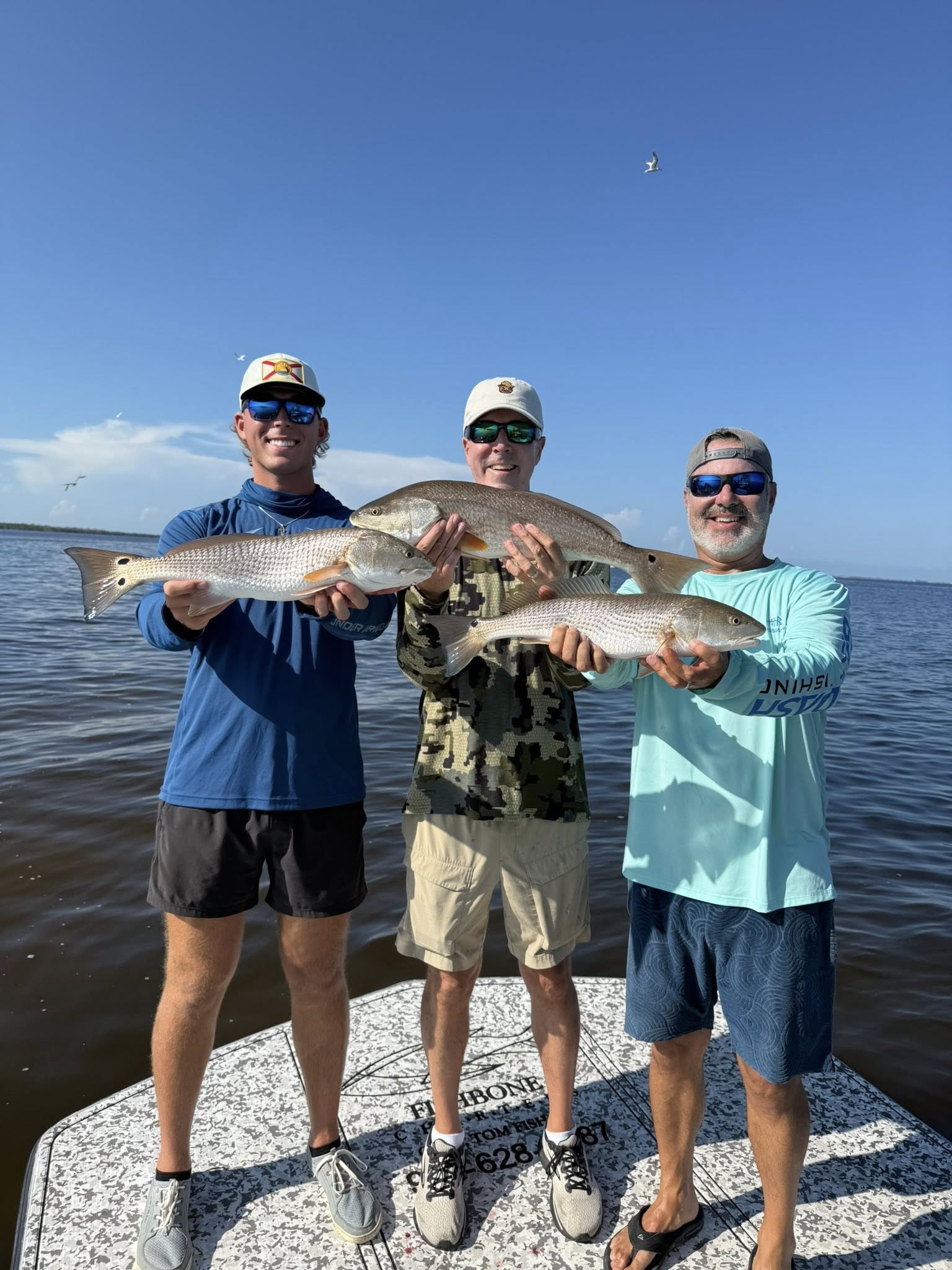
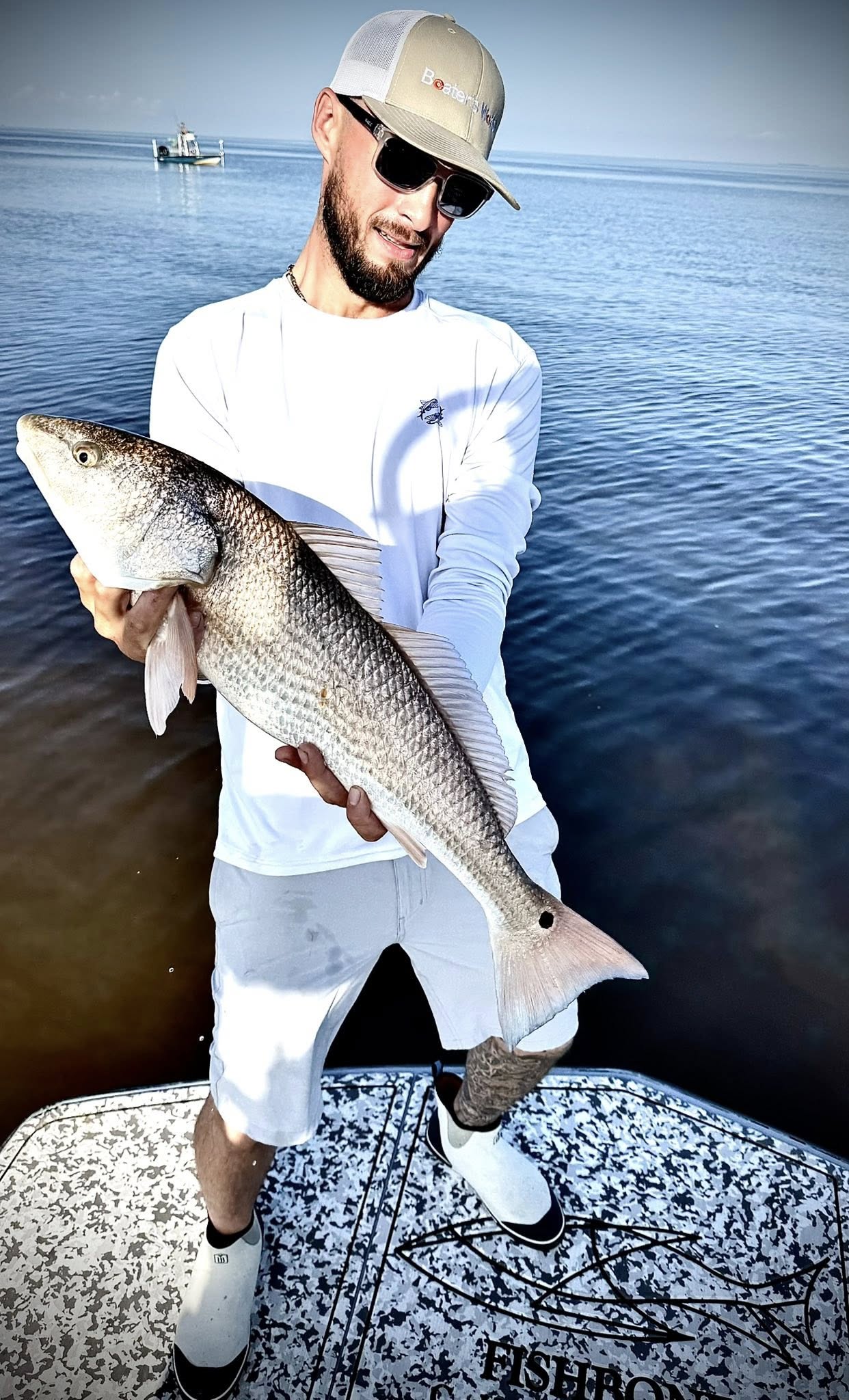
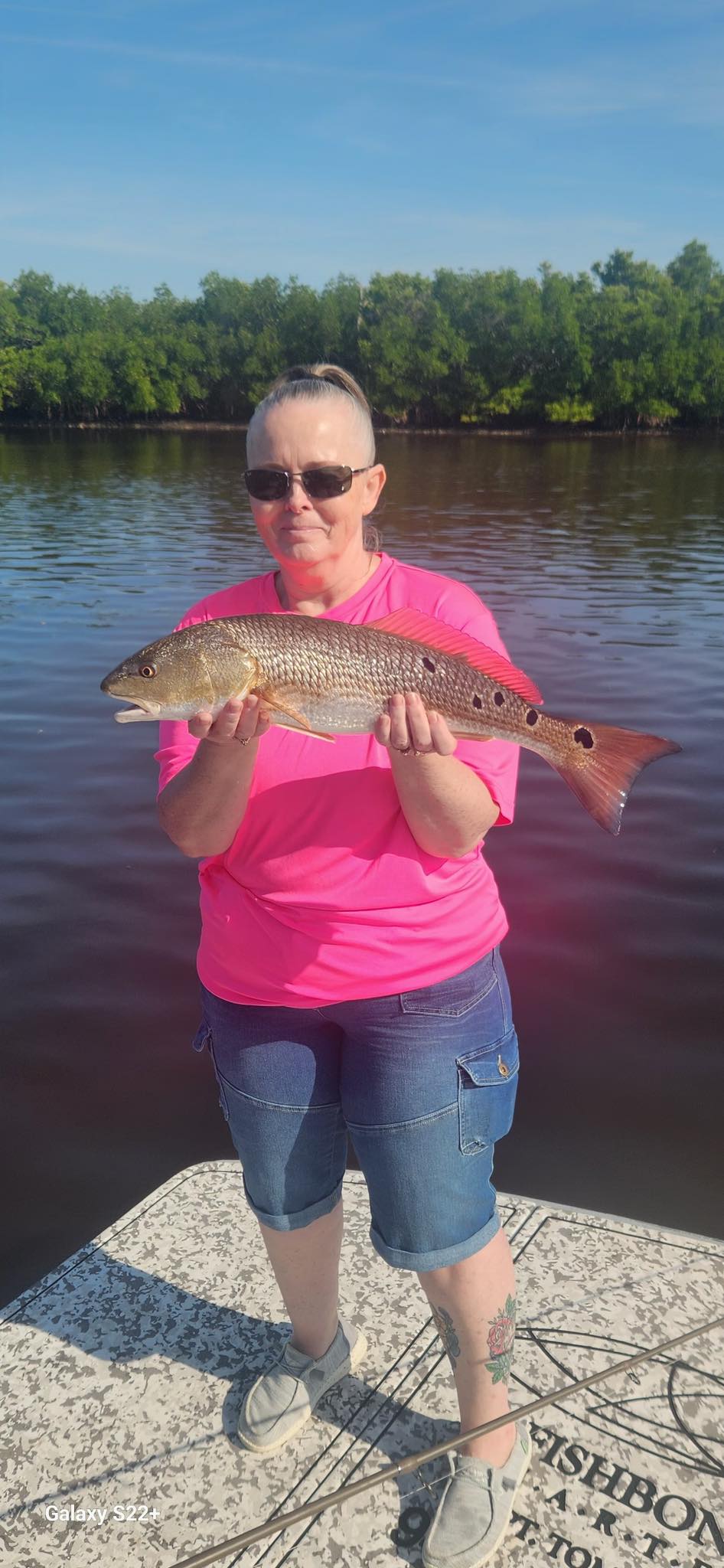
Redfish are another customer favorite, especially the big "bull" reds that patrol Charlotte Harbor's deeper grass flats and channel edges. These copper-colored bruisers are known for their bulldogging fights and impressive size – fish over 30 inches are common here. What makes redfish special is their predictable behavior patterns. They cruise grass flats in small schools, often with their backs barely submerged, creating perfect sight fishing opportunities. The key is approaching quietly and making precise casts ahead of moving fish. Summer months bring the largest concentrations as reds use Charlotte Harbor's shallow waters for feeding before moving to spawn offshore.
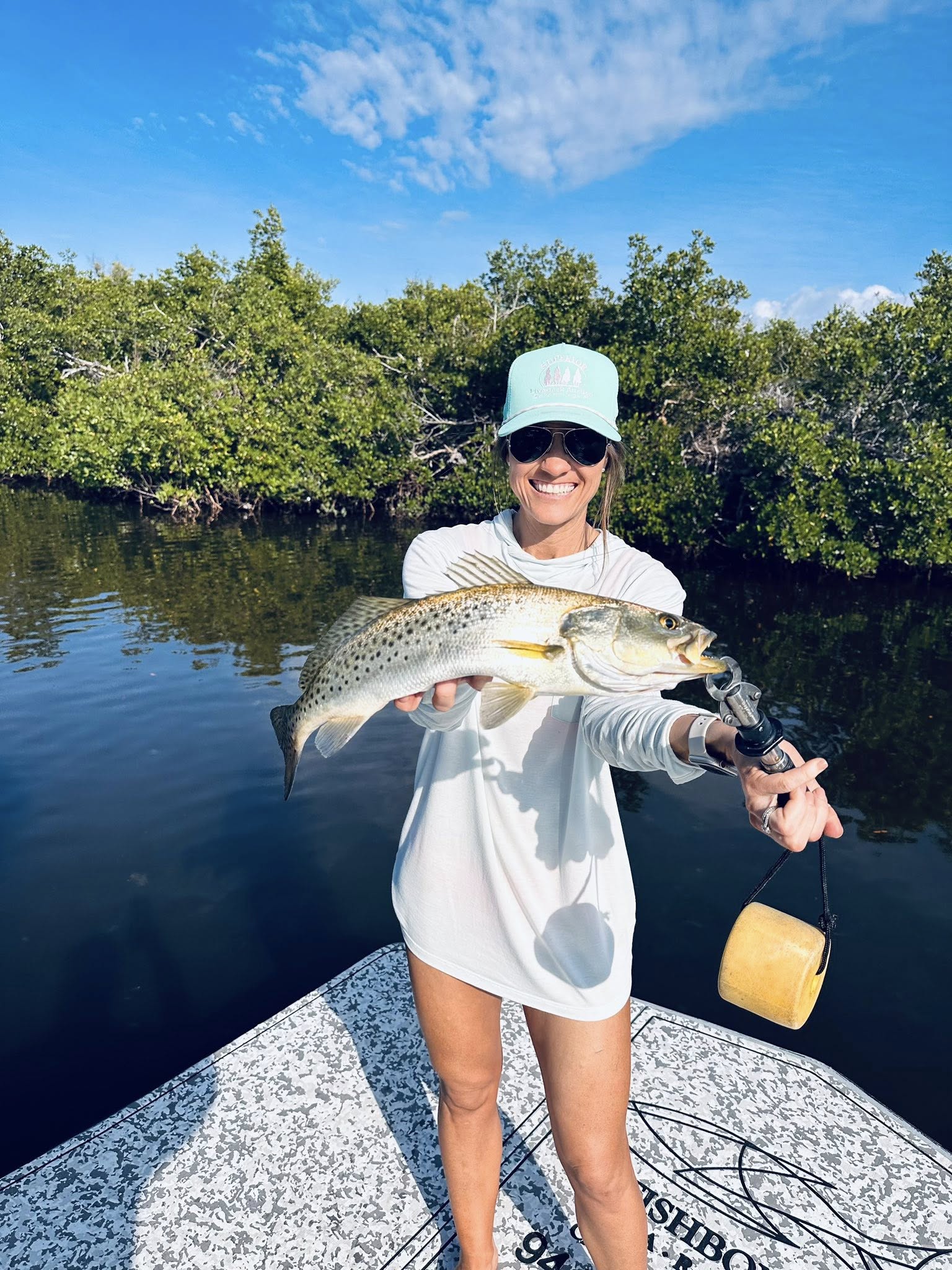
Spotted seatrout thrive in Charlotte Harbor's extensive grass flats, providing consistent action throughout the year. These beautiful fish are incredibly sensitive to water temperature and barometric pressure, making them excellent indicators of overall fishing conditions. Trout fishing here requires reading the water – finding the right depth where grass edges meet sand holes, or locating subtle depth changes that concentrate baitfish. They're eager strikers but have soft mouths, so proper hook-setting technique is crucial. Winter months often produce the largest trout as they move to deeper water and feed aggressively before cold fronts.
Sheepshead are Charlotte Harbor's most underrated fighters, especially around the area's abundant oyster bars and dock pilings. These black-and-white striped fish have human-like teeth designed for crushing shellfish, making them masters at stealing bait and testing your patience. But when you connect with a quality sheepshead, you'll understand why experienced anglers target them specifically. They're incredibly strong for their size and make multiple runs toward structure. Winter is prime time for big sheepshead as they school up in preparation for their offshore spawning runs.
Tripletail represent the wild card species that can turn a good day into a legendary one. These odd-looking fish float near structure, often resembling debris until they suddenly come to life. Charlotte Harbor's bridges, markers, and floating vegetation provide perfect tripletail habitat. They're incredibly spooky and require stealthy presentations, but their unique appearance and exceptional table quality make them a prized catch. Summer months offer the best tripletail opportunities as they move inshore to feed in the harbor's rich waters.
Time to Book Your Spot
This world-class Charlotte Harbor fishing experience delivers exactly what serious anglers are looking for – skilled guidance, productive waters, and the flexibility to adapt throughout the day. The 6-hour format gives us real time to work different areas and techniques, while the focus on advanced skills means you'll come away a better angler. Additional guests can join for $50 per person, and we can extend the trip at $100 per hour when conditions are firing. Remember that deposits are non-refundable, so plan accordingly. Charlotte Harbor
 Private Trip
 Inshore Fishing
 undefined, undefined


 Six-hour advanced charter targeting snook, redfish, and seatrout