Charlotte Harbor Beginners Fishing Charter
Looking to get your feet wet in the world of fishing? This 4-hour Charlotte Harbor beginners charter with FishBone Charters is exactly what you need. Perfect for first-timers and families who want to learn the ropes without feeling overwhelmed, this trip takes you into the calm back bay waters where snook, redfish, and spotted seatrout are waiting. Captain keeps things relaxed and educational, so you'll actually understand what you're doing instead of just hoping for the best. All your gear is included – rods, reels, bait, and tackle – so you can focus on learning rather than worrying about what to bring. The trip accommodates two guests in the base price, but you can add up to two more anglers for $50 each, making it perfect for small groups or family outings.
What to Expect on the Water
Charlotte Harbor's back bay waters are like a giant classroom for new anglers. The protected areas mean you're not fighting rough seas while trying to learn how to cast, and the fish here are plentiful enough to keep everyone engaged. Your captain takes a hands-on approach, walking you through everything from how to hold the rod properly to reading the water for signs of fish. You'll start in shallow flats where the water is crystal clear, letting you actually see fish moving around – it's pretty amazing when you spot your first redfish tailing in two feet of water. The pace stays comfortable throughout the trip, with plenty of time to practice your casting between fish. Don't worry if you've never tied a knot or baited a hook before; that's exactly what this charter is designed for. The captain explains why certain baits work better in different spots and teaches you to feel the difference between a fish bite and just bumping bottom.
Tackle and Techniques
You'll be fishing with medium-action spinning rods spooled with 15-20 pound test line – perfect for beginners because they're forgiving and easy to handle. The captain sets you up with circle hooks, which are much more beginner-friendly since they hook fish in the corner of the mouth automatically when you reel in. No dramatic hook sets needed, just steady pressure. Live shrimp is the go-to bait for most of the trip since it attracts just about everything swimming in Charlotte Harbor, but you'll also try cut bait and maybe some artificial lures if conditions are right. The beauty of fishing these back bays is that you're often in 3-6 feet of water, so if you do get snagged up (and you probably will at first), it's no big deal to break off and re-rig. You'll learn basic knots like the improved clinch knot, which is simple enough that most people get it down by the end of the trip. The captain also shows you how to read your rod tip and feel the difference between a fish picking up your bait versus just moving with the current.
Top Catches This Season
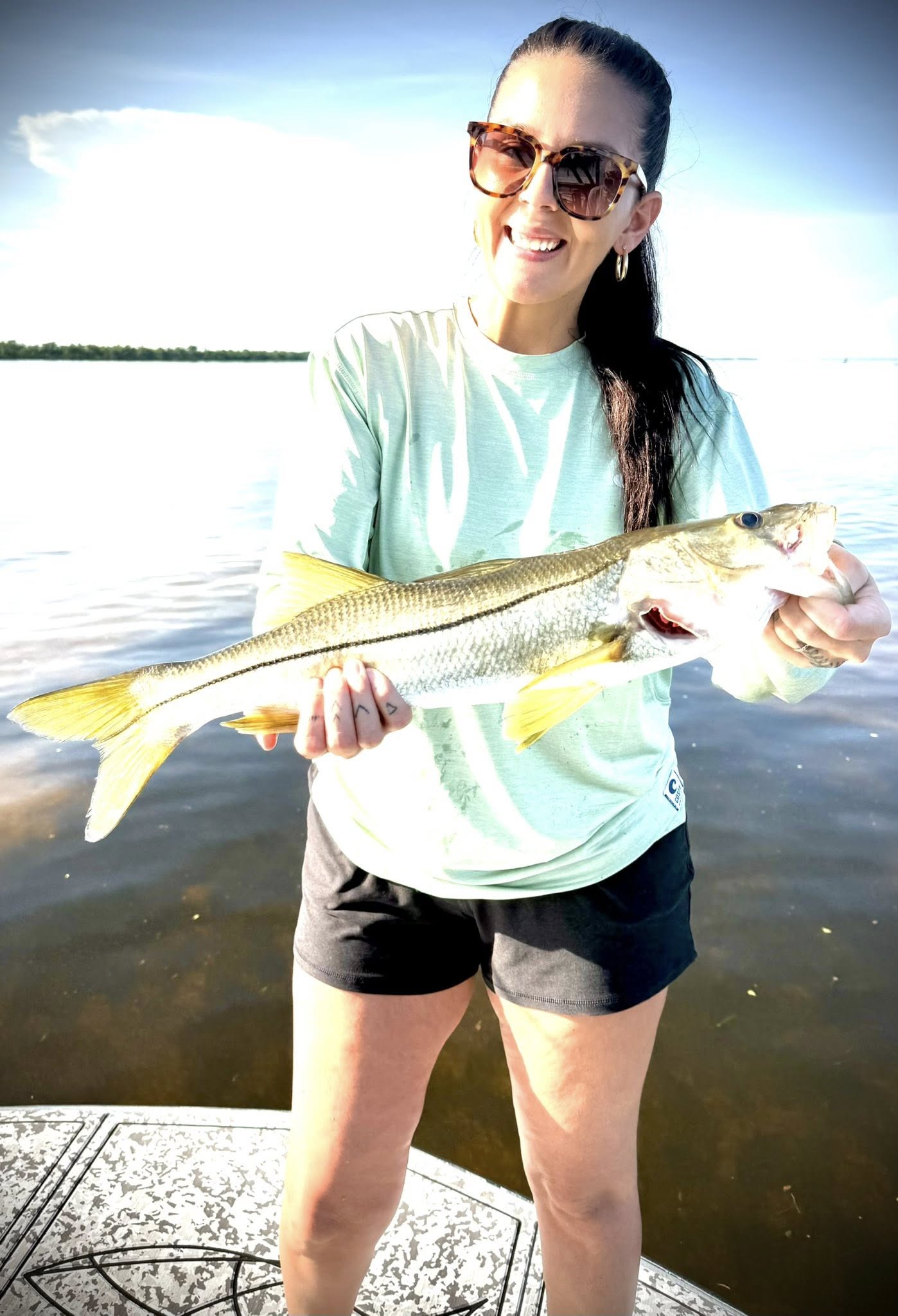
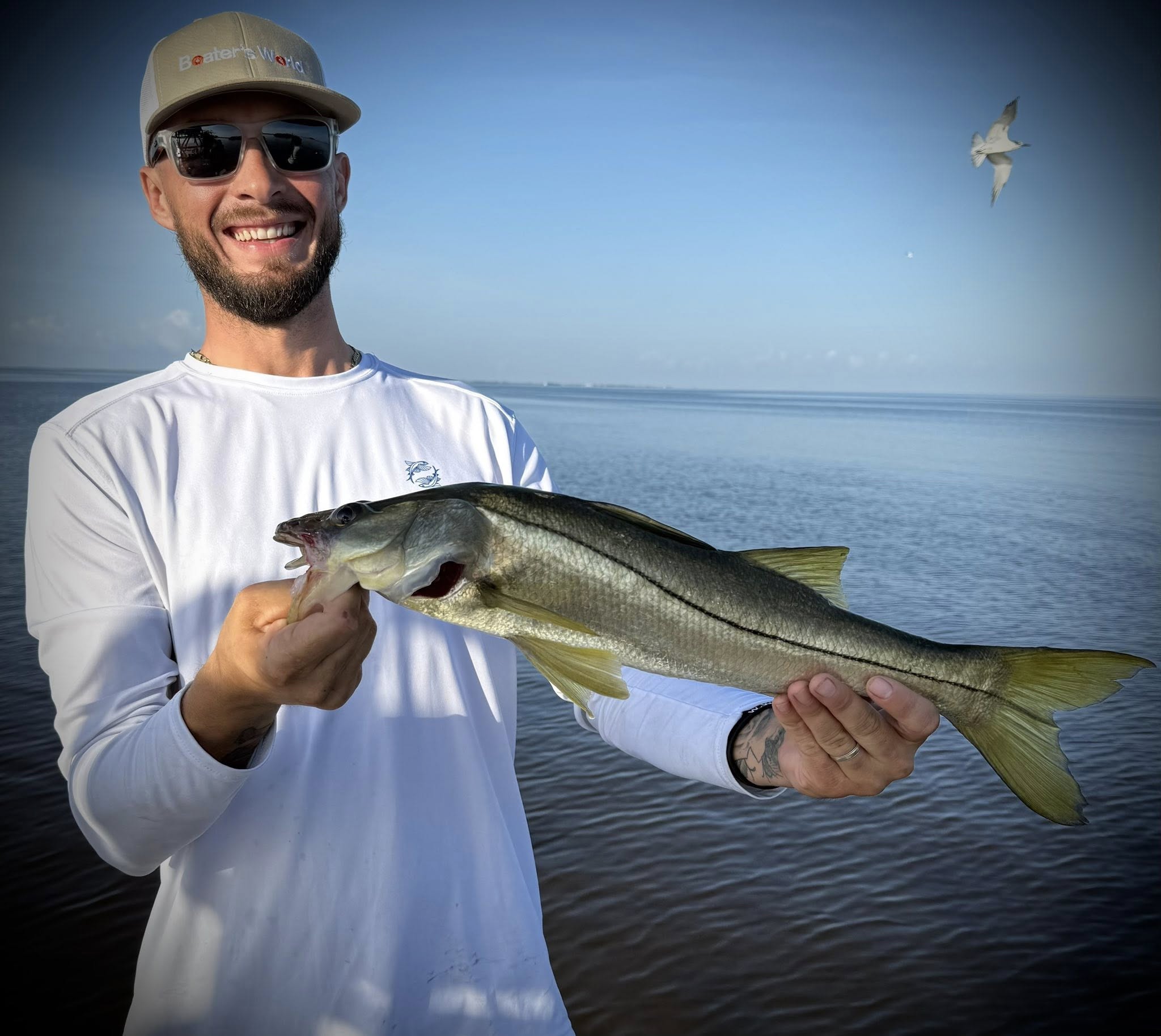
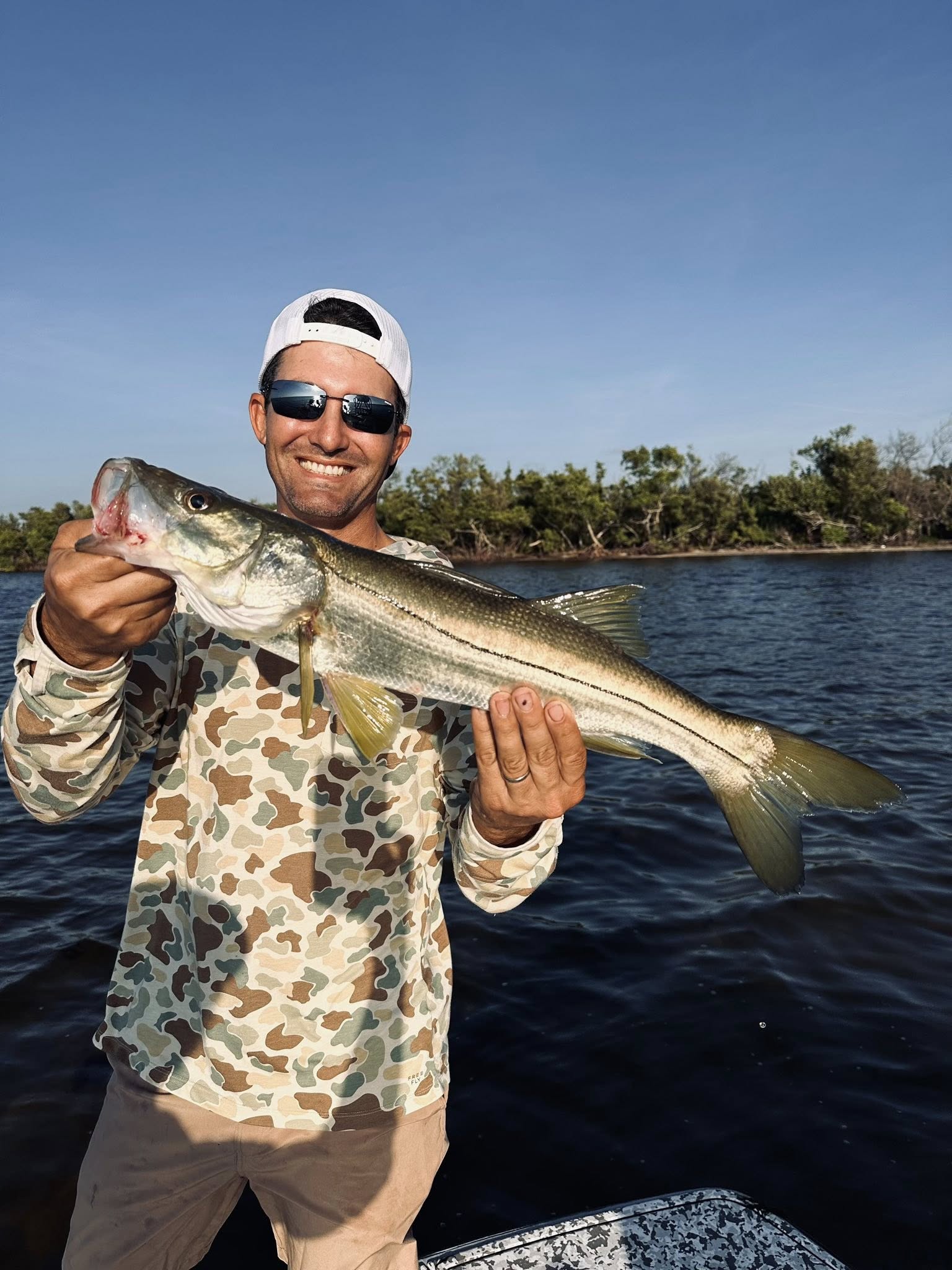
Snook are the superstars of Charlotte Harbor and for good reason. These silver rockets can grow over 40 inches and put up a fight that'll get your heart pumping. They're ambush predators that love to hang around docks, mangrove roots, and bridge pilings during the day. The best part about targeting snook here is that you can often see them before you cast – they'll be lurking in the shadows just waiting for an easy meal. Spring and fall are prime time, when they're most active and aggressive. What makes snook special is their attitude; they hit hard and immediately try to wrap your line around the nearest structure. It's like playing chess with a fish that's stronger than you.
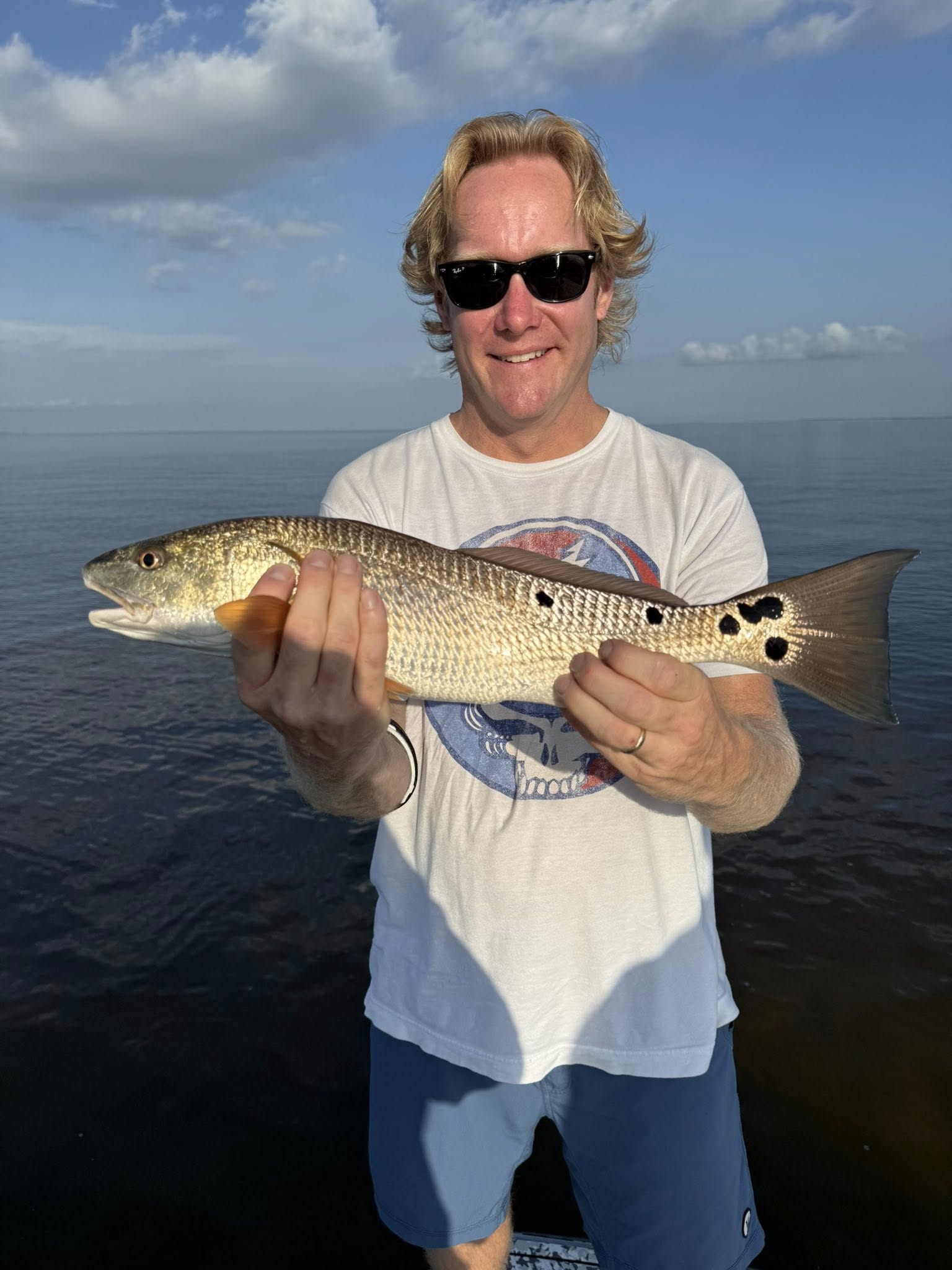
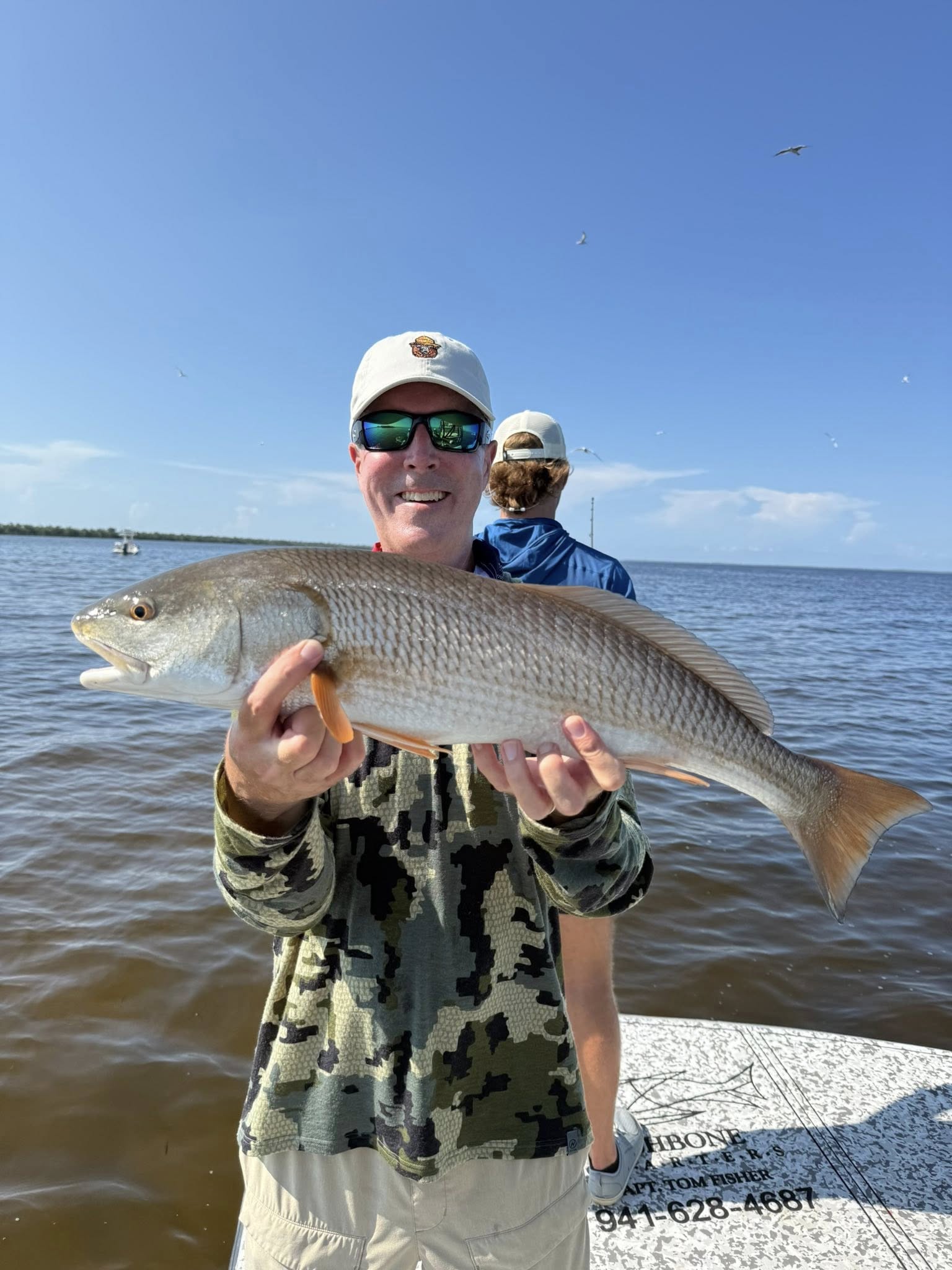
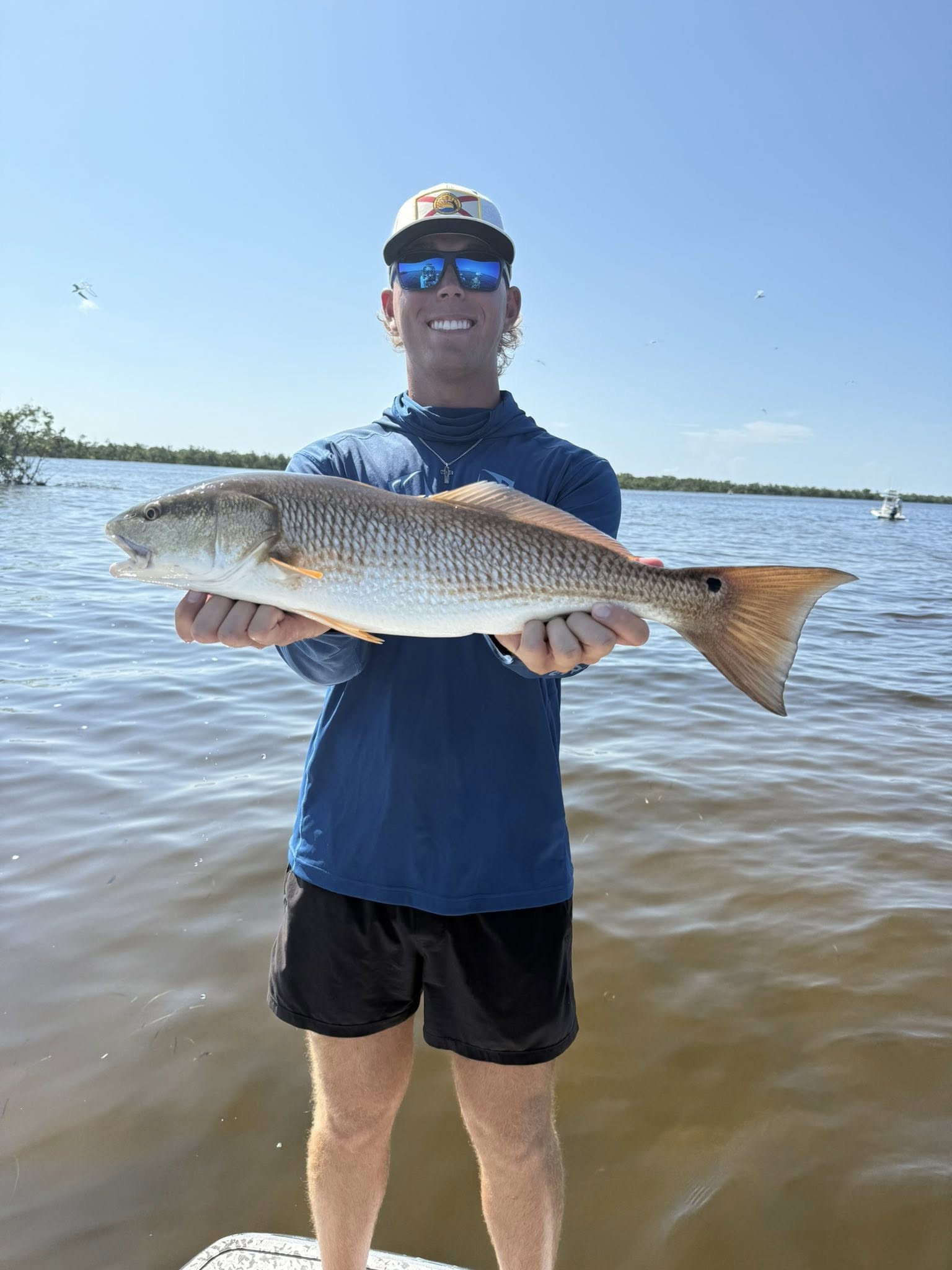
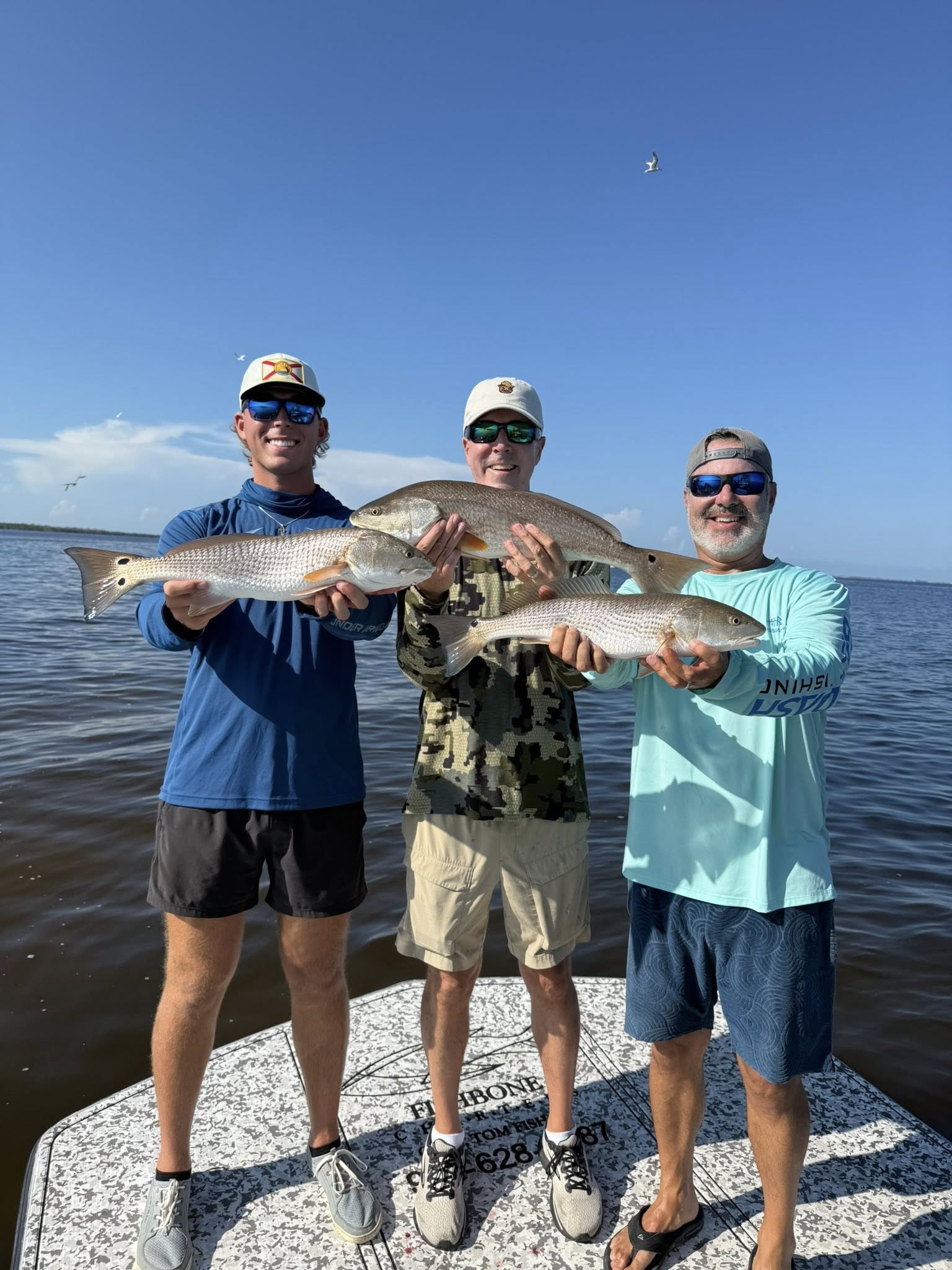
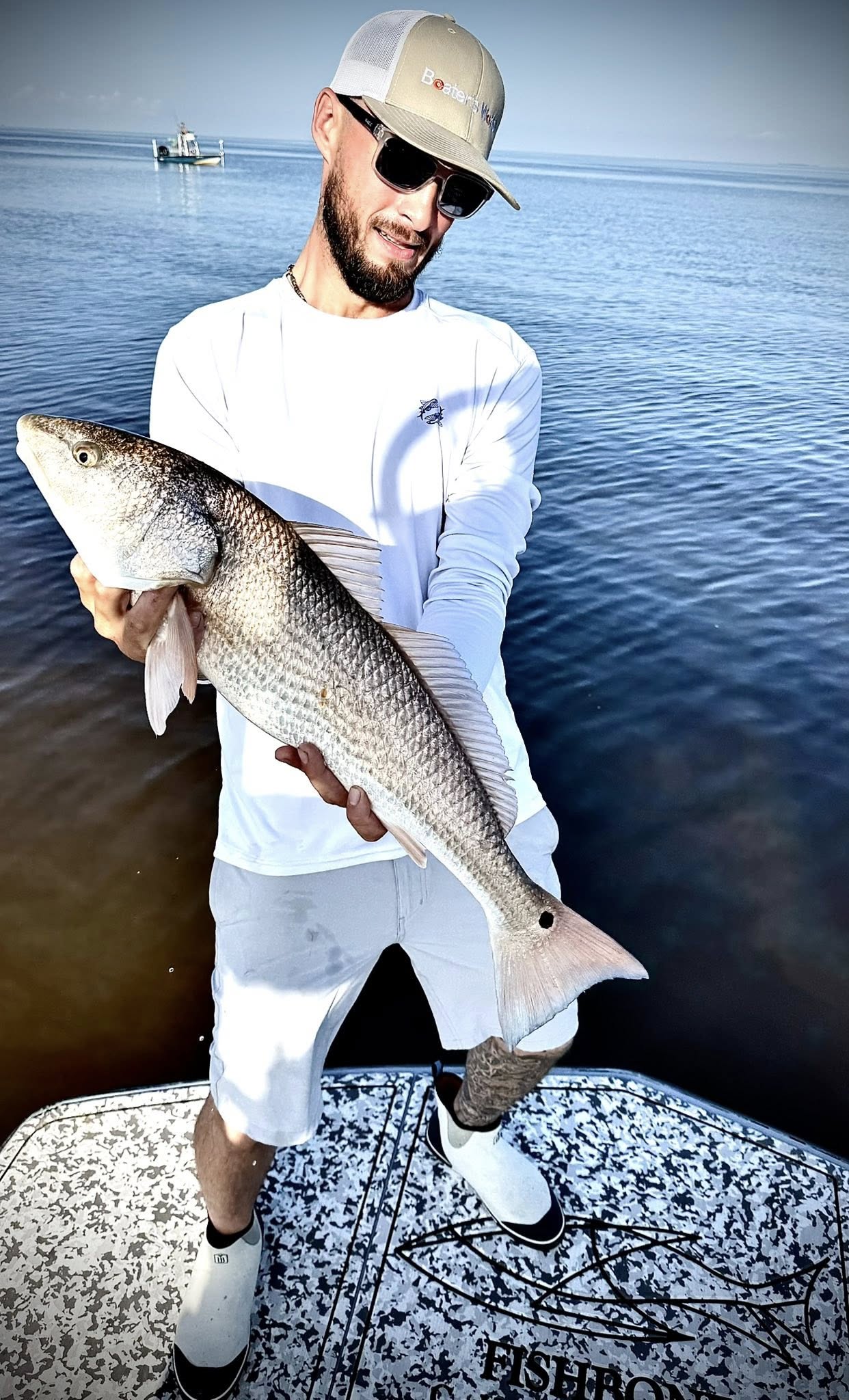
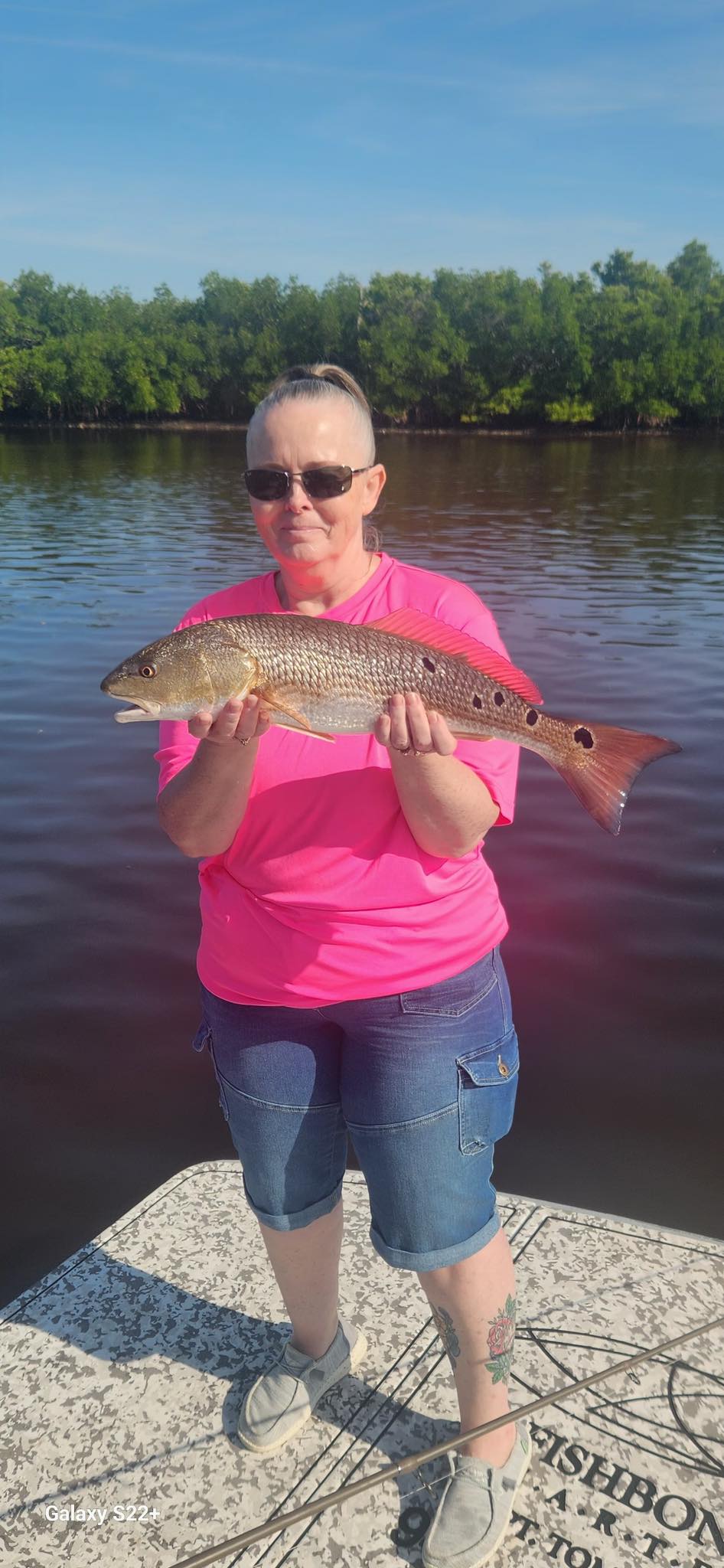
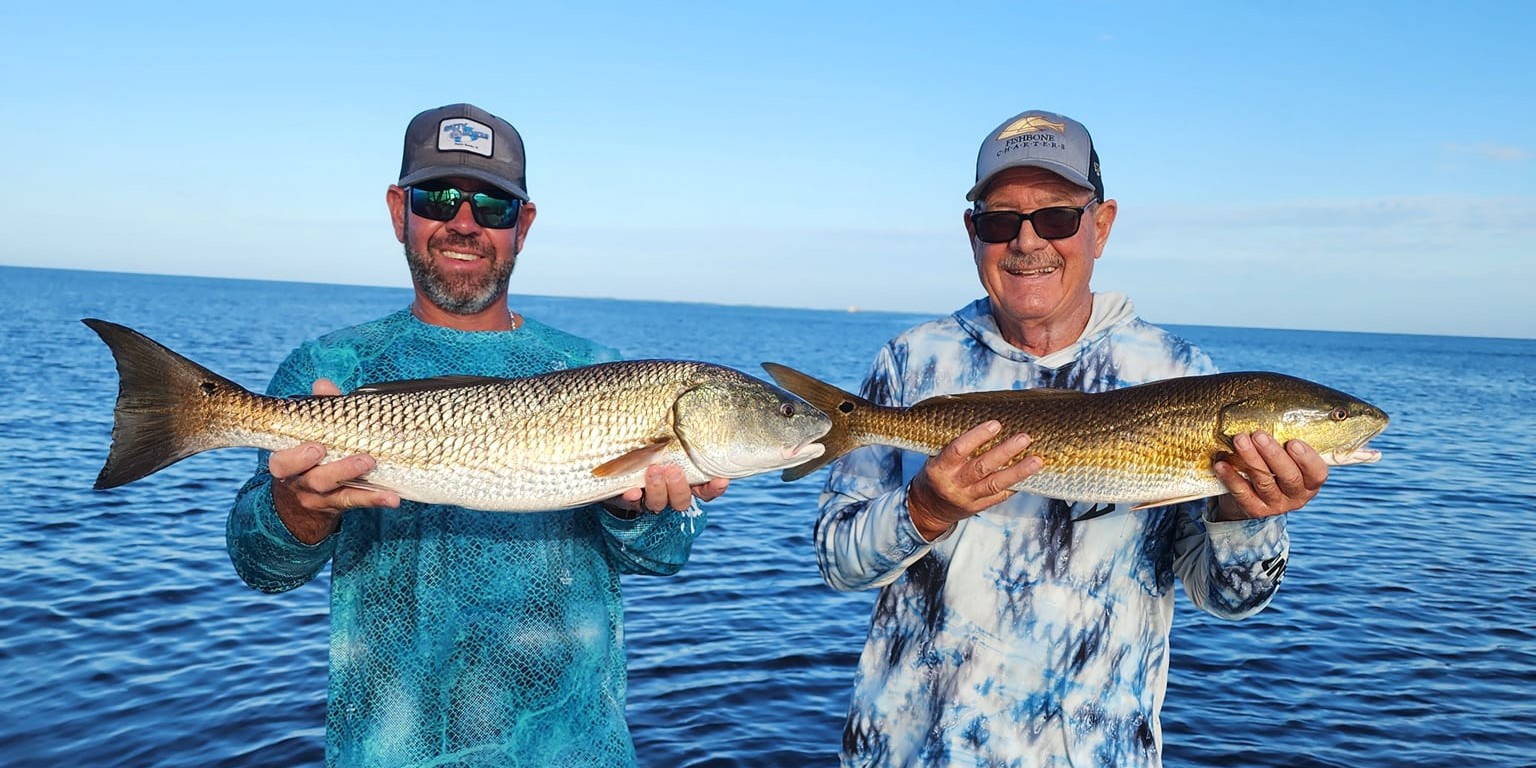
Redfish, or reds as locals call them, are probably the best species for beginners to target. These copper-colored fighters are less finicky than snook and more predictable in their behavior. You'll find them cruising the flats, especially during moving tides, and they're not shy about eating a well-presented shrimp. Reds typically run 18-27 inches in these waters, which is perfect – big enough to be exciting but not so large they'll spool your reel. They're year-round residents, though they're most active during the cooler months. The telltale black spot near their tail makes them easy to identify, and watching one slowly swim up to your bait and inhale it never gets old.
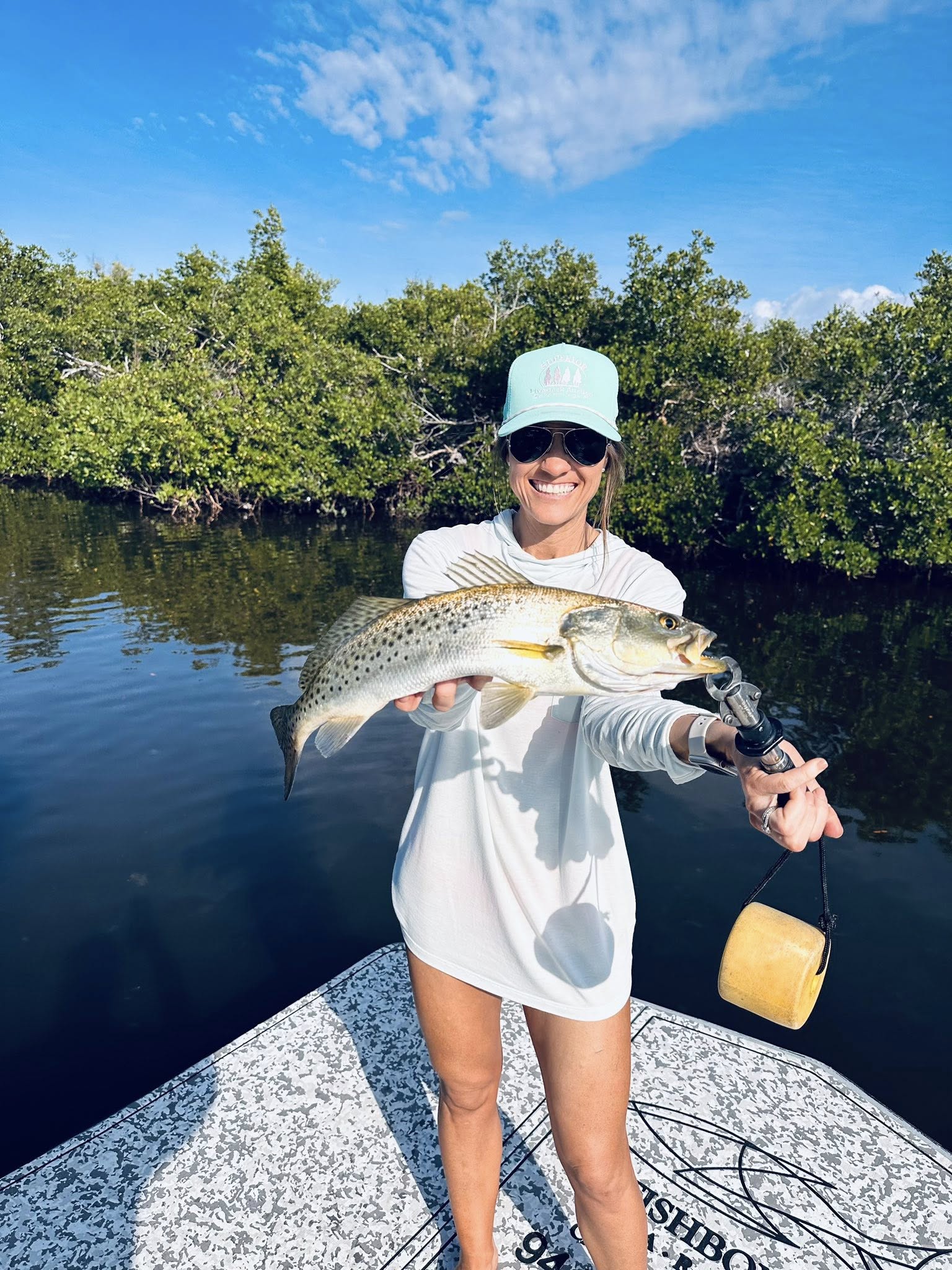
Spotted seatrout, or just "trout" to most anglers, are scattered throughout Charlotte Harbor's grass flats. They're beautiful fish with distinctive spots and a delicate mouth, so you learn to fight them with finesse rather than muscle. Trout are most active during the cooler months and early morning or late afternoon periods. They're schooling fish, so when you find one, there are usually more nearby. What's great about trout for beginners is that they're relatively easy to catch once you locate them, and they make excellent table fare if you decide to keep a few within the regulations.
Sheepshead might look funny with their human-like teeth, but they're some of the craftiest fish in the harbor. These black-and-white striped convict fish are structure lovers, hanging around docks, bridges, and oyster bars. They're notorious bait stealers – you'll swear something's eating your shrimp, but when you reel in, the hook is clean. Learning to catch sheepshead teaches you patience and how to feel subtle bites. They're excellent eating and fight harder than their appearance suggests, making them a favorite target during the winter months when they're most abundant.
Tripletail are the wild cards of Charlotte Harbor. These oddly-shaped fish float near the surface, often around crab trap floats or debris, looking like floating leaves until they move. They're not always around, which makes catching one feel extra special. Tripletail have this habit of slowly swimming up to a bait, looking it over like they're deciding whether it's worth the effort, then either inhaling it or swimming away. When they do bite, they fight with surprising
 Private Trip
 Inshore Fishing
 undefined, undefined


 Four-hour beginner-friendly charter targets snook, redfish, and seatrout