Charlotte Harbor Inshore Fishing Charter
Get ready for some of the best inshore fishing Southwest Florida has to offer. This 4-hour Charlotte Harbor charter puts you right in the sweet spot where snook, redfish, and spotted seatrout call home. Captain and crew at FishBone Charters know these waters inside and out, and they'll get you on fish whether you're a weekend warrior or just learning to cast. The trip's designed for two anglers but can handle up to four total, making it perfect for couples, buddies, or small family groups looking to get their lines wet without breaking the bank.
What to Expect on the Water
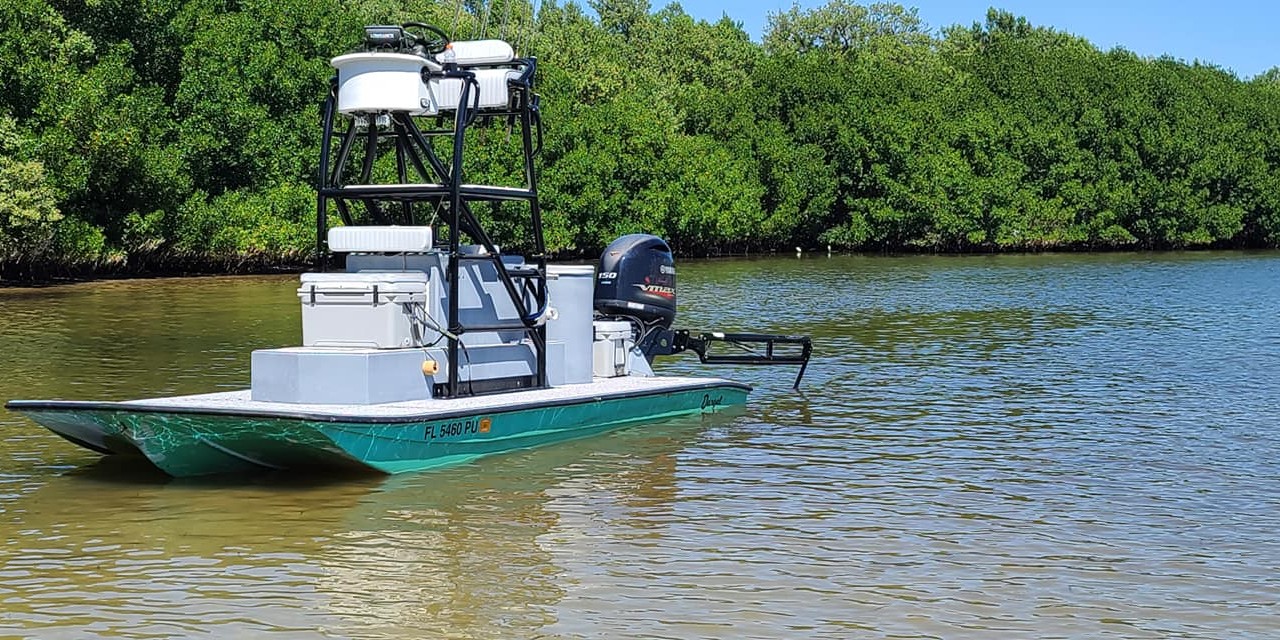
Charlotte Harbor is a top-rated inshore destination that delivers consistent action year-round. You'll be fishing the mangrove shorelines, grass flats, and oyster bars where game fish love to hunt. The beauty of this charter is how the captain reads the conditions and adjusts on the fly - if the snook are being finicky around the docks, we'll slide over to the flats for some redfish. If the trout are schooled up in the deeper pockets, that's where we'll set up shop. The pace stays relaxed but productive, giving everyone time to learn proper techniques while still putting fish in the boat. All your gear is covered - rods, reels, bait, tackle, and ice - so you just need to show up ready to fish. The boat's equipped for comfort with plenty of shade, and the shallow draft lets us get into spots bigger boats can't reach.
Tackle and Techniques
We're talking classic inshore setups here - medium-action spinning rods paired with quality reels that can handle the fight these fish bring. Live bait is the name of the game in Charlotte Harbor, with live shrimp, pinfish, and pilchards being the go-to offerings depending on what's biting. The captain will also rig up some artificials - soft plastics, topwater plugs, and spoons that work magic when the fish are aggressive. Techniques vary with the target species and conditions. You might be sight-casting to tailing redfish on the flats, working a DOA shrimp along a mangrove edge for snook, or drifting live bait over grass beds where the trout hang out. The water averages 3-8 feet deep in most spots, so you'll see plenty of the action happen right in front of you. Circle hooks keep everything legal and help with catch-and-release, though you're welcome to keep what's in season and within regulations for a fresh dinner.
Species You'll Want to Hook
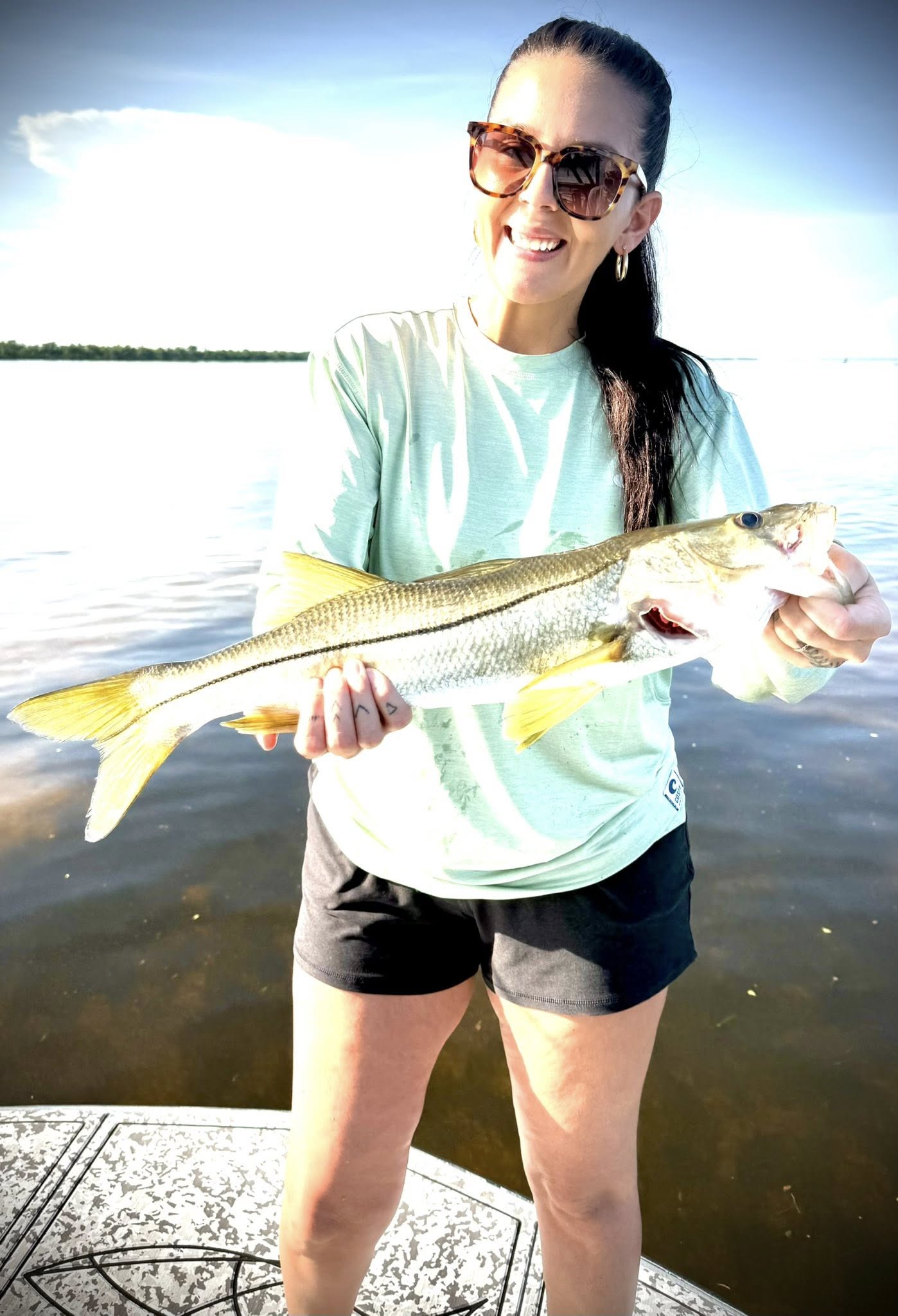
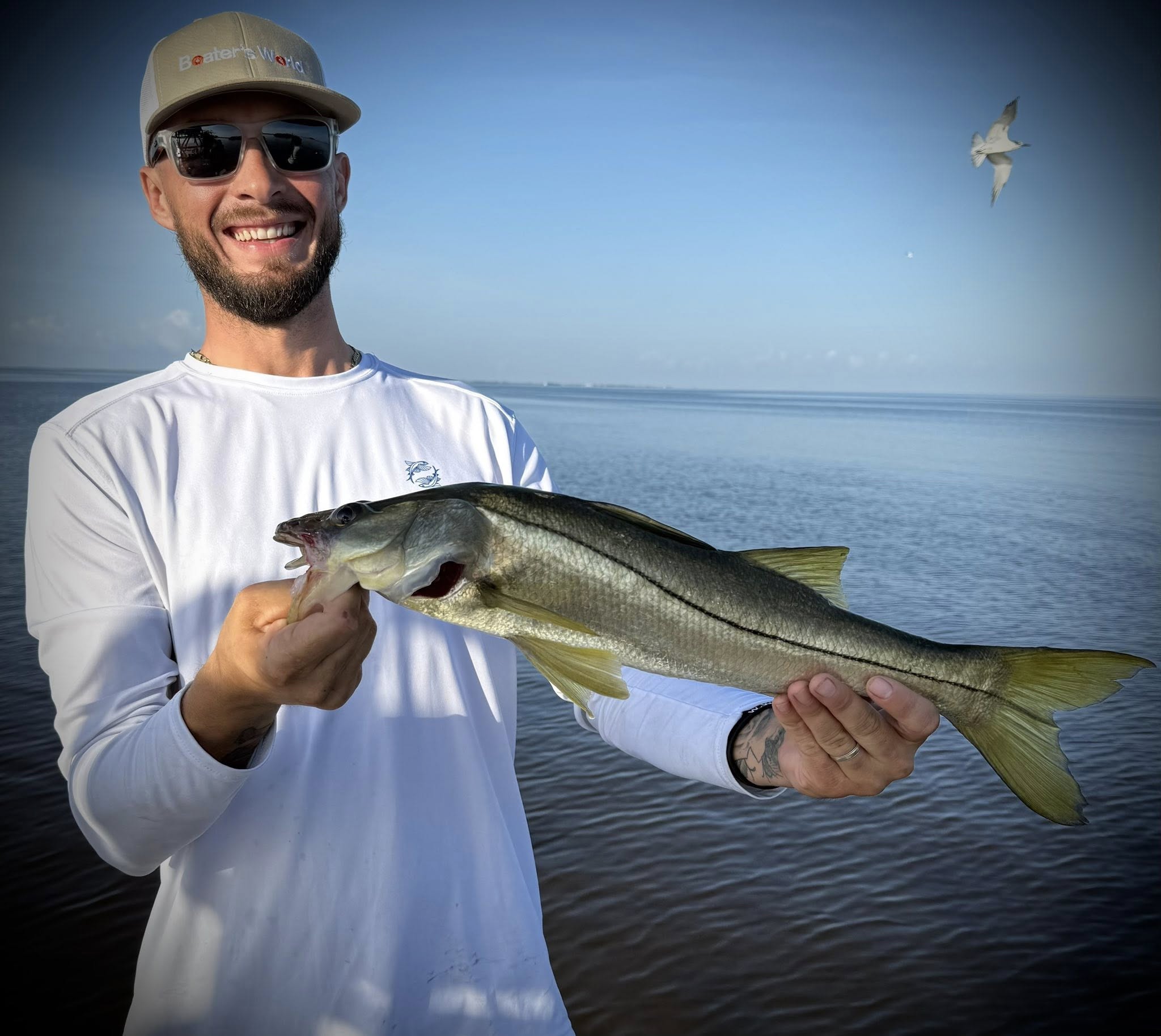
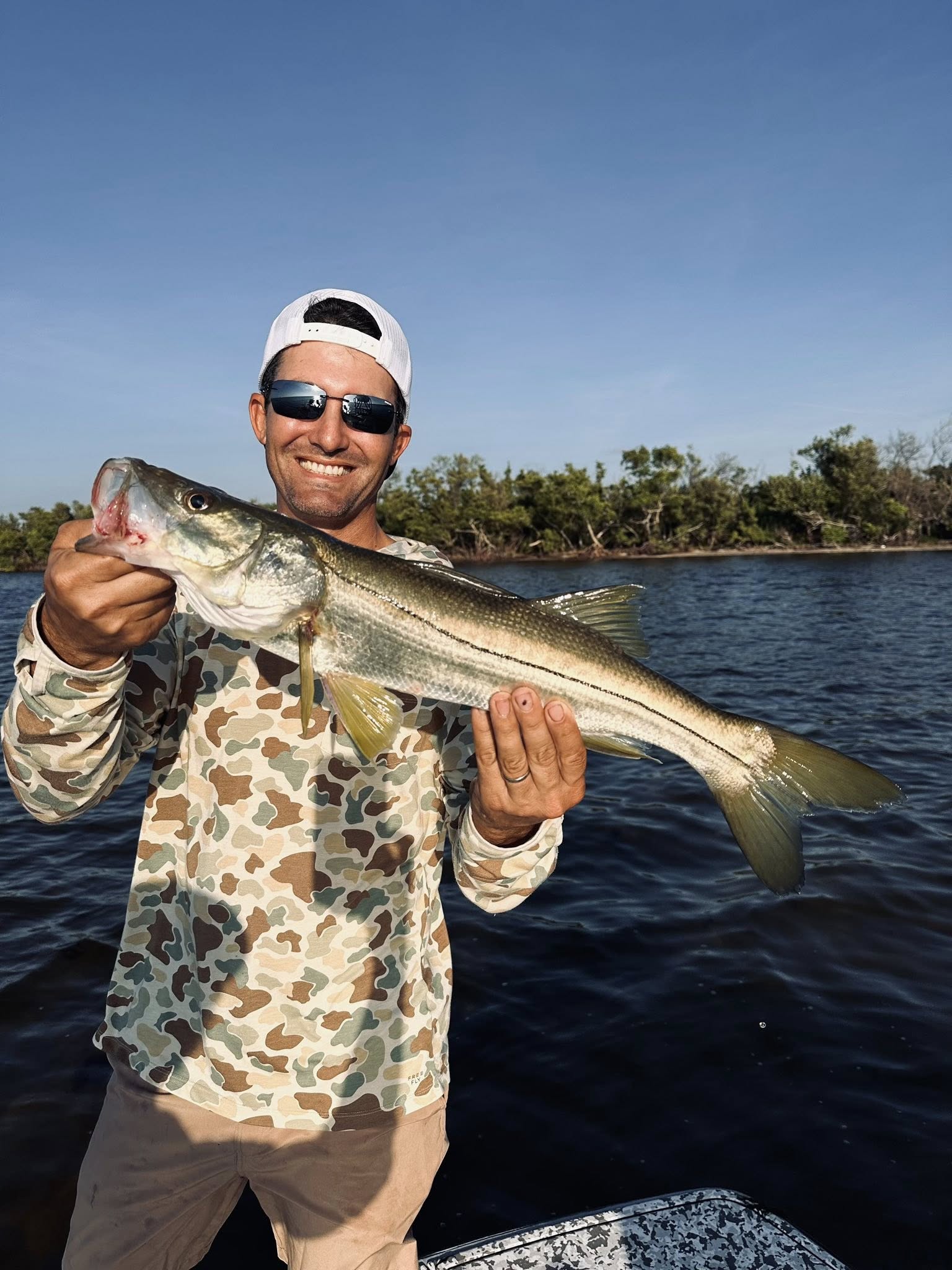
Snook are the crown jewel of Charlotte Harbor inshore fishing. These ambush predators love to hang around docks, mangrove overhangs, and bridge pilings where they can dart out and slam baitfish. They're most active during the warmer months from April through October, and they fight like crazy - making long runs and jumping clear out of the water. What makes snook special is their attitude; they'll hit topwater lures with explosive strikes that'll get your heart pumping. The slot limit keeps things sporting, and a good Charlotte Harbor snook will run anywhere from 28 to 33 inches.
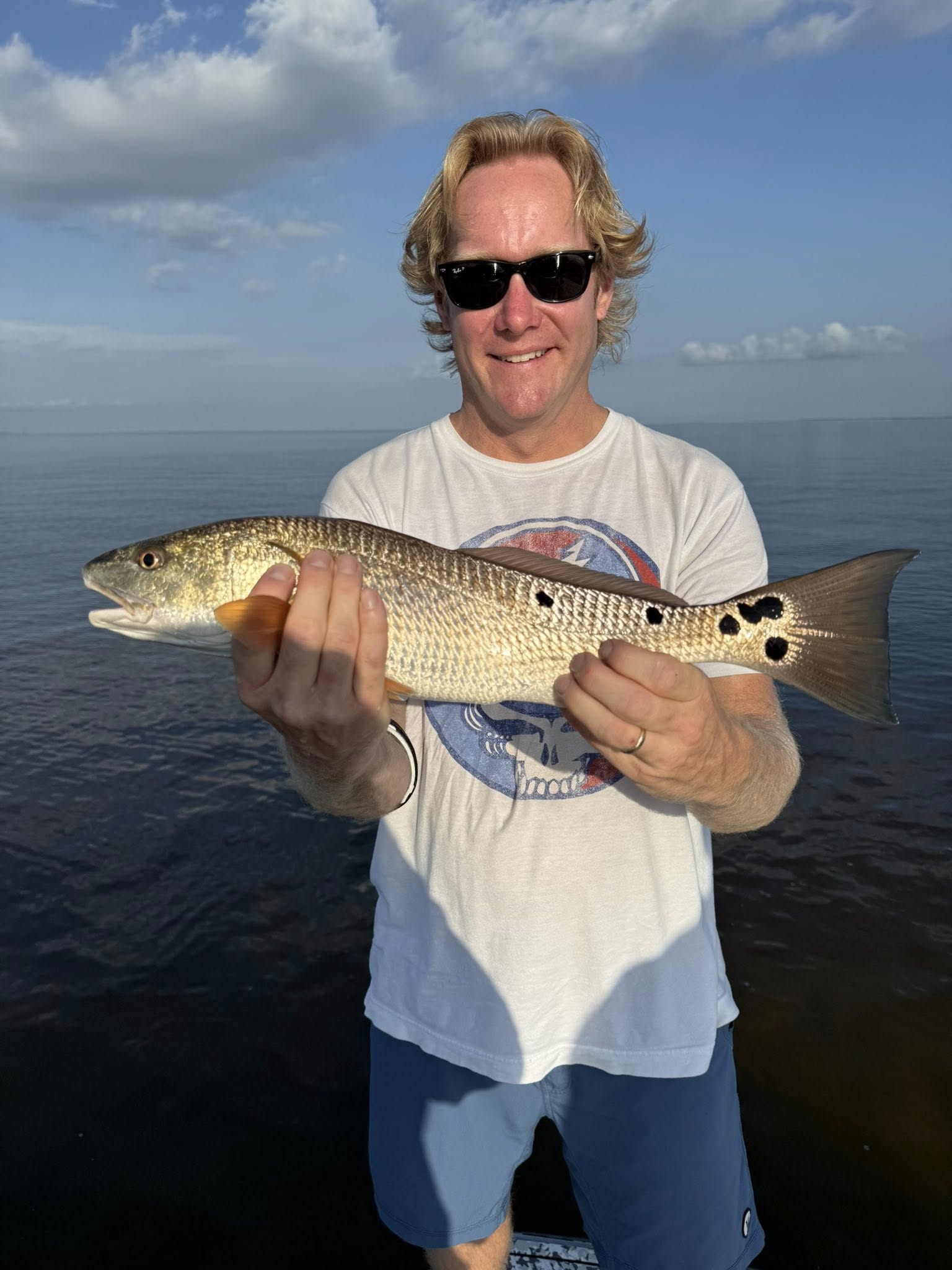
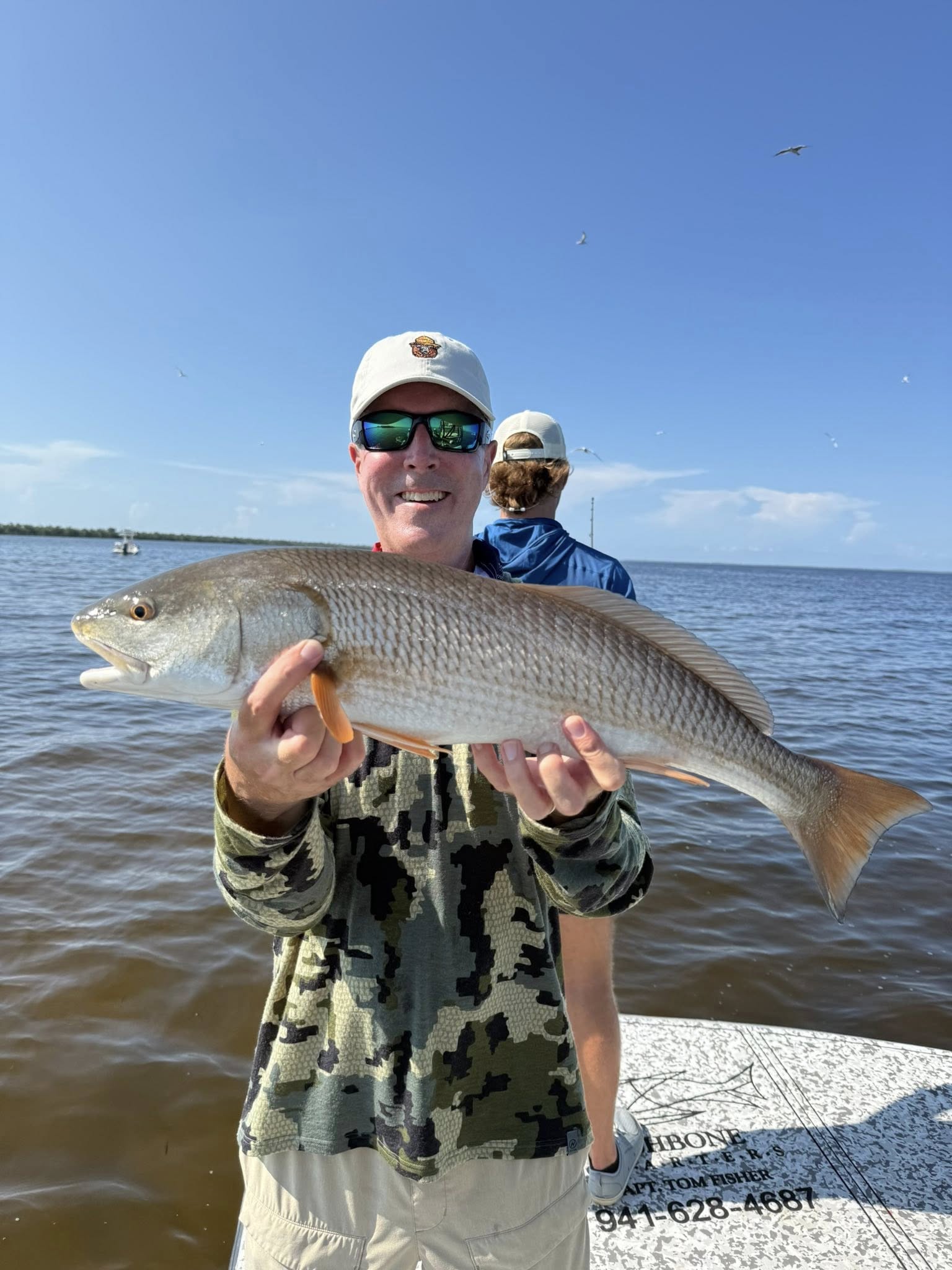
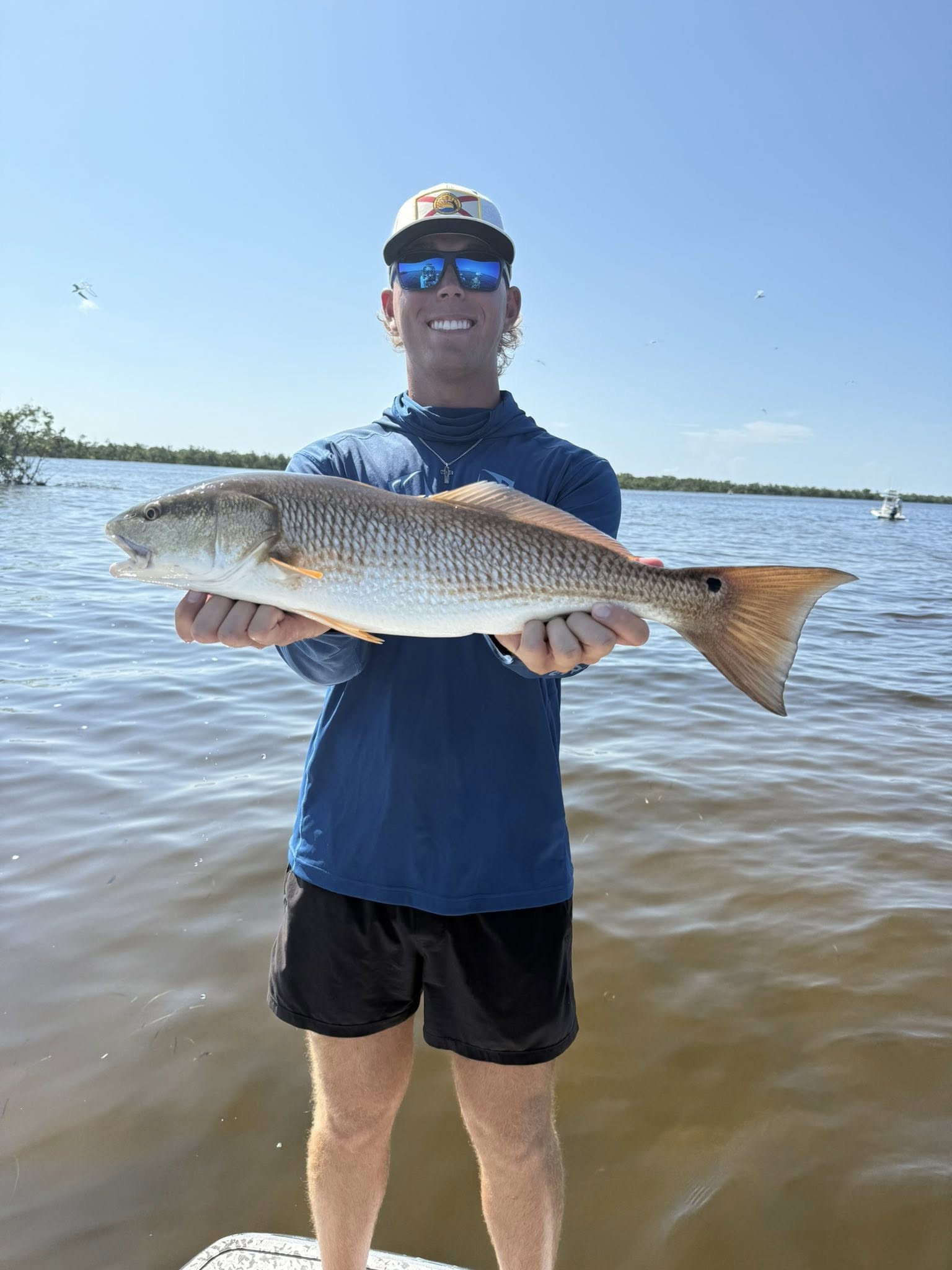
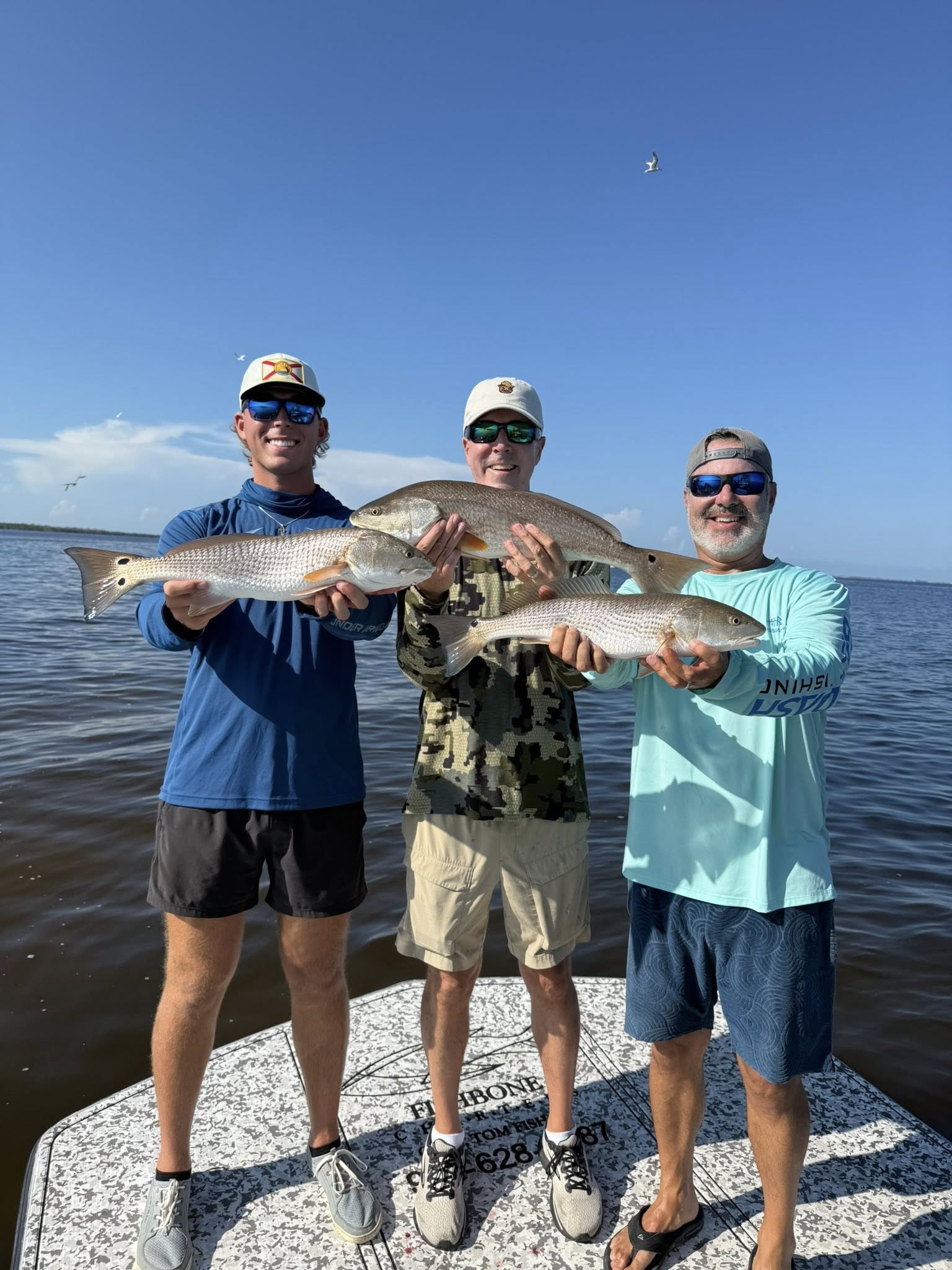
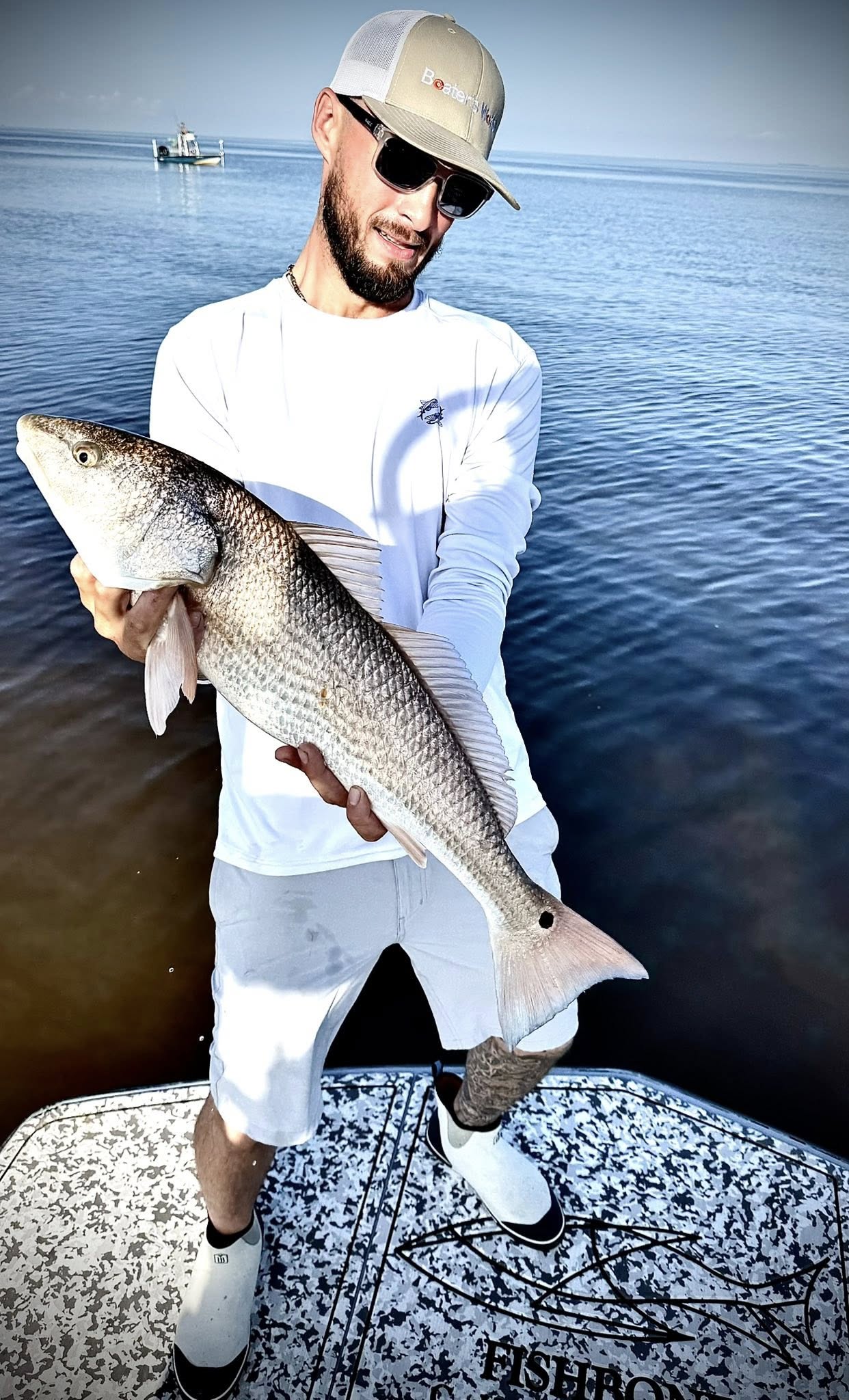
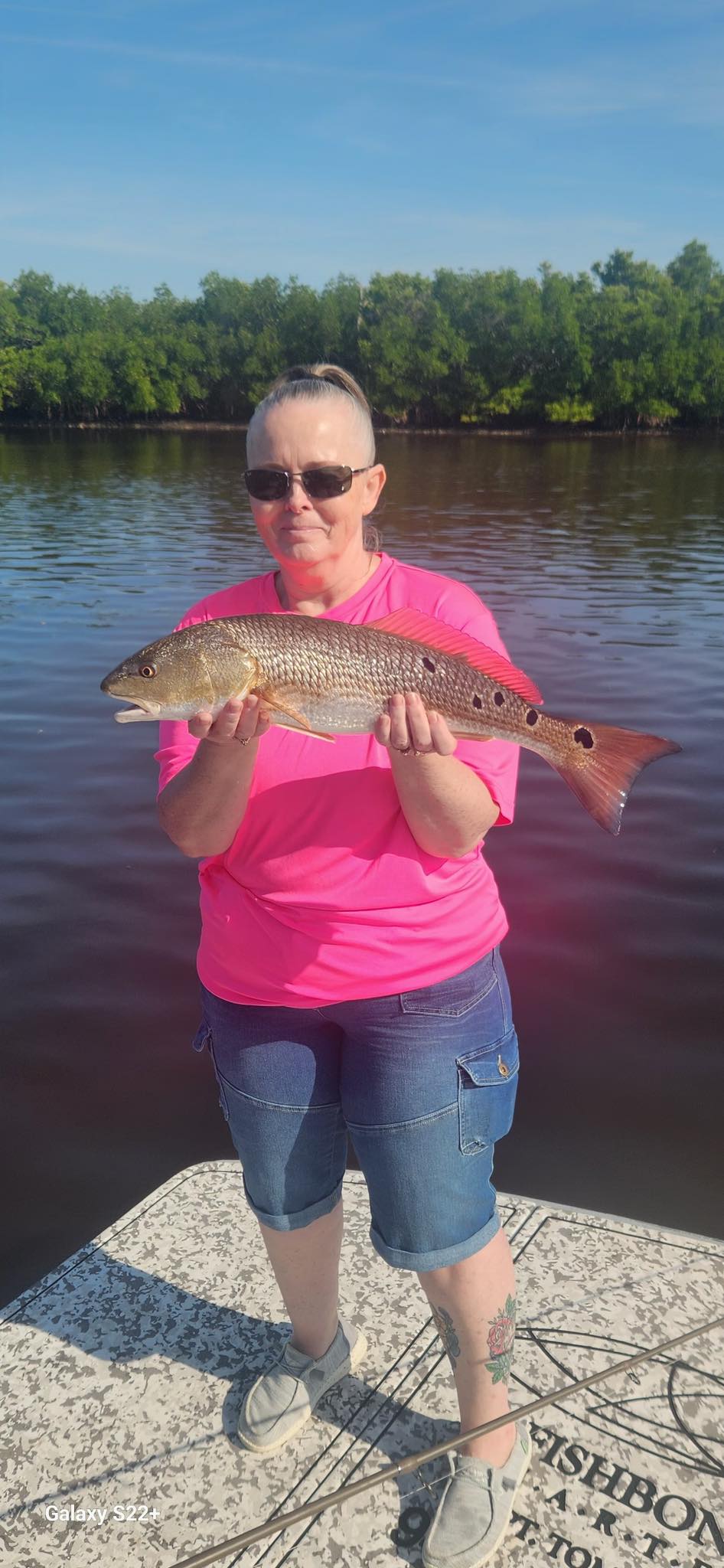
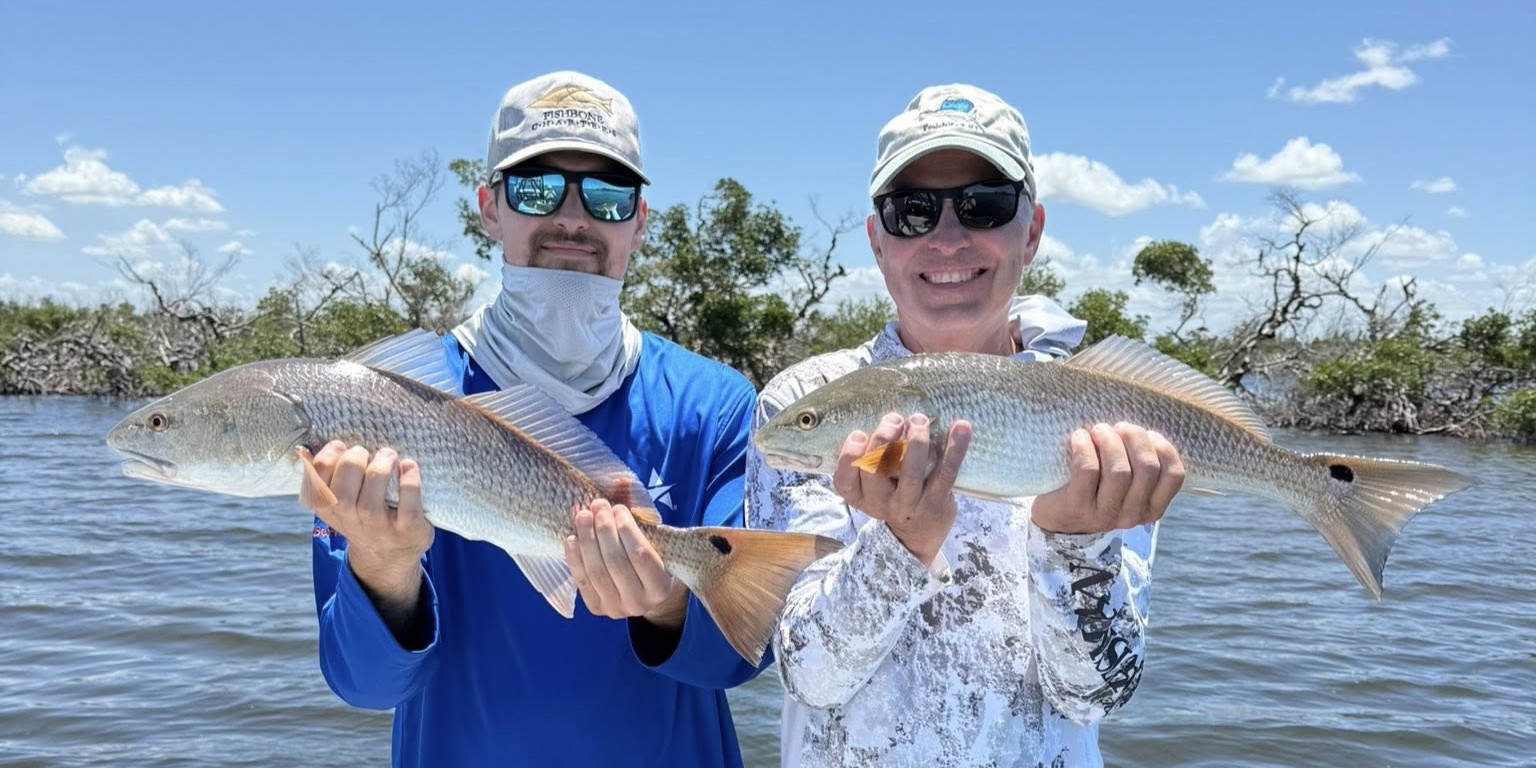
Redfish are the workhorses of the flats, and Charlotte Harbor has some true bruisers. These copper-colored fighters cruise the shallow grass beds and oyster bars, often with their backs out of the water as they root around for crabs and shrimp. They're year-round residents, but fall and winter produce the biggest fish as they bulk up for spawning season. Reds are perfect for beginners because they eat well and don't give up easy - expect a bulldogging fight that tests your drag and technique. The slot fish (18-27 inches) are fantastic table fare, while the oversized bulls provide pure adrenaline.
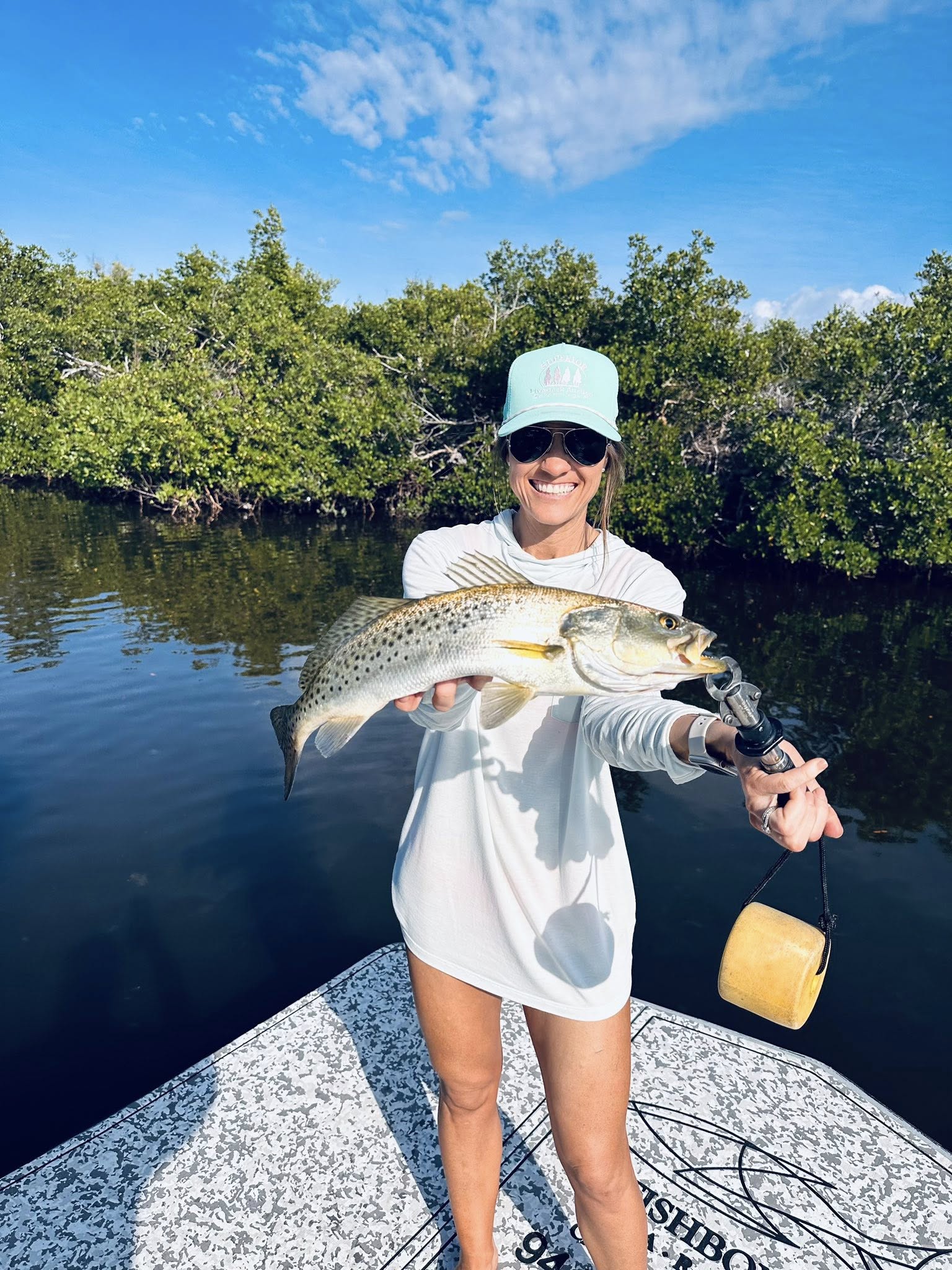
Spotted seatrout, or "specks" as the locals call them, are the bread-and-butter species that keep the action steady. These beautiful fish school up over grass beds and drop-offs, making them reliable targets when other species are being temperamental. Spring and fall are prime time for big trout, with fish pushing 20+ inches not uncommon. They're excellent on light tackle and make for some of the best eating you'll find in these waters. Trout respond well to both live bait and artificials, and they're forgiving enough that kids and novice anglers can get in on the fun.
Sheepshead are the technical challenge of the bunch - these black-and-white striped fish have incredible eyesight and mouths full of human-like teeth perfect for crushing barnacles and crabs. They hang around structure like docks, bridges, and oyster bars, especially during their winter spawning run from December through March. Landing a sheepshead requires patience and finesse, but they're worth the effort for their sweet, flaky meat. Think of them as the puzzle fish that keeps experienced anglers humble.
Tripletail are the wildcard species that can make any trip memorable. These odd-looking fish float on their sides near crab trap buoys, channel markers, and debris, looking just like floating leaves until they explode on your bait. They're most common in summer and early fall, and while you might only see one or two per trip, they grow large and fight with surprising power. Tripletail are considered excellent table fare and provide some of the most unique fishing experiences you'll find anywhere.
Time to Book Your Spot
This Charlotte Harbor charter hits the sweet spot for anglers wanting quality fishing without the big boat price tag. The 4-hour window gives you enough time to hit multiple spots and target different species, while the small group size ensures everyone gets plenty of personal attention from the captain. At $50 per additional angler, it's easy to bring along friends or family members who want to get in on the action. Remember that deposits are non-refundable, so plan accordingly. Charlotte Harbor fishing stays strong year-round, but
 Private Trip
 Inshore Fishing
 undefined, undefined


 Four-hour inshore charter targeting snook, redfish, and seatrout