8-Hour Clark Fork River Fly Fishing Adventure
The Clark Fork River stretches through some of Montana's most productive trout water, and this full-day charter gives you the time you need to really work the prime runs and pools. Eight hours on the water means we're not rushing – we'll hit the morning bite, take a proper lunch break, and stay through the afternoon when things often pick up again. Whether you're new to fly fishing or you've been working Montana rivers for years, our guides know exactly where to put you for the best shots at cutthroat, browns, and rainbows. With just two anglers per trip, you'll get the personal attention that makes all the difference between a good day and one you'll talk about for years.
What to Expect on the Water
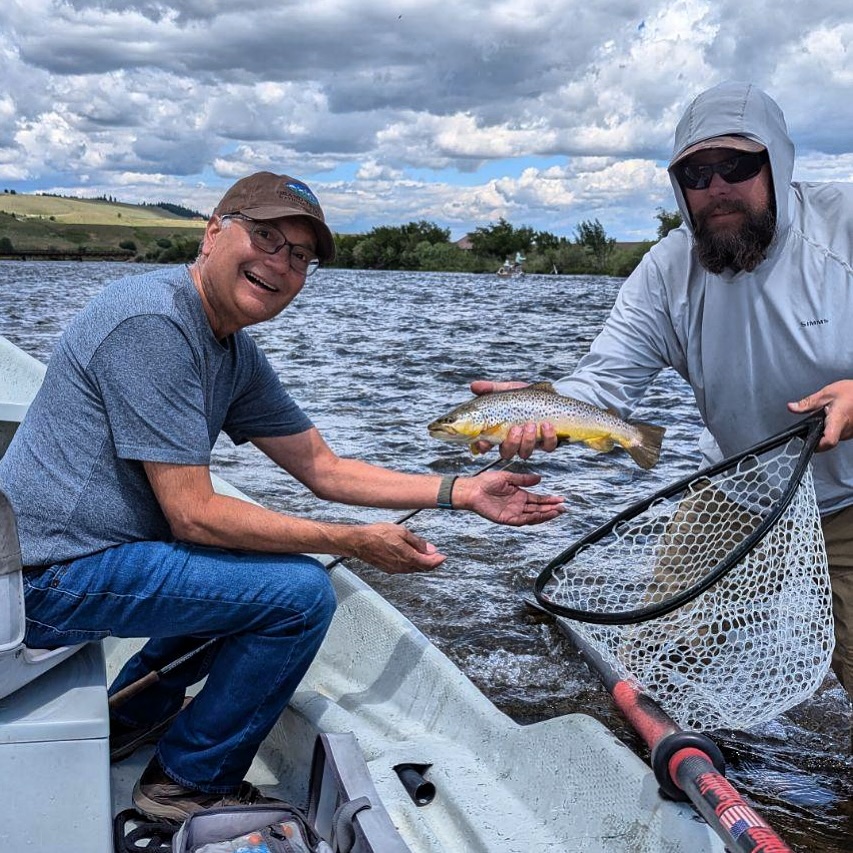
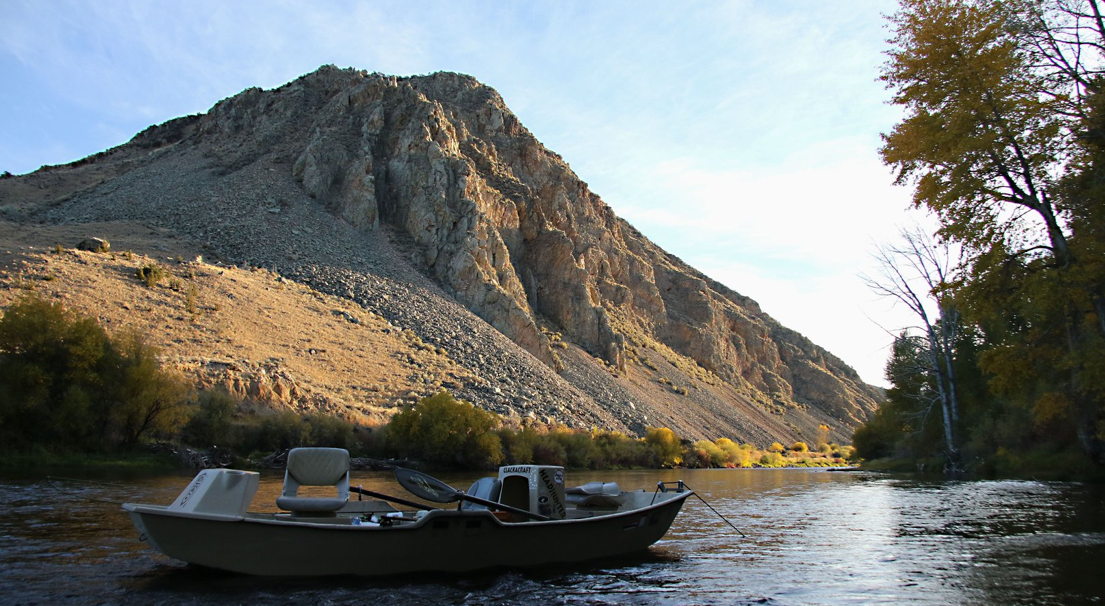
The Clark Fork flows through classic Montana ranch country, with long glides, deep pools, and plenty of structure that holds fish year-round. We'll launch early and spend the day reading water together – spotting feeding lanes, working undercut banks, and timing our presentations to rising trout. The river changes character as we float downstream, from shallow riffles perfect for dry fly action to deeper runs where streamers and nymphs really shine. Our drift boat gives us access to water that walk-in anglers never see, and we'll anchor up at the best spots so you can work them thoroughly. Lunch is provided streamside, usually at a scenic bend where we can watch the water while we eat and plan our afternoon strategy.
Flies, Gear, and River Tactics
We provide all the fly fishing gear you'll need, including quality rods matched to the conditions and a selection of proven Clark Fork patterns. Early in the day, we'll often start with nymph rigs – think prince nymphs, hare's ears, and pheasant tails fished under indicators in the deeper runs. As the day warms up and insects start moving, we'll switch to dry flies when we see rising fish. Caddis patterns, pale morning duns, and terrestrials like hoppers and ants all produce well here. For the bigger browns that lurk in the deeper holes, we'll swing streamers – woolly buggers, sculpin patterns, and zonkers that imitate the baitfish these predators can't resist. Our guides will teach you to read the water, adjust your casting angle for different lies, and recognize when fish are feeding versus when they're spooked.
Species You'll Want to Hook
Cutthroat trout are the Clark Fork's native jewels, with their distinctive red slashes and aggressive feeding style. These fish average 12 to 16 inches, though we regularly see cutties pushing 18 inches or better in the deeper pools. They're opportunistic feeders that will smash a well-presented dry fly or streamer, and they fight with a wild energy that reminds you why Montana's native trout are so special. Spring through fall, cutthroat are active throughout the day, but they really turn on during evening hatches. What makes them so fun to target is their willingness to move for a fly – they'll often travel several feet to take a hopper or caddis, giving you that heart-stopping moment when you see the fish commit.
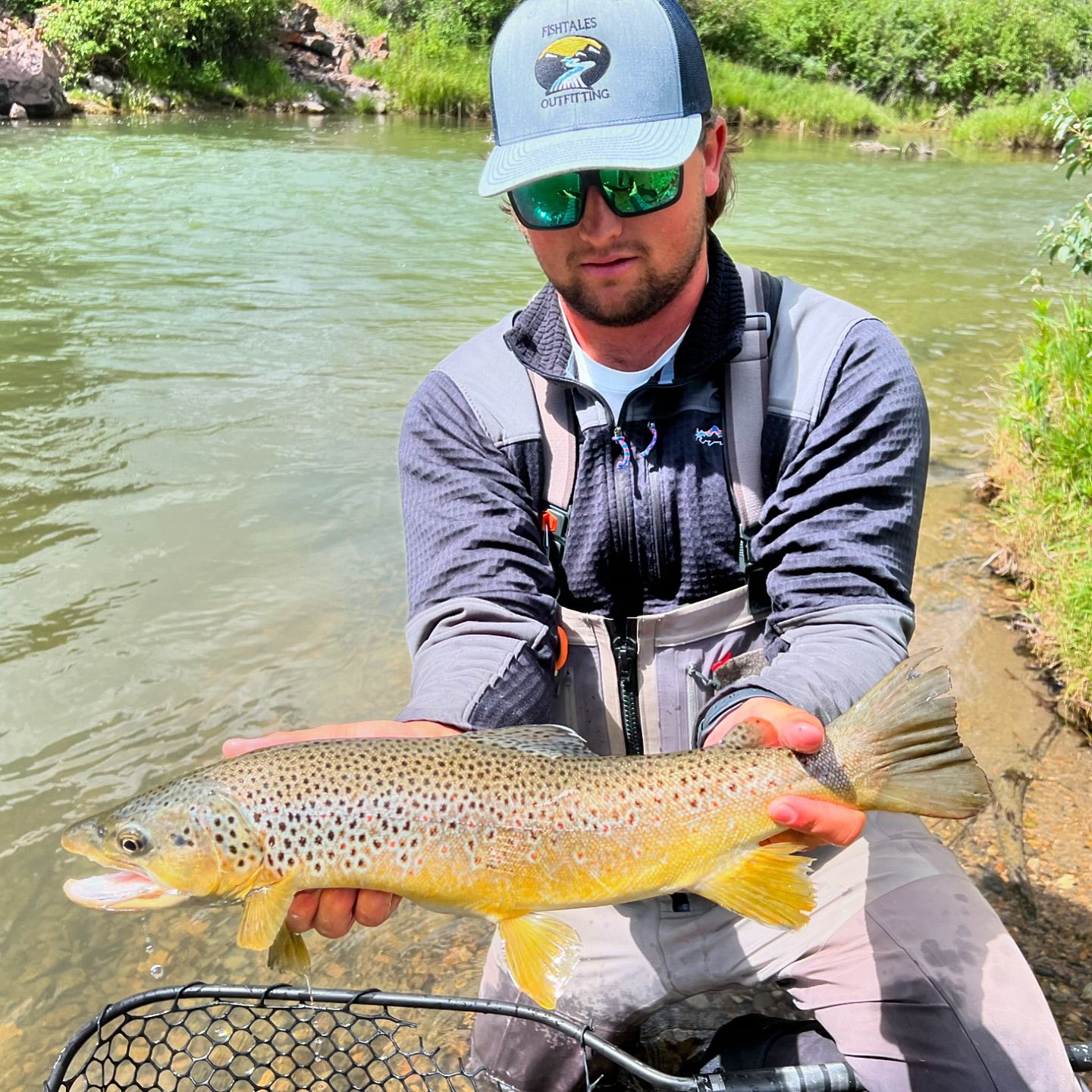
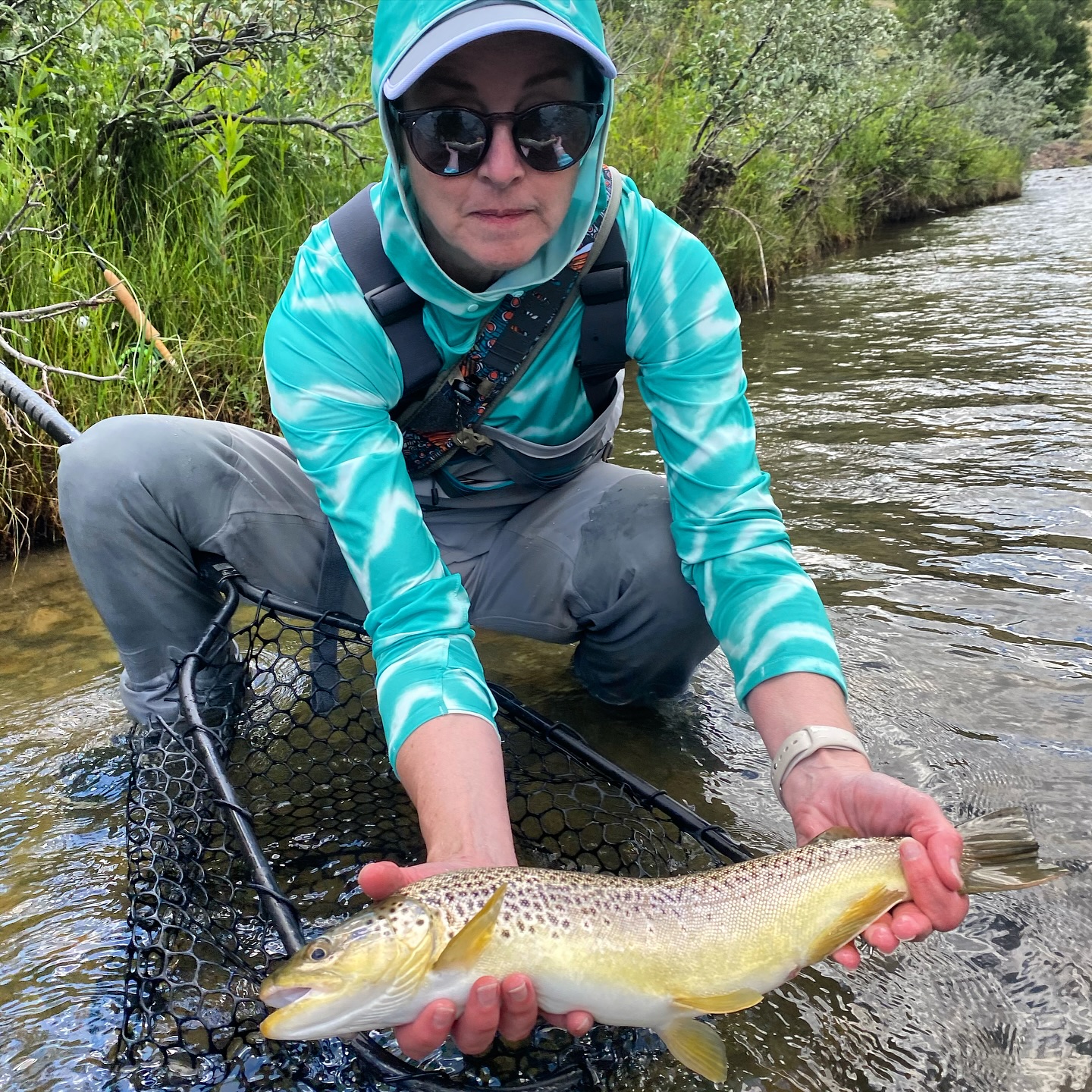
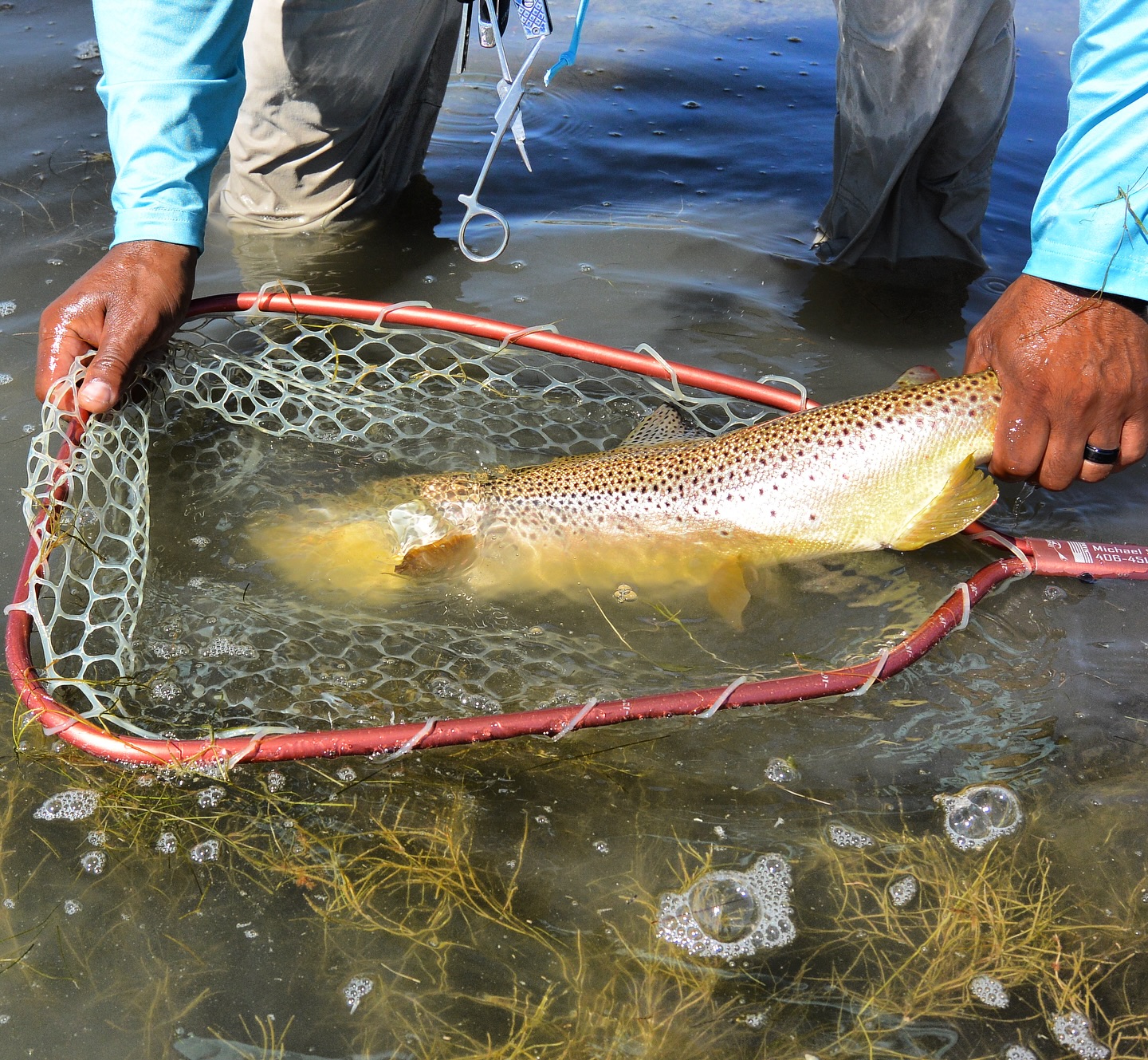
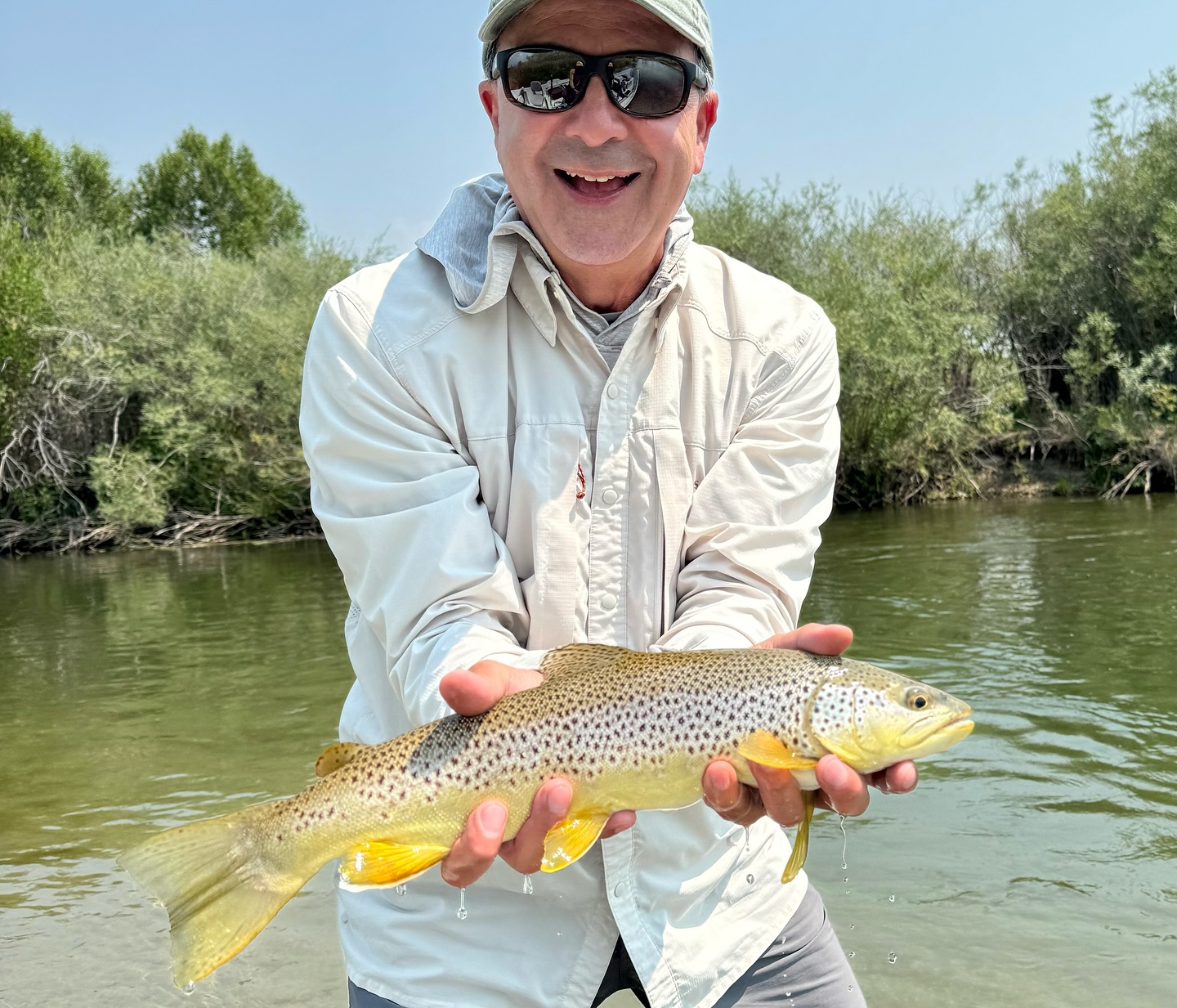
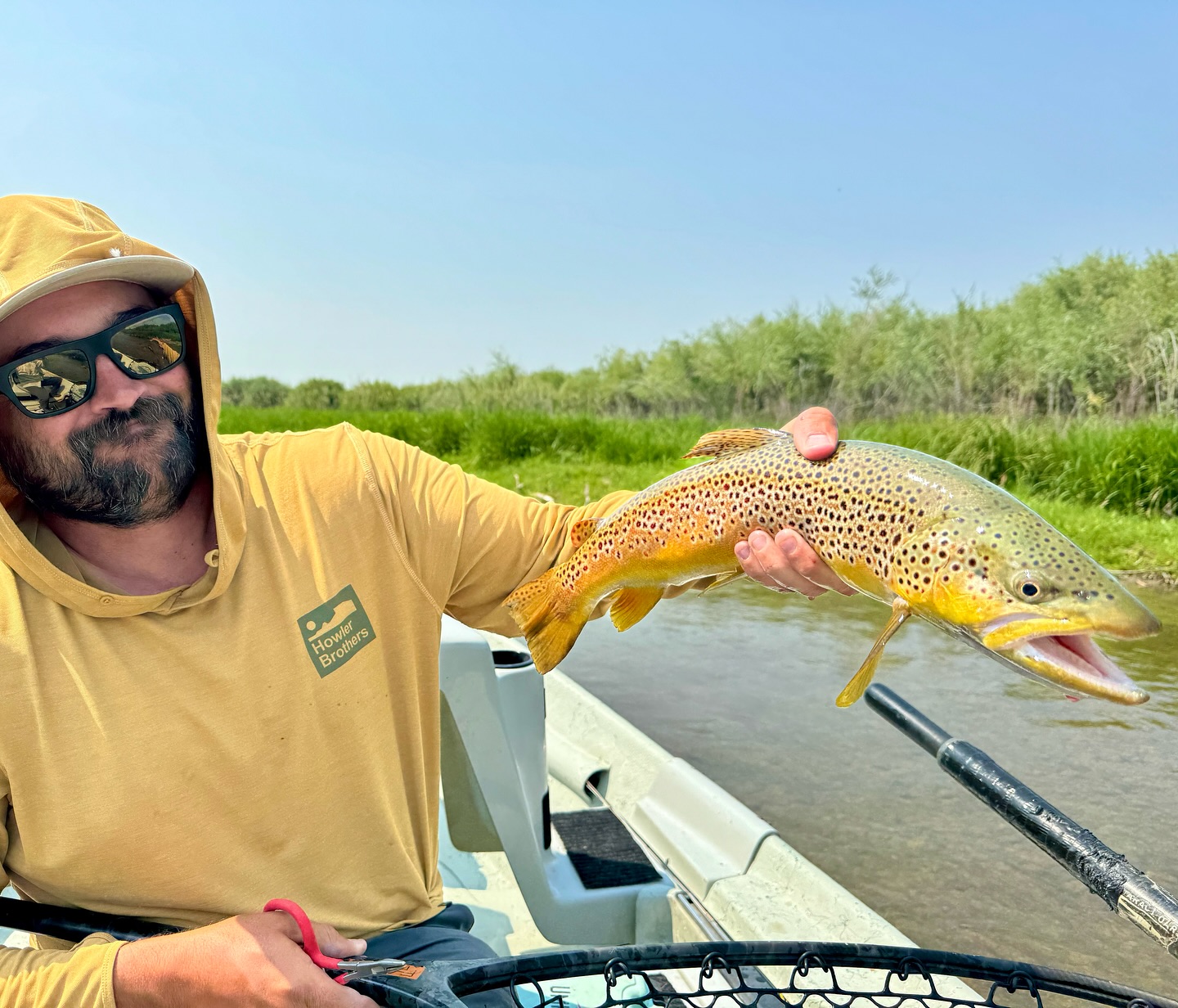
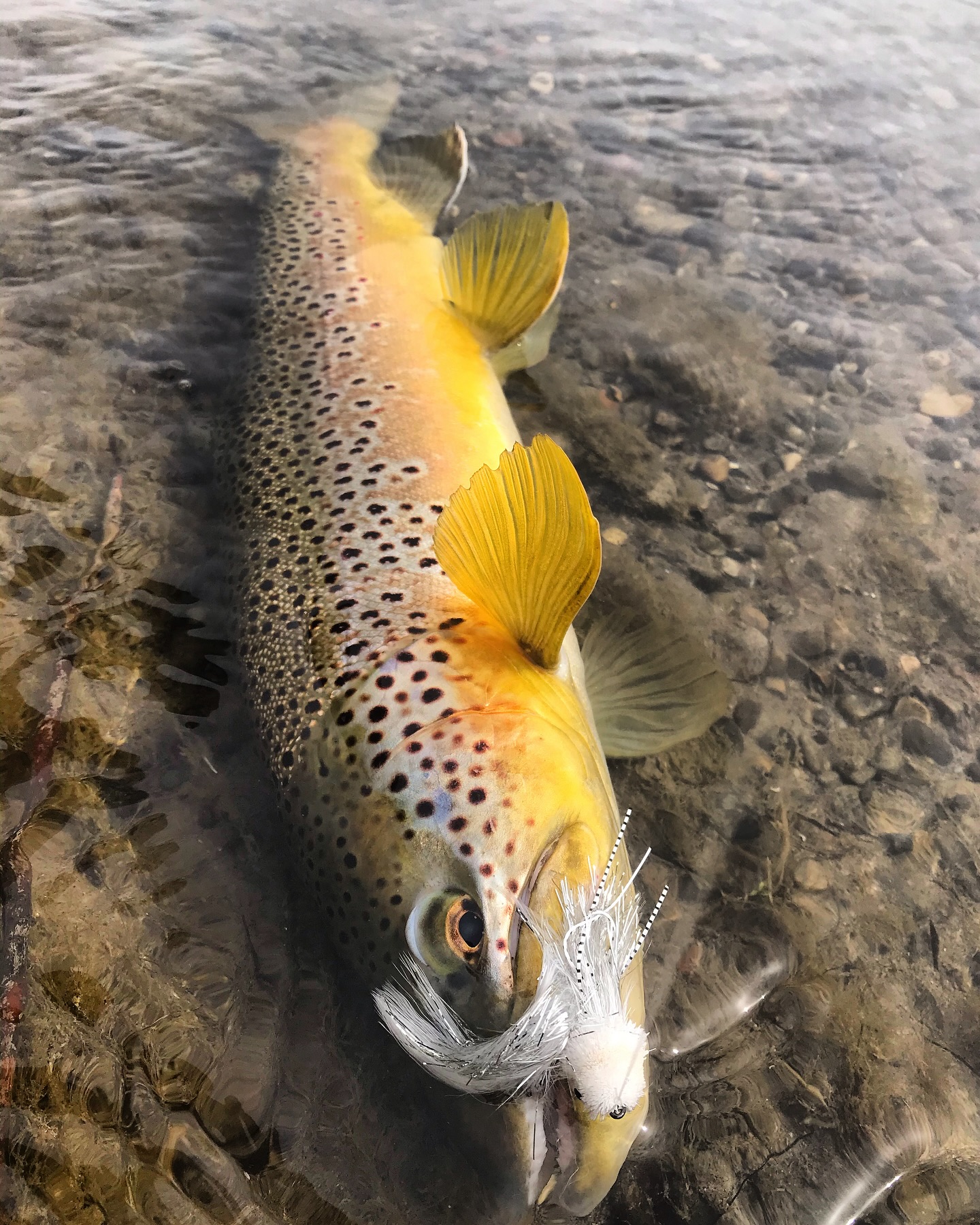
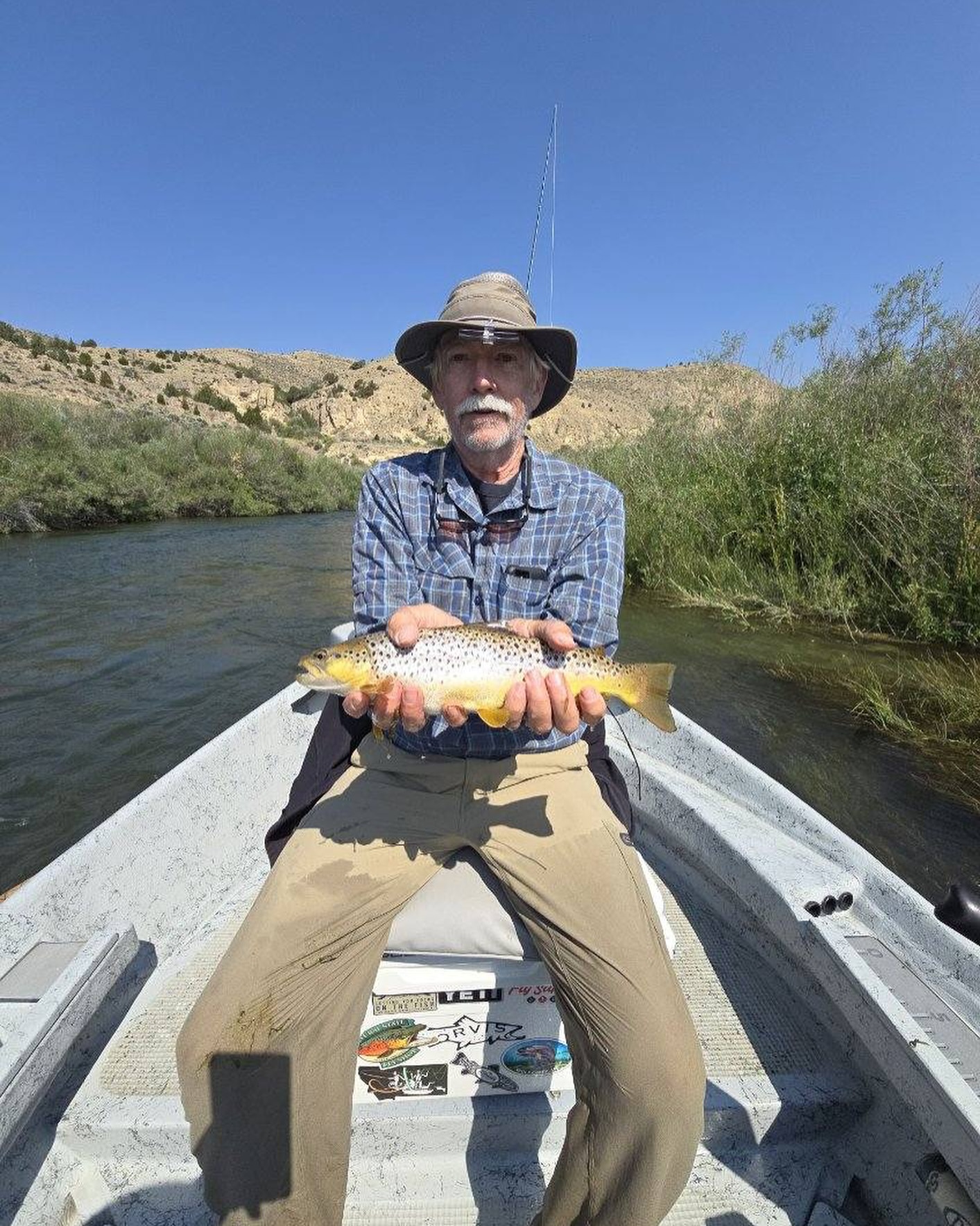
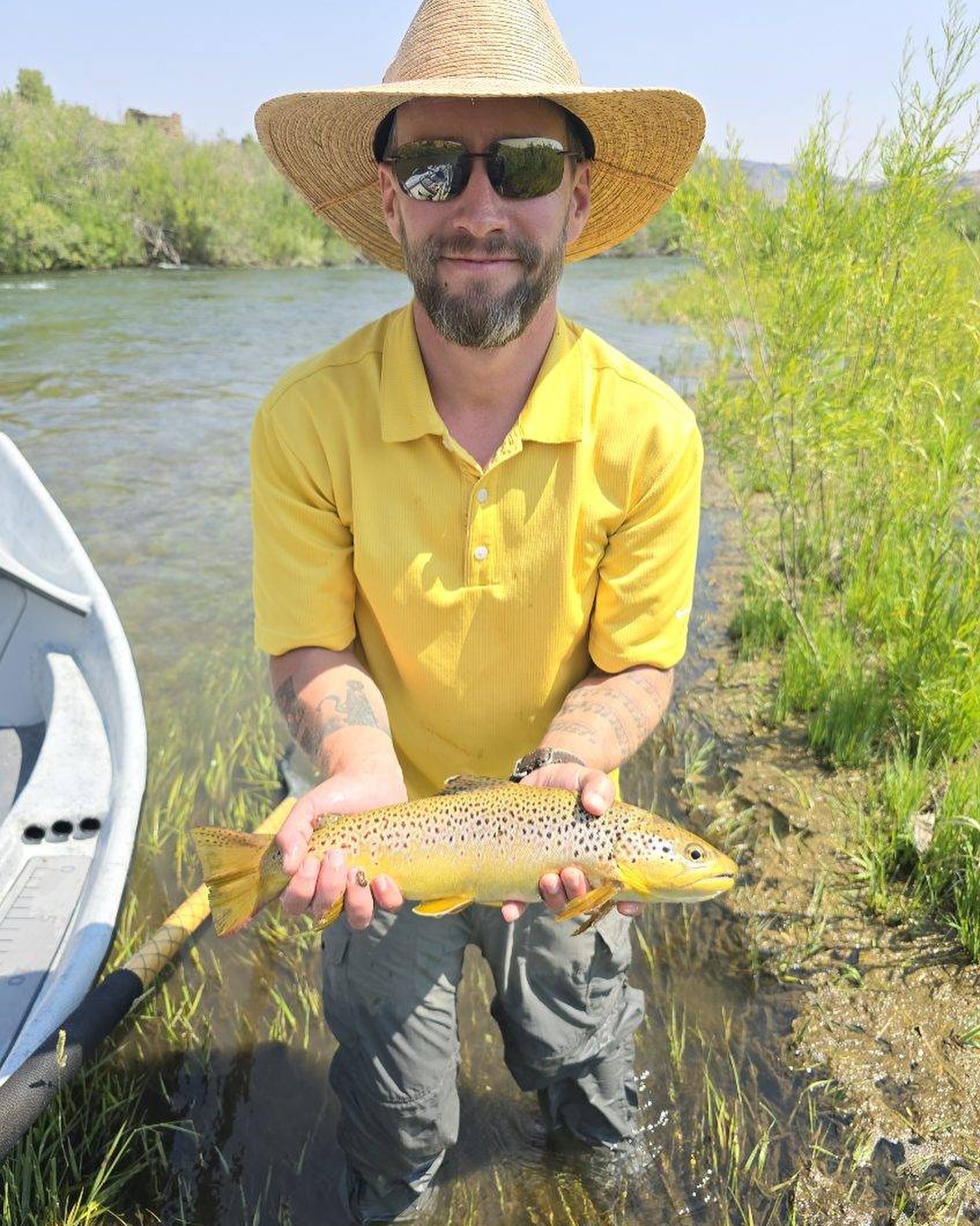
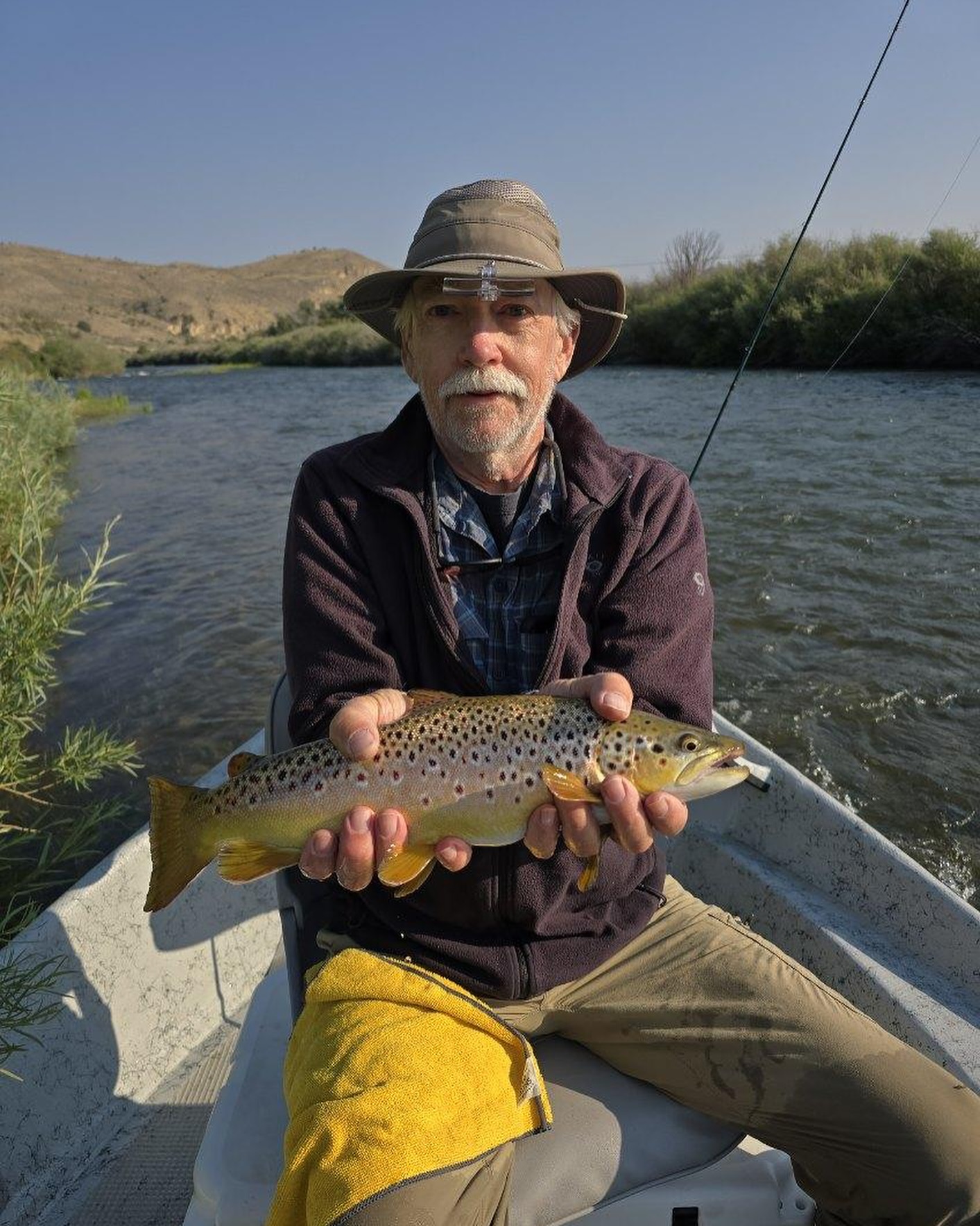
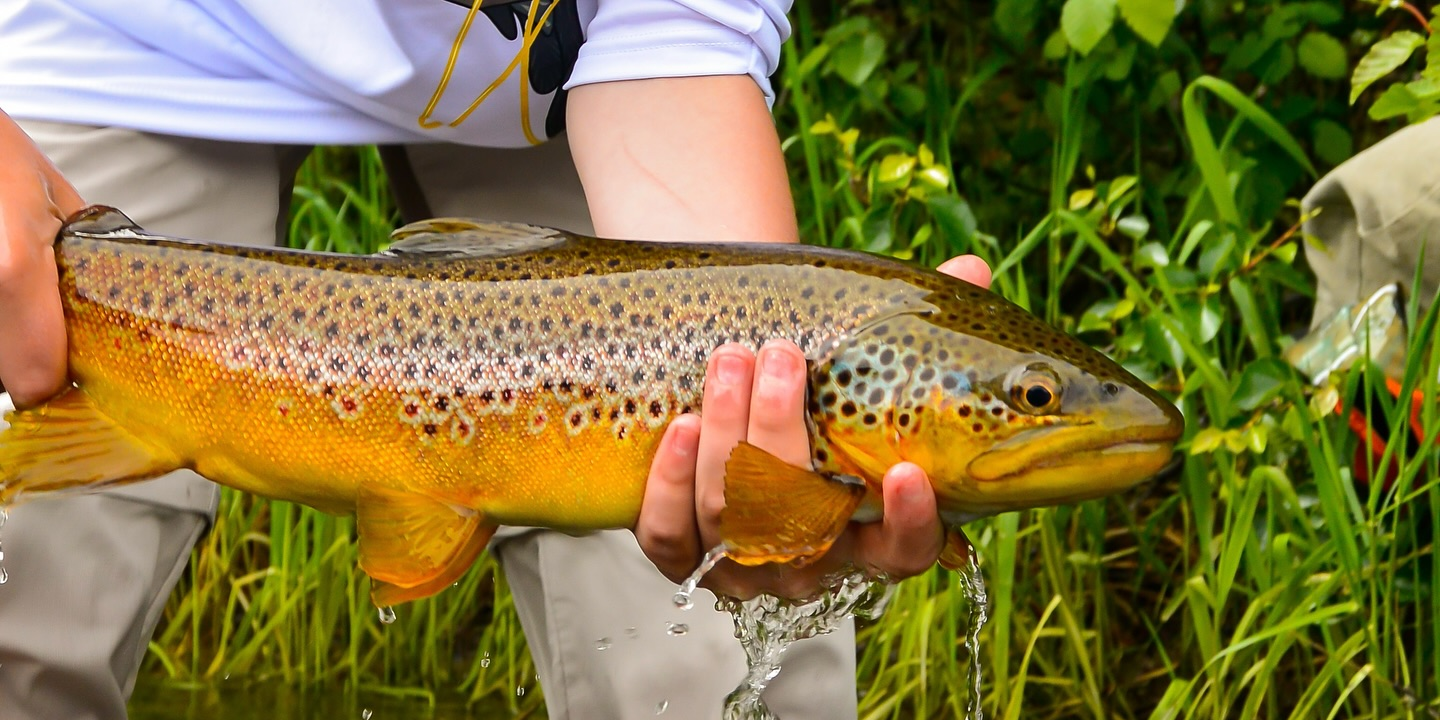
Brown trout in the Clark Fork are the thinking angler's challenge, with fish ranging from scrappy 14-inchers to trophies over 20 inches that have seen every fly pattern in the book. These European imports have been in the system long enough to become truly selective, especially the larger specimens that hold in the deepest runs and undercut banks. Browns are most active during low-light periods – early morning, late evening, and overcast days when they'll hunt in surprisingly shallow water. They're suckers for a well-stripped streamer that mimics a wounded baitfish, but landing one requires patience and precise presentations. The big browns are what bring serious fly fishers back to the Clark Fork year after year.
Rainbow trout provide consistent action throughout our eight-hour float, with fish typically running 13 to 17 inches and displaying that classic rainbow fight – multiple jumps and long runs that test your drag system. The Clark Fork's rainbows are healthy, thick-bodied fish that feed aggressively on aquatic insects and won't hesitate to take a properly presented nymph or emerge. They're particularly active during mayfly and caddis hatches, when you'll see them working the surface in the slower pools and back eddies. Rainbows are also the most likely to hit attractor patterns like royal wulffs or stimulators, making them perfect targets for anglers who love the visual excitement of dry fly fishing.
Time to Book Your Spot
This full-day Clark Fork experience gives you everything serious anglers want – access to prime water, expert guidance, quality gear, and enough time to really connect with the river's rhythm. Eight hours means we're fishing through different conditions and hatches, maximizing your chances at all three trout species while you learn techniques that will serve you on rivers across the West. Our guides have been working these waters for years, and they're excited to share both the fishing knowledge and the stories that make Montana such a special place to cast a fly. The Clark Fork is fishing as well as it has in decades, and with only two spots available per trip, these dates fill up fast during prime season.
 Private Trip
 River Fishing
 5 Wilson La, Sheridan MT 59749


 Full-day Clark Fork River guided fishing adventure