Half-Day Everglades & Intracoastal Fishing
Captain Steve Purser knows these waters like the back of his hand, and he's ready to put you on fish in some of South Florida's most productive fishing grounds. This top-rated charter combines the wild backcountry of the Everglades with Fort Lauderdale's fish-rich Intracoastal waters for a 4-hour adventure that delivers consistent action. Whether you're a first-timer learning to cast or a seasoned angler chasing that next personal best, Steve's got the experience and local knowledge to make your day on the water count. With only 2 anglers max, you'll get the personalized attention that makes all the difference between a good trip and a great one.
What to Expect on the Water
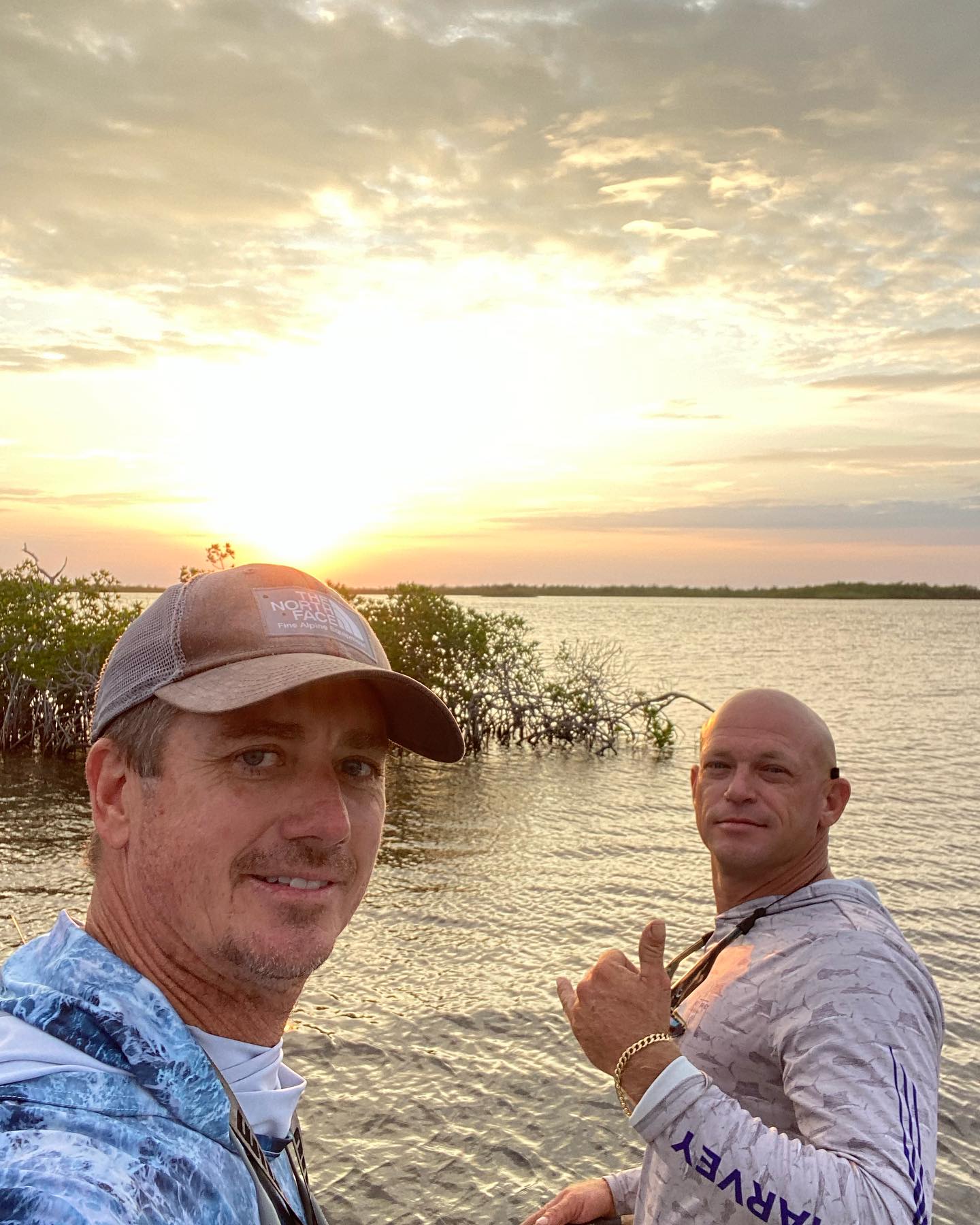
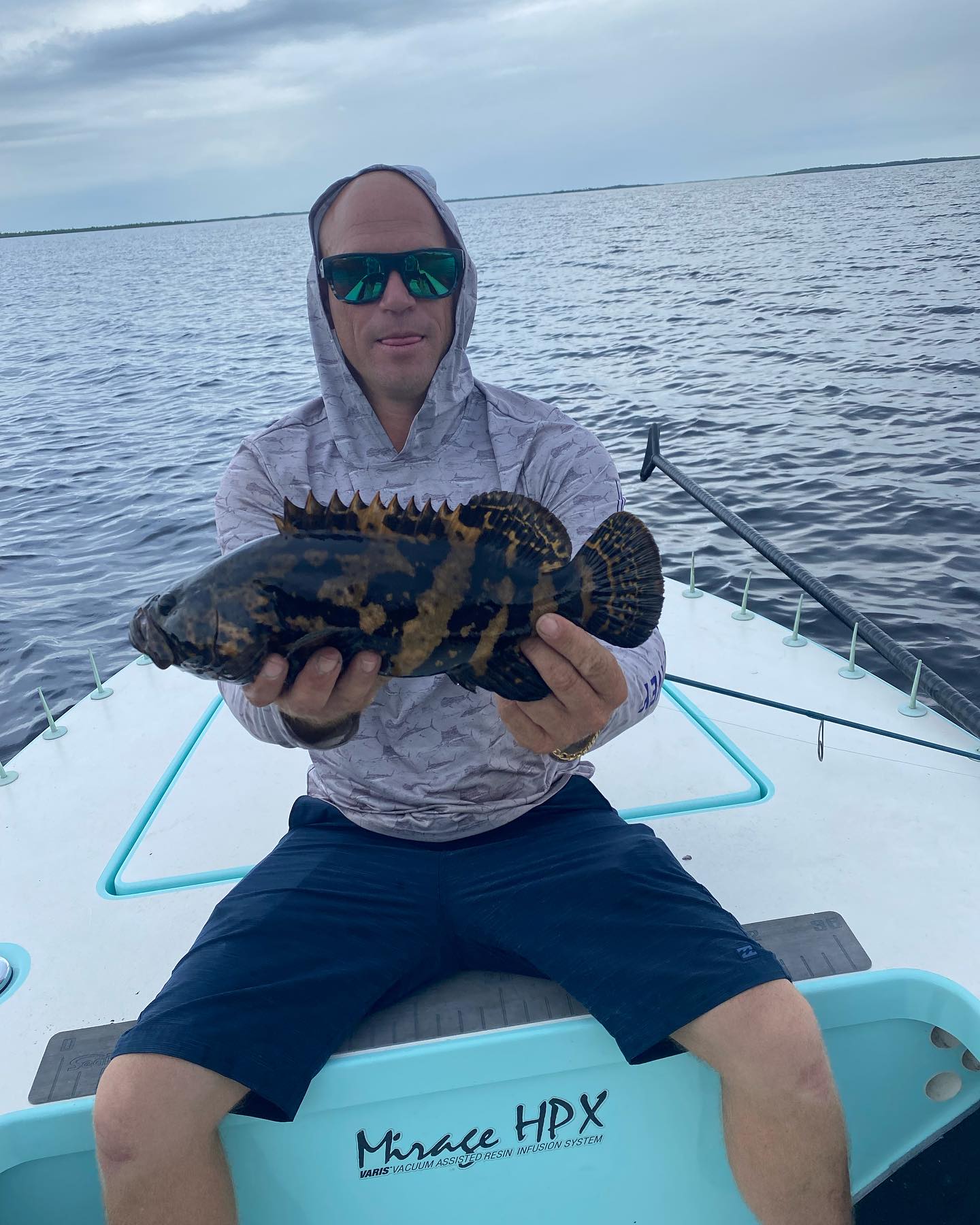
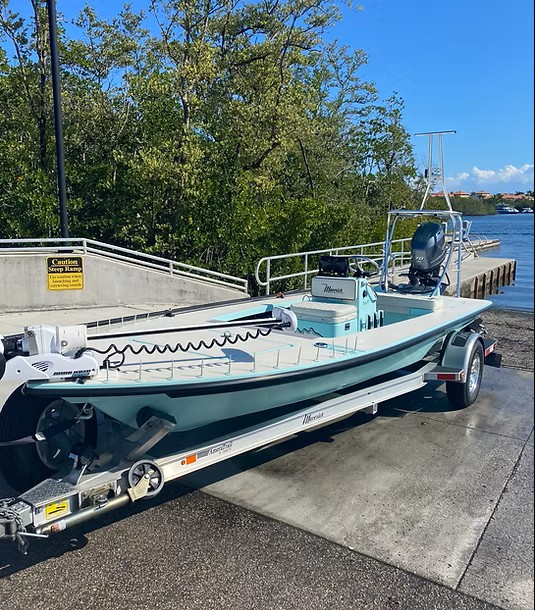
You'll be fishing aboard the Maverick Mirage 17 HPX-S, a world-class flats boat that's built specifically for shallow-water precision. This isn't some deep-sea charter where you're crowded with a dozen other people – Steve keeps it intimate so you can actually learn and improve your fishing. The boat draws just inches of water, which means you'll access spots that bigger boats simply can't reach. We're talking about sneaking into mangrove shorelines where snook ambush baitfish, drifting over grass flats where redfish cruise in knee-deep water, and working the edges where tarpon roll on the surface. The Intracoastal gives us consistent structure and current breaks, while the Everglades backcountry offers that wild, untouched feeling where you might spot manatees, dolphins, and plenty of birds working the water. Steve provides all the tackle, bait, and a cooler stocked with ice and water, so you just need to bring sunscreen, a hat, and your fishing license.
Techniques & Tackle Setup
Steve runs a mix of live bait and artificial lures depending on what the fish are telling us. In the shallows, we'll work topwater plugs early in the morning when snook are busting bait against the mangroves. As the sun gets higher, we might switch to soft plastics bounced along the bottom for redfish, or throw live shrimp under popping corks near docks and structure. The Everglades sections often call for weedless setups since you're fishing around heavy cover – think Texas-rigged worms and spinnerbaits that can come through the grass without hanging up. For tarpon, we'll set up with heavier tackle and live pilchards or crabs, especially around the deeper channels where these silver kings like to stage. Steve's got spinning gear and conventional setups ready to go, all spooled with fresh line and rigged with sharp hooks. He'll teach you how to read the water, spot fish movement, and present your bait naturally. The beauty of this trip is the variety – you might be sight-casting to tailing redfish one minute and working a school of tarpon the next.
Target Species Breakdown
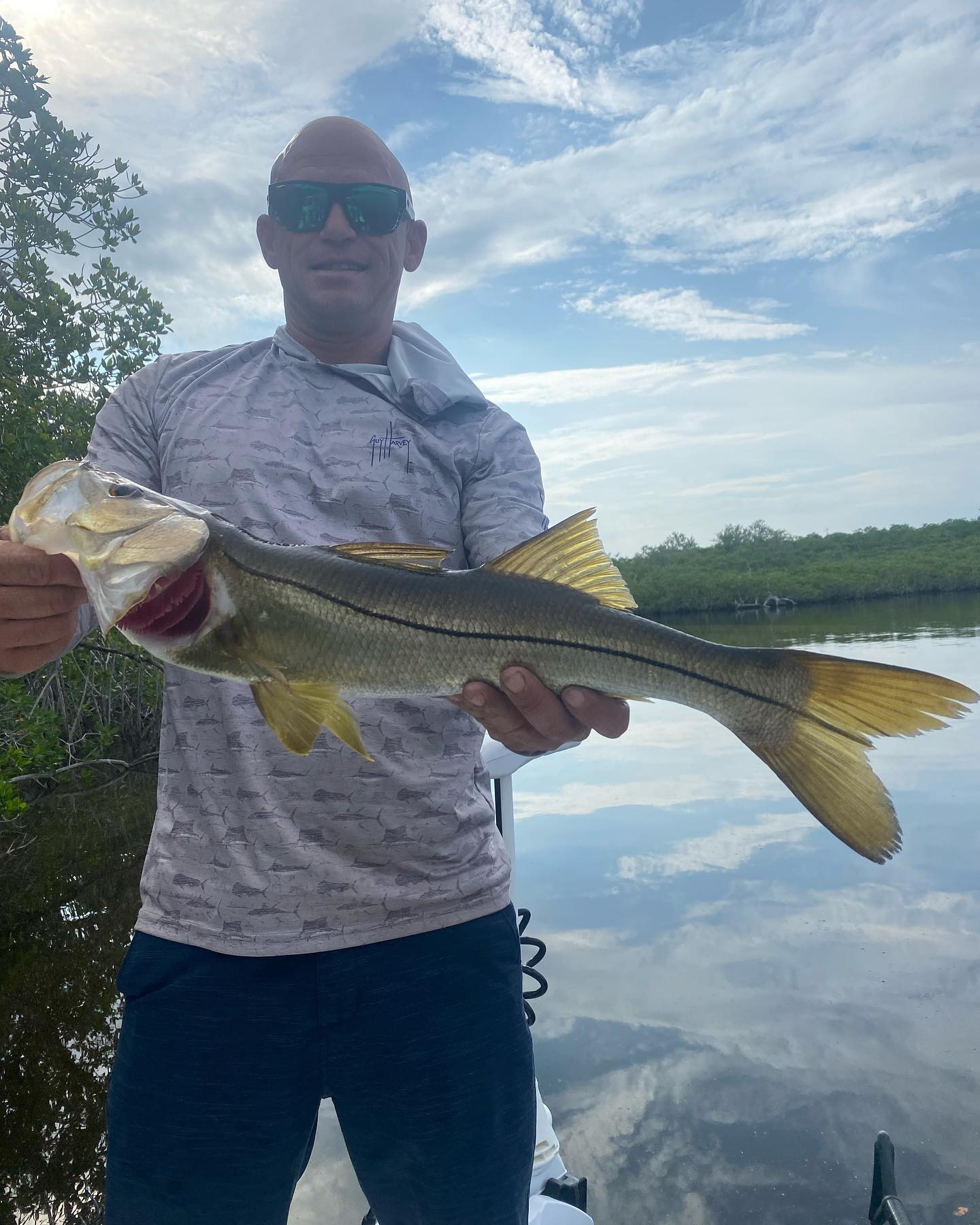
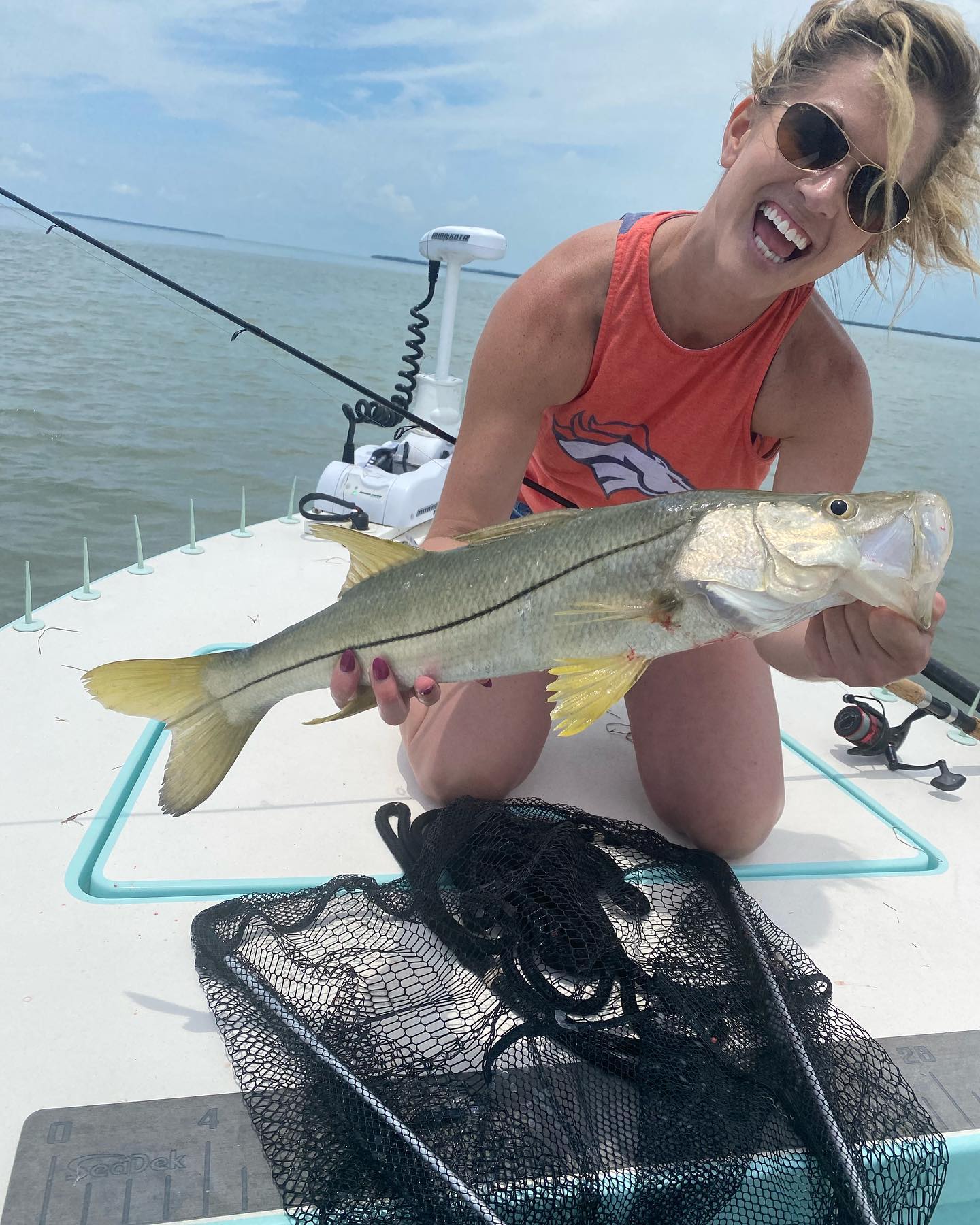
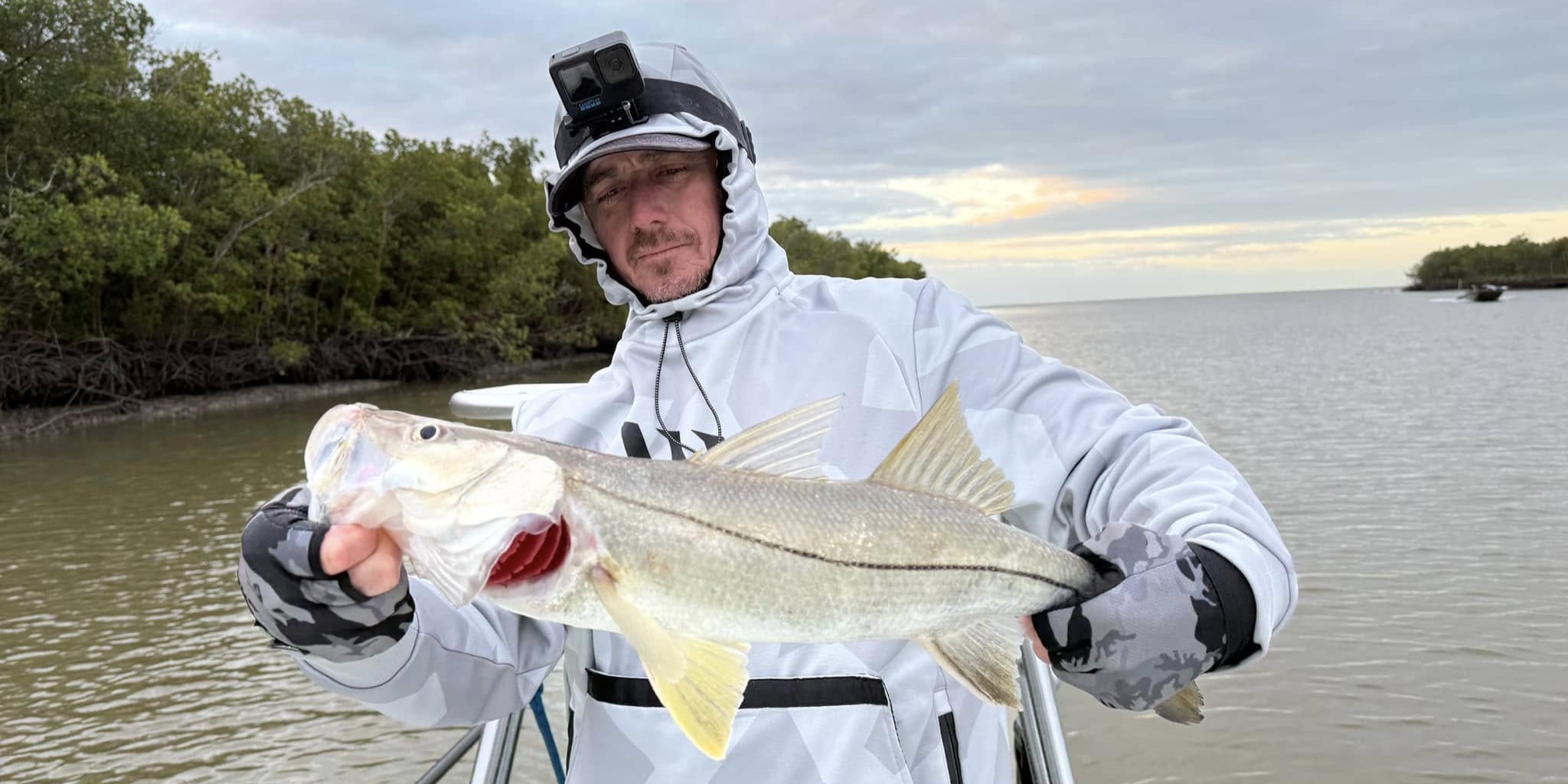
Snook are the bread and butter of South Florida flats fishing, and these waters hold some real quality fish. They're ambush predators that love structure – think dock pilings, mangrove overhangs, and bridge abutments where they can pin baitfish in the current. Snook are notorious for their gill-rattling jumps when hooked, and they'll test your drag with powerful runs toward whatever cover they can find. The best action typically happens around dawn and dusk when they're actively feeding, but Steve knows the spots where you can find them throughout the day. A slot-sized snook in the 28-32 inch range fights like a fish twice its size, and the bigger broodstock fish we catch and release can top 40 inches and really bend the rod.
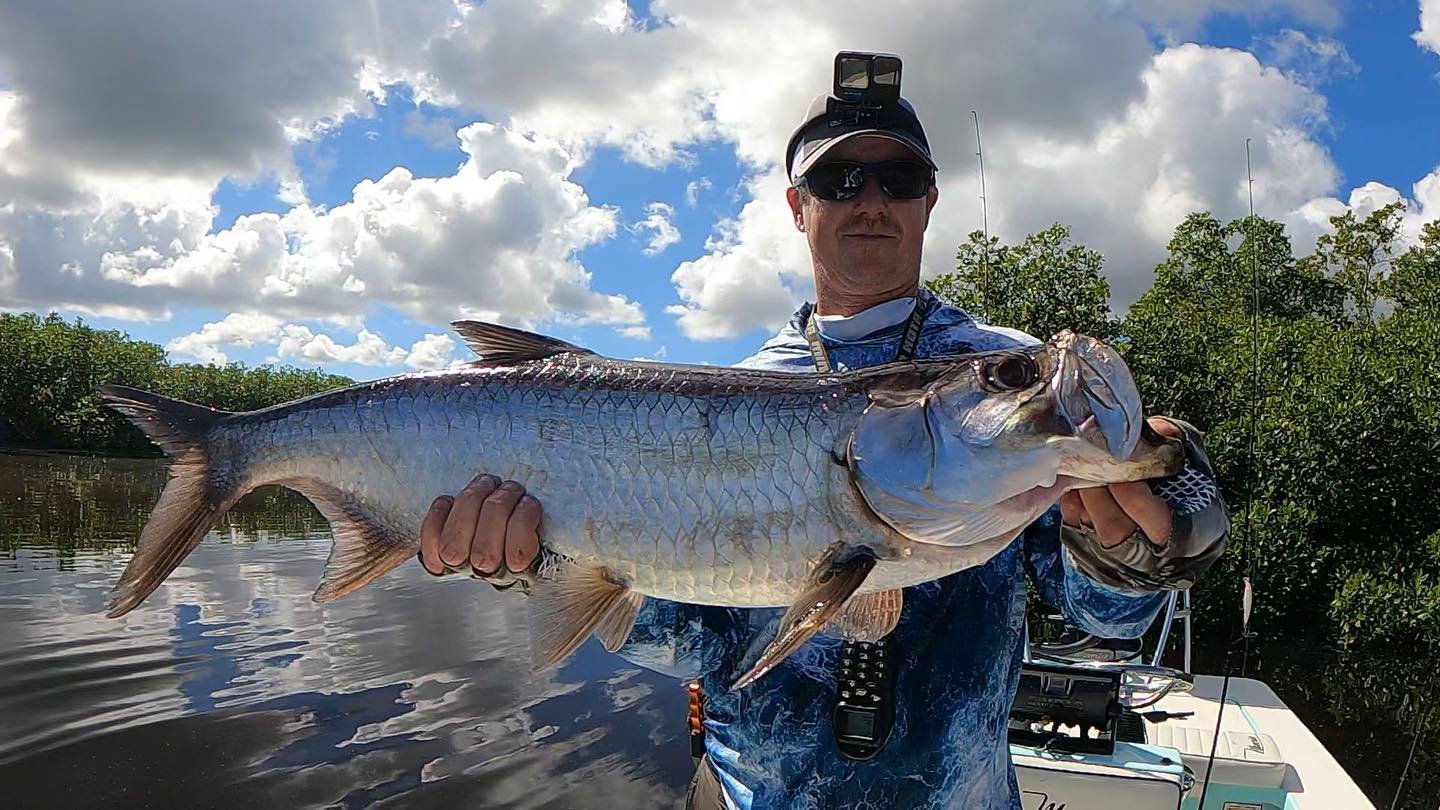
Tarpon fishing in these waters is something special – we're talking about the silver king of gamefish that can reach over 100 pounds and launch completely out of the water when hooked. The Intracoastal channels and deeper cuts in the Everglades hold resident tarpon year-round, with the best action typically from March through October. These fish are incredibly strong and will test every knot and connection on your tackle. What makes tarpon so addictive is their unpredictability – they might roll lazily on the surface one minute, then explode on your bait the next. Even a smaller tarpon in the 30-50 pound range will give you a fight you'll never forget, and Steve's got the heavy tackle and experience to help you land one.
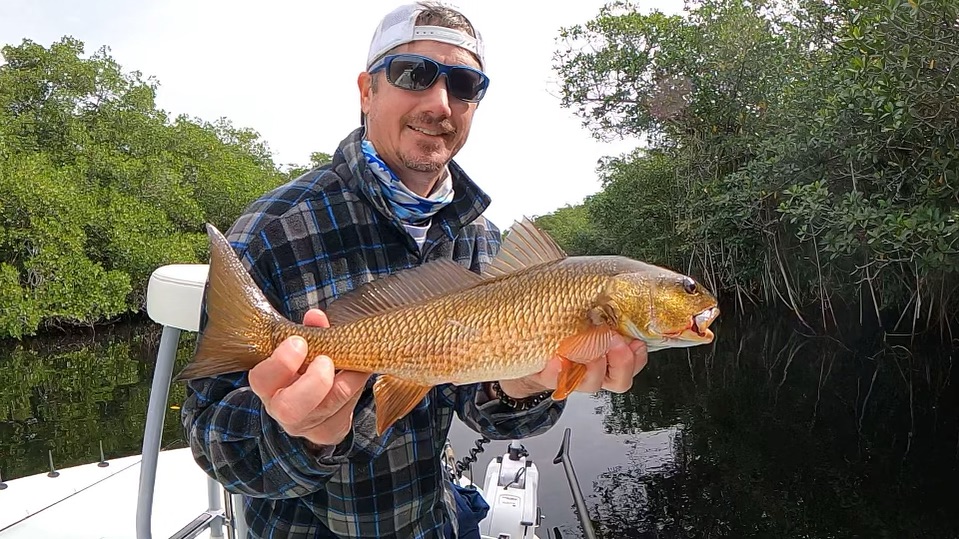
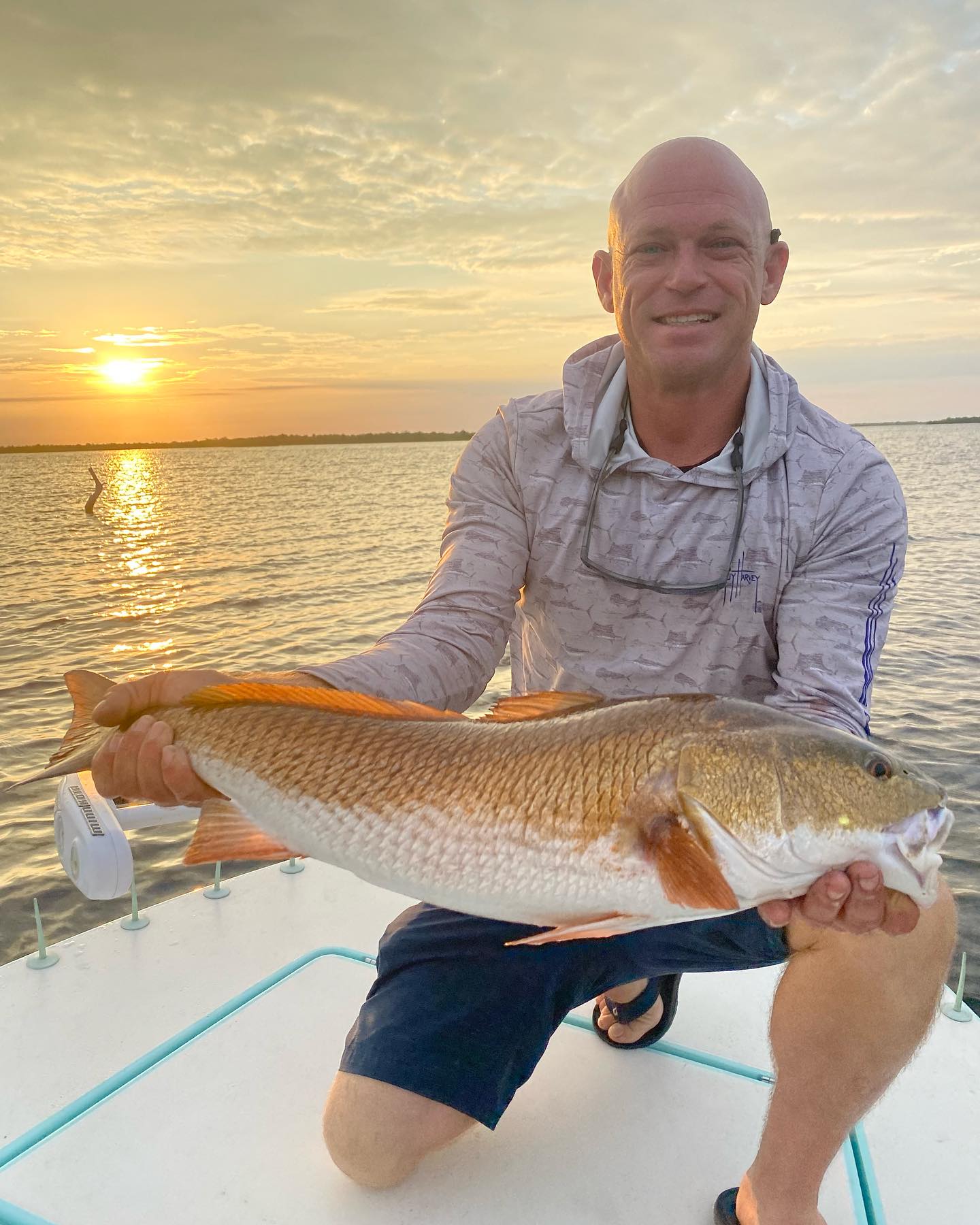
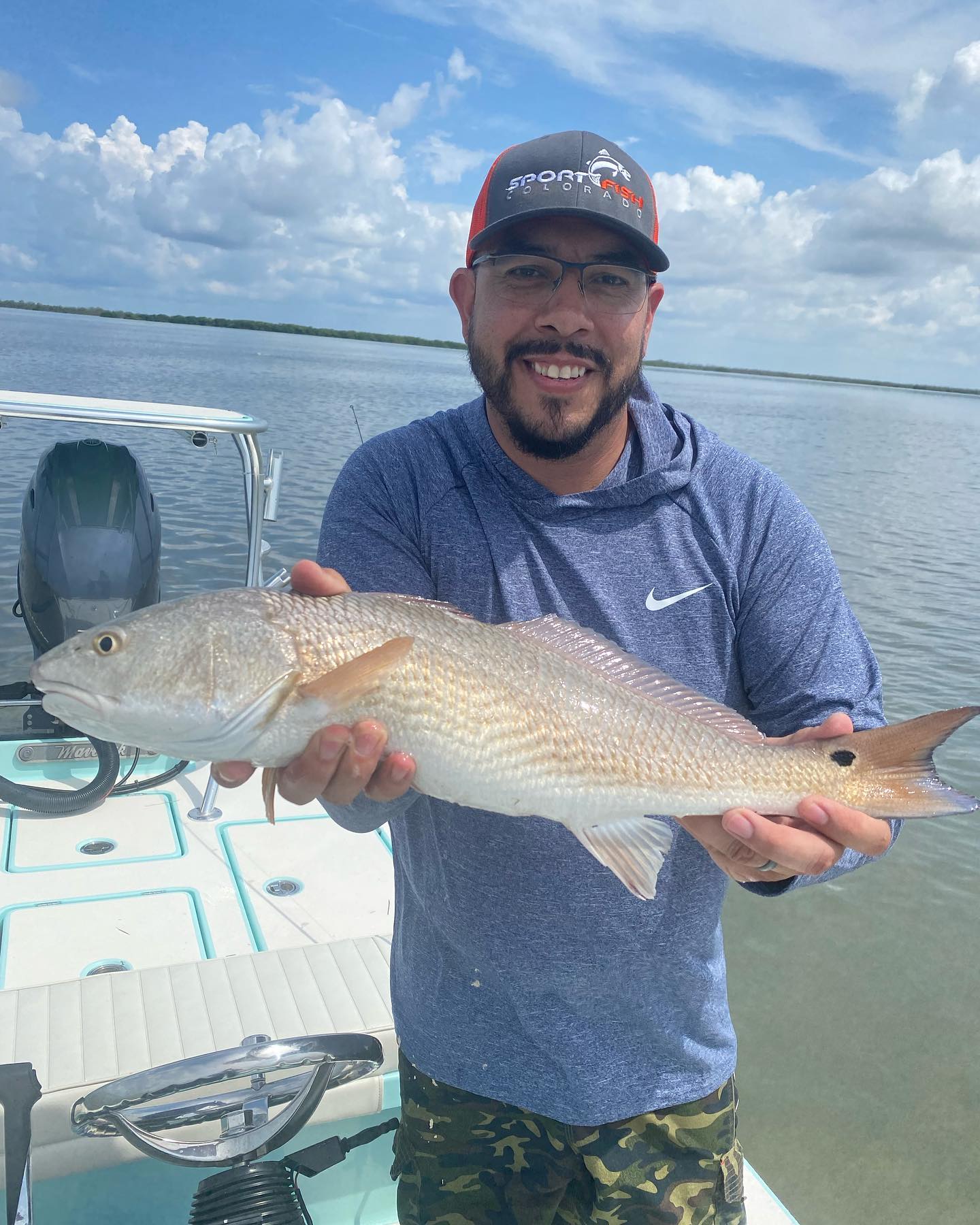
Redfish are perfect for anglers who want consistent action with a chance at trophy-sized fish. These copper-colored bruisers cruise the grass flats and oyster bars looking for crabs and small baitfish. Fort Lauderdale's backcountry holds both slot-sized reds and oversized bull redfish that can exceed 30 inches and 20 pounds. What's great about redfish is their willingness to eat – they're not as finicky as some species and will hit both live bait and artificials. When you hook a big red in shallow water, they'll make long, powerful runs that strip line off your reel. The sight-fishing opportunities are phenomenal too, especially when you spot their copper backs and black-spotted tails in clear, shallow water.
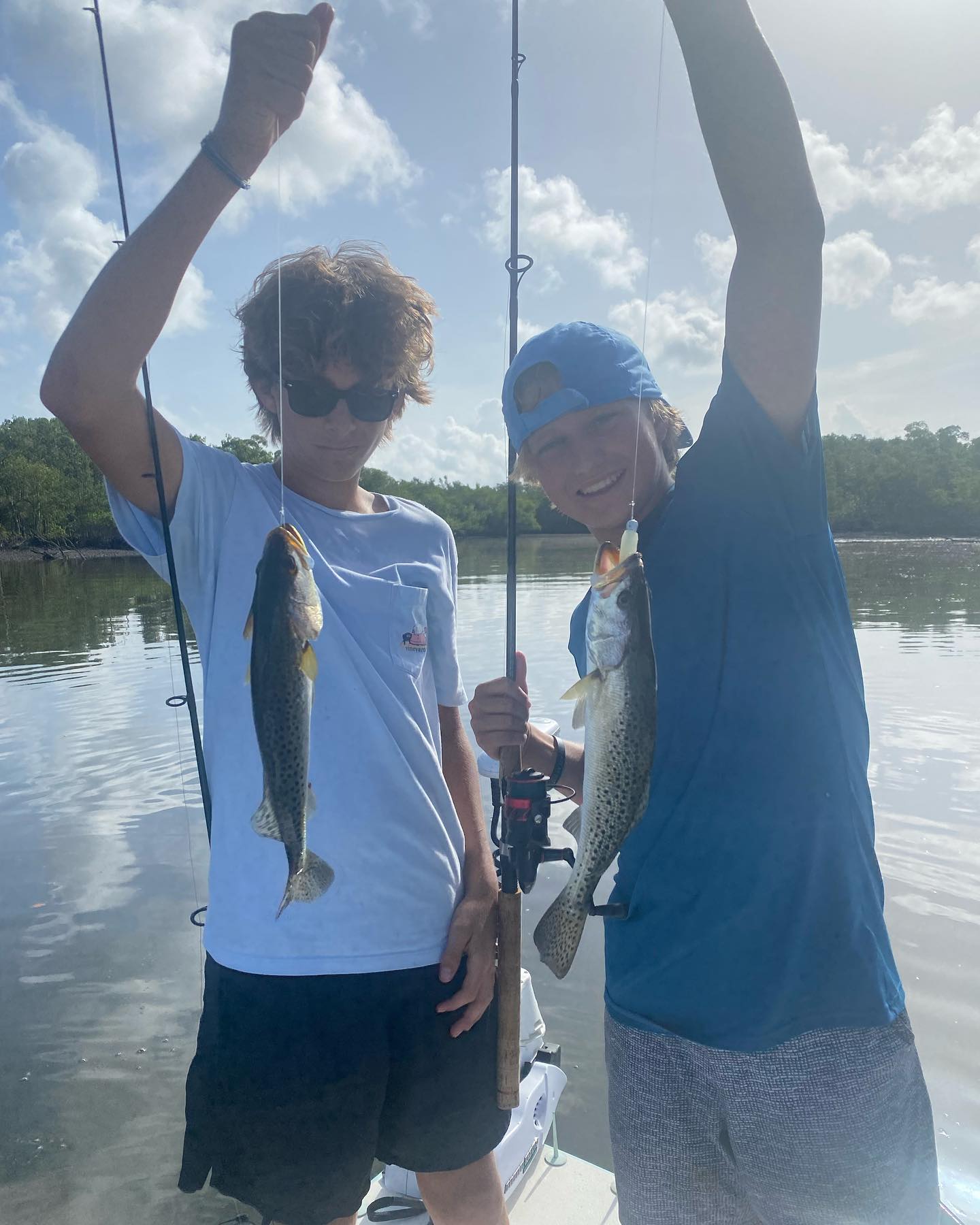
Spotted weakfish, also called spotted seatrout, are abundant in these grass-rich waters and provide fast action on lighter tackle. They school up over the flats and around structure, often feeding aggressively on shrimp and small fish. Trout are great for building confidence, especially for newer anglers, because they're willing biters and fight hard for their size. A quality trout in the 18-24 inch range has excellent table fare if you're looking to keep a few for dinner. They respond well to live shrimp under popping corks, soft plastic jigs, and topwater lures when they're feeding on the surface. The cool thing about trout fishing is the numbers game –
 Private Trip
 Flats/Shallows Fishing
 Davie, FL, United States


 Four-hour flats fishing targeting snook, tarpon, and redfish