Michigan Fly Fishing - 6 Hour Trip
Picture this: you're drifting down one of Michigan's pristine rivers with guide Nick Britton, watching your fly line dance across the current as wild trout rise all around you. This isn't your average fishing trip - it's six hours of pure Michigan fly fishing bliss on waters that locals have kept secret for generations. Nick knows these rivers like the back of his hand, and he's ready to put you on fish while you soak up some of the best scenery the Great Lakes State has to offer. Whether you're a seasoned angler looking to dial in your technique or someone who's always wanted to try fly fishing, this drift boat adventure delivers the goods. Just bring your Michigan fishing license, pack some snacks you like, and get ready for a day that'll have you planning your next trip before you even get off the water.
What to Expect on the Water
Nick's drift boat is your ticket to some of Michigan's most productive fishing water. Unlike wade fishing where you're limited to what you can reach on foot, the boat lets you cover serious river miles and hit spots that see way less pressure. You'll start early, meeting Nick at a launch that he picks based on current conditions and what's been producing lately. The beauty of this setup is that the river does most of the work - Nick controls the drift while you focus on your cast and presentation. Between the two of you, someone's always got a line in the water, which doubles your chances of hooking up. The pace is relaxed but focused, with plenty of time to work through productive runs and pools. Nick provides lunch, so you can stay on the water during prime feeding times instead of heading back to shore. These Michigan rivers fish well all season, but each month brings different opportunities and challenges that keep things interesting.
Drift Boat Techniques
Fishing from a drift boat is a whole different game than standing in waders. Nick positions the boat to give you perfect angles on structure and cover while managing the speed of your drift to match what the fish want. You'll learn to read water from a new perspective - identifying feeding lanes, undercut banks, and drop-offs that hold fish. The key is timing your casts so your fly gets to the right depth in the strike zone. Nick will coach you through different techniques depending on what's working: dead drifting nymphs through deep runs, swinging streamers past fallen timber, or dropping dry flies into foam lines where trout are actively feeding. The boat lets you cover water efficiently, but you'll also anchor up and work productive spots thoroughly when the bite is on. Michigan rivers have their own personality - some days the fish want action, other days they're picky about presentation. That's where Nick's local knowledge really pays off, adjusting tactics based on water levels, weather, and seasonal patterns that he's dialed in from years of guiding these waters.
Top Catches This Season
Brook trout are the crown jewel of Michigan's native fish, and when you hook into one, you'll understand why locals get so fired up about them. These beauties love cold, clean water with plenty of cover, which Michigan rivers provide in spades. Brookies are ambush feeders that dart out from undercut banks and fallen logs to grab insects drifting by. They're most active during cooler months and early morning hours when the water temperature is just right. What makes them special isn't just their gorgeous colors - those orange fins and vermiculated backs are works of art - but their fight. They're scrappy for their size and have a habit of jumping that'll get your heart pumping. Most Michigan brook trout run 8 to 14 inches, but the possibility of a 16-inch fish keeps every cast exciting.
Smallmouth bass bring a totally different energy to your Michigan river trip. These bronze fighters are aggressive, territorial, and absolutely love the rocky structure that Michigan rivers are famous for. Smallies patrol current breaks, boulder fields, and deep pools where they can ambush prey. They're most active during warmer months and will absolutely crush streamers and poppers when they're in the mood. What sets smallmouth apart is their acrobatic fight - they jump, dive, and use the current to their advantage in ways that'll test your drag system. Michigan rivers produce some thick smallmouth in the 12 to 16-inch range, with occasional fish pushing 18 inches that'll leave you talking about them for months. They're also willing biters, which makes them perfect for anglers who want consistent action mixed with the chance of a real trophy.
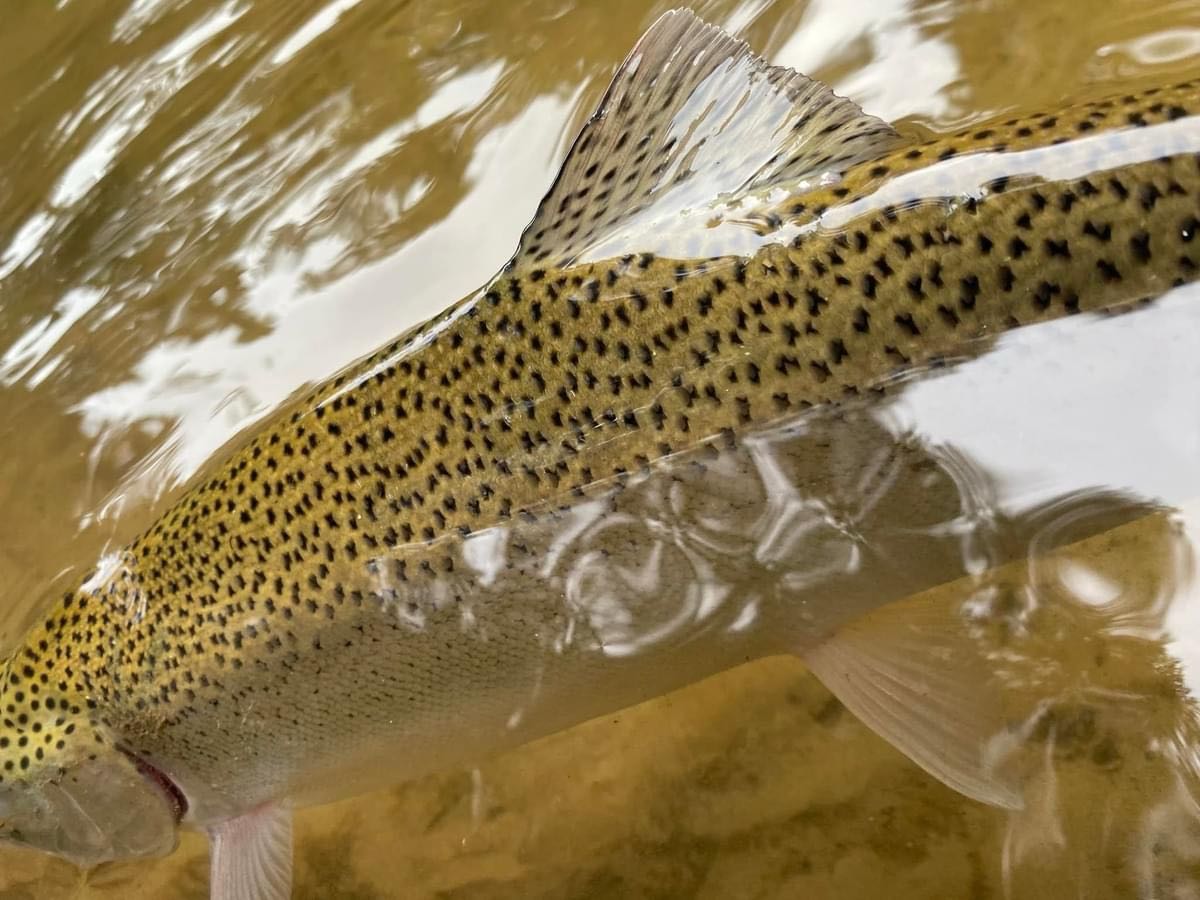
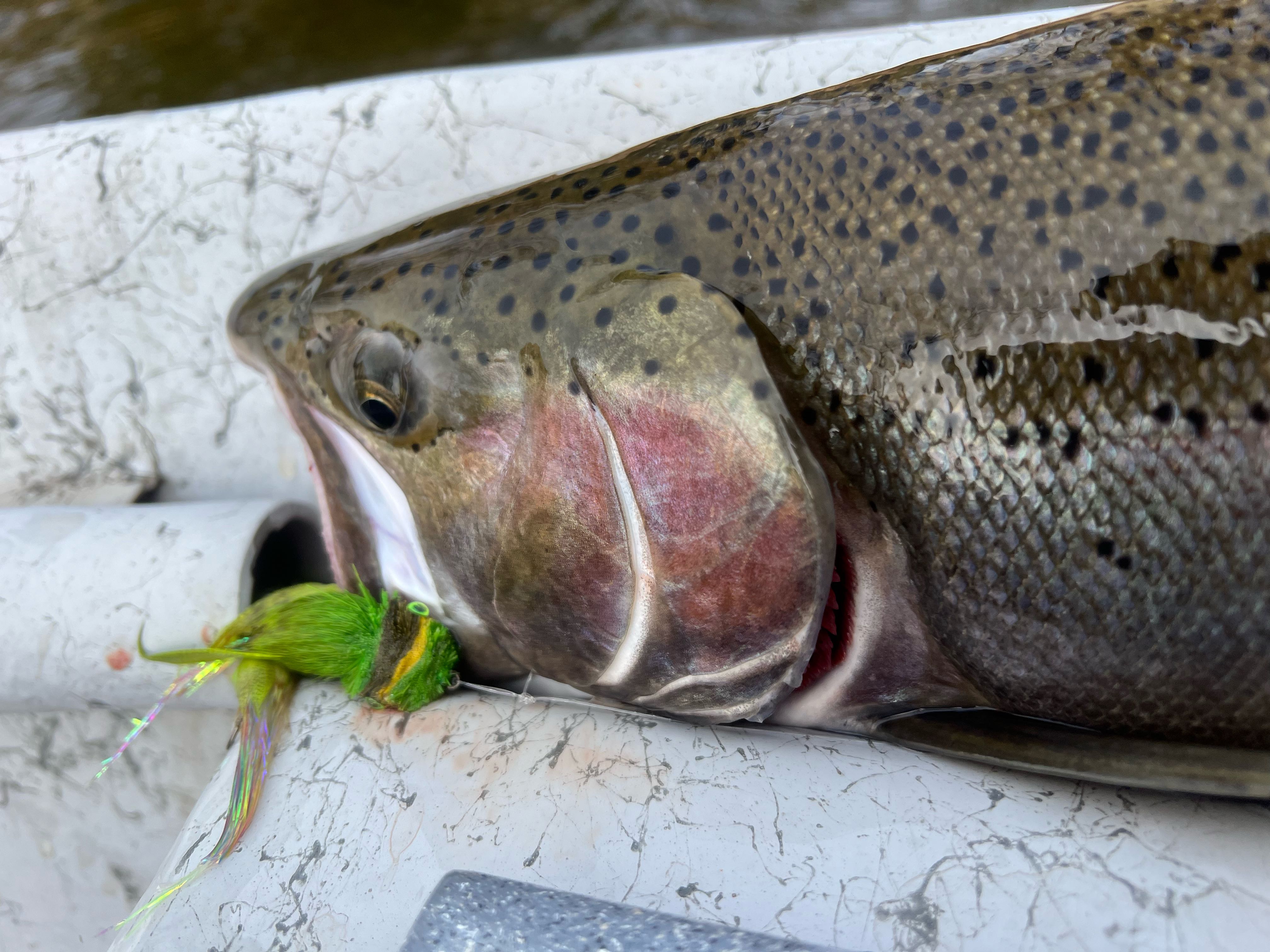
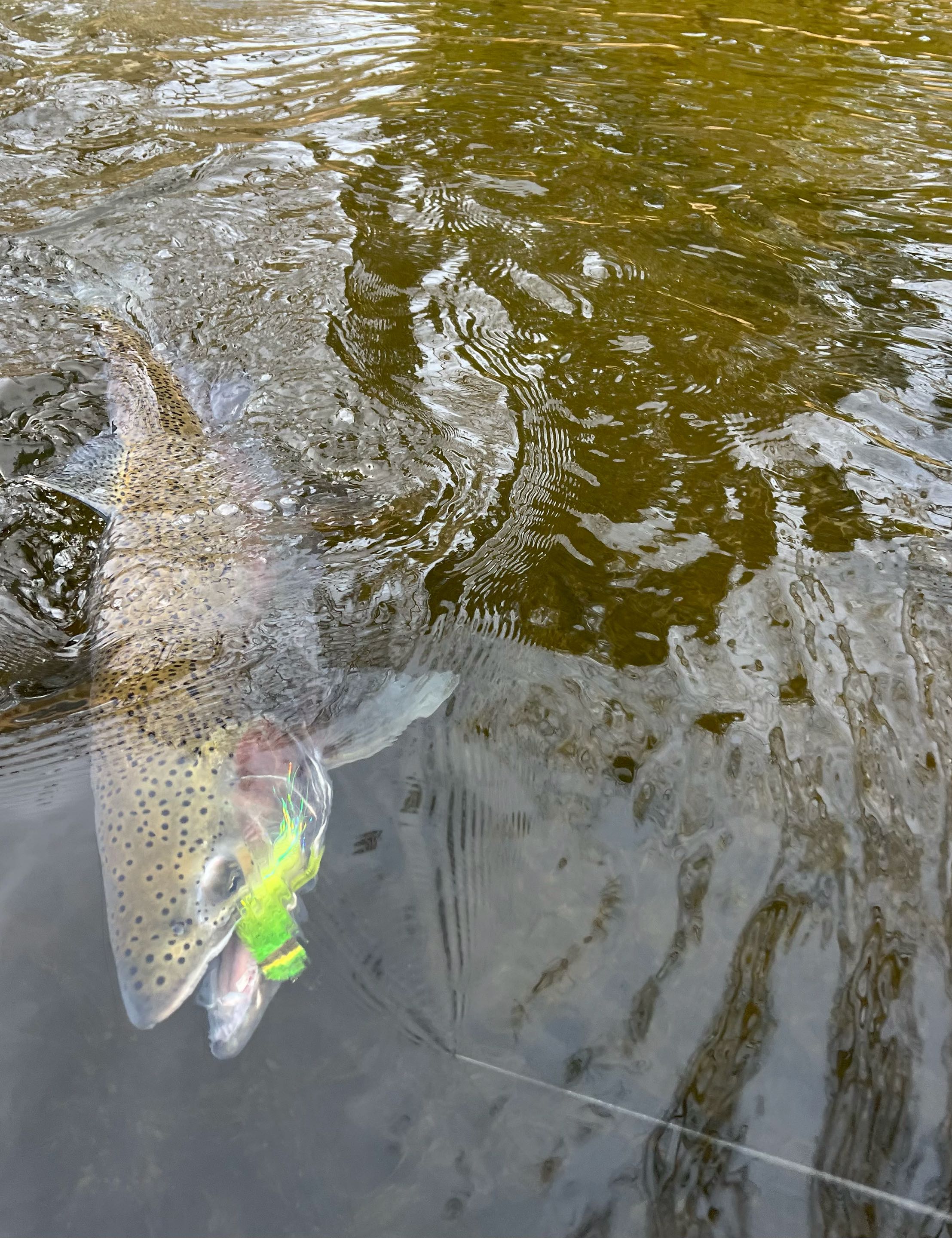
Rainbow trout are the speed demons of Michigan rivers, and when one takes your fly, you'd better be ready for a battle. These fish are built for current and they use every bit of it when they're hooked. Rainbows are opportunistic feeders that move around more than browns or brookies, following food sources and temperature breaks throughout the day. Spring and fall are prime time for rainbows as they stage for spawning runs, but they provide solid action all season. Michigan's rainbows average 12 to 16 inches with plenty of fish over 18 inches to keep things interesting. They're also the most likely to take surface flies, which means you might get to watch one explode on your dry fly in crystal clear water - an experience that never gets old no matter how many times you've seen it.
Northern pike add an element of surprise that can turn any drift into an adventure. These apex predators lurk in slack water areas, weed beds, and back eddies where they can ambush anything that looks like an easy meal. Pike fishing is all about location and presentation - you need to get your fly into their territory and make it look injured or distressed. When a pike decides your streamer looks tasty, the take is violent and immediate. These fish can exceed 30 inches in Michigan waters, and even smaller pike fight with a intensity that'll remind you why they're called water wolves. They're most active during cooler months and low-light conditions, which often coincides perfectly with prime trout fishing times.
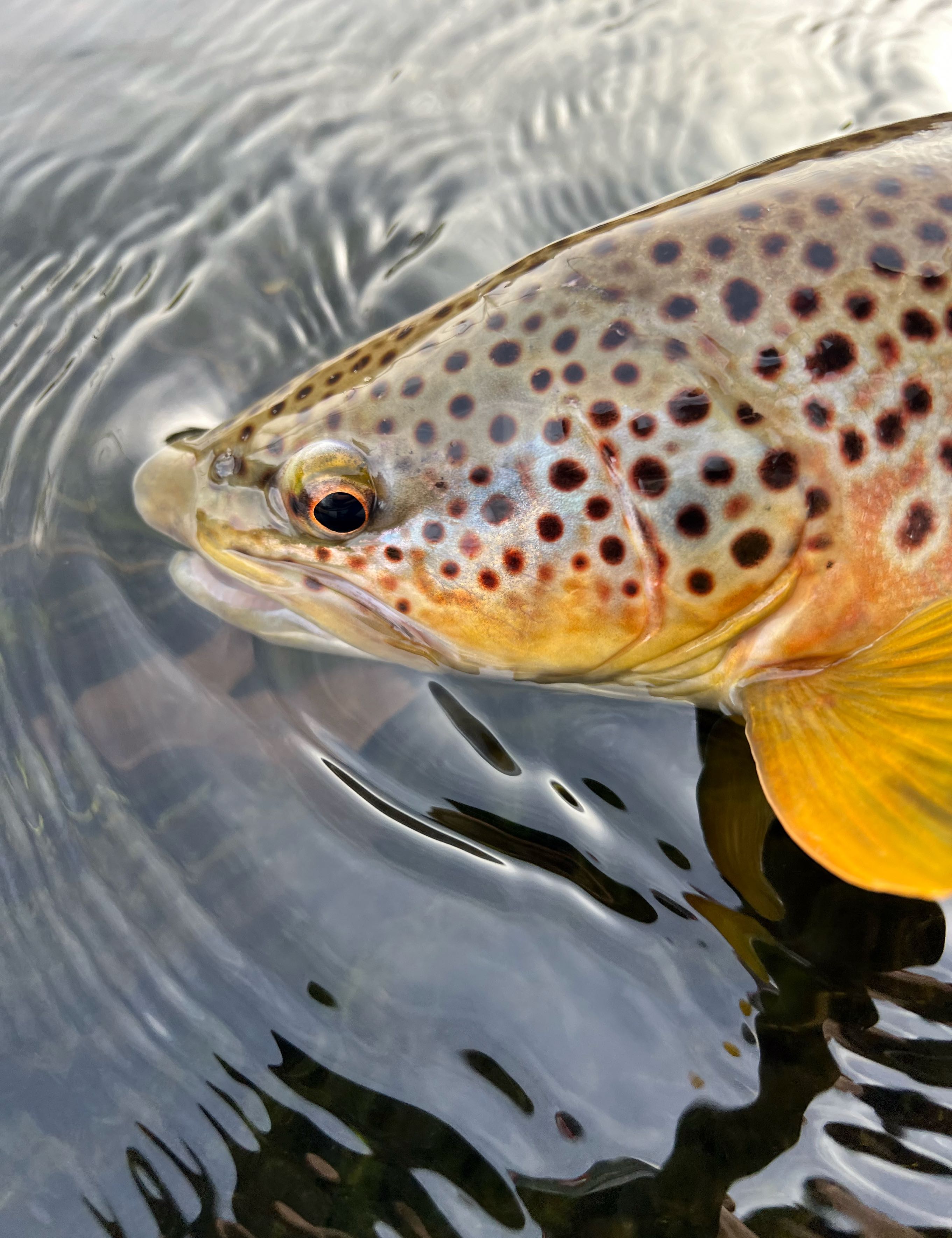
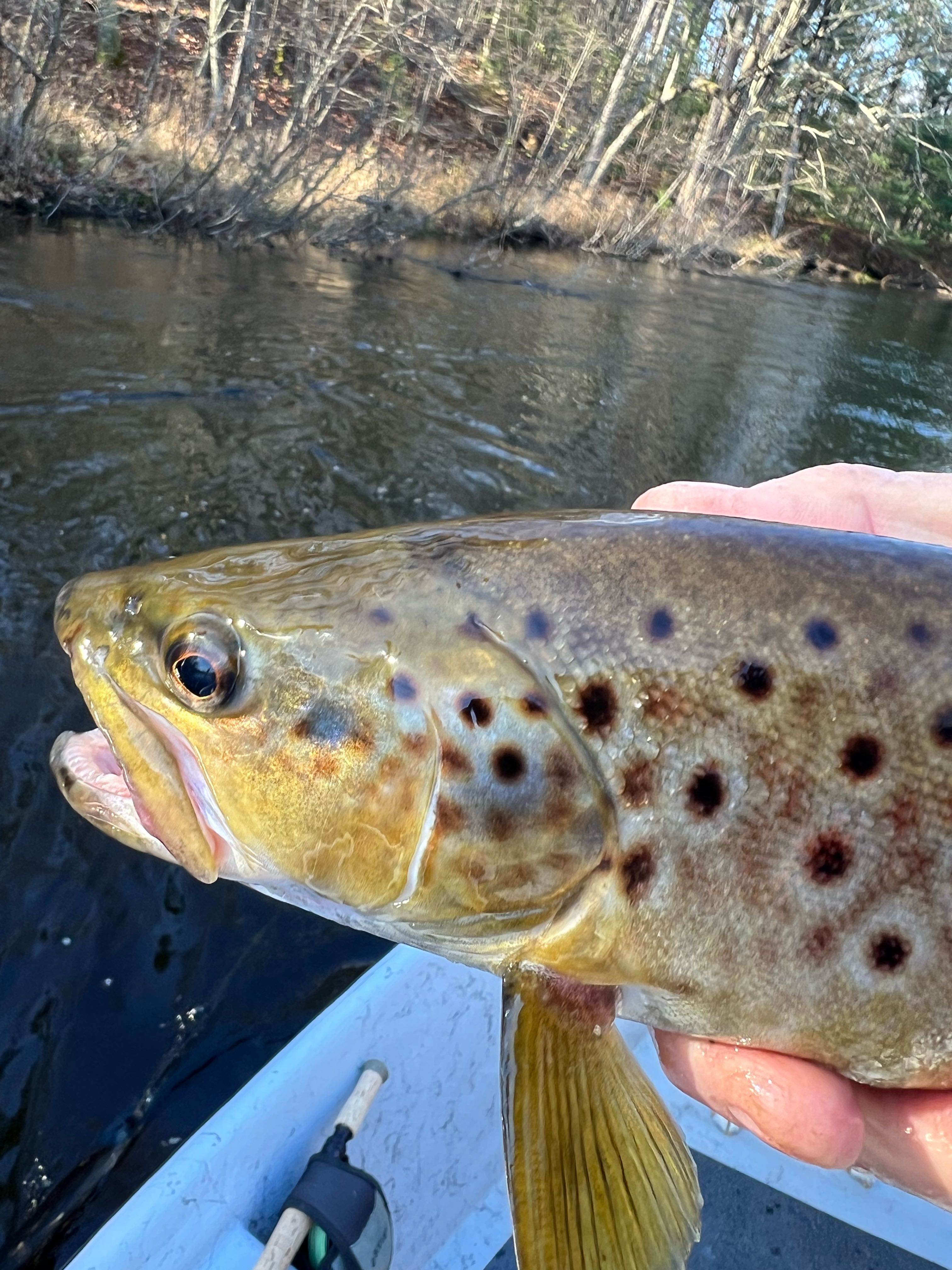
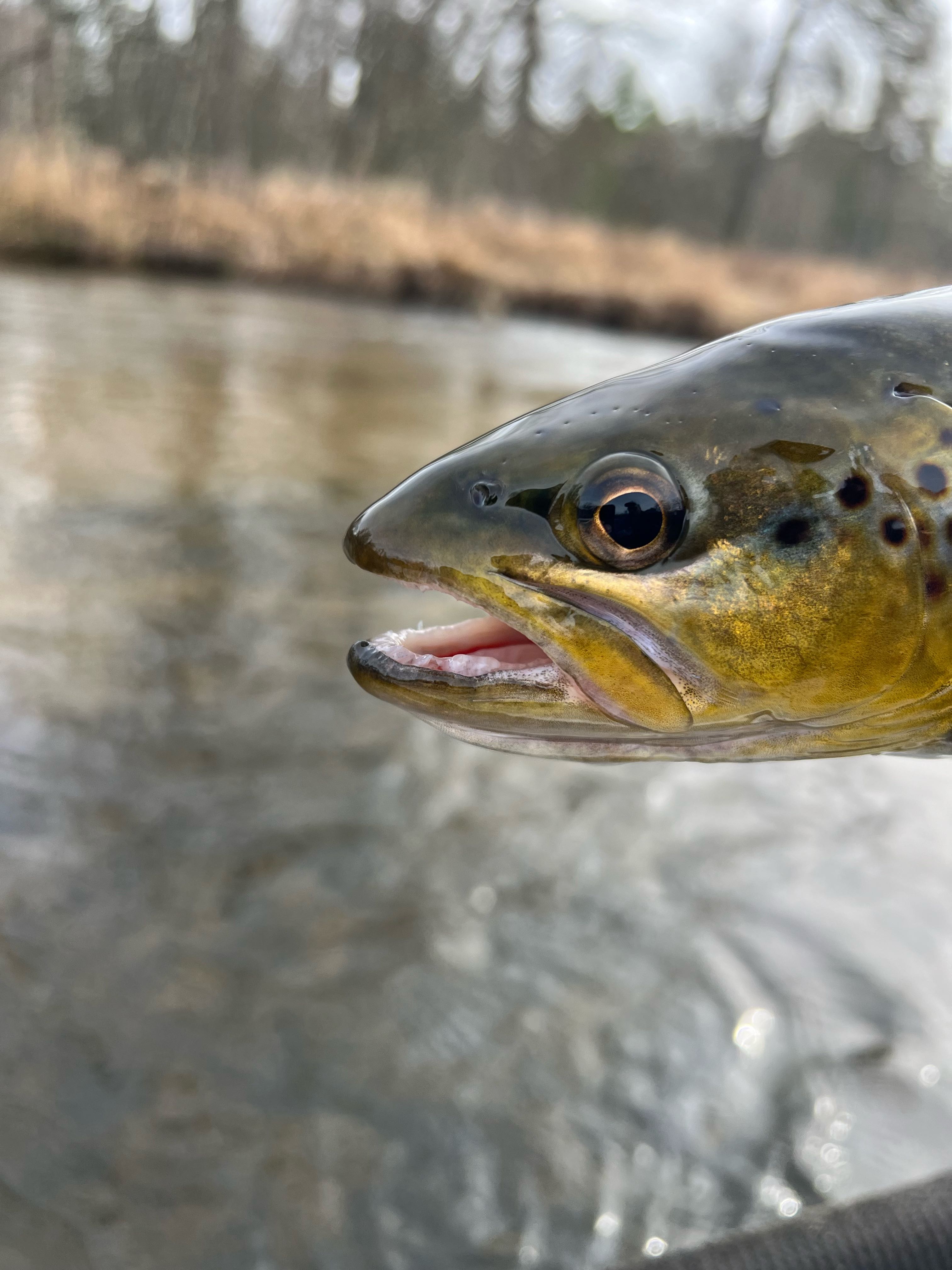
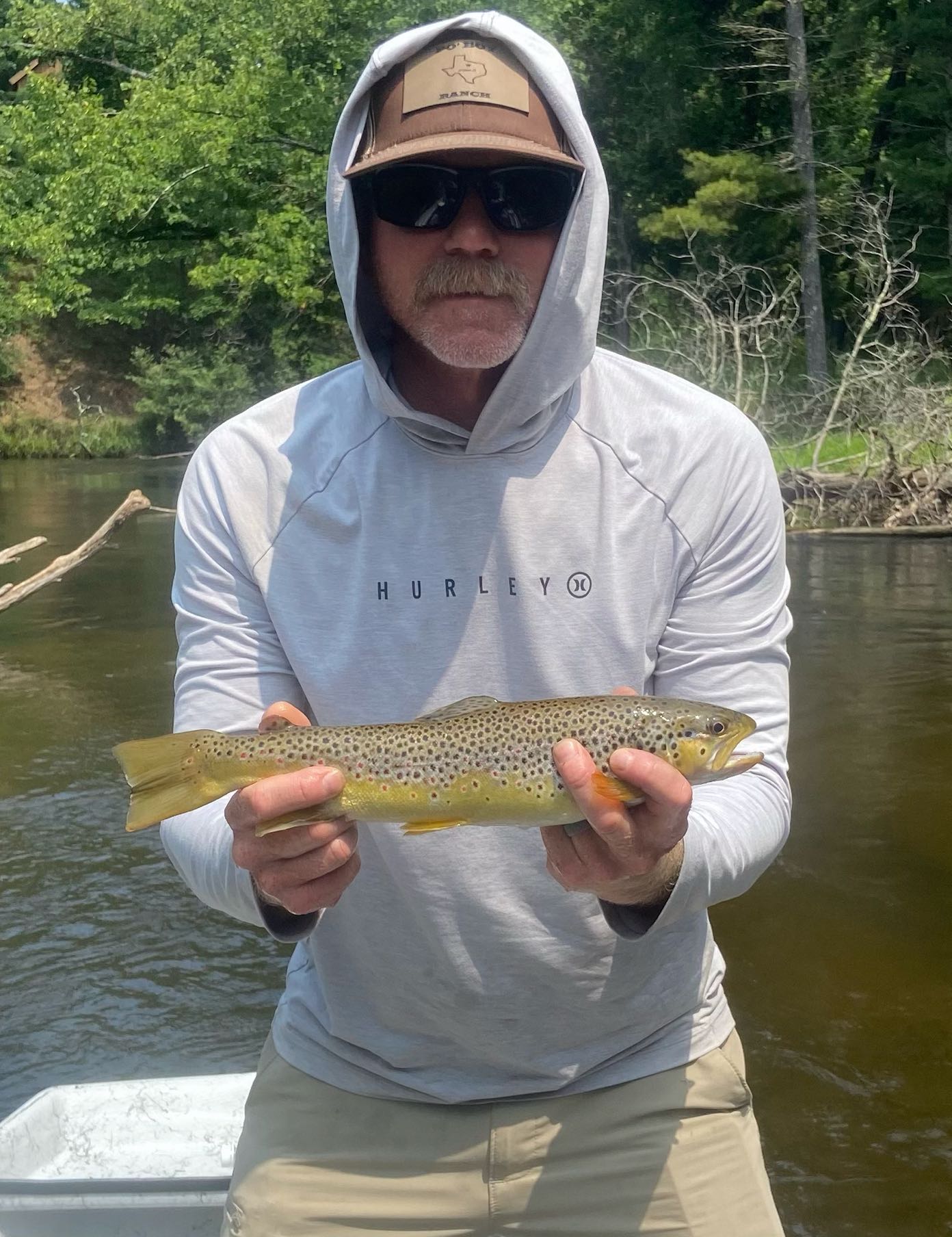
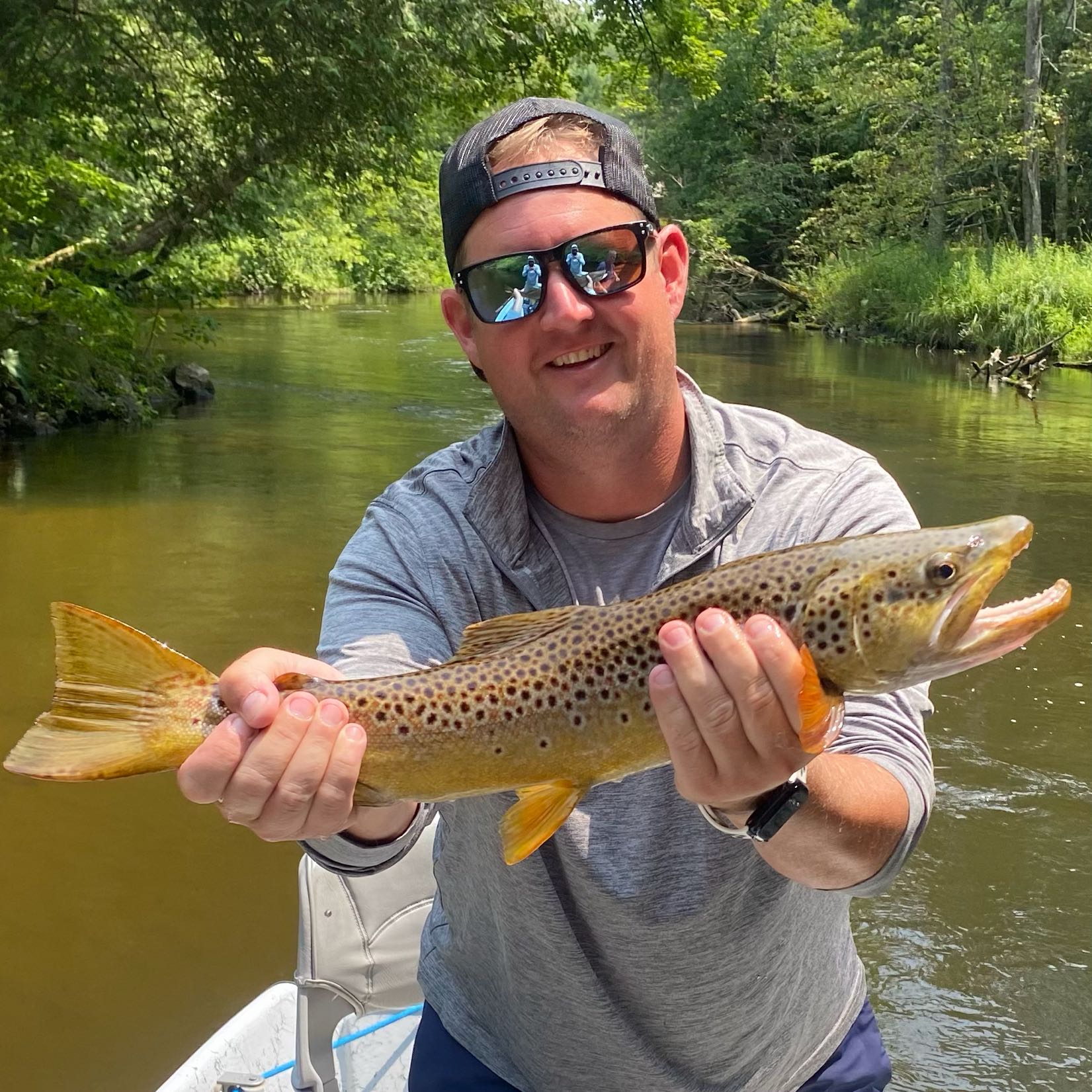
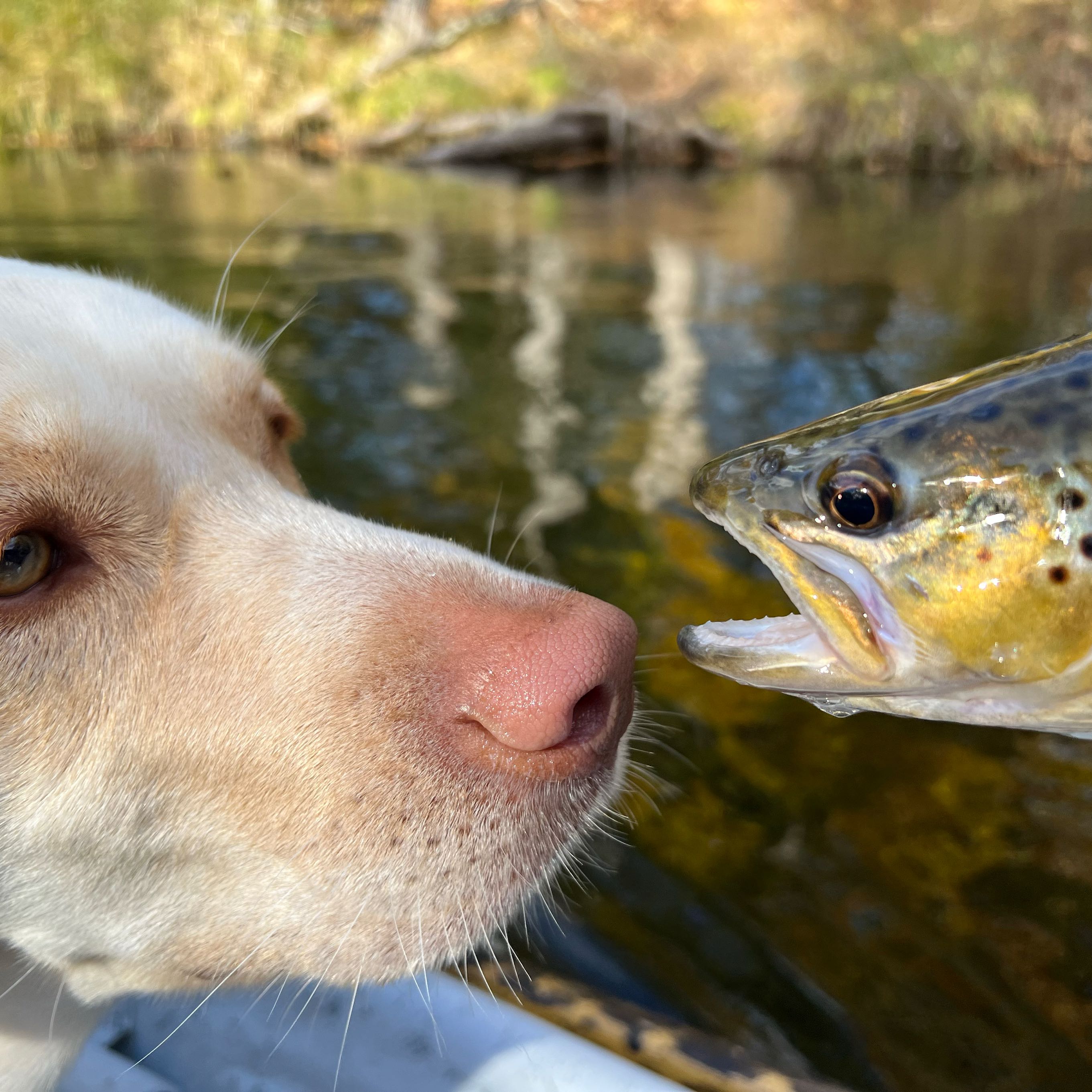
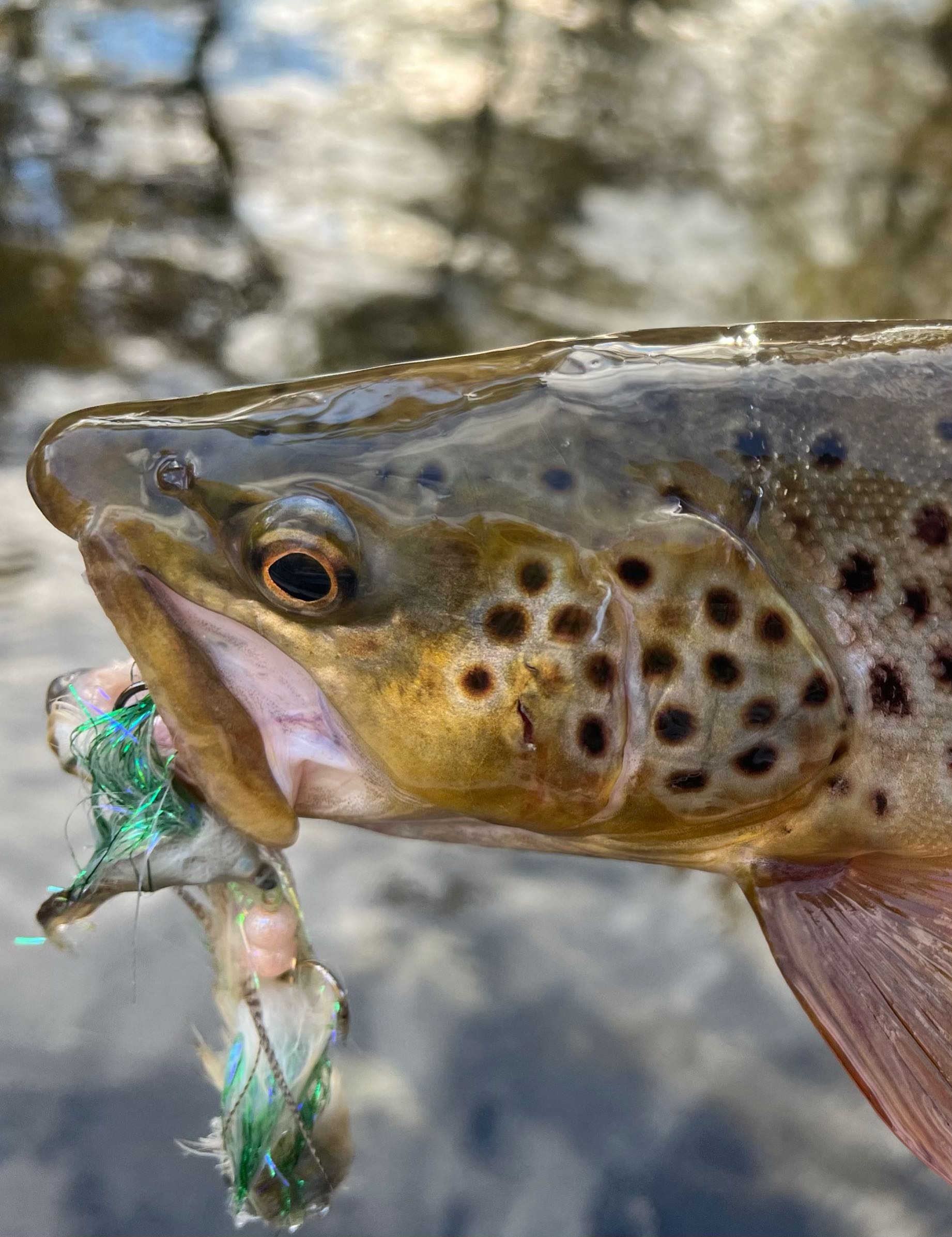
Brown trout are the Ph.D. students of the trout world - smart, selective
 Private Trip
 River Fishing
 Baldwin, MI


 Six-hour guided drift boat fishing on Michigan rivers