Southern Shores 4-Hour Inshore Fishing Adventure
When you're looking for a solid half-day on the water that won't break the bank or eat up your whole vacation, this 4-hour charter with Flying Fish Charters OBX hits the sweet spot. We'll cruise out into the Pamlico or Albemarle Sound, working the productive waters around Oregon Inlet and west of the bridge where the fish stack up year-round. This isn't some cookie-cutter tourist trip – we're talking real fishing in some of North Carolina's most consistent inshore waters, where you'll actually catch fish instead of just getting a boat ride.
What to Expect on the Water
Your day starts at Southern Shores, where we'll get you rigged up and ready before heading out to the hot spots. The beauty of these sounds is they're protected from ocean swells, so even if it's blowing outside, we can usually find calm water and productive fishing. We're targeting the structure and drop-offs around Oregon Inlet – that's where the baitfish hang out, and where the baitfish go, the gamefish follow. You'll be fishing with a small group of just 4 anglers max, so there's plenty of room to spread out and no elbow-to-elbow combat like you get on those packed party boats. All your gear, bait, and licenses are handled, so just show up ready to fish. We provide everything from rods and reels to tackle and fresh bait, plus we'll clean your catch at the end of the day.
Bottom Fishing Tactics
We're primarily bottom fishing these waters, which means dropping baited rigs down to where the fish are feeding along the structure. The technique is straightforward but effective – we'll anchor up on productive spots and let the current carry our baits into the strike zone. You'll be using circle hooks with fresh shrimp, cut bait, or whatever's working that day. The key is feeling for that subtle tap-tap-tap of a croaker or the solid thump of a drum picking up your bait. Don't worry if you're new to this style of fishing – our guides will walk you through reading your rod tip and setting the hook properly. The gear we use is perfectly matched to these waters, with medium-action rods that let you feel every bite but have enough backbone to handle the bigger drum and stripers that cruise through here.
Species You'll Want to Hook
Atlantic Croaker are the bread and butter of these waters, especially during the warmer months from late spring through fall. These guys are chatty – you'll actually hear them croaking in the fish box after you catch them. They typically run 10-14 inches here and bite consistently on shrimp and bloodworms. What makes croaker so popular with anglers is their willingness to bite and their excellent table fare. They school up heavily around structure, so when you find them, you'll often catch them two at a time.
Redfish, or puppy drum as the locals call the smaller ones, are one of the most sought-after species in these sounds. They range from schoolie-sized fish around 18-24 inches up to bull reds that can stretch over 40 inches. Spring and fall see the best action, when they're feeding aggressively in the shallows and around the inlet. These copper-colored fighters put up a great scrap and are picture-perfect with their distinctive black spot near the tail. The slot-sized fish make excellent eating, while the big bulls are usually catch-and-release.
Speckled Trout are the glamour species of inshore fishing, with their beautiful spotted flanks and impressive teeth. They're most active during the cooler months, from fall through early spring, when they move into the deeper holes and channels. A good speck will run 15-20 inches, though the occasional gator trout over 25 inches shows up to make your day. They're finicky feeders that require a delicate touch, but their sweet, flaky meat makes them worth the effort.
Sheepshead are the convict fish of the sounds, with their distinctive black and white stripes and human-like teeth. They're structure huggers that love to hang around pilings, rocks, and wrecks, where they pick off barnacles and crabs. These guys are notorious bait thieves – you'll feel a little peck-peck-peck as they try to steal your shrimp without getting hooked. When you do connect with a good sheepshead, they're bulldogs that will try to wrap you around whatever structure they can find.
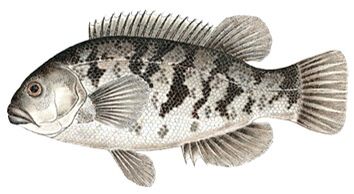
Tautog, or blackfish, are the bulldozers of the bottom. These thick-bodied fish love hard structure and have powerful jaws that can crack open crabs and mussels with ease. They're most active during the cooler months, making them a prime target for fall and winter fishing. A good-sized tog will go 3-5 pounds, with the occasional doormat pushing 8-10 pounds. They're excellent table fare with firm, white meat that's perfect for fish tacos or grilled whole.
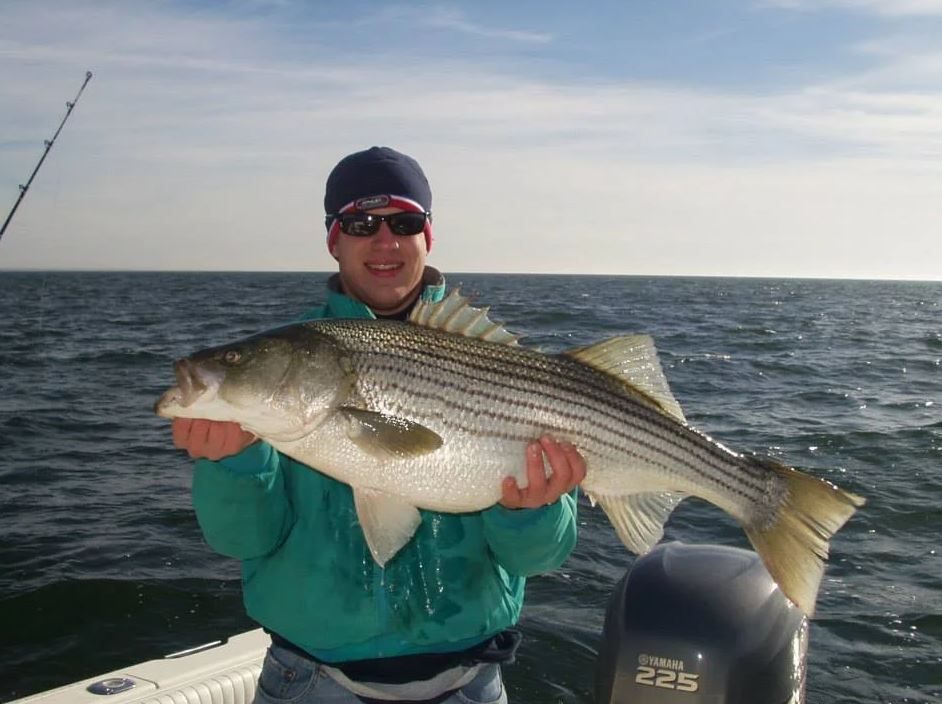
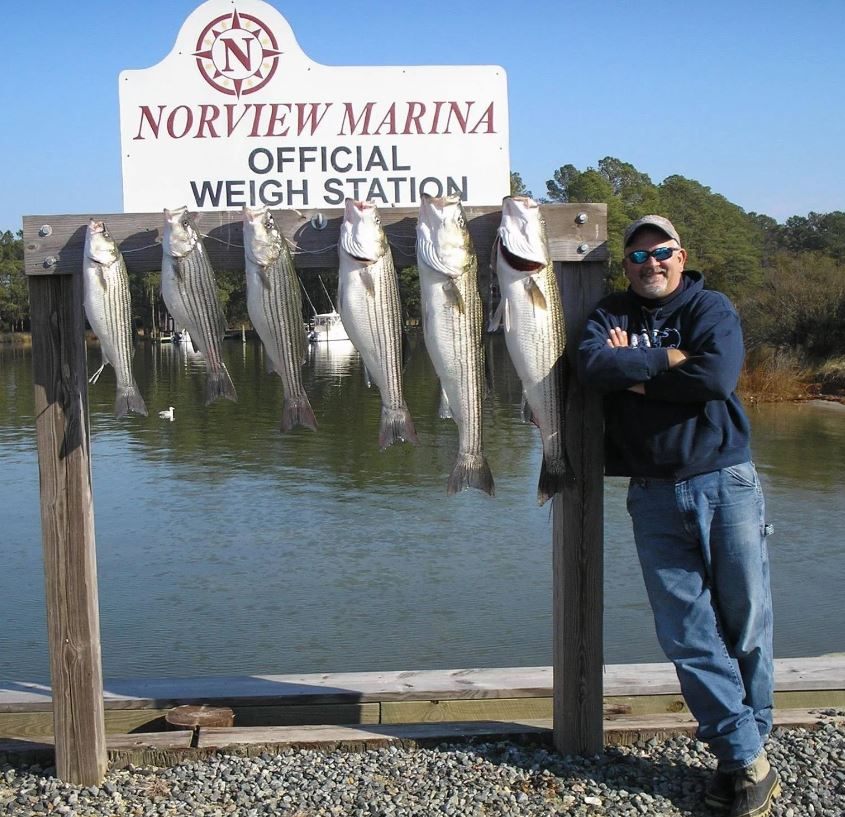
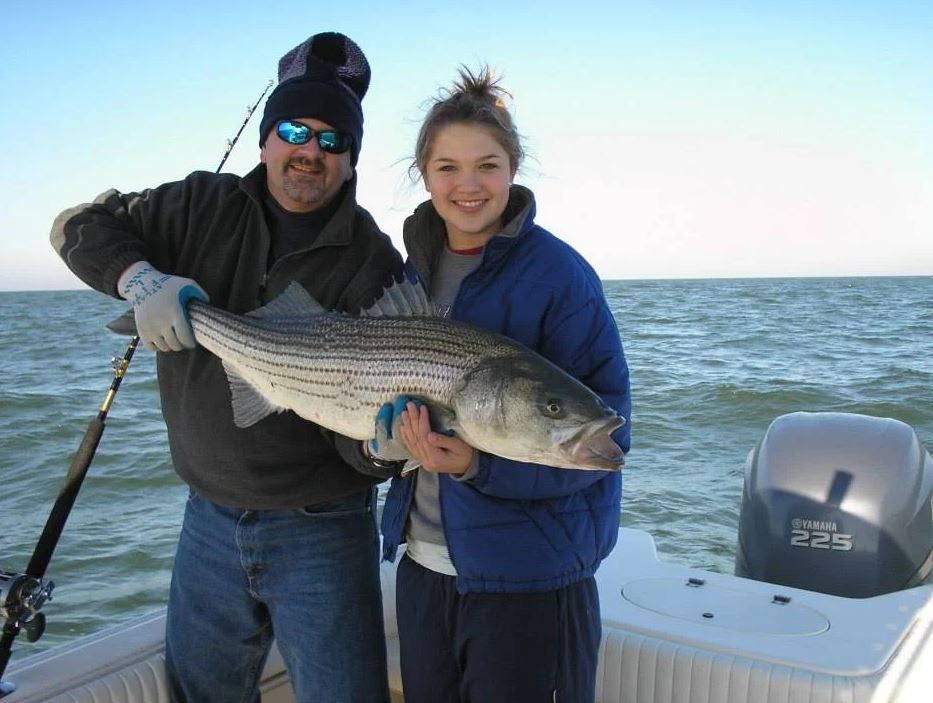
Striped Bass, known locally as rockfish, are the apex predators of these waters. While we're primarily bottom fishing, stripers will often pick up baits intended for other species. They can range from schoolie bass around 18-20 inches up to cows pushing 30 inches or more. These fish are pure muscle and will test your drag system with long, powerful runs. The slot-sized fish are fantastic eating, while the big breeders are carefully released to keep the population strong.
Bluefish are the aggressive attackers of the sound, known for their razor-sharp teeth and ferocious appetite. They travel in schools and when they're feeding, the action can be non-stop. Blues typically run 2-8 pounds in these waters, and they'll hit just about any bait you put in front of them. They're oily fish that are best when cooked fresh, an
 Private Trip
 Inshore Fishing
 Manteo, NC, United States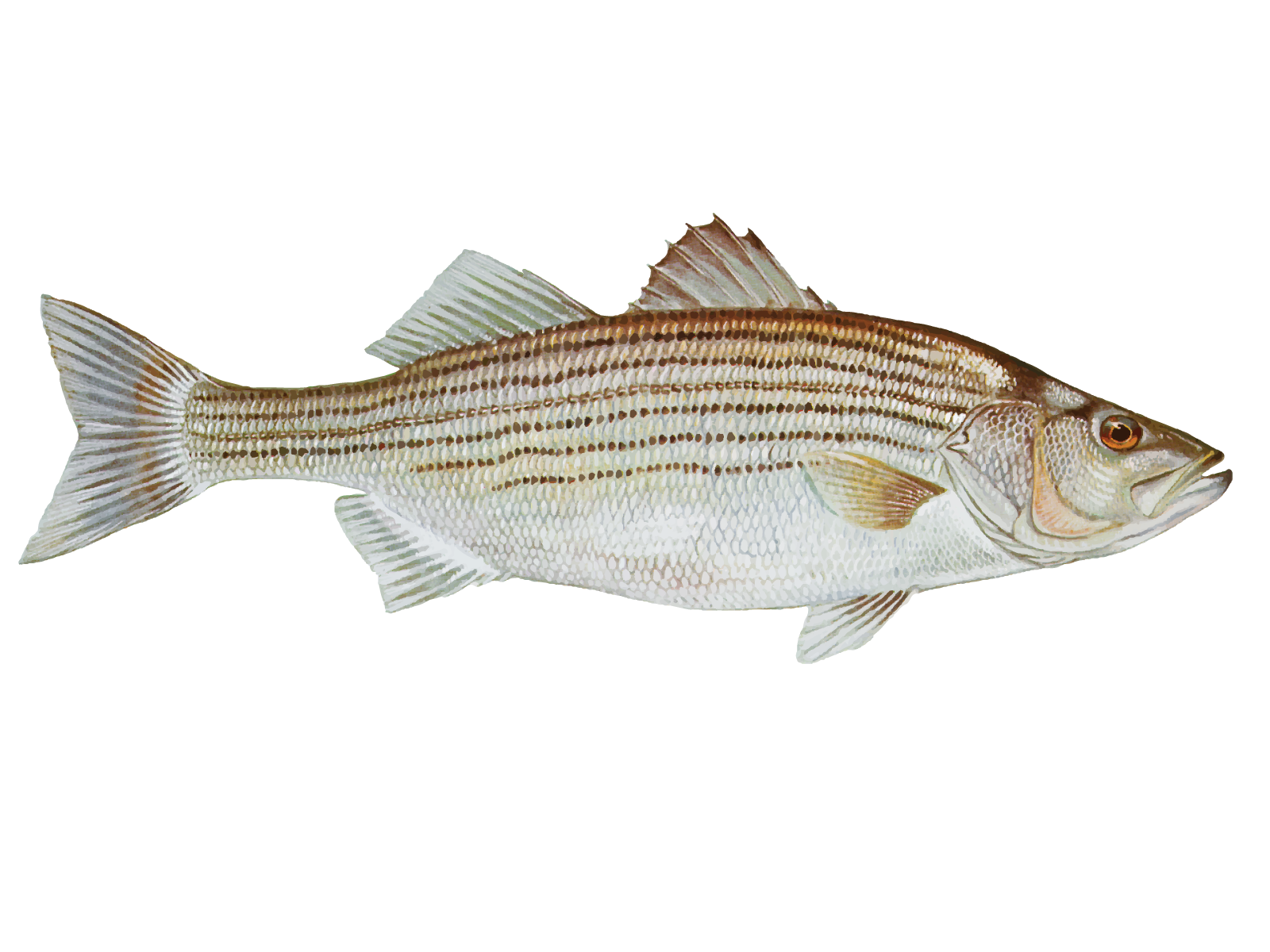


 Four-hour inshore fishing charter targeting multiple species near Oregon Inlet