Half-day Float Trips - White Mountains Fishing
When you're looking for a solid half-day on the water that'll leave you with some great fish stories and a renewed appreciation for New Hampshire's rivers, this float trip with Freestone Guide Service hits all the right notes. Four hours might not sound like much, but trust me – when you're drifting through some of the White Mountains' most productive waters with an experienced guide who knows every bend, pool, and feeding lane, time flies by fast. We'll keep you fueled with fresh coffee and snacks while you focus on what really matters: putting fish in the net and soaking up the stunning mountain scenery that makes this region such a customer favorite among serious anglers.
What to Expect on the Water
Your morning starts with a quick gear check and safety briefing before we push off into waters that have been producing fish for decades. The drift boat setup gives us the perfect platform to cover prime fishing water without the noise and disturbance of motors – just the gentle sound of oars cutting through the current as we position you for the best shots at feeding fish. The White Mountains rivers flow with that classic New England character: deep pools carved by centuries of spring runoff, undercut banks where big fish like to hide, and plenty of structure that holds everything from feisty brook trout to chunky smallmouth bass. Don't worry about bringing tackle – we've got everything dialed in for local conditions, though feel free to bring your favorite rod if you've got one. Just remember to grab that New Hampshire fishing license before we meet up, because the fish and game folks don't mess around up here.
Drift Boat Techniques
Floating these mountain rivers is all about reading the water and timing your presentations just right. From the drift boat, we can work both sides of the river efficiently, hitting every pocket of water that looks fishy while staying mobile enough to cover serious ground. Your guide will be rowing and positioning the boat to give you perfect casting angles into the sweet spots – those deeper runs along cut banks, the foam lines where current breaks create feeding zones, and the slack water behind boulders where trout love to sit and pick off drifting insects. We'll be switching between techniques based on what the fish are telling us: maybe starting with streamers to cover water and locate active fish, then switching to nymphs when we find fish holding deep, or going topwater if we spot rising fish. The boat setup lets us anchor up and really work a productive pool when we find cooperative fish, but also gives us the mobility to move on quickly when a spot isn't producing.
Species You'll Want to Hook
Brook trout are the native gems of these mountain waters, and catching one feels like connecting with the wild heart of New Hampshire. These beauties prefer the cooler, well-oxygenated water you'll find in the upper stretches and shaded pools, especially during the warmer months when they retreat to spring holes and deeper pockets. They're not huge – most run 8 to 14 inches – but they fight with surprising strength and their colors are absolutely stunning, with those characteristic red spots surrounded by blue halos and bright orange fins. Early morning and evening are prime time for brookies, and they can't resist a well-presented dry fly or small streamer.
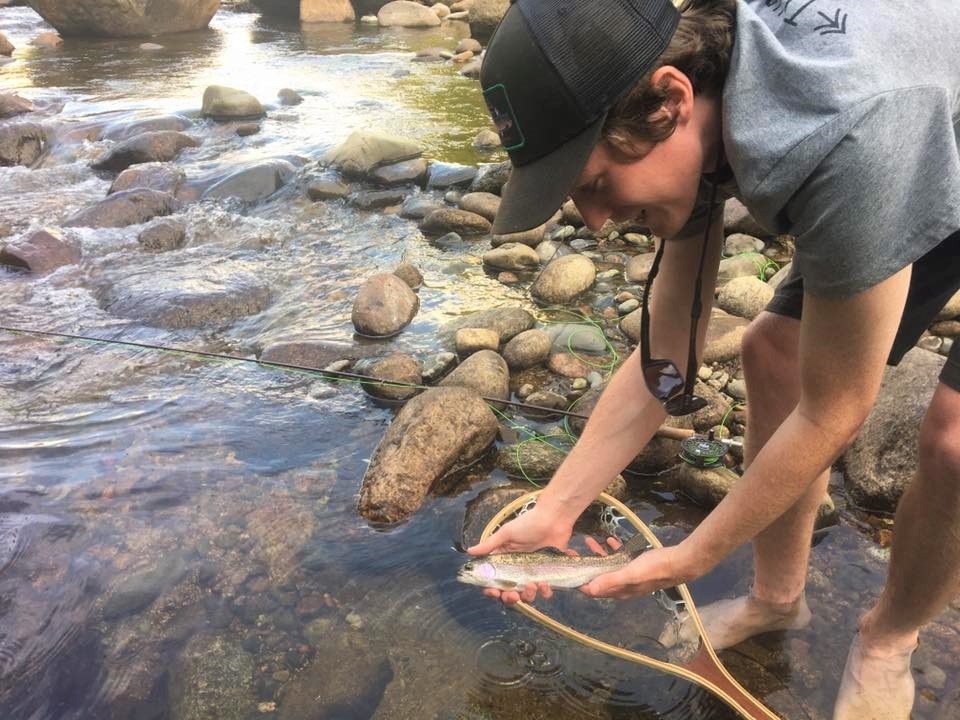
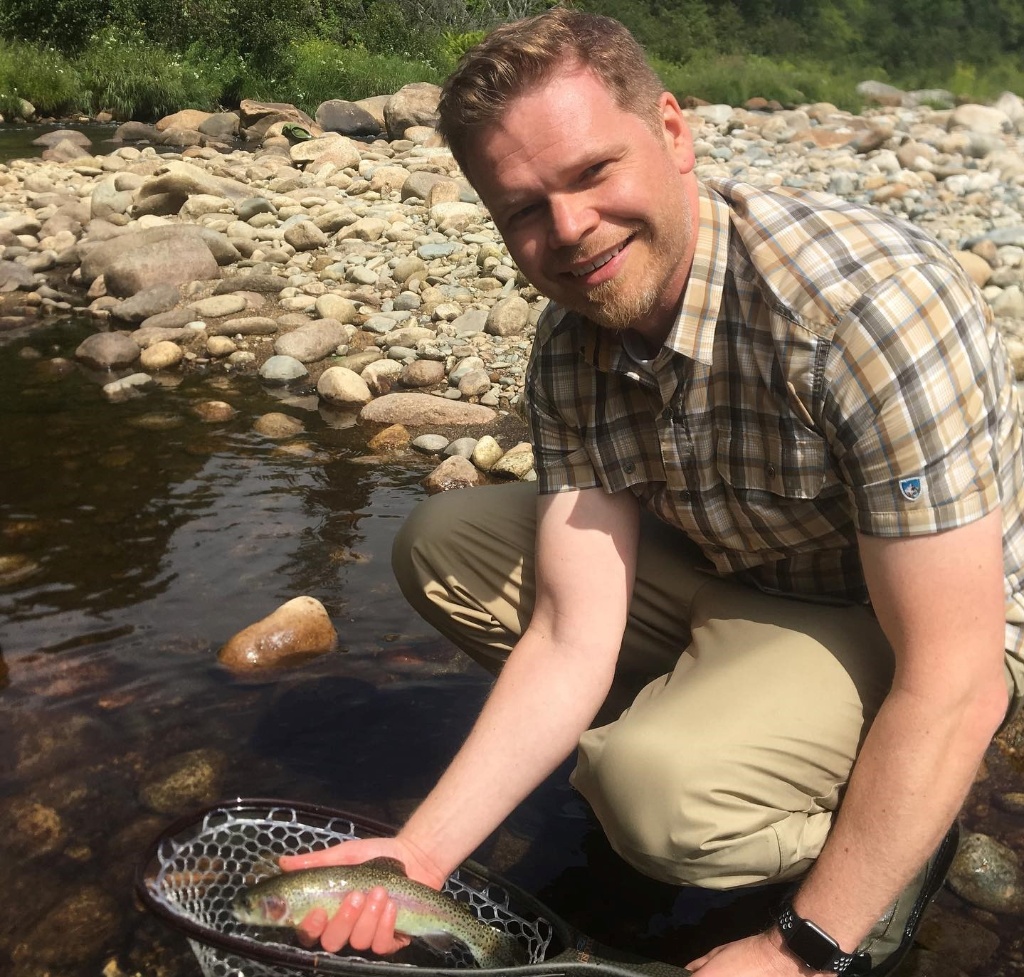
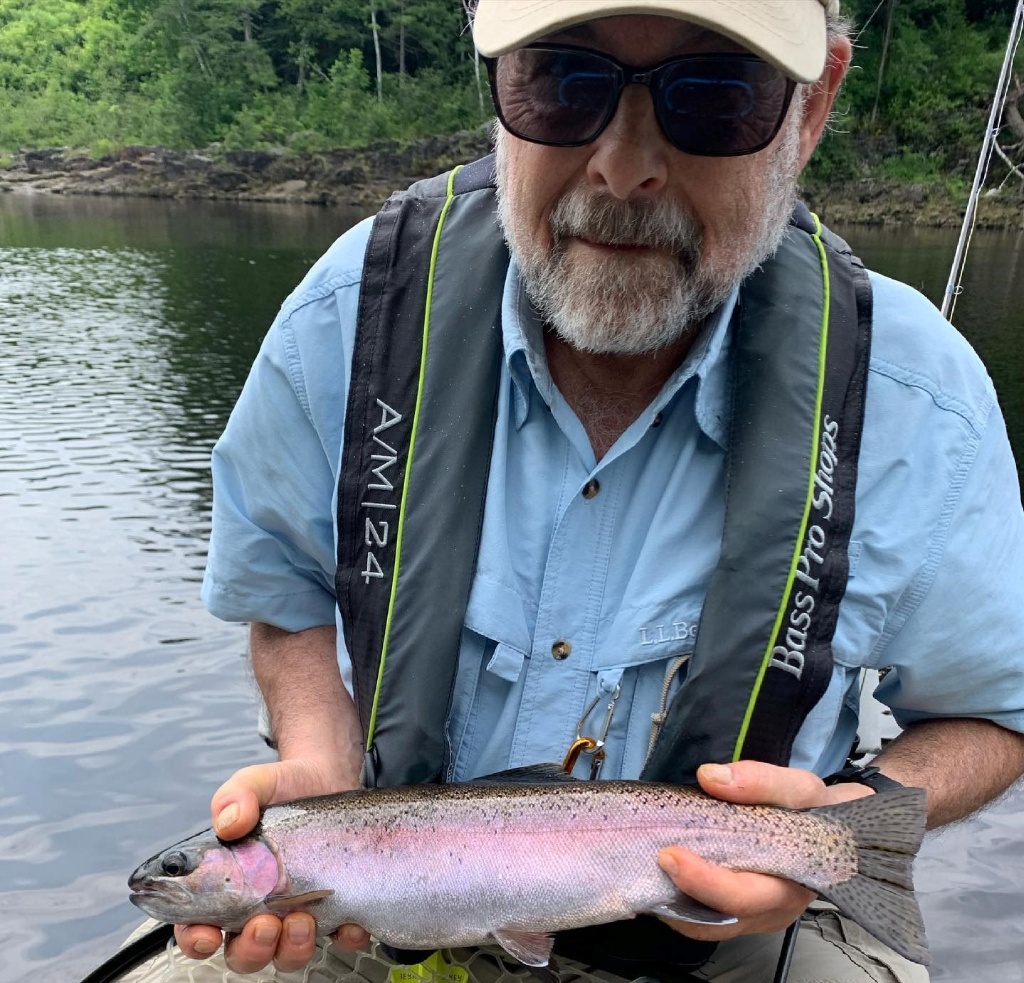
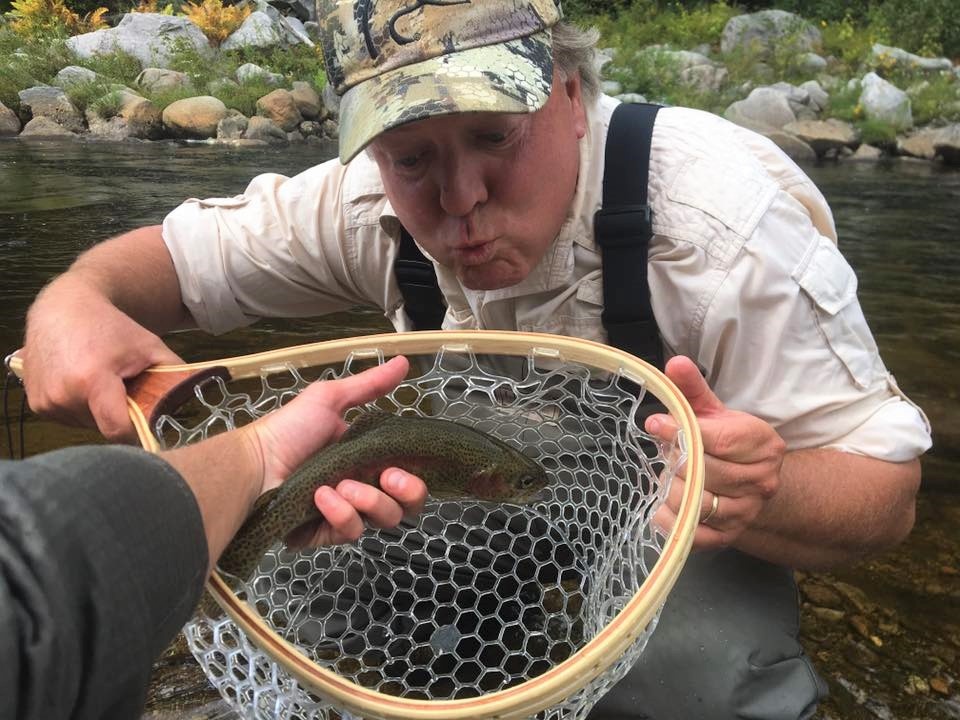
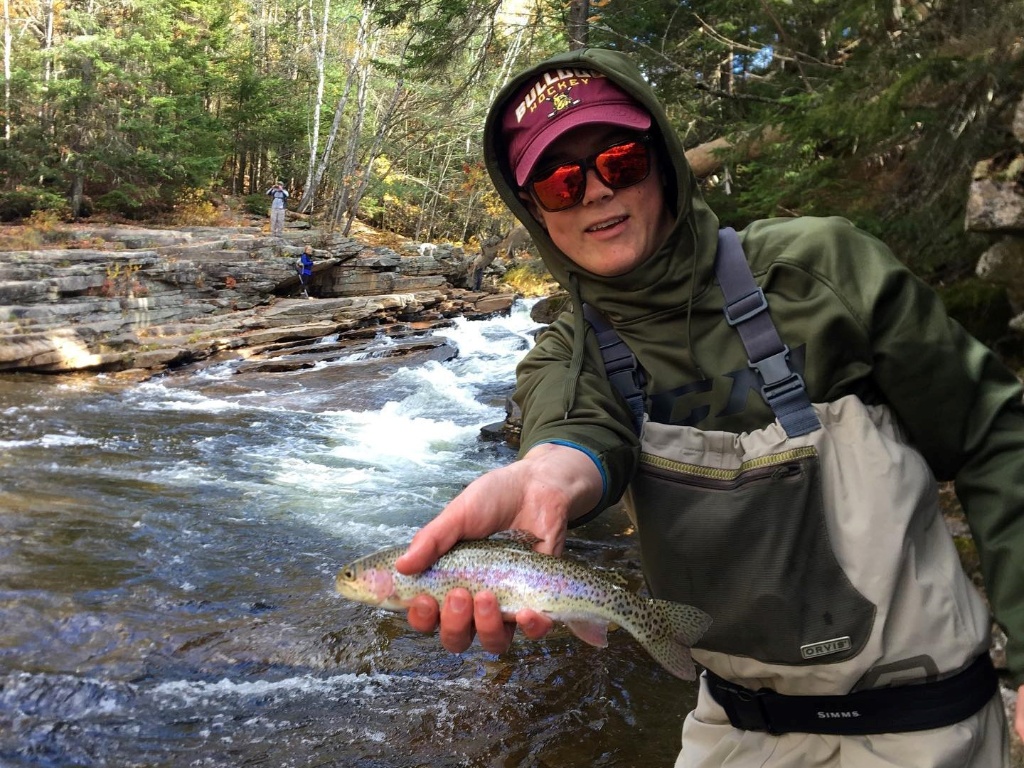
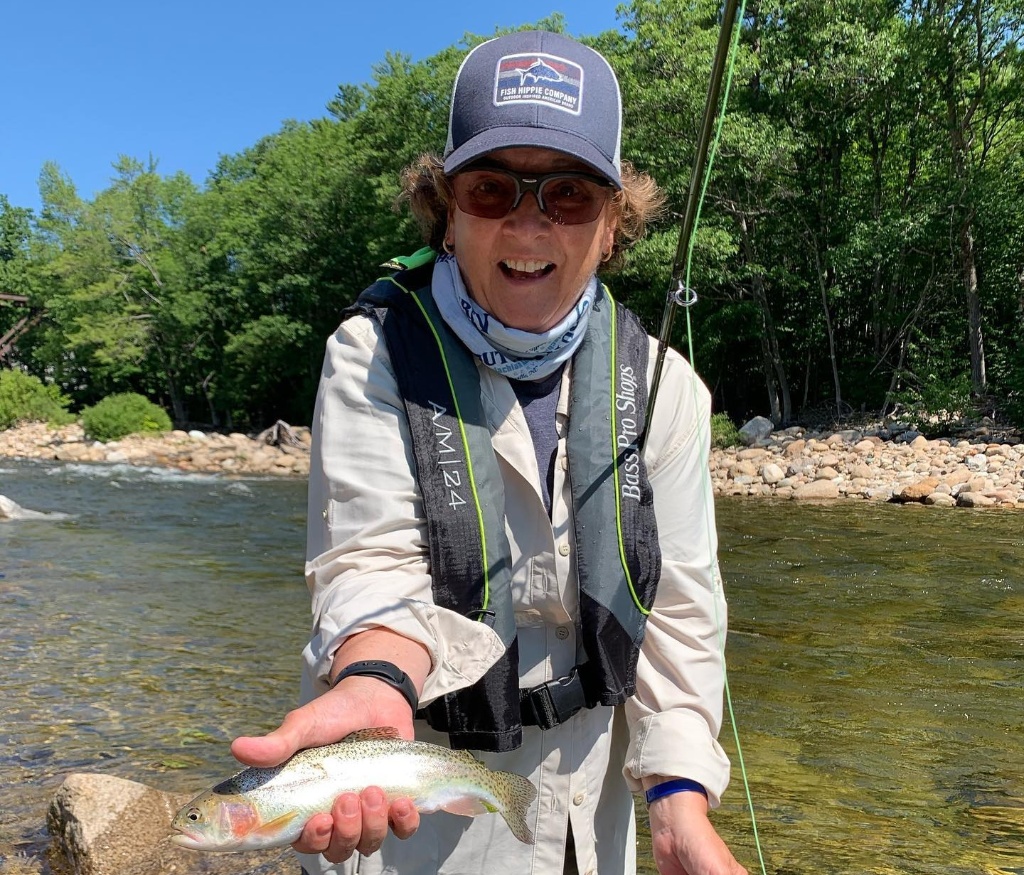
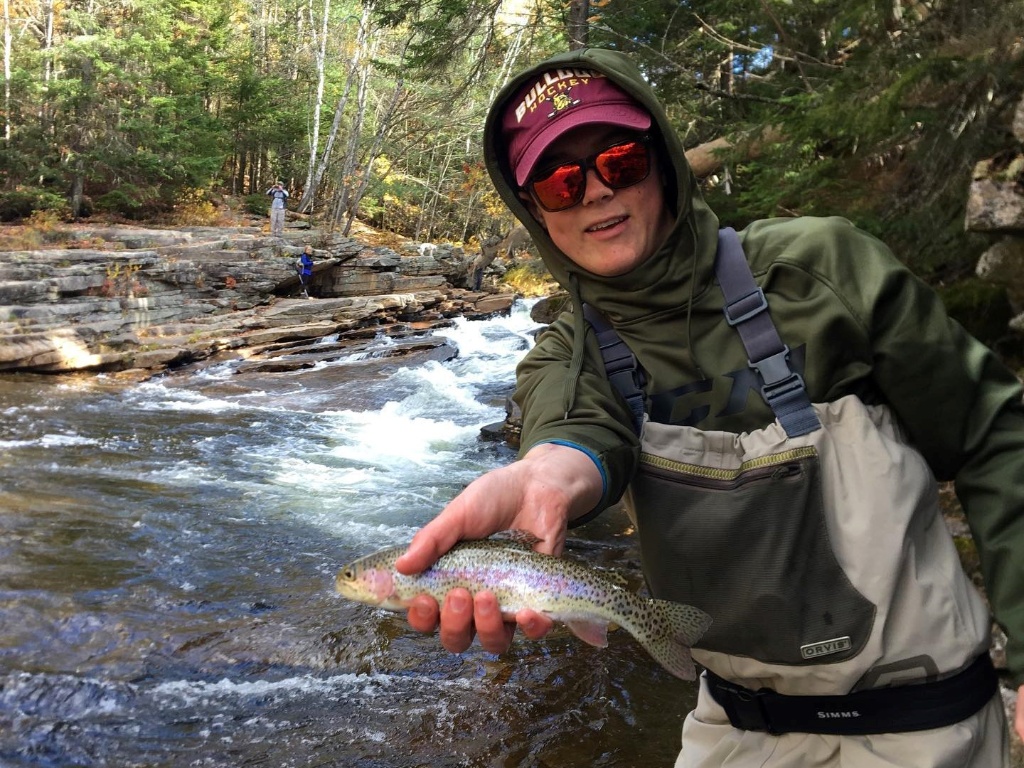
Rainbow trout bring serious fight to these waters, often jumping multiple times and making blistering runs that'll test your drag system. The rainbows here typically range from 12 to 18 inches, with some pushing into the 20-inch range in the deeper pools. They're most active during cooler water periods in spring and fall, but you can find them year-round if you know where to look. These fish respond well to both nymphs drifted deep and streamers stripped through the current, and when they're feeding on the surface, they'll hammer a well-placed dry fly with enough force to snap light tippet.
Smallmouth bass are the scrappy fighters that'll surprise you with their tenacity and aerial acrobatics. These bronze-backed battlers love the rocky structure and moderate current that's common in these river systems, especially around boulder fields and ledge drops. Peak smallmouth action happens from late spring through early fall when water temperatures are in that sweet 65-75 degree range. They're ambush predators that'll crush streamers, poppers, and even good-sized nymphs, and a 15-inch smallmouth will give you a fight you won't forget. They're also excellent table fare if you're looking to take a couple home for dinner.
Northern pike add an element of pure excitement to these waters, lurking in the deeper pools and slack water areas where they can ambush unsuspecting prey. These toothy predators can reach impressive sizes in the White Mountains rivers, with fish in the 24-30 inch range not uncommon and the occasional monster pushing 35 inches or better. Pike fishing is all about big presentations – large streamers, flashy patterns, and aggressive retrieves that trigger their predatory instincts. They're most active during the cooler months of spring and fall, though you can find them in deeper holes even during summer. Just be ready for a fight when you hook one – they're known for their explosive strikes and dogged resistance.
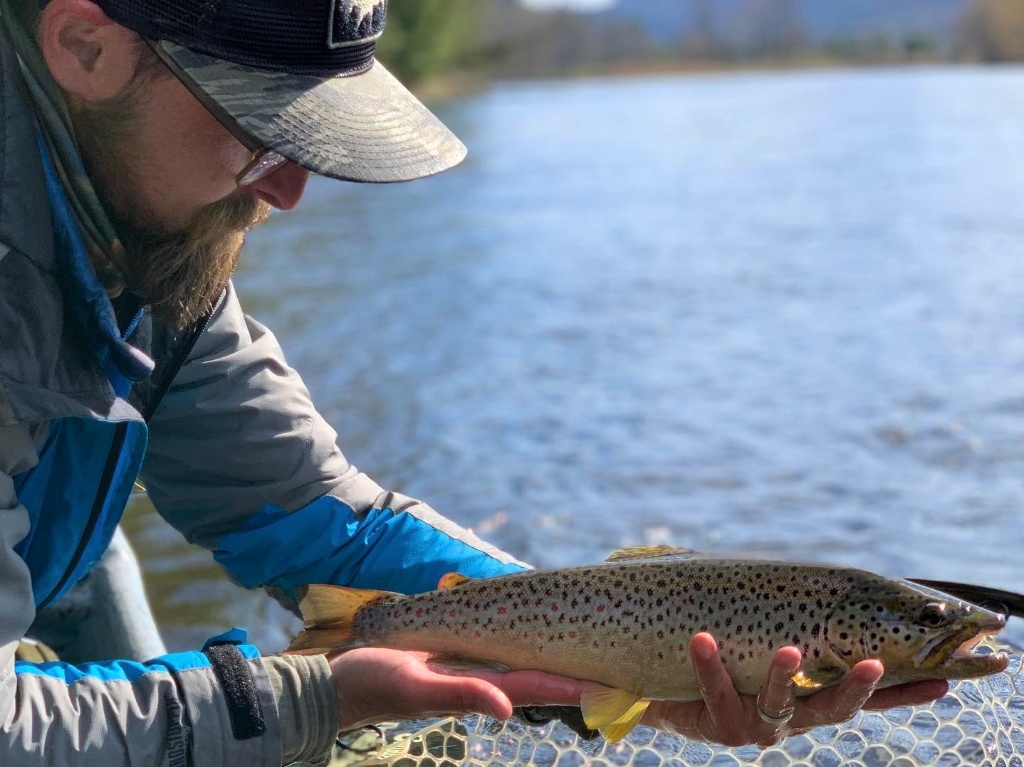
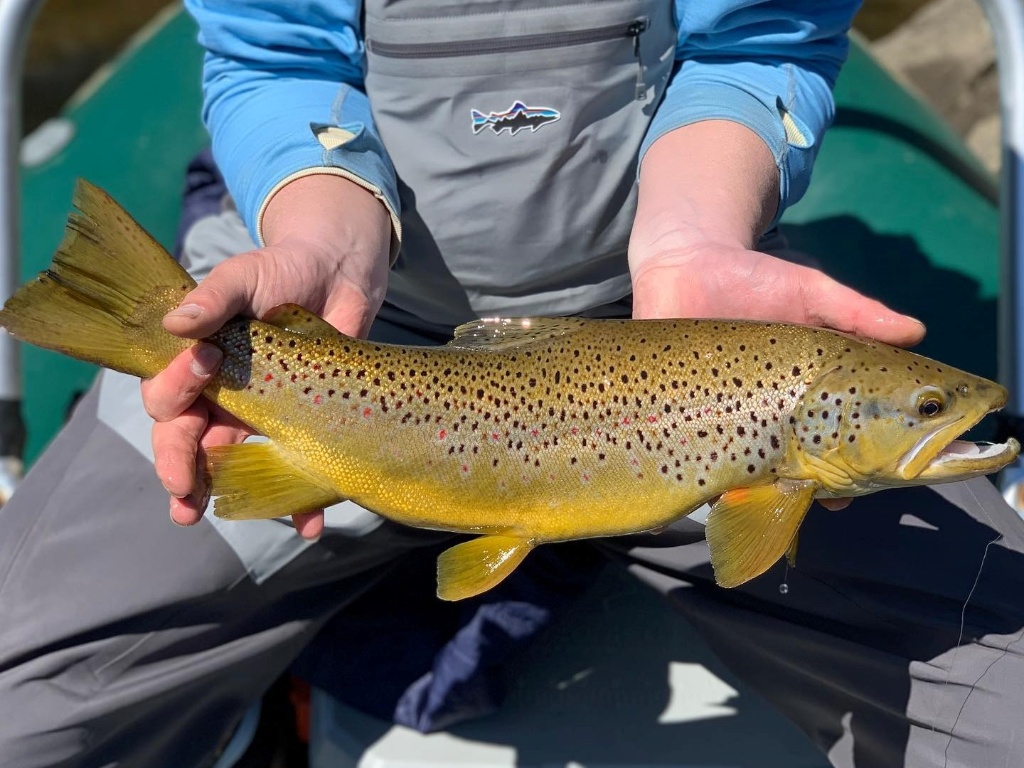
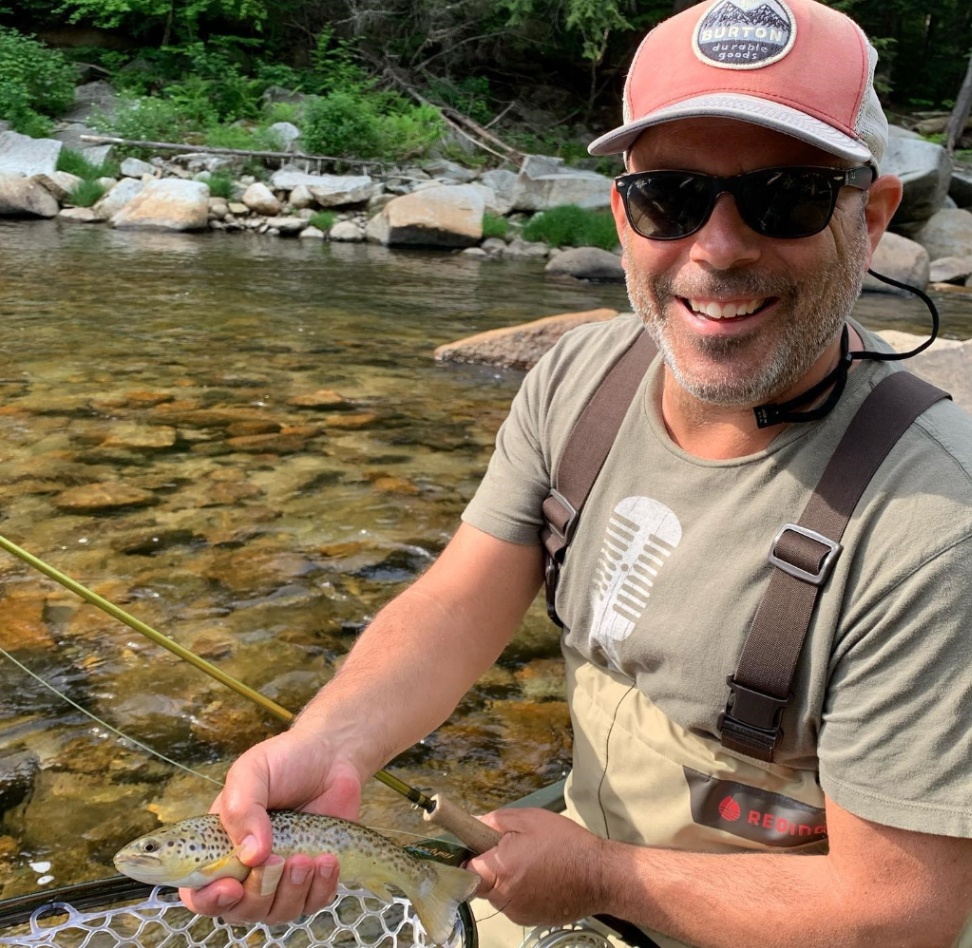
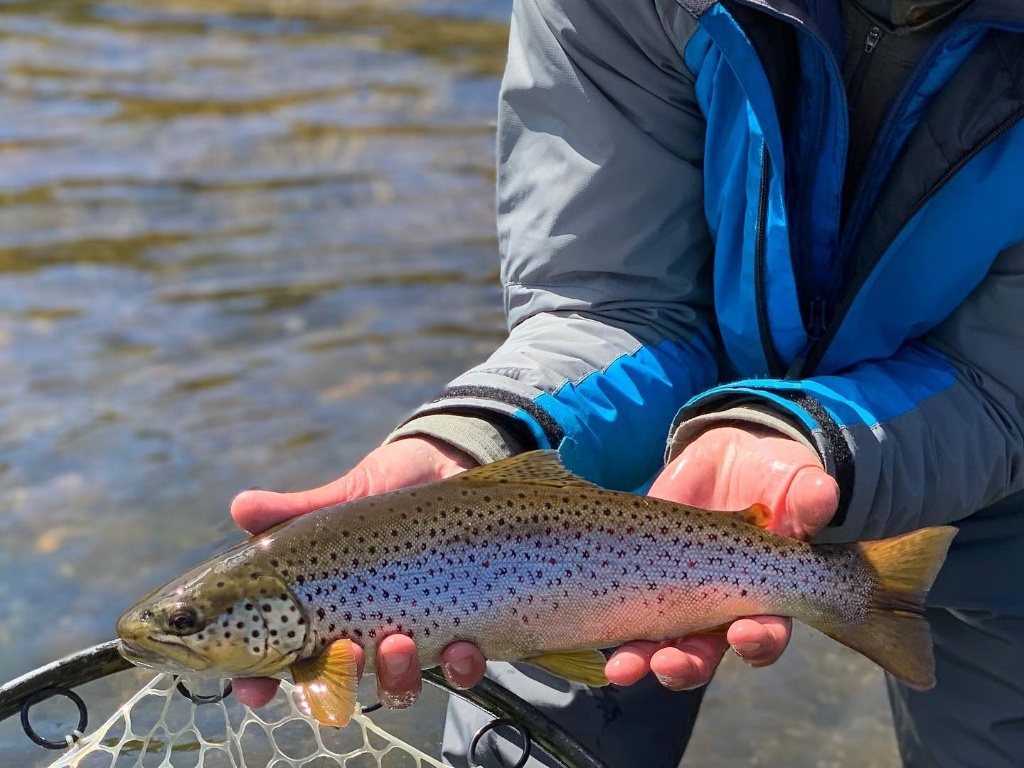
Brown trout represent the ultimate challenge for many anglers, combining impressive size potential with notorious wariness that keeps you on your toes. These European imports have adapted perfectly to the White Mountains river systems, often reaching lengths of 16-22 inches with some true giants lurking in the deepest pools. Browns are most active during low-light conditions – early morning, late evening, and overcast days – when they feel comfortable leaving their hiding spots to hunt. They're particularly fond of large prey, making them perfect targets for streamer fishing, though they can be incredibly selective when feeding on insects. Landing a quality brown trout on these waters is always a memorable achievement.
Time to Book Your Spot
This half-day float combines everything that makes White Mountains fishing special: diverse species, world-class scenery, and the kind of productive water that keeps you coming back for more.
 Private Trip
 River Fishing
 Bethlehem, NH


 Half-day guided fishing adventure on White Mountain rivers