Whole Day Float Trips - New Hampshire Waters
Picture this: eight hours drifting down some of New Hampshire's best fishing waters with nothing but the sound of moving water and your line cutting through the current. That's what you get with our whole day float trips here at Freestone Guide Service. Kevin, your guide for the day, knows these rivers like the back of his hand and he's going to put you on fish while you soak up the natural beauty that makes New Hampshire fishing so special. We're talking about a full day experience where you can actually relax between casts, enjoy a proper lunch on the water, and really get into the rhythm of river fishing. Just remember to bring that New Hampshire fishing license – you're going to need it.
What to Expect on the Water
When you meet up with Kevin in the morning, you'll be looking at a solid eight-hour adventure that covers some serious river miles. This isn't your typical bank fishing or quick half-day trip – we're talking about a proper float where you get to see different stretches of water and work various types of structure throughout the day. The beauty of floating is that you're constantly moving to fresh water, so if one spot isn't producing, we're already heading to the next promising pool or run. Kevin sets the pace based on what the fish are telling us, whether that means working a deep eddy for an extra twenty minutes or pushing through slower water to hit the prime spots during peak feeding times. The boat gives you access to water that walk-in anglers never see, and that often makes all the difference between a good day and a great day on the river. Lunch comes with the trip, so you can focus on fishing instead of packing coolers – we've got that covered so you can spend more time with a rod in your hands.
Float Fishing Techniques
River fishing from a drift boat opens up technique options that you just can't use effectively from shore. Kevin will have you working everything from dry flies in the riffles to streamers along undercut banks, depending on what species we're targeting and what the conditions are telling us. The constant movement means you're always adjusting your approach – maybe starting with topwater patterns in the morning shallows, then switching to nymphs as we hit deeper pools during the heat of the day. One of the big advantages of floating is being able to work both sides of the river effectively, hitting structure that's just out of casting range for bank anglers. Kevin knows when to anchor up and really work a spot versus when to keep drifting and covering water. You'll learn to read the current from a different angle, understanding how fish position themselves in moving water and how to present your bait or lures to look natural in that flow. The boat also lets us get into position for those tricky back-cast situations where trees or brush would make things tough from shore.
Top Catches This Season
Brook trout are the native gems of these New Hampshire waters, and they're absolutely beautiful fish that fight with more heart than their size suggests. These char prefer the cooler, more oxygenated sections of the river and they're incredibly sensitive to water quality – when you catch one, you know you're fishing clean water. Spring and fall are prime time for brookies, when the water temperatures drop and they become more aggressive. They're also opportunistic feeders, so everything from terrestrial insects to small baitfish is on the menu. What makes brook trout special is their coloring – those vermiculations on their backs and the white-tipped fins are something every angler should see up close at least once.
Smallmouth bass bring the fight that gets your heart pumping and your drag screaming. These bronze fighters love rocky structure and current breaks, making them perfect for river floating where we can hit different types of cover throughout the day. Summer months are when smallies really turn on, especially during early morning and late afternoon feeding windows. They're ambush predators that will crush everything from crawfish patterns to small spoons, and once hooked, they'll jump, run, and generally make you earn every inch of line. A three-pound smallmouth on medium tackle will give you a workout you won't forget, and New Hampshire's rivers produce some thick-shouldered fish that have been feeding on abundant forage all season long.
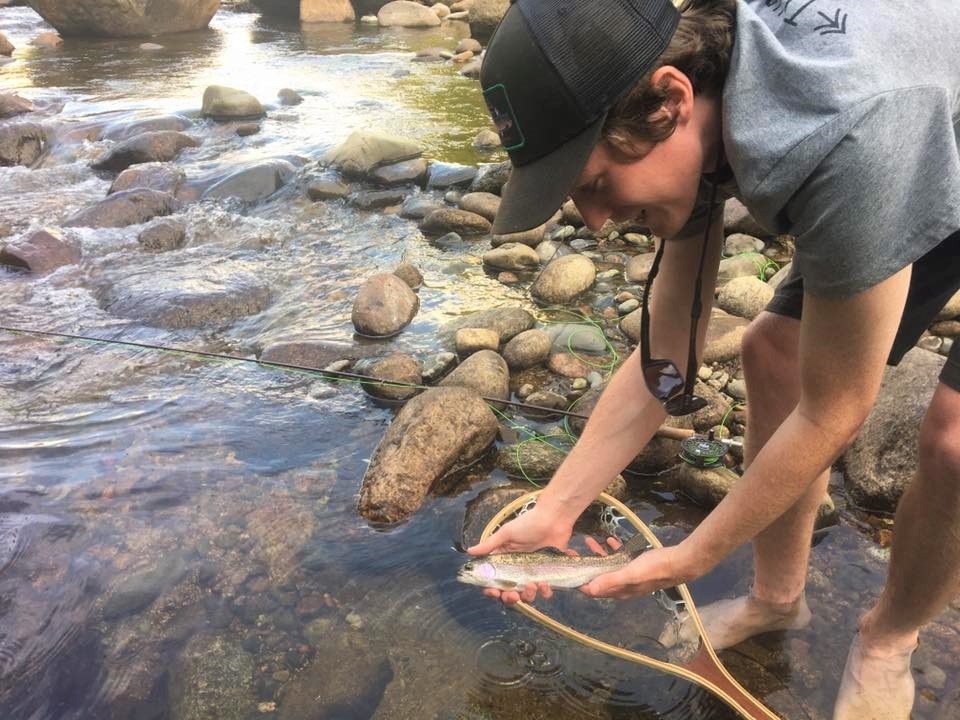
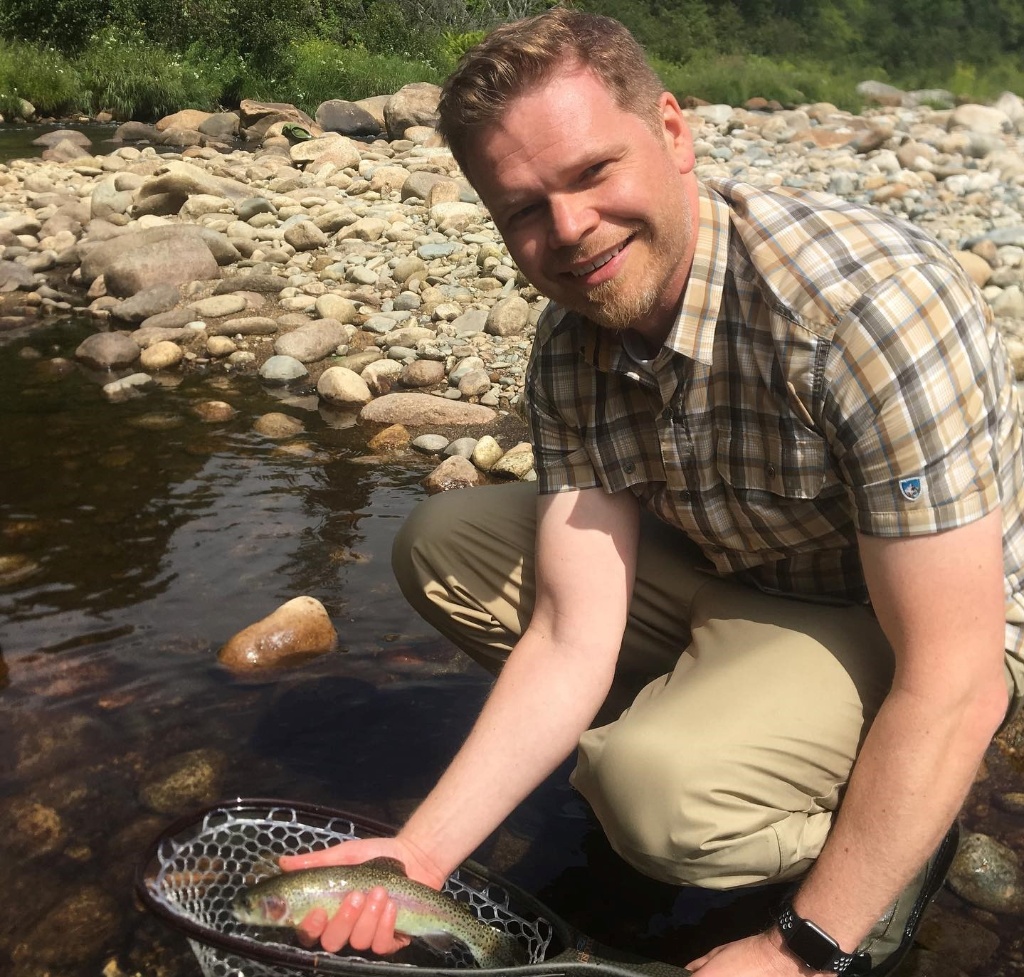
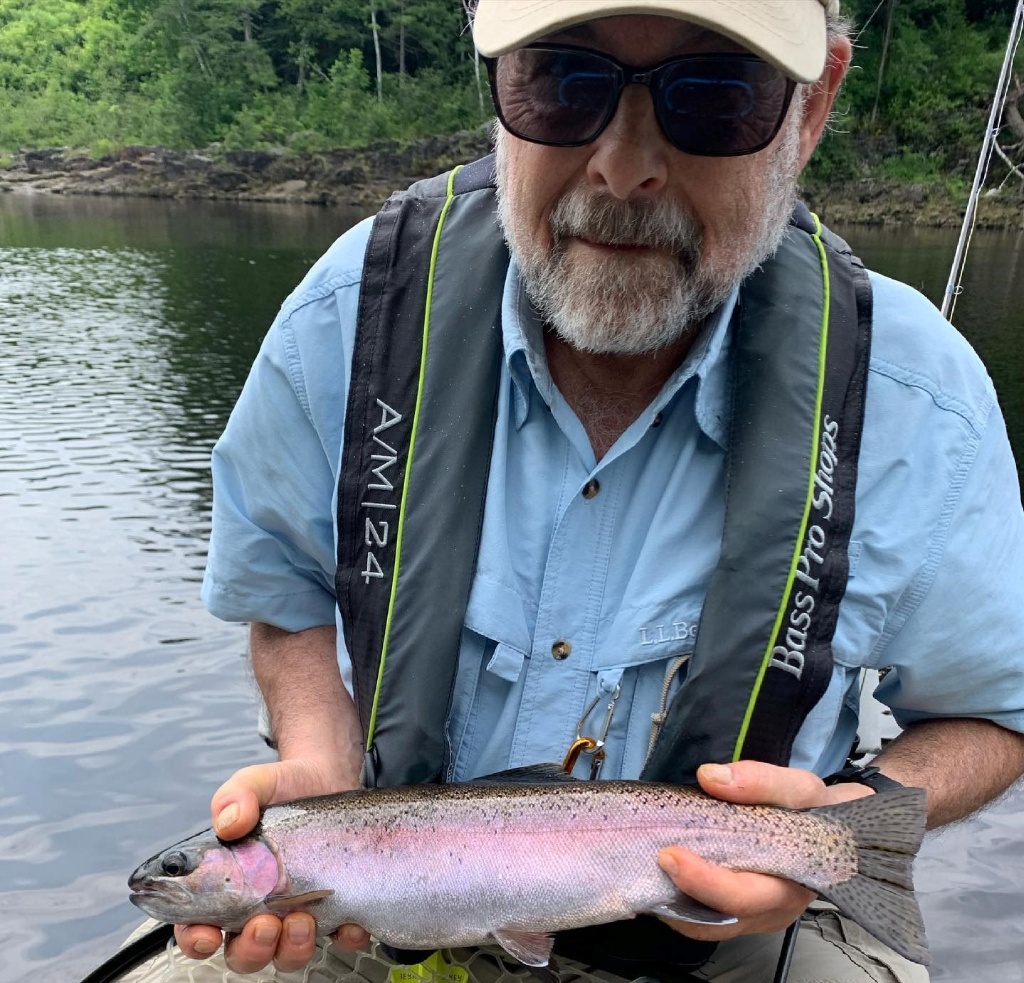
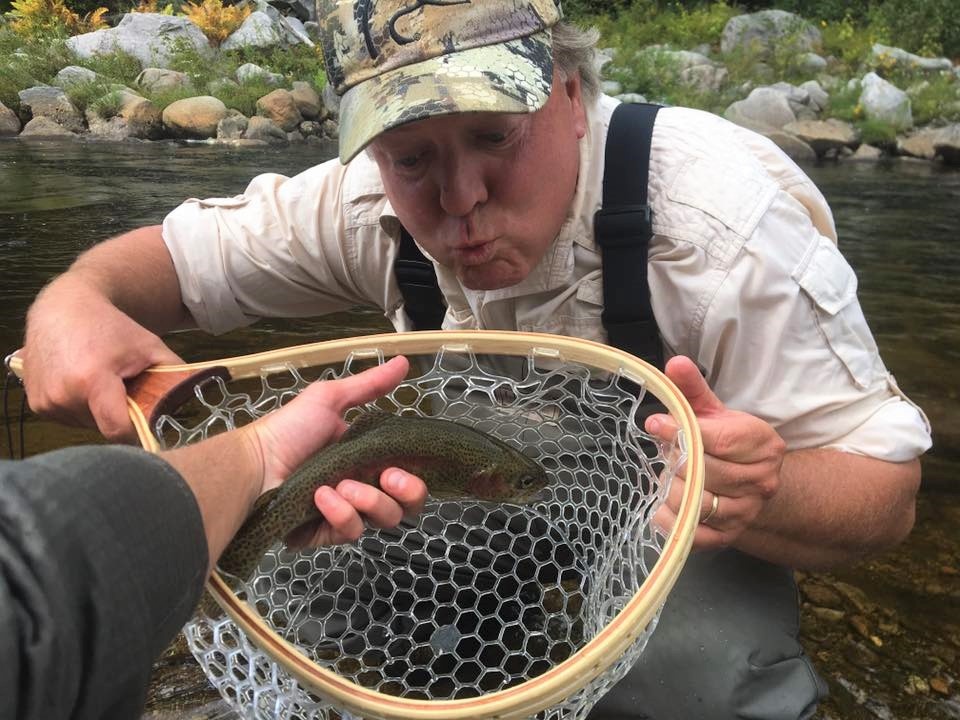
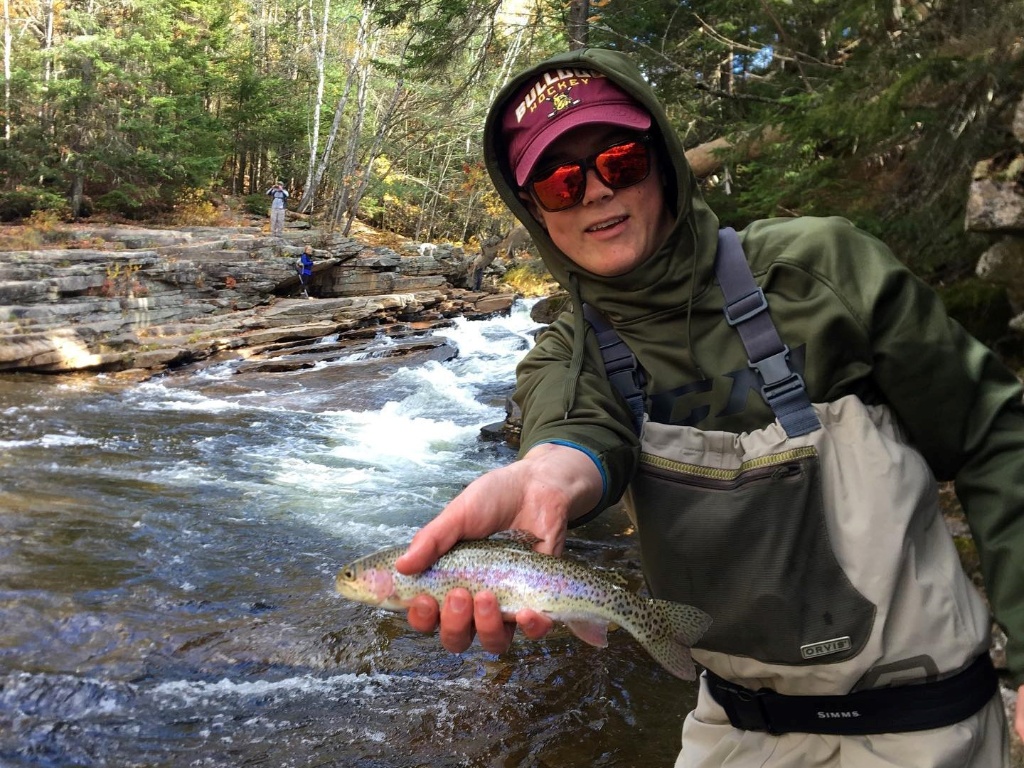
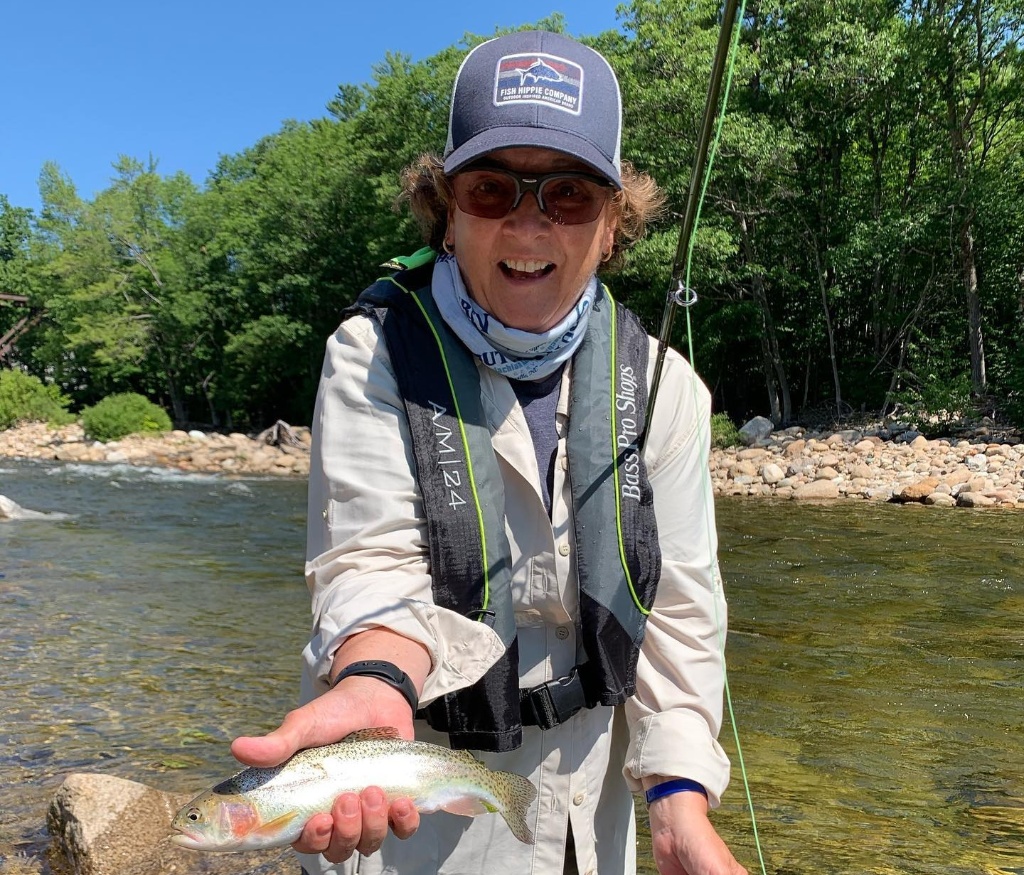
Rainbow trout are the acrobats of the trout world, and New Hampshire's moving water seems to make them even more athletic. These fish are often stocked but they adapt quickly to river life, becoming strong and colorful as they feed on natural insects and baitfish. Rainbows can be caught throughout the season, but they really shine during mayfly hatches and in the cooler months when they're preparing for their spawning runs. They're aggressive feeders that will take both flies and hardware, making them great for anglers who like to switch up techniques. When a rainbow takes your line in current, that first run combined with their tendency to jump makes for some of the most exciting moments on the water.
Northern pike are the surprise predators that can show up when you least expect them, turning a routine trout outing into an adrenaline rush. These toothy fish lurk in weed edges and slack water areas, waiting to ambush anything that moves. Pike fishing is often about patience followed by explosive action – they can follow your lure for what seems like forever before deciding to strike, or they can absolutely crush it on the first twitch. Spring and fall are prime times when pike are most active and feeding heavily. They're not delicate fighters – when a pike hits, you know it, and the battle that follows is all about power and determination. Having one of these apex predators on your line reminds you that there's always something bigger swimming in these waters.
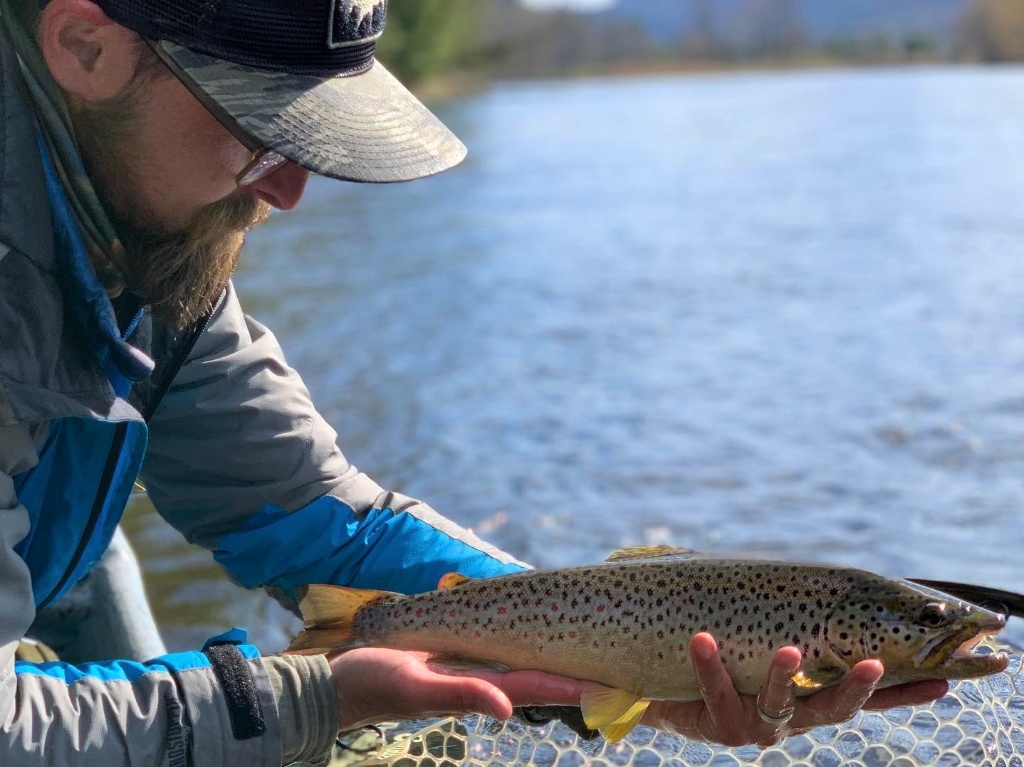
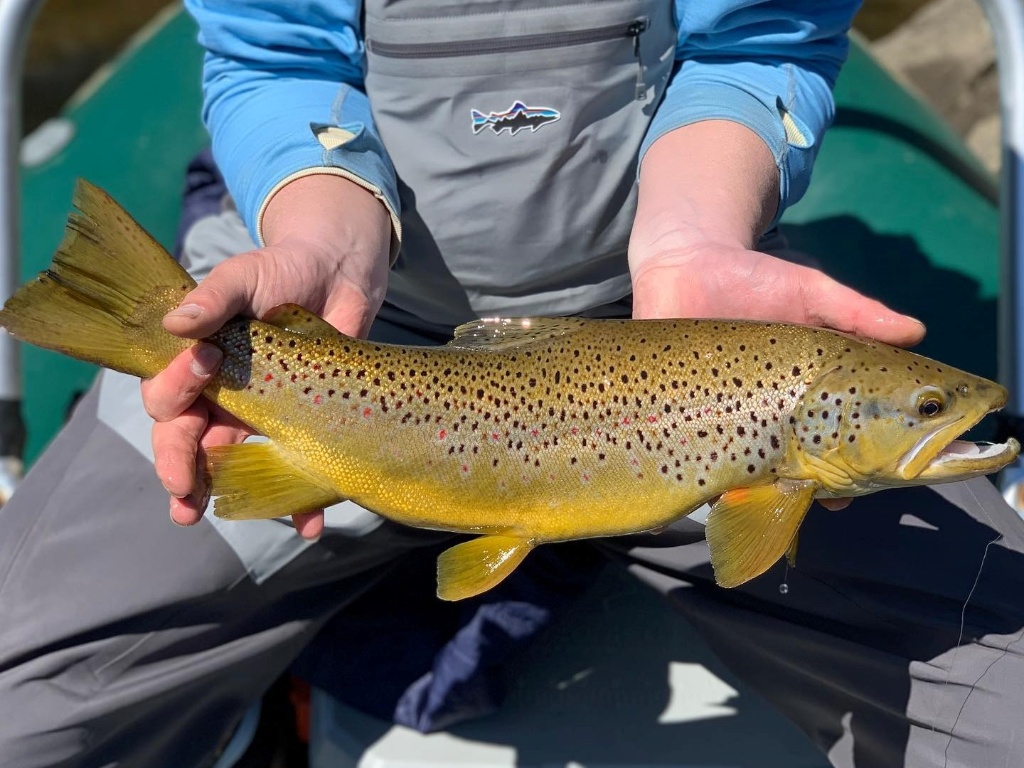
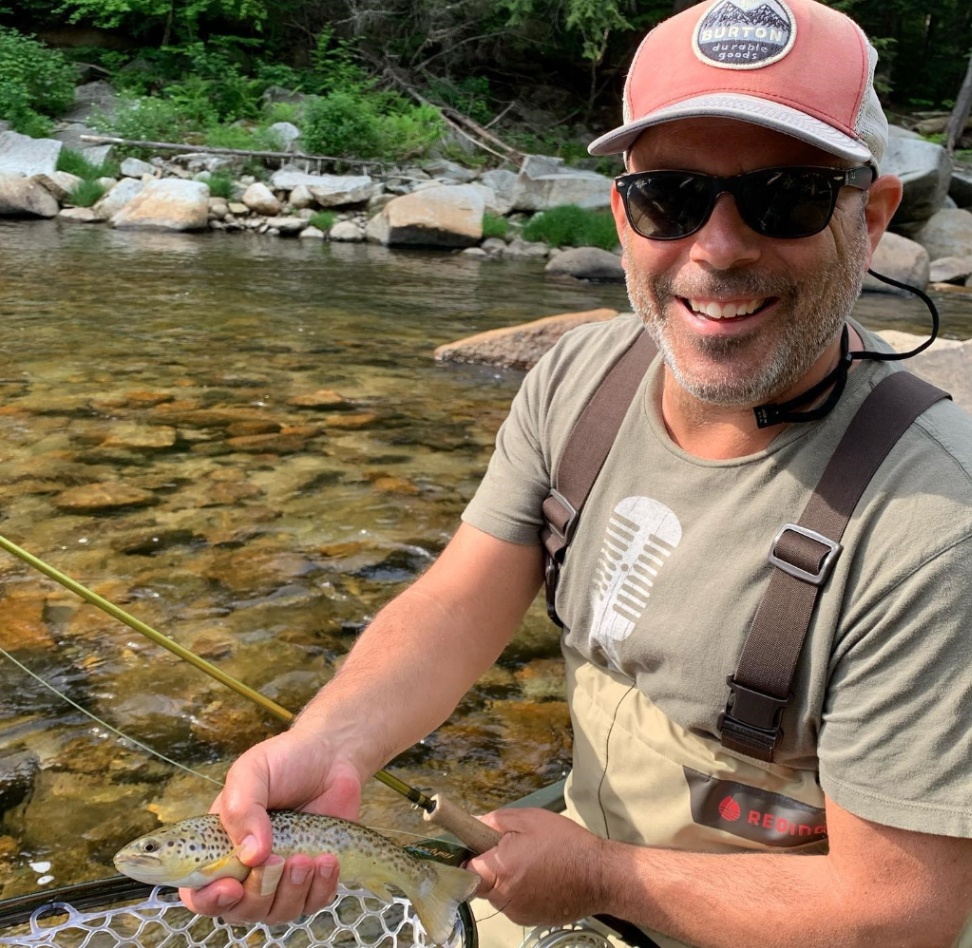
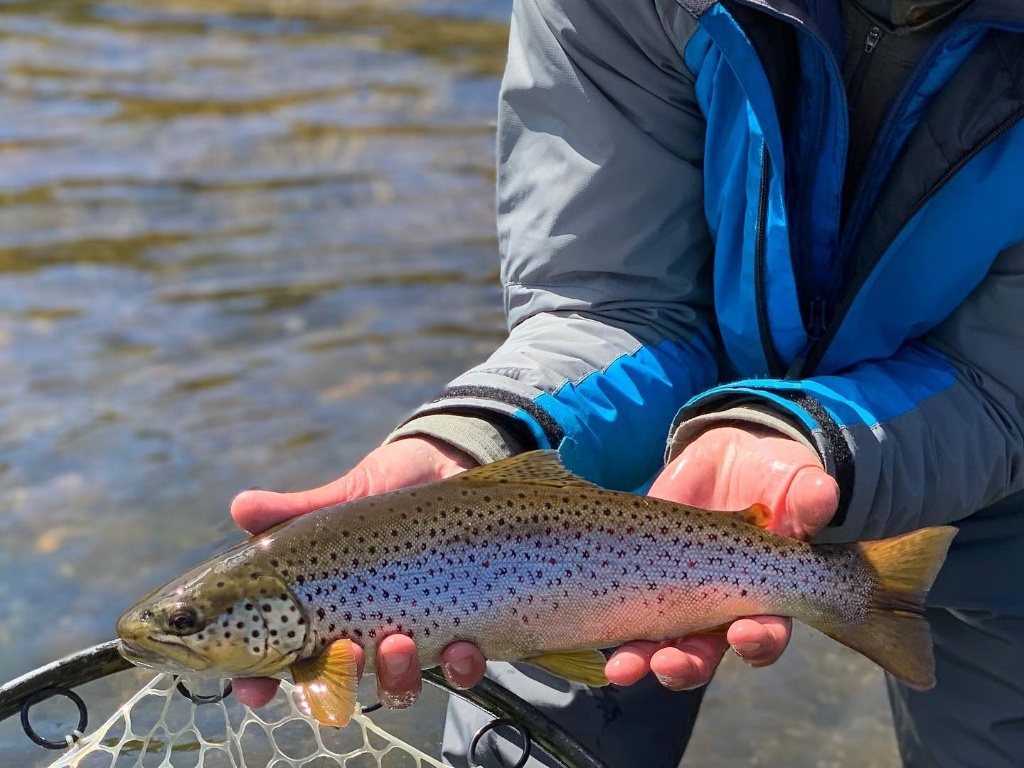
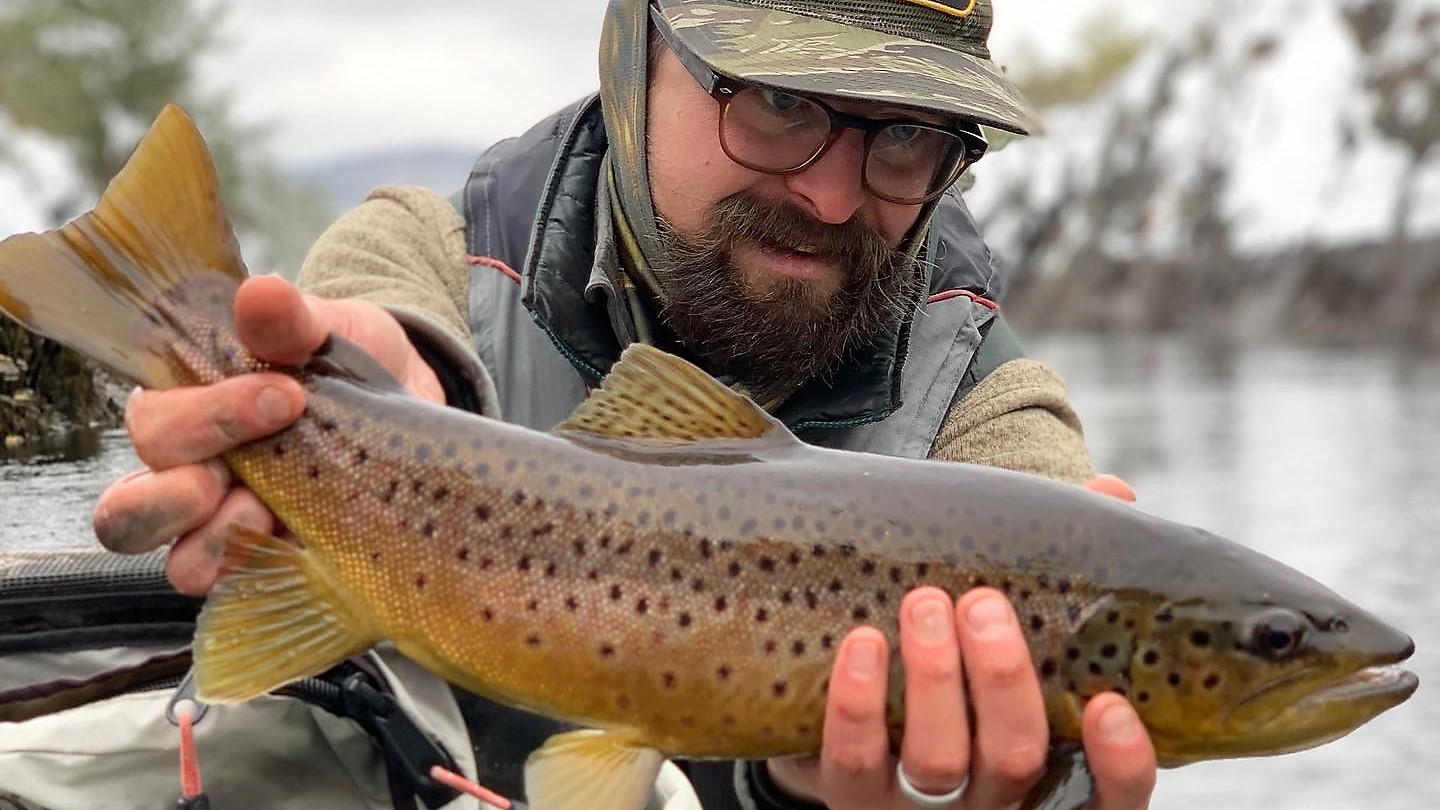
Brown trout are the old-school classics that every serious angler respects, and New Hampshire's rivers hold some real trophies for those who know how to target them. These fish are incredibly smart and often the hardest to fool, especially the bigger ones that have seen every lure and fly pattern multiple times. Browns are most active during low-light conditions and they love structure – undercut banks, log jams, and deep pools where they can ambush prey while
 Private Trip
 River Fishing
 Bethlehem, NH


 Full-day guided fishing experience on New Hampshire rivers