Half Day Or Full Day Jupiter Inshore Fishing
When you're looking for some of the best inshore fishing Florida has to offer, Jupiter's backwaters and flats deliver year-round action that keeps local anglers and visitors coming back. Captain Scott and the crew at Gettin Lucky Sportfishing know these waters like the back of their hand, and they're ready to put you on fish whether you've got four hours or want to make it a full day adventure. We're talking about productive fishing in some of the most fish-rich waters on the East Coast, where redfish cruise the shallows, snook ambush baitfish around structure, and tarpon roll through during their seasonal migrations.
What to Expect on the Water
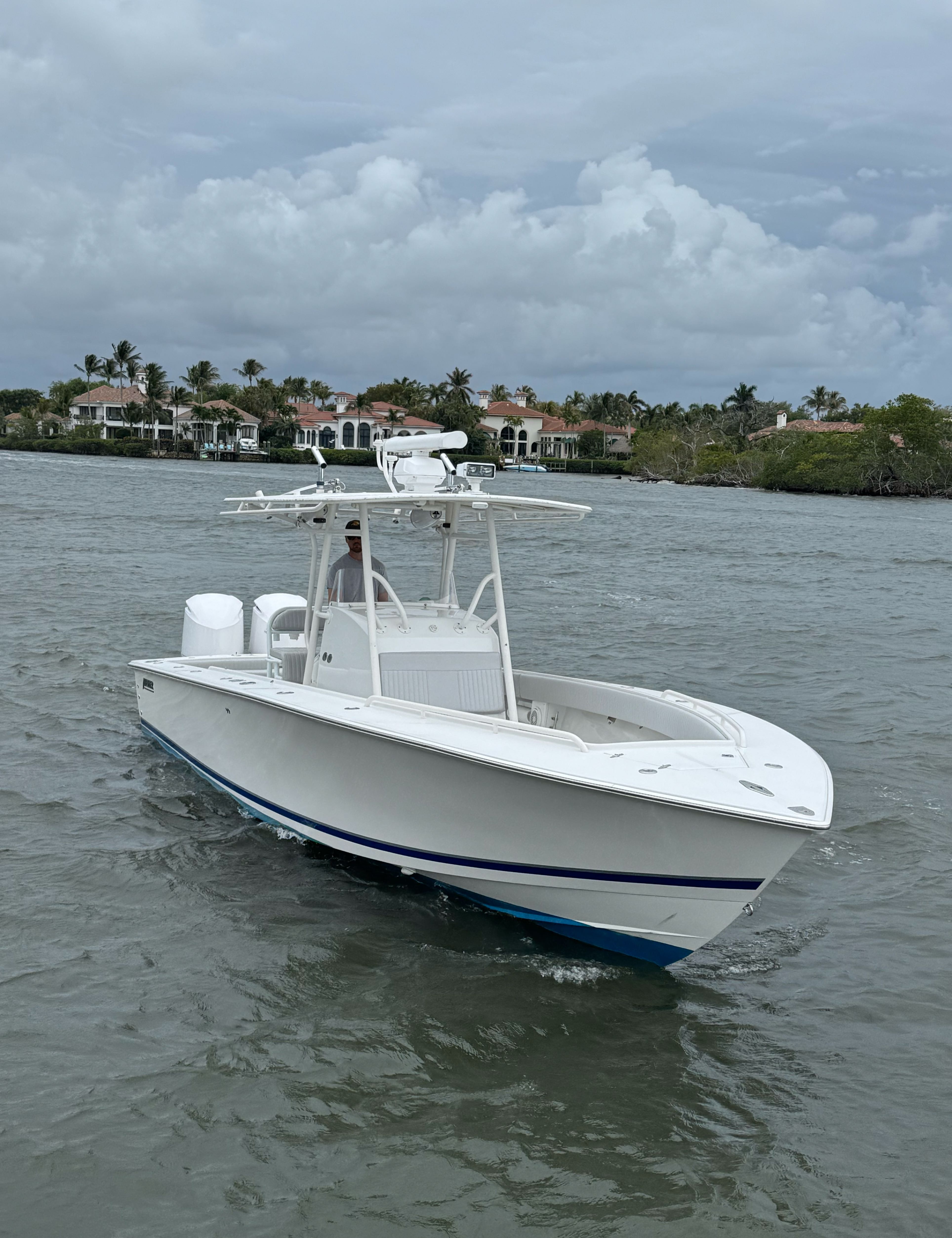
Your day starts with a fully rigged boat and everything you need already on board – rods, reels, tackle, and your Florida fishing license are all covered. Captain Scott runs a tight ship but keeps things relaxed, so whether you're bringing the kids for their first fishing trip or you're a seasoned angler looking to dial in your technique, everyone feels comfortable. The boat accommodates up to four anglers comfortably, giving everyone plenty of room to work without getting tangled up. Jupiter's inshore waters offer incredible diversity, from shallow grass flats where you can sight-fish cruising reds to deeper channels where tarpon and big jacks patrol. The captain reads the conditions daily – tide, wind, water temperature, and bait movement – then adjusts the game plan to put you where the fish are biting. At the end of your trip, any keeper fish get cleaned and bagged so you can take your catch home for dinner.
Techniques and Tackle
Inshore fishing around Jupiter means adapting your approach based on what you're targeting and where you find them. We'll work everything from live bait presentations to artificial lures, depending on what the fish want that day. When we're working the flats for redfish and snook, expect to use lighter tackle with live shrimp, pilchards, or pinfish under popping corks or free-lined near structure. The grass flats around Jupiter are perfect for sight-fishing, so keep your eyes peeled for tailing reds or the telltale wake of a cruising fish. For tarpon and bigger jacks, we'll step up the tackle and might switch to live crabs or larger baitfish. Captain Scott knows when to anchor up and chum, when to drift the edges of channels, and when to work the mangrove shorelines where snook love to hide. The boat carries a variety of rod weights and reel sizes, so beginners get manageable gear while experienced anglers can handle the heavier stuff when we're chasing silver kings.
Customer Stories
"Capt Scott put on the fish despite the weather and rain. Thanks for a memorable trip." - Sean
"Had a great time. Scott was really helpful. Would definitely charter his boat again." - Nels
Species You'll Want to Hook
Snook are the crown jewel of South Florida inshore fishing, and Jupiter's waters hold some beautiful fish year-round. These ambush predators love structure – docks, mangroves, bridge pilings, and inlet walls where they can hide and strike at passing baitfish. Snook are incredibly aggressive when they feed, often exploding on topwater lures or crushing live bait presentations. They're also one of the strongest fighters you'll encounter inshore, making blistering runs toward structure to try to cut you off. The slot limit keeps the fishery healthy, so we practice catch and release on most snook, but the fight alone makes them worth targeting. Best action typically happens during moving tides, especially around dawn and dusk when they're most active.
Black drum might not win any beauty contests, but they're absolute brutes when it comes to fighting power. These bottom-dwellers cruise the grass flats and oyster bars, using their powerful pharyngeal teeth to crush crabs, shrimp, and shellfish. When a big drum takes your bait, you'll know it immediately – they pull hard and steady, using their broad sides and body weight to wear you down. Jupiter's flats hold some impressive drum, with fish over 30 pounds not uncommon during peak season. They're excellent table fare in the smaller slot sizes, with firm white meat that's perfect for blackening or grilling. Live or cut crab makes the best bait, though they'll also take large shrimp when they're feeding aggressively.
Tarpon fishing around Jupiter is something every angler should experience at least once. These silver kings migrate through our waters seasonally, typically showing up in good numbers from late spring through early fall. Adult tarpon can reach over 100 pounds and when hooked, they put on an aerial display that's absolutely spectacular. Jumping, gill-rattling, and making powerful runs that can strip line off your reel in seconds – tarpon fight like no other fish in these waters. Most tarpon fishing here is strictly catch and release, as these ancient fish are too valuable to the ecosystem and the fishery to harvest. The best tarpon action often happens during moving tides when schools pass through the inlet or work the edges of the flats chasing baitfish.
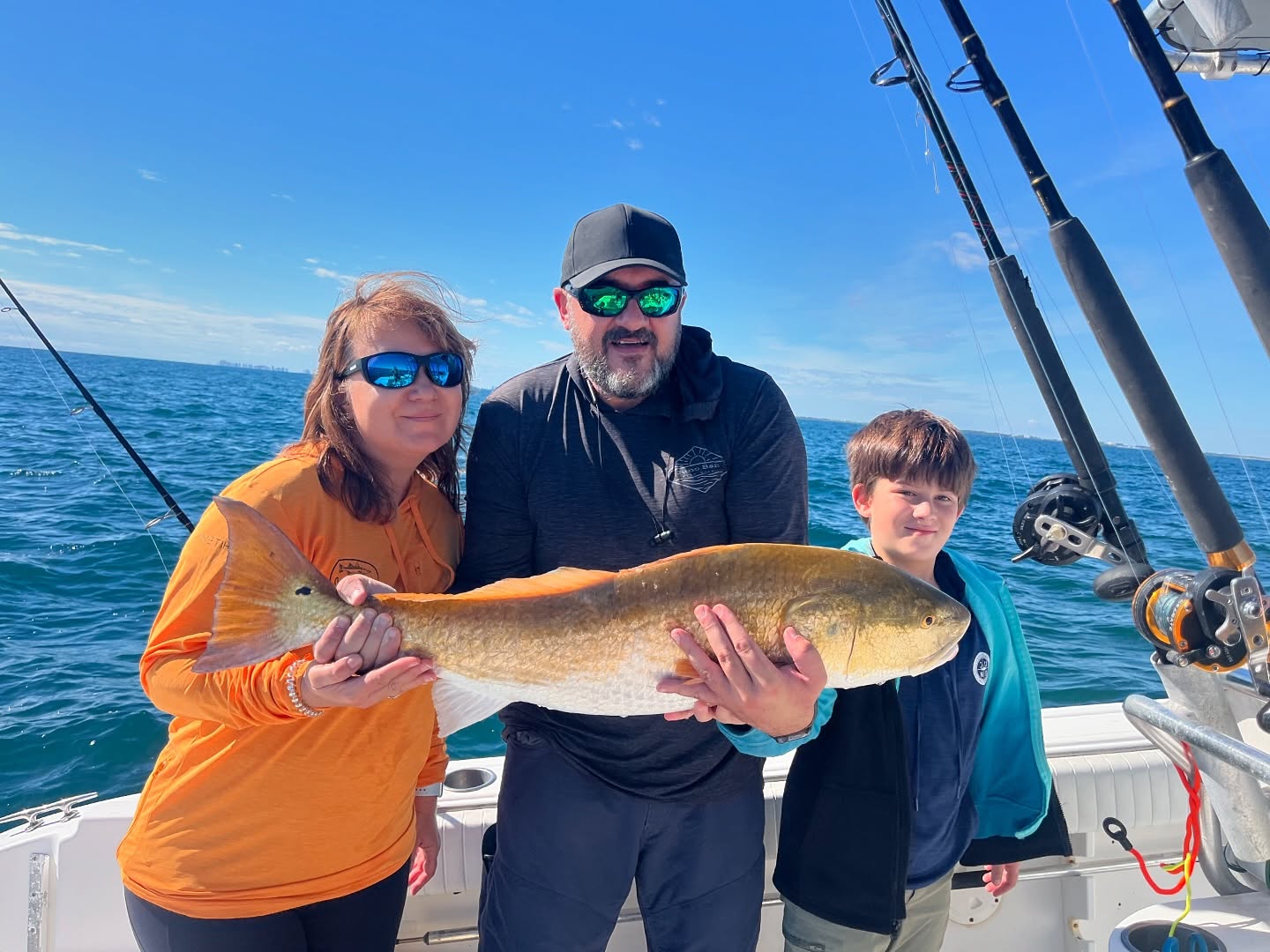
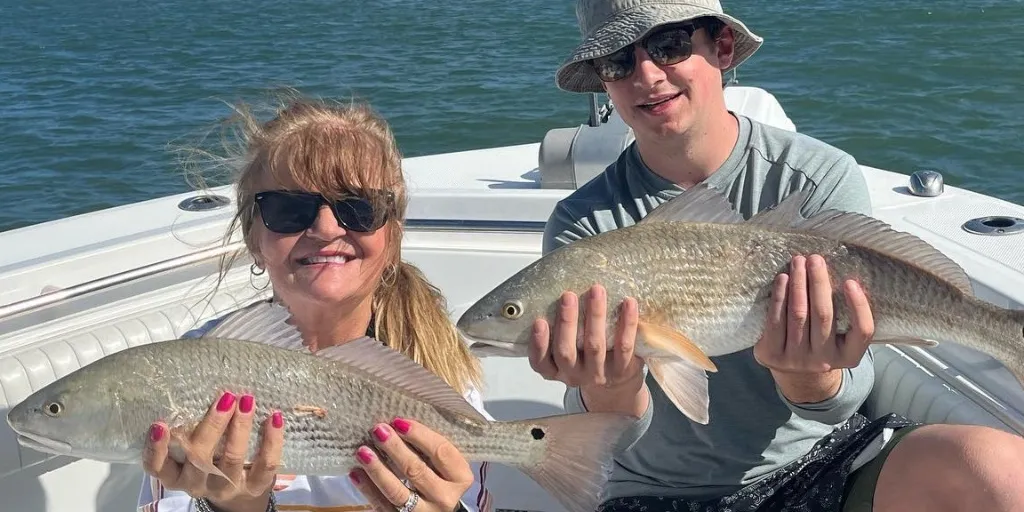
Redfish are probably the most sought-after species for inshore anglers, and Jupiter's grass flats and mangrove shorelines hold healthy populations year-round. These copper-colored fighters are known for their powerful runs and stubborn fighting style – they'll pull drag steadily and try to wrap you around any structure they can find. Reds feed aggressively on crabs, shrimp, and small fish, making them relatively easy to target with live or cut bait. During cooler months, look for schools of reds in deeper water, while warmer weather brings them into the shallows where sight-fishing becomes possible. Slot-sized reds make excellent eating with sweet, flaky meat that's perfect for fish tacos or blackened preparations.
Crevalle jacks
 5.0(3 Reviews)
 Private Trip
 Inshore Fishing
 Jupiter, FL


 Target redfish, snook, tarpon and other inshore species