Cape May Deep Water Seabass Wreck Fishing
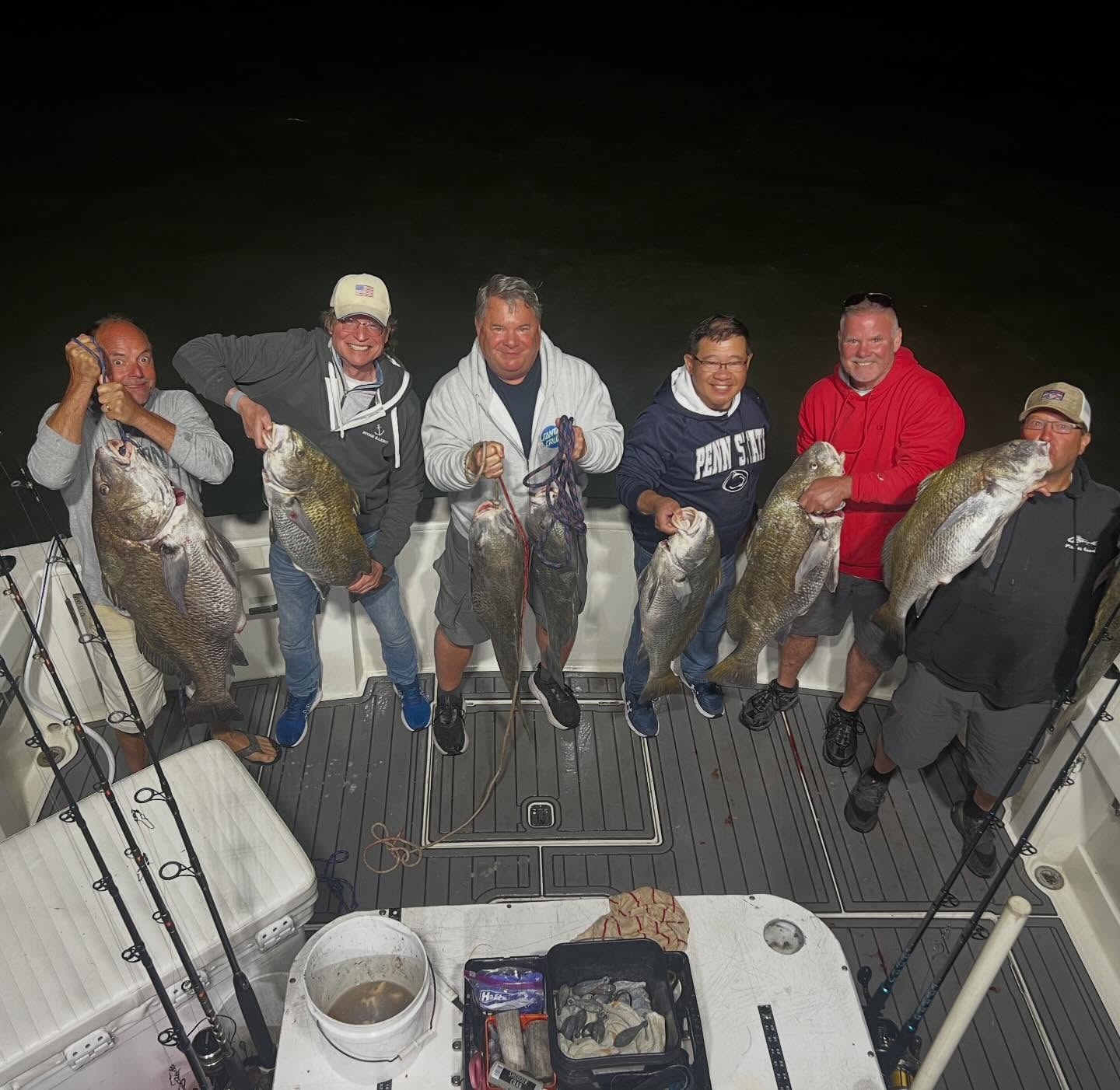
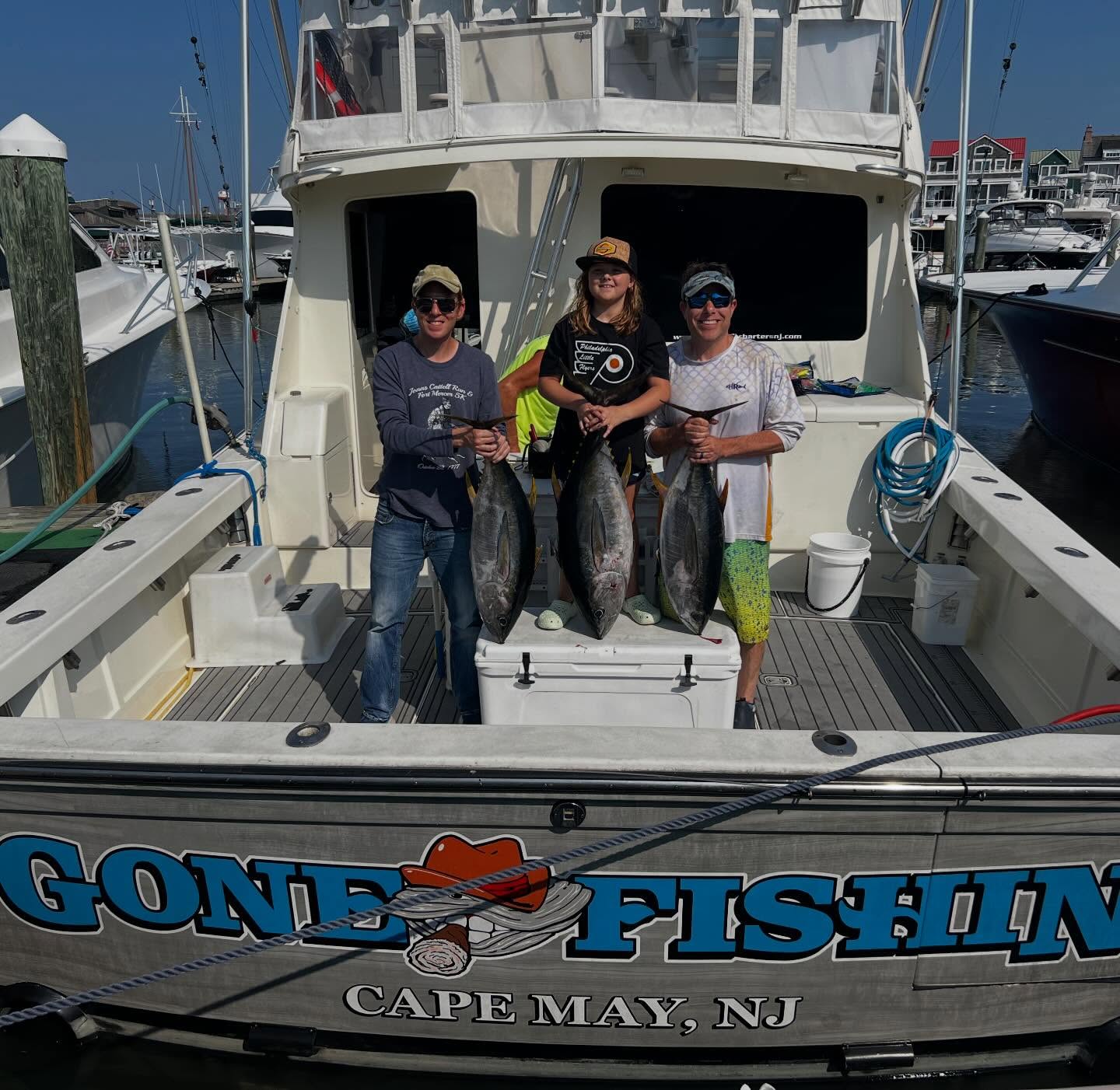
When fall rolls around Cape May, serious anglers know it's time to head offshore for some of the best wreck fishing on the East Coast. Captain Mark and the Gone Fishin' crew have been running these deep water trips for years, and they've got the spots dialed in. We're talking 30-40 miles out into the Atlantic, hitting productive wrecks and reefs where jumbo black sea bass stack up thick during their peak season. This isn't your typical half-day trip – it's a full 8-hour commitment that puts you on fish from the moment we hit bottom until it's time to head back to the dock.
What to Expect on the Water
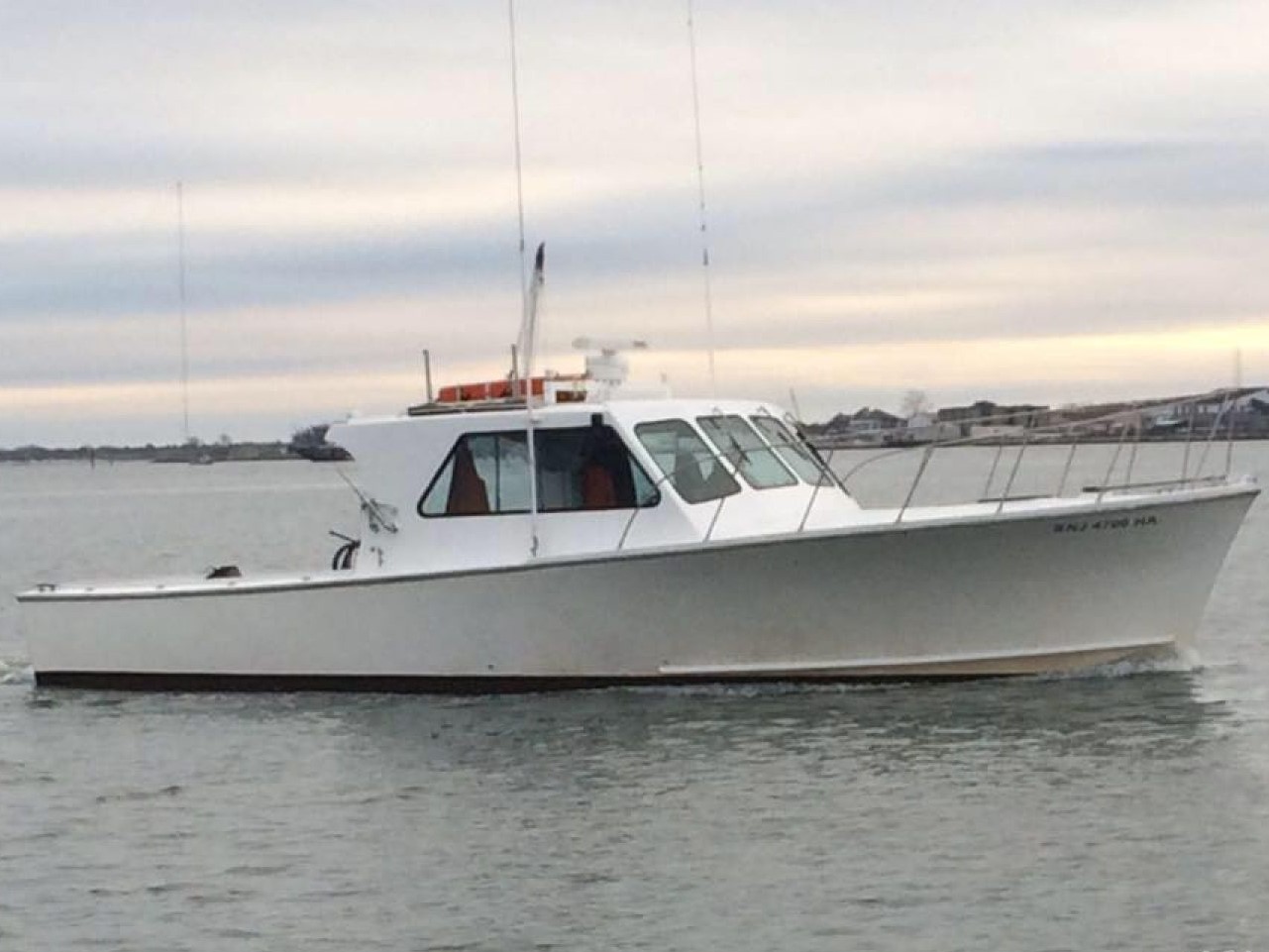
You'll be fishing aboard a 44-foot Henriques motorboat that's built for offshore work. Twin 700 HP Mercury engines get us out to the fishing grounds fast and bring us home safely, even when the weather kicks up a bit. The boat handles six anglers comfortably, so you're not fighting for rail space like on those packed party boats. Captain Mark knows these wreck sites like the back of his hand – some are old military vessels, others are artificial reefs that have been producing for decades. The structure attracts baitfish, which draws in the predators we're after. Once we anchor up over a productive piece of bottom, it's non-stop action. You'll be dropping jigs and baited rigs down 80-120 feet of water, feeling that telltale thump of a good sea bass grabbing your offering. The crew keeps things moving with fresh bait, untangled lines, and plenty of coaching for first-timers.
Bottom Fishing the Wrecks
Wreck fishing is all about precision and patience. We use heavy conventional tackle spooled with 50-80 pound braid to handle the current and structure. High-low rigs with circle hooks work great for the mixed bag of bottom fish, while bucktails and soft plastics account for the more aggressive biters. The key is keeping your bait right in the strike zone – too far from the wreck and you're fishing dead water, too close and you're snagged up on twisted metal. Captain Mark positions the boat perfectly, using his GPS marks and fish finder to stay on top of the most productive spots. When the current's running hard, we'll use 8-12 ounce sinkers to keep everything tight to the bottom. The crew provides all the tackle you'll need, but experienced anglers are welcome to bring their own gear. Just remember – wrecks eat tackle, so don't tie on your lucky lure unless you're prepared to donate it to the fish.
Target Species
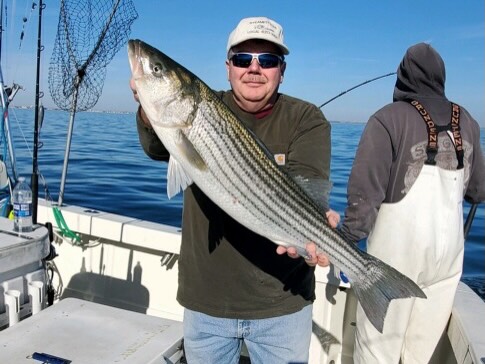
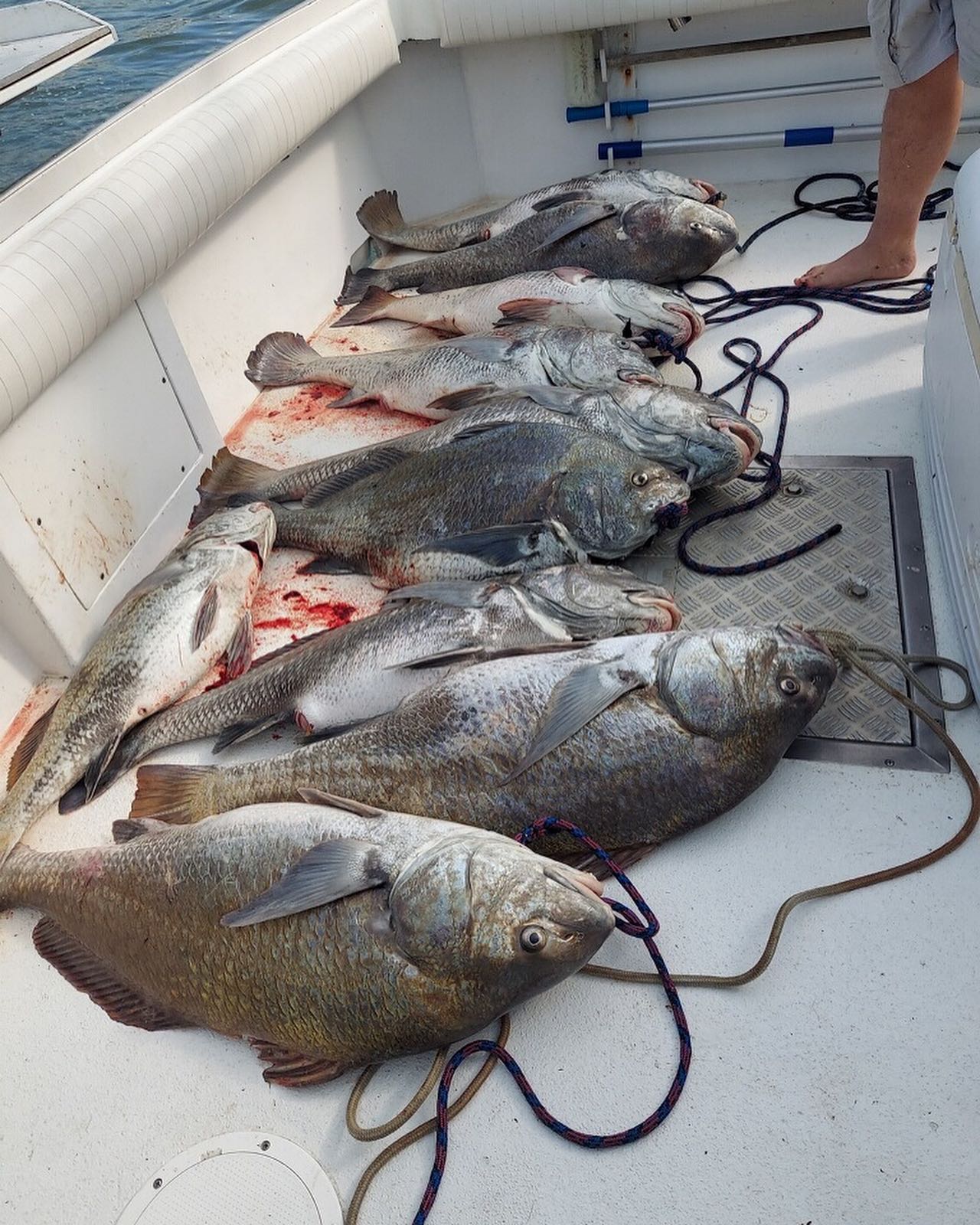
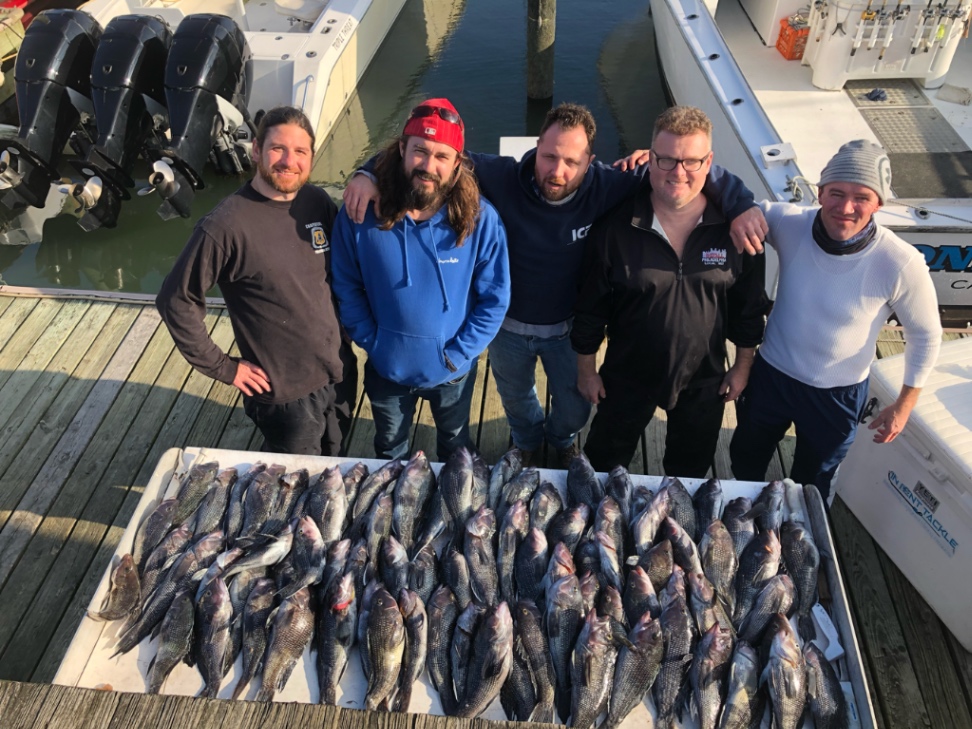
Black Sea Bass are the stars of this show, especially during fall when they're feeding heavily before their winter migration. These chunky fighters range from keeper-sized fish around 15 inches up to trophy specimens pushing 6-7 pounds. They're aggressive feeders that hit everything from squid strips to soft plastic grubs, and they put up a surprisingly good fight for their size. Fall is prime time because the fish are concentrated on the wrecks and feeding aggressively. What makes sea bass fishing so addictive is the steady action – once you find them, you can usually count on consistent bites throughout the day.
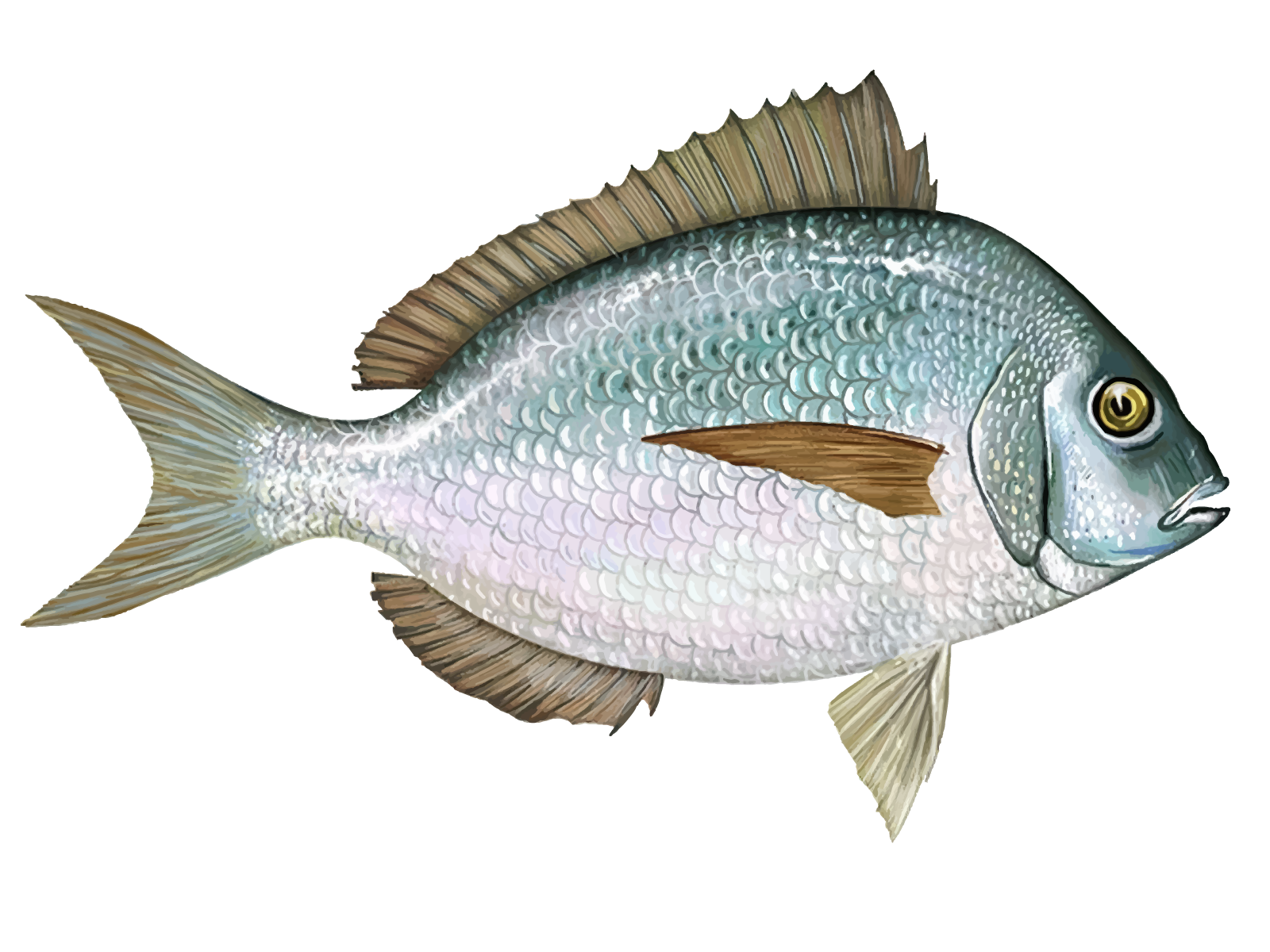
Scup, or porgy as the old-timers call them, show up in good numbers around the same structure. These silver-sided fighters are excellent table fare and they'll bend your rod with their spirited runs. They're curious fish that often travel in schools, so when you hook one, there are usually more down there waiting. Peak scup fishing happens during the warmer months, but fall can still produce some quality fish, especially the larger breeding females.
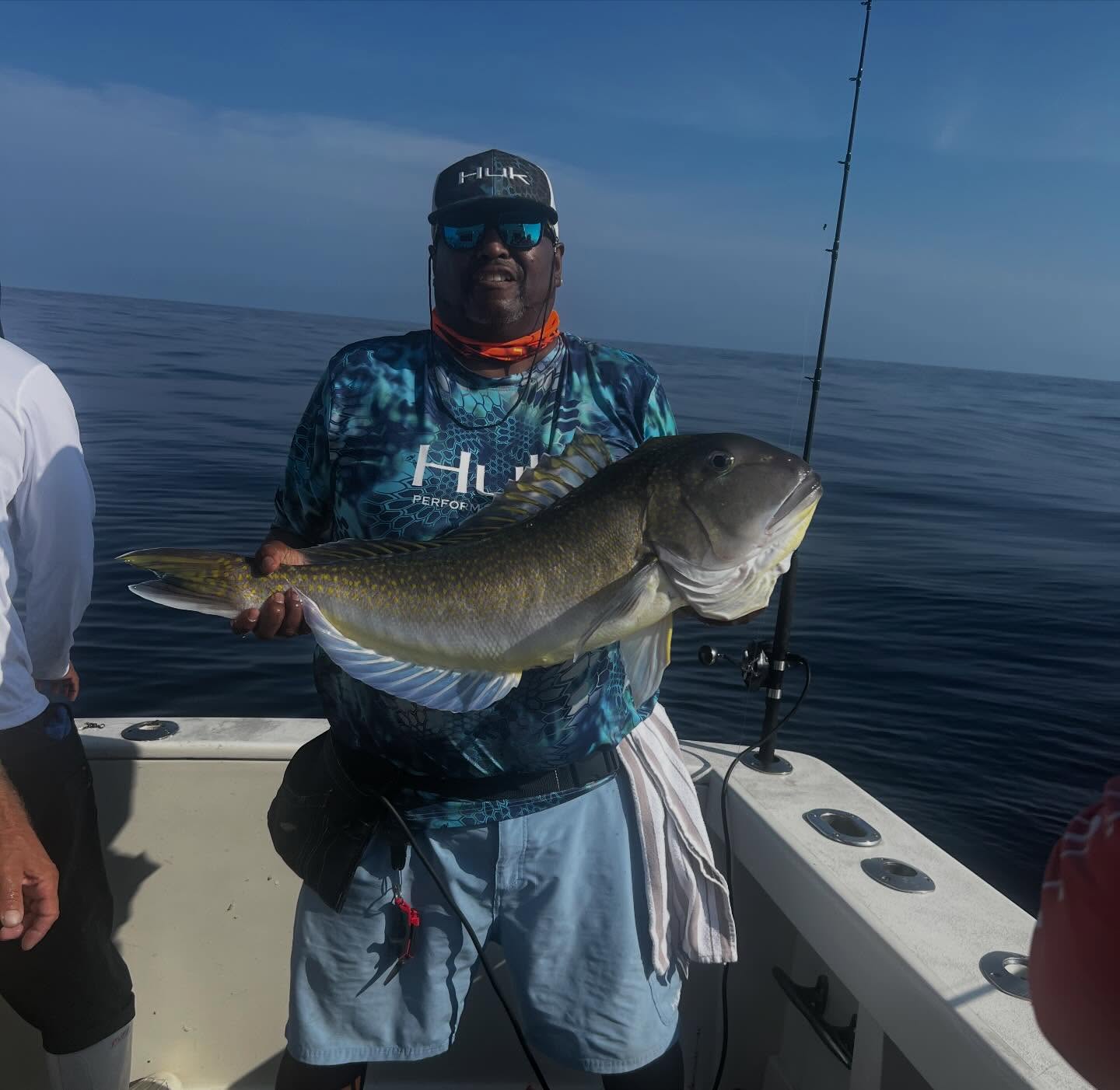
Atlantic Cod make occasional appearances on these offshore wrecks, particularly during cooler weather. Landing one is always a highlight since their populations have been recovering slowly. These olive-green predators can reach impressive sizes and they're prized for their flaky white meat. They're ambush feeders that like to hold tight to structure, making them perfect targets for wreck fishing tactics.
Pollock are the speed demons of the wreck fishing world. These silver bullets hit lures aggressively and make long runs that test your drag system. They're more active during cooler water periods and often suspend in the water column rather than hugging bottom like their cousins. When pollock are active, you can often see them on the fish finder as they chase baitfish around the wreck structure.
Lingcod round out the potential catch list with their prehistoric looks and aggressive attitudes. These mottled bottom-dwellers have mouths full of sharp teeth and they're not shy about using them. They're excellent eating despite their ugly appearance, and hooking into a big ling always gets the adrenaline pumping. They prefer rocky bottom and wreck structure where they can ambush prey from their hiding spots.
Time to Book Your Spot
Fall sea bass season doesn't last forever, and the best fishing happens when conditions align perfectly. Captain Mark's experience reading the water and finding productive spots makes all the difference between a good day and a great day. The 44-foot Henriques gives you the range to reach those offshore honey holes that smaller boats can't access safely. With only six spots available, these trips fill up fast once word gets out that the bite is on. Remember that fishing seasons are set by state regulations and dates can shift, so stay in touch with the crew for the latest updates. Whether you're a seasoned wreck rat or new to offshore fishing, this trip delivers the kind of action that keeps anglers coming back year after year. Don't wait until the season's winding down – book your spot now and experience what Cape May's deep water fishing is all about.
 Private Trip
 Wrecks/Reefs Fishing
 Cape May, NJ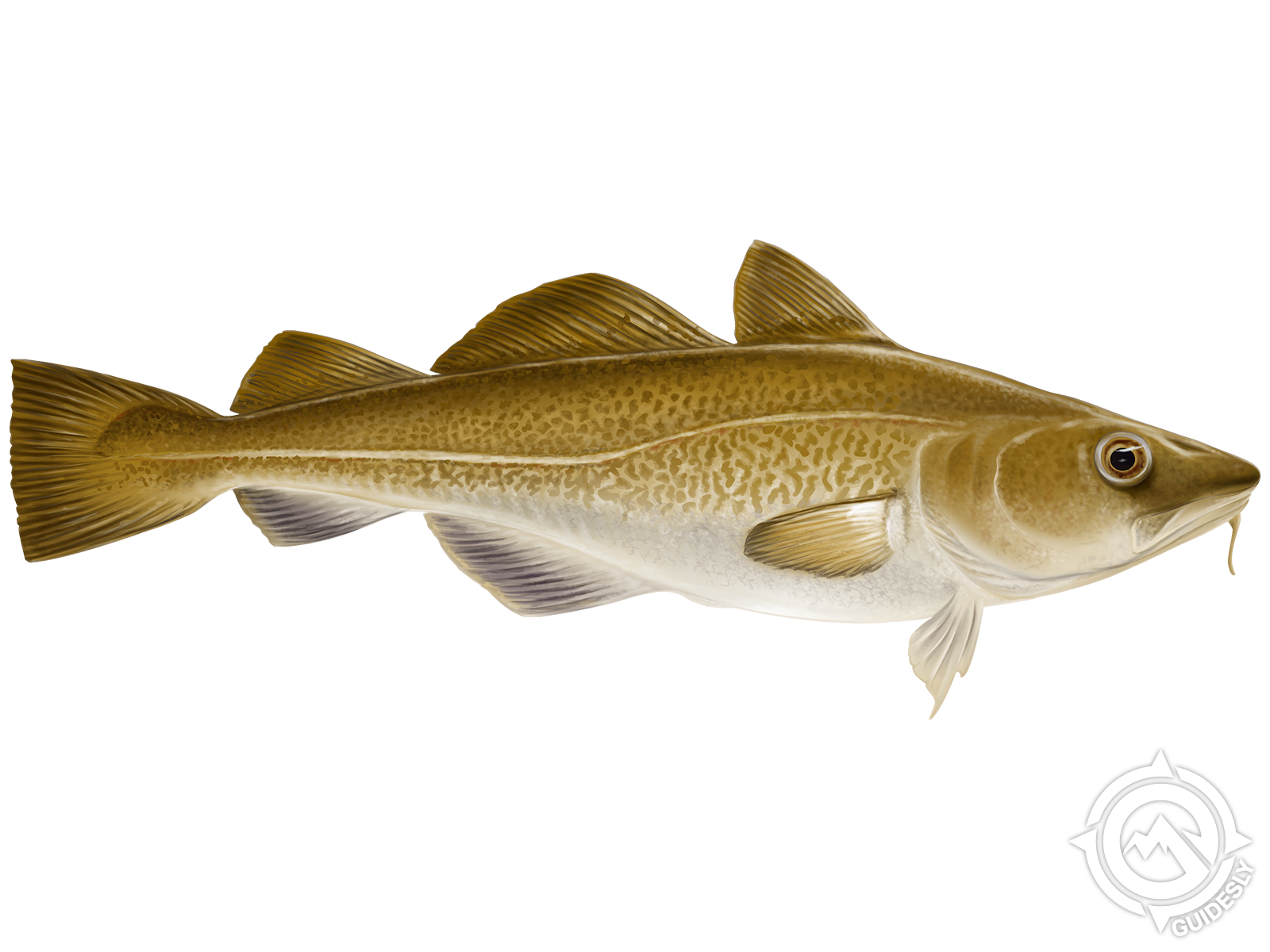


 Target jumbo Seabass over wrecks 30-40 miles offshore