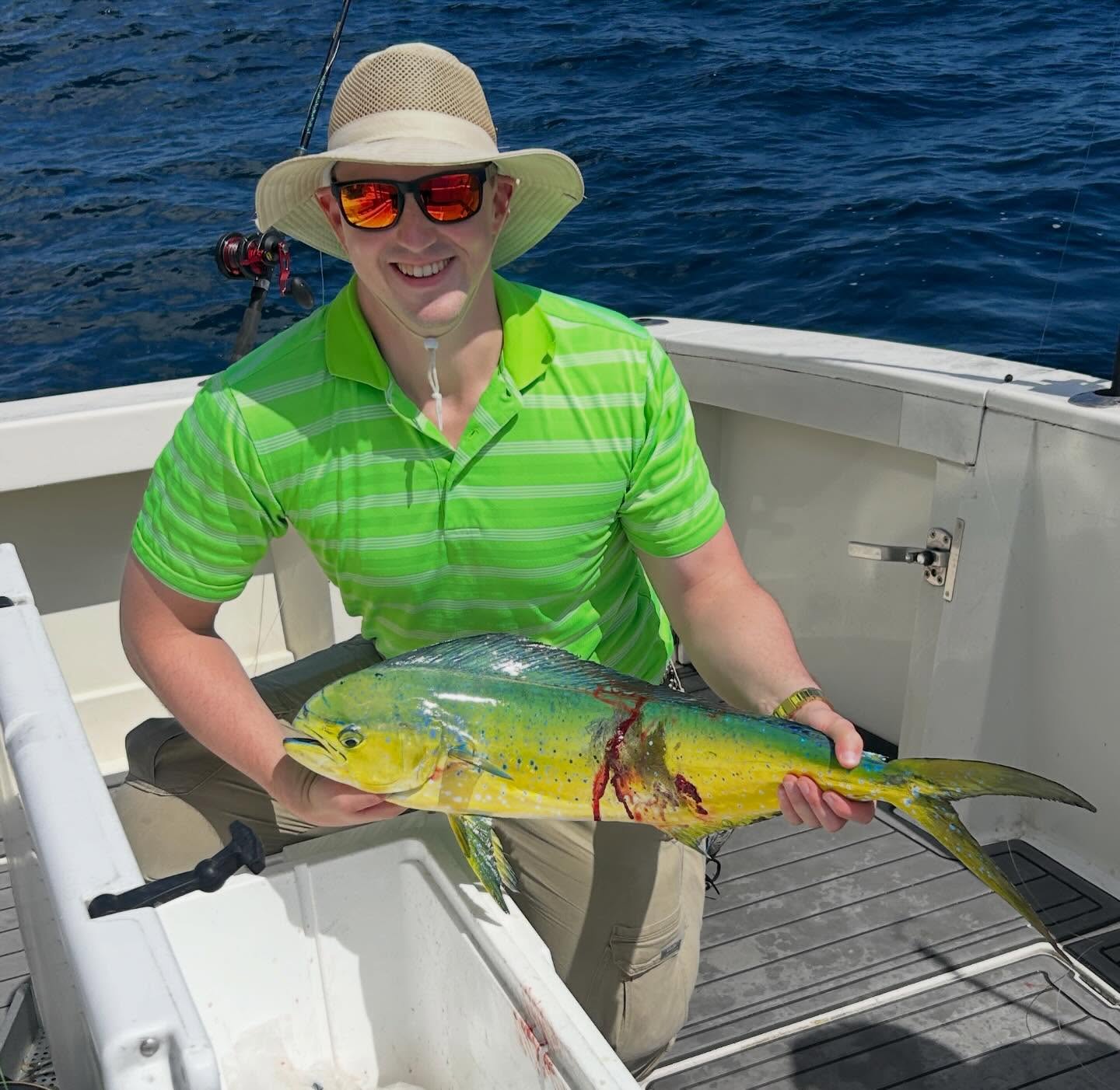
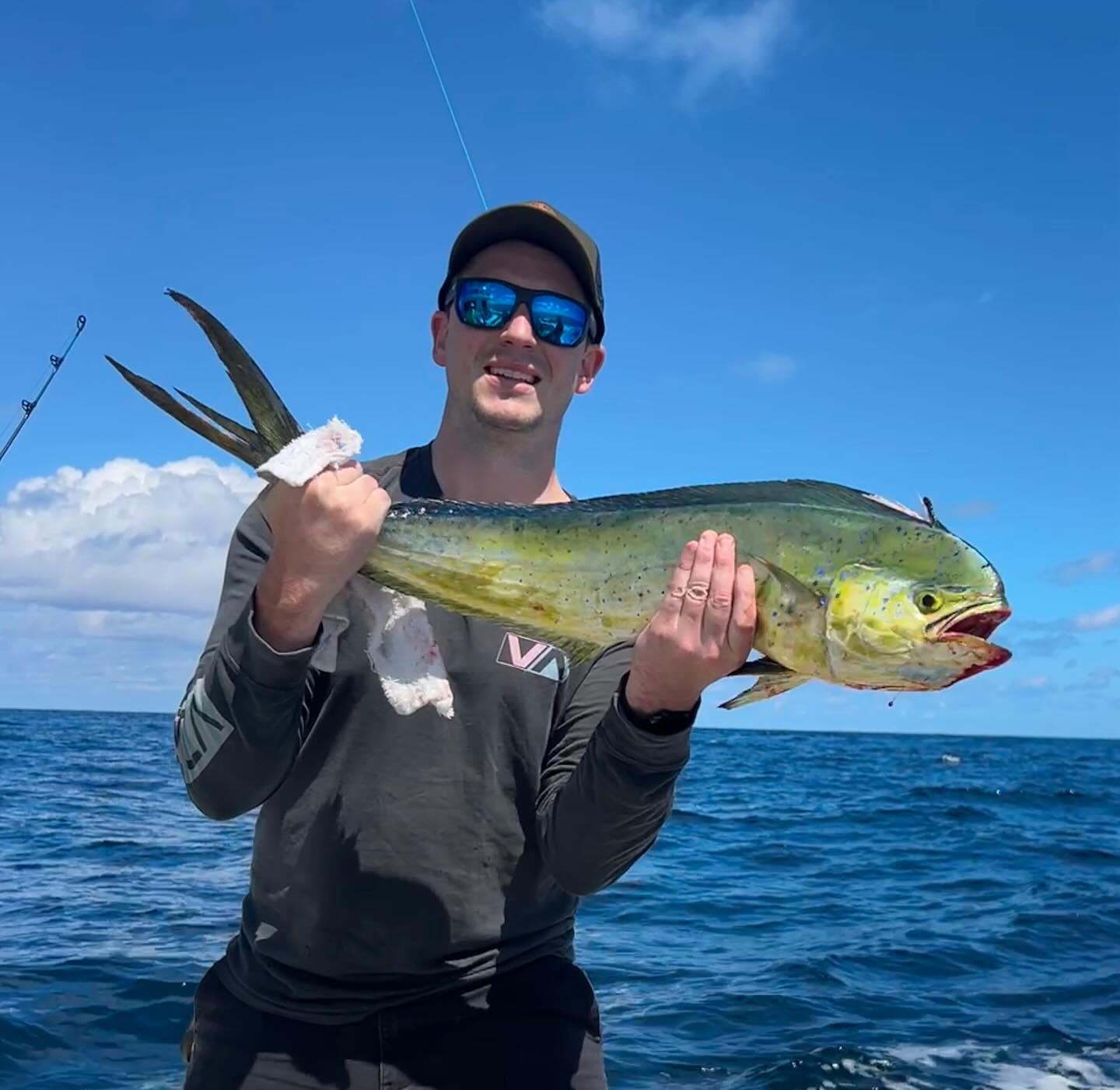
Deep Water Seabass Wreck Fishing in Cape May
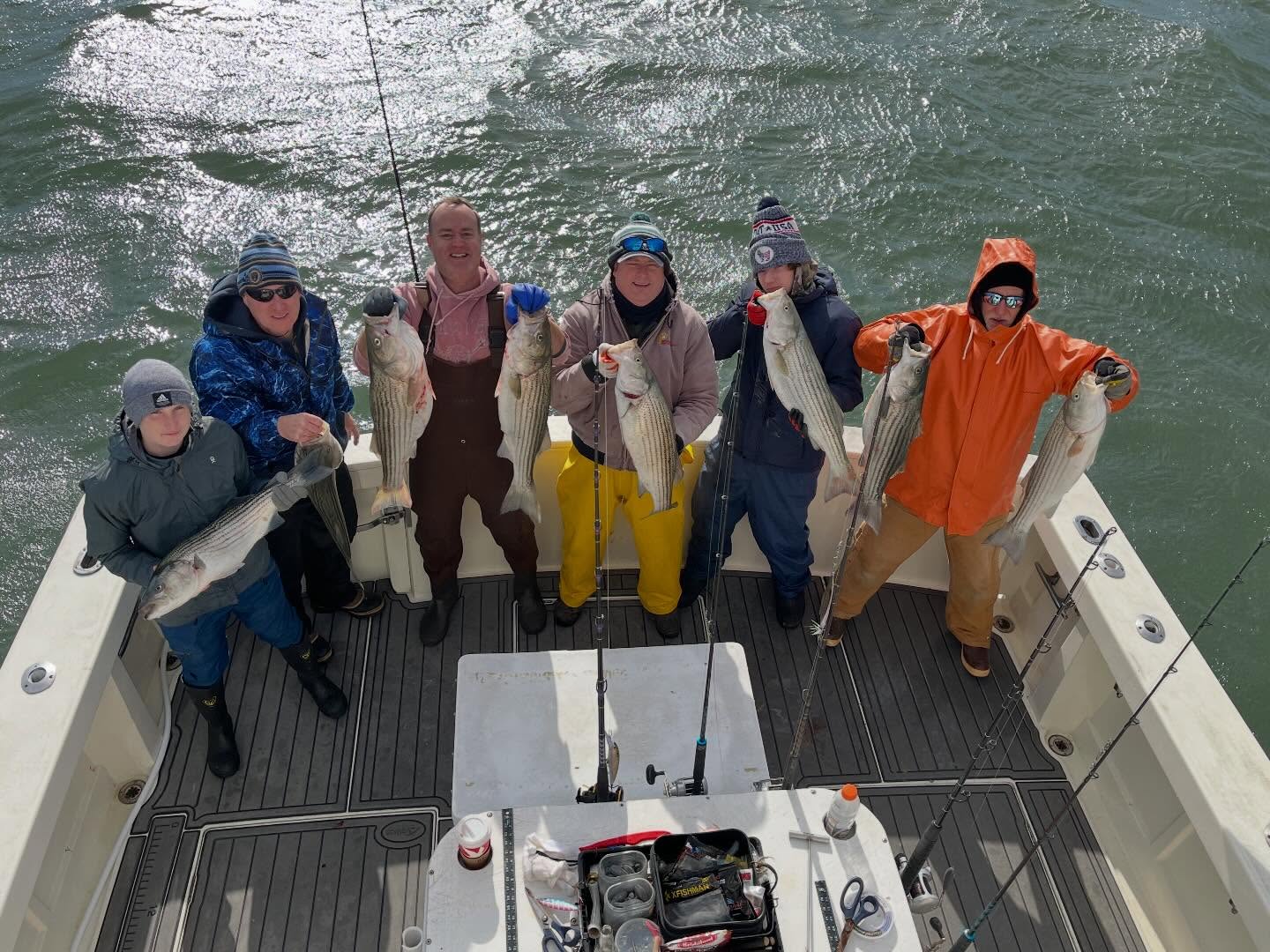
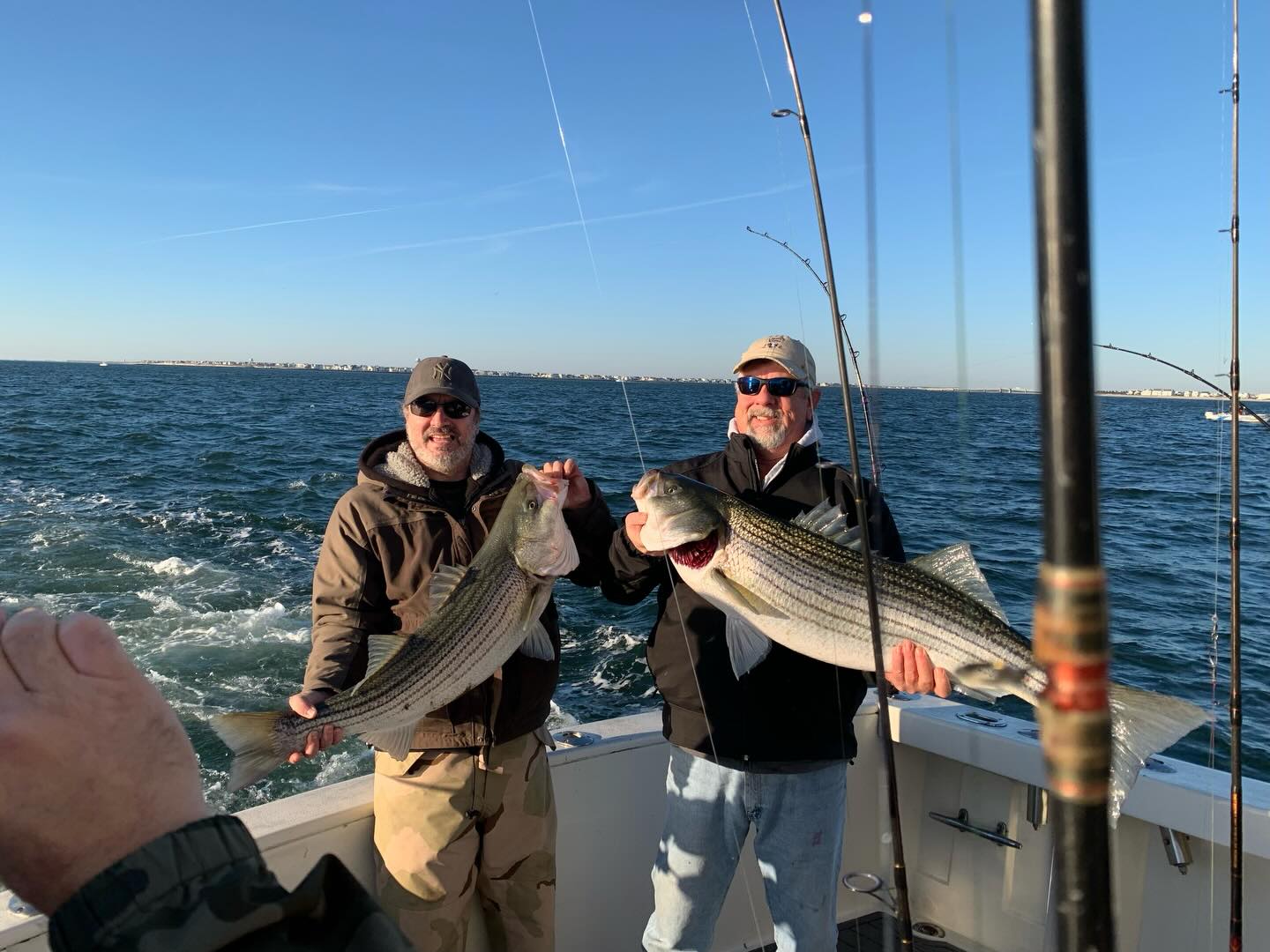
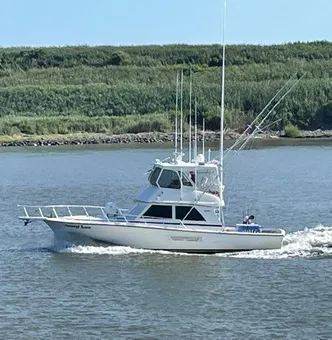
Looking for some serious bottom fishing action? Captain Mark and the crew at Gone Fishin' Sport Fishing Charters know exactly where the big seabass hang out, and they're ready to put you on them. This 8-hour deep water charter takes you 30-40 miles offshore to some of the most productive wrecks and reefs along the New Jersey coast. With spring seabass season being one of the hottest times of year for bottom fishing, you'll be targeting jumbo-sized fish in their prime feeding zones. The 44-foot Henriques is powered by twin 700 HP Mercury engines, so you'll get to the fishing grounds fast and fish comfortably with up to 5 other anglers.
What to Expect on the Water
Captain Mark has built his reputation around bottom fishing expertise, and spring seabass season is when his knowledge really shines. You'll be fishing over structure that holds fish year after year – shipwrecks, artificial reefs, and natural bottom formations that create perfect habitat for seabass and other bottom dwellers. The action starts as soon as you drop your lines, and with steady fishing from the first drift to the last, there's always something pulling on the other end. The boat's size gives everyone plenty of room to fish without getting tangled up, and the twin engines mean less travel time and more time with your line in the water. Weather permitting, you'll be working depths where the bigger fish live, using techniques that Captain Mark has perfected over years of fishing these same spots.
Bottom Fishing Tactics & Gear
Wreck fishing is all about getting your bait down to where the fish are holding, and that means using the right tackle for the job. You'll be dropping heavy sinkers to cut through the current and get your baits tight to the structure where seabass like to feed. The crew will set you up with the proper weights and rigs for the conditions – usually high-low rigs or chicken rigs that let you fish multiple baits at different levels in the water column. Fresh clams, squid, and sea worms are the go-to baits, though the crew will have what's working best that day. The key is keeping your line vertical and feeling for that telltale tap-tap of a seabass picking up your offering. When you hook up, it's all about steady pressure and keeping the fish away from the wreck structure where they love to wrap you up.
Top Catches This Season
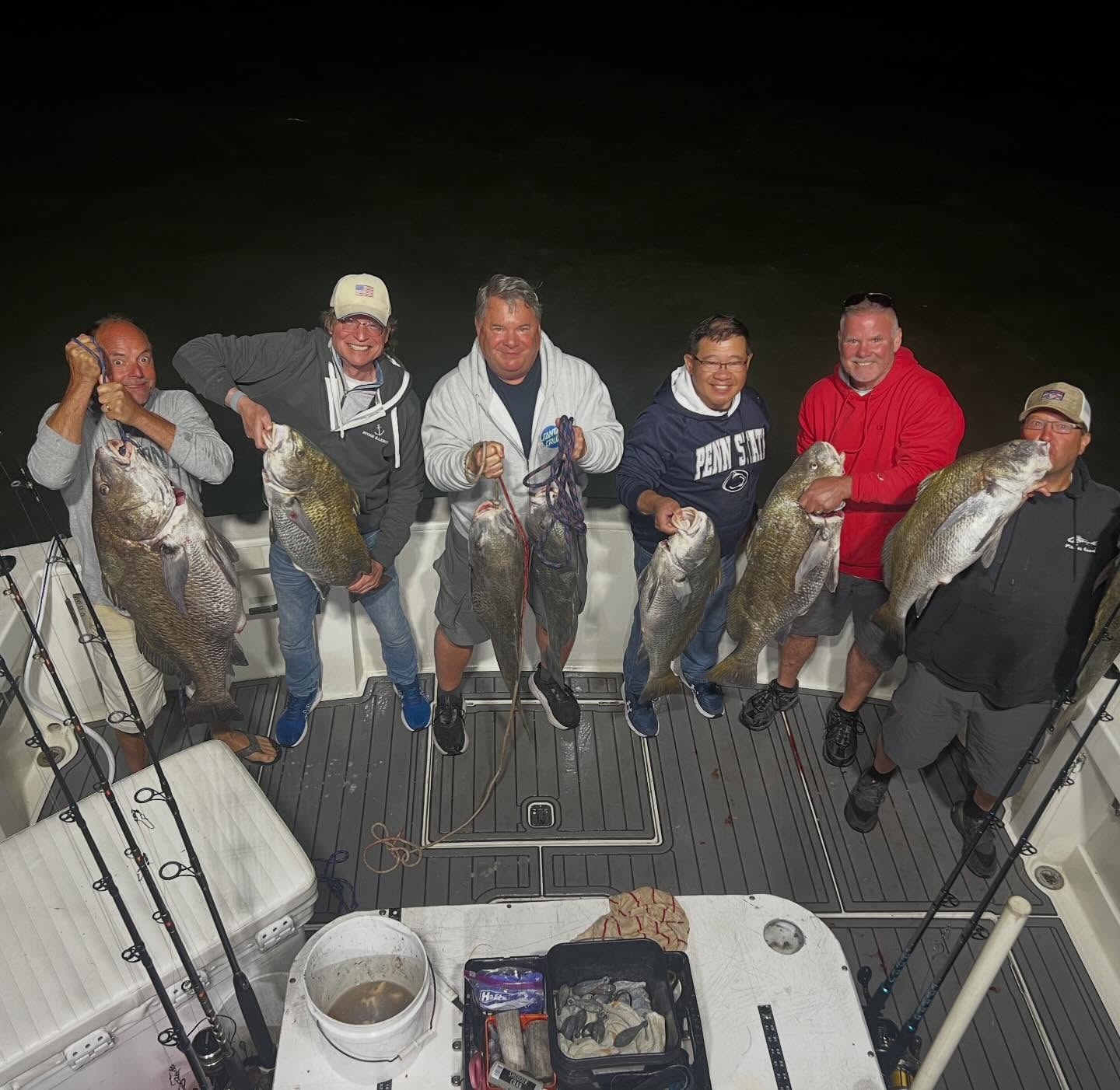
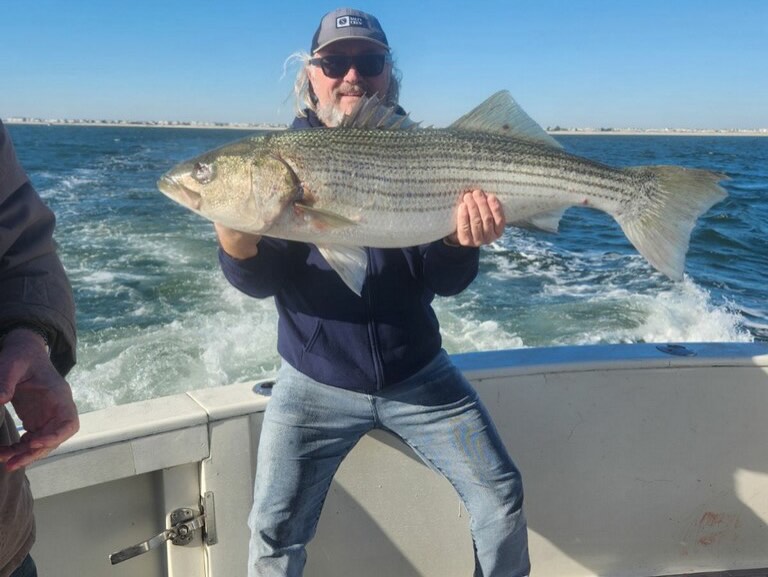
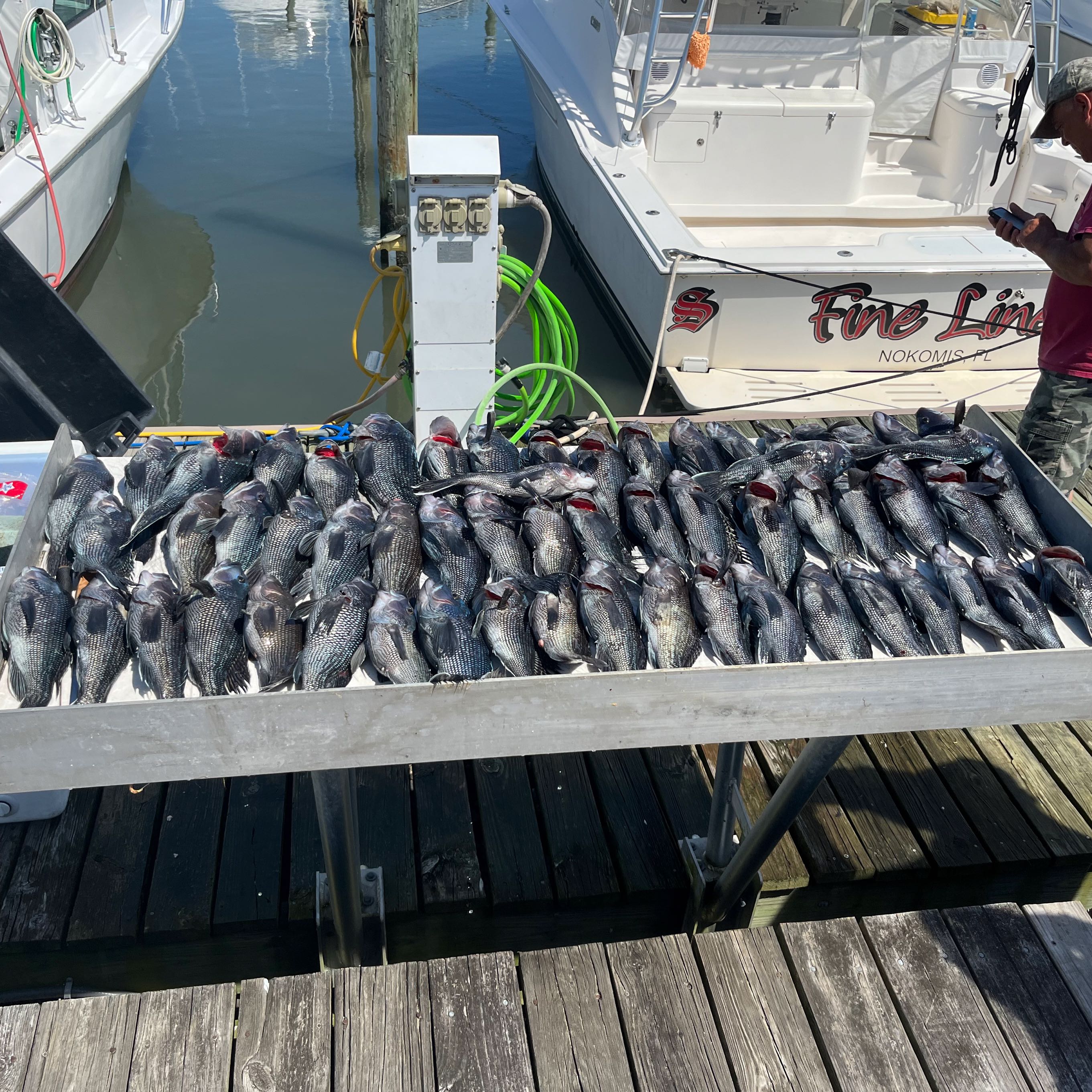
Black Sea Bass are the main target and the reason most folks book this trip. These chunky bottom dwellers are known for their hard fighting and excellent table fare. During spring season, they're moving into their spawning areas and feeding heavily, making them more aggressive and easier to catch. You'll also find Scup (porgy) mixed in, especially around the edges of the wrecks where they pick off smaller baitfish and crustaceans. Atlantic Cod show up on the deeper wrecks, particularly early in the season when water temperatures are still cool. Pollock are another bonus catch – they tend to suspend higher in the water column around the wreck structure and will hit baits aggressively. Lingcod are the wildcard species that can show up anywhere, and when they do, they usually mean a good fight and a great photo opportunity.
Species You'll Want to Hook
Black Sea Bass are the stars of this show, and for good reason. These fish typically run 2-4 pounds on the wrecks, with some real doormat-sized fish pushing 6-8 pounds during peak season. They're aggressive feeders that hit baits hard and fight with surprising strength for their size. Spring is prime time because they're pre-spawn and feeding heavily to build energy reserves. The daily and size limits are set by the state, but Captain Mark knows the regulations inside and out and will keep you legal while maximizing your action.
Scup, also called porgy, are plentiful around these wrecks and make for steady action when the seabass bite slows down. They're smaller than seabass but make up for it with numbers – it's not uncommon to have doubles and triples when you find a good school. They're excellent eating and perfect for anglers who want constant action. These fish are curious and will often investigate anything new on the bottom, making them relatively easy targets for beginners.
Atlantic Cod are the big surprise of many trips. These fish can reach impressive sizes and are known for their strong, steady pull once hooked. They prefer the deeper, cooler water around the larger wrecks and are most active during the cooler months of spring and fall. When you hook a good cod, you'll know it – they use their broad tails and strong bodies to make long, powerful runs toward the bottom structure.
Pollock are the speed demons of the group. They'll often hit your bait on the way down and make fast runs toward the surface. They're excellent fighters pound-for-pound and provide some of the most exciting action of the day. These fish school up around the wrecks and when you find them, the action can be non-stop with multiple hookups happening at once.
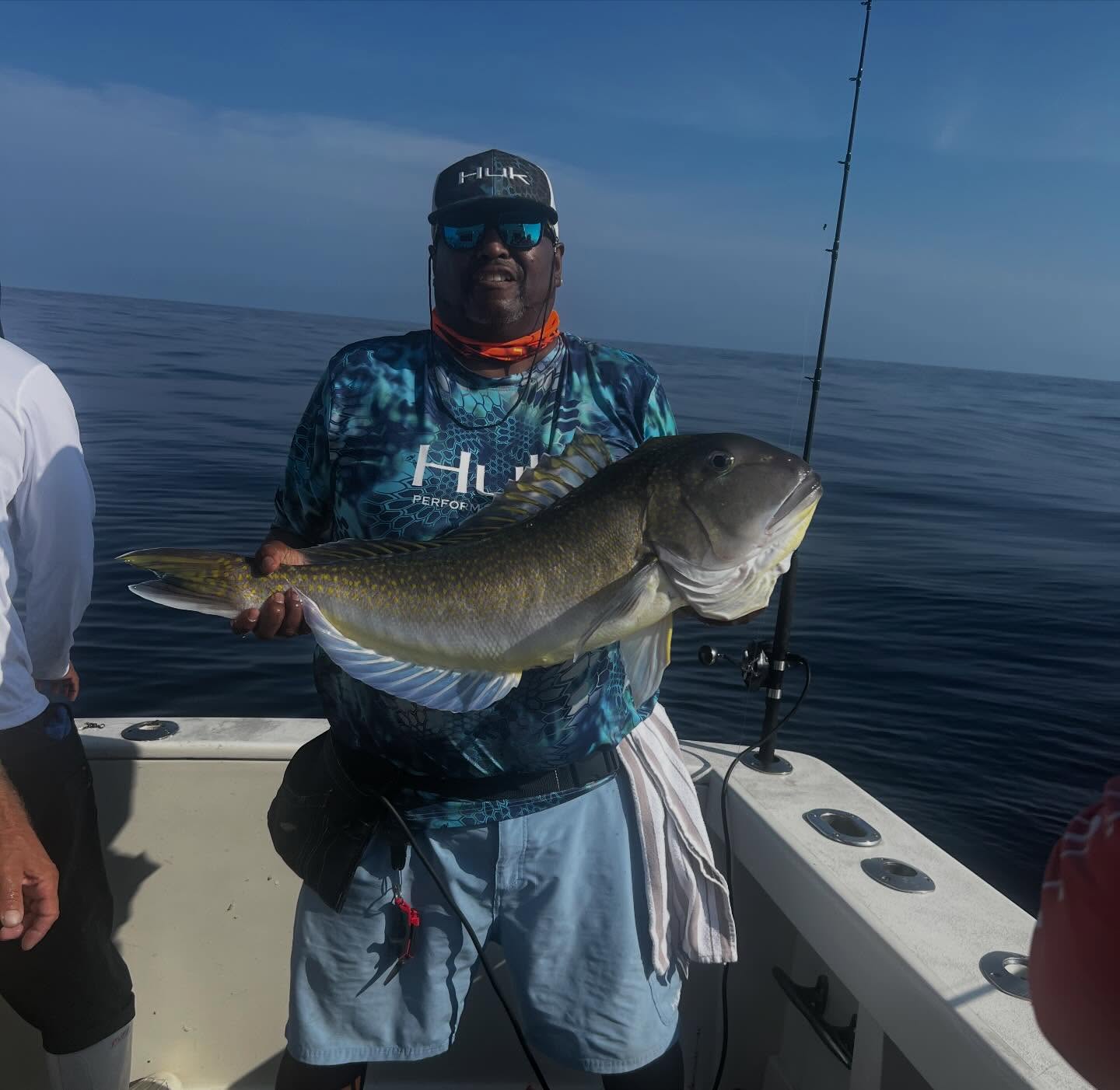
Lingcod are the wild cards that can make any trip memorable. These fish have massive mouths and attitudes to match. They're ambush predators that lurk around the wreck structure waiting to inhale anything that looks like an easy meal. When you hook one, expect a bulldogging fight and a fish that looks like it came from prehistoric times. They're not as common as the other species, but when they show up, everyone on the boat knows about it.
Time to Book Your Spot
This top-rated charter fills up fast during seabass season, especially on weekends when the weather's good. Captain Mark's reputation for putting clients on fish means repeat customers book their spots early, and word-of-mouth keeps the calendar busy. The 6-person limit means you
 Private Trip
 Wrecks/Reefs Fishing
 Cape May, NJ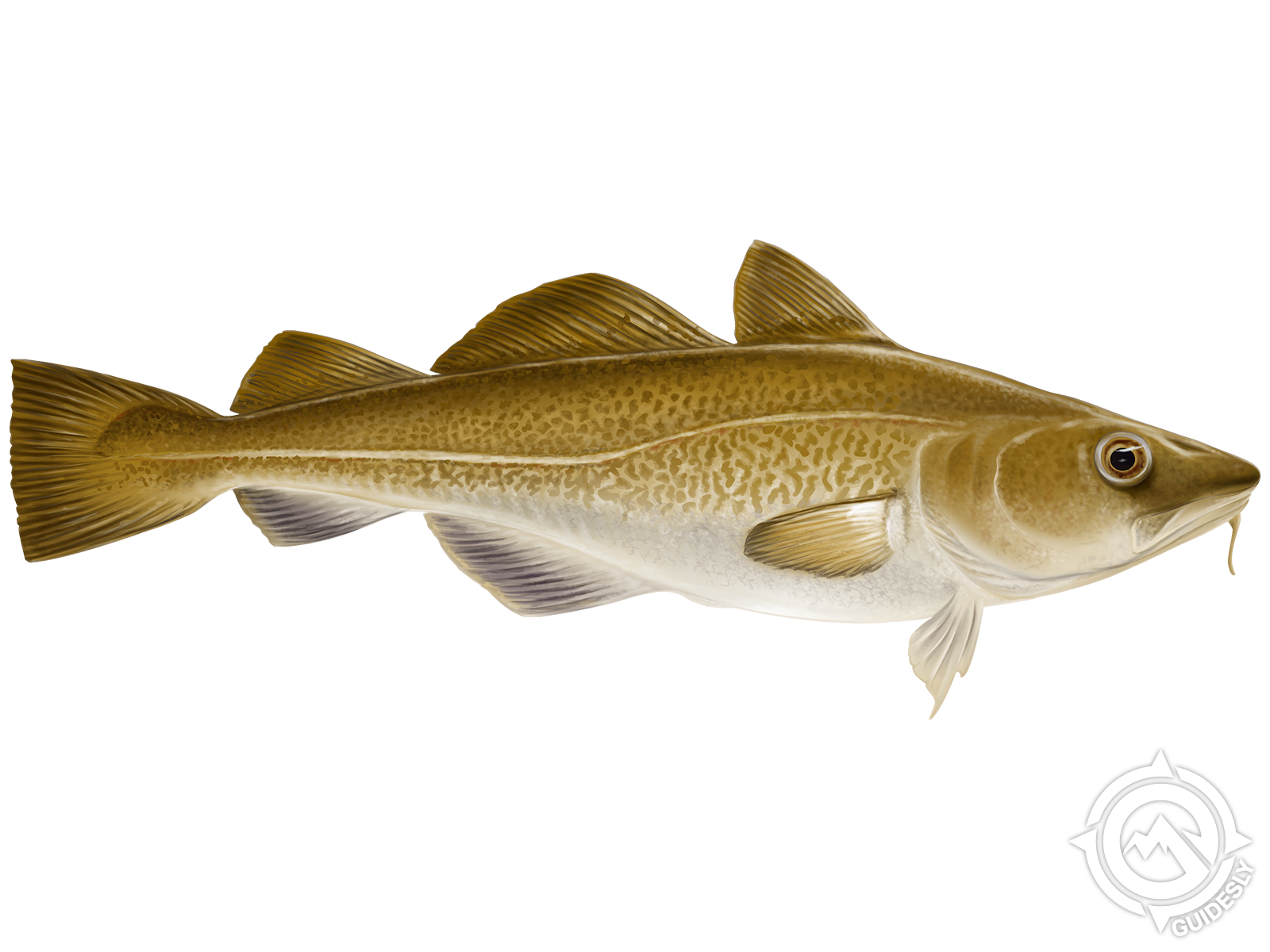


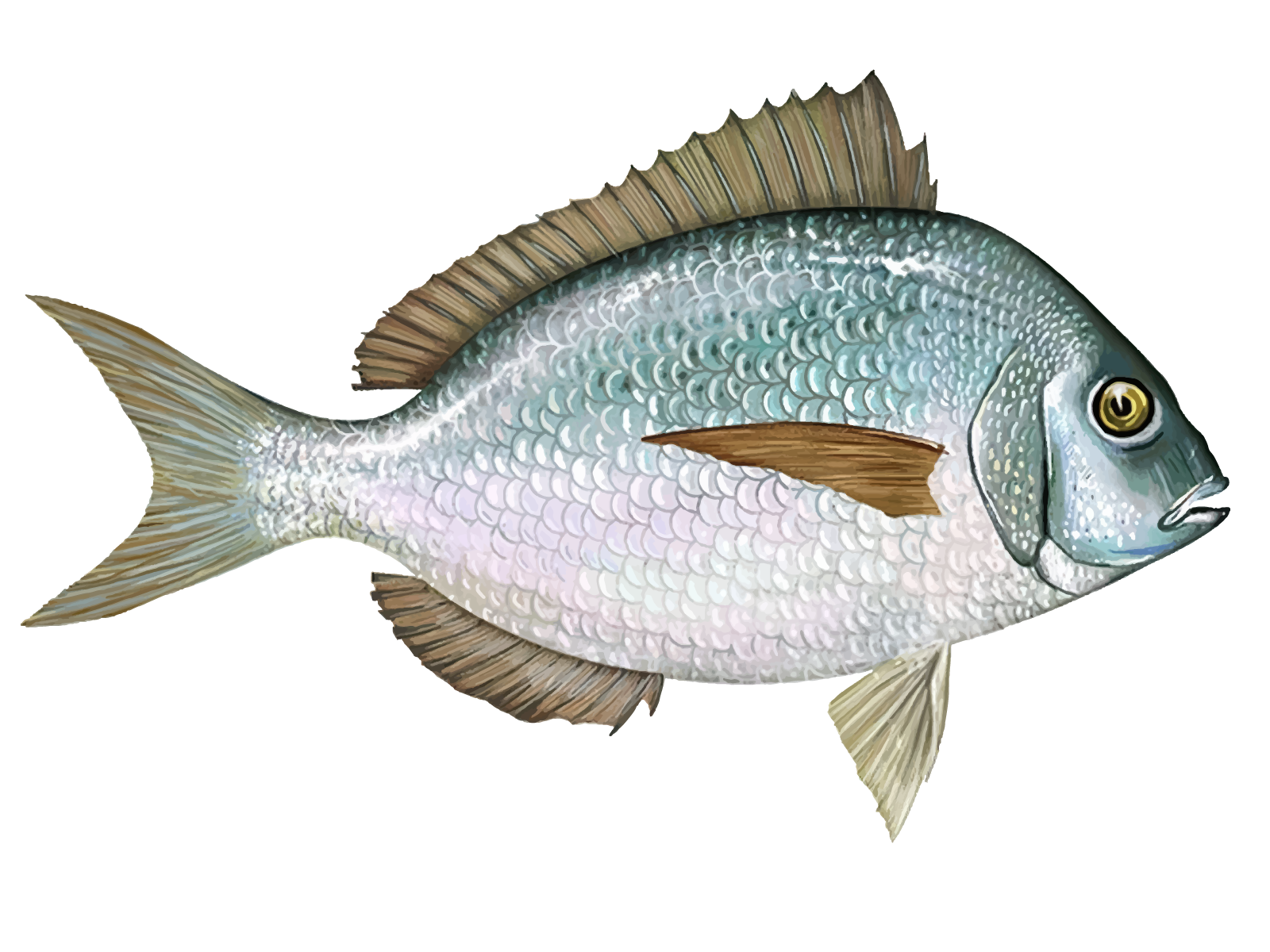
 Target jumbo Seabass at offshore wrecks and reefs