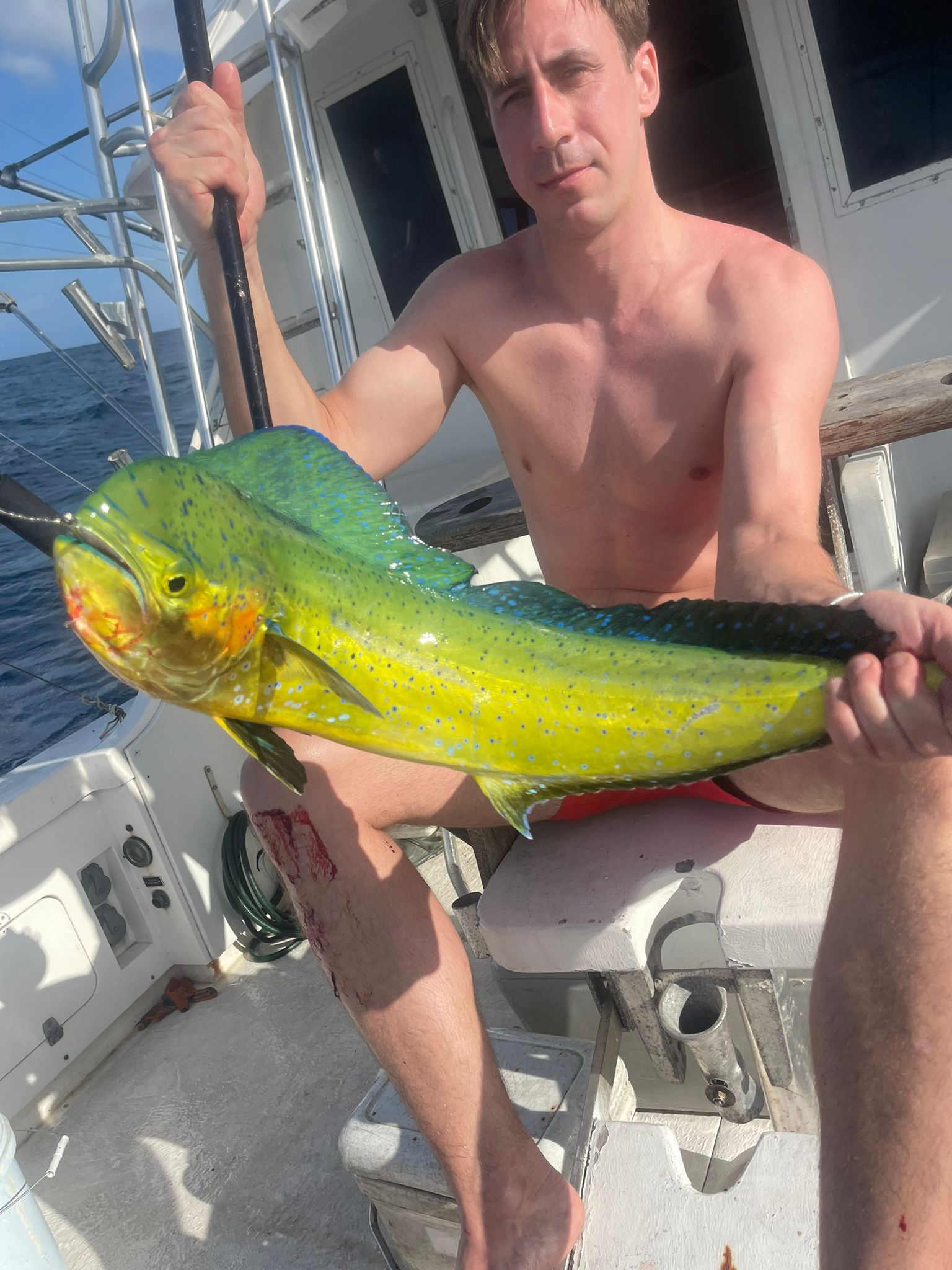
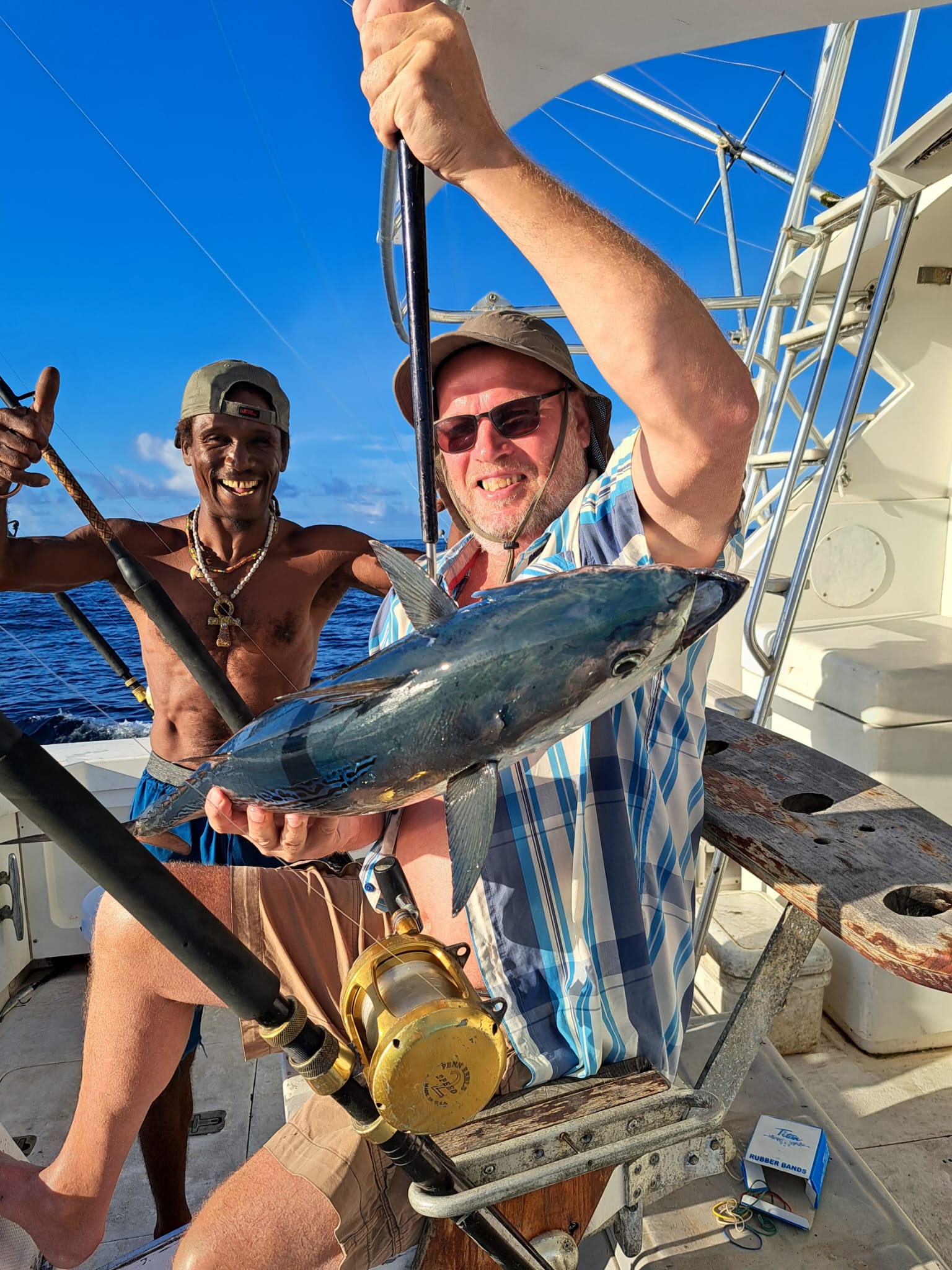
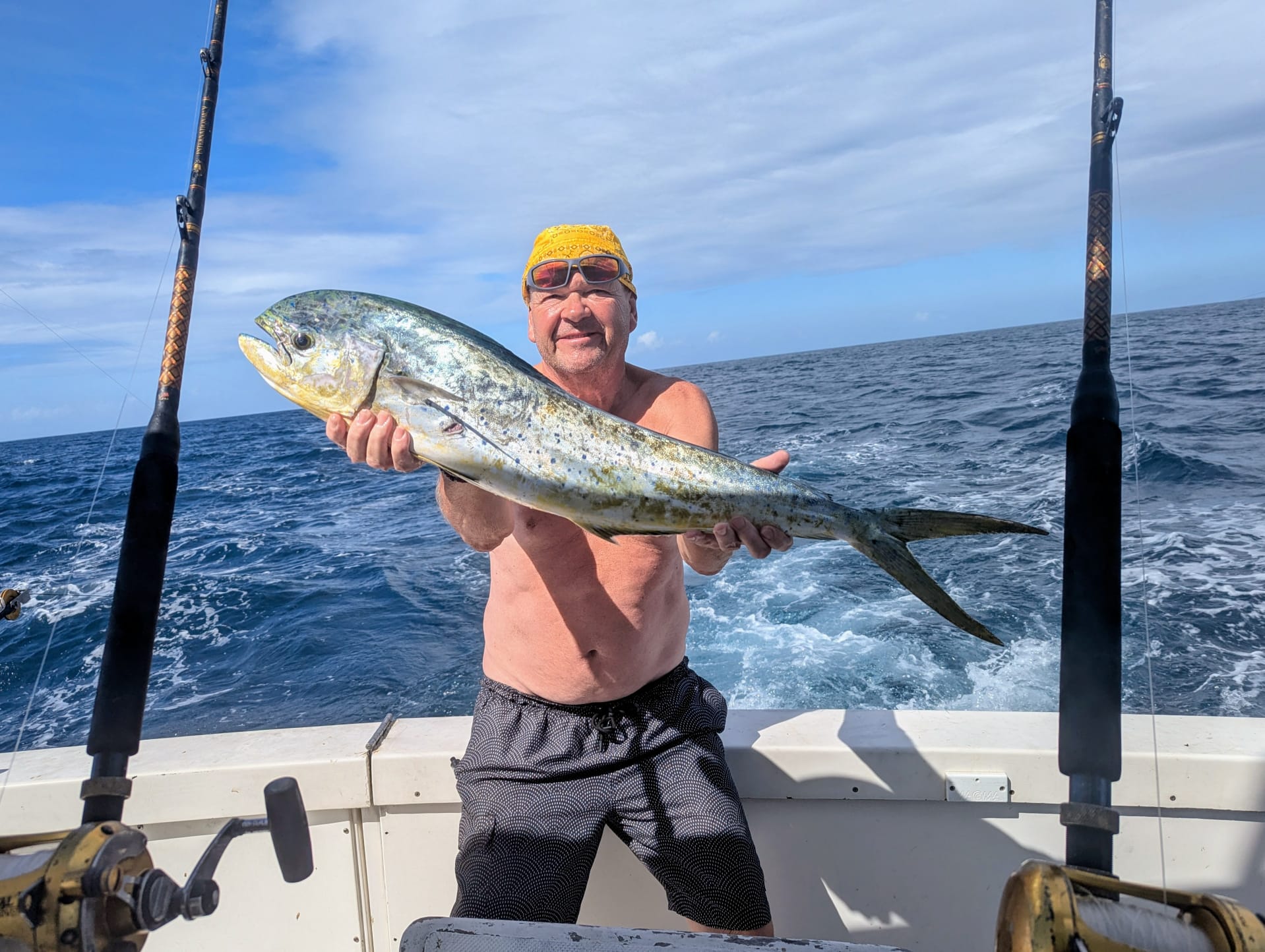
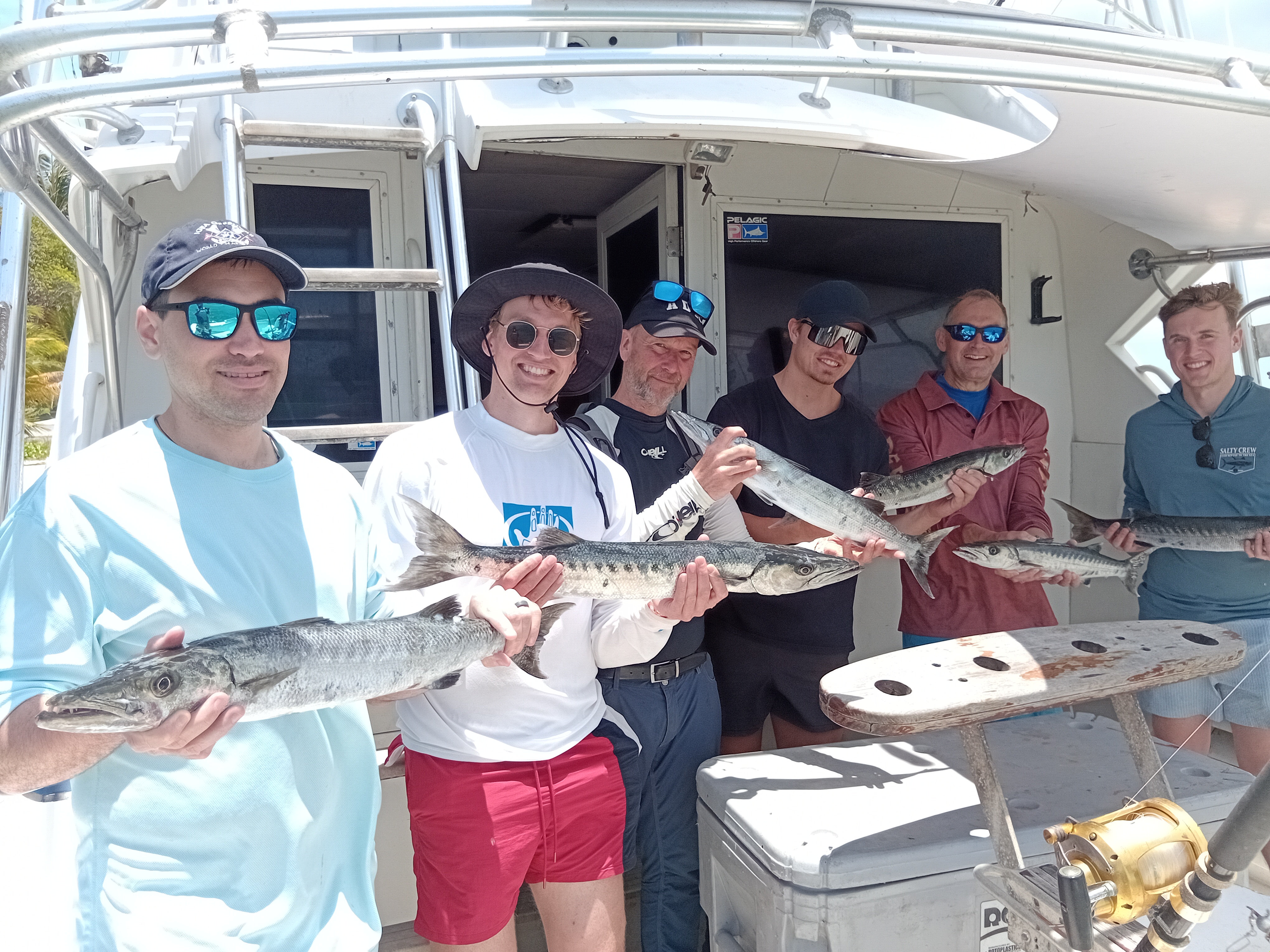
Full Day Inshore Fishing in Trinidad and Tobago
Looking for a world-class fishing adventure that won't break the bank? Grand Slam Fishing Charters Tobago has you covered with this top-rated full-day inshore trip that's becoming a customer favorite. For $800, you and two buddies get eight solid hours on some of the Caribbean's best fishing grounds, chasing everything from aggressive tarpon to lightning-fast bonefish. Trinidad and Tobago's protected inshore waters offer the perfect mix of shallow flats and deeper channels where these legendary gamefish love to hunt and feed.
What to Expect on the Water
This isn't your typical charter boat grind – we're talking about a private fishing experience tailored specifically for small groups who want personal attention and prime fishing spots. Your captain knows these waters like the back of his hand, reading tides, wind patterns, and seasonal fish movements to put you on the bite. The eight-hour timeframe gives you plenty of opportunities to work different areas as conditions change throughout the day. You'll start early when the fish are most active, cruise productive flats during mid-morning, and finish strong as evening feeding patterns kick in. The three-person limit means everyone gets quality rod time without feeling rushed or crowded. Just remember – this is a cash-only operation for the final balance, so come prepared.
Techniques & Tackle
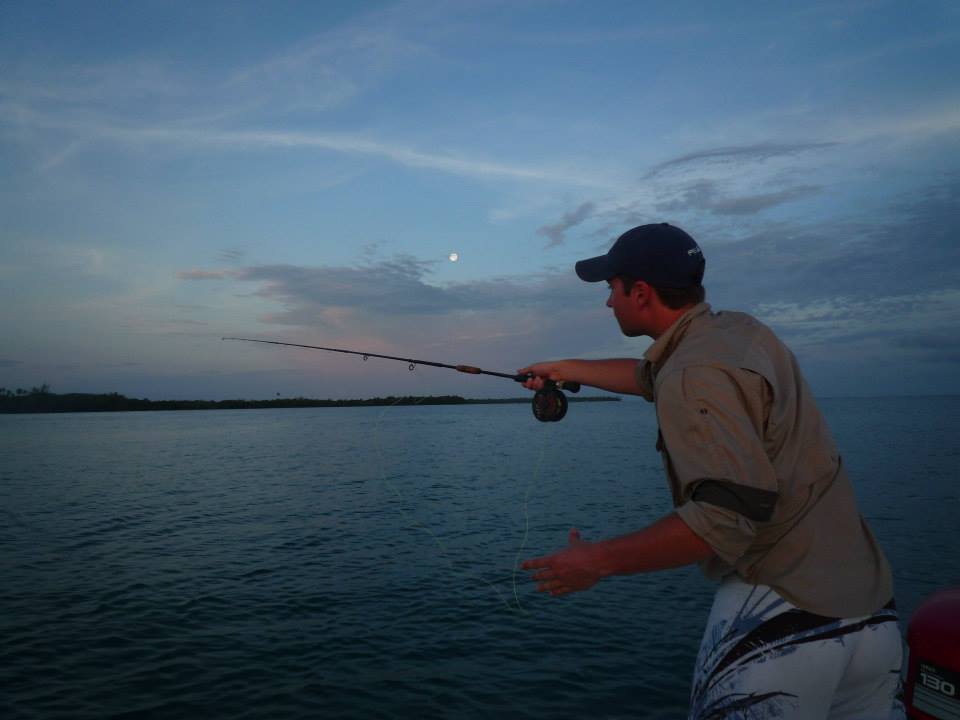
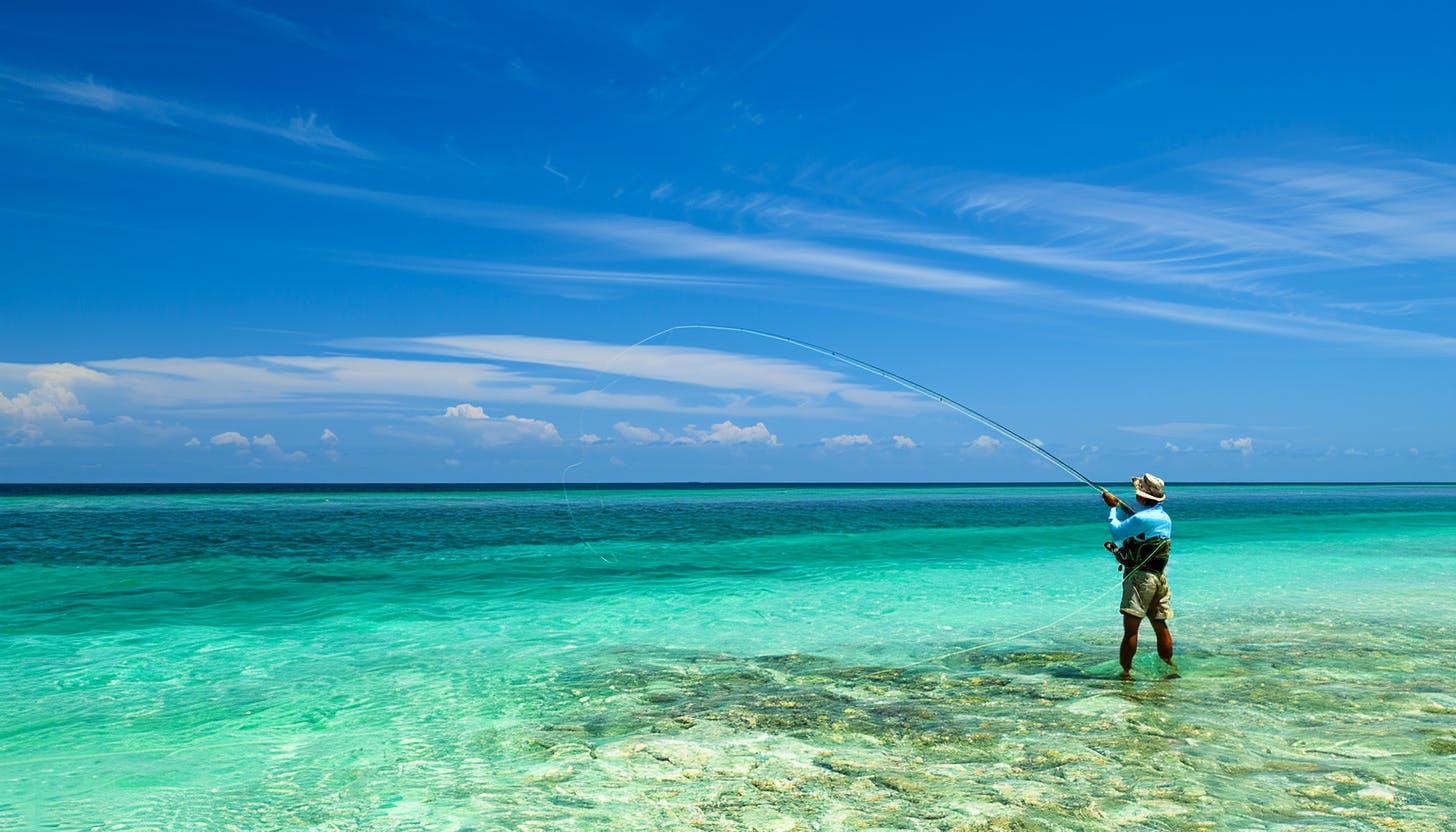
Inshore fishing around Trinidad and Tobago is all about versatility and reading the water. Your guide will have you sight fishing on shallow grass flats one minute, then casting live bait around mangrove edges the next. The technique shifts based on what species you're targeting and where they're feeding. For bonefish, you'll be making precise casts to tailing fish in crystal-clear shallows – this is some of the most technical and rewarding fishing you'll ever experience. When going after tarpon, expect to use heavier tackle and live pilchards or crabs, since these silver kings can easily hit 100+ pounds. Jack crevalle and snook require different approaches entirely – jacks love fast-moving lures and aggressive retrieves, while snook prefer more finesse around structure. Your captain provides all the gear, from light spinning setups for bones to heavy baitcasters for tarpon, plus a selection of proven lures and fresh bait.
Species You'll Want to Hook
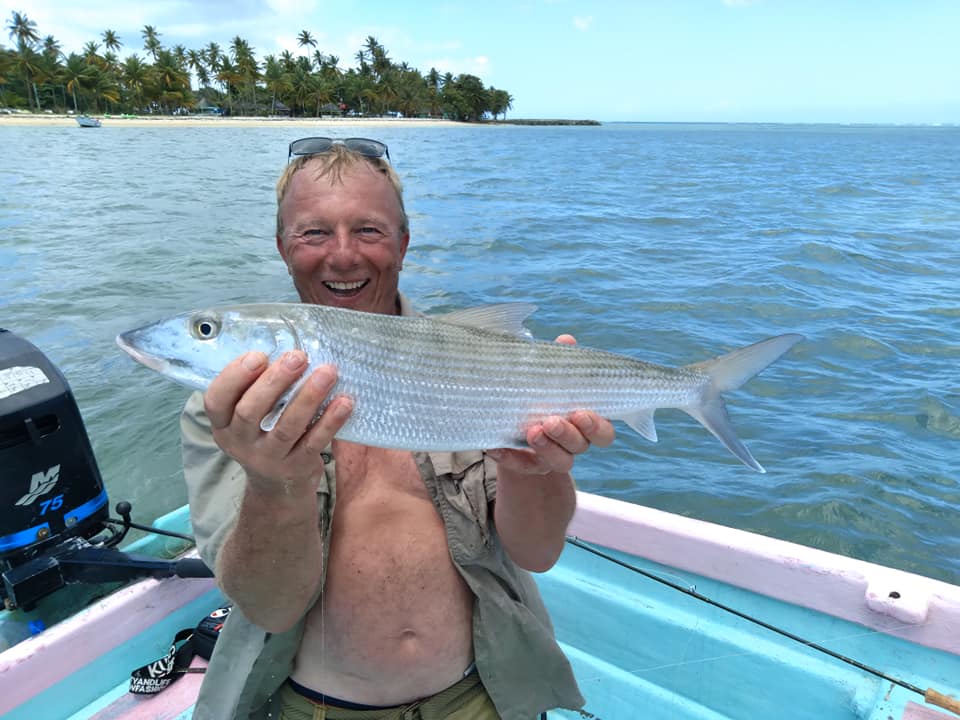
Bonefish are the ghosts of the flats – these silvery speedsters cruise shallow water looking for crabs and shrimp, and spotting one requires sharp eyes and patience. They typically run 3-8 pounds around Trinidad and Tobago, but what they lack in size they make up for in pure fight. Once hooked, a bonefish will peel line like nothing else, making blistering runs across the flats. The best action happens during incoming tides when they push onto the shallow feeding areas. Anglers love them because they test every skill – sight fishing, accurate casting, and quick reflexes when the bite happens.
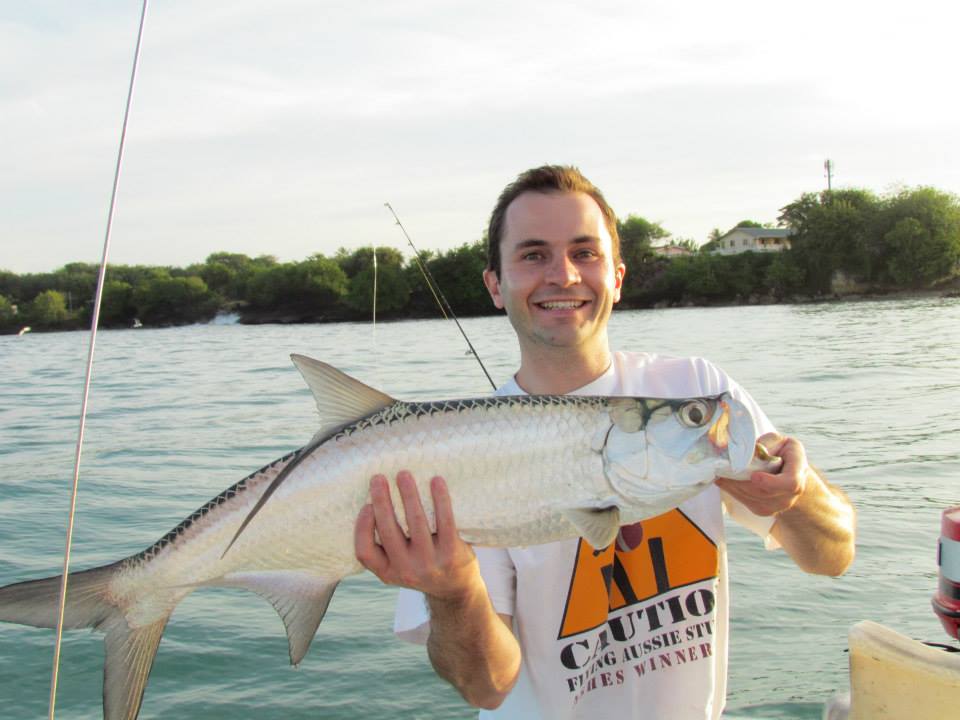
Tarpon are the undisputed kings of inshore fishing here, and Trinidad and Tobago waters hold some monsters. These prehistoric fighters can exceed 150 pounds and are famous for their acrobatic jumps when hooked. They're most active during early morning and late afternoon, often rolling on the surface as they gulp air. Peak season runs from March through August, but resident fish are around year-round. What makes tarpon so special is the combination of size, strength, and aerial displays – landing one is a true achievement that most anglers never forget.
Permit are the holy grail for many flats fishermen – they're notoriously picky eaters and incredibly spooky around boats. These disc-shaped gamefish feed on crabs and small baitfish in shallow water, but they'll spook at the slightest disturbance. Most permit here run 15-30 pounds, with occasional giants pushing 40+. They're most cooperative during calm conditions with good water clarity. Successfully catching a permit requires stealth, perfect presentation, and more than a little luck, which is why they're so prized by serious anglers.
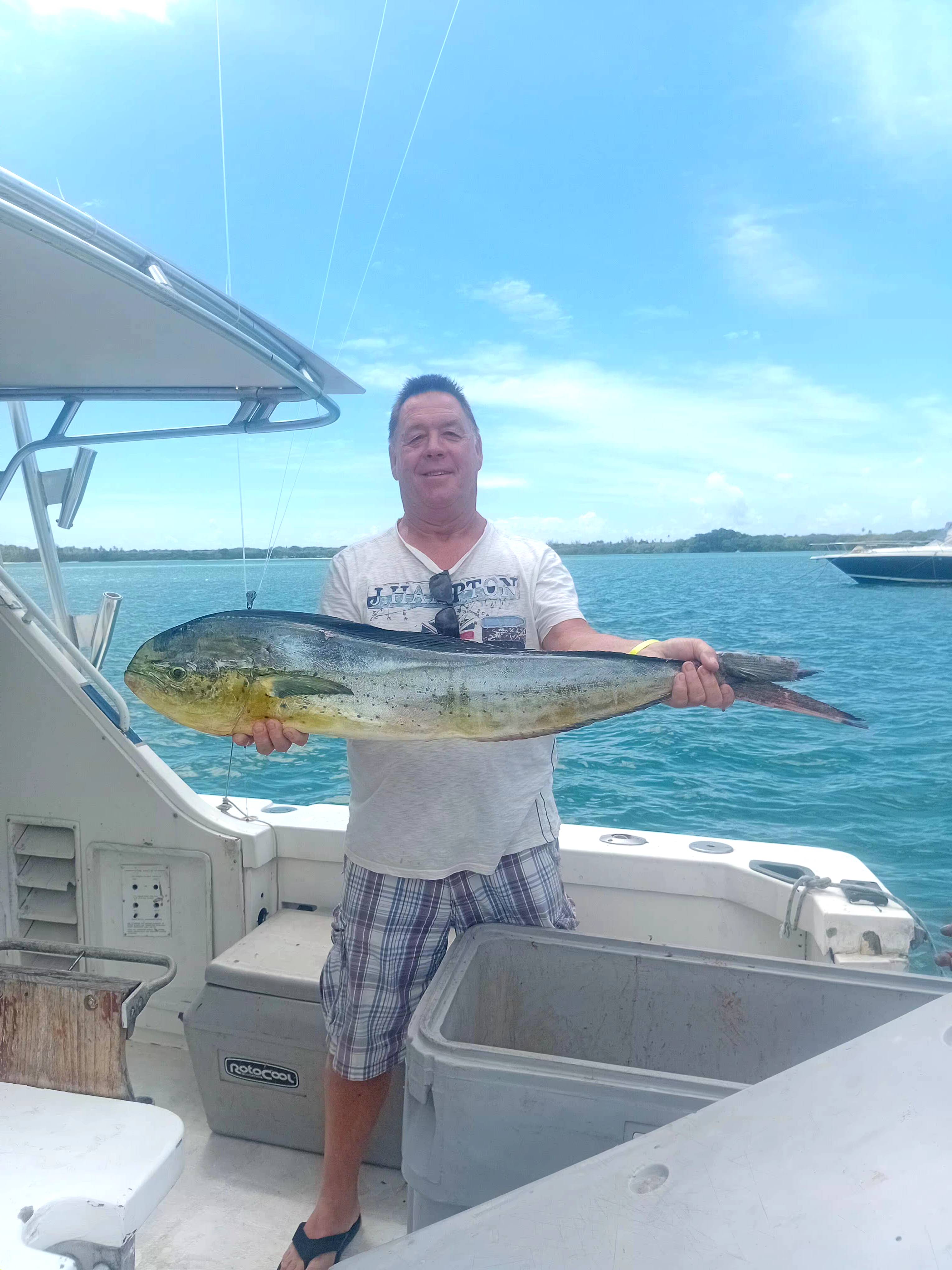
Crevalle jack are the bruisers of the bunch – these powerful predators hunt in schools and attack lures with savage intensity. They're built like underwater bulldogs, with broad shoulders and incredible pulling power. Jacks are year-round residents that love structure like mangrove points and channel edges. They'll hit everything from topwater plugs to deep-diving lures, making them perfect targets when you want consistent action. Most run 10-25 pounds, but bigger specimens push 40+ and will test your tackle to the limit.
Snook are ambush predators that lurk around mangroves, docks, and bridge pilings waiting for unsuspecting baitfish. These golden-sided gamefish are incredibly structure-oriented and require precise lure placement to avoid getting cut off in the roots. They're most active during moving water, especially around dawn and dusk. Snook have a distinctive black lateral line and razor-sharp gill plates that can slice through leaders in seconds. They're excellent table fare when regulations allow harvest, but most anglers prefer to release these beautiful fish to fight another day.
Time to Book Your Spot
This full-day inshore adventure delivers serious value for serious anglers who want to experience Trinidad and Tobago's renowned fishing without the crowds of bigger charter operations. Eight hours gives you time to really get dialed in on different species and techniques, while the three-person limit ensures everyone gets plenty of action. Your captain's local knowledge is worth its weight in gold – these aren't weekend warriors, but full-time professionals who live and breathe these waters. At $800 for the whole boat, you're looking at top-tier fishing for less than $300 per person. Just remember to bring cash for the balance payment, pack some snacks since meals aren't included, and get ready for some of the best inshore fishing the Caribbean has to offer. Don't wait – the best fishing days book up fast,
 Private Trip
 Inshore Fishing
 Tobago


 Full-day inshore fishing targeting tarpon, jack crevalle, permit, snook