Full Day Trophy Fishing in Trinidad and Tobago
Picture this: eight solid hours on crystal-clear Caribbean waters, lines out at dawn, chasing some of the most coveted game fish in the Atlantic. That's exactly what you get with Grand Slam Fishing Charters Tobago's full-day offshore adventure. For $900, you and up to seven fellow anglers get exclusive access to prime fishing grounds where sailfish dance on their tails, marlin crash baits with bone-jarring strikes, and tarpon launch themselves skyward in silver explosions. This isn't your typical half-day trip where you're just getting warmed up when it's time to head back. We're talking about a serious fishing expedition that gives you the time and space to work productive waters, change techniques, and chase that fish of a lifetime.
What to Expect on the Water
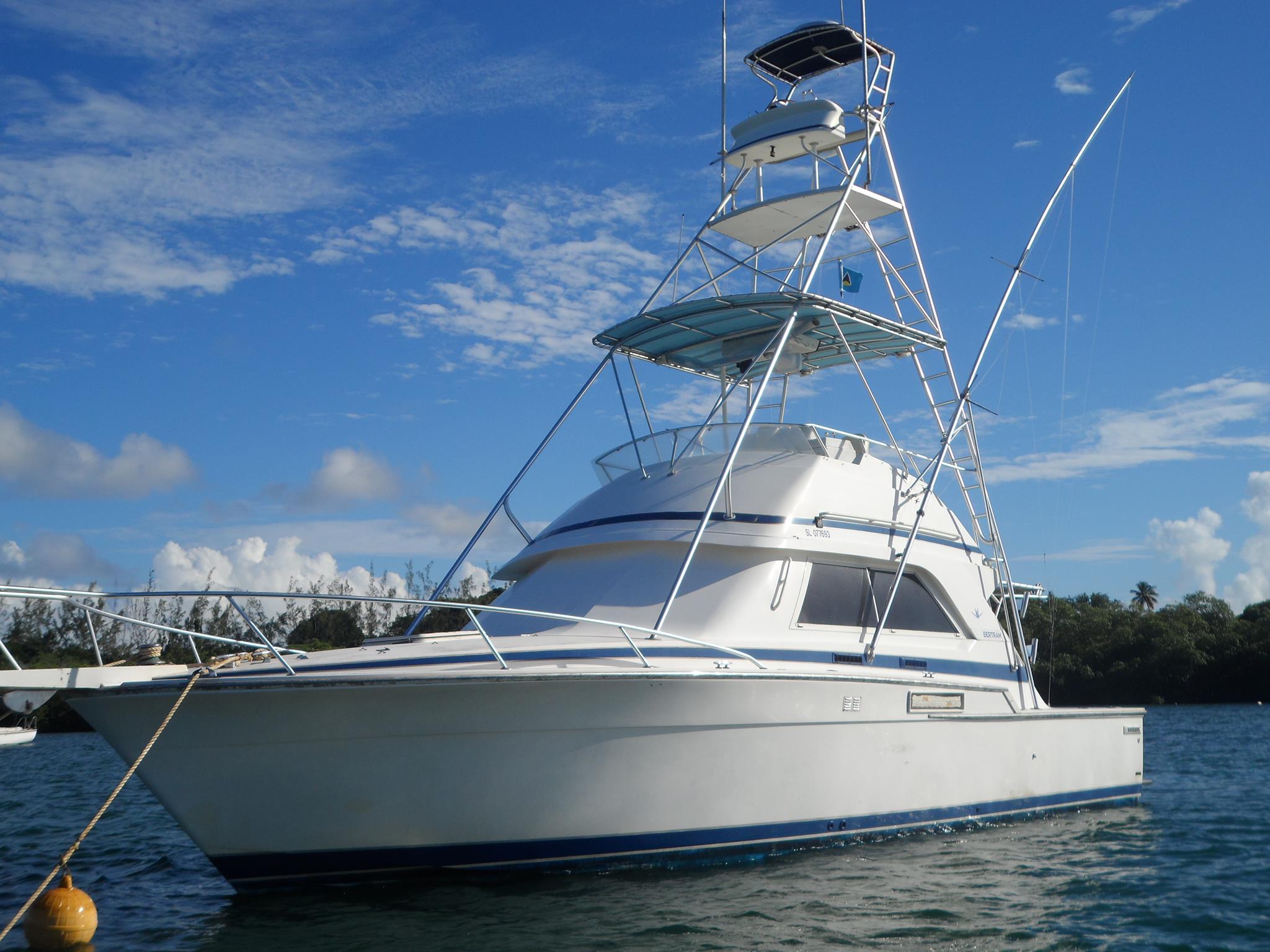
When you step aboard with Grand Slam Fishing Charters, you're getting the full treatment. The crew knows these waters like the back of their hand, and they'll have you rigged and ready before the sun fully breaks the horizon. Tobago's offshore waters are legendary among Caribbean anglers for good reason – the continental shelf drops off quickly here, creating upwellings that attract baitfish, which in turn draw the predators we're after. You'll be fishing in depths ranging from 100 to over 1,000 feet, where the big pelagics cruise the blue water highways. The boat comes equipped with top-shelf tackle, outriggers, and all the terminal gear you need. All you have to bring is your fishing license, sun protection, and maybe some snacks since meals aren't included on this trip. Pro tip: pack light but bring plenty of water – eight hours in the Caribbean sun will dehydrate you faster than you think, especially when you're battling fish.
Techniques and Tackle
This is serious blue water trolling at its finest. The crew will have multiple lines out using a spread of lures designed to mimic the baitfish that sailfish, marlin, and other pelagics feed on. We're talking ballyhoo rigged with circle hooks, skirted lures in proven color combinations, and sometimes live bait when conditions are right. The rods are typically 30 to 50-pound class setups with quality reels spooled with fresh line. When a fish hits, you'll know it – the outrigger clip pops, the rod doubles over, and suddenly you're connected to something that can strip line faster than you thought possible. The crew will coach you through the fight, helping with proper technique to maximize your chances of getting that fish to the boat. Circle hooks are the standard here, which means no need to set the hook – just start reeling and let the fish hook itself. It's all about steady pressure and letting the drag do its job. For tarpon, the game changes completely. These silver kings require finesse and patience, often jumping repeatedly and testing every knot in your system.
Top Catches This Season
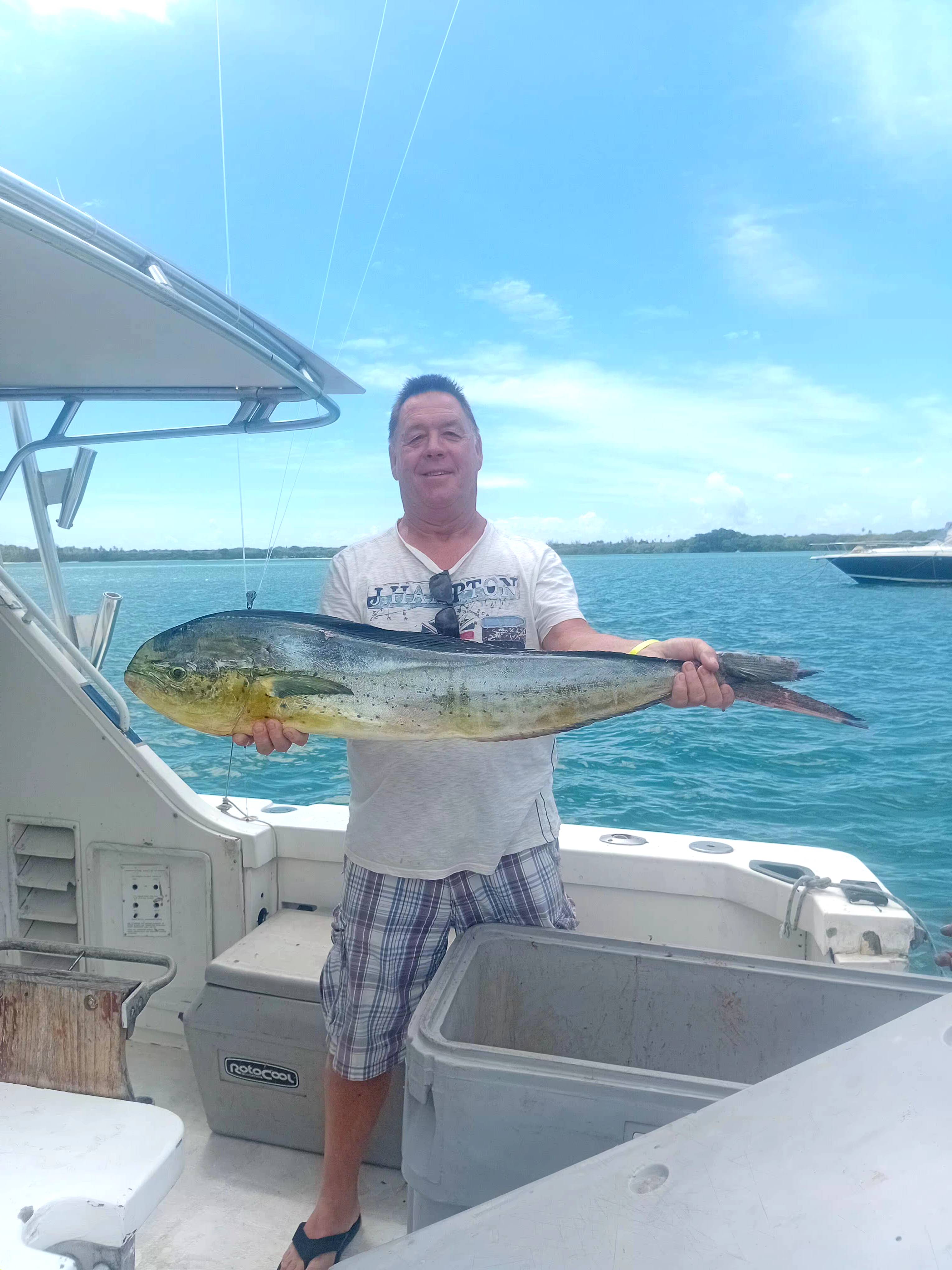
The waters off Trinidad and Tobago have been producing consistently this year, with sailfish showing up in good numbers throughout the season. These acrobatic fighters typically range from 40 to 80 pounds and put on a show that'll have you grinning for weeks. Marlin fishing has been particularly hot, with both striped and white marlin making regular appearances. Black marlin, the heavyweight champions of the offshore world, patrol these waters too, though they're less common and typically larger when hooked. Jack Crevalle have been thick around the seamounts and drop-offs, providing arm-burning action on lighter tackle. Wahoo fishing picks up when conditions are right, and these speed demons can hit 40-plus miles per hour when they take your bait. The key has been staying flexible and reading the water – some days the fish are scattered and you need to cover ground, other days you find a piece of floating debris or a temperature break and the action heats up quickly.
Species You'll Want to Hook
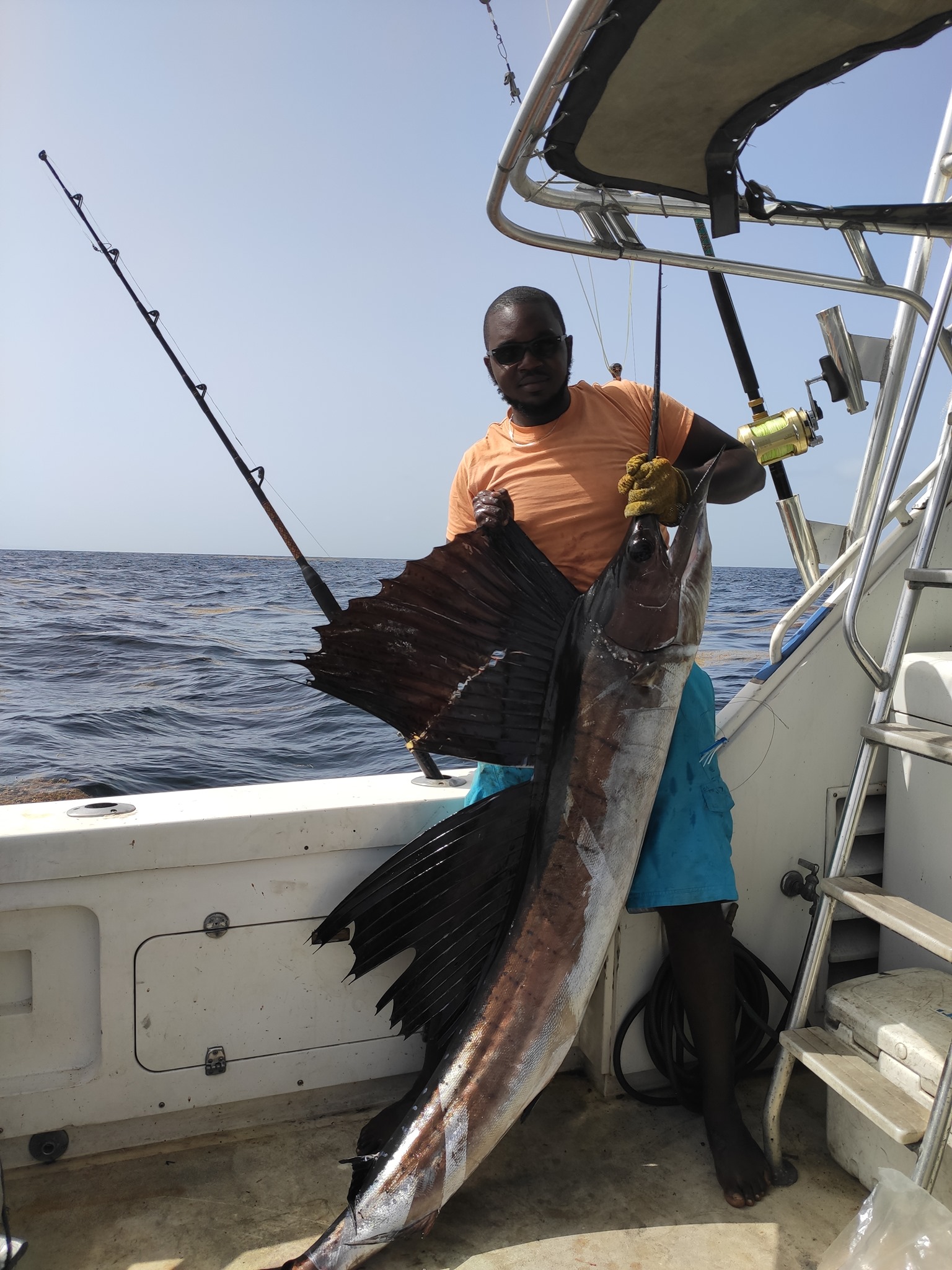
Atlantic Sailfish are the stars of the show here, and for good reason. These gorgeous fish with their massive dorsal fins are pure adrenaline on a fishing rod. They typically run 40 to 70 pounds in these waters and are famous for their aerial displays – expect multiple jumps, tail walks, and general acrobatics that make for amazing photos and memories. Peak season runs from December through April, though they're present year-round. What makes them special is their intelligence and fighting ability. They'll use their bill to swipe at baits, sometimes following for minutes before committing to a bite.
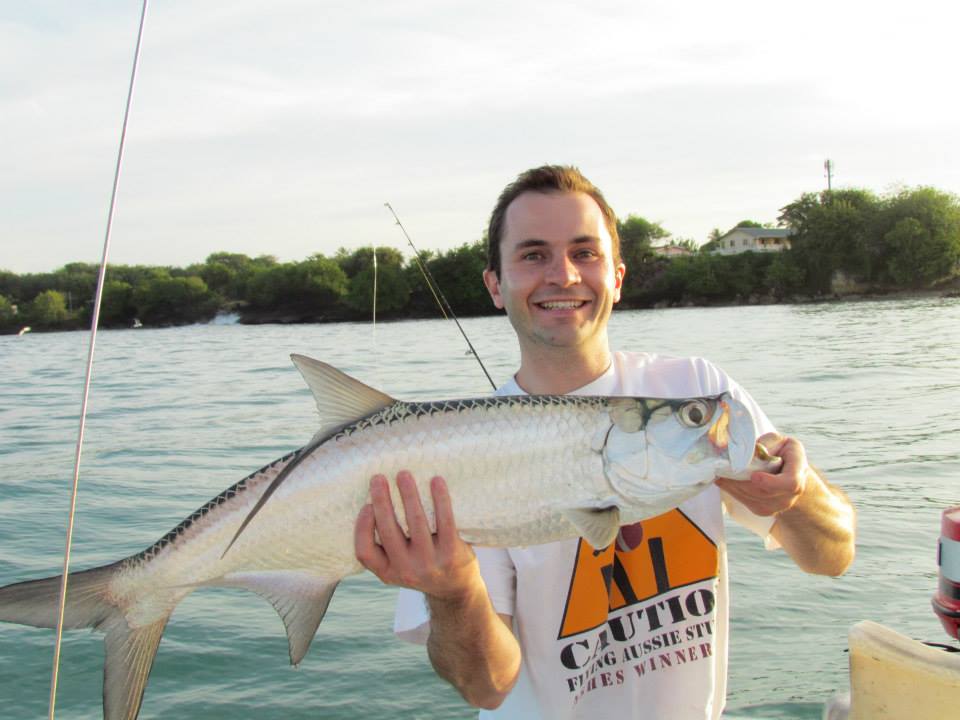
Tarpon are in a league of their own when it comes to pure excitement. These ancient fish, often called "silver kings," can reach 100-plus pounds in local waters and are famous for their explosive jumps. They have bony mouths that make them notoriously difficult to hook solidly, and their gill-rattling jumps can throw hooks at any moment. The best tarpon action typically happens from March through July, and these fish prefer areas with structure like seamounts or drop-offs where baitfish congregate.
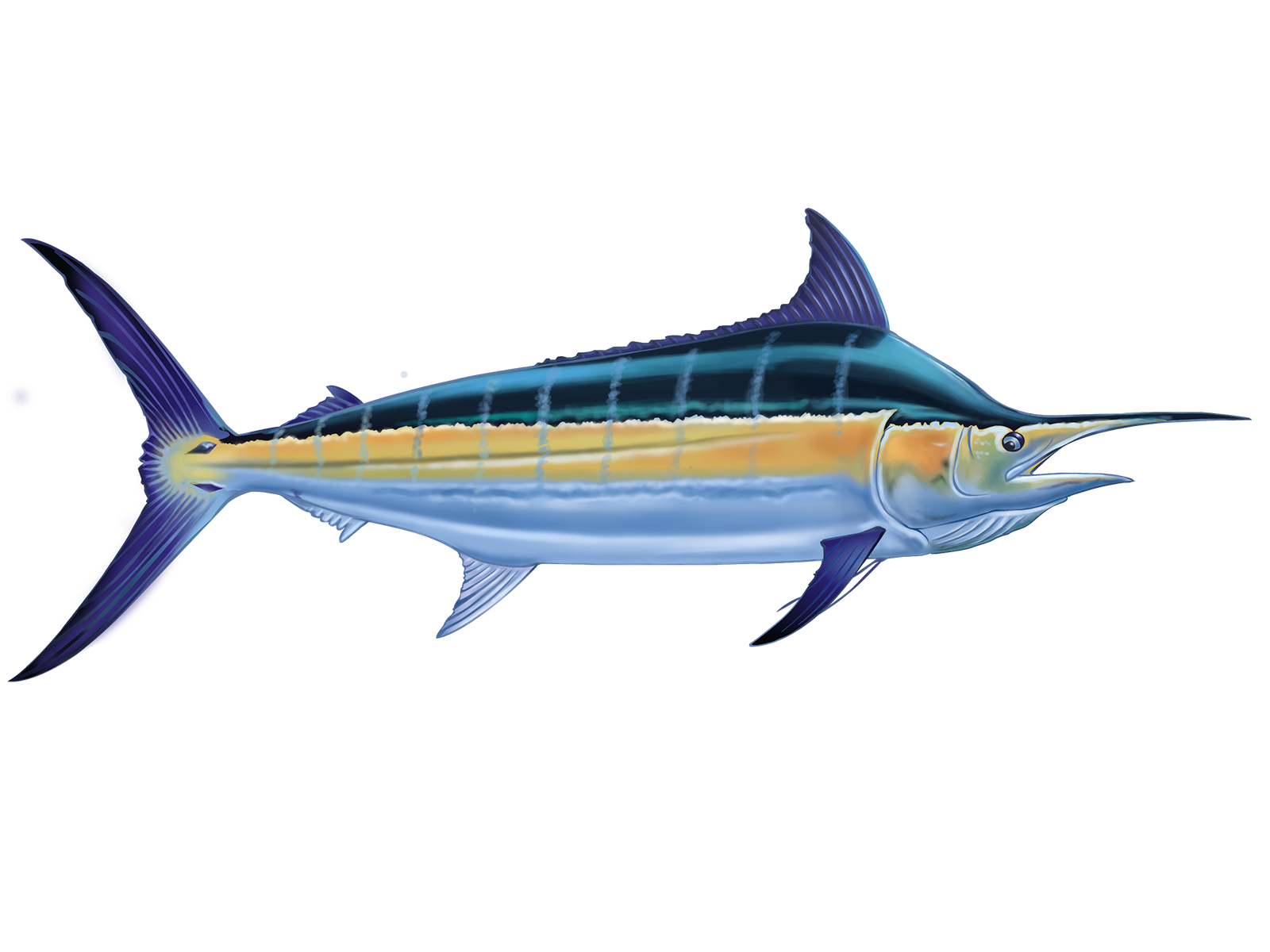
Striped Marlin bring a perfect combination of size and fight to the table. Usually ranging from 80 to 150 pounds, they're smaller than their black marlin cousins but make up for it with speed and agility. They're most active during the cooler months and are known for their habit of "lighting up" – their stripes become vivid when they're excited or feeding. When one crashes your spread, the initial run can peel off 200 yards of line in seconds.
White Marlin are the most common billfish in these waters and provide fantastic sport on appropriate tackle. Typically weighing 40 to 80 pounds, they punch well above their weight class in terms of fight. They're present year-round but peak during the winter months. What's amazing about white marlin is their curiosity – they'll often follow boats and baits for extended periods, giving you multiple opportunities for a hookup.
 Private Trip
 Offshore Fishing
 Tobago


 Full-day offshore fishing targeting sailfish, marlin, and tarpon