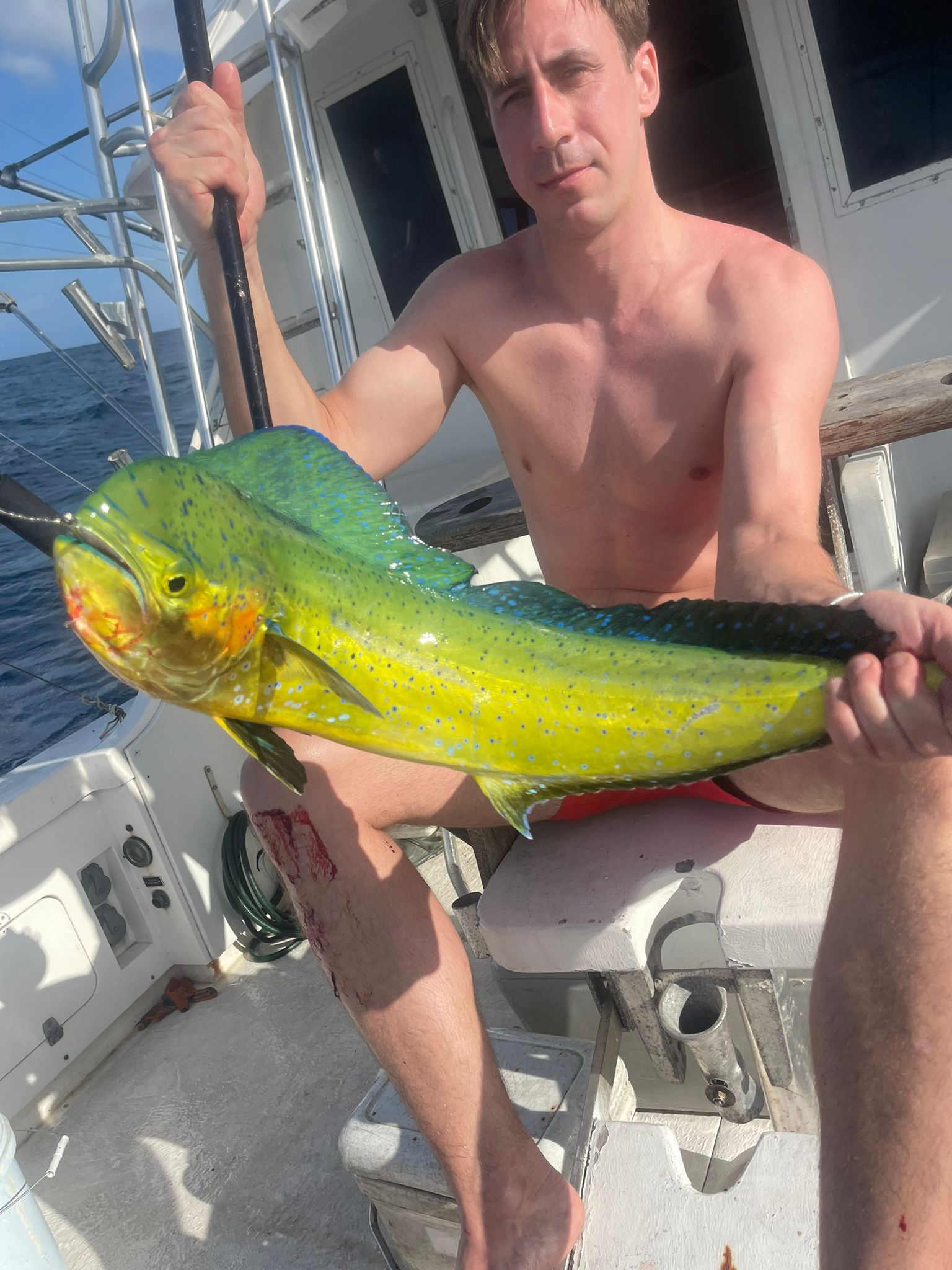
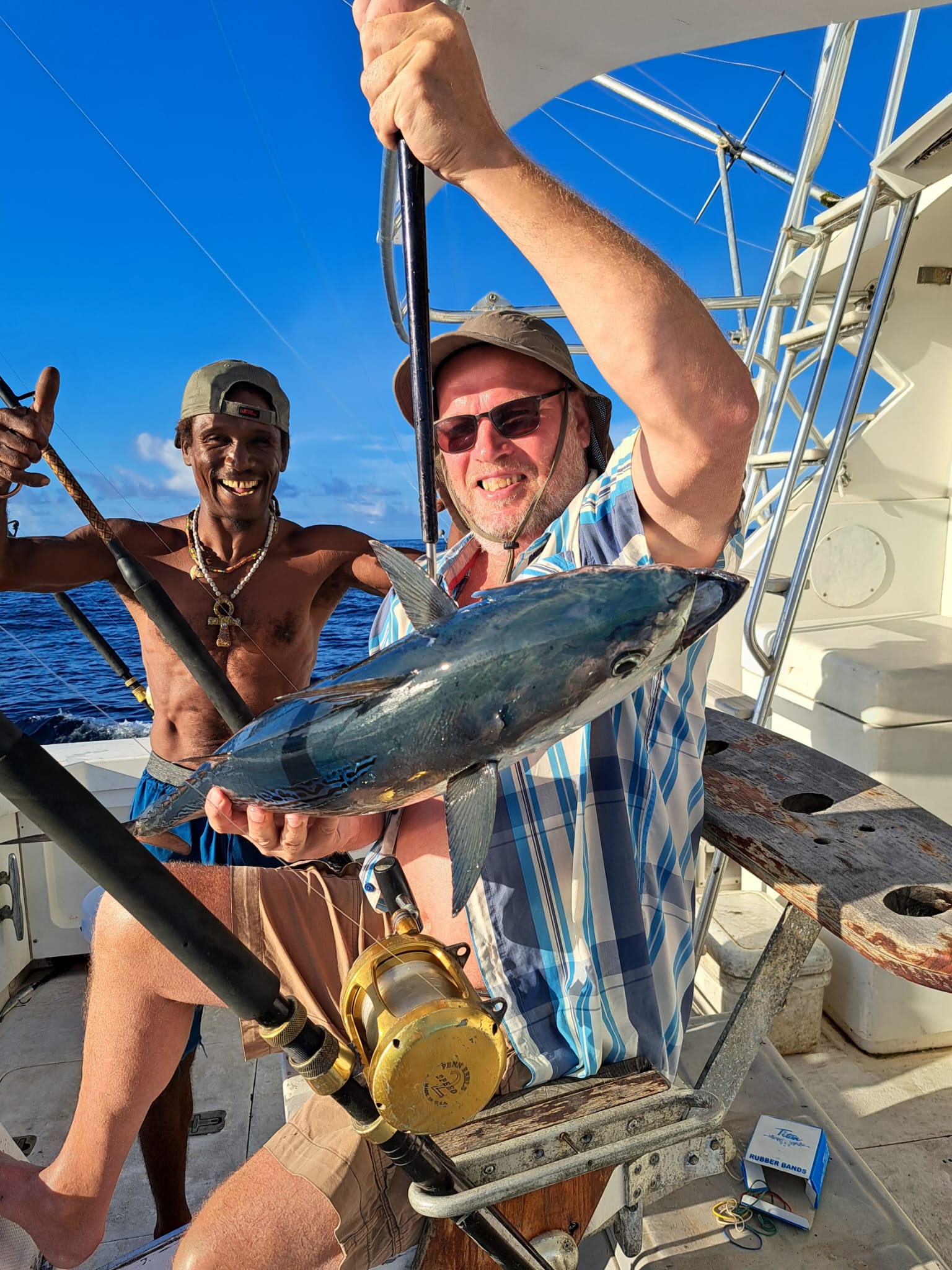
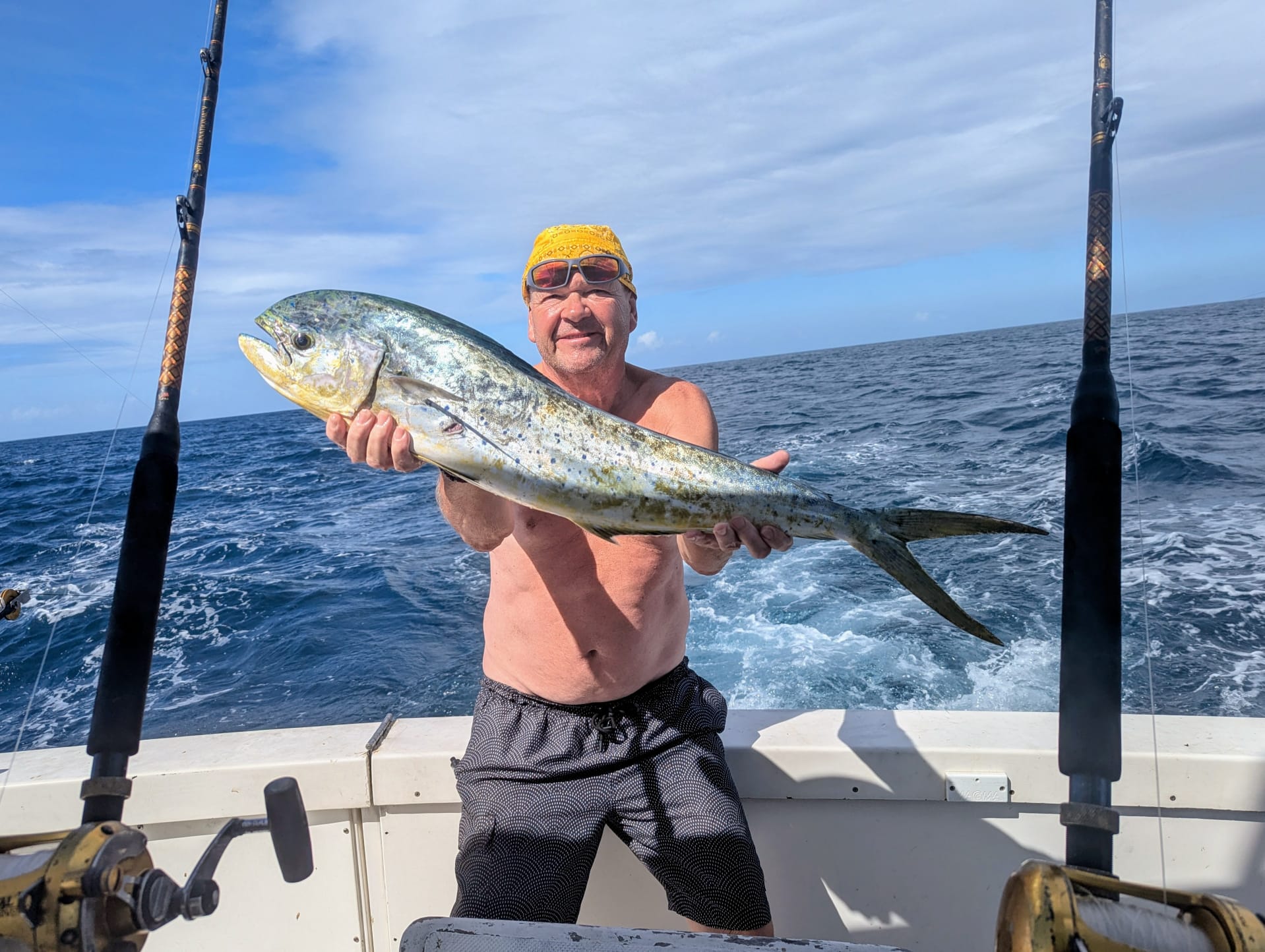
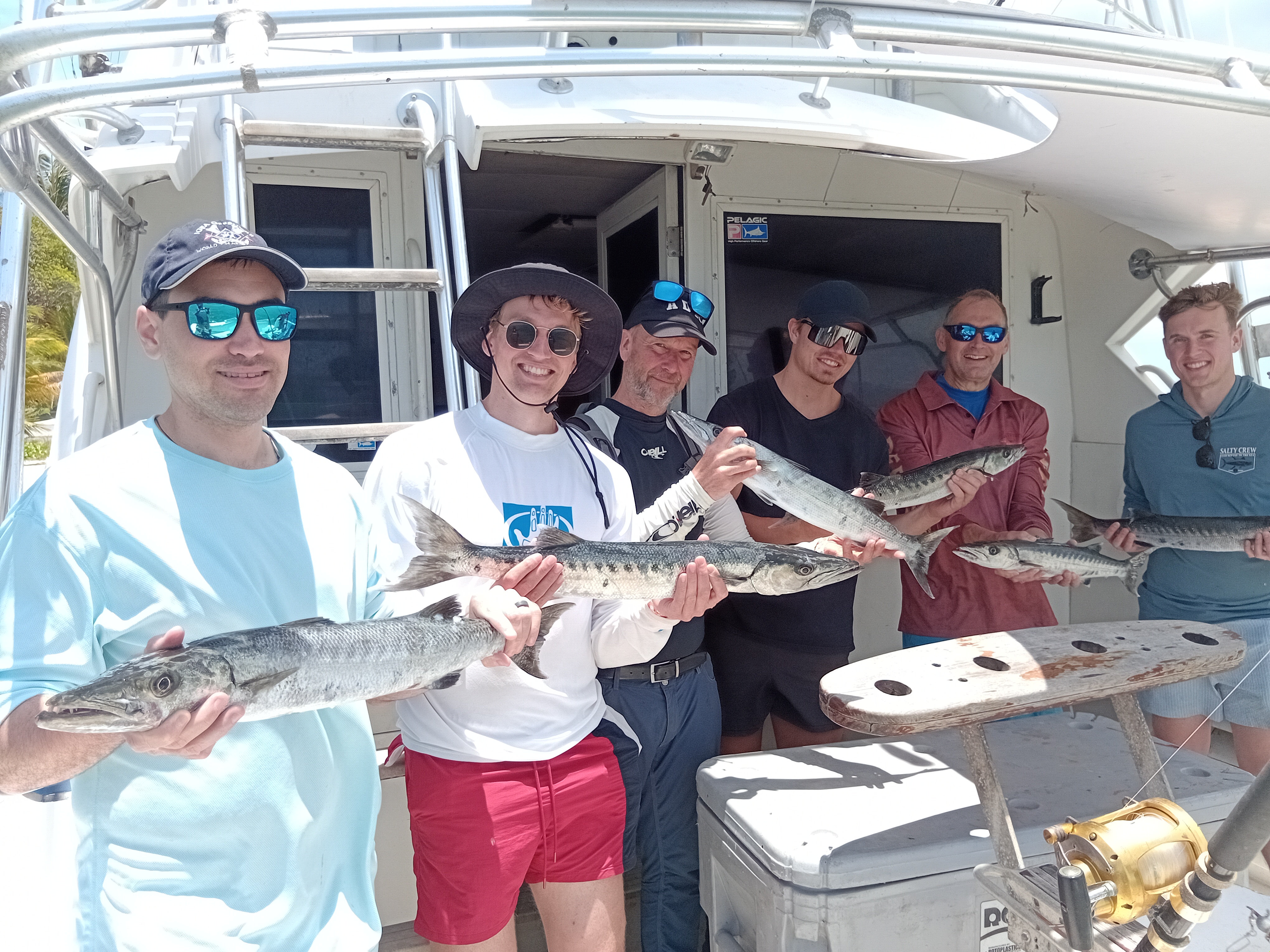
Half Day Deep Sea Fishing in Trinidad & Tobago
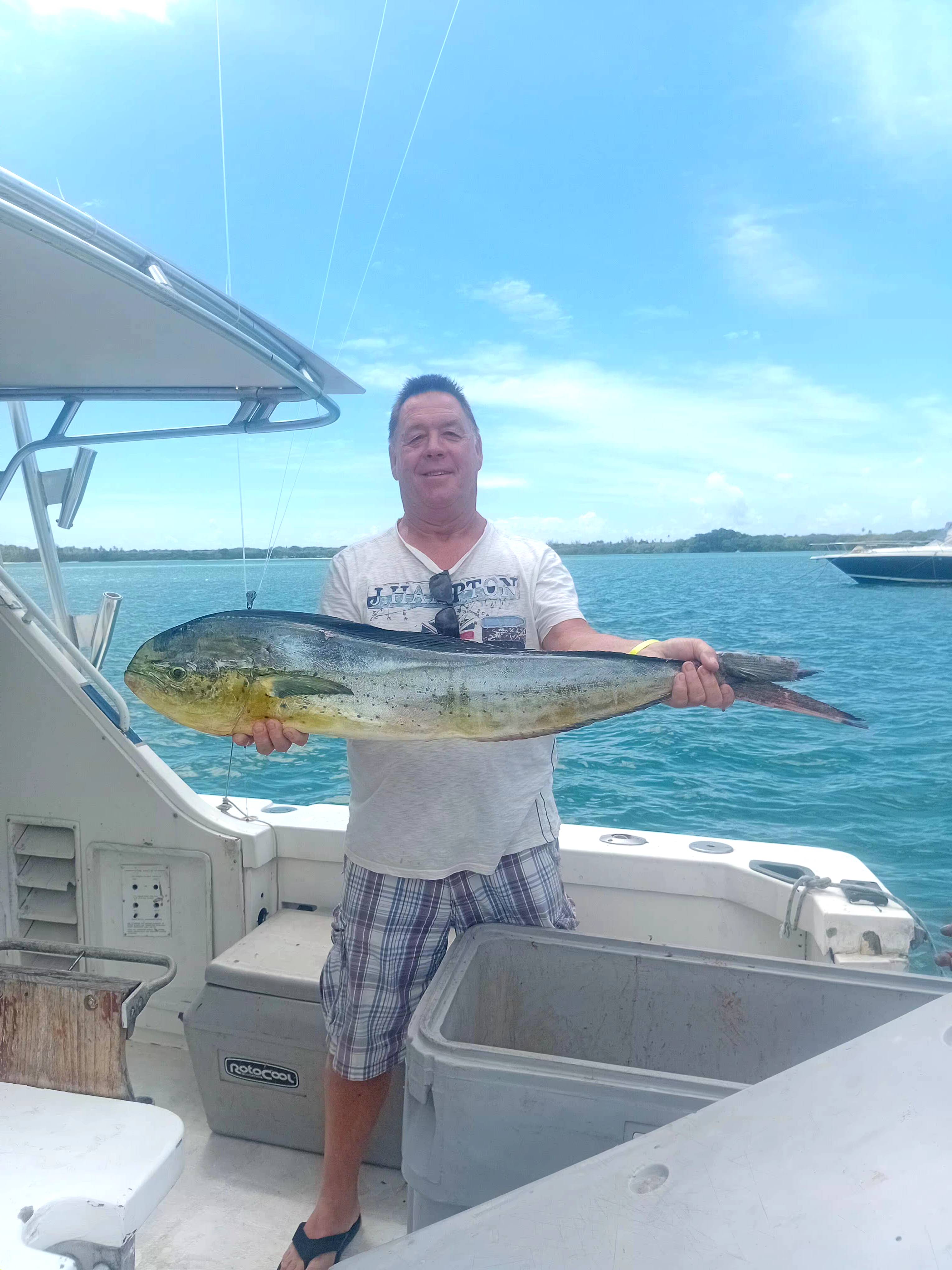
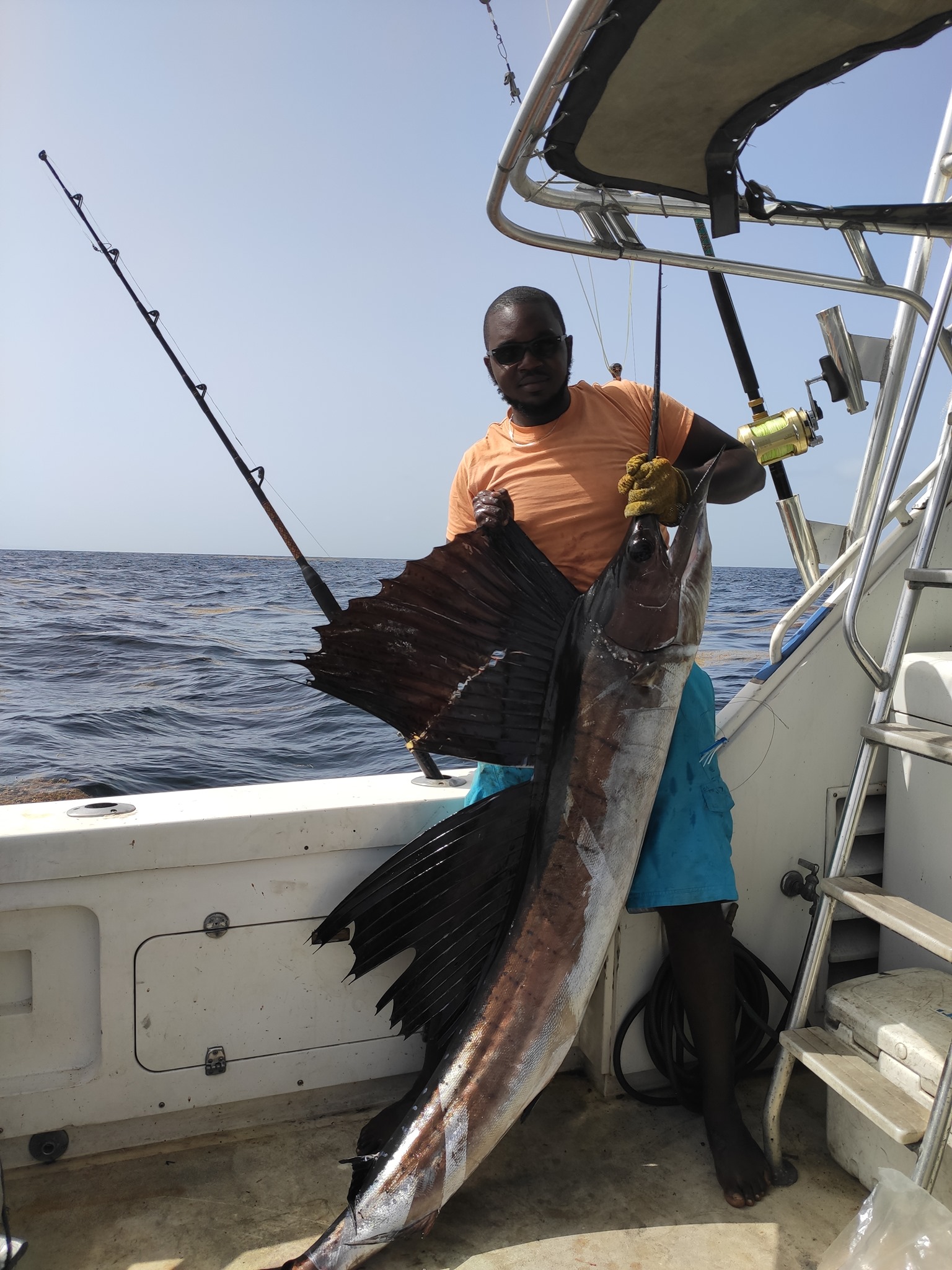
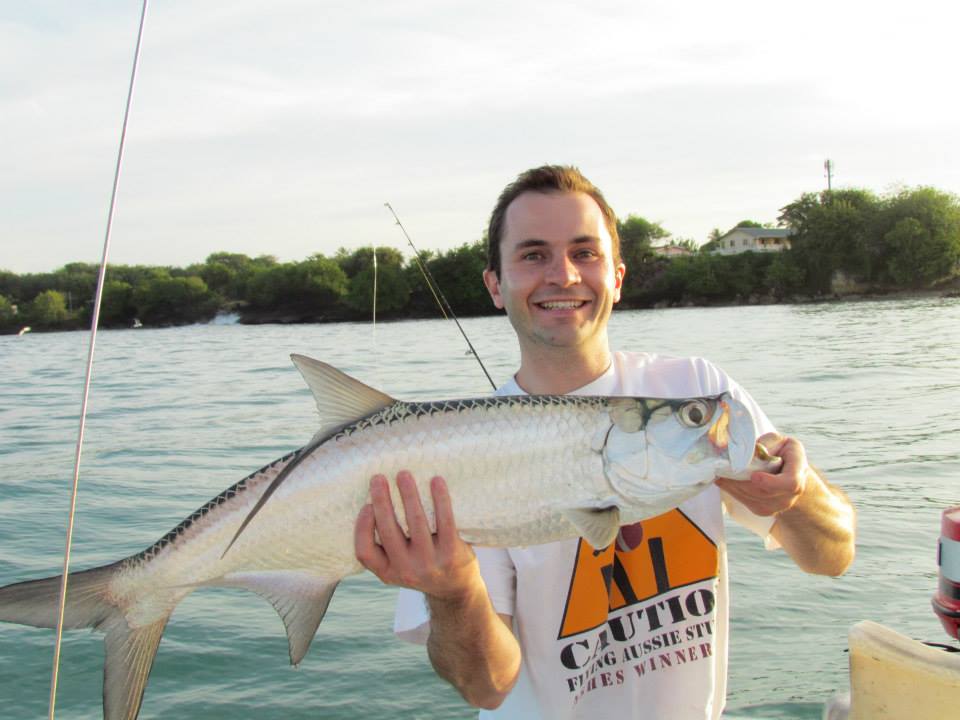
Looking to get your lines wet in some of the Caribbean's most productive waters? This 4-hour private fishing charter with Grand Slam Fishing Charters puts you right where the action is. For $500, you and up to two buddies get exclusive access to Tobago's renowned fishing grounds, where trophy Tarpon, feisty Jack Crevalle, elusive Permit, hard-fighting Snook, and ghost-like Bonefish cruise the flats and deeper channels. Your captain knows these waters like the back of their hand, and with top-rated equipment ready to go, you'll spend more time fighting fish than rigging tackle.
What to Expect on the Water
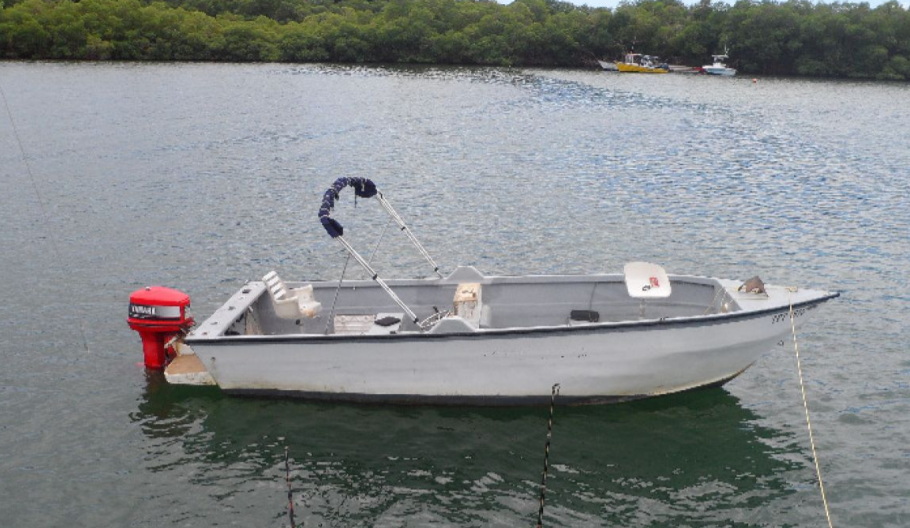
This isn't your typical tourist fishing trip where you're packed in with strangers hoping for scraps. You're getting a private boat with a seasoned captain who's been working these waters for years. The vibe is relaxed but focused – we're here to put fish in the boat, but we're also here to have a good time doing it. Whether you're an experienced angler or picking up a rod for the first time, your guide will adjust the approach to match your skill level. The boat's equipped with quality rods, reels, and tackle suited for everything from delicate bonefish presentations to heavy tarpon battles. You'll fish a mix of shallow flats, mangrove edges, and deeper channels depending on conditions and what's biting that day.
Techniques & Tackle
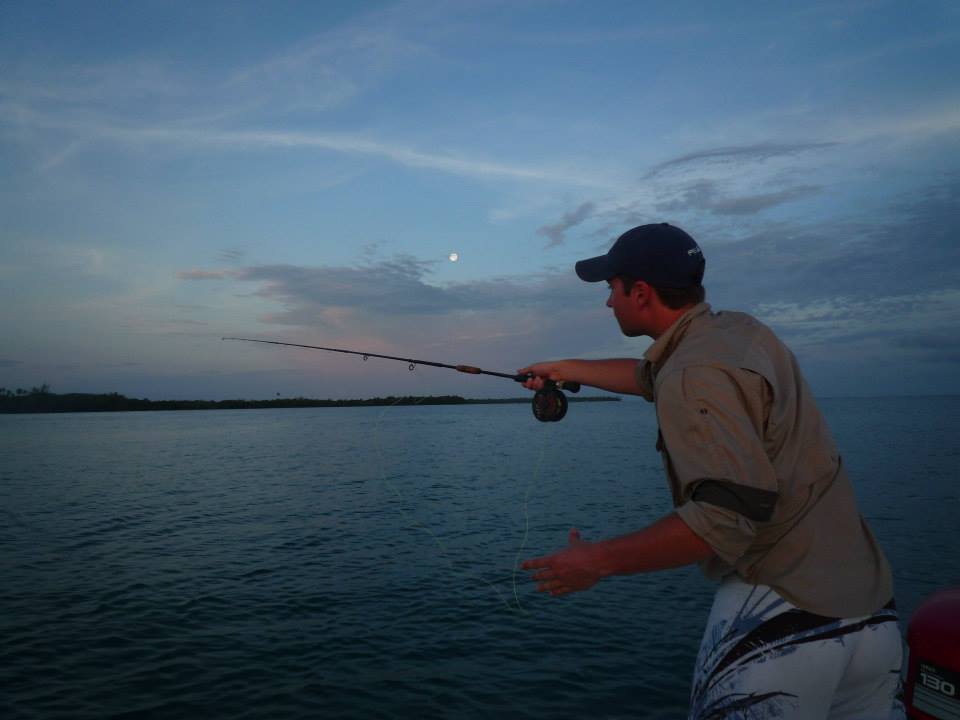
Your captain will have you covering water with a variety of proven techniques. Light tackle sight fishing on the flats for bonefish and permit gets your heart pumping when you spot tailing fish in skinny water. For tarpon, expect to throw live bait around structure or work the channels where these silver kings patrol. Jack Crevalle are opportunistic feeders, so you might catch them on everything from topwater plugs to cut bait. Snook love ambush points around mangroves and drop-offs, where accurate casting with live shrimp or small lures pays off. All rods, reels, tackle, and bait are included, but feel free to bring your own gear if you have preferences. The boat carries spinning and conventional setups in various weights to match the target species and conditions.
Top Catches This Season
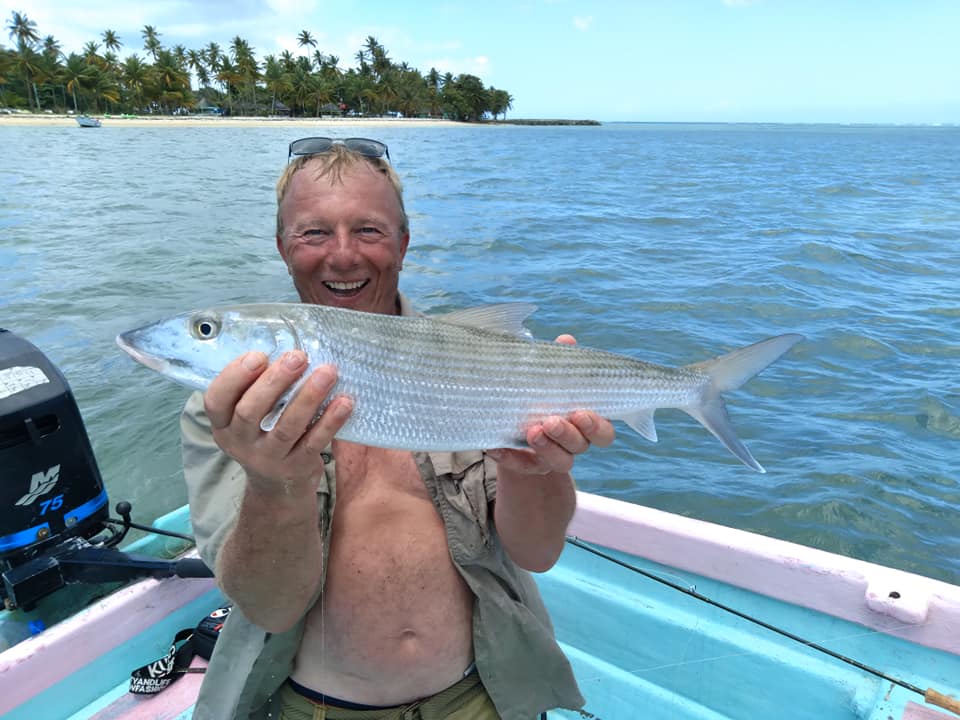
The Tarpon around Trinidad and Tobago are absolute monsters, with fish pushing 100+ pounds common in these waters. They're most active during the warmer months, typically from April through August, when they gather in impressive numbers around the island's productive channels and drop-offs. What makes tarpon fishing here special is the combination of clear water and aggressive fish – you'll often see them rolling on the surface before you hook up, and when you do connect, expect aerial displays that'll have you whooping. These fish test every piece of equipment and every ounce of technique you've got. Bonefish here are particularly spooky, averaging 3-6 pounds with occasional giants pushing 8+ pounds. They cruise the turtle grass flats in small schools or as singles, tailing when they're feeding hard. The challenge is getting within casting range without spooking them – it's a chess match that keeps experienced anglers coming back. Jack Crevalle are the bruisers of the bunch, built like bulldogs and fighting twice their weight. These 10-20 pound fish are aggressive feeders that'll smash topwater lures and strip drag off your reel in powerful runs. They're reliable fighters when other species are finicky. Permit are the holy grail for many flats anglers – they're notoriously picky eaters with incredible eyesight and a habit of following your bait right up to the boat before turning away at the last second. When you do hook one, they make blistering runs across the flats. Even small permit around 5-10 pounds are prized catches. Snook are ambush predators that love structure, averaging 5-15 pounds in these waters. They're particularly active around dawn and dusk, making them perfect targets for early morning or late afternoon trips. Their explosive strikes and acrobatic fights make them a customer favorite.
Time to Book Your Spot
This world-class fishing experience offers serious value for anglers wanting to sample the best of Caribbean fishing without the crowds. At $500 for your private group of up to three people, you're getting personalized attention from an experienced captain, quality equipment, and access to some of the most productive fishing grounds in the region. The 4-hour format gives you enough time to cover different areas and target multiple species while keeping the trip manageable for anglers of all experience levels. Remember, balance payments are cash only at trip's end, so come prepared. Whether you're celebrating a special occasion, introducing someone to saltwater fishing, or just need to get your fish fix, this charter delivers the goods. Book now to secure your spot on the water with Grand Slam Fishing Charters – these private trips fill up fast, especially during peak season.
 Private Trip
 Inshore Fishing
 Tobago


 Private 4-hour deep sea fishing charter for three guests