Deep Sea Fishing NC - Gulf Stream Adventure
When you're talking serious offshore action, nothing beats a run to the Gulf Stream with Hoo Hunter Sportfishing. This isn't your typical half-day charter – we're talking a full 12-hour commitment that puts you 45-60 miles from shore, right where the big fish live. The Gulf Stream's warm waters hold some of North Carolina's most prized gamefish, and with only 6 anglers max on board, everyone gets prime time with the rods. You'll be targeting the heavy hitters: blue marlin, white marlin, sailfish, wahoo, and blackfin tuna. Plus, when the pelagic bite slows down, we'll drop to the bottom for some variety. Pack your lunch, bring your A-game, and get ready for what could be the fishing trip of a lifetime.
What to Expect on the Water
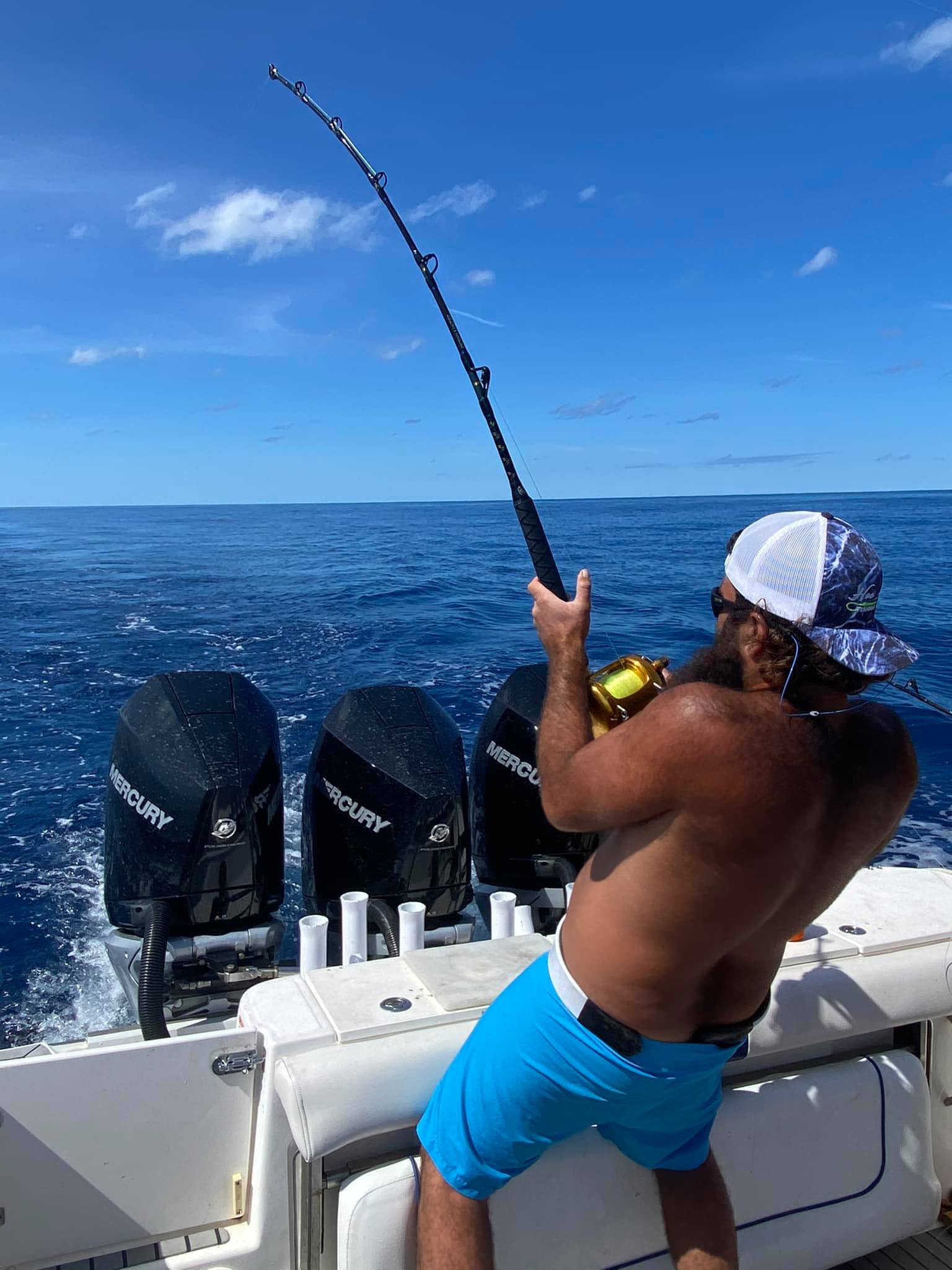
Your day starts before sunrise – we're talking 5 AM departure to make the most of prime fishing hours. The run out takes about 2-3 hours depending on where the fish are marking, but that's part of the adventure. You'll watch the coastline disappear as we punch through the continental shelf and hit that magical blue water where the Gulf Stream flows. The temperature break is usually obvious – you can literally see where the green inshore water meets that deep cobalt blue. That's where we start working. The boat stays busy all day with a mix of high-speed trolling for pelagics and targeted bottom fishing when conditions are right. Captain and crew handle the heavy lifting – rigging baits, clearing lines, and coaching you through fights. Your job is simple: hang on and enjoy the ride.
Techniques and Tackle
We run a serious spread when trolling the Stream – typically 6-8 lines at different depths and distances. You'll see a mix of ballyhoo, cedar plugs, diving plugs, and skirted lures working behind the boat at 8-12 knots. The outriggers keep everything spread wide, while the flat lines and shotgun position cover the prop wash. All tackle is tournament-grade: 50-80 pound class reels spooled with fresh line and sharp hooks. When we switch to bottom fishing, we're talking heavy conventional reels with 3-5 pound sinkers to get through the current. Electric reels help when you're pulling up grouper and snapper from 200+ feet. The crew preps all the baits fresh – whole ballyhoo get rigged with wire, while bottom rigs get dressed with squid, cut bait, or whatever's working that day. If you've got your own lucky rod, bring it along, but everything you need is already on board.
Top Catches This Season
White marlin are the bread and butter of North Carolina's Gulf Stream fishery. These fish typically run 40-80 pounds and are absolute rockets when hooked. Peak season runs May through September, with the best action happening during the summer months when water temperatures hit 75-80 degrees. They love the temperature breaks and current edges where baitfish stack up. What makes white marlin special is their attitude – they'll come up hot behind the spread, often teasing multiple baits before committing. When one eats, it's usually a spectacular aerial display that'll have everyone scrambling for cameras. Most anglers practice catch-and-release with billfish, making for great photos and fish stories.
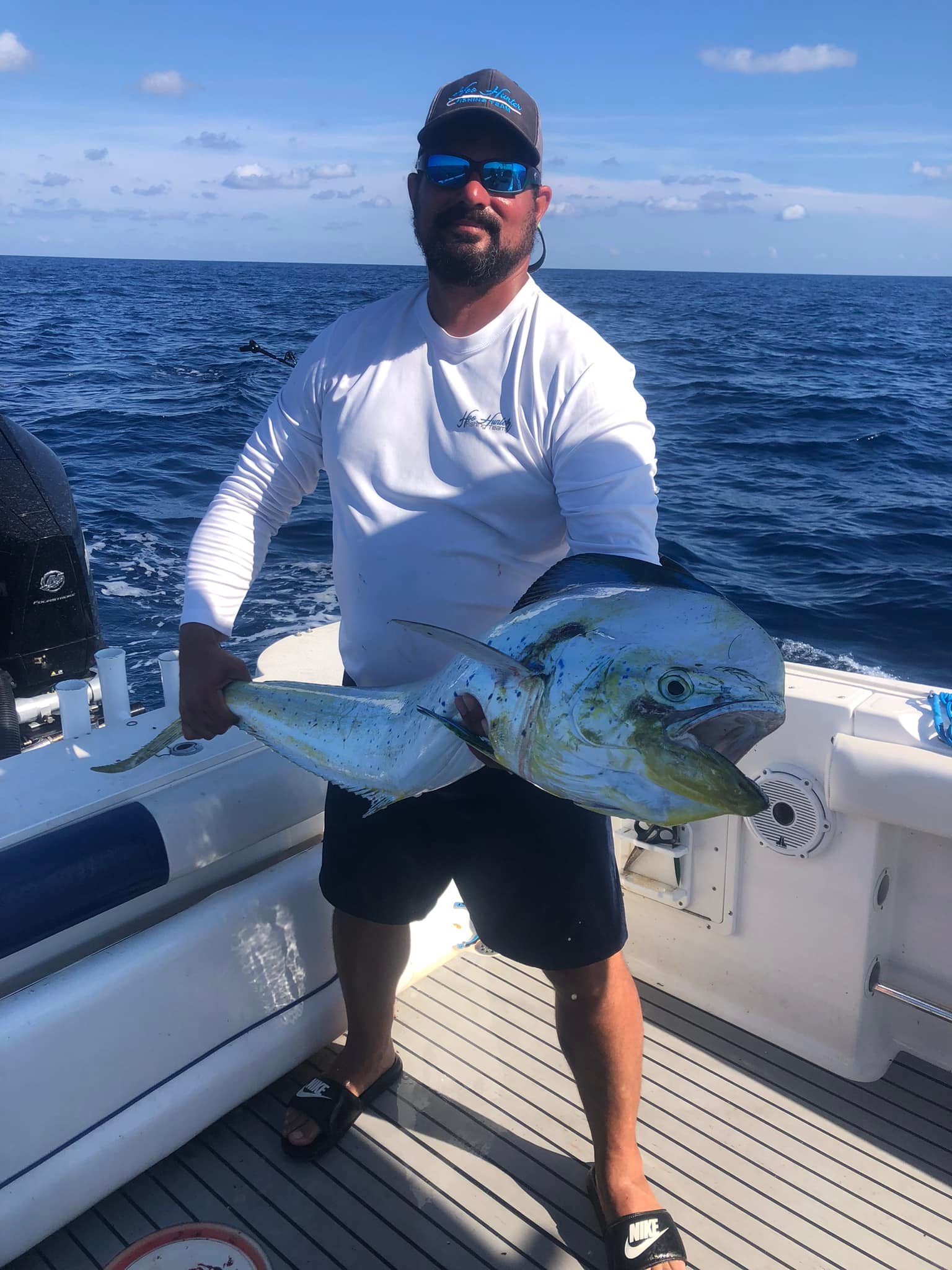
Blackfin tuna might be the most underrated fighters in these waters. Running 15-30 pounds on average, they punch way above their weight class and taste even better. These fish school up around structure and temperature breaks, often mixing with dolphin and smaller yellowfin. They're year-round residents but really turn on during spring and fall migrations. Blackfins will hit everything from small feathers to ballyhoo, and they're notorious for doubling up when you find a hot school. Unlike their bigger yellowfin cousins, blackfins come up relatively easy, making them perfect for anglers who want fast action without the 2-hour fights.
Atlantic sailfish bring the flash and style to any Gulf Stream trip. These fish are pure show – jumping, tail-walking, and generally putting on a circus when hooked. They're smaller than their Pacific cousins, usually 30-50 pounds, but what they lack in size they make up for in acrobatics. Peak sailfish season runs September through April, when cooler water temperatures push them closer to shore. They're suckers for a well-presented ballyhoo or slow-pitched live bait. The fights are fast and spectacular, usually lasting 15-20 minutes of non-stop action. Like other billfish, most sailfish are released, but the bragging rights last forever.
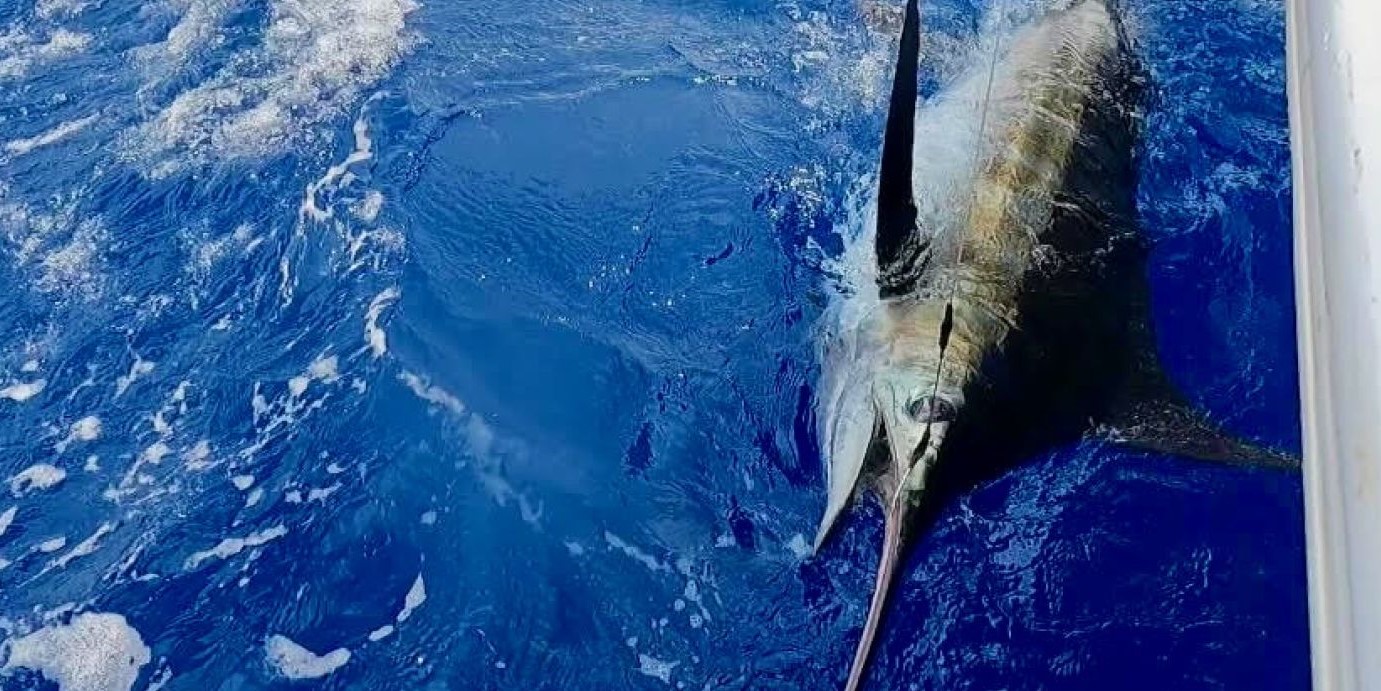
Blue marlin are the holy grail – the fish every offshore angler dreams about. North Carolina sees fish from 200 pounds up to true giants over 500 pounds. Peak season is June through September when the water's warmest and baitfish are thick. These fish are ambush predators, often following the spread for miles before making a move. When a blue marlin eats, everything changes. The reel screams, the angler gets strapped into the fighting chair, and everyone else clears the deck. Fights can last anywhere from 30 minutes to several hours, depending on the fish's size and attitude. Even smaller blues are incredibly powerful, capable of long runs and spectacular jumps that'll leave your arms shaking.
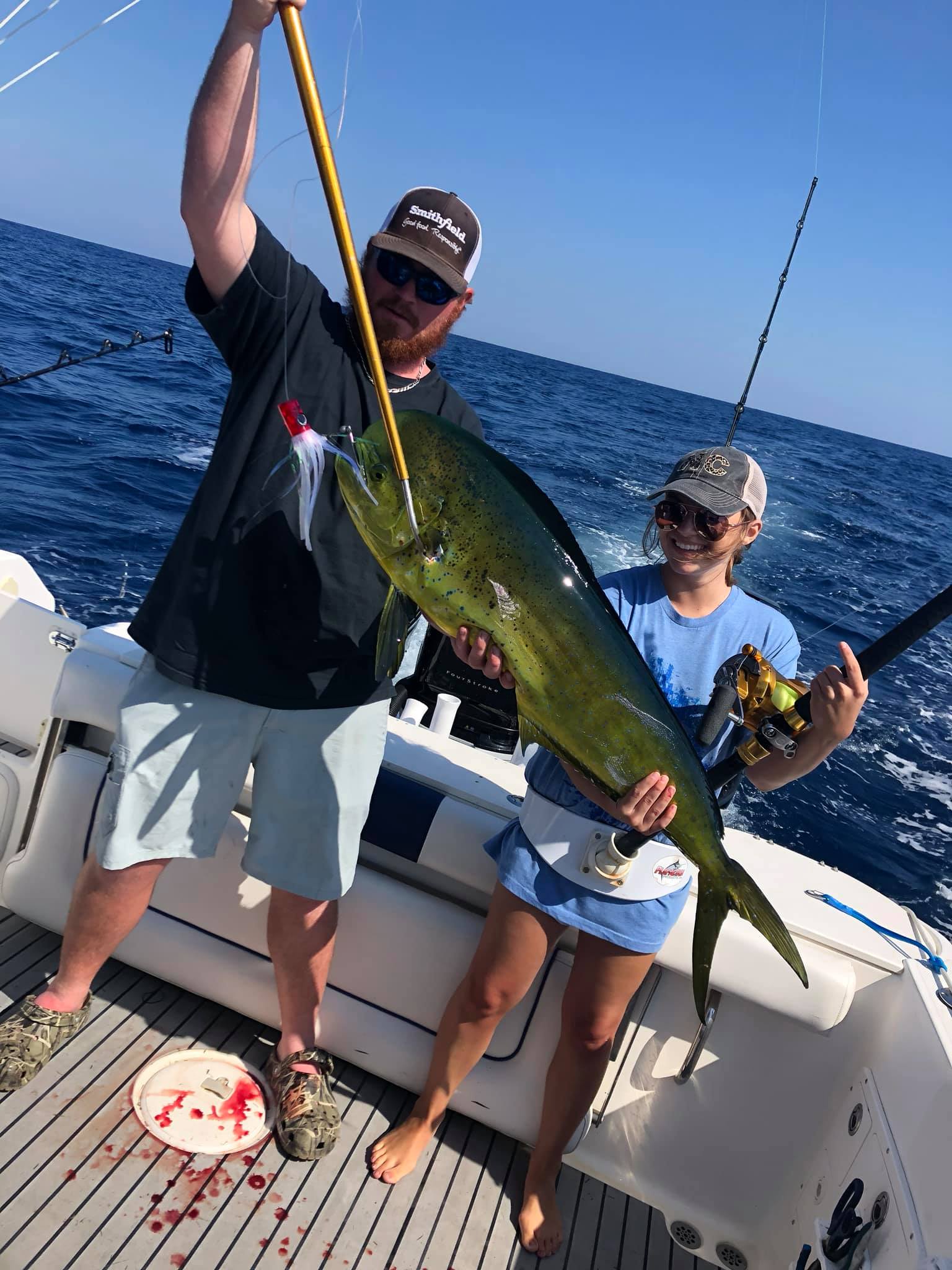
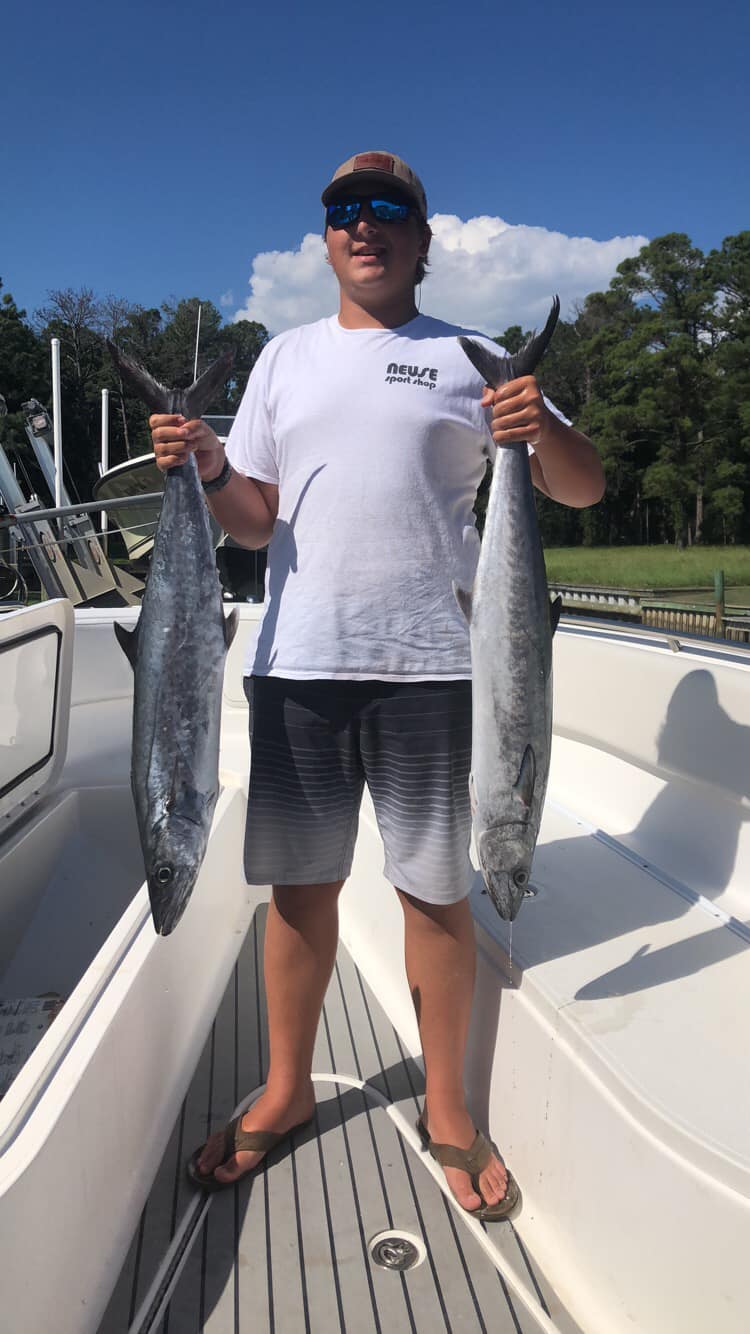
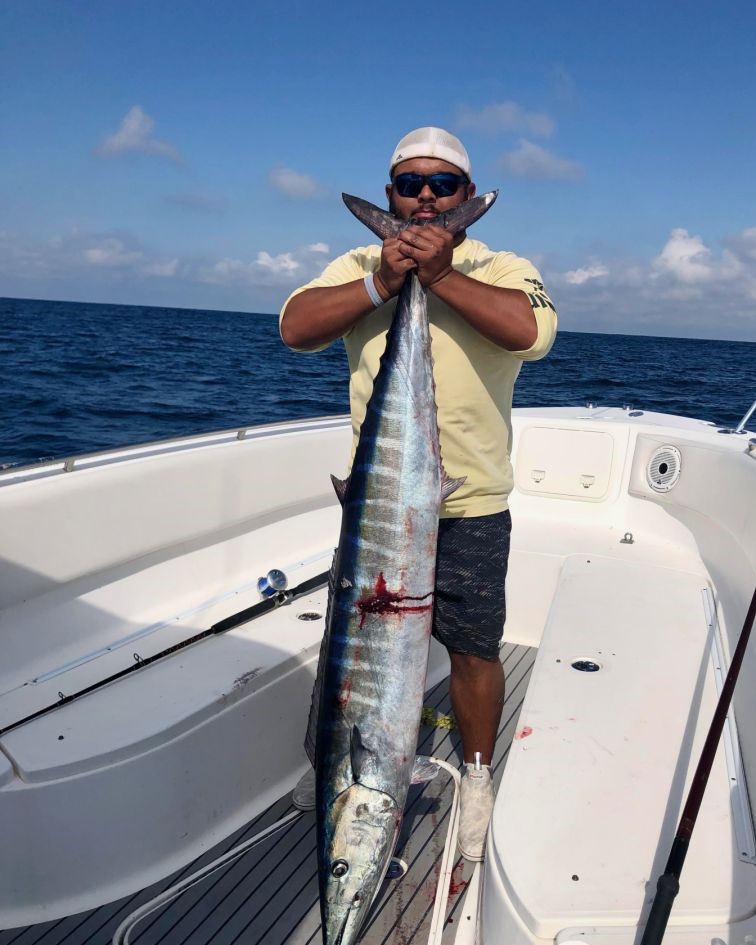
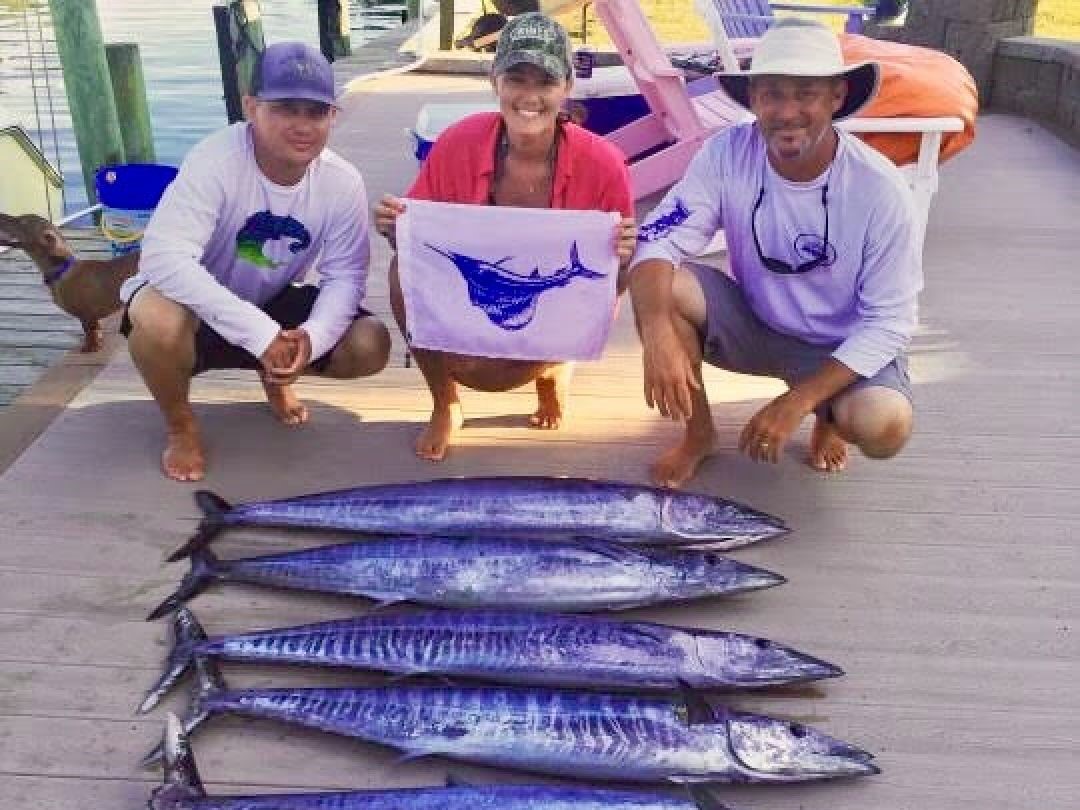
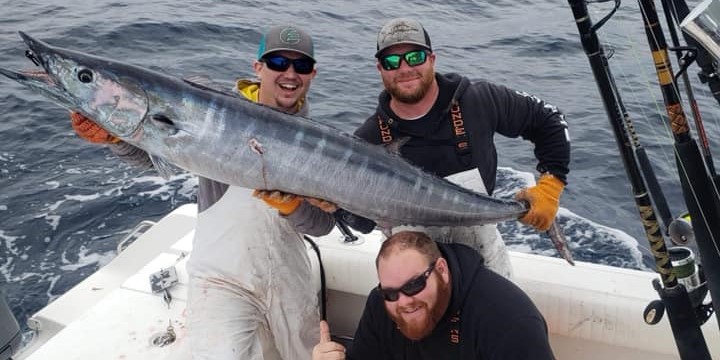
Wahoo are the speed demons of the offshore world, capable of hitting 60+ mph and stripping hundreds of yards of line in seconds. These fish typically run 20-60 pounds in North Carolina waters, with the occasional monster pushing 80+. They're structure-oriented, often found around temperature breaks, current edges, and drop-offs. Wahoo have razor-sharp teeth and incredible speed, making wire leaders essential. They'll hit high-speed trolled lures, especially diving plugs and ballyhoo combinations pulled at 12-15 knots. The initial run is usually the
 Private Trip
 Offshore Fishing
 Washington


 12-hour Gulf Stream expedition targeting premium offshore species