Hatteras Light Tackle Fishing Adventure
When you're looking for a solid afternoon on the water around Hatteras, Captain John's 4-hour light tackle trip delivers exactly what you'd expect from these legendary fishing grounds. Starting at 4 PM, you'll get those prime evening hours when fish start feeding more actively as the day cools down. This isn't some cattle boat operation – we keep it small with just 4 anglers max, so everyone gets plenty of room to cast and actual attention from the captain. The Outer Banks waters around Hatteras are famous for good reason, and this trip puts you right in the middle of some of the best inshore action on the East Coast.
What to Expect on the Water
Captain John knows these waters like the back of his hand, and he'll put you on fish using light tackle that makes every catch feel like a real fight. We're talking about fishing the sound side flats, channel edges, and structure where redfish cruise and cobia patrol. The afternoon timing works perfect because you'll hit that sweet spot when the tide changes and baitfish start moving around. Expect to cover different spots depending on conditions – maybe some shallow water sight fishing if the reds are tailing, or working deeper channels if the Spanish mackerel are running. The light tackle approach means you'll feel every head shake and run, whether it's a bull red peeling drag or a feisty speckled trout dancing on the surface. Captain John provides all the gear, but if you've got your own favorite rod, feel free to bring it along.
Techniques & Tackle Setup
Light tackle fishing here means spinning gear in the 2500-4000 reel size range paired with 7-foot medium action rods – perfect for casting artificial lures and handling live bait presentations. We'll be throwing everything from soft plastics on jig heads for redfish to small spoons and Gotcha plugs when the Spanish mackerel show up. Live bait plays a big role too, especially finger mullet and shrimp fished around structure for cobia and larger trout. The beauty of light tackle is versatility – you can work a Z-Man paddletail through grass flats one minute, then pitch a live bait to a bridge piling the next. Captain John reads conditions and adjusts tactics accordingly, whether that means switching to topwater when fish are busting bait or going with scented soft plastics when they're being finicky. The gear handles everything from schoolie reds to trophy-sized fish, and you'll appreciate that lighter setup when you're fighting a 40-inch cobia for ten minutes.
Species You'll Want to Hook
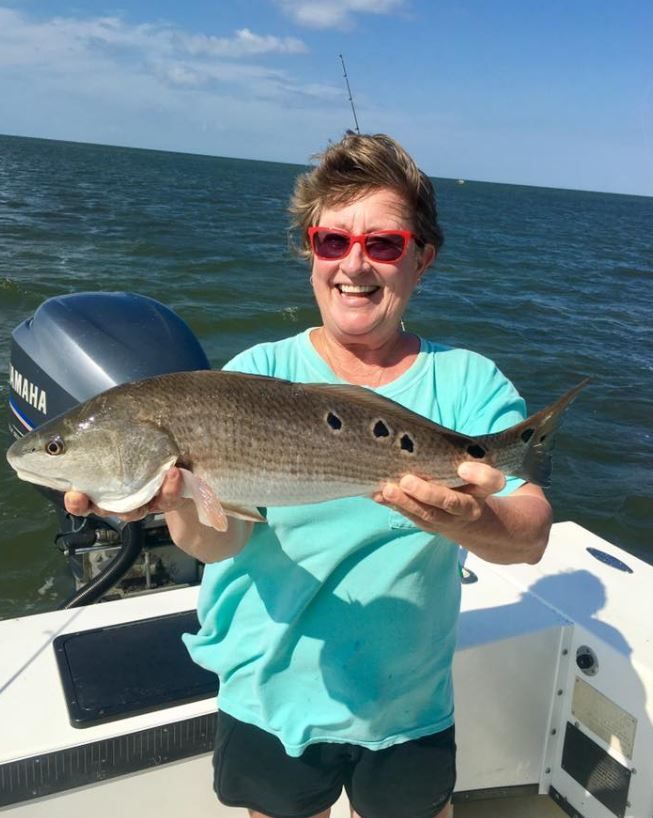
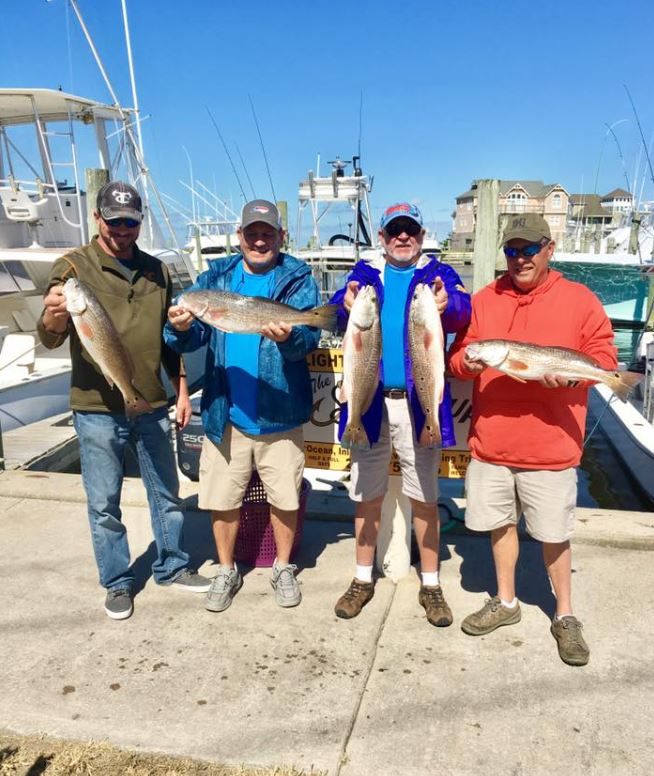
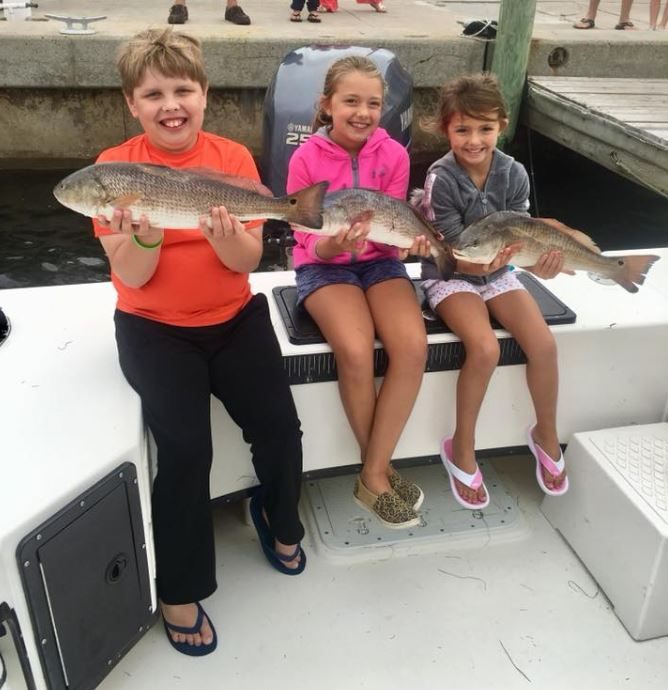
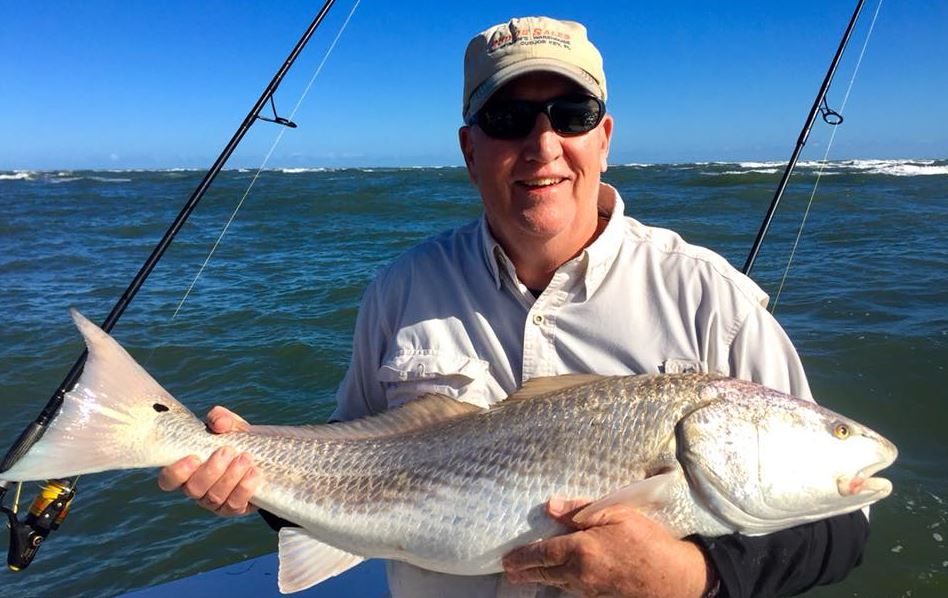
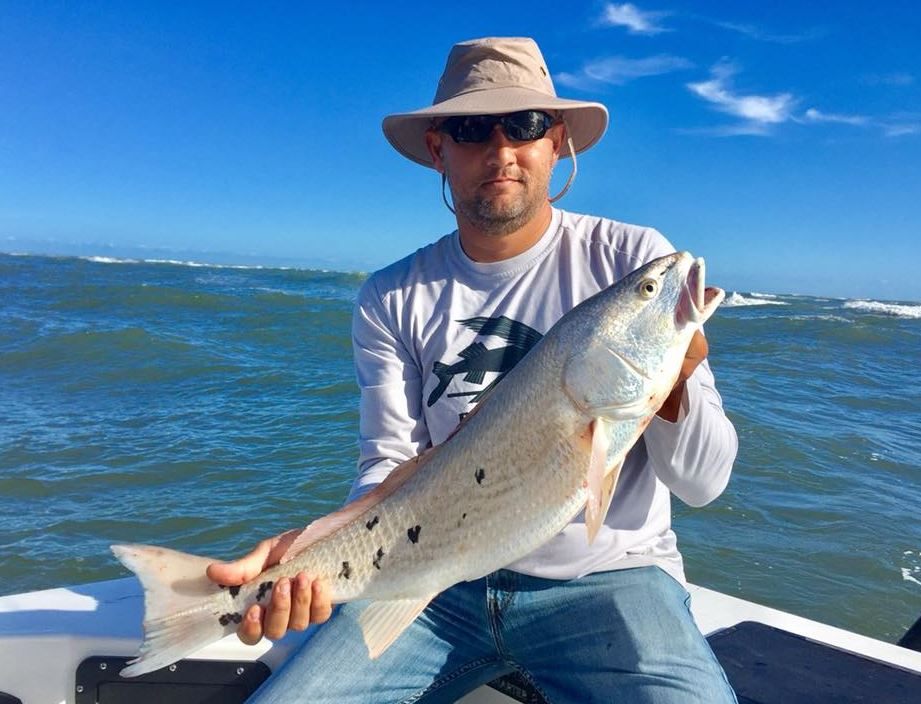
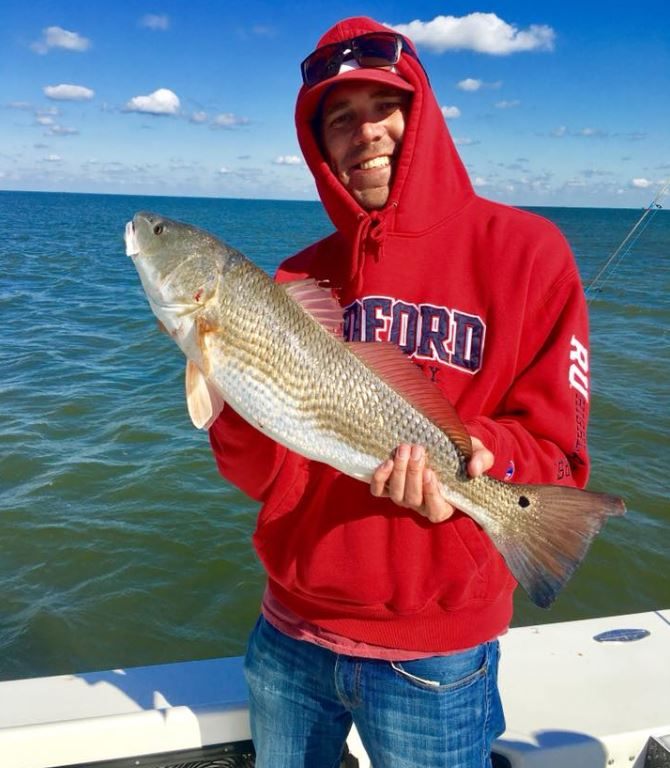
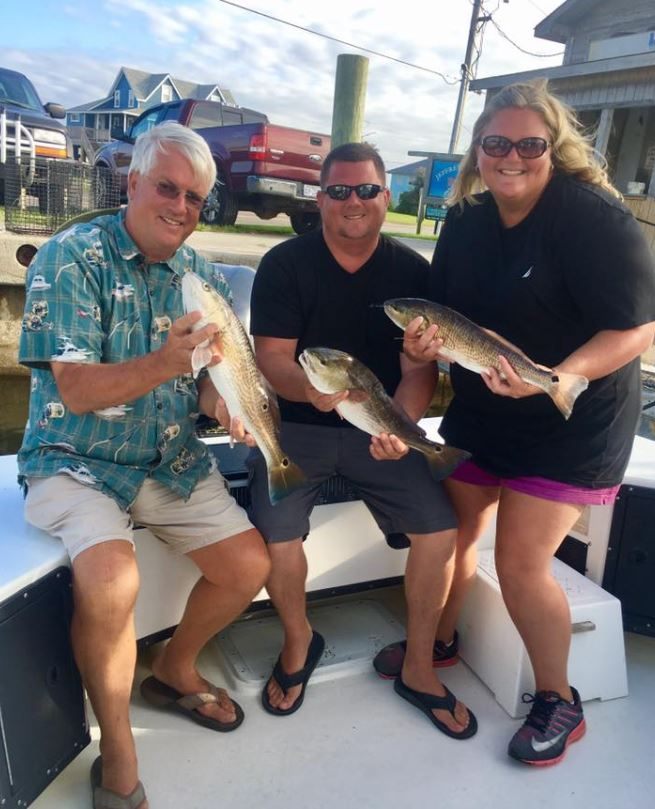
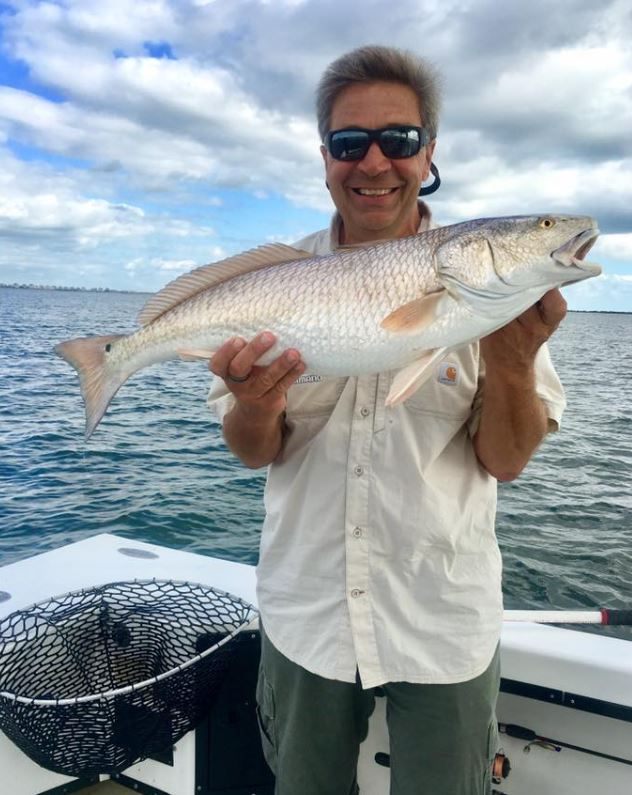
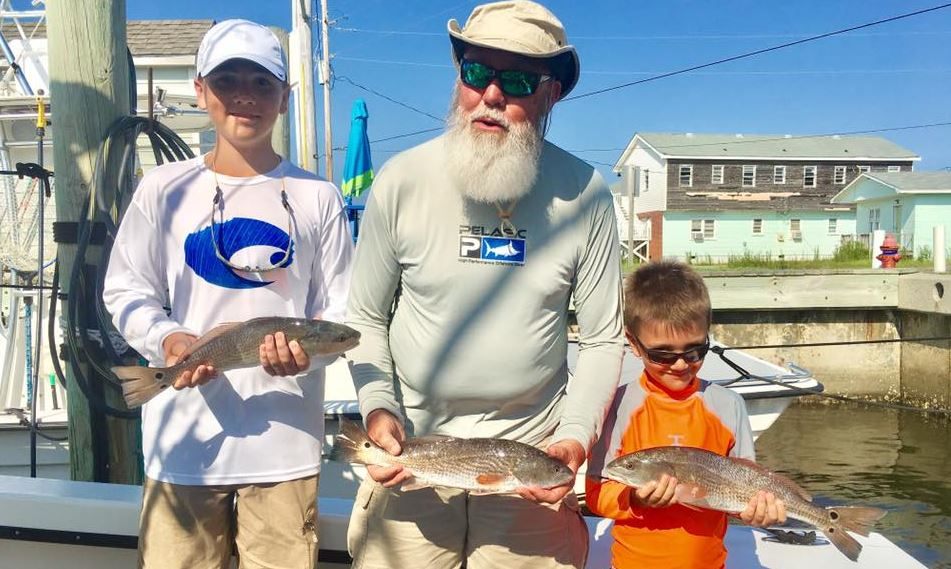
Redfish are the bread and butter of Hatteras inshore fishing, and for good reason. These copper-colored bruisers range from slot-sized fish around 18-27 inches up to bull reds that'll go 35-45 inches and fight like they're twice that size. Spring through fall offers the most consistent action, with fish feeding aggressively in shallow water where you can sight cast to them. What makes reds special is their attitude – they'll crush a topwater plug in two feet of water and then bulldoze toward the nearest structure, testing your drag and your nerve. The sound side flats around Hatteras hold good numbers, and Captain John knows exactly where to find them based on tide, wind, and season.
Cobia show up around Hatteras from late spring into early fall, and they're one of the most exciting inshore species you can target on light tackle. These brown sharks (as some folks call them) cruise around structure, channel markers, and even follow rays in shallow water. A 30-pound cobia on light tackle will give you a workout you won't forget, making long powerful runs and testing every knot. They're curious fish too, often following lures right to the boat before deciding whether to eat. Captain John's got the eyes to spot them cruising and the knowledge to put a bait right in their path.
Spanish mackerel bring pure action when they're around, typically showing up in good numbers during summer and early fall. These speedsters hit small lures hard and fast, perfect for light tackle fishing. While they're not huge – most run 1-3 pounds – they make up for size with sheer numbers and willingness to bite. When you find a school of Spanish, it's game on with multiple hookups and non-stop action. They're also great fish for kids or anyone who wants to feel that rod bend frequently.
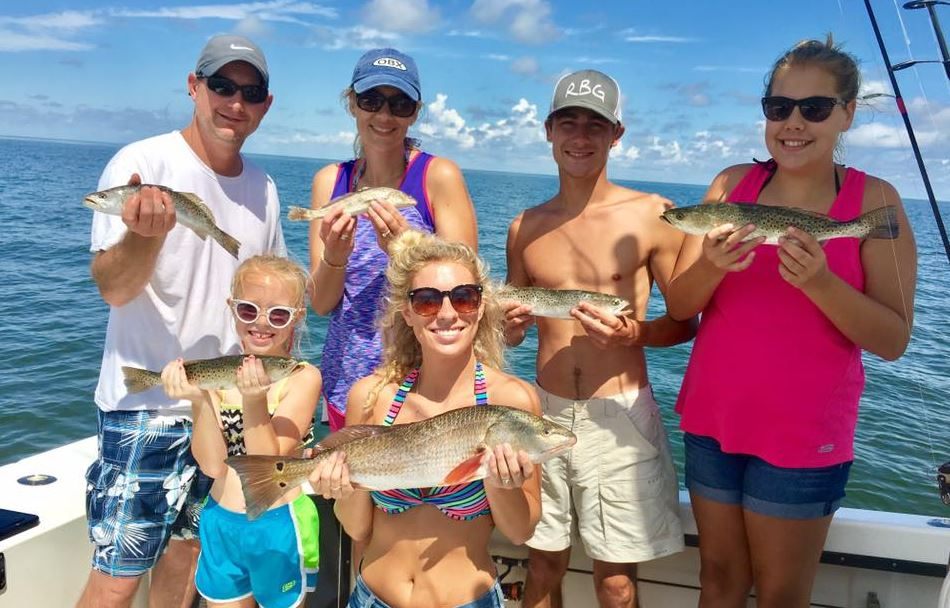
Brook trout, or speckled trout as they're known locally, are the most technical fish on this list and probably the most satisfying to catch consistently. These spotted beauties relate to grass flats, channel edges, and drop-offs, feeding on everything from small baitfish to shrimp. They can be finicky, requiring precise presentations and the right lure choice. A good speck will go 2-4 pounds around here, with occasional fish pushing 6-7 pounds that qualify as true gator trout. They're beautiful fish with excellent table fare, and catching them consistently separates good anglers from great ones.
Time to Book Your Spot
Hook Up Charters has built a solid reputation around Hatteras because Captain John delivers what he promises – a genuine fishing experience focused on putting you on fish rather than just burning gas. The 4-hour window gives you enough time to hit multiple spots and target different species without feeling rushed, while the 4 PM start means you'll fish through those prime evening hours when everything starts feeding. With only 4 spots available, you're getting personalized attention and plenty of room to fish effectively. Whether you're looking to introduce kids to saltwater fishing, want to experience Hatteras inshore fishing for the first time, or just need a solid half-day trip that fits your schedule, this charter hits the mark. The Outer Banks fishing scene can be hit or miss depending on who you fish with, but Captain John's local knowledge and commitment to light tackle fishing makes this trip a smart choice for
 Private Trip
 Inshore Fishing
 Hatteras, NC


 Four-hour inshore fishing charter in Hatteras waters