Extended Half-day Palm Coast Inshore Fishing
When you want to fish Palm Coast's Intracoastal Waterway the right way, this 6-hour charter with Hurricane Fishing Charters gives you the time and flexibility to do it properly. We're not rushing through spots or cutting the trip short when the bite gets hot. This extended half-day trip lets us work the tides, hit multiple zones, and even venture out to the beach or shrimp boats when conditions line up perfectly. It's fishing the way it should be done - with enough time to adapt and chase wherever the fish are biting best.
What to Expect on the Water
Palm Coast's Intracoastal Waterway is a maze of creeks, oyster bars, and grass flats that hold some serious fish, and we've got six hours to work it all. We'll start where the conditions and tides look most promising, whether that's drifting live bait along the channel edges or working topwater plugs over shallow grass beds. The beauty of this extended trip is we can move with the fish - if the redfish are cruising the flats early, we'll be there waiting. When the tide shifts and pushes baitfish into the creeks, we'll follow them in. On days when the wind lays down and the surf looks good, we might run out to work the beach for tarpon or hit up some shrimp boats where the jacks and drums like to hang. With just three anglers max, everyone gets plenty of room to work and personalized attention to dial in their technique.
Techniques & Tackle Setup
We fish this water with a mix of live bait and artificials, depending on what the fish want that day. You'll be throwing everything from DOA shrimp under popping corks to live pilchards on circle hooks along the mangrove edges. The grass flats call for weedless spoons and soft plastics rigged Texas-style, while the deeper channels fish well with jigs bounced along the bottom. We keep the tackle matched to the target - medium-heavy spinning rods with 20-pound braid for most situations, but we'll bump up to heavier gear if we're targeting big tarpon or drum. The key is reading the water and matching your presentation to what's happening. Shallow, clear water means longer leaders and natural presentations. Murky water or strong current lets us get away with heavier tackle and more aggressive retrieves. We'll walk you through the techniques as conditions change throughout the day.
Top Catches This Season
Snook are the crown jewel of Palm Coast inshore fishing, and these ambush predators know how to use structure to their advantage. They'll stack up along mangrove shorelines, under docks, and around oyster bars, waiting to blast whatever baitfish gets too close. Best fishing is typically early morning and late afternoon when they're most active, though overcast days can keep them feeding all day long. What makes snook special is their explosive strike and acrobatic fight - they'll jump, shake their heads, and try every trick to throw the hook. Plus, they're beautiful fish with that distinctive black lateral line. Most of our Palm Coast snook run 20 to 30 inches, with slot-sized fish being perfect for a photo before release.
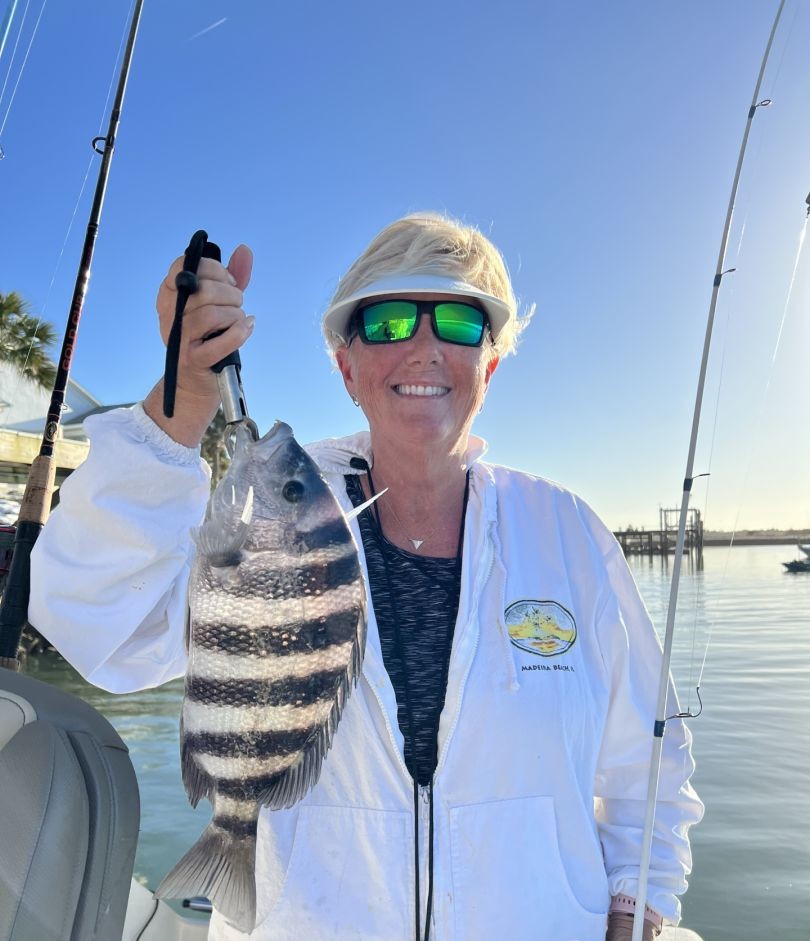
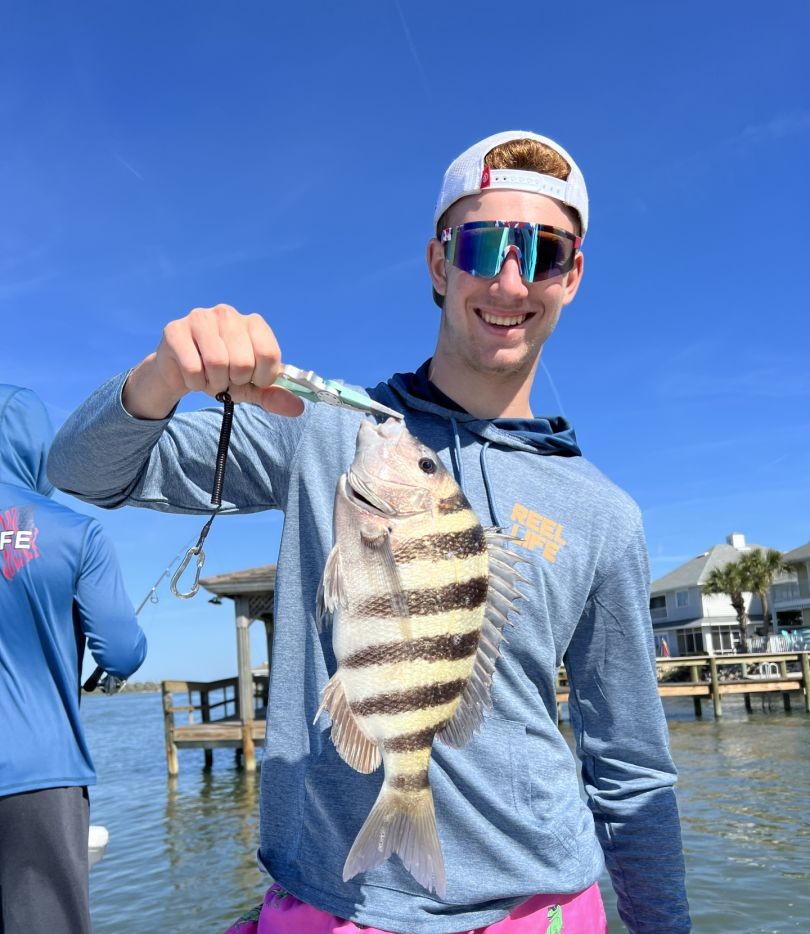
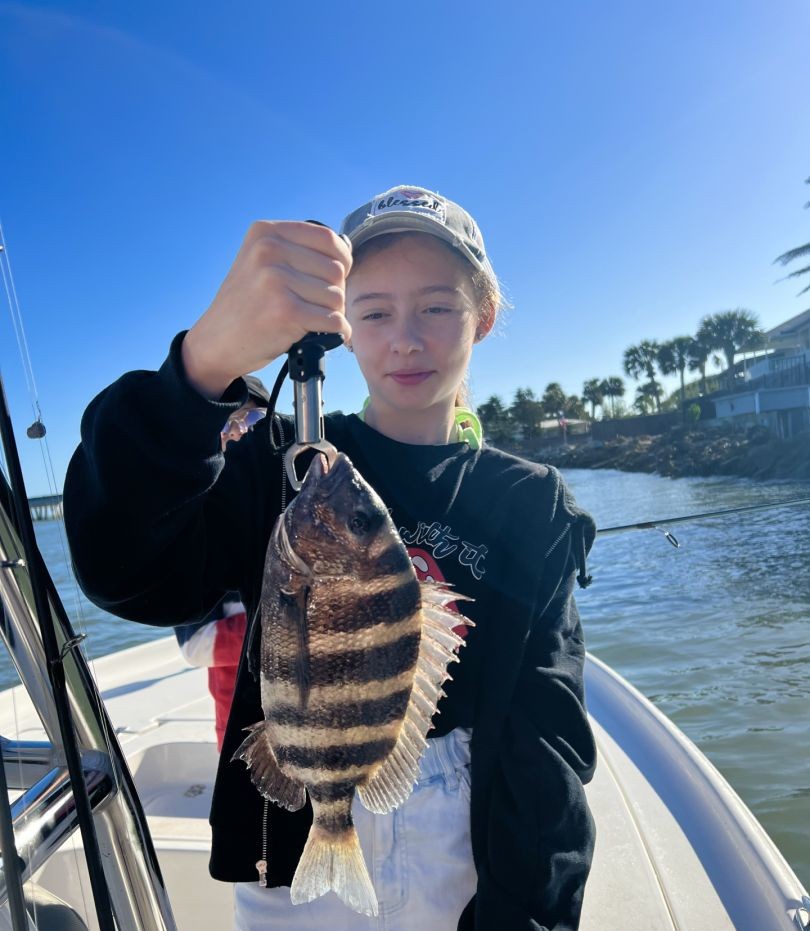
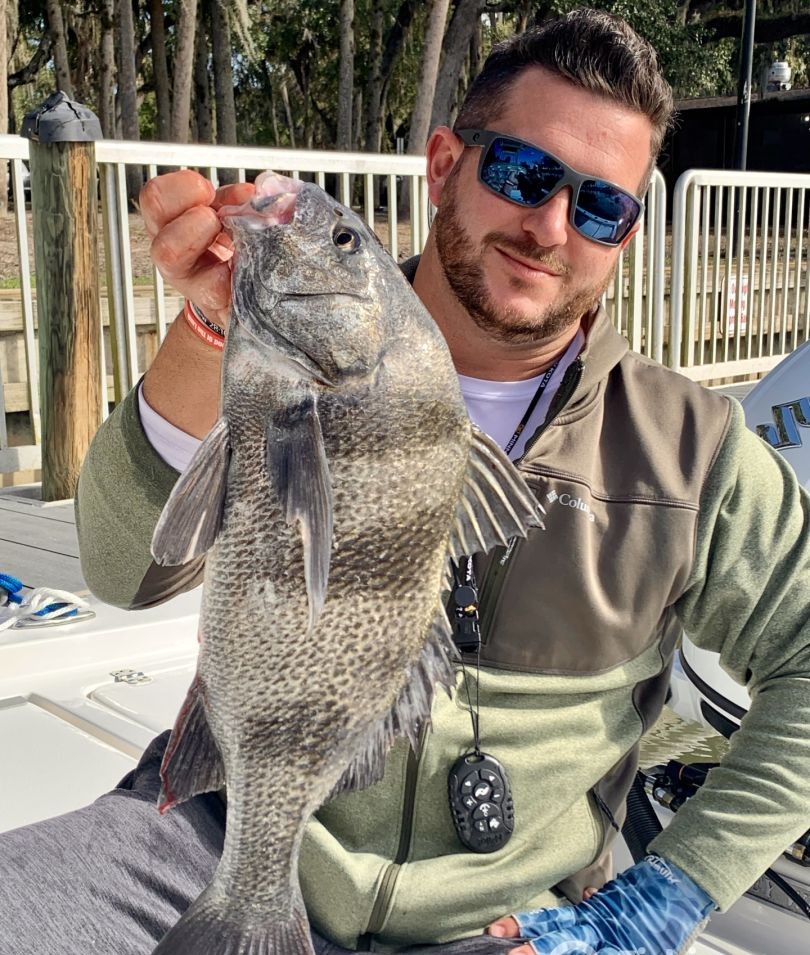
Black drum are the bulldogs of the inshore waters, and Palm Coast's oyster bars and grass flats hold some solid fish year-round. These bottom-feeders cruise in schools, using their downturned mouths to vacuum up crabs, shrimp, and worms from the mud and sand. They're not flashy fighters, but they make up for it with pure power and endurance. A good drum will put a serious bend in your rod and test your drag system. We typically find them in 3 to 8 feet of water, especially around structure where the current creates feeding opportunities. Most fish run 15 to 25 inches, though we occasionally connect with bull drum that can stretch over 30 inches and really put the hurt on your arms.
Tarpon are the silver kings of inshore fishing, and when they show up in Palm Coast waters, everything else takes a back seat. These prehistoric fish can grow over 100 pounds and jump completely out of the water when hooked. We typically see them rolling on the surface in channels and near beach drop-offs, especially during warmer months. They're primarily catch-and-release fish, but the fight alone is worth the trip. Tarpon will test everything - your tackle, your technique, and your endurance. Most of our inshore tarpon run 20 to 60 pounds, which is plenty big enough to provide the fight of a lifetime. The key is keeping steady pressure without pulling too hard and letting them jump when they want to.
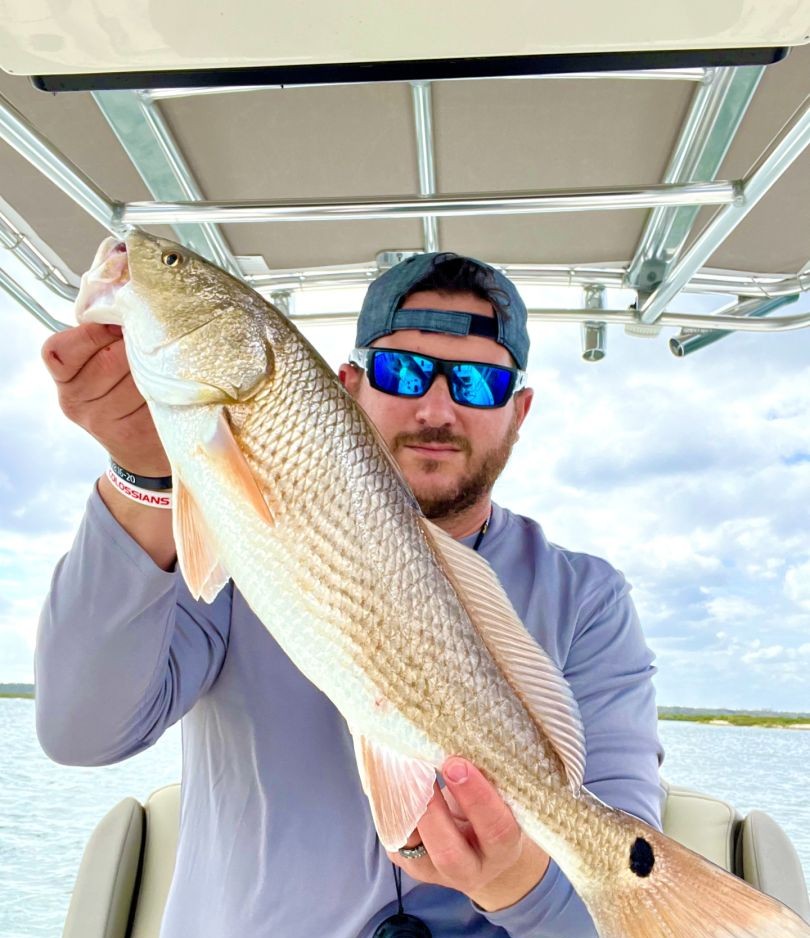
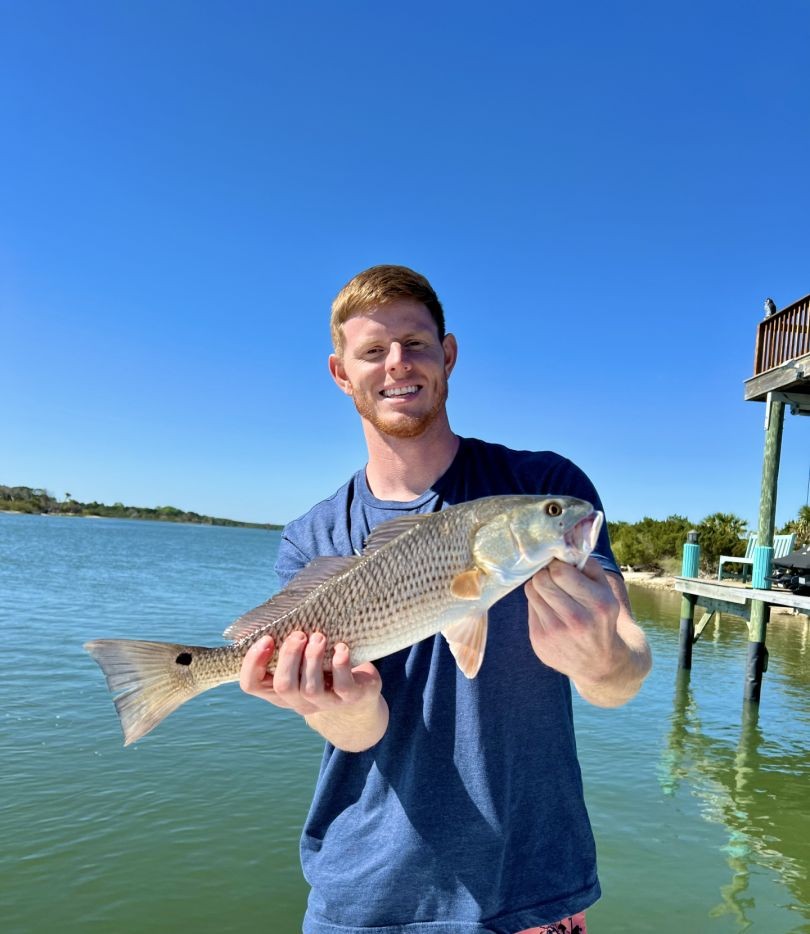
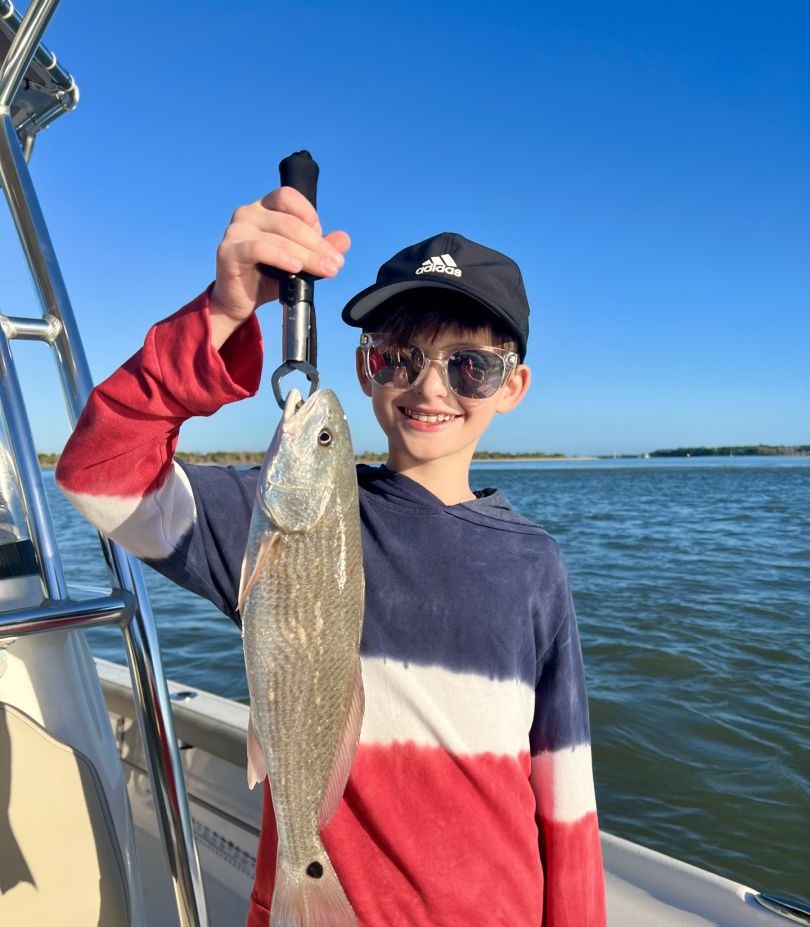
Redfish are the bread and butter of Palm Coast inshore fishing, and for good reason. These copper-colored bruisers are aggressive feeders that will hit both live bait and artificials with equal enthusiasm. They love shallow grass flats where they can tail and root for crabs and shrimp, but they'll also cruise deeper waters along channel edges. Reds are strong fighters that use their broad tails to bulldoze through the water, making long runs and powerful head shakes. We fish for them year-round, but fall and winter often provide the best action when they school up in larger numbers. Most slot reds run 18 to 27 inches and make excellent table fare if you decide to keep one for dinner.
Crevalle jack might not win any beauty contests, but they make up for it with raw power and attitude. These yellow-tinged fighters are aggressive predators that travel in schools, attacking baitfish with reckless abandon. When you find a school of jacks feeding, the action can be non-stop with multiple hookups and bent rods all around the boat. They're incredibly strong for their size, making blistering runs and fighting all the way to the boat. We typically find them around structure, bait schools, and shrimp boats where easy meals are available. Most
 Private Trip
 Inshore Fishing
 undefined, undefined


 Six-hour guided fishing charter covers inshore and beach waters