Full-Day Palm Coast Inshore Fishing Adventure
Looking for a solid day on the water targeting some of Florida's most sought-after inshore species? This 7-hour guided charter with Hurricane Fishing Charters takes you through Palm Coast's prime fishing waters, where the Intracoastal Waterway meets productive tidal creeks and grass flats. You'll have shots at snook, redfish, black drum, tarpon, and crevalle jack while exploring some of the most diverse inshore habitat on the east coast. Captain's got the local knowledge to put you on fish, whether you're dead serious about filling the cooler or want to mix in some sightseeing between bites. The boat holds up to three anglers, so you're getting personalized attention and plenty of elbow room to work your techniques.
What to Expect on the Water
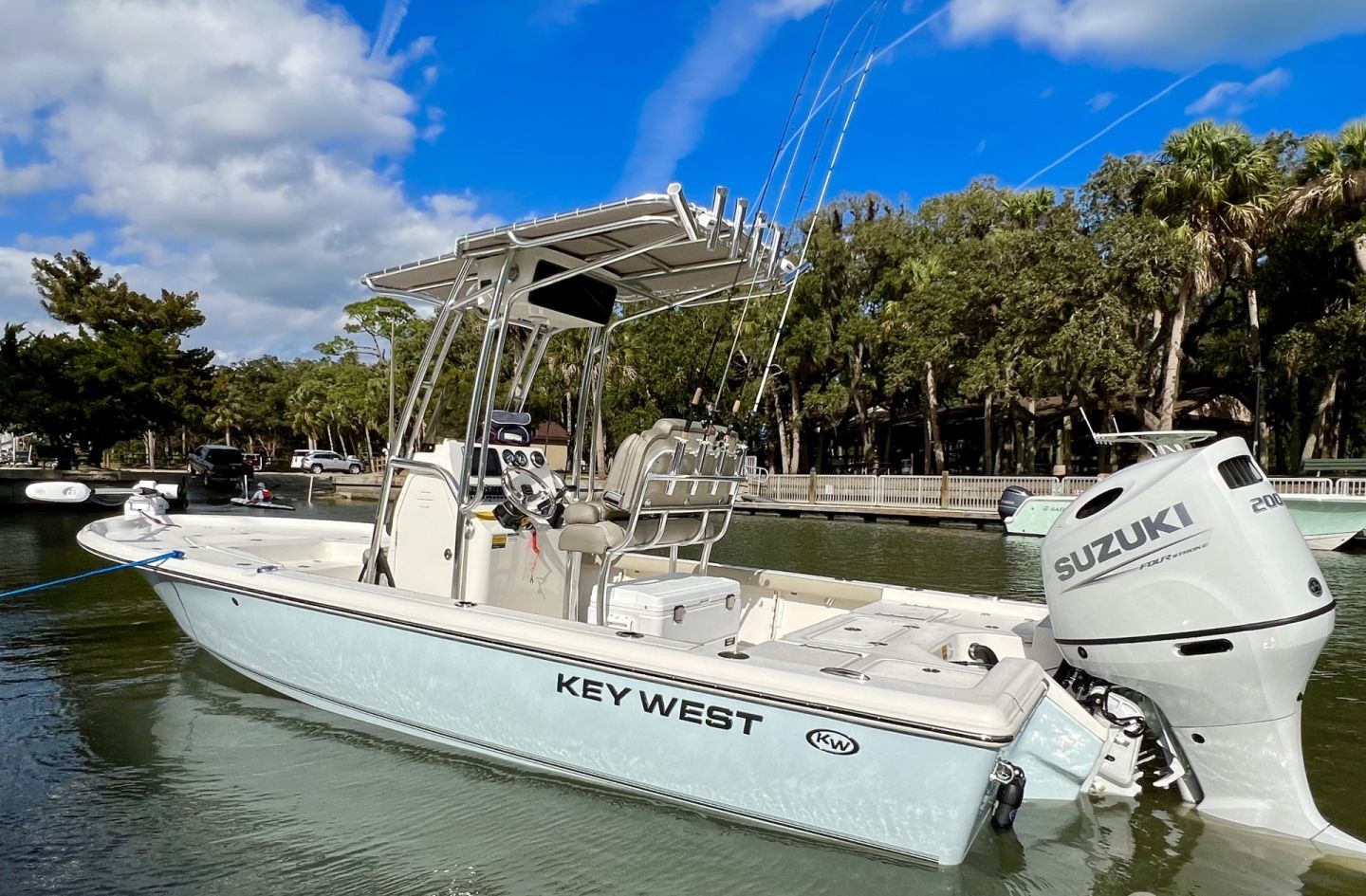
Your day kicks off early, hitting multiple zones where different species hang out depending on tides, bait movement, and seasonal patterns. The Intracoastal gives you deeper water opportunities for tarpon and bigger drum, while the shallow flats and creek mouths are prime real estate for snook and reds. Captain reads the water conditions and adjusts the game plan accordingly – some days you'll work the beaches when bait is thick, other times you'll shadow shrimp boats when they're working nearby waters. The beauty of this charter is flexibility. Want to spend an hour beachcombing on a barrier island between fishing spots? No problem. Interested in watching dolphins work a school of mullet? That's part of the experience. The boat's designed for inshore work, getting you into skinny water where the big fish feed without spooking them. You'll cover serious ground in seven hours, giving you multiple chances at different species as conditions change throughout the day.
Techniques and Tackle
This is sight fishing and structure fishing at its best. You'll work live bait around docks, oyster bars, and mangrove shorelines where snook and reds ambush prey. Artificial lures come into play when fish are actively feeding – topwater plugs at dawn and dusk, soft plastics bounced along grass edges, and spoons worked through moving schools. The captain provides quality spinning gear matched to the target species, from medium-light setups for smaller drum and jacks to heavier tackle when tarpon show up. Techniques vary with the bite – you might be pitching jigs into pockets, drifting cut bait near structure, or working the surf with live shrimp. The grass flats require finesse, using lighter weights and natural presentations to fool wary fish in clear, shallow water. Creek fishing means understanding tide flow and positioning yourself where gamefish funnel through on moving water. Beach fishing opens up different opportunities, especially when Spanish mackerel, bluefish, or jack crevalle are running. The captain's local knowledge shows in bait selection – knowing when live finger mullet outproduces shrimp, or when switching to cut ladyfish triggers bigger drum.
Target Species Breakdown
Snook are the crown jewel of Palm Coast inshore fishing, and for good reason. These ambush predators love structure – docks, bridges, mangrove overhangs, and oyster points where they can pin baitfish. They're most active during moving water, especially the last two hours of outgoing tide when shrimp and small fish get swept out of the backcountry. Snook are incredibly line-shy and structure-oriented, making them a technical challenge that rewards precise presentations. Summer months bring the best action as they move shallow to spawn, but fall fishing can be lights-out when mullet runs bring them into feeding frenzies. The satisfaction of hooking a slot snook in two feet of water, watching it clear the surface multiple times, never gets old.
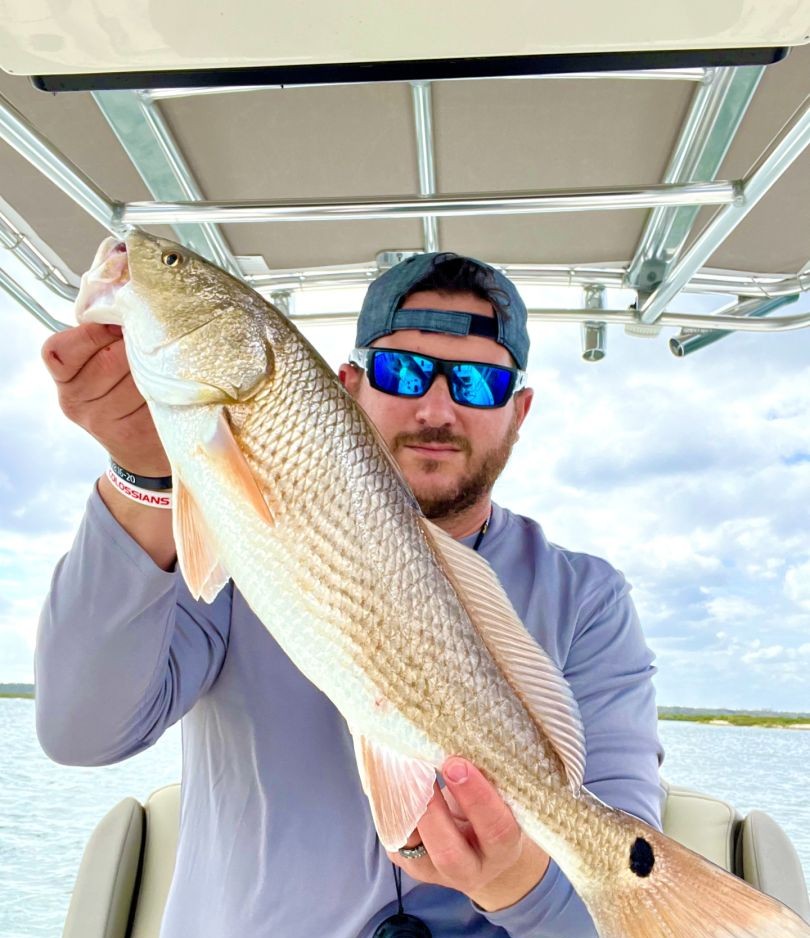
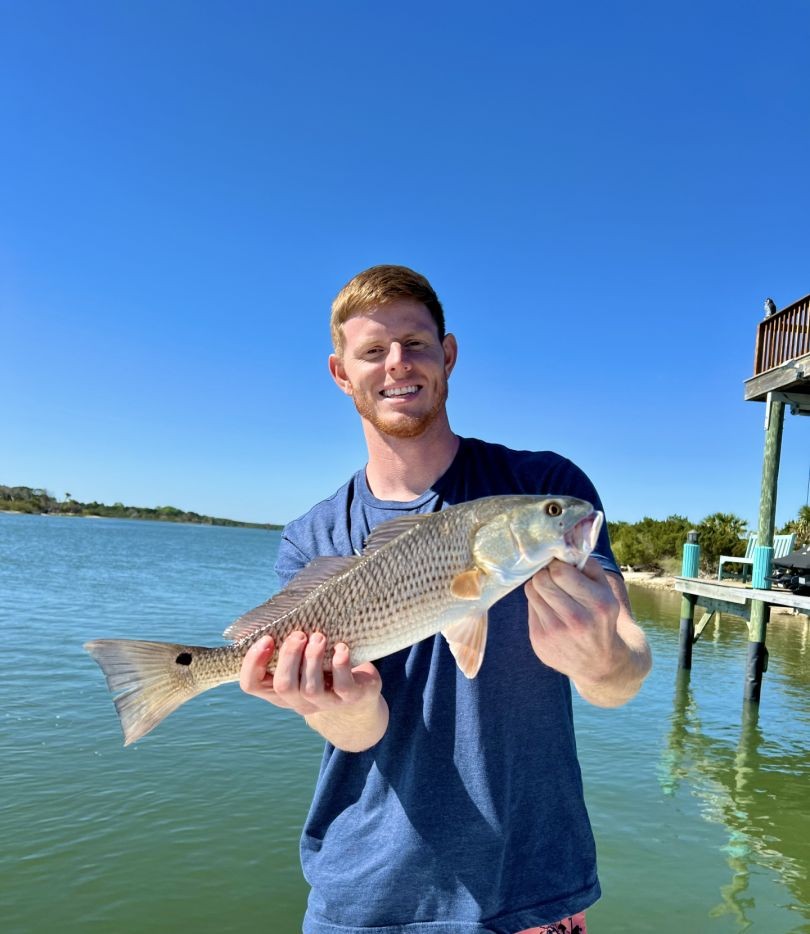
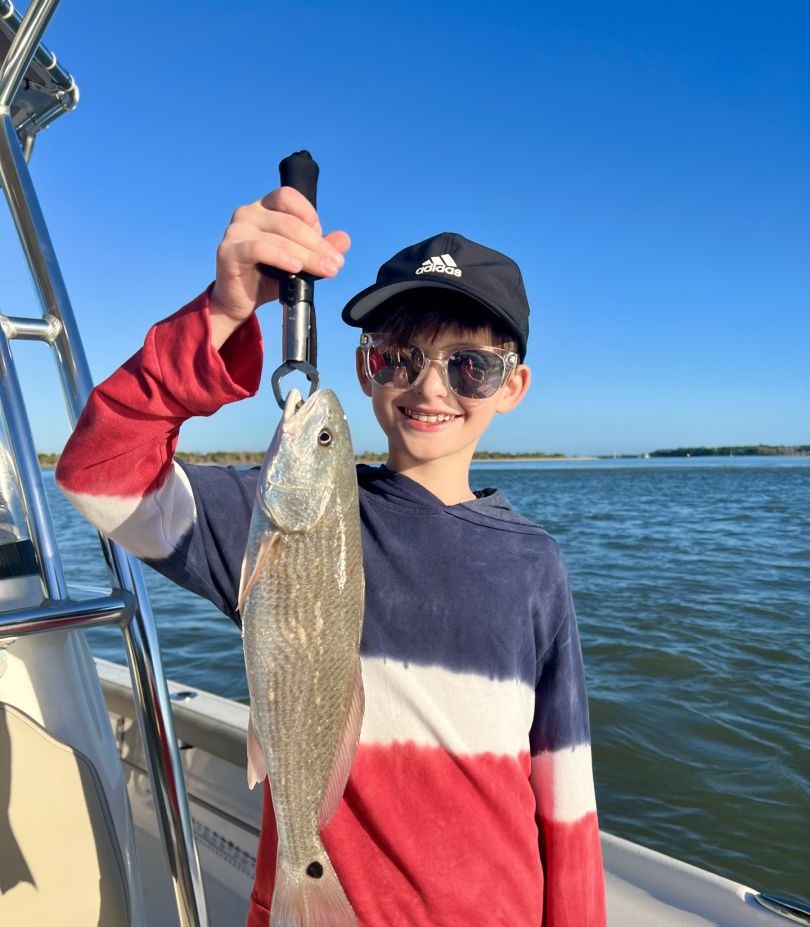
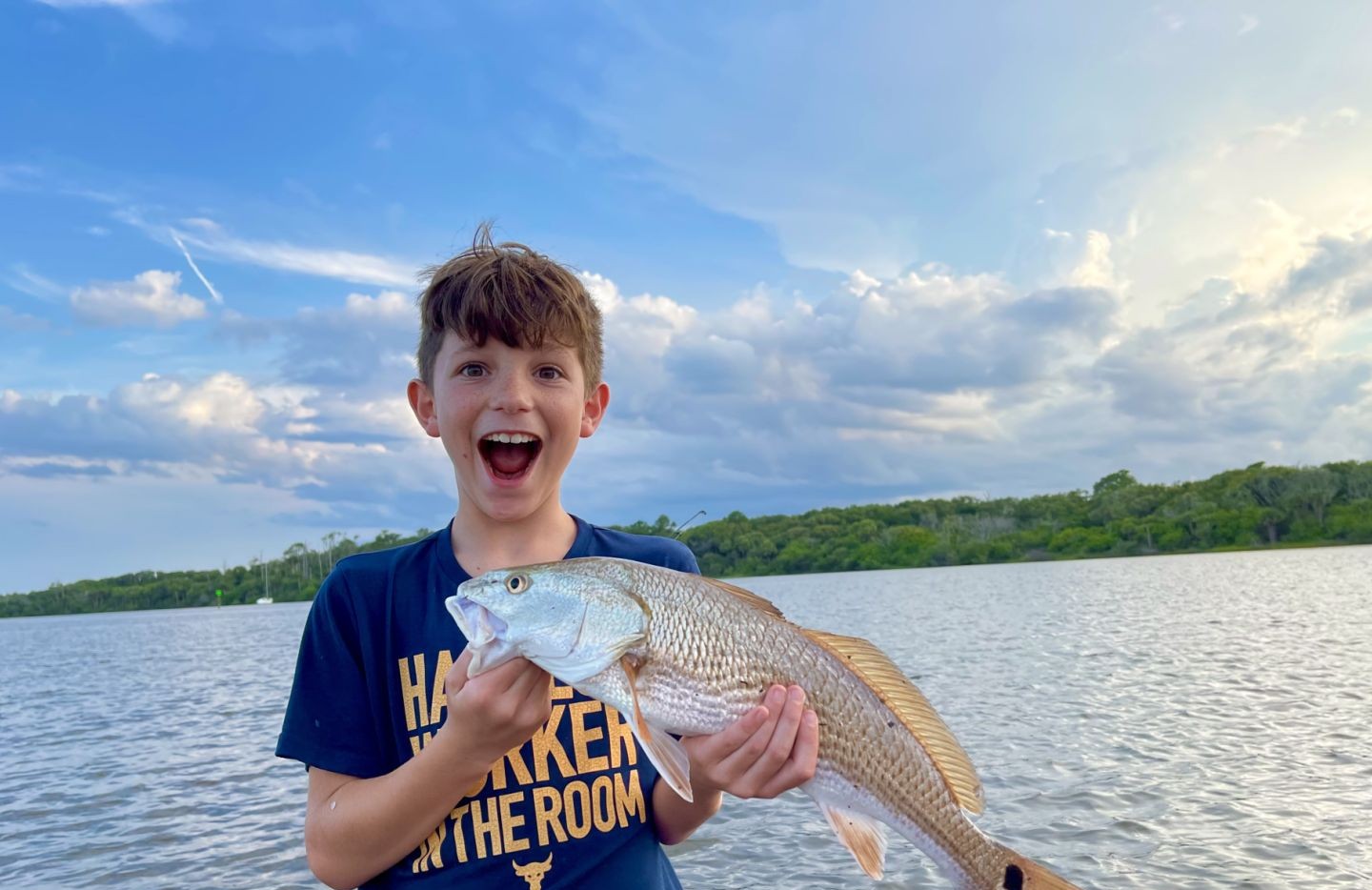
Redfish are year-round residents that provide consistent action when other species are finicky. These copper-colored bulldogs cruise grass flats, oyster bars, and creek edges looking for crabs, shrimp, and small fish. What makes reds special is their willingness to eat in skinny water where you can sight-cast to tailing fish or cruising schools. They're not as spooky as snook but demand accurate casts and patient retrieves. Fall brings some of the best redfish action as they school up for their spawn, creating opportunities for multiple hookups. Their fighting style is pure power – long, determined runs that test your drag and patience. Plus, they're excellent table fare when kept within slot limits.
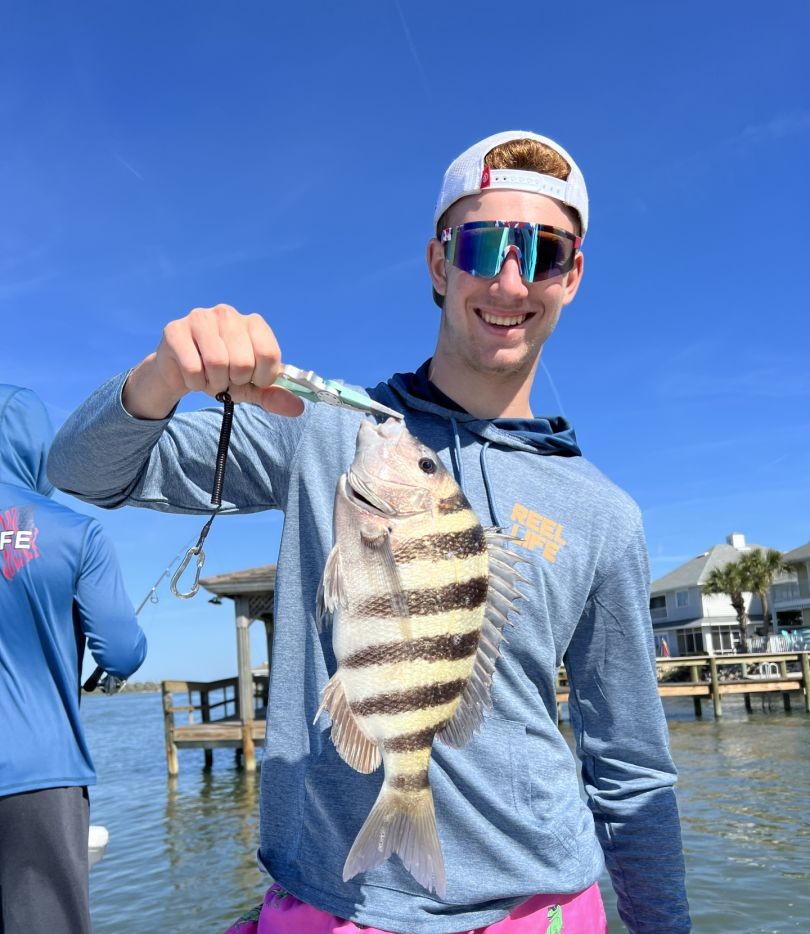
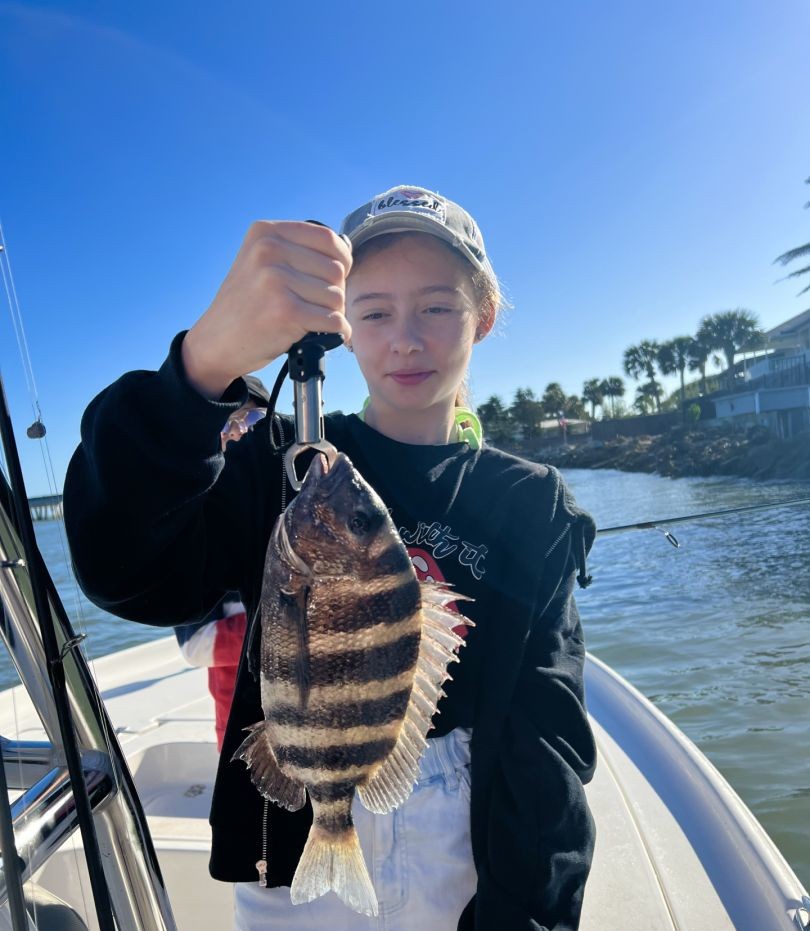
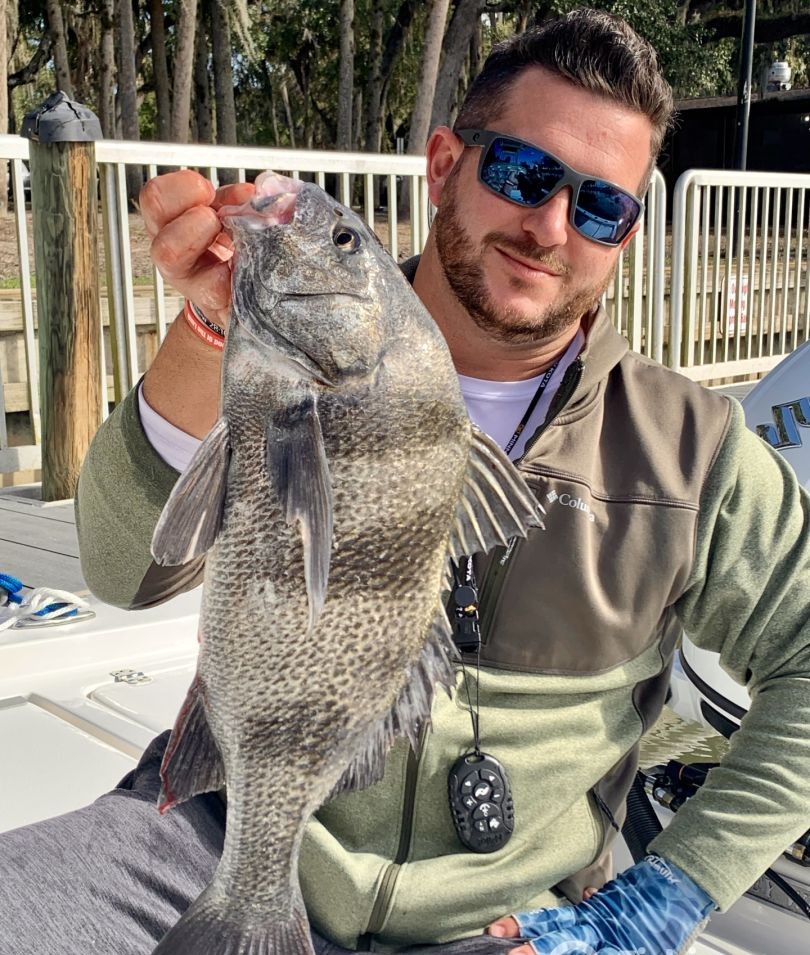
Black drum are the sleepers of the inshore scene, often overlooked but incredibly fun to target. These bottom-feeders love oyster bars, bridge pilings, and deeper creek bends where they root around for crabs and shellfish. They're most active during moving tides, especially around new and full moons when water movement is strongest. Smaller drum in the 1-3 pound range are fantastic eating, while the big "bull" drum over 10 pounds provide serious fights on medium tackle. They're not flashy fighters like tarpon, but they use their body weight and bottom-hugging tendencies to wear you down. Winter months can be prime time for black drum when other species move offshore.
Tarpon are the ultimate inshore gamefish – the silver king that can show up anywhere from deep Intracoastal holes to three-foot grass flats. Palm Coast's tarpon fishery includes both resident fish and migratory schools, with peak action from May through September. These prehistoric beasts test everything – your tackle, technique, and endurance. They're notorious for throwing hooks with their acrobatic jumps and gill-rattling head shakes. Even a 20-pound tarpon fights like it weighs twice that much. The key is staying patient, keeping steady pressure, and not rushing the fight. Most tarpon are released to preserve this incredible fishery, making them a pure sporting target that creates lifetime memories.
Crevalle jack might not win beauty contests, but they're pound-for-pound some of the strongest fish in the inshore waters. These aggressive
 Private Trip
 Inshore Fishing
 undefined, undefined


 Seven-hour guided inshore fishing charter targeting coastal species