Ultimate Palm Coast Inshore Fishing Adventure
Picture this: you're standing on the bow at sunrise, watching the mist lift off the Intracoastal Waterway while your captain quietly poles through a grass flat loaded with hungry redfish. That's exactly what you'll get with Hurricane Fishing Charters' top-rated 8-hour inshore experience in Palm Coast, Florida. This isn't your typical half-day trip where you're rushing back to the dock just as the fish start biting. We're talking about a full day of serious angling in some of Florida's most productive inshore waters, targeting everything from aggressive snook to monster tarpon that'll test your drag system to its limits.
What to Expect on the Water
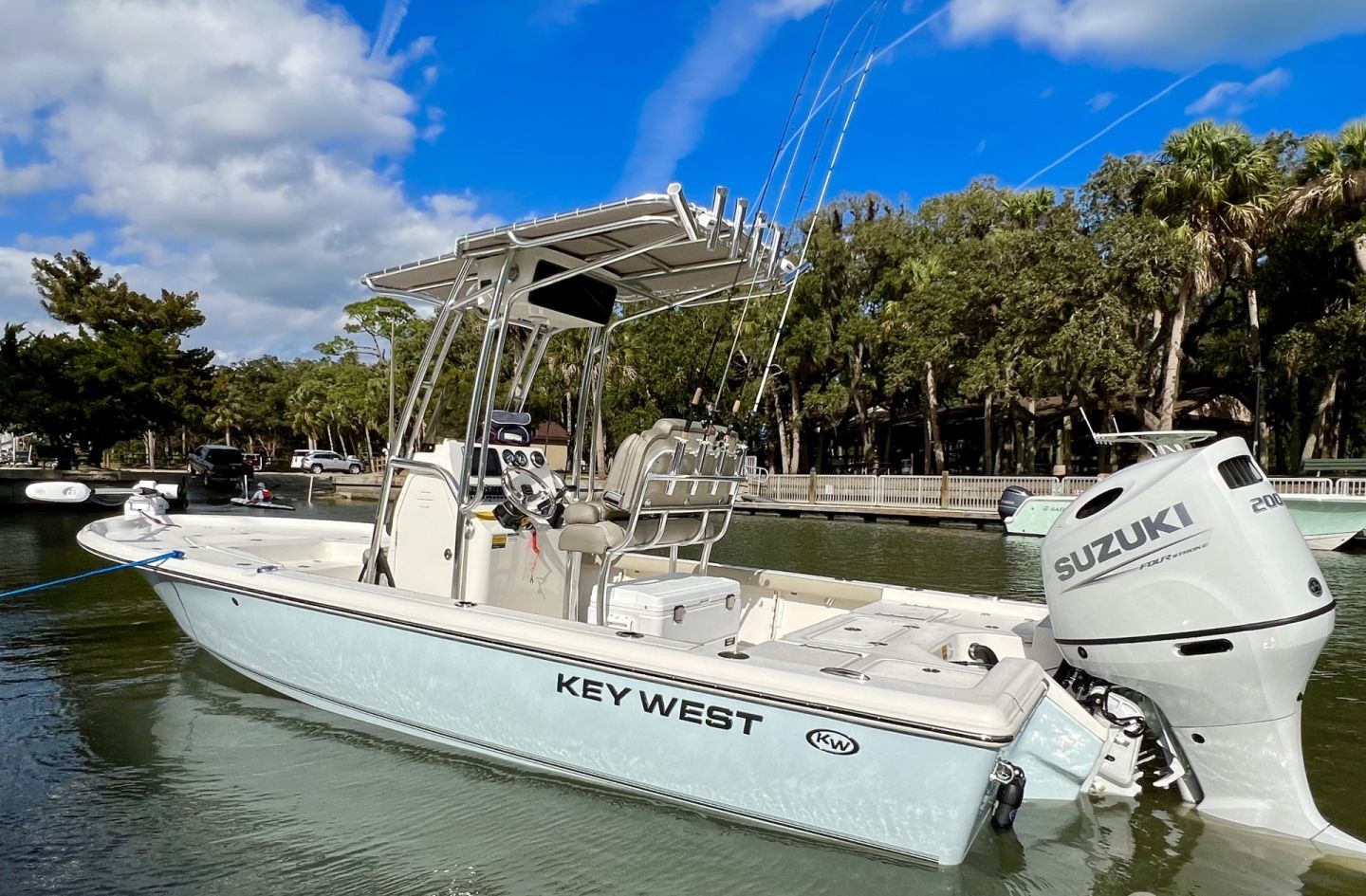
Your day starts early – and trust me, that's when the magic happens. Palm Coast's inshore waters are absolutely loaded with structure, from the Tomoka River's winding mangrove creeks to the vast grass flats of the Halifax River system. Your Hurricane Fishing Charters captain knows these waters like the back of their hand, and they'll adjust the game plan based on tides, weather, and what's been biting lately. One morning you might be sight-fishing for tailing redfish in knee-deep water, and by afternoon you could be working deeper channels for black drum or setting up on a productive snook hole during the evening bite. The boat accommodates up to three anglers, so you're not fighting for space or competing with a crowd – it's an intimate fishing experience where everyone gets plenty of rod time and personal attention from your guide.
Tactics and Prime Fishing Spots
Hurricane Fishing Charters runs you through the full arsenal of inshore techniques that make Palm Coast fishing so productive. We're talking live bait fishing with frisky shrimp and pinfish, artificial lure presentations with soft plastics and topwater plugs, and sight-fishing opportunities that'll get your heart pumping. The flats around Flagler Beach are perfect for wade fishing when conditions allow, while the deeper cuts and oyster bars hold different species depending on the tide cycle. Your captain will have you rigged with everything from popping corks for trout to heavy jigs for crevalle jacks that fight like freight trains. The Matanzas Inlet area is a hotspot for snook and tarpon, especially during moving water, while the backcountry creeks offer protected fishing when the wind picks up. Don't worry about bringing gear – Hurricane Fishing Charters provides quality rods, reels, tackle, and all the bait you'll need. Just bring your fishing license, some snacks and drinks, and get ready to learn why Palm Coast has become such a renowned inshore fishing destination.
Target Species Breakdown
Snook are the crown jewels of Palm Coast inshore fishing, and these ambush predators know how to put on a show. These fish love structure – think docks, mangrove overhangs, and bridge pilings – where they sit waiting to explode on unsuspecting baitfish. Peak snook season runs from late spring through early fall, with the best action happening during dawn and dusk when they're actively feeding. What makes snook so special is their incredible fighting ability combined with their finicky nature. One cast they'll ignore a perfect presentation, the next they'll absolutely crush your lure and go airborne three times before you can blink. Most Palm Coast snook run between 20-30 inches, with trophy fish pushing that magical 35-inch mark that gets anglers talking for years.
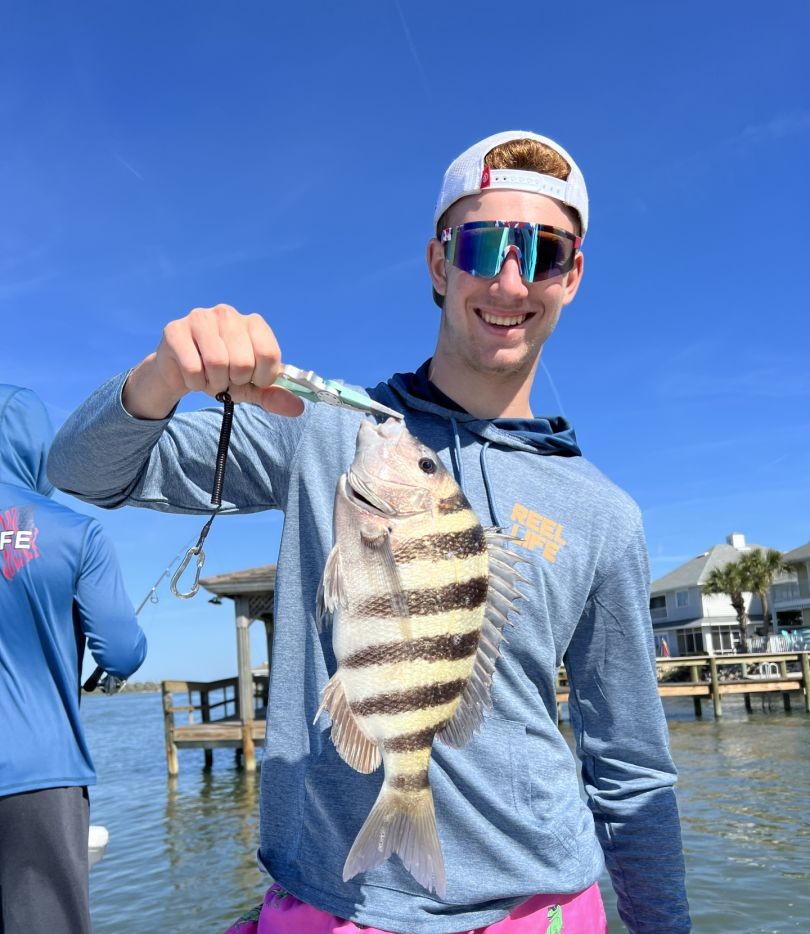
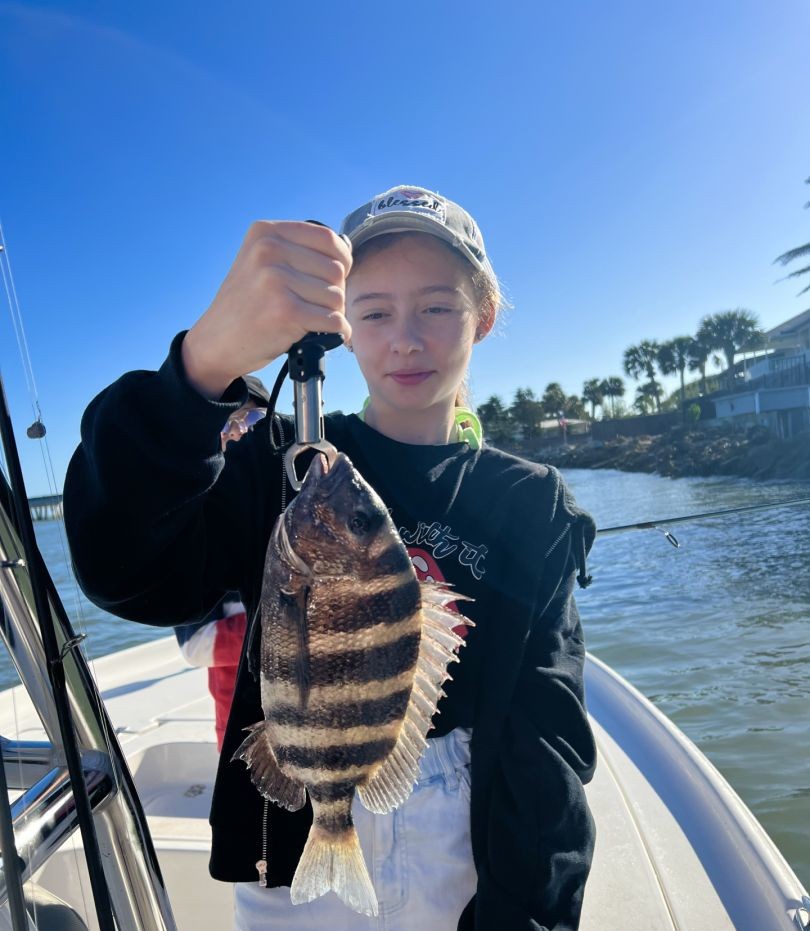
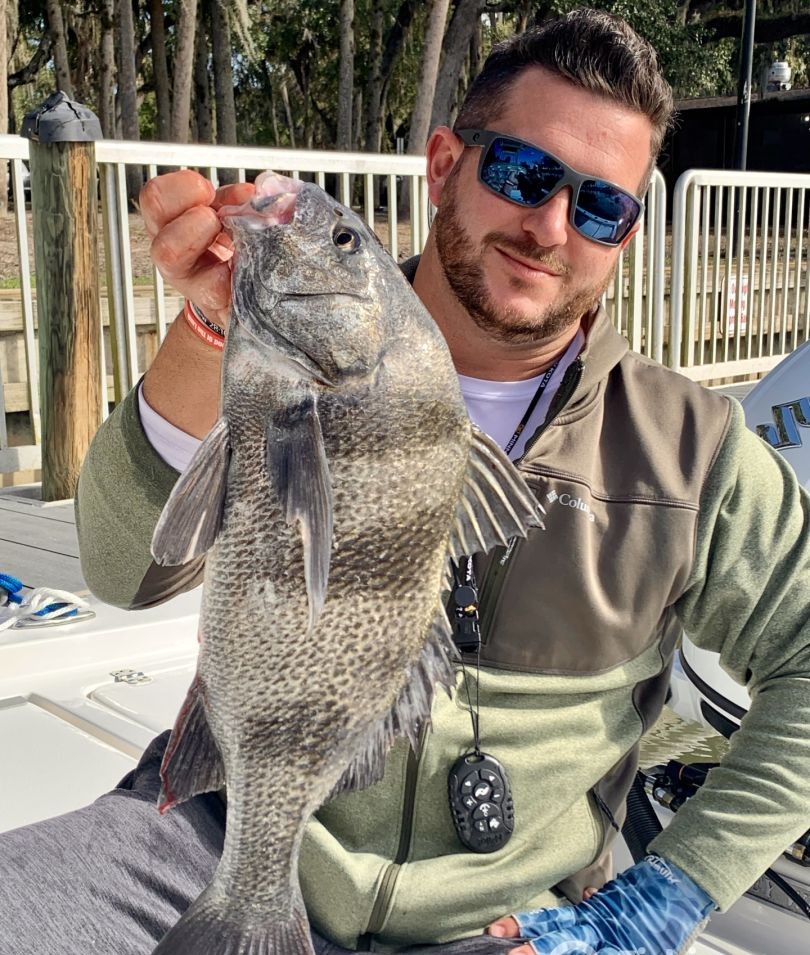
Black drum might not win any beauty contests, but these bottom-dwelling bulldozers are absolute favorites among anglers who appreciate pure pulling power. These fish cruise the oyster bars and deeper channels, using their pharyngeal teeth to crush crabs, shrimp, and mollusks with ease. Winter months are prime time for black drum in Palm Coast waters, when big schools of fish move into the area to feed and spawn. The fight is all about endurance – black drum don't jump or make blistering runs, but they'll test your back muscles and drag system with steady, determined pulls toward the bottom. Fish in the 15-25 pound range are common, with some true giants exceeding 40 pounds making appearances during peak season.
Tarpon fishing in Palm Coast is pure adrenaline, especially when these silver kings start their famous aerial displays. From May through September, tarpon migrate through the area in impressive numbers, with fish ranging from 30-pound juveniles to 150-pound monsters that'll have you questioning your choice of tackle. These fish are incredibly strong and acrobatic – a hooked tarpon will often jump multiple times, shaking its head violently to throw the hook. The key to tarpon fishing is patience and proper technique, since these fish are notorious for their bony mouths and tendency to throw hooks. Your Hurricane Fishing Charters captain knows the seasonal patterns and will position you in areas where tarpon are rolling and feeding, giving you the best shot at hooking into one of Florida's most prized gamefish.
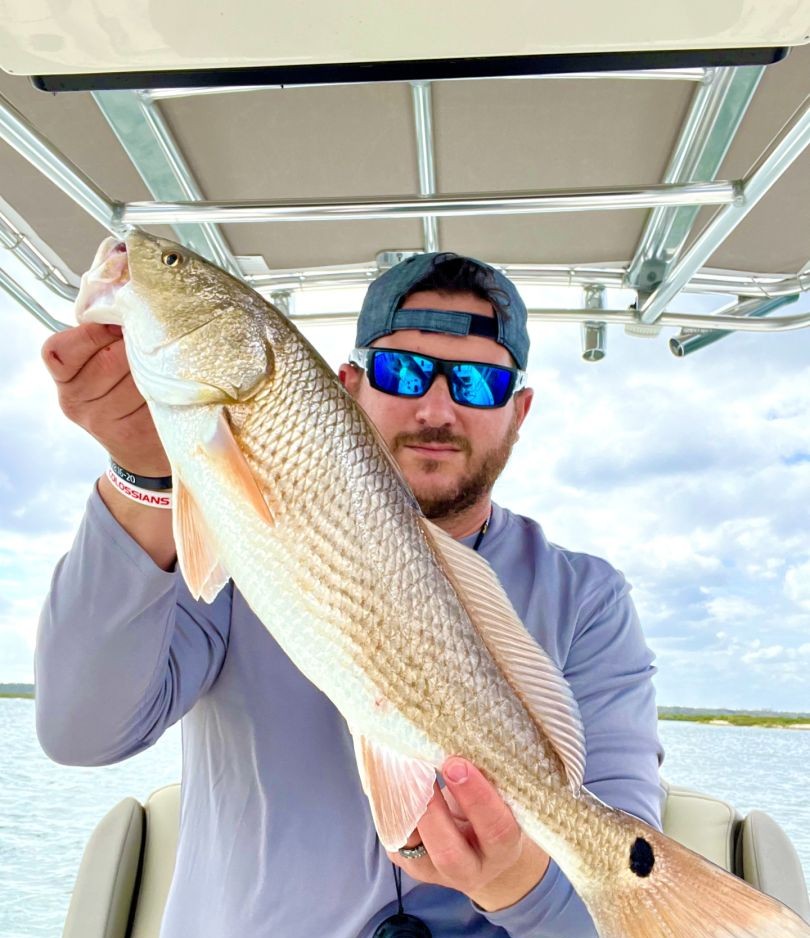
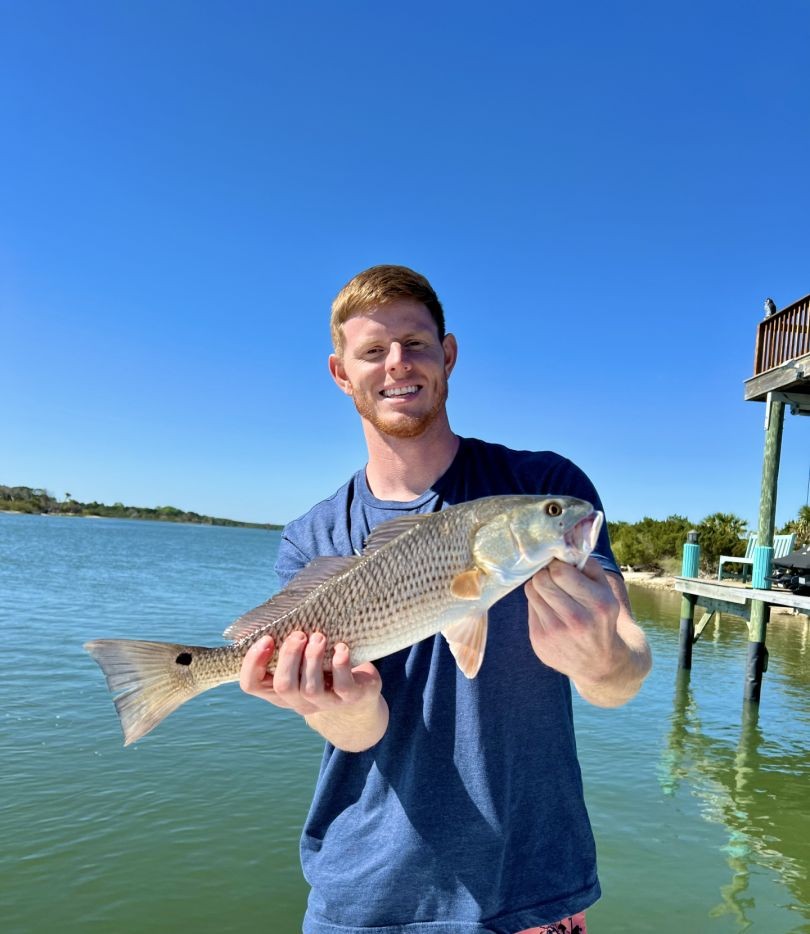
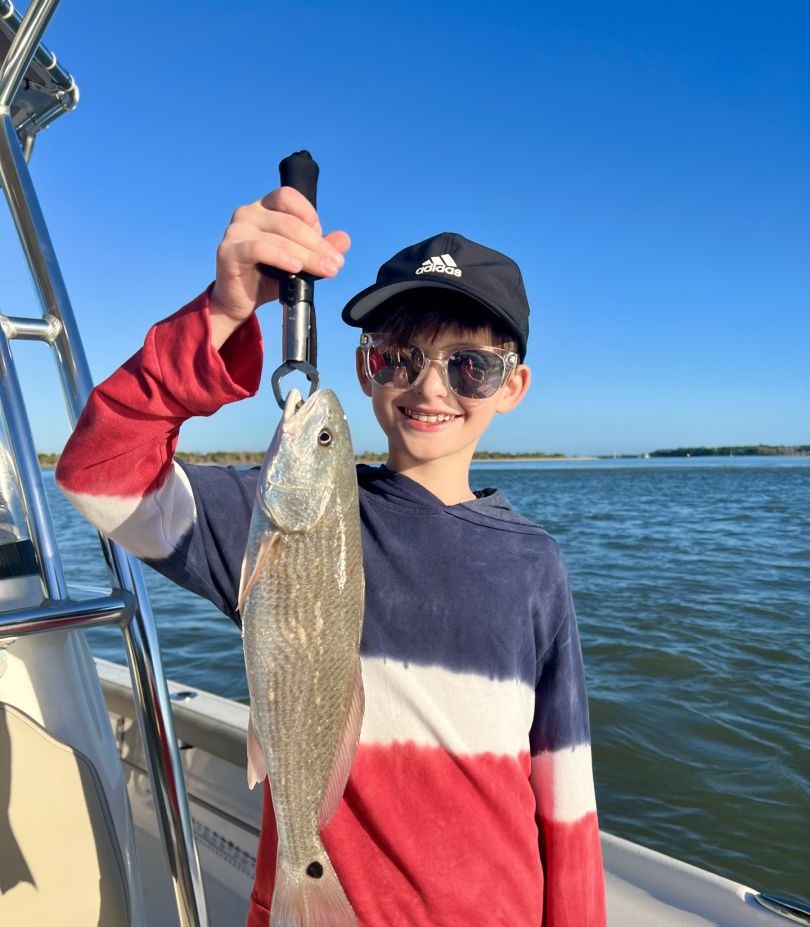
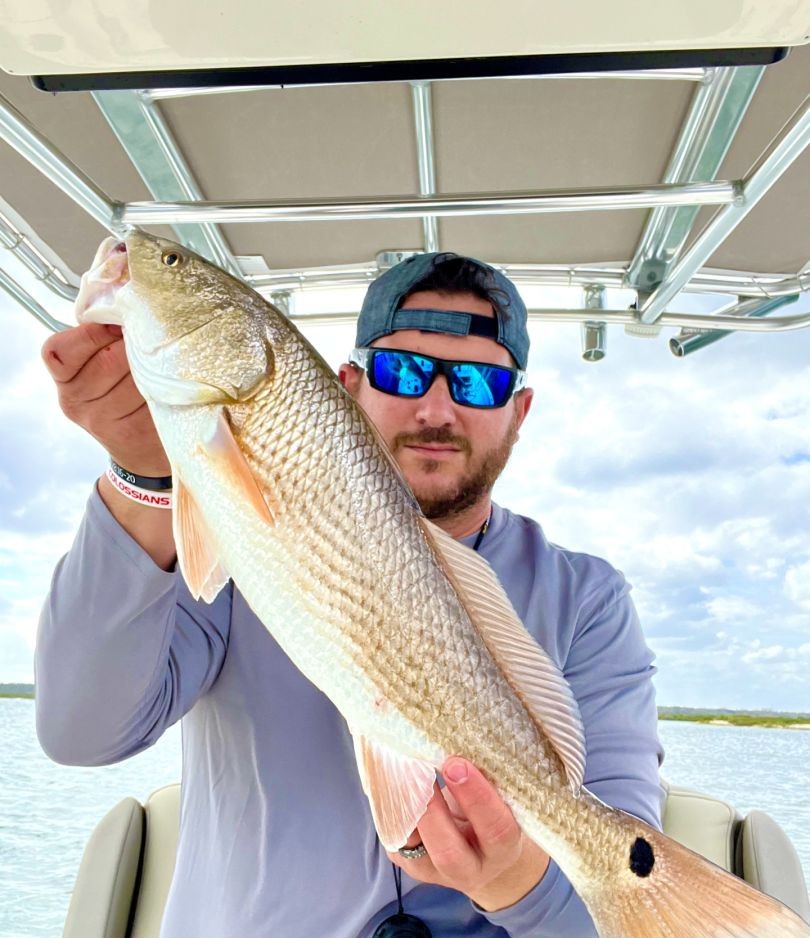
Redfish are the bread and butter of Palm Coast inshore fishing, and for good reason – these copper-colored fighters are aggressive, relatively easy to target, and absolutely delicious on the dinner table. Redfish feed in shallow grass flats, around oyster bars, and near mangrove shorelines where they root around for crabs and shrimp. The sight-fishing opportunities for redfish in Palm Coast are world-class, especially during warmer months when fish cruise the flats in schools. A typical Palm Coast redfish runs 18-27 inches, with plenty of slot-sized fish perfect for dinner and enough oversized "bull" reds to provide serious excitement. What makes redfish so appealing is their year-round availability and willingness to eat both live bait and artificial lures, making them perfect targets for anglers of all skill levels.
Crevalle jacks are the muscle cars of the inshore fishing world – fast, powerful, and built for speed. These fish travel in schools and are incredibly aggressive feeders, often creating surface explosions when
 Private Trip
 Inshore Fishing
 undefined, undefined


 Full-day inshore charter targeting redfish, trout, and snook