12-Hour Offshore Fishing Trip in Chesapeake Bay
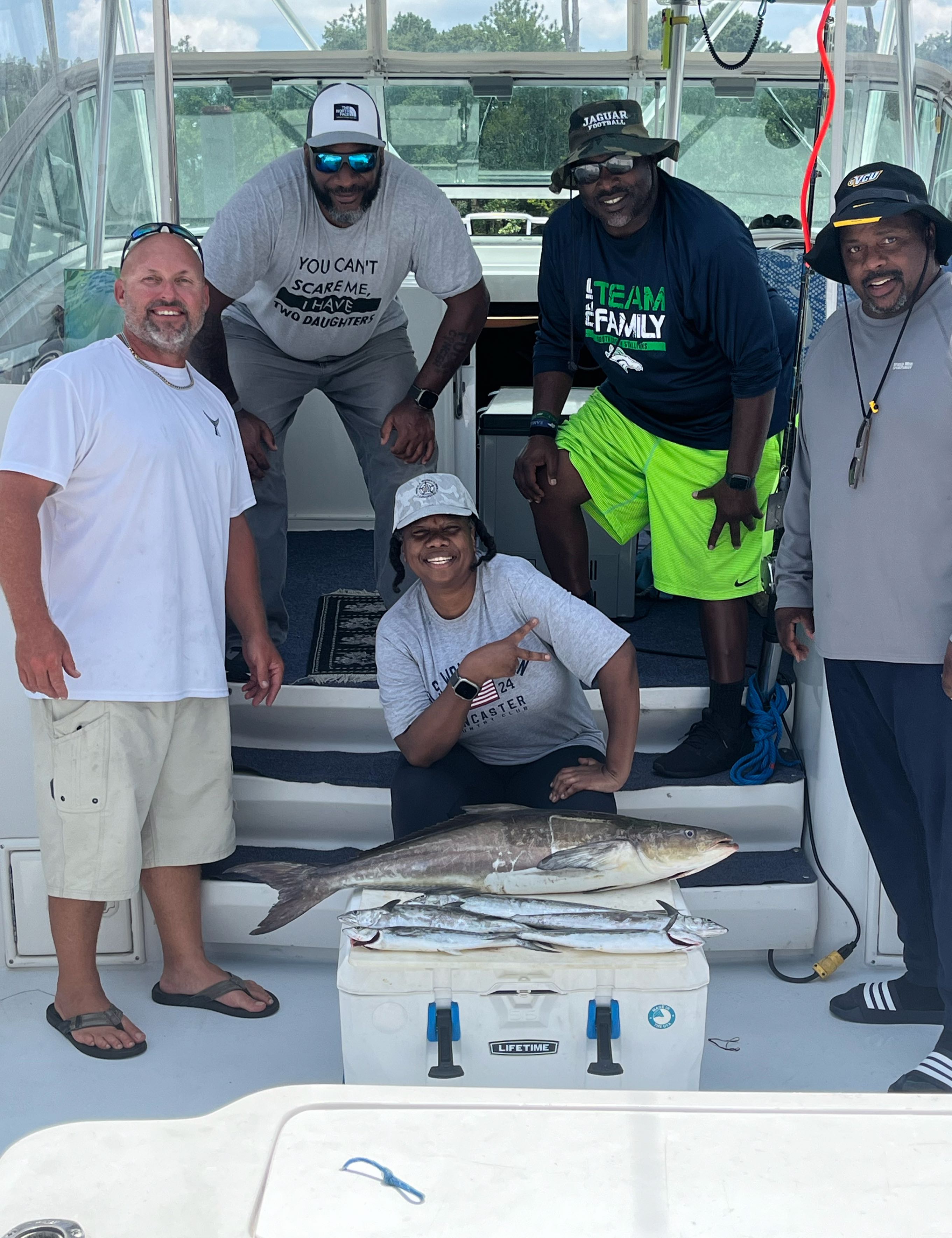
Get ready for a serious day of offshore fishing that'll push you 40 miles out into the deep blue waters beyond Chesapeake Bay. This isn't your typical inshore striper trip – we're talking about a full 12-hour adventure targeting some of the most prized gamefish swimming in Atlantic waters. Starting before dawn at 5:00 AM, you'll join up to 5 other anglers aboard our well-equipped charter boat for what many consider the ultimate Virginia fishing experience. The boat ride out takes about an hour and a half, giving you time to rig up, grab some coffee, and watch the sun come up over the horizon. Once we hit the offshore grounds, it's game on for tuna, wahoo, mahi, and whatever else decides to bite.
What to Expect on the Water
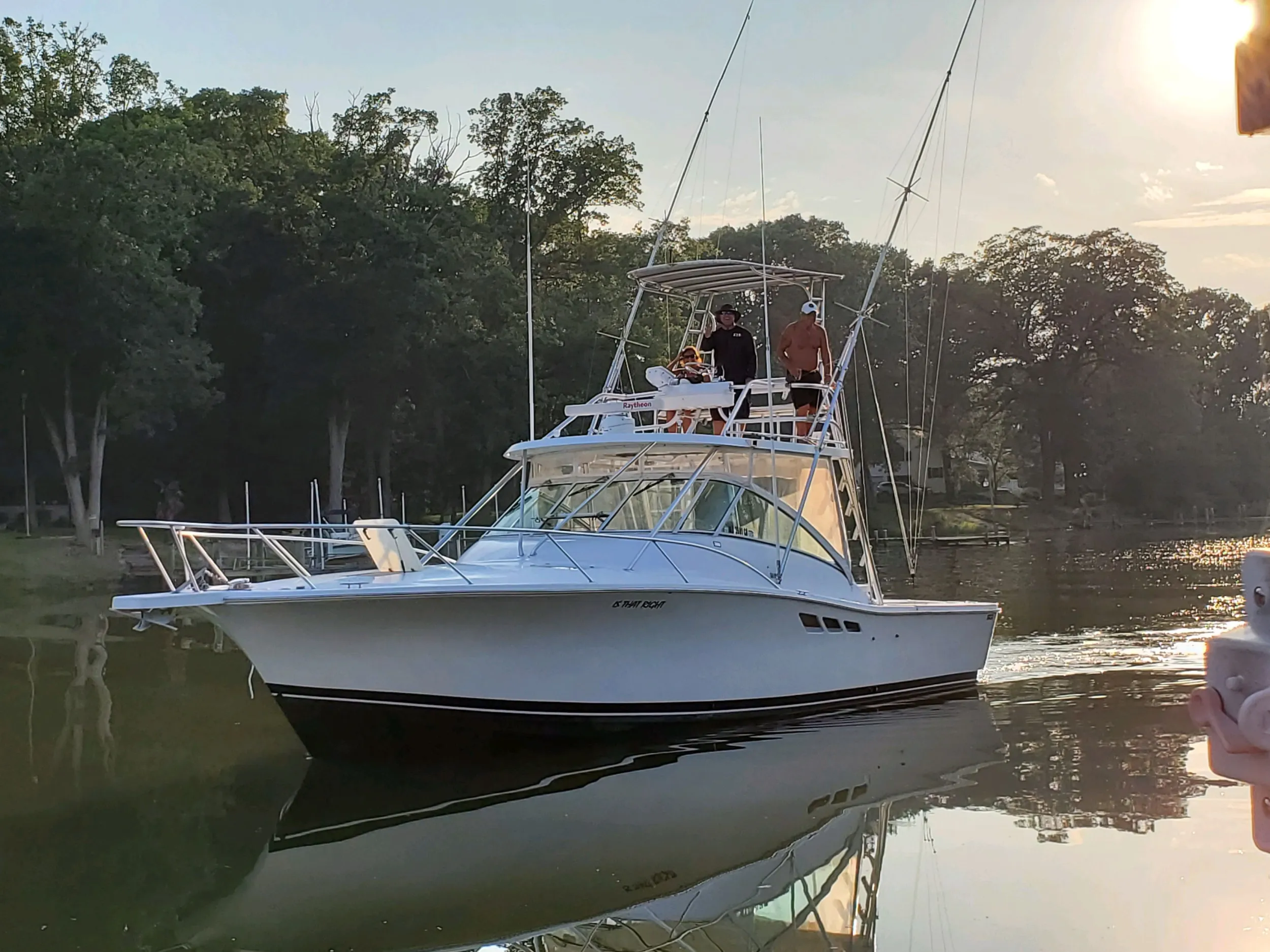
This trip is designed for anglers who want to experience world-class offshore fishing without the hassle of organizing everything themselves. We handle all the logistics – from finding the fish to cleaning your catch at the end of the day. The 20% gratuity we mention covers your mate services, and trust me, these guys earn every penny. They'll be rigging lines, gaffing fish, keeping the deck clean, and making sure you're always ready for the next bite. We accommodate up to 6 guests, which keeps things comfortable without feeling crowded. Everyone gets plenty of rod time, and there's enough space to fight a big fish without getting tangled up with other lines. The boat is equipped with top-rated electronics, so we're not just running blind out there – we're using fish finders, GPS, and temperature gauges to put you on the most productive water possible.
Techniques We'll Use
Offshore fishing means we're using a variety of methods depending on what we're seeing out there. Trolling is our bread and butter – we'll have multiple lines out with different lures and baits, covering water and looking for that telltale zing of a reel screaming. When we mark fish on the bottom machine, we switch to heavy tackle and drop down with jigs or bait. Bottom fishing comes into play when we're over structure or wrecks where bigger fish like to hang out. The tackle we use isn't your typical freshwater gear – we're talking heavy action rods, high-capacity reels, and line that can handle a 200-pound tuna making a run for the horizon. Don't worry if you're not familiar with all the techniques; our crew will walk you through everything and make sure you're comfortable with the gear before the action starts. Deep sea fishing requires different skills than inshore work, but that's part of what makes it so rewarding when you connect with a big fish.
Top Catches This Season
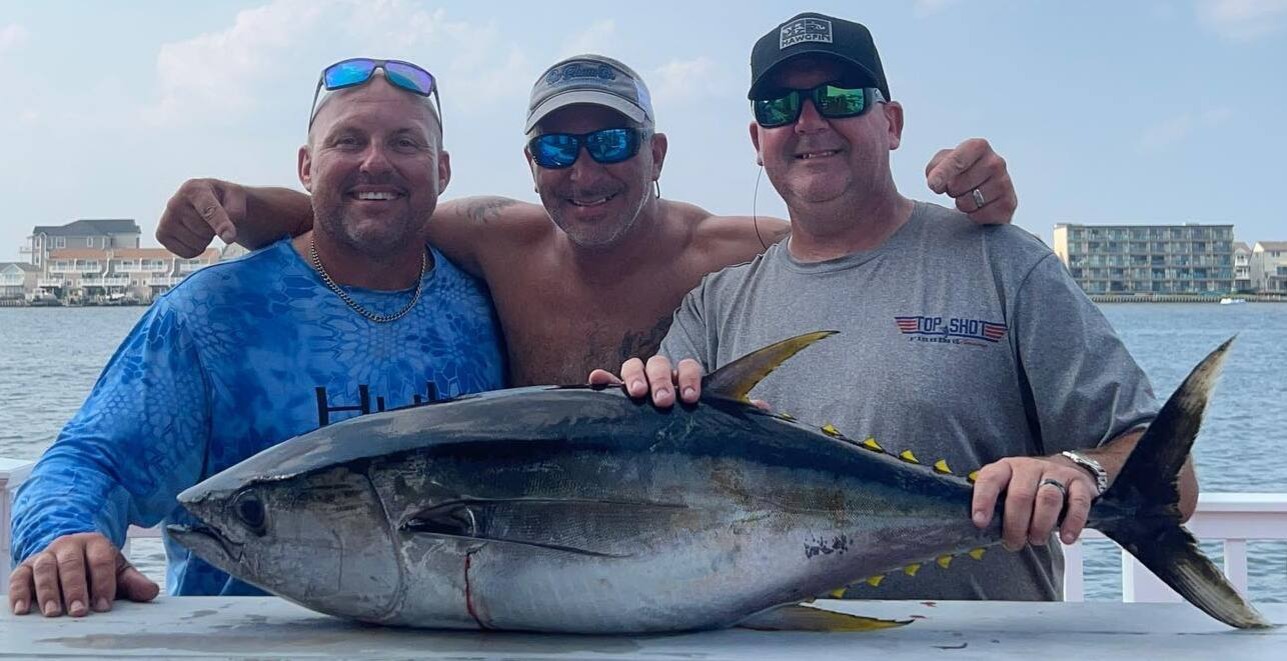
Let's talk about what's swimming out there and why each species will get your heart pumping. Yellowfin tuna are the crown jewel of our offshore trips, and for good reason. These fish are built like torpedoes and fight like they're shot out of a cannon. Most yellowfins we see range from 30 to 80 pounds, but don't let the smaller end of that range fool you – even a 30-pound yellowfin will test your endurance and technique. They're most active during the warmer months from late spring through fall, and they travel in schools, so when you find one, there are usually more around. The meat is phenomenal, and there's nothing quite like fresh yellowfin sashimi made from a fish you just caught yourself.
Mahi mahi, or dolphinfish as some old-timers call them, are probably the most fun fish you'll encounter on this trip. They're acrobatic fighters that jump, shake their heads, and put on a real show when hooked. Mahi are also some of the most beautiful fish in the ocean – brilliant gold and green colors that seem to glow when they first come out of the water. They're typically found around floating debris, weed lines, or temperature breaks, and they're aggressive feeders that will hit trolled baits and lures. Size-wise, we see everything from schoolie mahi around 10 pounds up to bull dolphins pushing 40 or 50 pounds. The bigger bulls have that distinctive square head and are real tackle-busters.
Wahoo are speed demons that can hit a trolled bait at 50 miles per hour, and when they do, you'll know it instantly. The initial run from a wahoo is unlike anything else – your reel will sound like it's going to explode, and you better have a good grip on that rod. These fish are built for speed with torpedo-shaped bodies and razor-sharp teeth that can cut through wire if you're not careful. Wahoo are excellent table fare with firm, white meat that's perfect for grilling or blackening. They're more solitary than tuna or mahi, so hooking one is always special. We typically see wahoo in the 20 to 60-pound range, with the occasional monster pushing 80 pounds or more.
Bigeye tuna are the heavyweight champions of our offshore waters. These fish can grow massive – we're talking about fish that can exceed 200 pounds and fight for hours. Bigeyes are typically found in deeper water and are more active during low-light conditions, which is why starting early gives us the best shot at them. They're incredibly strong fish with broad shoulders and the stamina to make multiple long runs. Catching a big bigeye is a team effort – you'll need help from the crew and probably some coaching to land one successfully. The meat quality on bigeyes is outstanding, with a rich, red color that's prized by sushi chefs.
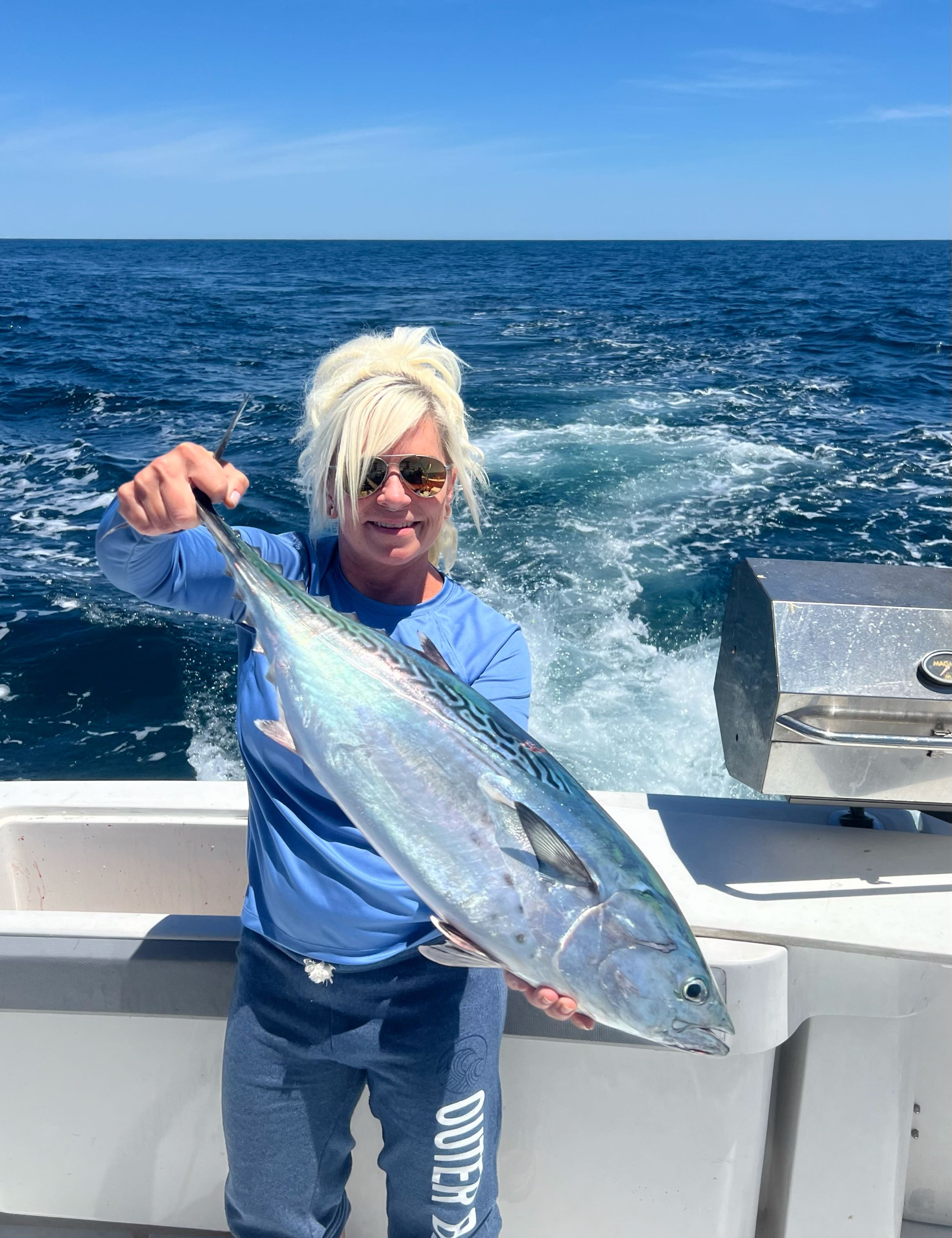
Blackfin tuna might be the smallest tuna species we target, but they make up for size with attitude. These fish are scrappy fighters that are perfect for lighter tackle when conditions allow. Blackfins typically run from 5 to 25 pounds and are often found in schools, so you can have non-stop action when
 Private Trip
 Offshore Fishing
 Chesapeake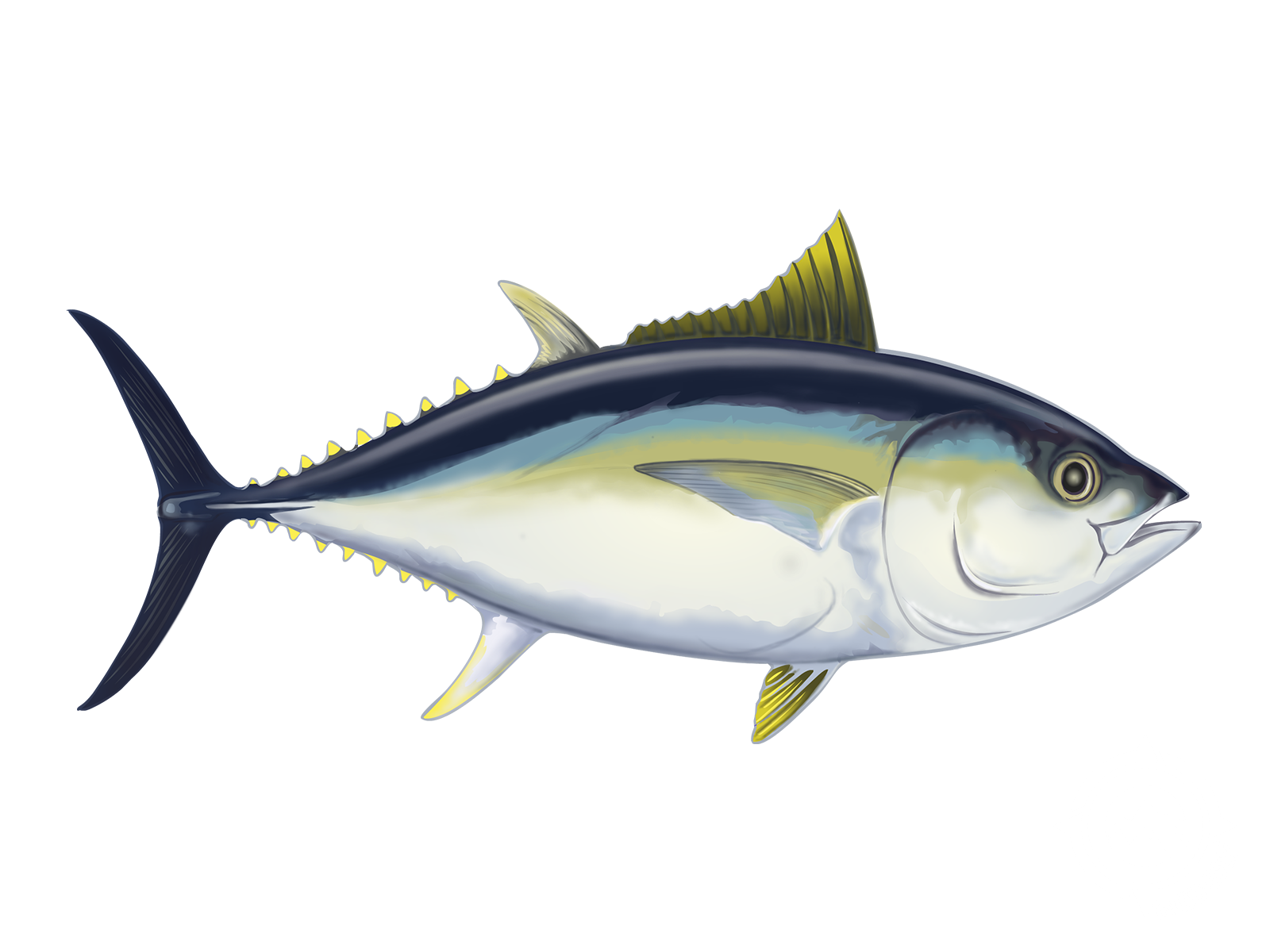


 12-hour offshore trip targets Tuna, Marlin, and Wahoo species