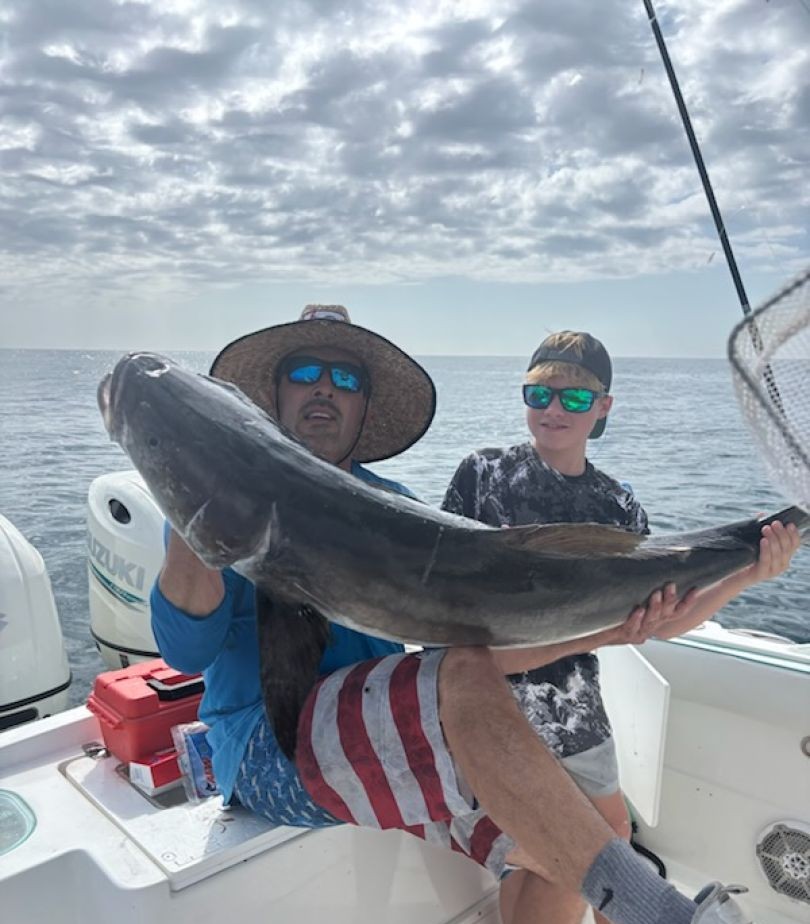
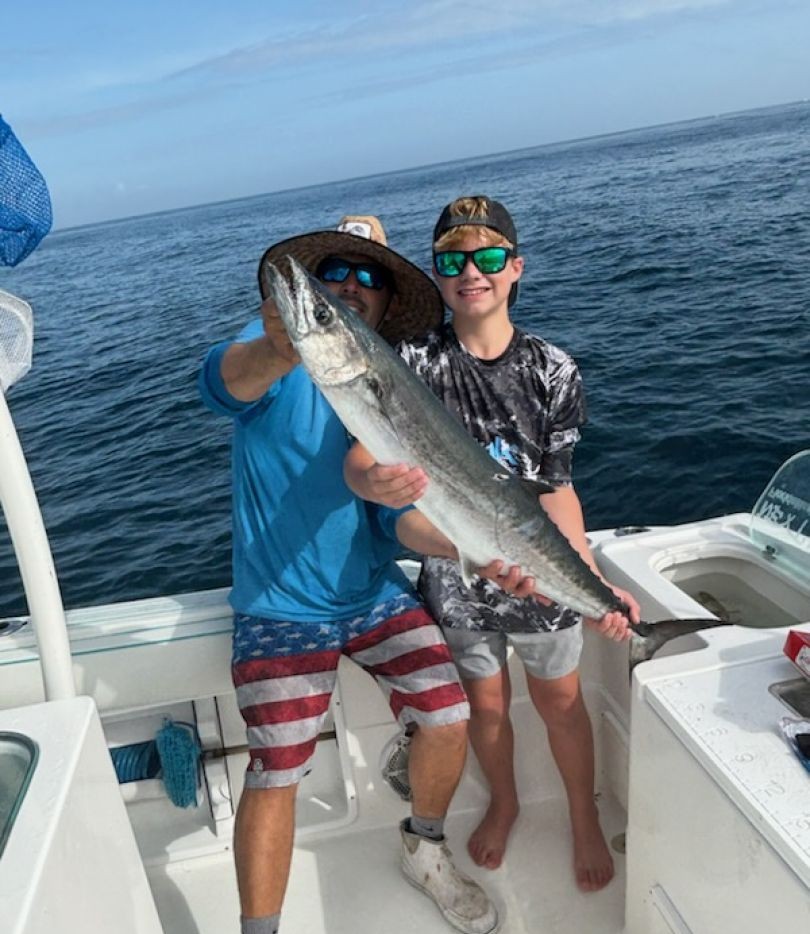
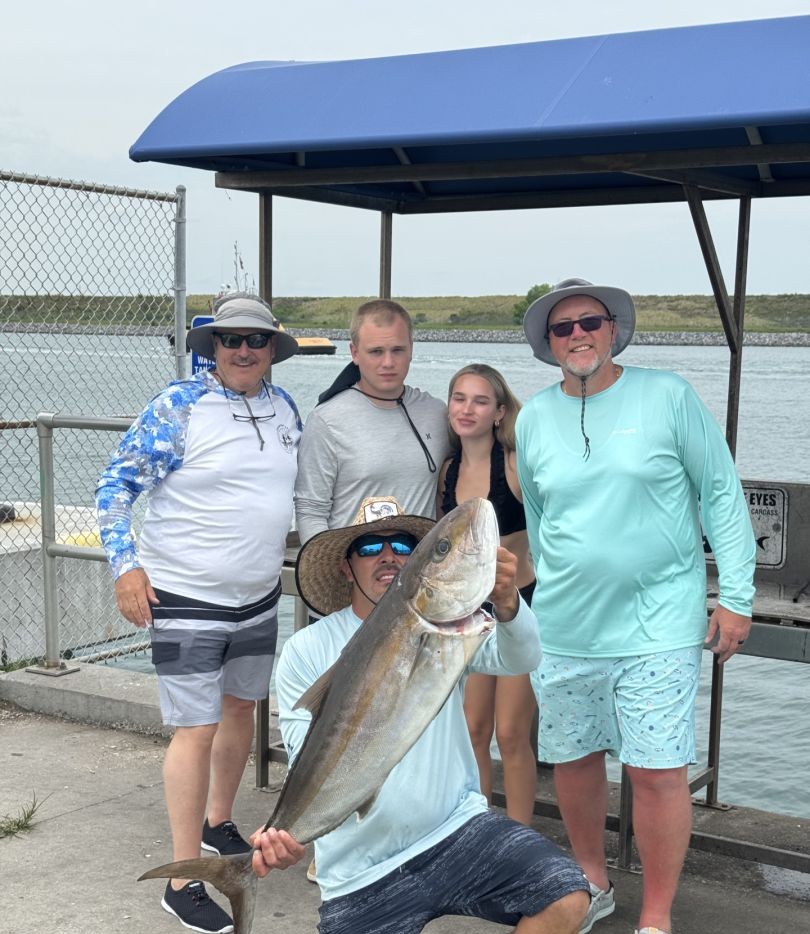
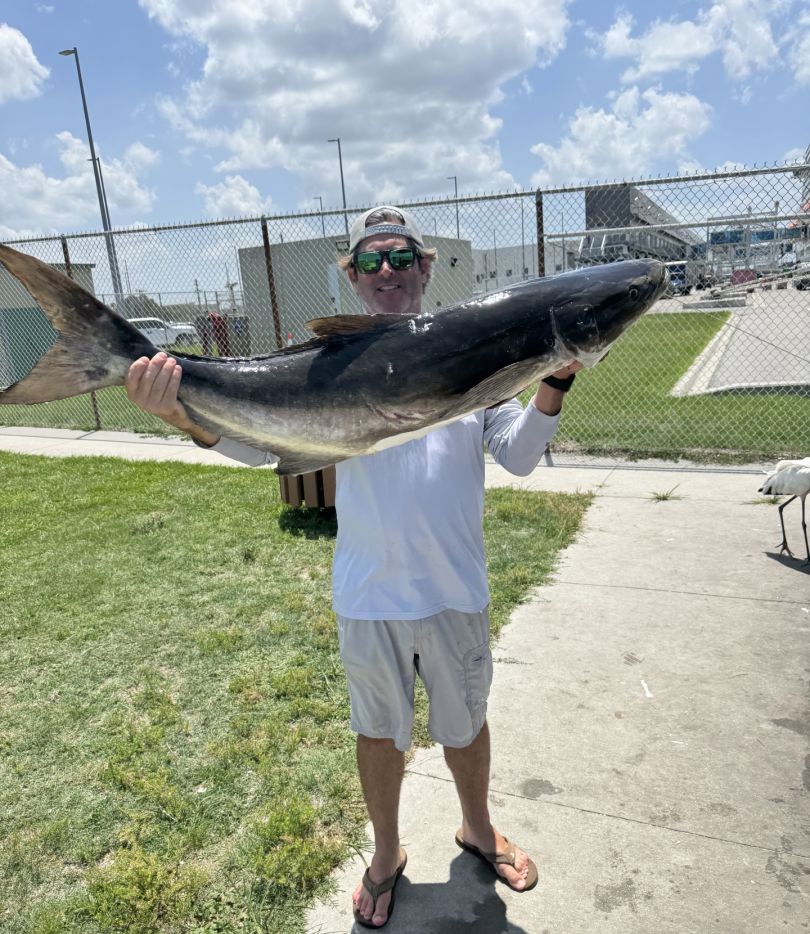
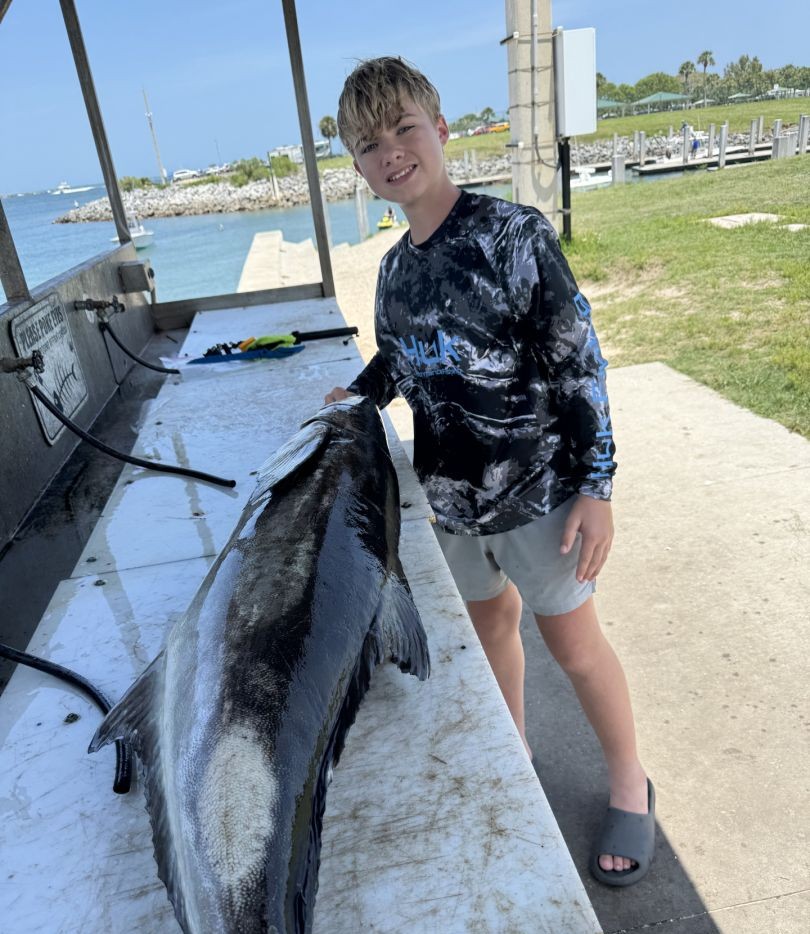
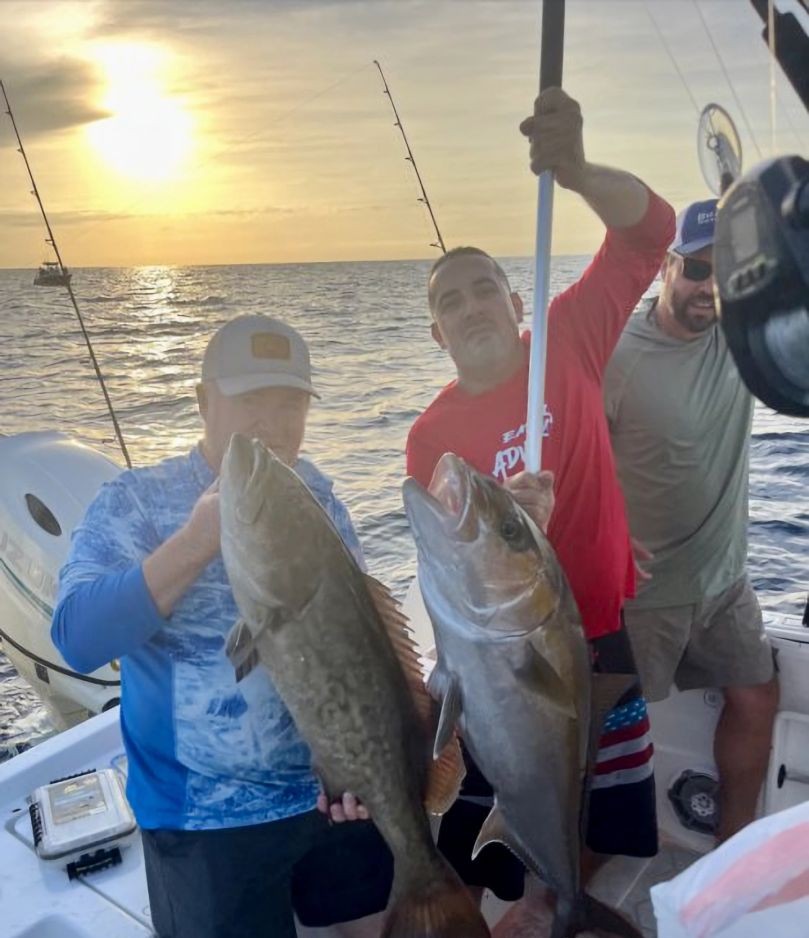
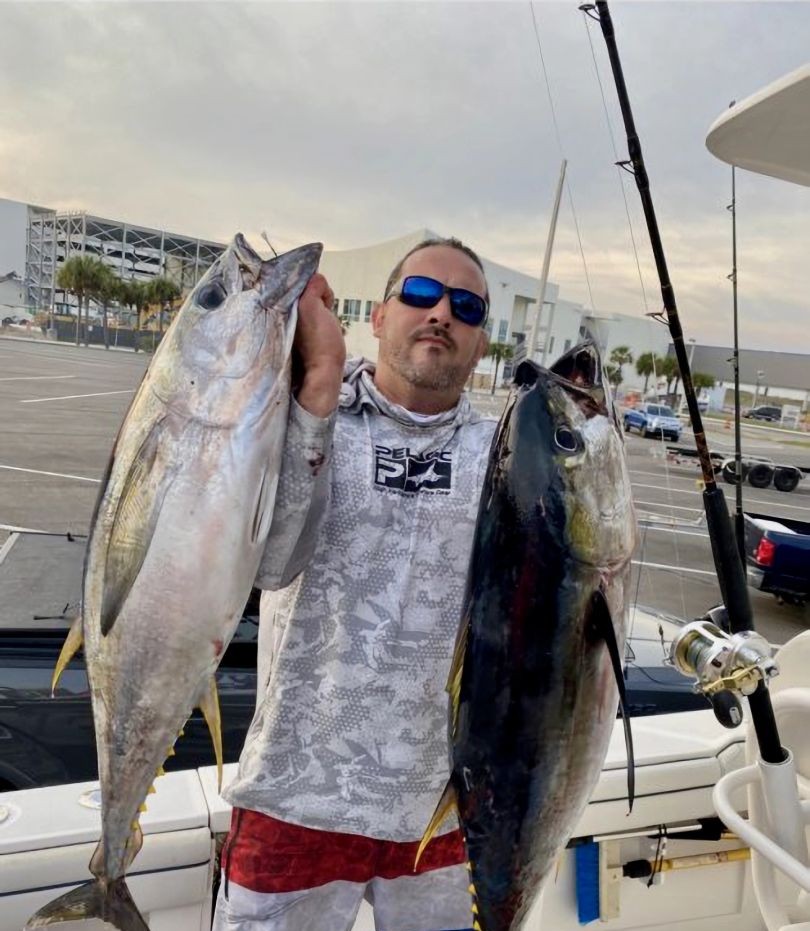
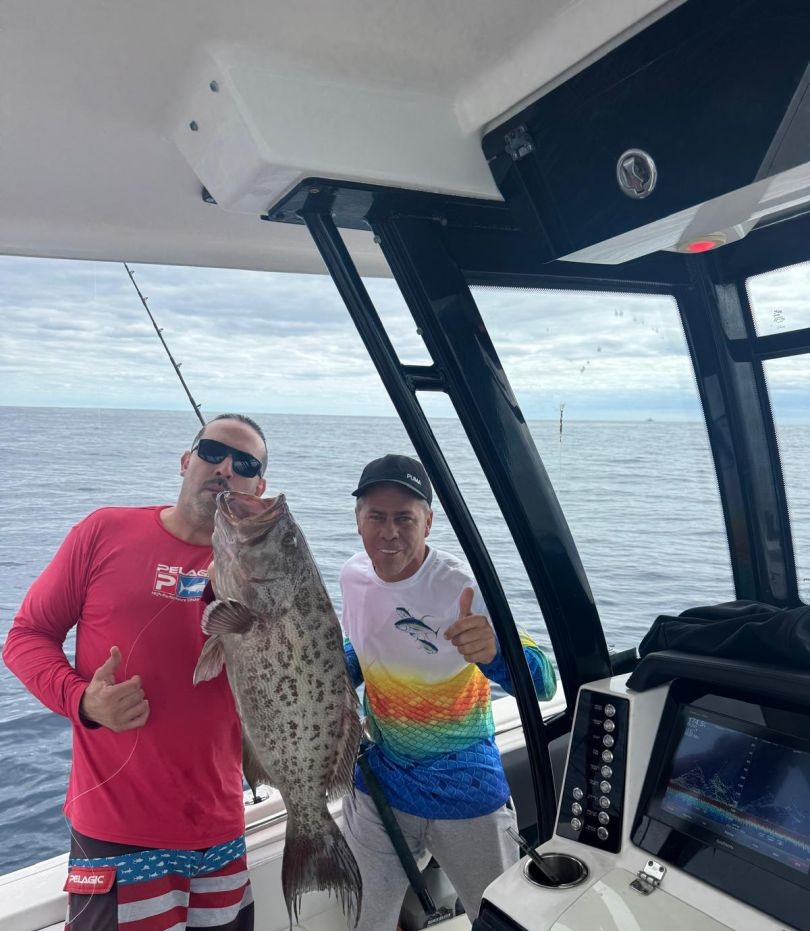
Port Canaveral Nearshore Fishing Adventure
Looking for a solid afternoon of fishing without heading way offshore? Captain Jose's 5-hour nearshore trip out of Port Canaveral delivers exactly what you're after. This isn't some crowded party boat deal - we're talking about a comfortable 28-foot Bimini that takes just 4 anglers, so you get plenty of room to work and personal attention from one of the area's top-rated captains. The afternoon timing is perfect too, especially during warmer months when the fish really start moving as the sun gets lower.
What to Expect on the Water
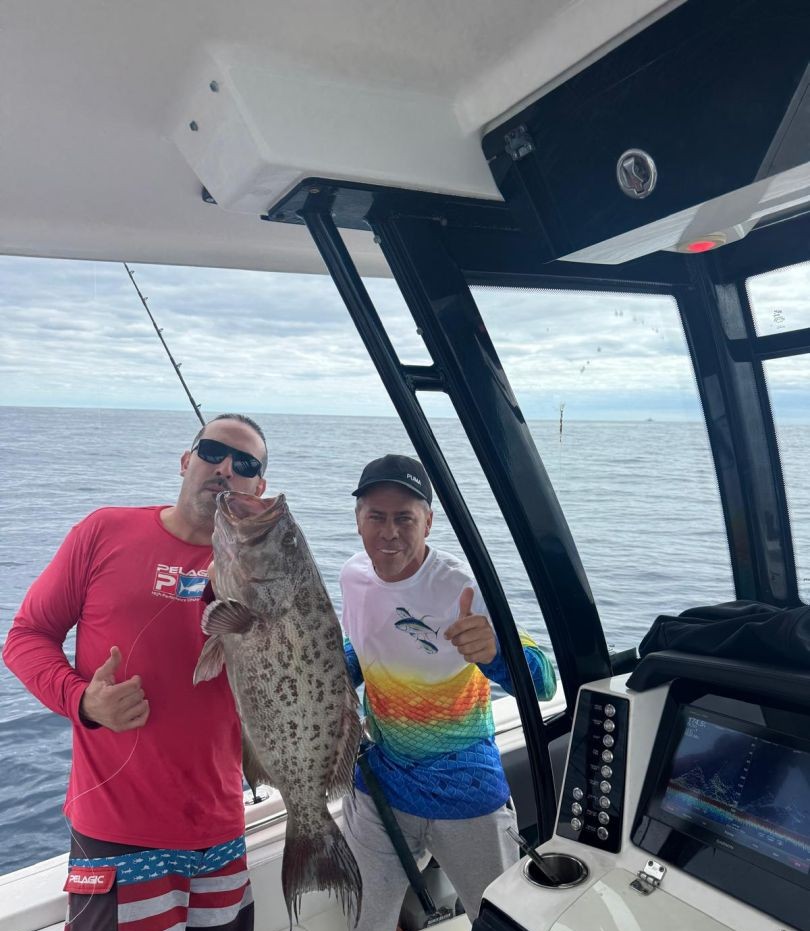
Captain Jose knows these waters like the back of his hand, and he's got the spots dialed in around the Port Canaveral area. You'll be working the jetties, buoys, and rocky structure where the big fish like to hang out. The beauty of nearshore fishing here is you're not burning hours getting to the fishing grounds - we're talking a short run to productive water where Snook, Tarpon, and Redfish are practically guaranteed to show up. The 28-foot Bimini gives you a stable platform with shade when you need it, plus all the rod holders and space you need to fight fish properly. All your gear is included, from rods and reels to tackle and bait, so you just need to show up ready to fish.
Techniques & Structure
This is structure fishing at its finest. We're targeting the jetties where the current creates feeding zones, plus the rocky bottom areas and channel markers that hold baitfish. Captain Jose runs a mix of live bait and artificials depending on what's working that day. You might be throwing jigs around the rocks, working topwater plugs near the jetties, or drifting live shrimp and pilchards in the current. The techniques vary based on the species we're after and the conditions, but that's what makes it interesting. One cast you're working a bucktail for Redfish, the next you're presenting a live bait to a rolling Tarpon. The structure around Port Canaveral is world-class - those jetties and the Canaveral Barge Canal create perfect ambush points for predator fish.
Top Catches This Season
The Snook fishing around Port Canaveral is absolutely on fire, especially during the warmer months from May through October. These fish love the structure around the jetties and can reach impressive sizes - we're talking fish in the 20 to 35-inch range that'll test your drag and your patience. They're ambush predators that like to hide in the shadows of the rocks and pilings, then explode on your bait when you least expect it. What makes Snook so special is their fight - they jump, they run, and they use every bit of structure to try to break you off.
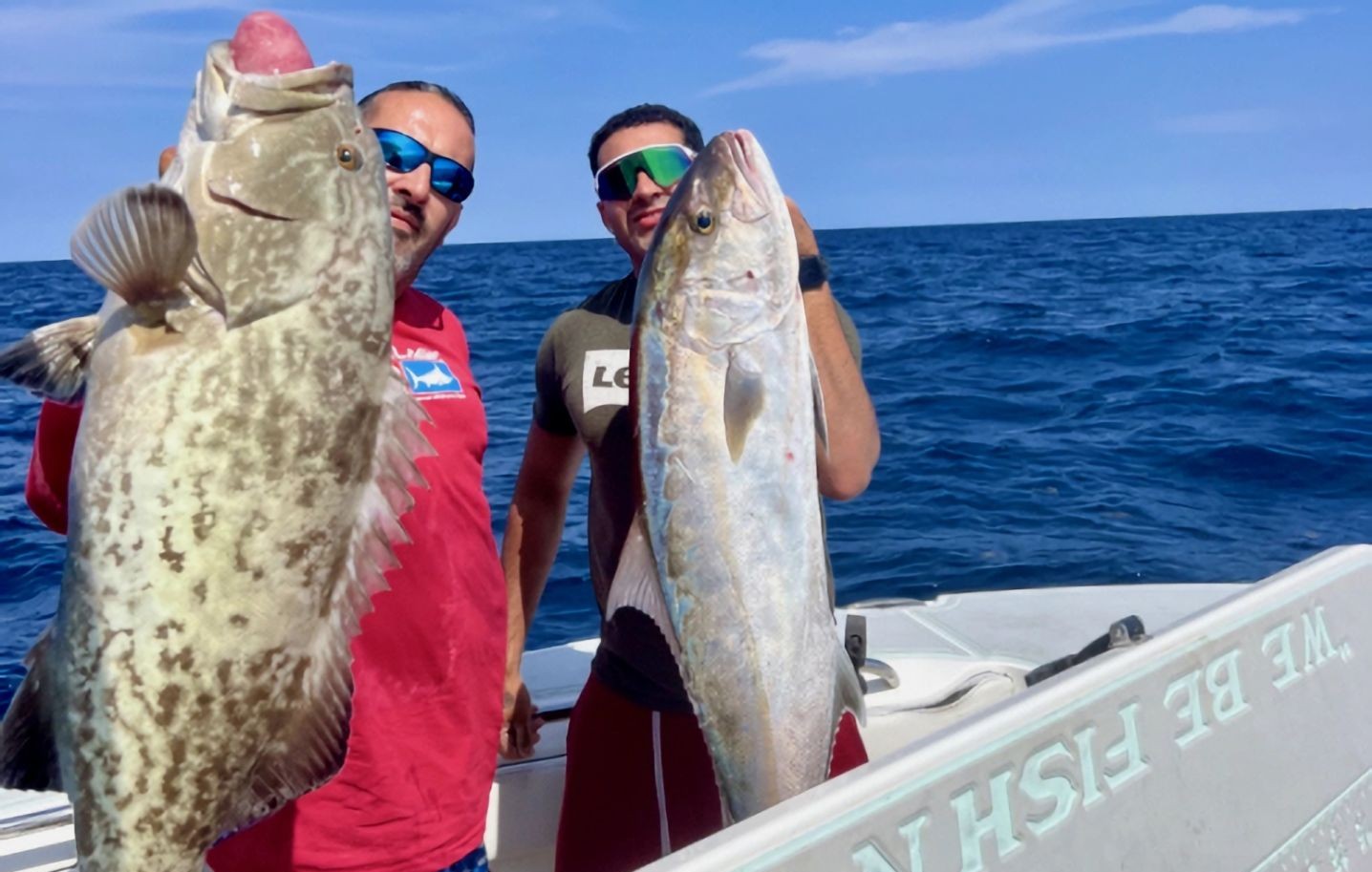
Goliath Grouper are the real monsters of these waters, and while they're catch-and-release only, hooking into one of these giants is something you'll never forget. We're talking fish that can weigh several hundred pounds and will absolutely smoke your drag on the initial run. They live around the deeper structure and wrecks, and when one grabs your bait, you know it instantly. The fight is more about endurance than speed - these fish use their size and the structure to try to get back home.
Tarpon are the silver kings of Port Canaveral, and for good reason. These fish can reach over 100 pounds and are famous for their aerial displays when hooked. They move through the area in spring and summer, often rolling on the surface near the jetties and bridges. What makes Tarpon fishing so addictive is the visual aspect - you can often see them before you cast, and watching a 6-foot Tarpon launch itself out of the water is pure adrenaline.
Permit are the holy grail for many anglers - they're incredibly spooky and selective about what they eat. These fish cruise the flats and edges, and spotting one requires sharp eyes and quick reflexes. They're not huge fish, typically running 10 to 20 pounds, but they're considered one of the smartest fish in the ocean. Landing a Permit is a real achievement that serious anglers chase for years.
Crevalle Jack might not be the prettiest fish, but they're absolute bulldogs on light tackle. These fish travel in schools and when you find them, the action is nonstop. They hit hard and fight dirty, using their broad sides to pull against you. What's great about Jacks is they're often willing biters when other species are being finicky, so they keep the action going throughout the trip.
Time to Book Your Spot
This afternoon nearshore adventure gives you everything you want in a fishing trip - variety, action, and the chance at some truly memorable fish. Captain Jose's local knowledge and the prime fishing around Port Canaveral's structure make this a customer favorite for both experienced anglers and families looking to get into some serious fish. With only 4 spots available, this trip fills up fast, especially during peak fishing season. The combination of productive fishing, comfortable boat, and reasonable trip length makes this the perfect choice whether you're looking to introduce the family to fishing or you're a seasoned angler wanting to target some of Florida's best gamefish without the long offshore run.
 Private Trip
 Offshore Fishing
 undefined, undefined


 Five-hour nearshore charter targeting Snook, Tarpon, and Redfish