Sebastian Afternoon Inshore Fishing Charter
Looking for a solid afternoon on the water without burning your whole day? This 4-hour Sebastian Inlet fishing charter kicks off at noon and puts you right in the heart of some of Florida's most productive inshore waters. The Indian River and Sebastian Inlet system is hands-down one of the most reliable spots on the east coast for consistent action, and this trip is designed to make the most of it. You'll fish with a captain who knows these waters like the back of his hand, targeting multiple species using proven techniques that work year-round. Whether you're bringing the family, a couple buddies, or flying solo with a few strangers who might become friends, this charter accommodates up to 4 anglers and welcomes everyone from first-timers to seasoned pros.
What to Expect on the Water
This isn't your typical "anchor up and hope for the best" fishing trip. You'll be moving between different zones and switching up techniques to keep the action coming. The captain runs a mix of trolling through the inlet, working structure with bottom rigs, and hitting the flats where the big reds like to cruise. The Indian River system here is a maze of mangrove shorelines, oyster bars, and deep cuts that hold fish year-round, and Sebastian Inlet acts like a highway where everything from snook to jacks move in and out with the tides. The boat stays busy, which means you stay engaged – no sitting around waiting for something to happen. The afternoon timing is perfect too, especially during warmer months when the morning bite tapers off and fish start getting active again as the sun begins to drop. You'll cover water efficiently, hitting multiple spots to find where the fish are holding that day.
Techniques & Tackle Setup
The beauty of this trip is the variety in fishing methods you'll experience. Trolling through the inlet with live bait or lures lets you cover distance while targeting species like jack crevalle and bluefish that are constantly on the move. When you hit structure or grass flats, the captain switches to bottom fishing with circle hooks and natural baits – perfect for redfish, black drum, and grouper that hug the bottom. The light to medium tackle keeps things sporting without being too heavy for smaller fish or too light for the bruisers. All your gear is provided, including rods, reels, tackle, and even your fishing license, so you can focus on fishing instead of logistics. The captain stays hands-on throughout, adjusting your drag, retying rigs, and coaching you through fights with bigger fish. If you're new to saltwater fishing, you'll learn proper techniques for reading water, setting hooks, and fighting fish in current. Experienced anglers appreciate having a local expert who can put them on fish they might not find on their own.
Top Catches This Season
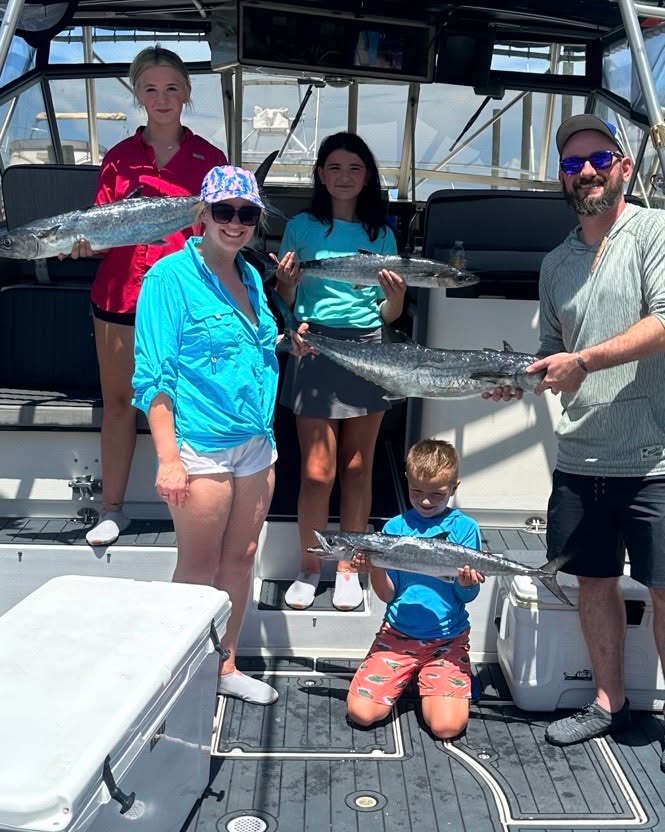
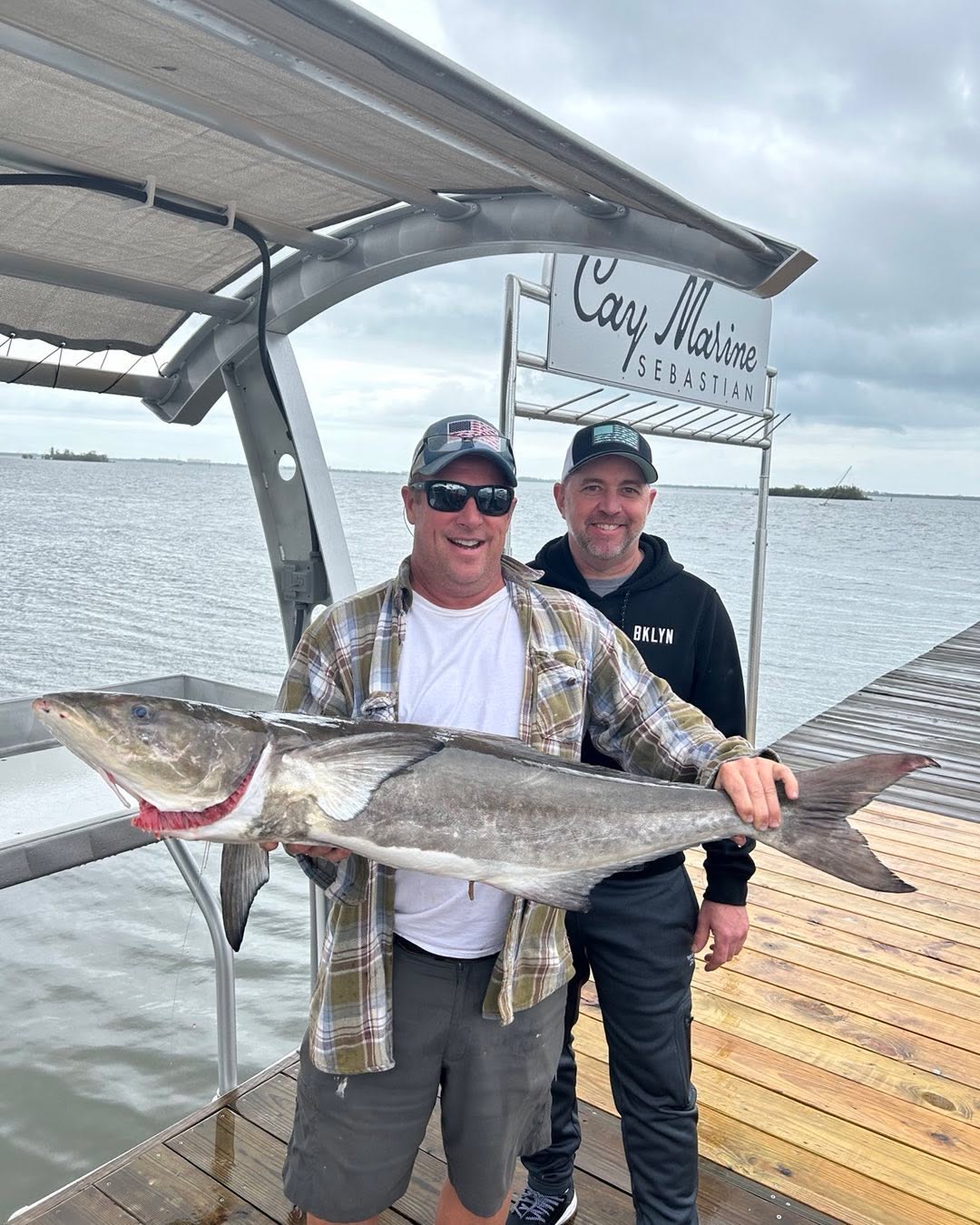
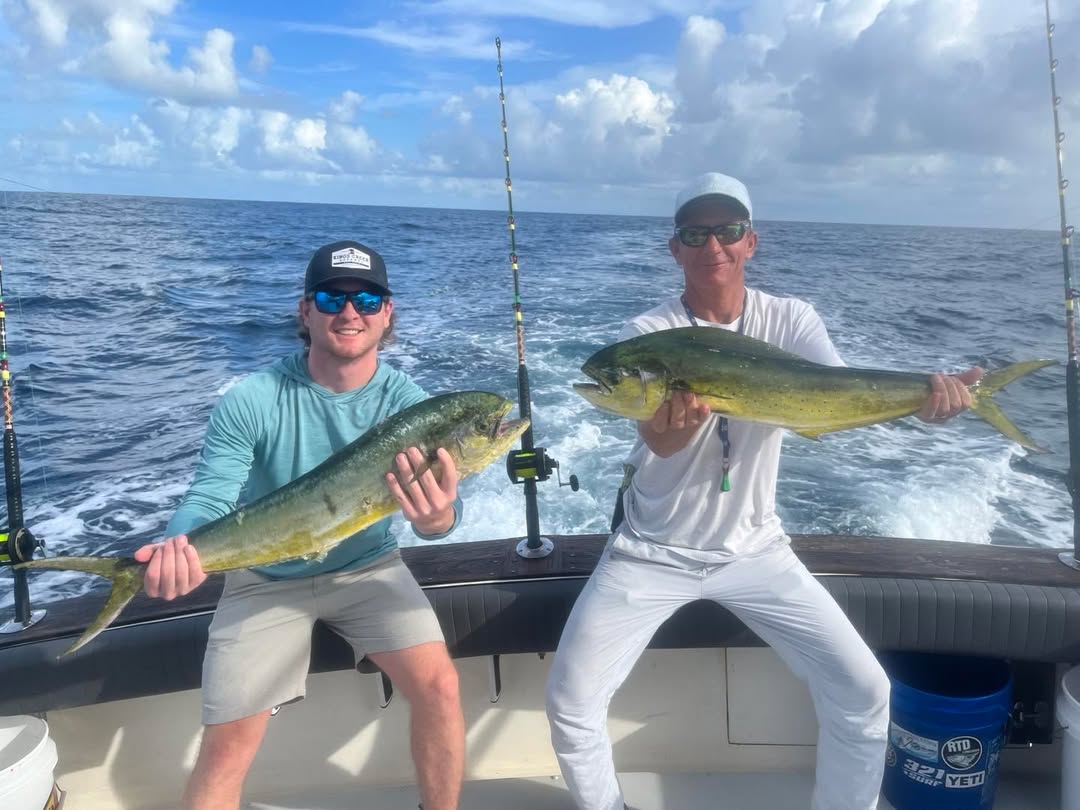
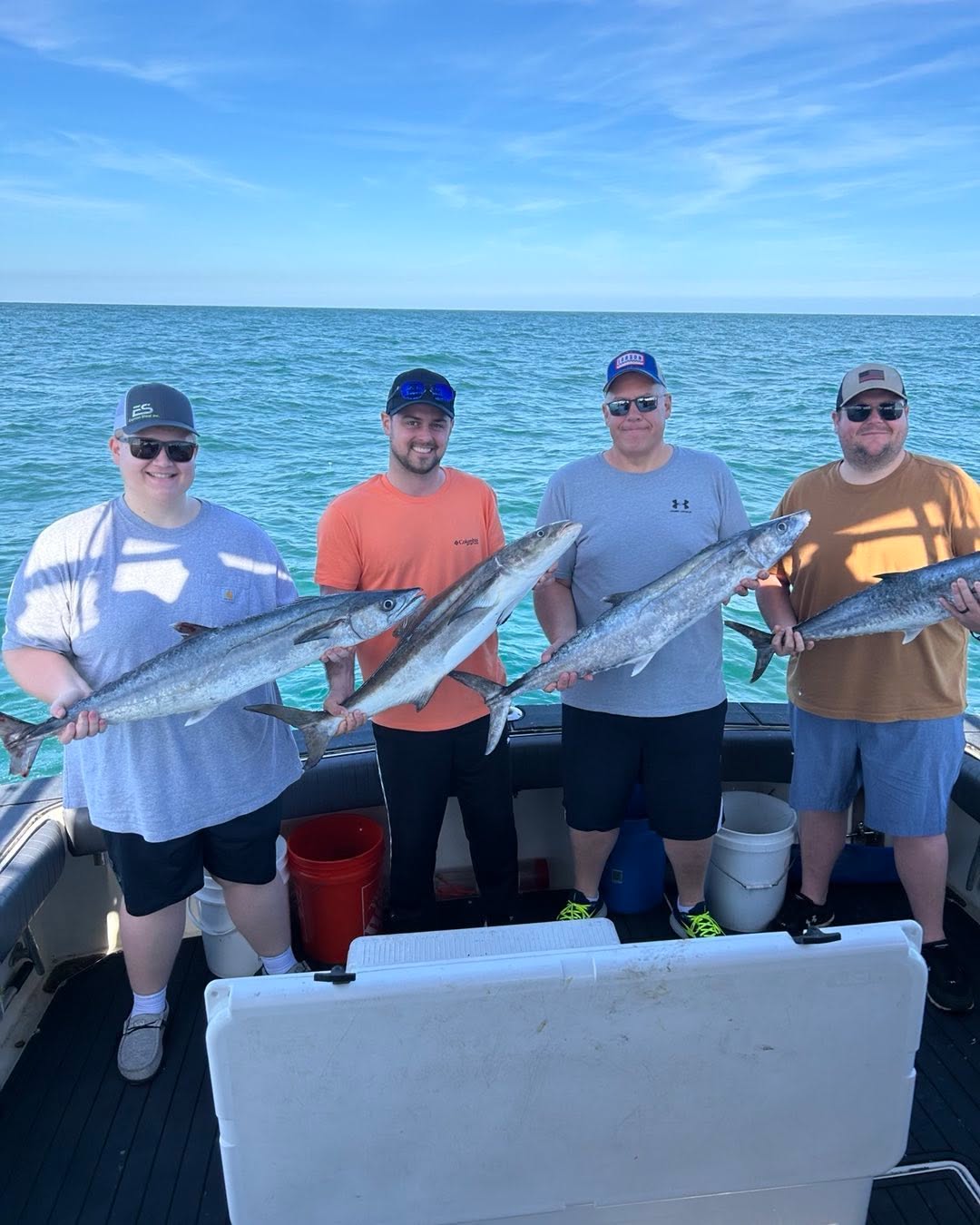
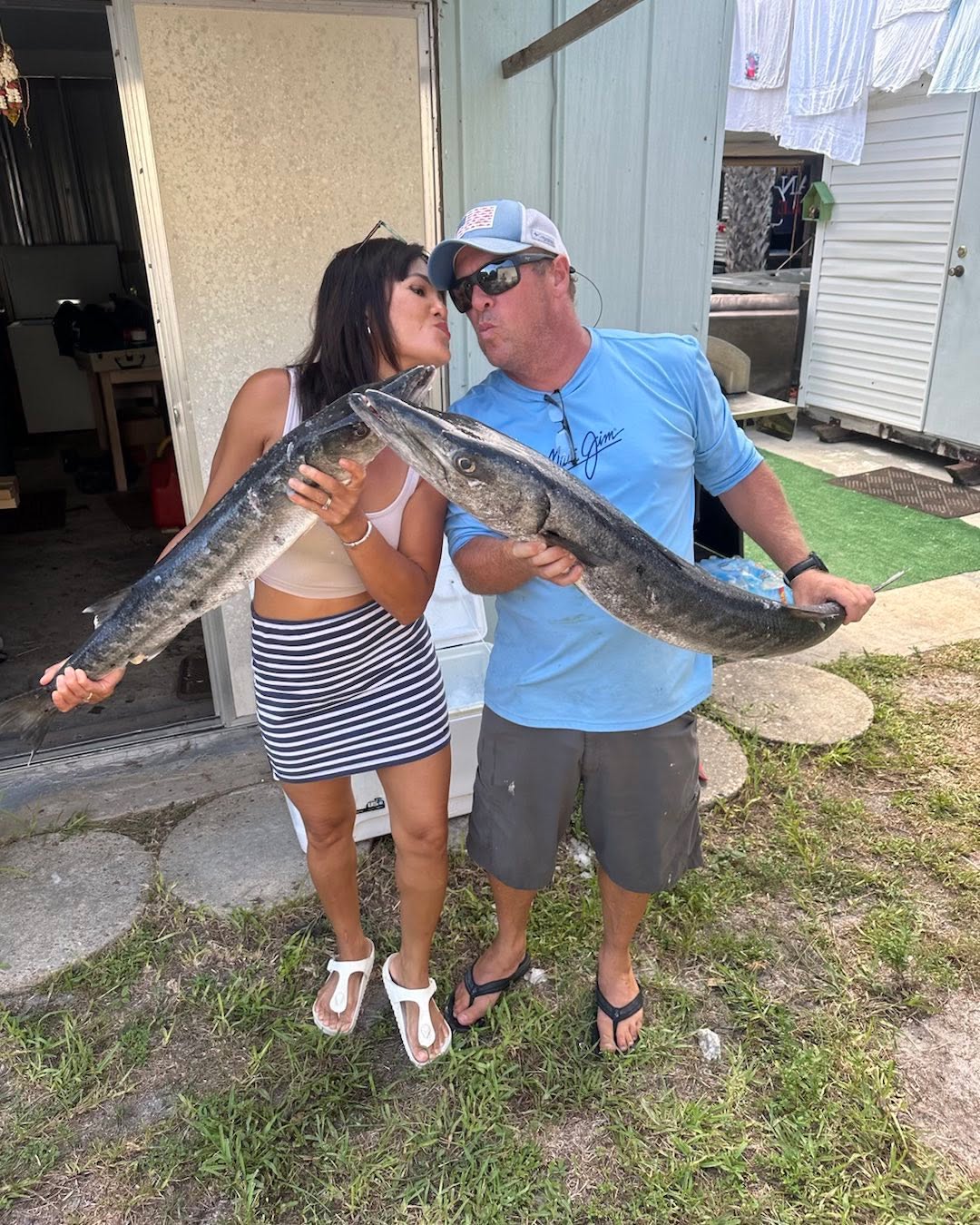
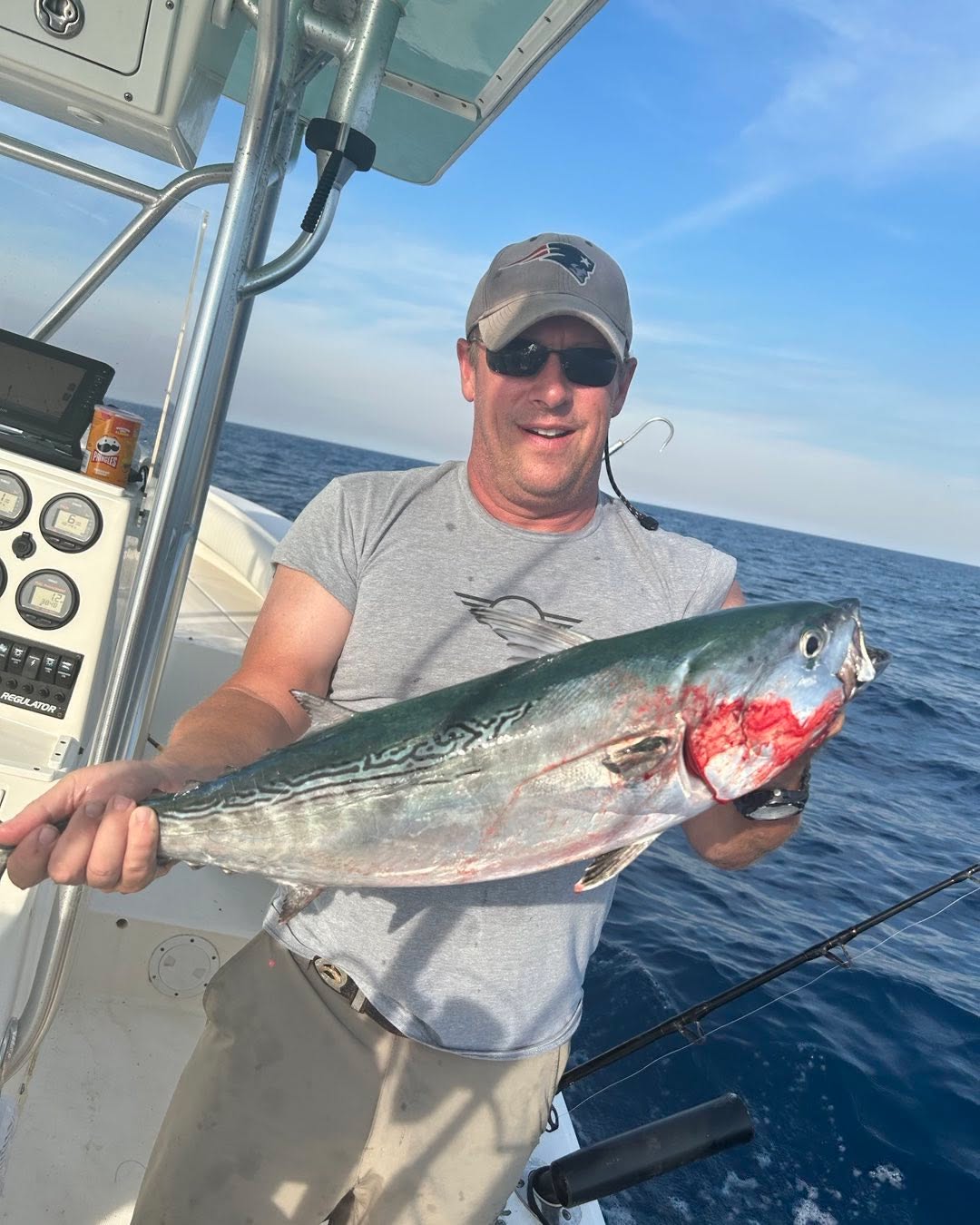
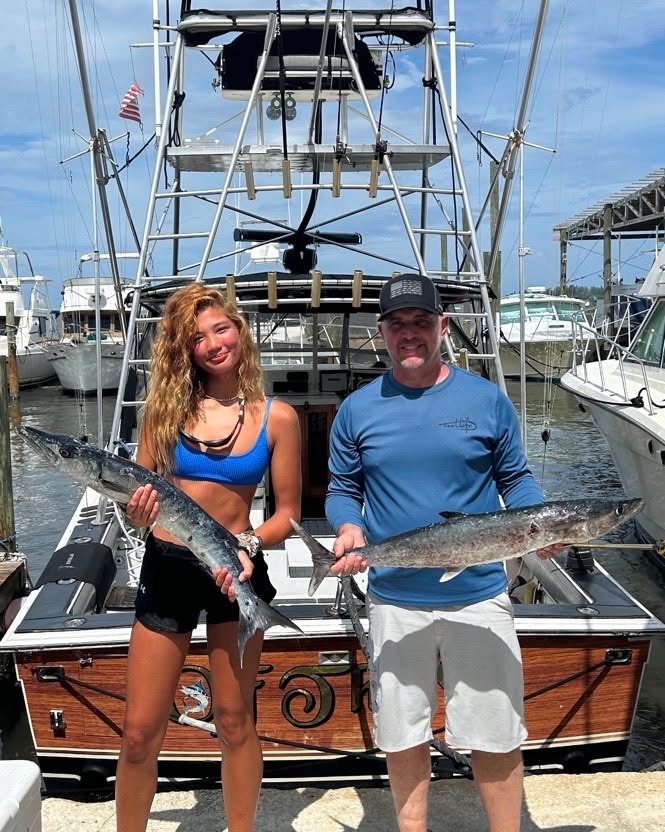
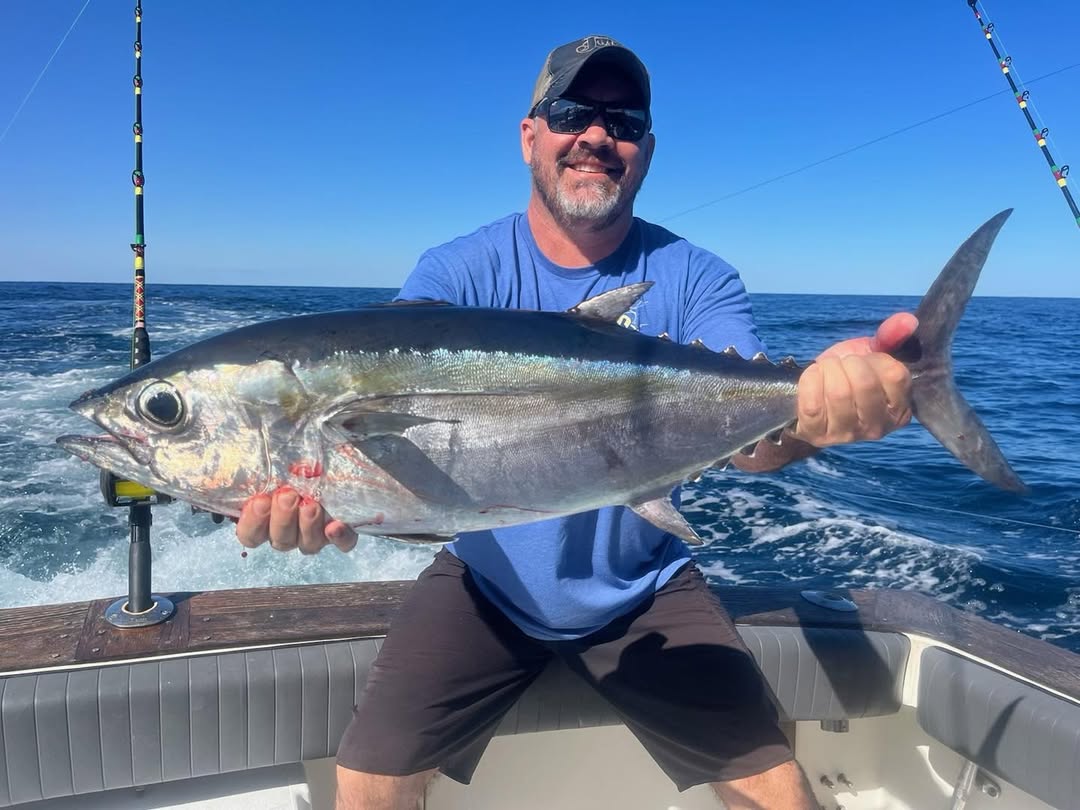
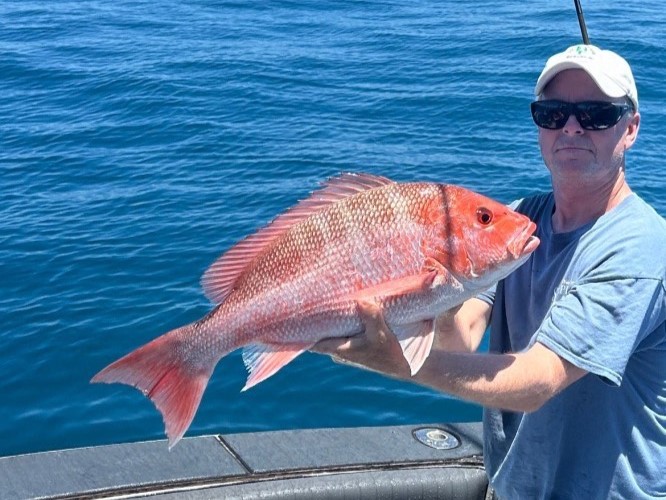
The Sebastian Inlet area is famous for its diversity, and this charter targets some of the most sought-after inshore species on the Atlantic coast. Redfish are the bread and butter here – these copper-colored bulldogs patrol the flats and mangrove edges, especially during moving tides. They hit hard and fight harder, often making screaming runs that'll test your drag system. Most reds in this system run 20-30 inches, with slot-size fish being common and oversized bulls showing up regularly. Black drum are another favorite, especially around structure and deeper holes. These bottom-dwellers can surprise you with their size – 30-40 pounders aren't uncommon, and they fight like trucks once hooked. Bluefish move through the inlet in schools, providing fast action when they're around. They're aggressive feeders that'll hit almost anything, making them perfect for getting kids or nervous beginners their first saltwater fish. Red grouper hang around deeper structure and provide excellent table fare for those looking to take fish home. Crevalle jacks are the wild cards – when a school moves through, you'll have non-stop action with fish that fight way above their weight class and never give up.
Time to Book Your Spot
This Sebastian afternoon charter delivers exactly what most anglers want – reliable action, variety, and a chance to learn from someone who fishes these waters daily. The 4-hour format gives you plenty of time to try different techniques and areas without feeling rushed, but doesn't eat up your entire day. It's perfect for visitors who want to experience Florida's famous inshore fishing, locals looking for a guided trip to new spots, or anyone who wants to improve their skills with an experienced captain. The fact that everything is included means you can literally show up empty-handed and have a complete fishing experience. With space for 4 anglers, it's ideal for small groups who want personalized attention rather than being lost in a crowd on a larger boat. Sebastian Inlet's reputation as a fish factory isn't just hype – it's backed up by consistent results and happy customers who keep coming back. Book your spot now and see why this area has been producing trophy fish and lasting memories for decades.
 Private Trip
 River Fishing
 undefined, undefined


 Four-hour afternoon charter targets Sebastian Inlet and Indian River waters