NJ Fishing Boats - Offshore Sport Fishing
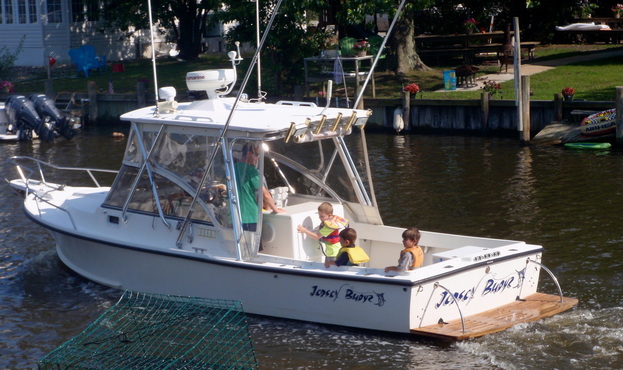
Ready to test your skills against some of the Atlantic's most powerful game fish? This isn't your typical weekend fishing trip. We're talking about a serious offshore adventure that'll take you miles from shore to hunt down wahoo, tuna, and mahi mahi in their home turf. With Jerzey Buoyz Sport Fishing, you'll spend 10 to 12 hours battling fish that can strip line faster than you can blink. Our experienced crew knows exactly where these monsters hang out, and they'll put you right in the action. Pack your cooler with food and drinks, grab your camera, and bring along whoever's brave enough to handle what the deep blue has to offer.
What to Expect on the Water
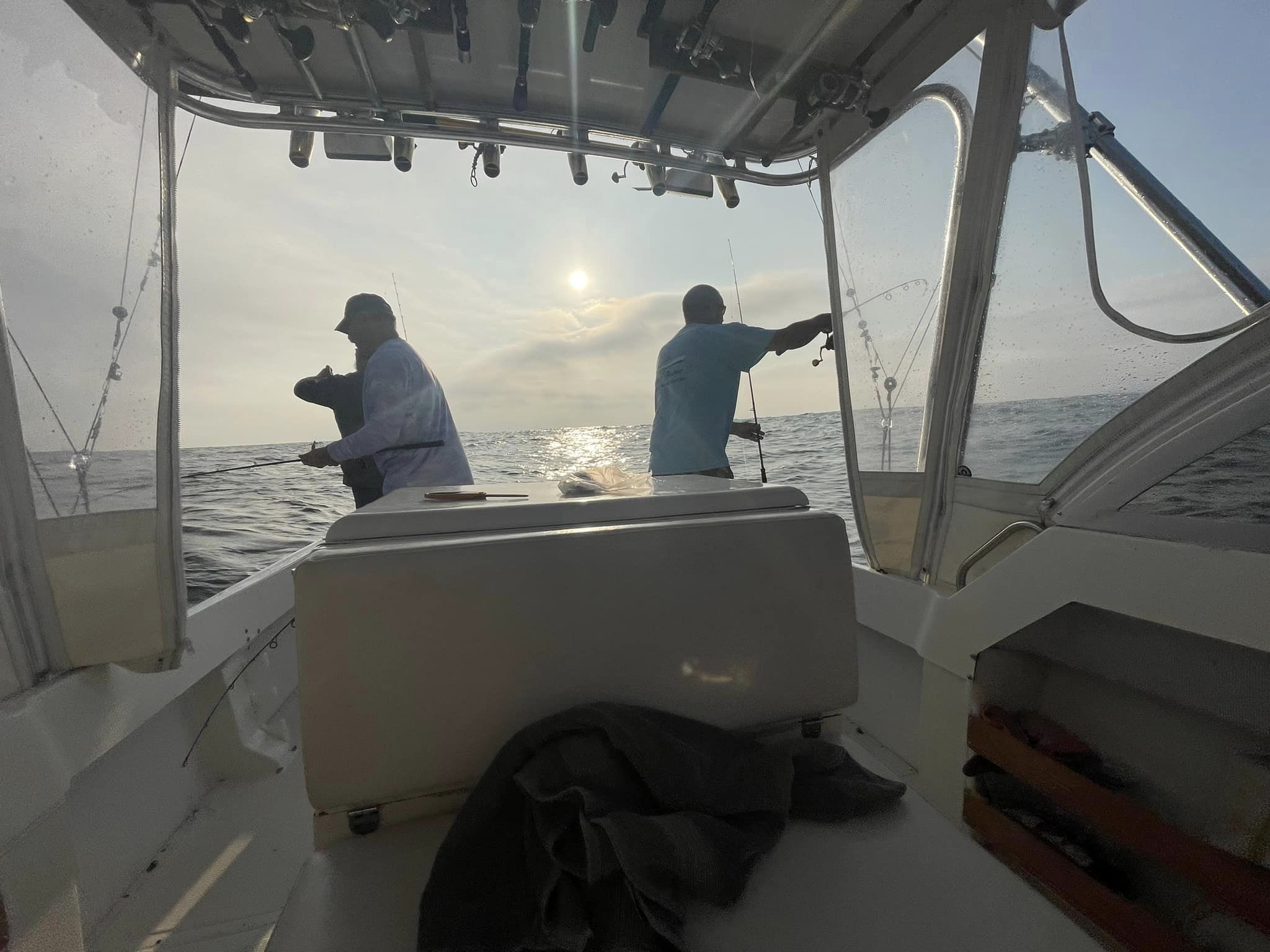
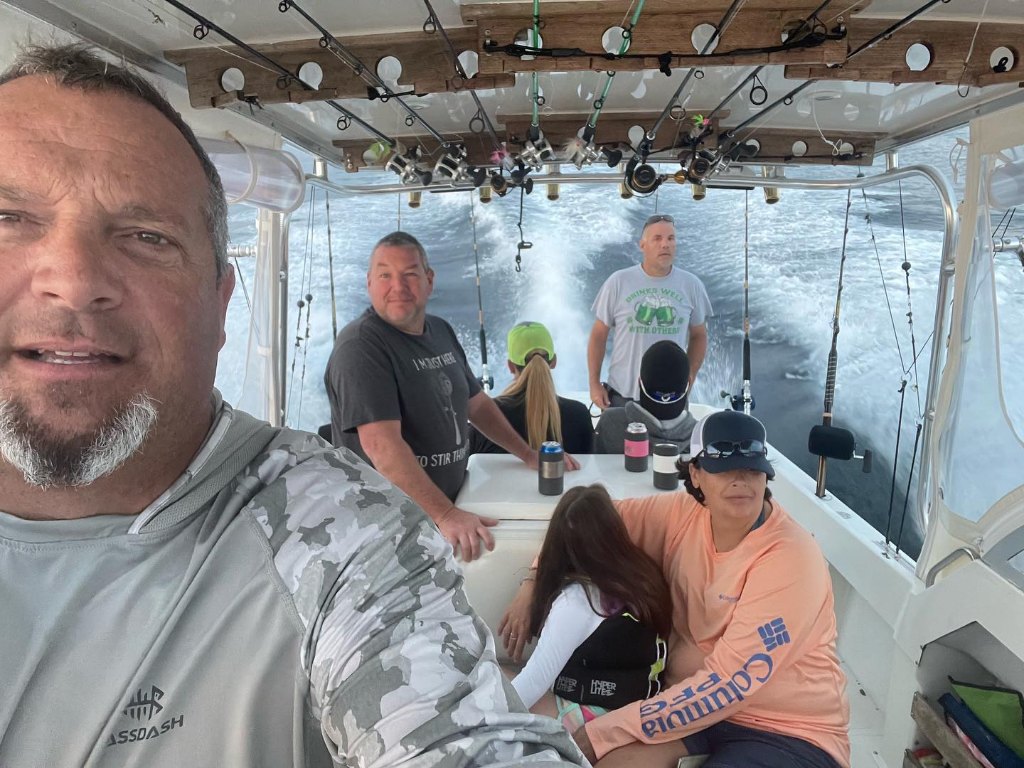
Your day starts early – we're talking before sunrise early – because the best fishing happens when most folks are still hitting the snooze button. Our boat heads out from New Jersey waters into the deep blue, where the continental shelf drops off and the real action begins. You'll spend your time trolling, which means we're constantly moving and covering water to find active fish. The boat can handle up to 6 anglers, so you're not fighting for elbow room at the rail. Our mate is included in your trip, and trust me, you'll want that extra pair of hands when a 40-pound mahi comes charging at the boat or when a tuna decides to make a blistering run toward the horizon. The ocean out here can change moods fast, but that's part of what makes offshore fishing so addictive. One minute you're enjoying the calm, the next you're doubled over a rod with something massive on the other end.
Trolling Tactics & Gear Setup
We run a spread of lures designed to mimic the baitfish these pelagic species can't resist. Picture this: multiple lines out at different depths and distances, each one rigged with proven producers like cedar plugs, diving plugs, and ballyhoo. The captain constantly adjusts our speed and direction based on water temperature, current breaks, and what the fish finder is telling us. When we mark fish or hit a temperature break, that's when things get interesting. You'll be using heavy tackle – we're talking 30 to 50-pound class gear – because these fish don't mess around. The reel's drag system becomes your best friend when a wahoo takes off at 40 mph or when a bluefin tuna decides to sound deep. Our mate handles the rigging, gafting, and all the technical stuff, so you can focus on the fight. The trolling spread stays in the water most of the day, maximizing your chances of connecting with multiple species as we cover different areas and depths.
Target Species You'll Want to Hook
Mahi mahi, or dolphin fish as we call them locally, are pure excitement on a fishing rod. These bright green and gold beauties typically run 10 to 30 pounds, with the occasional bull pushing 40 or more. They love floating debris, weed lines, and temperature breaks, often traveling in schools. Spring through fall offers the best action, with peak season hitting during summer months. What makes mahi so special? They fight like crazy, jumping and tail-walking across the surface, plus they're absolutely delicious on the dinner table. When you hook into a school, get ready for non-stop action.
Wahoo are the speed demons of the offshore world, capable of reaching speeds that'll shock you. These torpedo-shaped predators typically range from 20 to 50 pounds, with their razor-sharp teeth and lightning-fast strikes. They patrol the edges of the continental shelf, especially around structure and temperature changes. Fall and early winter bring the best wahoo fishing to New Jersey waters. The initial run when you hook a wahoo is absolutely mind-blowing – they can strip 200 yards of line in seconds. Their white, flaky meat makes them a top choice for the dinner table too.
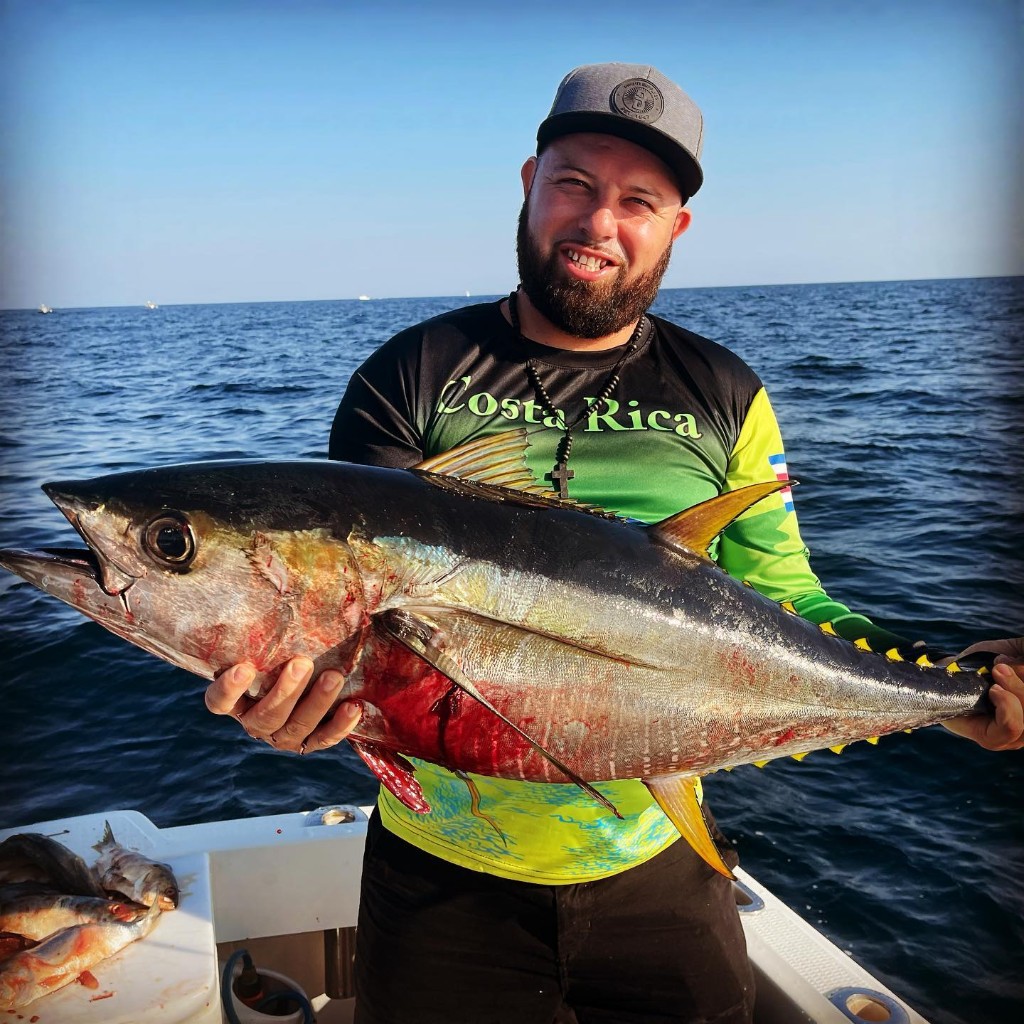
Bluefin tuna represent the ultimate offshore challenge. These powerful fish can range from school-sized 20-pounders to giants exceeding 200 pounds. They're incredibly smart, with excellent eyesight and the ability to generate speeds over 40 mph. Bluefin show up in New Jersey waters during their spring and fall migrations, with some of the best action happening when water temperatures hit that sweet spot. Fighting a large bluefin is like being connected to a freight train – they'll test every piece of equipment and every ounce of your strength and endurance.
Albacore tuna, often called longfin tuna, are smaller than their bluefin cousins but pack serious punch. These 15 to 40-pound fish are known for their long pectoral fins and incredible stamina. They prefer cooler water and often show up during late summer and fall. Albies are fantastic eating and put up a scrappy fight that keeps you honest. They're also more cooperative than bluefin, making them perfect for anglers looking to get that tuna experience without the marathon battle.
Spanish mackerel might be the smaller members of this lineup, but they make up for size with sheer numbers and aggressive behavior. These 2 to 4-pound speedsters travel in large schools and will attack anything that moves. They're perfect for getting kids or nervous first-timers involved in the action. Their razor-sharp teeth and acrobatic jumps keep things lively, and they make excellent bait for larger species when the bite gets tough.
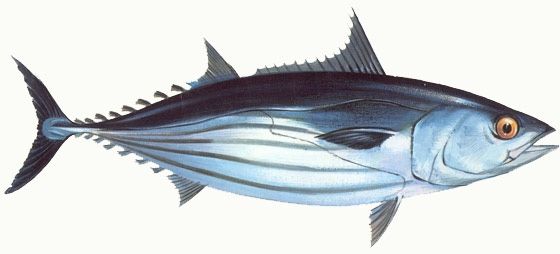
Skipjack tuna are the workhorses of the tuna family, typically running 5 to 15 pounds. They school heavily and provide fast-paced action when conditions are right. These fish are incredibly strong for their size and will give you a workout on light tackle. They're also prime bait for larger predators, so catching skipjack often leads to bigger and better things as the day progresses.
Why Anglers Keep Coming Back
There's something ad
 Private Trip
 Offshore Fishing
 Newark




 Target wahoo, tuna, mahi mahi on 10-12 hour offshore trips