Full Day Advanced Trout Fishing Trip On White River
When serious anglers think about Arkansas trout fishing, the White River near Cotter stands as the gold standard. This isn't your typical family float trip – we're talking about eight solid hours of advanced trout fishing targeting some of the most challenging and rewarding fish in the Natural State. Joe's got over 15 years of experience reading this river like a book, and he's ready to put you on trophy-class Browns, Rainbows, Brooks, and Cutthroats that call these cold, clear waters home. We'll pick you up within 25 miles of Cotter, load up the high-end tackle, and get you into spots where the big fish actually live. Just remember to grab your Arkansas fishing license before we shove off.
What to Expect on the Water
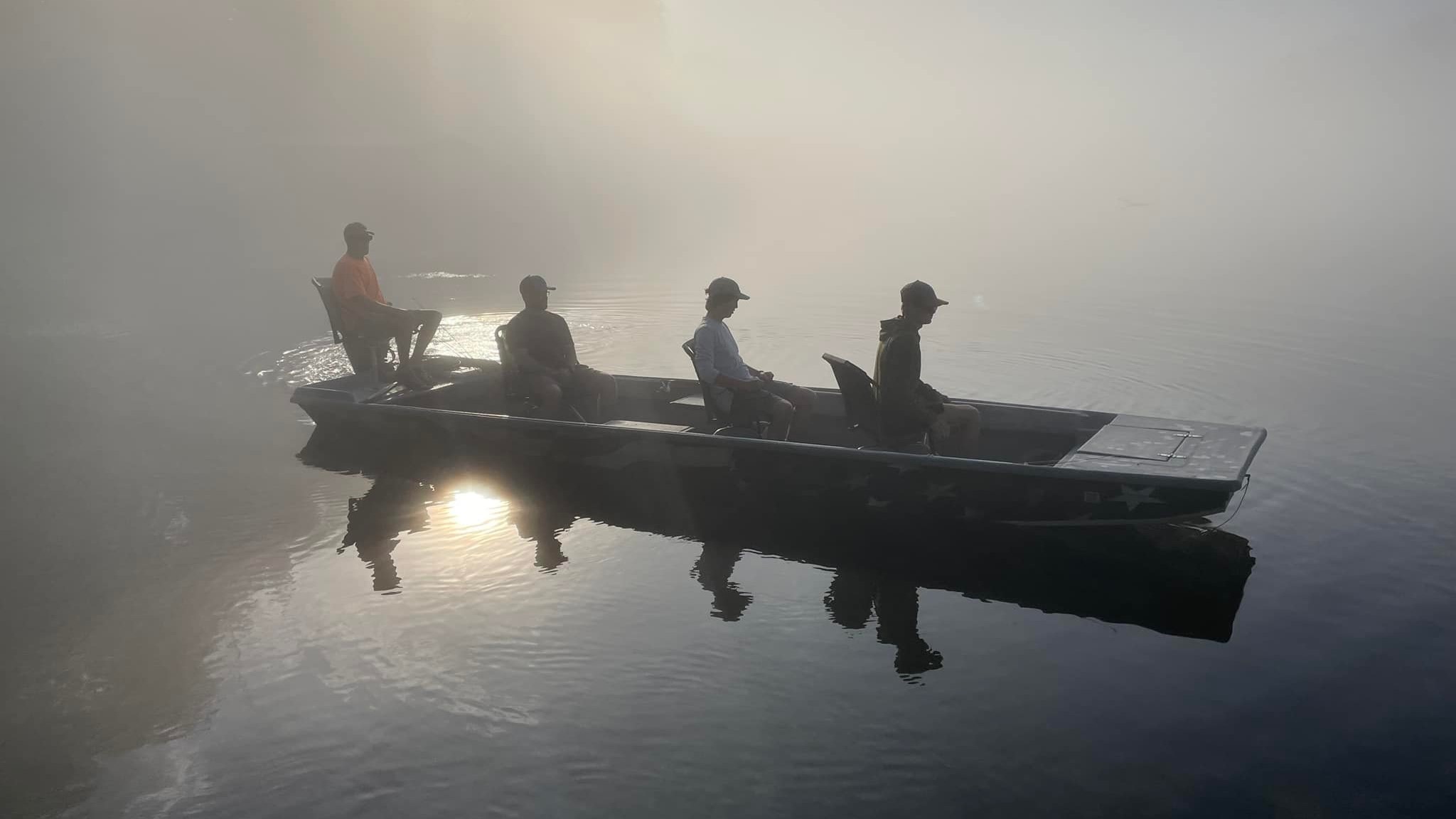
The White River below Bull Shoals Dam creates a world-class trout fishery that stays cold year-round, giving these fish the perfect conditions to grow fat and smart. You'll be fishing from a well-equipped drift boat that lets us cover serious water while staying quiet and positioned perfectly for the best presentations. This trip is built for anglers who already know the difference between a dry fly and a streamer, who understand drag-free drifts, and who want to push their skills to the next level. Joe's not going to spend time teaching you how to cast – instead, he'll be showing you how to read the subtle seams where big trout hold, how to adjust your presentation when the fish get selective, and where to find the deep pools that harbor the kind of Browns that make your reel sing. The river changes personality throughout the day as water releases shift, and knowing how to adapt your approach separates the weekend warriors from the serious stick. We're talking technical fishing that rewards patience and precision.
Advanced Techniques & Gear
This isn't a trip where you'll be plunking PowerBait under a bobber. We're dialing in presentations with top-shelf rods, reels that can handle screaming runs, and fly selections that match exactly what these educated trout want to see. Depending on conditions and what's working, you might find yourself nymphing deep runs with micro-shot rigs, swinging soft hackles through likely lies, or making precision casts to rising fish with size 20 emergers. Joe provides all the tackle, which means you'll be fishing with gear specifically chosen for White River conditions – not whatever happens to be in your garage. The boat setup allows for both fly fishing and spin fishing approaches, so whether you're more comfortable with a 5-weight and hand-tied flies or prefer throwing inline spinners and small spoons, we've got you covered. Reading water becomes critical when you're after advanced fish, and Joe will walk you through identifying the subtle current breaks, undercut banks, and depth changes that hold the biggest trout. These fish have seen every lure in the tackle shop, so presentation and approach matter more than anything else in your box.
Species You'll Want to Hook
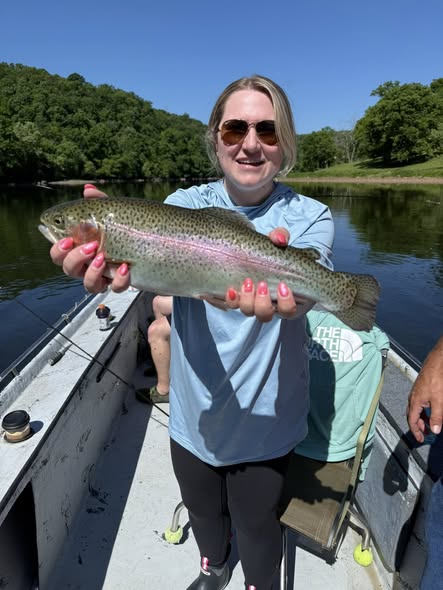
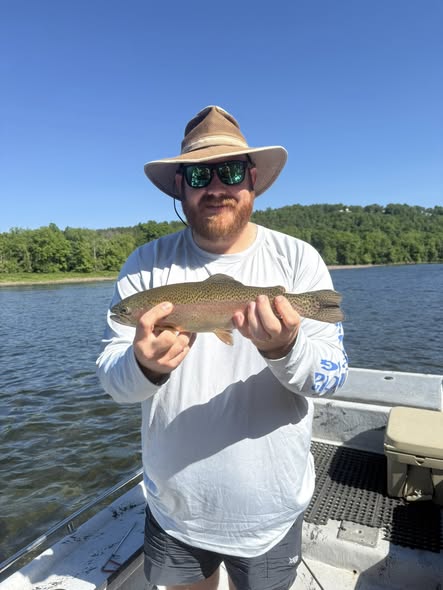
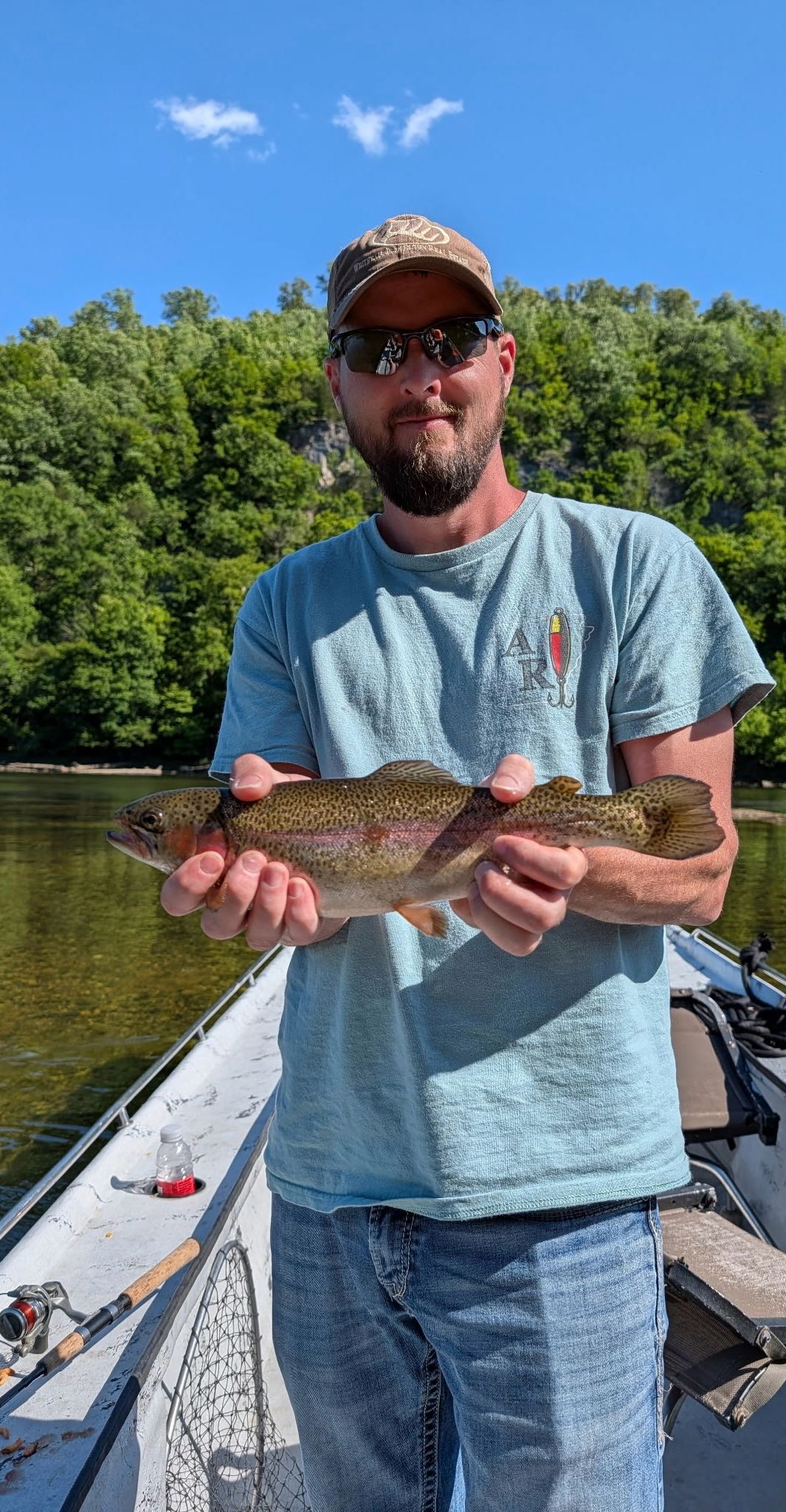
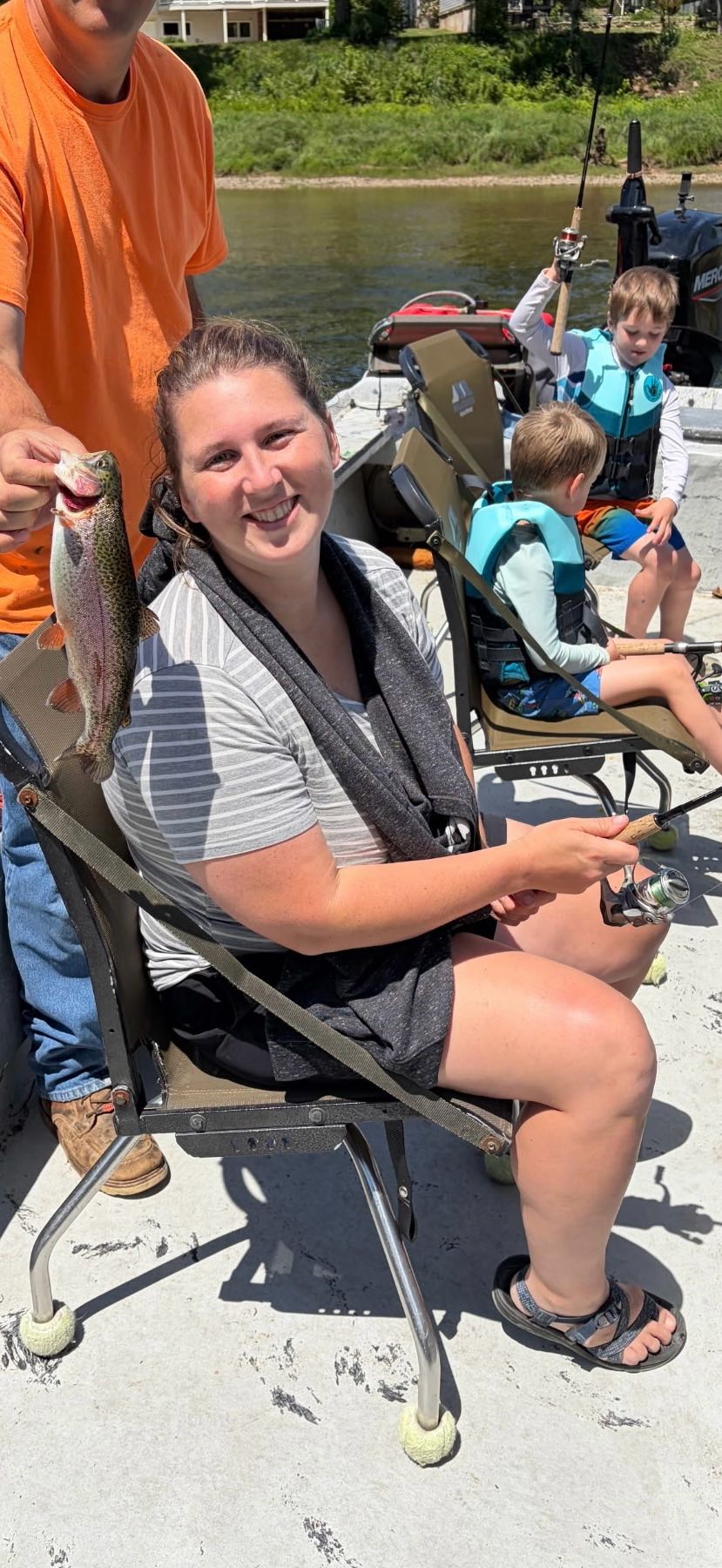
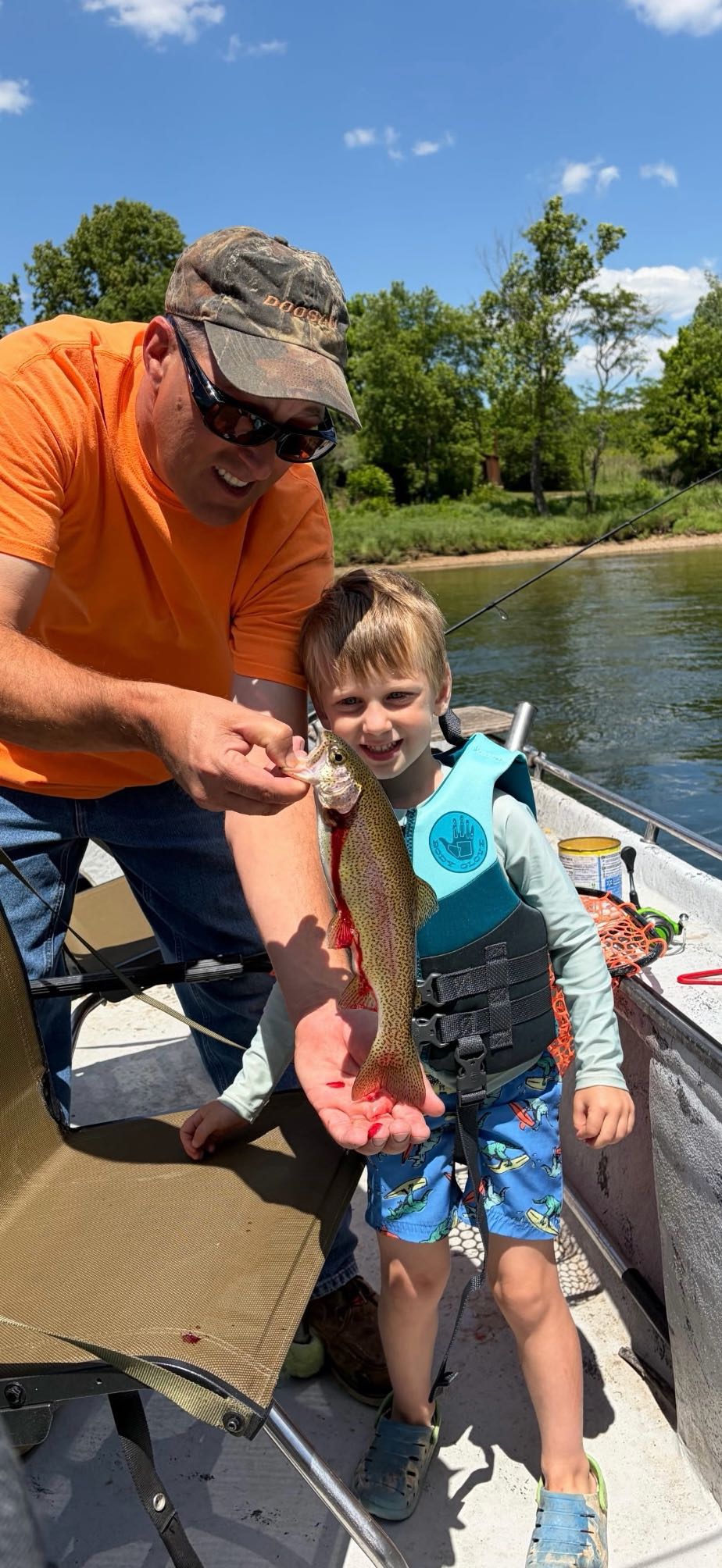
Rainbow Trout in the White River fight like they've got something to prove, and honestly, they do. These aren't your typical stocked rainbows – we're talking about fish that have been living wild in this system, feeding on abundant aquatic insects and growing strong in the constant current. They'll average 12-16 inches, but the real prizes push well into the 20-inch range and have shoulders that'll test your drag system. Best action often comes during cooler parts of the day, especially early morning and late afternoon when they're actively feeding in the shallows. What makes them special here is their aggressive nature – when you find a pod of feeding rainbows, the action can be fast and furious.
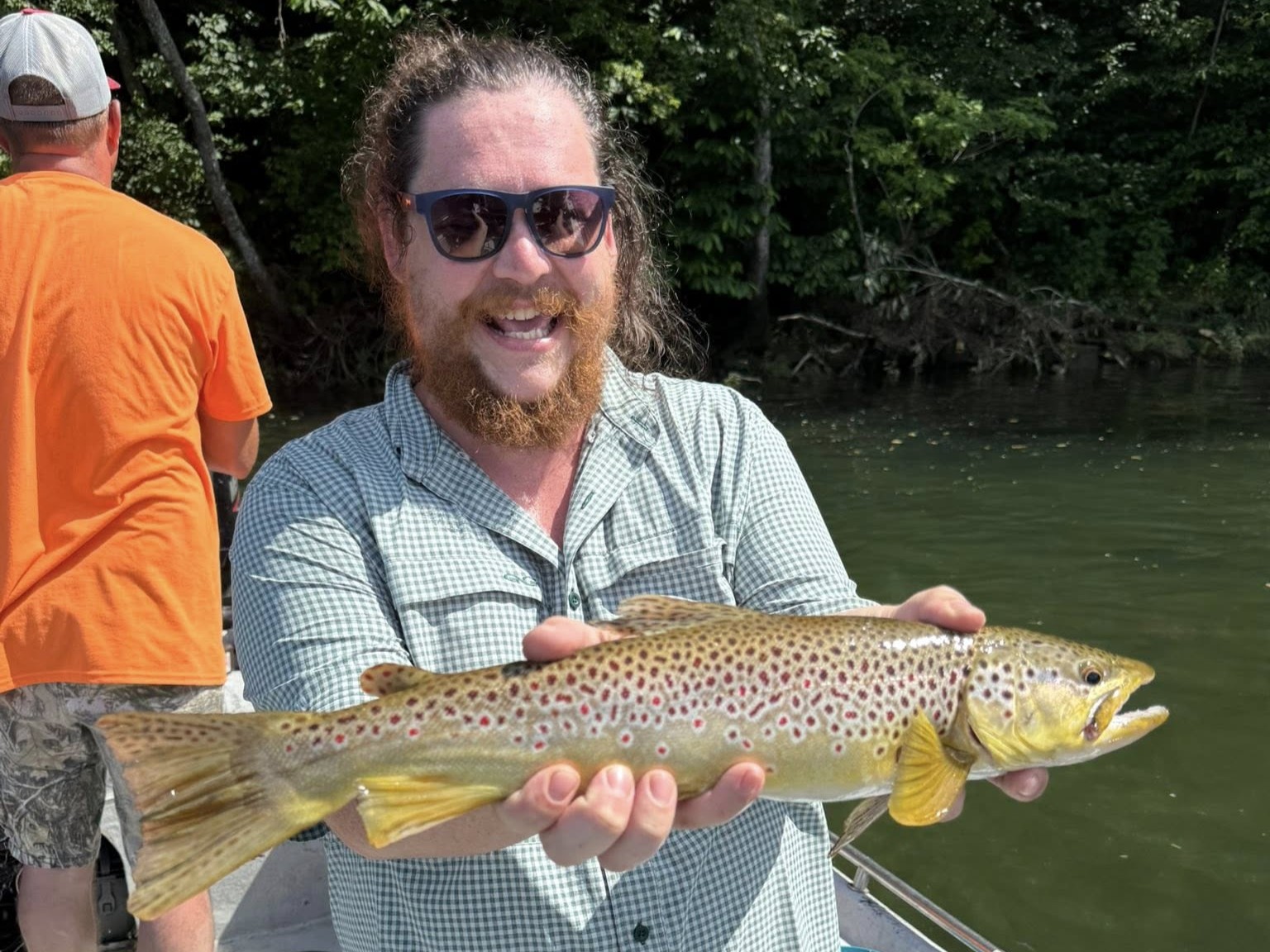
Brown Trout represent the ultimate challenge on this river system, and they're exactly why serious anglers book this advanced trip. These are the ghosts of the White River – smart, selective, and absolutely massive when you connect with a good one. Browns here commonly reach 18-24 inches, with true monsters exceeding 30 inches lurking in the deepest holes and most protected lies. They're primarily active during low-light periods and can be incredibly selective about presentation, often requiring perfect drifts and near-invisible tippets. Fall through early spring offers the best opportunities as they become more aggressive during their spawning period. Landing a big White River Brown is a badge of honor among Arkansas anglers, and the fight is something you'll remember for years.
Cutthroat Trout add an exotic element to your White River experience, as they're not native to Arkansas waters but have adapted beautifully to this cold-water environment. They're typically the most willing to take dry flies and often provide consistent action when other species get finicky. Most Cutthroats here run 10-14 inches, making them perfect targets for lighter tackle and technical presentations. They're curious fish that will often investigate flies other trout ignore, and their distinctive red slash under the jaw makes them easy to identify. Spring and early summer provide peak action as they actively feed in preparation for warmer months.
Brook Trout, though less common in the main river, represent special opportunities in tributary areas and specific habitat zones. These native beauties are stunning fish with intricate coloration that looks almost painted – bright orange fins, white-edged fins, and vermiculated patterns on their backs. They're typically smaller than the other species, usually running 8-12 inches, but they're aggressive feeders and absolutely beautiful. Brooks prefer cooler water and are often found in areas with spring seepage or tributary confluences. They're particularly active during fall months and will hit both flies and small lures with enthusiasm that makes up for their smaller average size.
Time to Book Your Spot
The White River near Cotter offers some of the most technically challenging and rewarding trout fishing in the South, and this advanced trip puts you in position to experience it at the highest level. Joe's decade and a half of experience reading these waters means you're not just getting a guide – you're getting a fishing education that'll make you a better an
 Private Trip
 River Fishing
 White River


 Eight-hour advanced trip targets trophy Brown Trout on White River