Half Day Afternoon Trout Fishing On White River
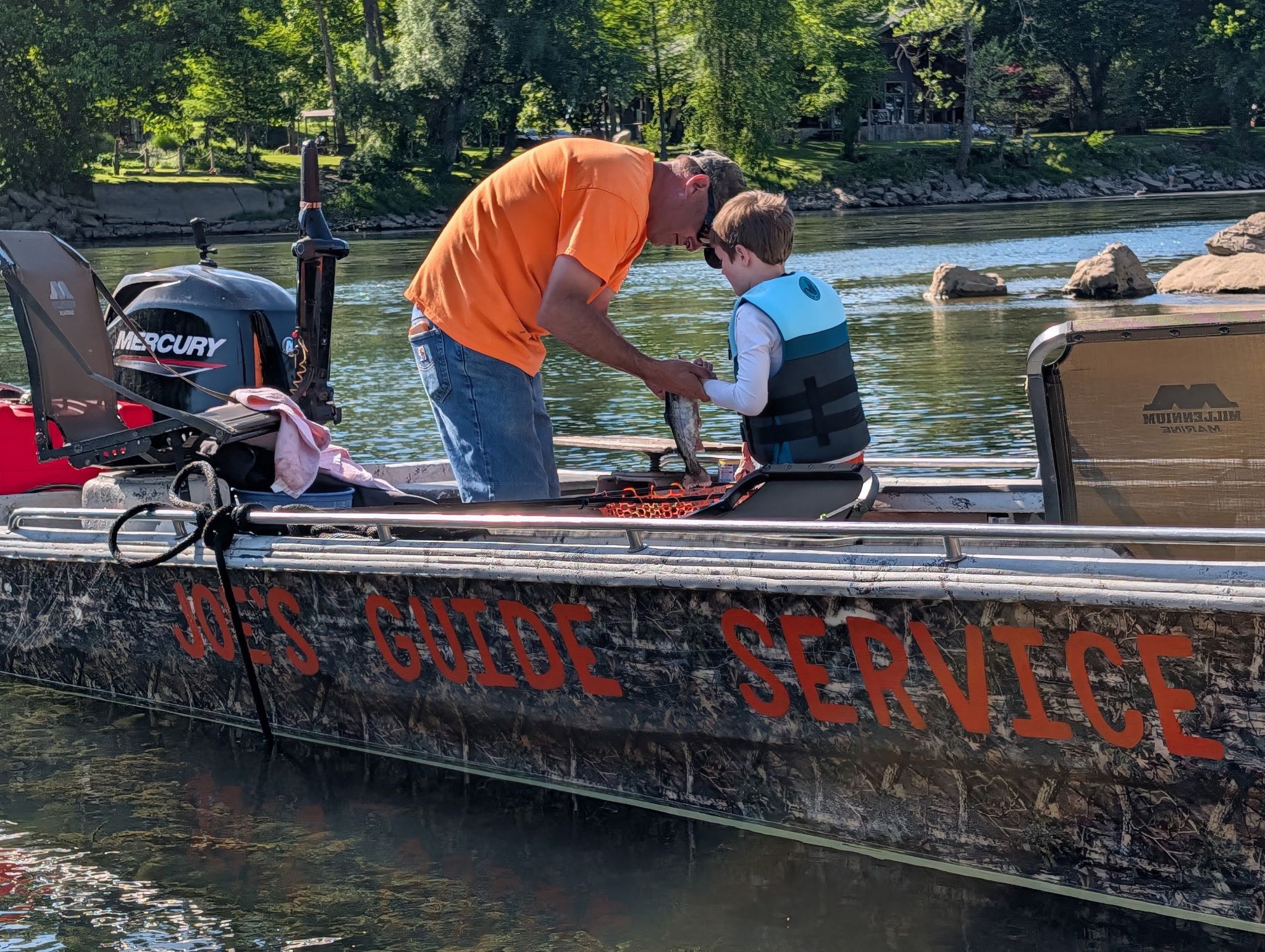
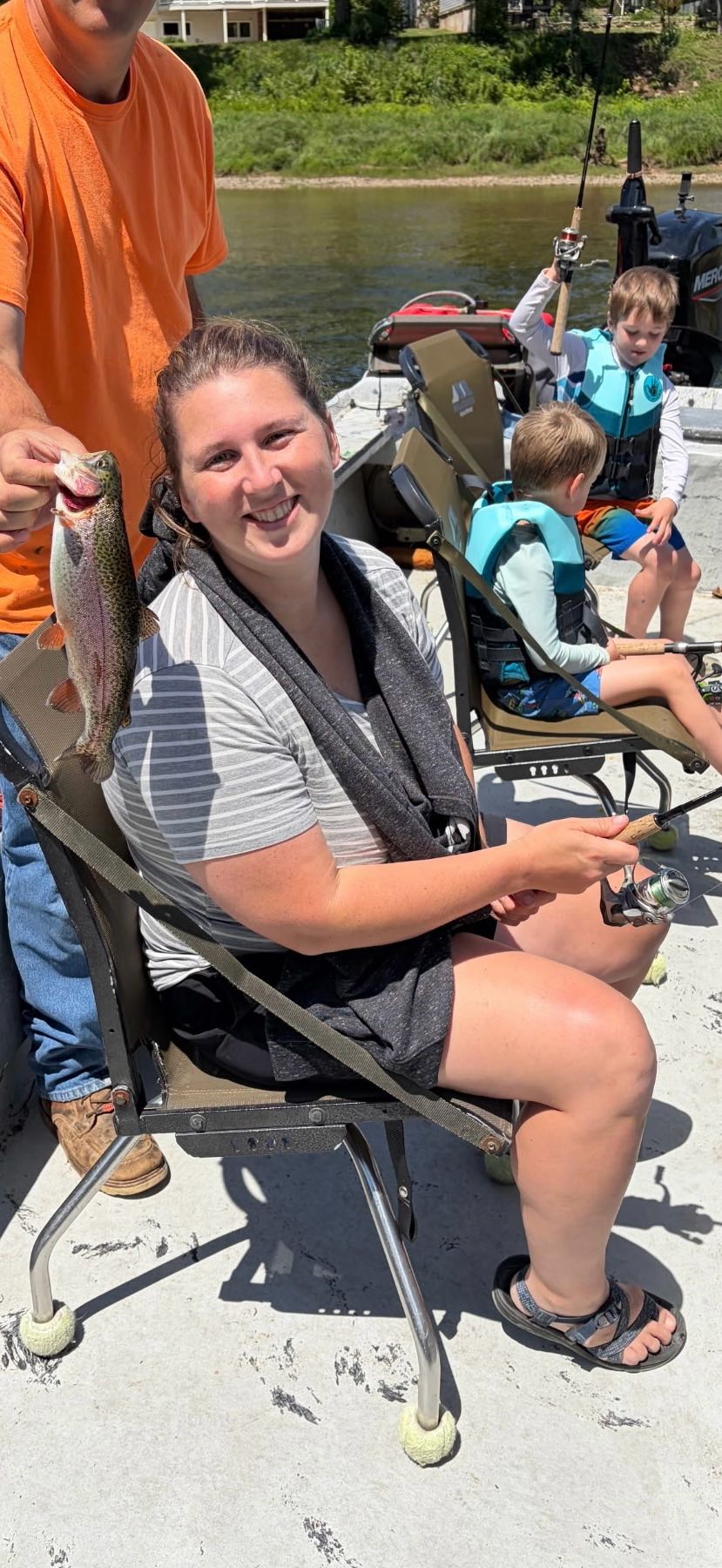
The White River in Arkansas isn't just another fishing spot—it's where trophy trout dreams come true. Joe's Guide Service has been putting anglers on fish in these crystal-clear waters for years, and this half-day afternoon trip is perfect for anyone looking to experience world-class trout fishing without burning a whole day. You'll launch into some of the most productive trout water in the country, where cold tailwater flows create the perfect habitat for Rainbow, Brown, Brook, and Cutthroat Trout. With convenient pickup within 25 miles of Cotter and all gear included, you just need to bring yourself and a valid Arkansas fishing license.
What to Expect on the Water
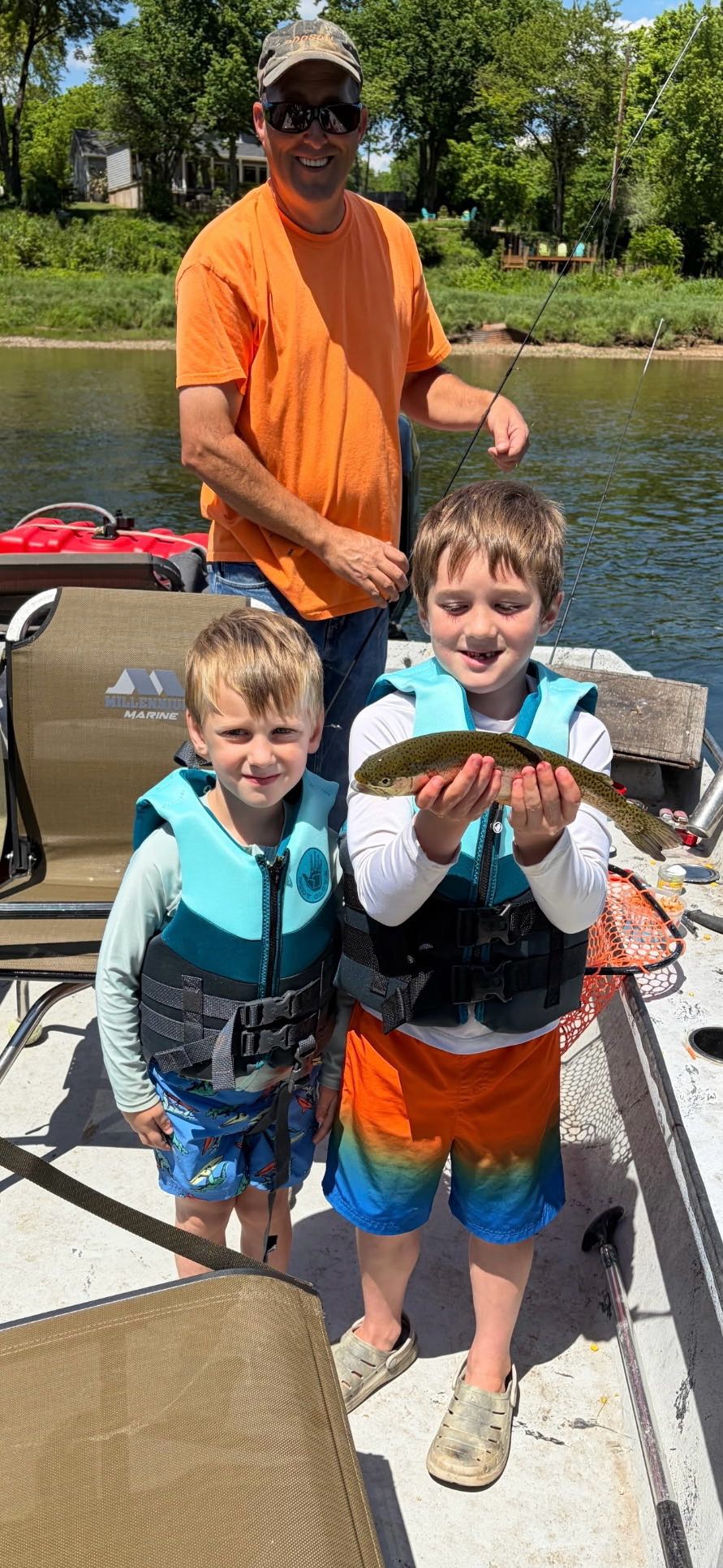
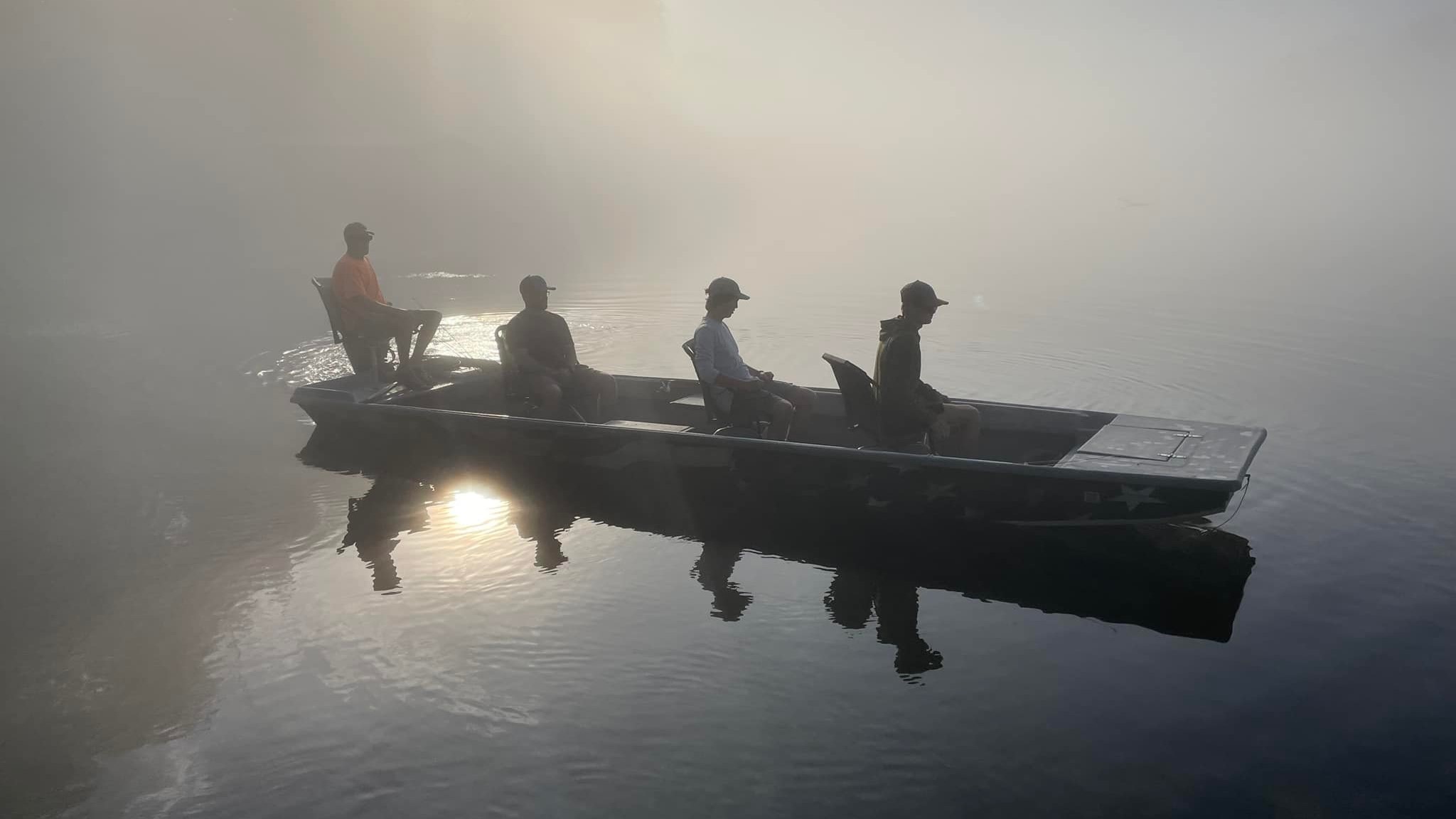
This isn't your average pond fishing trip. The White River flows cold and clear year-round thanks to the dam releases from Bull Shoals Lake, creating prime trout habitat that consistently produces fish. Joe knows these waters like the back of his hand—every deep hole, current break, and feeding lane where trout stack up during different times of day. Afternoon trips have their own magic, especially when the sun starts to angle lower and trout become more active in the shallows. You'll drift through some of the most scenic stretches of river in Arkansas, where limestone bluffs rise up on both sides and the only sounds are flowing water and the occasional splash of a jumping trout. The boat stays comfortable with just two guests max, so you're not fighting for fishing space or dealing with crowded conditions. Joe provides all the rods, reels, bait, and tackle you'll need, plus he'll tie on the right flies or rig your bait to match what the fish are hitting that day.
Proven Techniques & Tactics
The White River demands a mix of techniques depending on water levels, weather, and what the trout are feeding on. Joe switches between drift fishing with live bait, casting spinners to likely holding spots, and fly fishing when conditions are right. The key here is reading the water—trout position themselves differently in tailwater systems compared to natural streams. They'll stack up below shoals where the current breaks, hold tight to undercut banks during bright conditions, and move into riffles when insects start hatching. Joe's boat is rigged with everything from ultra-light spinning gear perfect for finicky rainbows to heavier tackle that can handle a big brown trout. He'll teach you how to mend your line in the current, when to let your bait drift naturally versus when to add action, and how to spot the subtle strikes that White River trout are famous for. The afternoon bite often focuses on nymph patterns and small spinners, but don't be surprised if Joe breaks out topwater flies when trout start rising to feed on the surface.
Species You'll Want to Hook
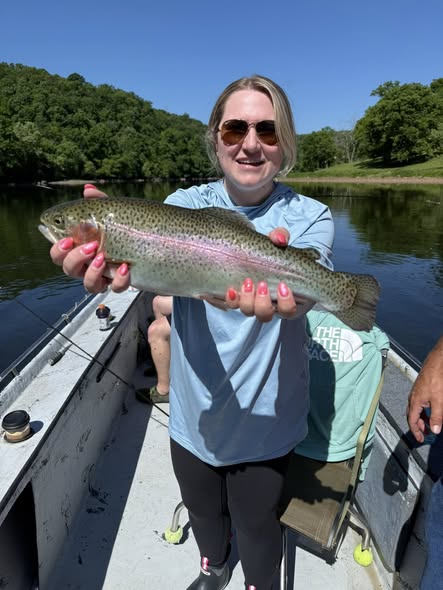
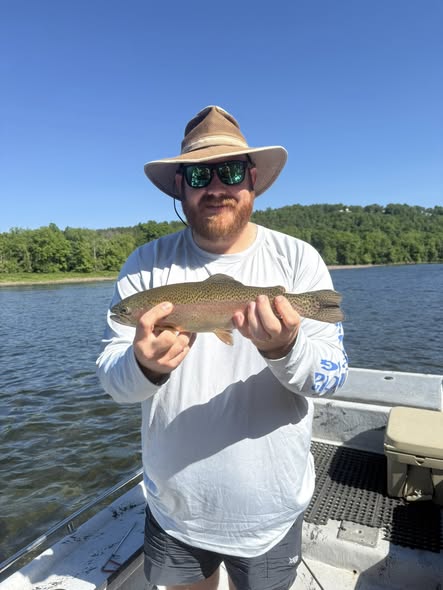
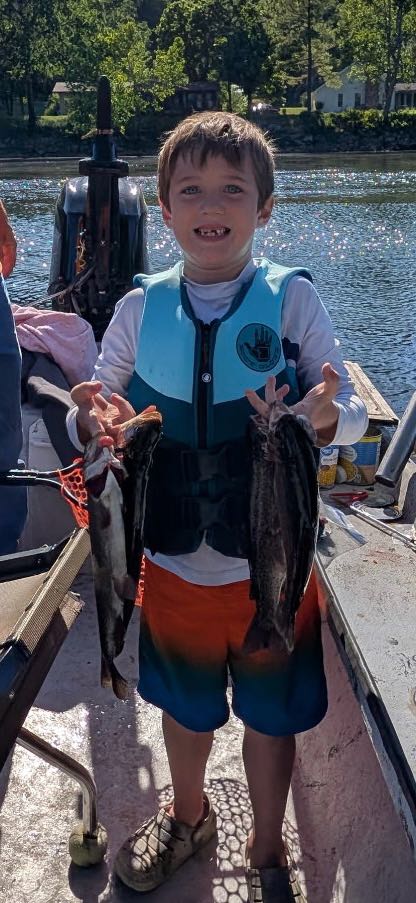
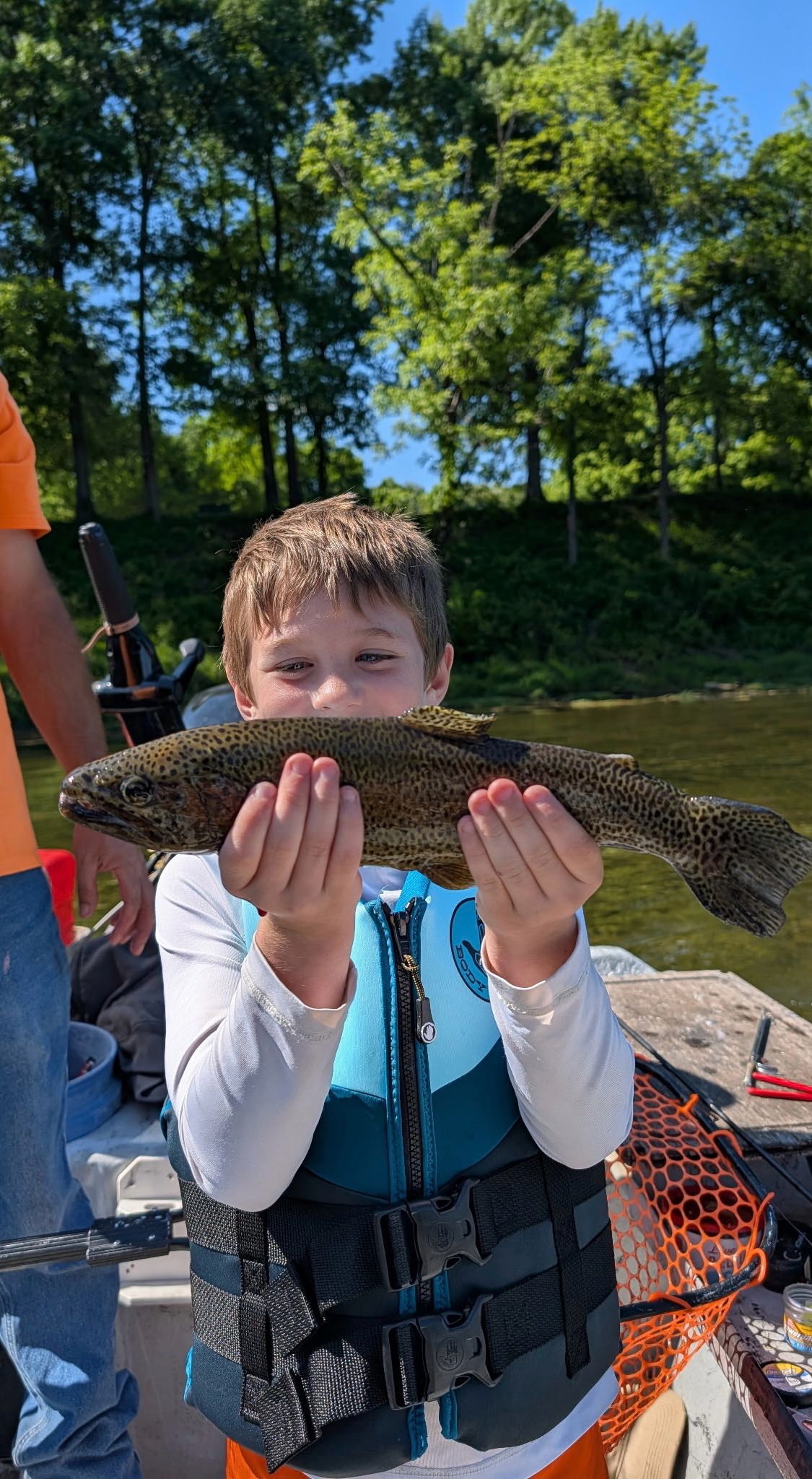
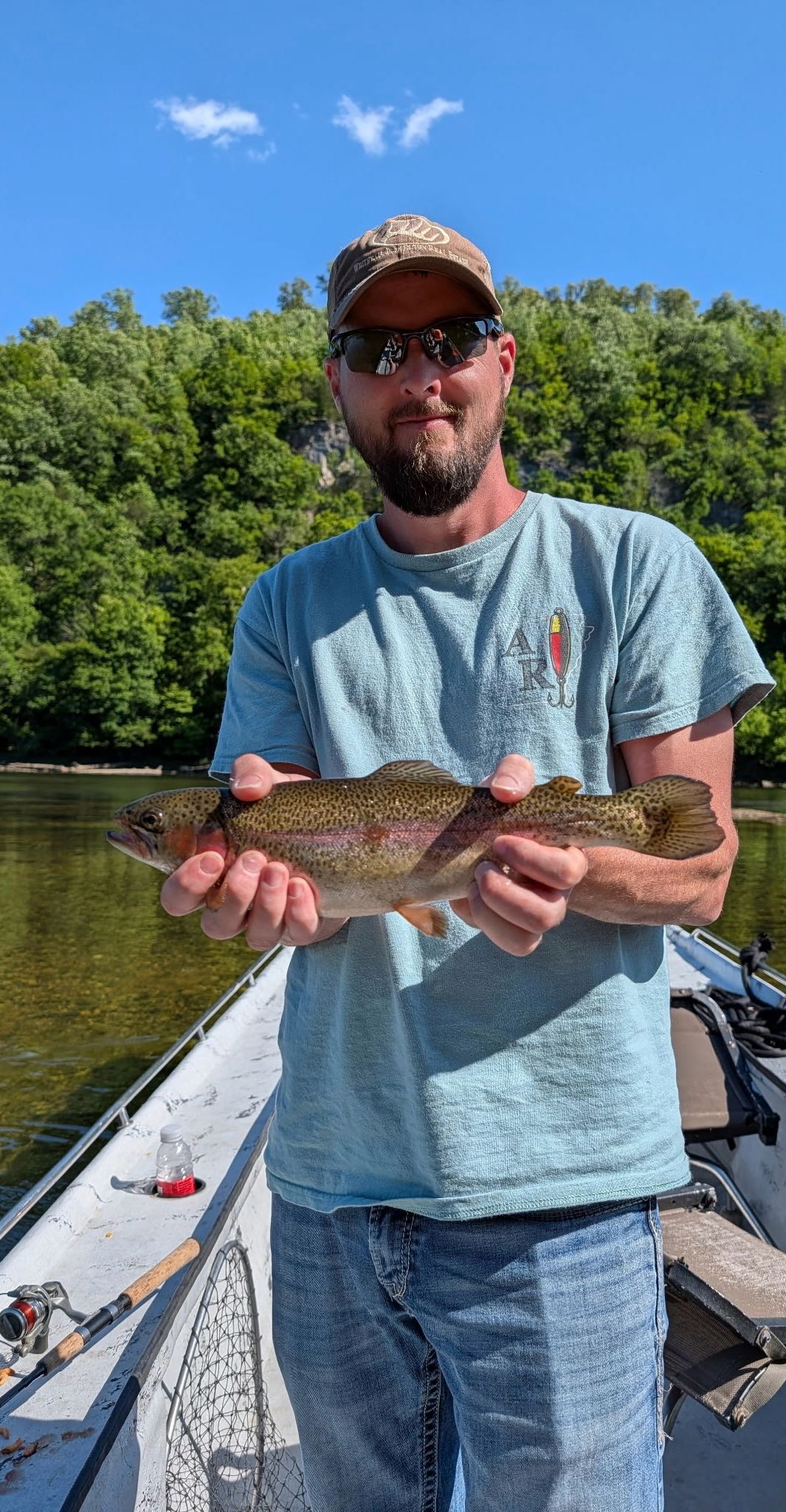
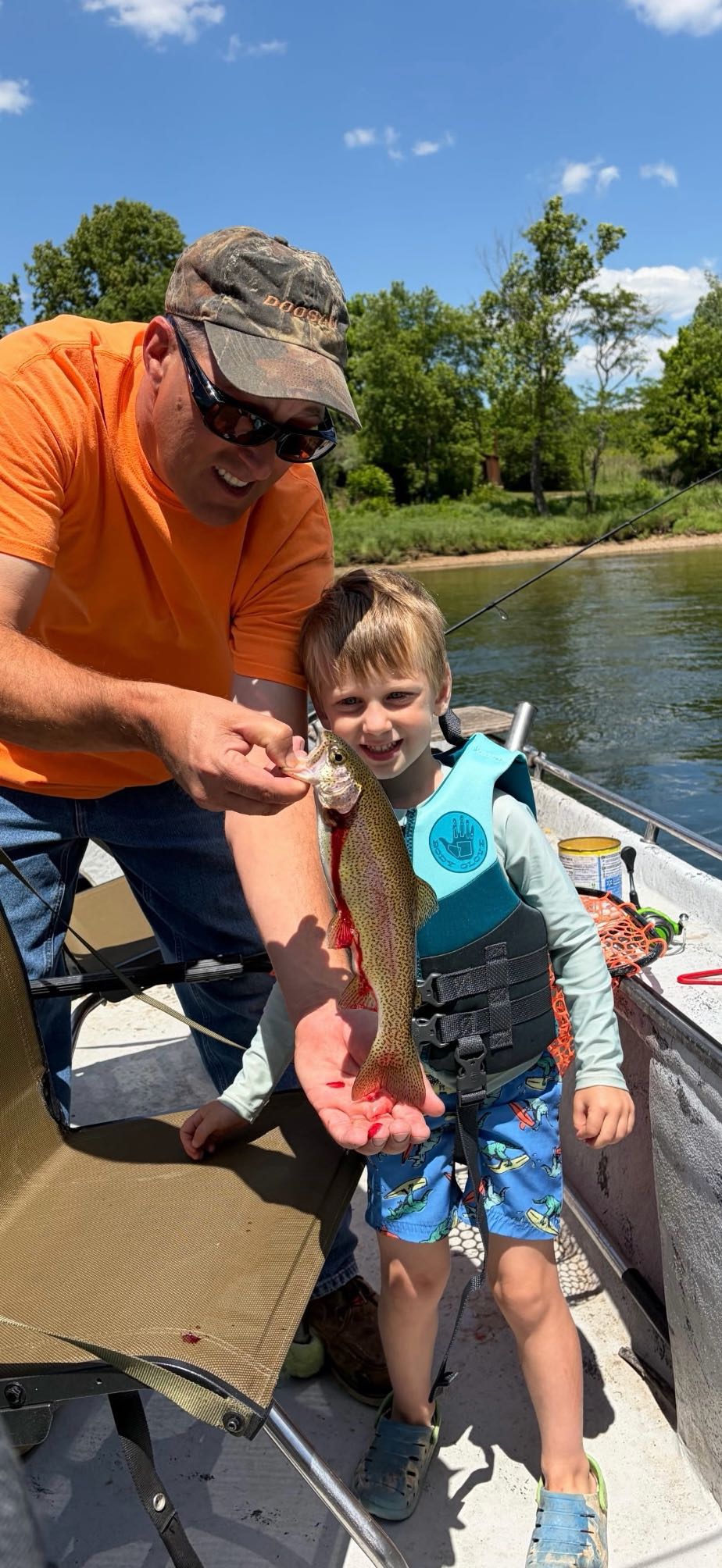
Rainbow Trout are the bread and butter of White River fishing, and these aren't your typical stocked rainbows. These fish have been in the system long enough to grow fat and strong, with many pushing 16-18 inches and putting up fights that'll test your drag system. They're most active during cooler parts of the day, which makes afternoon trips perfect as temperatures start dropping toward evening. Rainbows here love small spinners, PowerBait, and nymphs drifted through deeper pools. What makes them exciting is their aggressive strikes and acrobatic jumps—you'll know immediately when you've hooked one.
Brown Trout are the prize catch that keeps anglers coming back to the White River. These smart, wary fish can live for years in this system, growing into legitimate trophies that top 20 inches. Browns are notorious for being picky eaters and putting up bulldogging fights that'll make your arms burn. They prefer deeper holes and undercut banks during daylight, making them perfect targets for afternoon trips when they start moving into shallower feeding areas. Fall through early spring offers the best brown trout action, especially on overcast days. When you hook into a big brown, expect long runs and head-shaking battles that separate this species from the rest.
Brook Trout might be smaller than their rainbow and brown cousins, but they're absolutely beautiful fish with vibrant colors and distinctive markings. The White River brookies are typically in the 10-14 inch range, but what they lack in size they make up for in fighting spirit and stunning appearance. These fish love colder water and often feed more actively during winter months when other species slow down. Brooks hit small flies and baits aggressively, and their native beauty makes them a customer favorite for photos.
Cutthroat Trout are the wild card in White River fishing—not as common as the other species, but when you find them, they're memorable. These fish have distinctive red slashes under their jaws and fight with a unique combination of power and endurance. Cutthroats in this system typically run 12-16 inches and prefer similar habitat to rainbows, often feeding in the same areas. They're opportunistic feeders that'll hit everything from insects to small minnows, making them exciting targets on multi-species days.
Time to Book Your Spot
The White River produces fish year-round, but booking ahead ensures you get the dates and conditions you want. Joe's half-day afternoon trips offer the perfect balance of productive fishing time without the full-day commitment, and the included gear means you can fly in from anywhere and hit the water immediately. Remember that Arkansas fishing license requirement—you can grab one online before your trip. With cancellations requiring three days notice and limited boat capacity, spots fill up quickly during peak seasons. Whether you're a seasoned angler looking to add Arkansas trout to your list or someone wanting to experience world-class fishing in a top-rated destination, this White River adventure delivers the goods. The combination of Joe's local knowledge, quality equipment, and some of the best trout water in the country makes this a trip that'll have you planning your return before you even get off the water.

 Private Trip
 River Fishing
 White River


 Half-day afternoon trout fishing on White River Arkansas