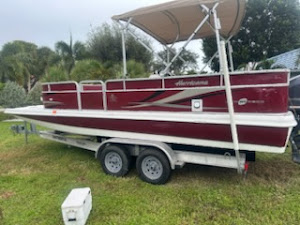
Morning Inshore Fishing with Kids Time Fishing
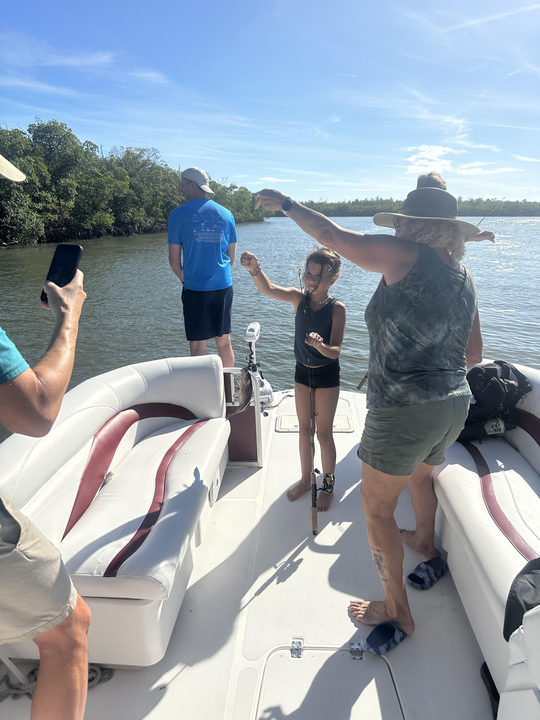
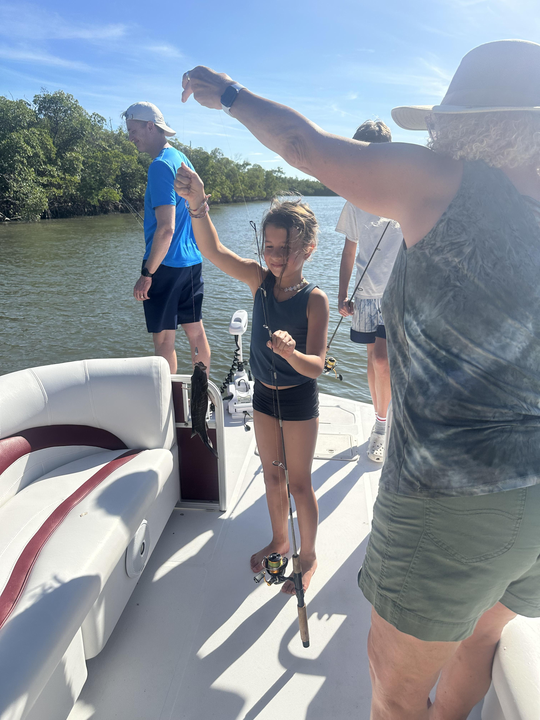
Captain William knows exactly what families need – a relaxed morning on the water where everyone can learn, laugh, and land some fish. This 2.5-hour private charter takes you into the protected backwaters of Naples' famous Ten Thousand Islands, where calm waters and hungry fish make for perfect conditions whether you're 8 or 80 years old. With room for up to 6 anglers, this top-rated experience focuses on light-tackle fishing that gets everyone involved without overwhelming beginners or boring the more experienced folks in your group.
What to Expect on the Water
You'll meet Captain William at the dock bright and early, ready to cruise into some of Southwest Florida's most productive fishing grounds. The Ten Thousand Islands aren't called a fishing paradise for nothing – these maze-like mangrove creeks and grass flats hold incredible numbers of redfish, snook, and sea trout year-round. The beauty of fishing these backwaters is the protection from wind and waves, so even if it's breezy outside, you'll be casting in comfortable conditions. Captain William runs a catch-and-release operation, which means you're helping preserve these fisheries for future generations while still getting that rush of fighting and landing quality fish. Don't worry about bringing anything except sunscreen and snacks – all your fishing licenses, rods, reels, bait, and tackle are included in your trip.
Light-Tackle Techniques
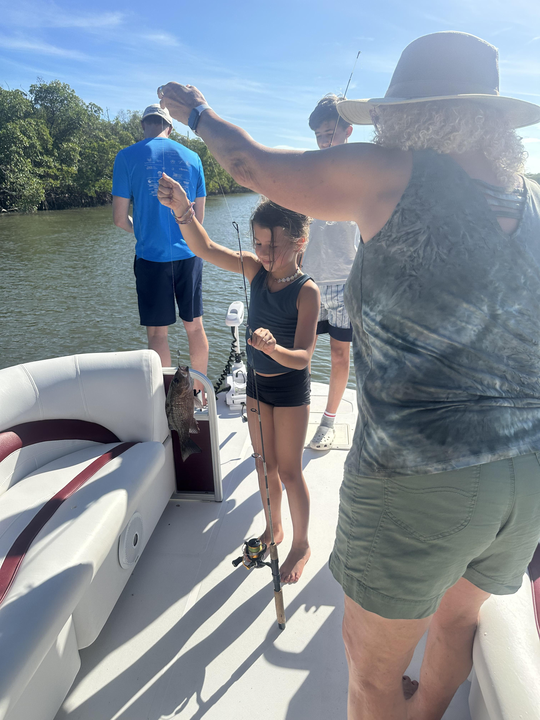
This isn't heavy offshore fishing – Captain William specializes in light-tackle methods that let you feel every headshake and run. You'll be using spinning rods with 10-15 pound test line, perfect for the slot redfish and snook that call these waters home. Depending on conditions and what's biting, you might be casting live shrimp under popping corks, working soft plastic baits along mangrove shorelines, or drifting cut bait over grass beds where sheepshead and black drum like to feed. The captain reads the water and adjusts techniques throughout the morning, teaching you how to identify productive spots and proper presentation. Kids especially love the visual aspect of sight-fishing in shallow water, where you can actually see redfish tailing or snook lurking in the shadows before making your cast.
Species You'll Want to Hook
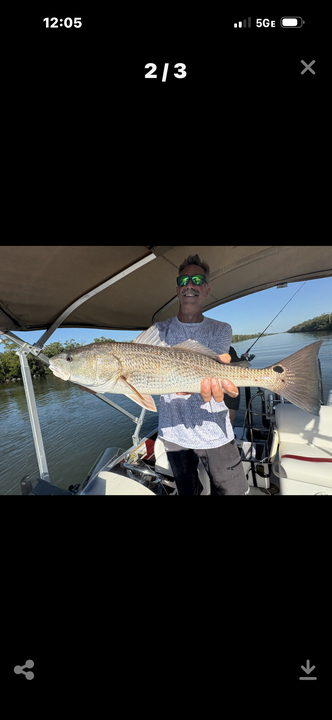
Redfish are the bread and butter of Naples inshore fishing, and for good reason. These copper-colored bruisers average 18-27 inches in these waters and fight like fish twice their size. They're most active during moving tides, especially around oyster bars and mangrove points. What makes reds so special is their aggressive nature – they'll crush a well-presented bait and then make powerful runs toward structure. The slot-size fish (18-27 inches) are perfect for beginners because they fight hard but won't overpower lighter tackle.
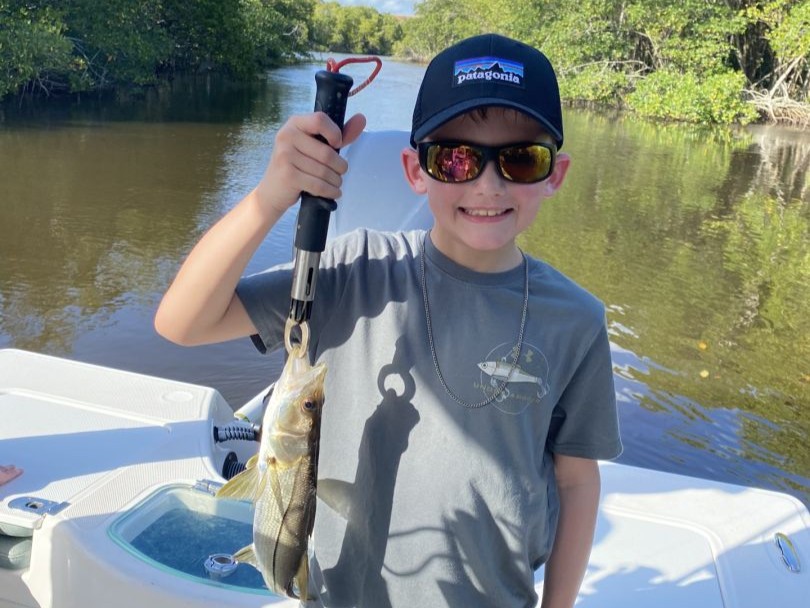
Snook are the crown jewel of Southwest Florida inshore fishing. These ambush predators hang around dock lights, mangrove overhangs, and creek mouths waiting for easy meals. They're incredibly structure-oriented, which makes them challenging but predictable once you understand their behavior. A snook's gill-rattling jump and line-burning run toward the nearest piling creates memories that last forever. They're most active during dawn and dusk, making this morning trip perfectly timed for action.
Sea Trout might not have the glamour of snook, but they're excellent fish for building confidence in new anglers. These spotted beauties school up over grass beds and are often the most willing biters on any given day. They average 12-16 inches with occasional fish pushing 20+ inches. Their soft bite requires some finesse to detect, making them perfect for learning proper hookset timing and fish-fighting techniques.
Sheepshead earn their nickname "convict fish" from the black stripes running down their silver sides. These bait-stealers are notorious for their light bite and incredible ability to pick clean hooks, making them a favorite challenge for experienced anglers. They love structure like docks, bridges, and oyster bars where they feed on crabs and barnacles. Landing a quality sheepshead requires patience and quick reflexes.
Black Drum are the bulldogs of the inshore world. These bottom-feeders can range from small "puppy" drum around 12-16 inches to heavyweight bulls pushing 30+ pounds. They're most active around oyster bars and grass bed edges, using their pharyngeal teeth to crush shellfish. What makes black drum special is their surprising power – even smaller fish will test your drag and stamina during the fight.
Time to Book Your Spot
Captain William's morning fishing trips fill up quickly, especially during peak season when families flock to Naples for world-class inshore fishing. This customer favorite combines education, action, and conservation in a package that works for everyone from first-time anglers to seasoned pros looking for a relaxed morning on the water. The Ten Thousand Islands offer some of the most consistent fishing in Florida, and with all gear and licenses included, you just need to show up ready to learn and have fun. Whether you're looking to introduce kids to fishing or want a laid-back charter that focuses on technique over tournament-style fishing, this trip delivers exactly what you're hoping for. Book now to secure your spot with one of Naples' most renowned family-friendly captains.
 Private Trip
 Inshore Fishing
 525 Newport Dr, Naples, FL, United States


 Private 2.5-hour fishing charter accommodates up to six passengers