Key West Fishing Charter
Look, I've been running charters out of Key West for years, and I can tell you straight up – this 5 to 6-hour inshore fishing trip with Laid Back Key West Charters is exactly what it sounds like. No fancy gimmicks, just good fishing in some of the best waters Florida has to offer. You're getting a top-rated charter that focuses on what matters: putting you on fish and making sure you have a damn good time doing it. We keep groups small at 6 anglers max, so you're not fighting for rod space or waiting around while someone else figures out how to tie a hook. This is your day on the water, customized to what you want to do and how you want to fish.
What to Expect on the Water
When you step aboard, you're looking at a full day of fishing the flats, wrecks, and structure that make Key West legendary among anglers. We're talking crystal-clear water where you can actually see the fish you're targeting, plus the kind of variety that keeps your rod bent all day long. The beauty of our inshore setup is flexibility – if the hogfish are biting on the reef, that's where we'll spend our time. If the mutton snapper are stacked up on a particular wreck, we'll anchor up and get after them. Your captain knows these waters like the back of his hand, and he's not shy about moving around to find the action. We provide all the tackle you need, from light spinning gear for smaller snapper to heavier rigs when we're going after those bigger cobia. The boat's rigged with everything from live wells to keep your bait frisky, to fish boxes with ice to keep your catch fresh. You just bring yourself, some snacks if you want them, and maybe a cooler with drinks.
Techniques & Tackle
Inshore fishing around Key West means we're using a mix of techniques depending on what we're targeting and where we find them. For hogfish, we're usually bottom fishing with light tackle – think 15-20 lb test with circle hooks and just enough weight to get down there. These fish are smart, so we keep the presentation clean and natural. When we're after cobia, it's a whole different game. These fish cruise the surface and respond well to sight fishing, so we'll have spinning rods ready with jigs or live bait that we can cast right to them when they show up. The mutton and grey snapper fishing typically involves working structure – wrecks, ledges, and rocky bottom where these fish like to hang out. We'll use everything from live shrimp and pilchards to cut bait, depending on what's working that day. The gear is all top-notch stuff that can handle these fish without being overkill. Circle hooks are the standard for most of our bottom fishing – they hook fish in the corner of the mouth, making release easier and keeping your catch in better shape if you're planning to eat them.
Species You'll Want to Hook
Hogfish are hands down one of the coolest fish you'll encounter out here. These guys are smart as whips and absolutely delicious – they're the reason a lot of folks book this trip in the first place. They hang out around rocky bottom and structure, usually in 15-40 feet of water, and they're incredibly particular about their bait presentation. A hogfish will inspect your offering like it's deciding whether to buy a used car. They average 2-4 pounds but can get up to 10-12 pounds if you're lucky. Best time to target them is during the cooler months, October through March, when they're more active and easier to pattern. What makes them special is that they're hermaphroditic – they actually change from female to male as they grow larger, which is pretty wild when you think about it.
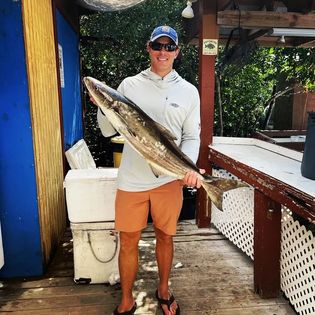
Cobia are the bruisers of this trip and probably the most exciting fish to catch on light tackle. These brown sharks (that's what some folks call them because of their color and the way they cruise near the surface) are curious fish that will often swim right up to the boat to check you out. They're typically 20-40 pounds around here, but 50+ pounders show up regularly, especially in spring and early summer. What's cool about cobia is their behavior – they'll follow rays and sharks around, picking up scraps and small fish that get stirred up. When you spot one, you've got to be ready to cast quickly and accurately because they don't usually stick around long. They fight like freight trains, making long runs and trying to wrap you around any structure they can find.
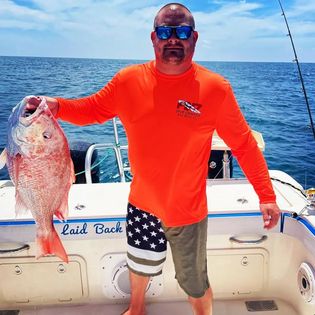
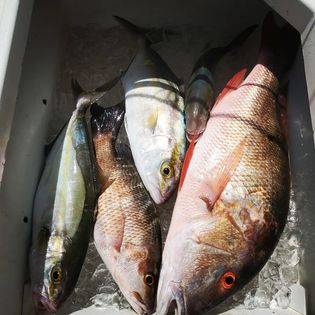
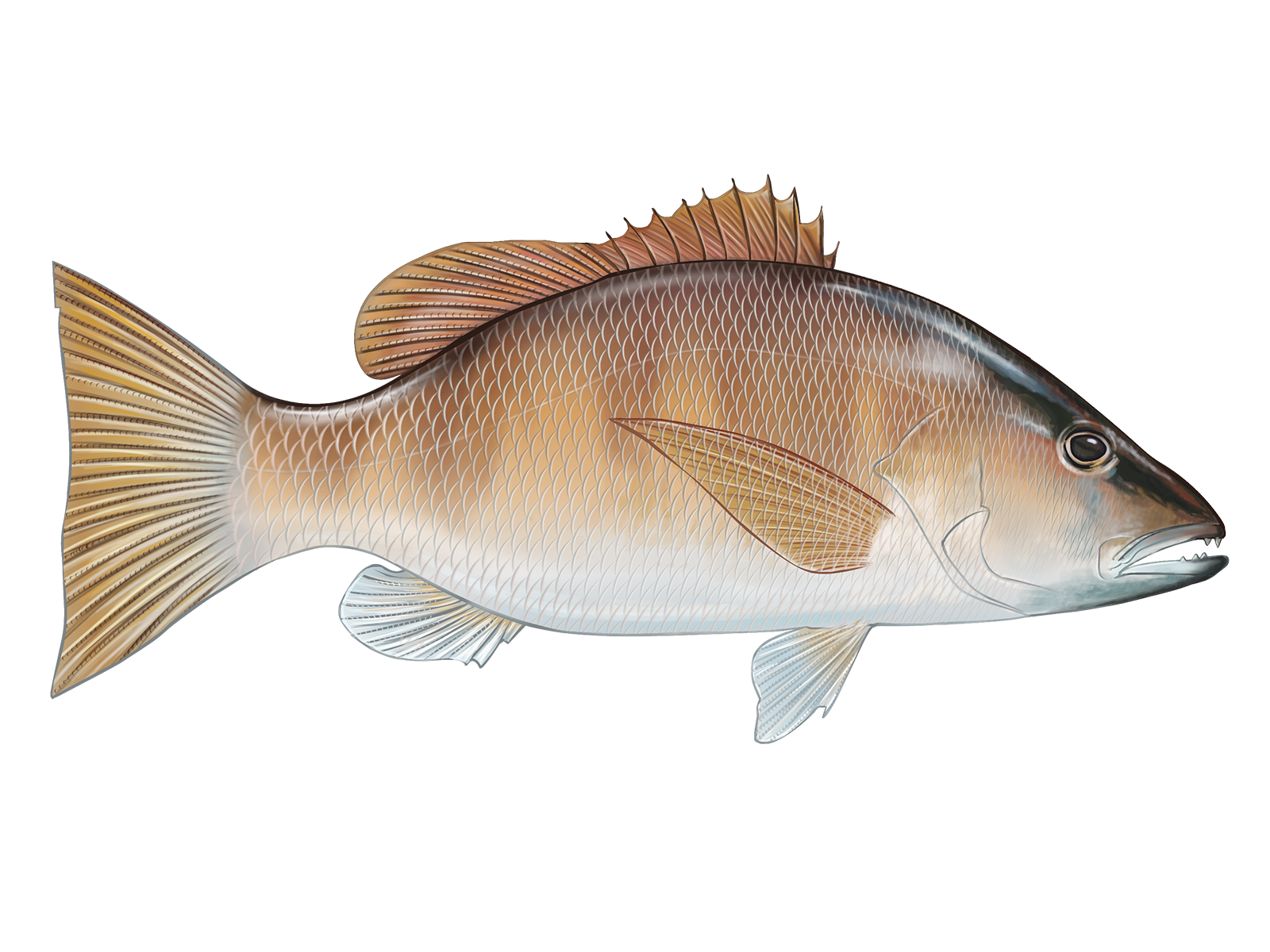
Mutton snapper are the reef kings around Key West, and for good reason. These fish are beautiful – pinkish-red with a distinctive black spot near the tail – and they're some of the best eating you'll find in these waters. They're schooling fish that love structure, so when you find one, you'll usually find more. Muttons are most active during the warmer months, April through September, and they can range from 2-3 pound schoolies up to 15-20 pound monsters that will test your drag system. They're notorious for their initial run when hooked – they'll head straight for the nearest hole or ledge, so you've got to be ready to turn them quick. The bigger ones are incredibly smart and structure-oriented, making them a real challenge on lighter tackle.
Grey snapper, or mangrove snapper as they're sometimes called, are probably the most consistent fish on this list. They're scrappy fighters that punch way above their weight class, and they're everywhere around Key West's inshore waters. These fish adapt to just about any habitat – mangroves, reefs, wrecks, grass flats – which means we can target them no matter where the day takes us. They typically run 1-3 pounds, but 5-8 pounders are common enough to keep things interesting. Grey snapper are year-round residents, but they're most active during dawn and dusk periods. They're also incredibly bait-shy, so presentation matters
 Private Trip
 Inshore Fishing
 Key West


 5
5