Bow River Fishing Guides - Calgary's Premier Trip
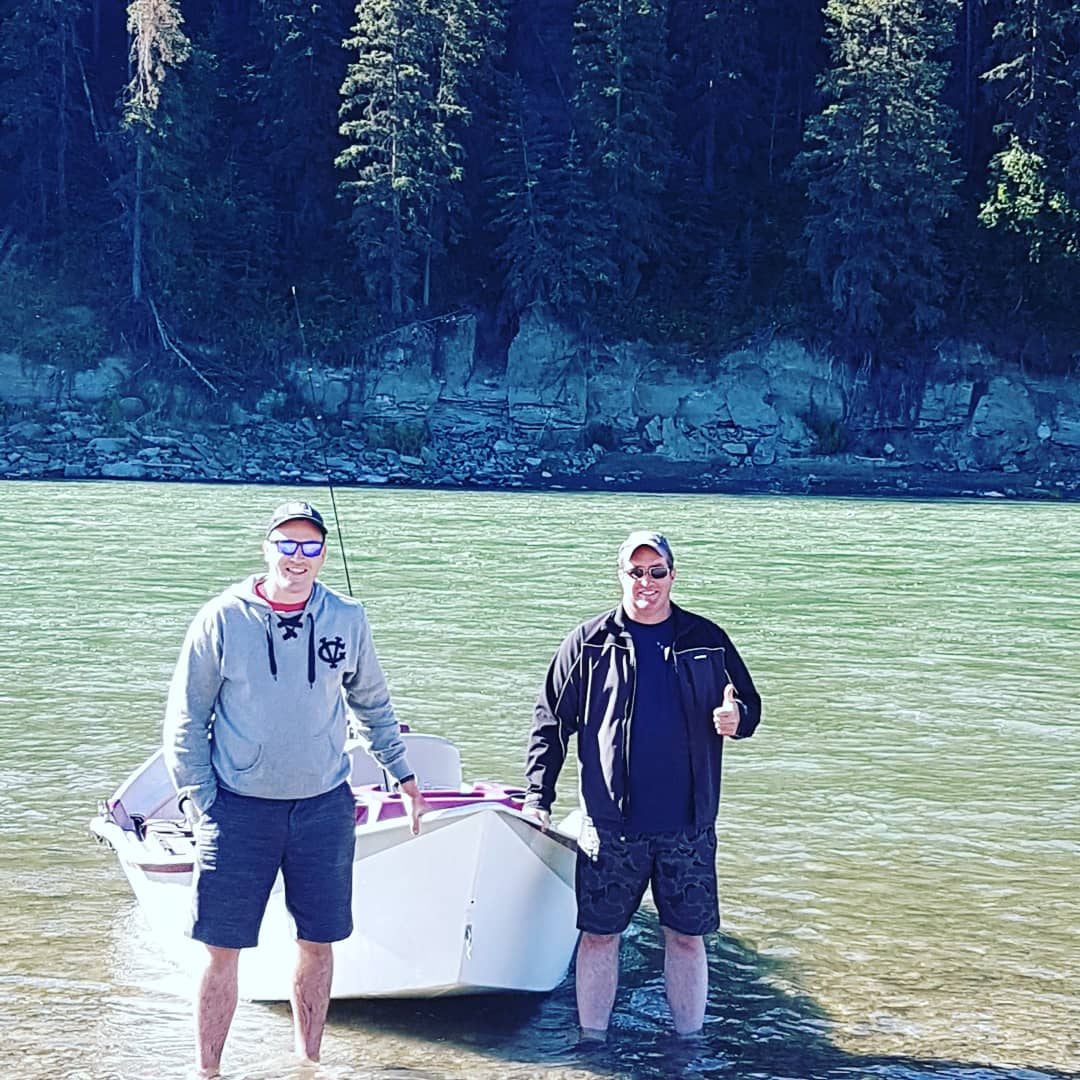
The Bow River isn't just another fishing spot – it's Alberta's crown jewel for trout fishing, and there's no better way to experience it than from our spacious 16-foot Clackacraft drift boat. Picture yourself floating down this world-class blue ribbon water while your experienced guide puts you on fish after fish. Whether you're a seasoned angler looking to dial in your technique or someone who's never held a fly rod, this guided fishing adventure delivers the kind of day that keeps people coming back year after year. With lunch included and room for just you and one guest, it's the perfect setup for creating those fishing memories that last a lifetime.
What to Expect on the Water
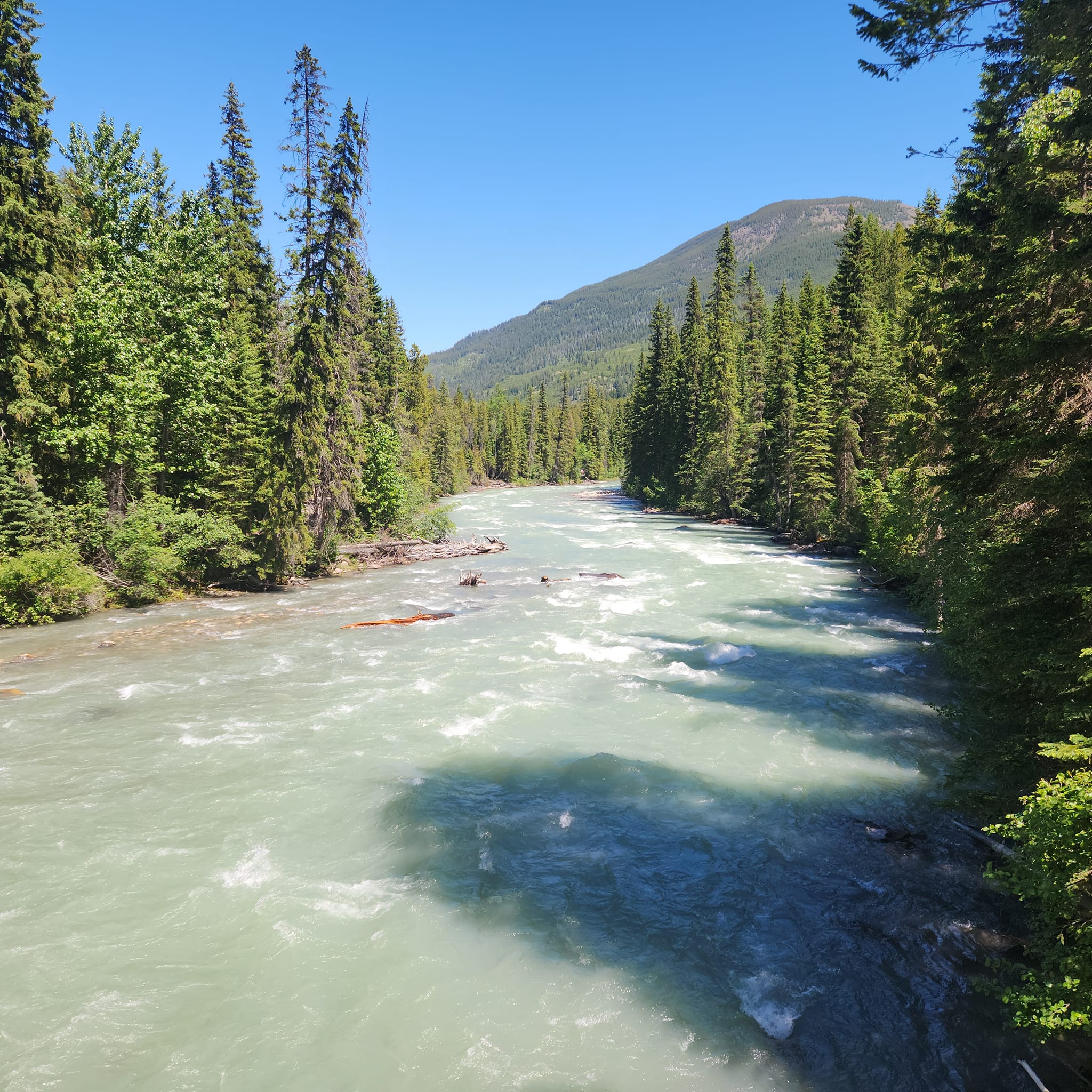
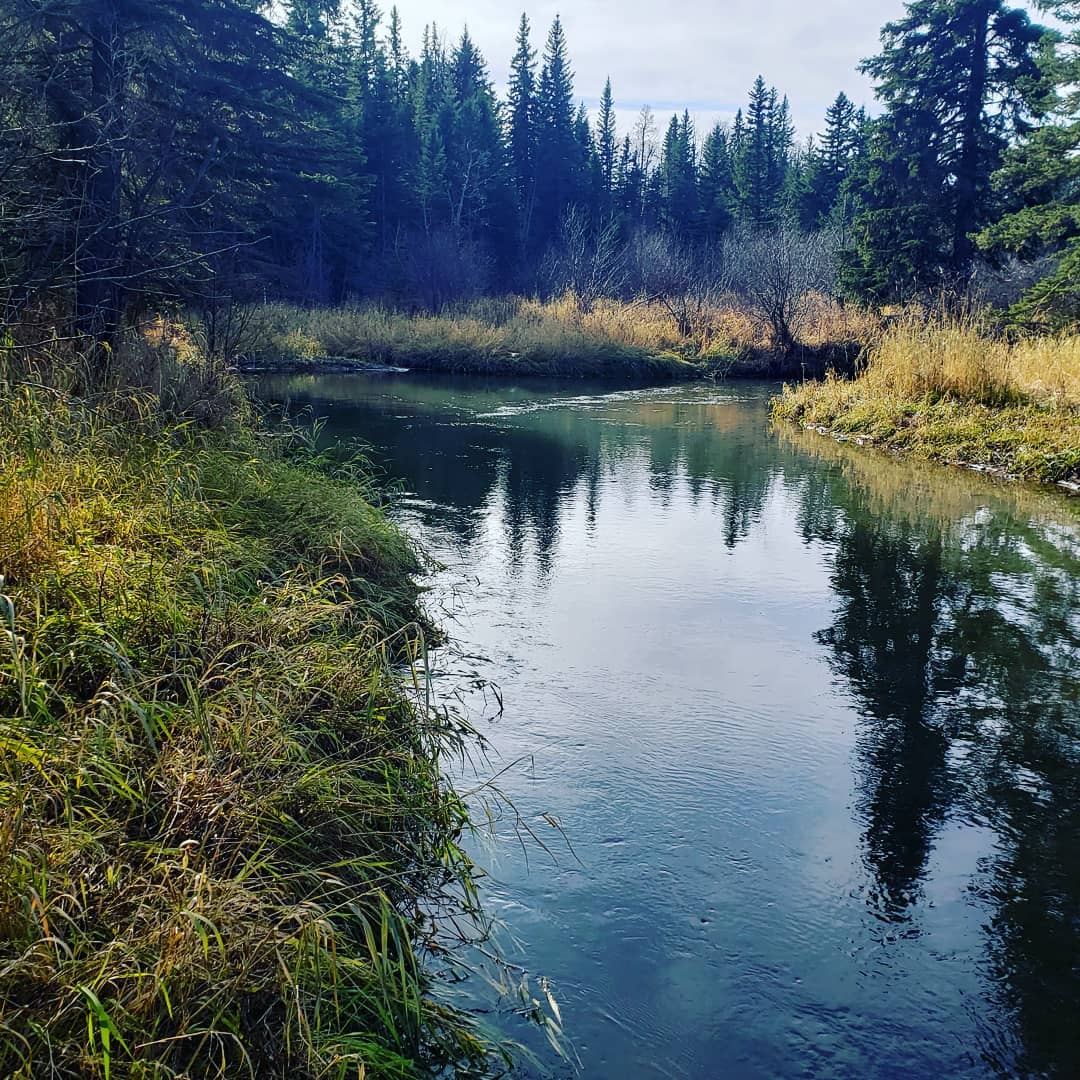
Your Bow River fishing day starts early, meeting your guide as the morning mist rises off the water. The Bow flows crystal clear through the heart of the Canadian Rockies foothills, creating some of the most scenic fishing you'll find anywhere. Our drift boat setup means you're fishing in comfort all day – no wading through cold water or scrambling over slippery rocks. Your guide handles all the rowing and positioning, putting you in the prime spots where the big browns and rainbows like to hold. The river changes character throughout the day, from deeper runs in the morning to shallow riffles where trout sip mayflies off the surface. Between the mountain backdrop and the peaceful rhythm of the current, you'll understand why the Bow River Valley has such a reputation among serious anglers. The best part? All skill levels can succeed here because your guide knows exactly where to find cooperative fish and which presentations work best in each spot.
Fly Patterns & Techniques
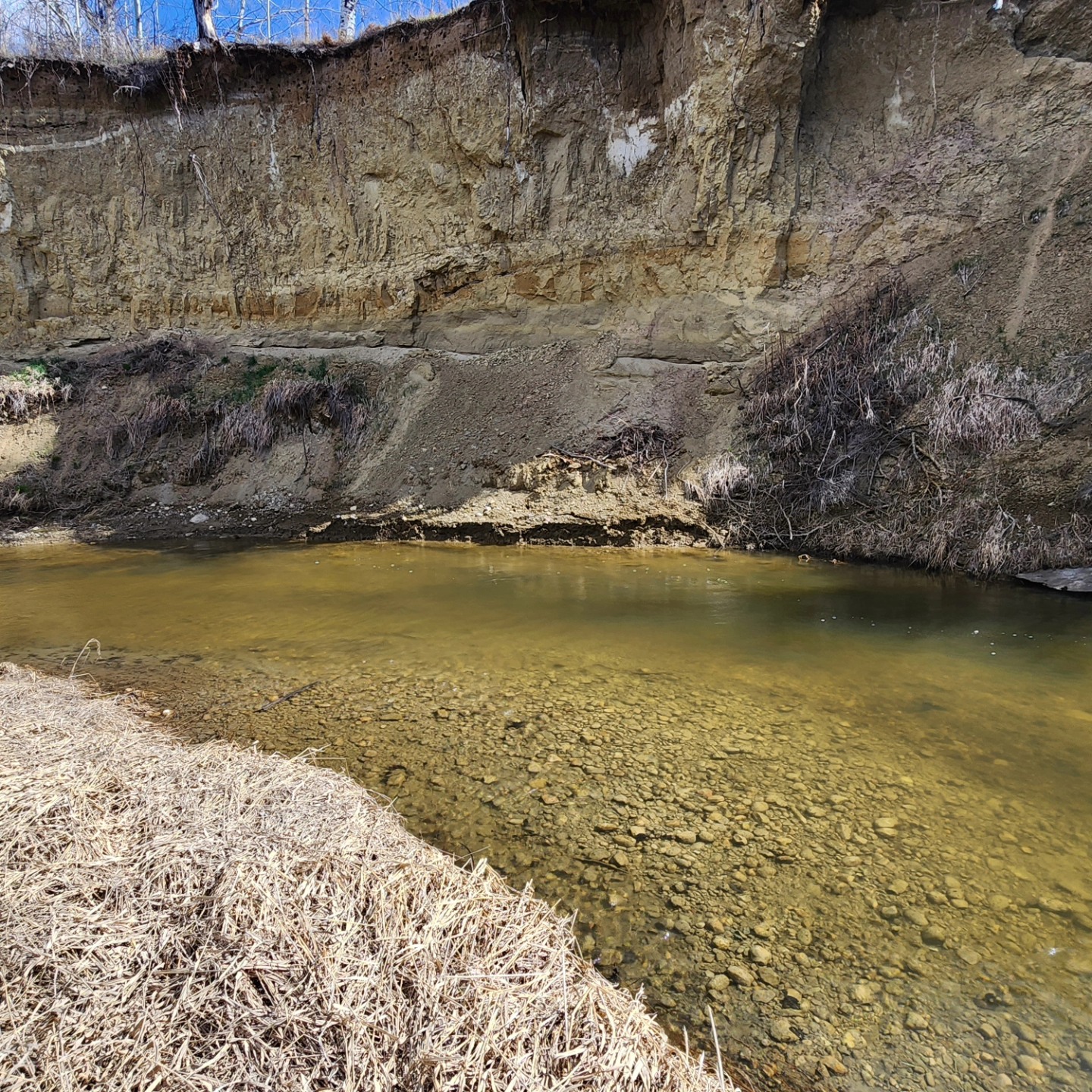
The Bow River demands versatility, and your guide comes equipped with every technique you'll need to put fish in the net. Dry fly fishing is legendary here during the summer months – watching a 20-inch rainbow rocket up to smash your Adams or PMD is pure magic. When the surface action slows, we switch to nymphing deep pools and undercut banks where the bigger trout feel safe. Your guide will teach you proper mending techniques and how to read the water like a local. We run everything from tiny size 22 midges to meaty streamers, depending on conditions and what the fish are telling us. The boat gives us access to water that shore anglers can't reach, including those honey holes where the smart fish hang out. Don't worry if you've never cast from a moving boat – your guide will coach you through boat positioning and timing until you're dropping flies right where they need to be. By the end of the day, you'll have a toolkit of techniques that work on rivers everywhere.
Species You'll Want to Hook
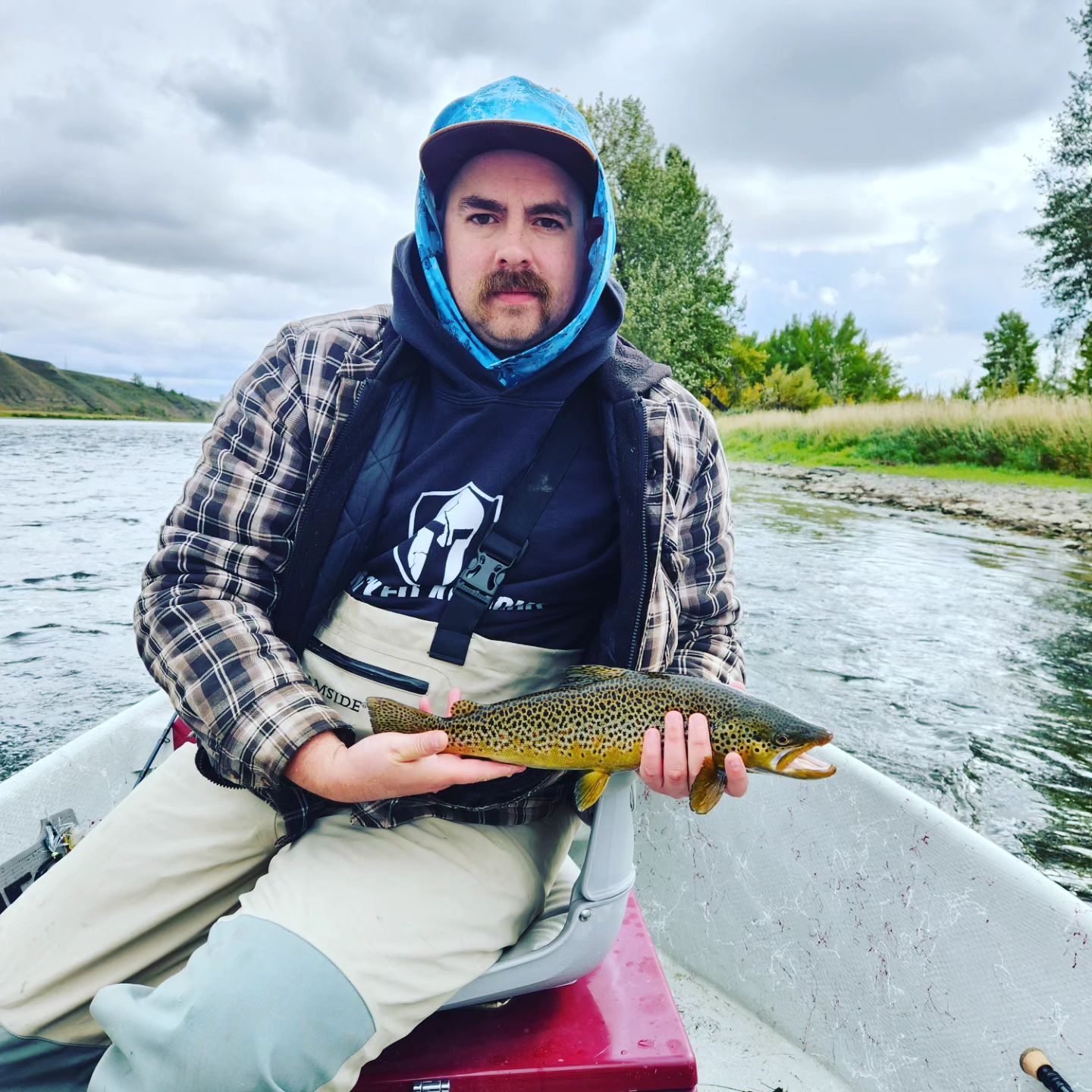
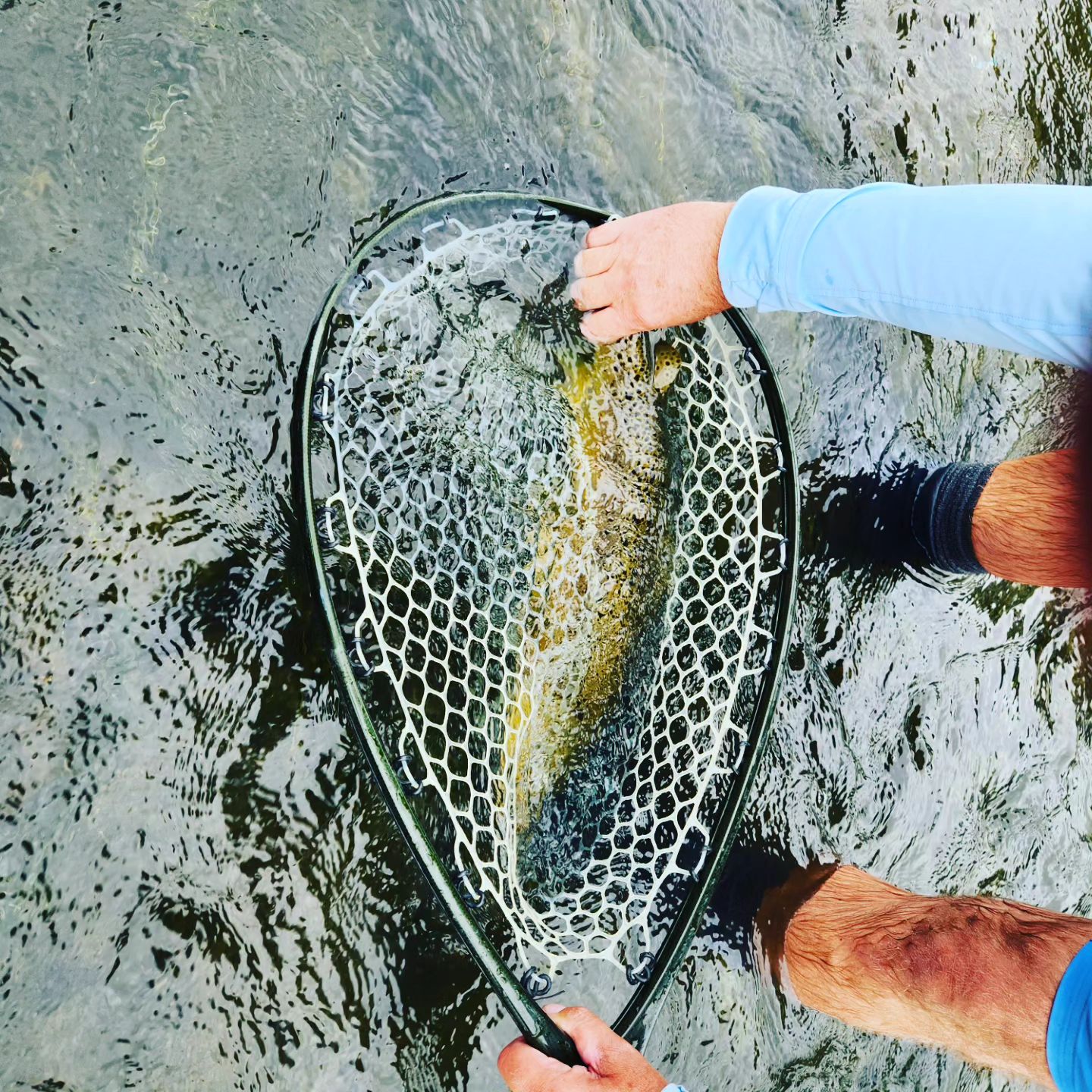
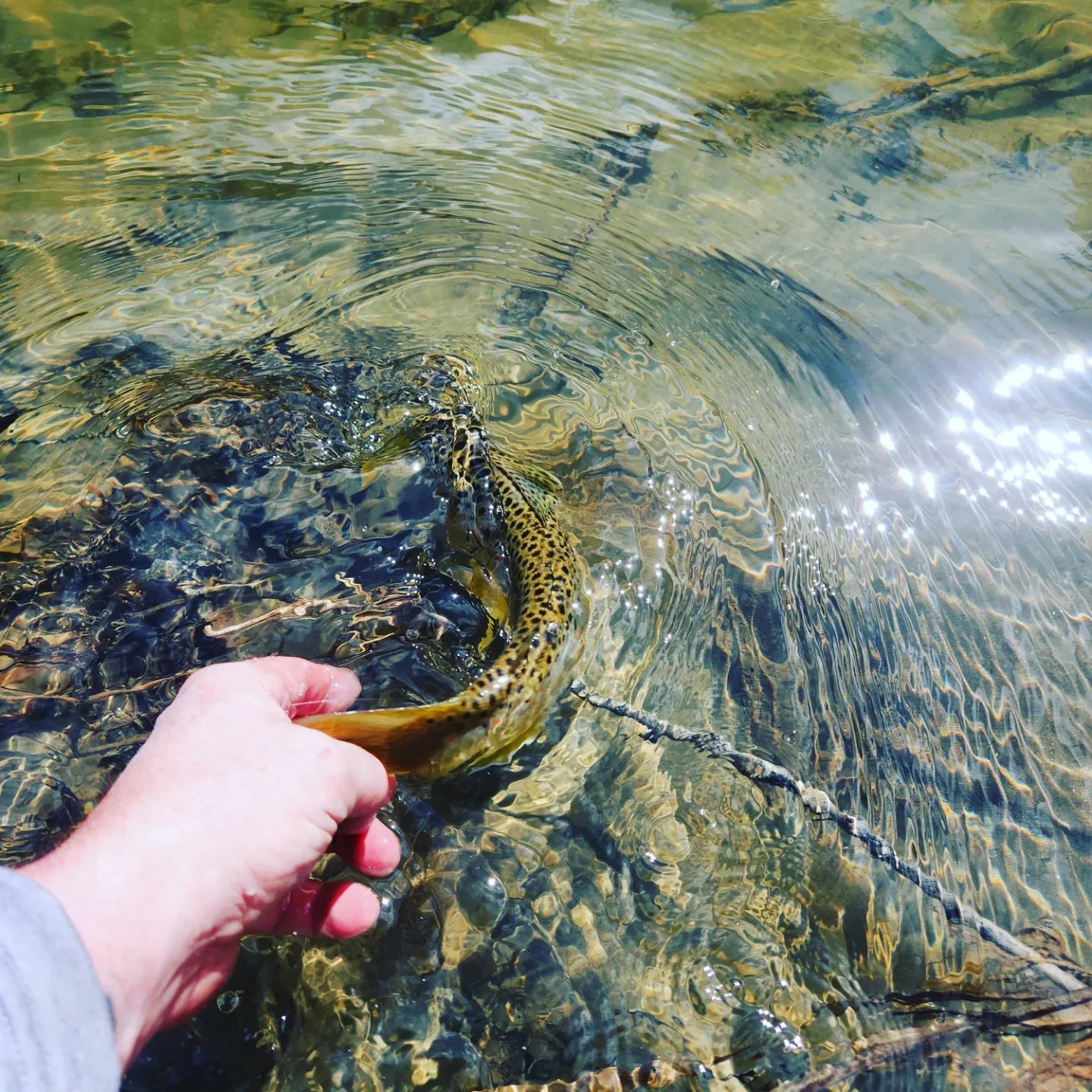
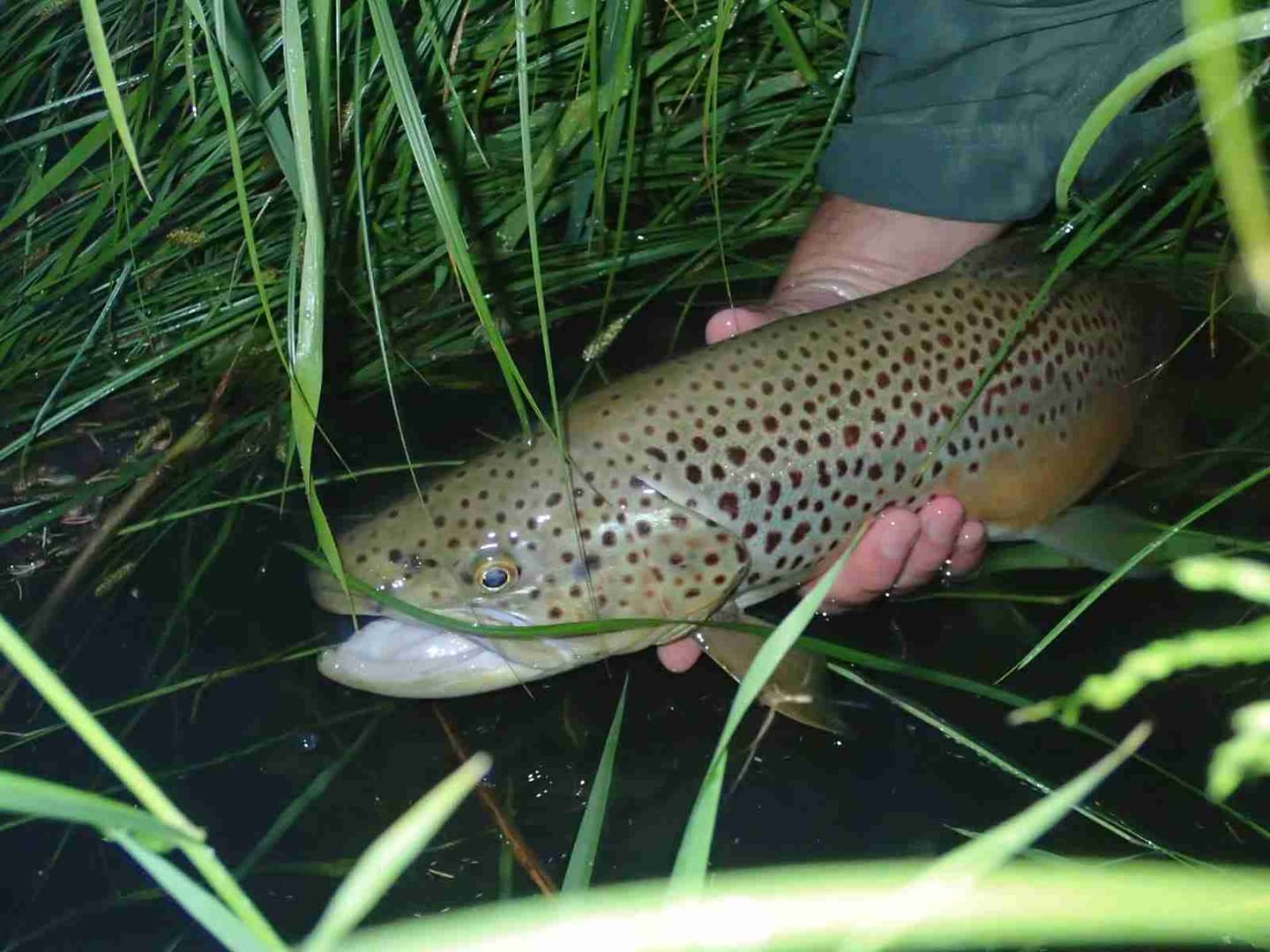
Brown Trout are the Bow River's apex predators, and for good reason. These European natives have thrived in Alberta's waters, growing fat on the river's abundant insect life. Browns here commonly reach 18-24 inches, with fish over 26 inches landed regularly by anglers who know where to look. They're smart, selective, and absolutely beautiful with their golden flanks and crimson spots. Fall is prime time for browns as they become more aggressive before spawning, but skilled guides can put you on quality fish throughout the season. When a big brown takes your streamer in the deep water below a cutbank, you'll understand why these fish have such a devoted following among serious trout anglers.
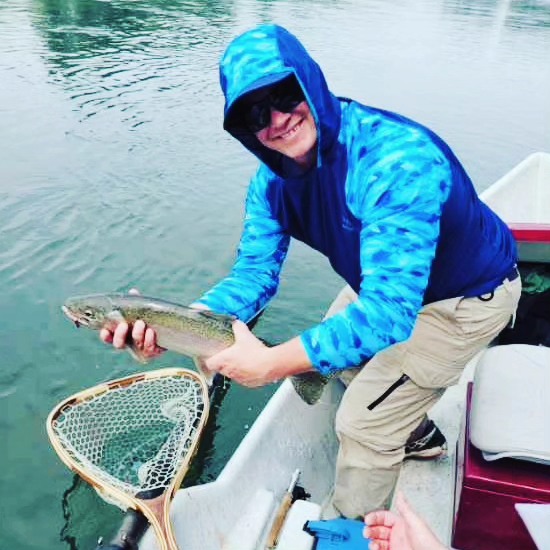
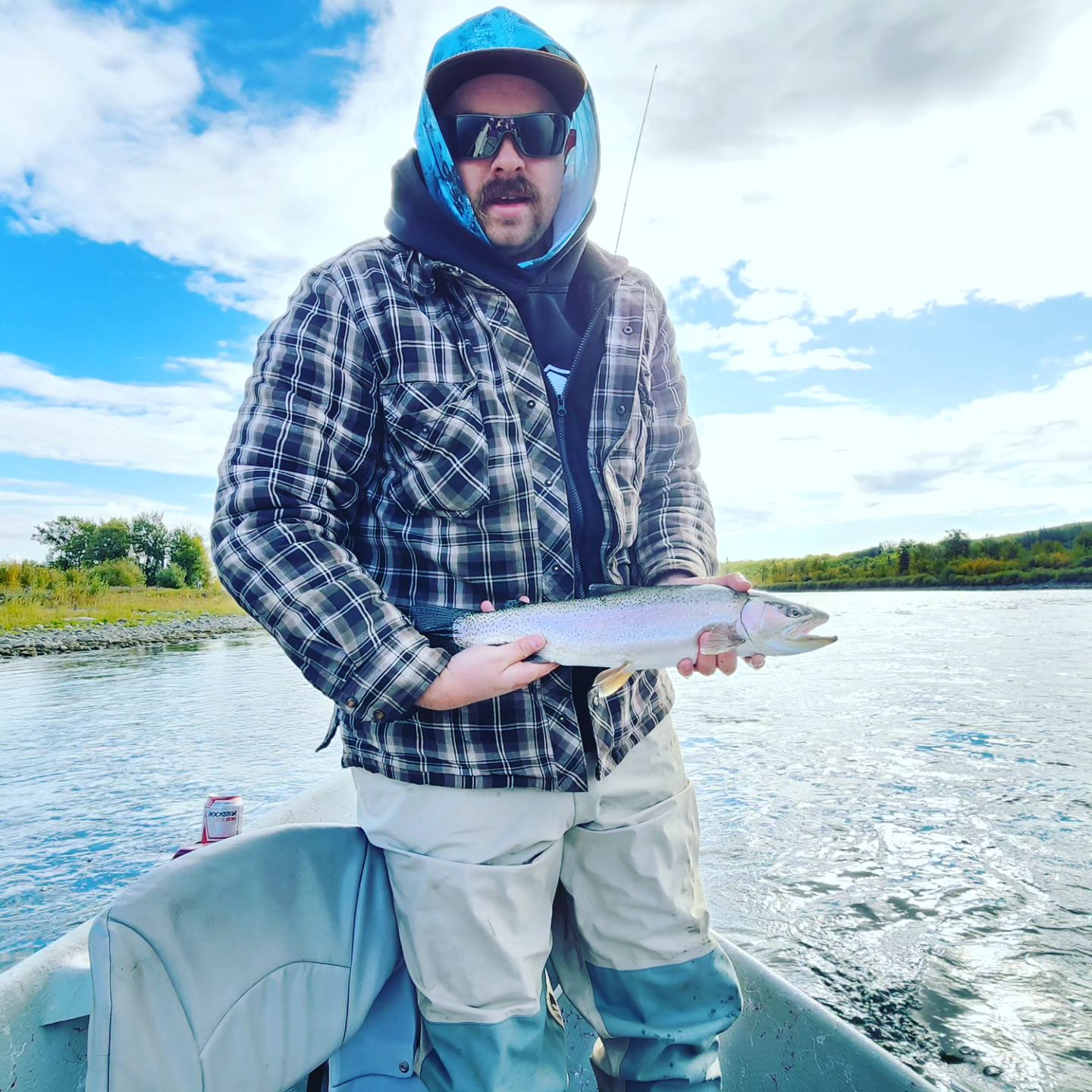
Rainbow Trout bring the acrobatics that make the Bow River famous across North America. These chrome-bright fighters average 16-20 inches and fight like fish twice their size. Rainbows here are surface feeders, making them perfect targets during mayfly and caddis hatches. Watch one of these beauties rise to your dry fly, and you'll be planning your next trip before you even land the fish. They jump, they run, and they test your knots like nothing else. Spring and early summer offer the most consistent rainbow action, though they remain active through fall. The Bow's rainbows are healthy, wild fish with that classic torpedo shape that screams "I live in fast water."
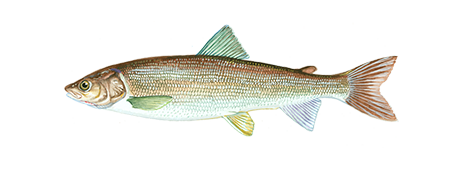
Mountain Whitefish might not get the glory, but they're a native species that adds variety to your day and often saves slower periods. These silvery fighters are underrated by many anglers, but they're actually excellent eating and put up a respectable scrap on lighter tackle. Whitefish are bottom feeders that respond well to nymphs and small streamers, and they often school up in good numbers. Your guide knows the productive whitefish spots, and these fish can keep your rod bent when the trout get finicky. They're also a great confidence builder for newer anglers since they're generally less spooky than trout. Plus, catching a variety of species makes for interesting conversation and photos.
Time to Book Your Spot
The Bow River delivers world-class fishing just minutes from Calgary, making this top-rated guided trip perfect for locals and visitors alike. Our customer favorite drift boat experience gives you access to the best water while keeping you comfortable all day long. With personalized instruction, quality equipment, and lunch included, everything's handled so you can focus on what matters – catching fish and soaking up the beauty of the Bow River Valley. The river fishes well from spring through fall, but prime dates fill up fast with repeat customers who know what they're getting. Whether you're celebrating a special occasion, introducing someone to fly fishing, or just need a day on the water to recharge, this guided fishing trip hits all the marks. Don't wait – the best fishing days and weather windows book up quickly, especially during peak season when the hatches are firing and the fish are most active.
 Private Trip
 River Fishing
 Central Alberta

 Full-day guided drift boat fishing on Bow River