Arizona Backcountry Wild Trout Guided Trip
If you're tired of crowded streams and stocked fish, this backcountry adventure will reconnect you with what wild trout fishing is all about. Arizona's high country holds some serious secrets – pristine creeks tucked away in rugged terrain where native and wild trout have been thriving for generations. This isn't your typical guided trip where we motor to a honey hole. We're talking about earning every fish through sweat equity and skilled angling. You'll need solid hiking legs and intermediate to advanced fly fishing skills, but the payoff is worth every step. Picture crystal-clear mountain streams, fish that have never seen a pellet, and the kind of solitude that's getting harder to find these days.
What to Expect on the Water
This is a full-day commitment that starts before sunrise and demands respect for the country we're entering. We're looking at minimum 3-mile hikes into terrain that keeps the casual crowd away, which is exactly why the fishing stays so good. The creeks we target sit in Arizona's high elevation zones where the water runs cold and clear year-round. These aren't your typical desert waters – we're talking about legitimate mountain streams with deep pools, undercut banks, and pocket water that holds some of the most colorful trout you'll ever see. The hiking can be steep and rocky, so come prepared with solid boots and plenty of water. No half-day options here because the access alone takes serious time, but that's what keeps these spots special. You'll fish water that maybe sees a handful of anglers all season, and the fish behavior shows it.
Fly Selection & Techniques
These backcountry streams call for a completely different approach than your typical tailwater or lake fishing. We're dealing with spooky wild fish in gin-clear water, so stealth and presentation trump everything else. Small dry flies work magic during hatches, but you better have your casting dialed in – these fish will shut down at the first sign of a sloppy presentation. Nymphing the deeper runs and pools produces consistently, especially with patterns that match the local aquatic insect life. Streamers can be deadly when worked through the right structure, but timing and retrieval technique separate success from just getting exercise. The gear setup stays simple but effective – a 9-foot 4 or 5 weight rod handles most situations, though having a lighter setup for the smaller water can make a real difference. Tippet selection matters more here than anywhere else since these fish get a good look at everything in the clear water.
Species You'll Want to Hook
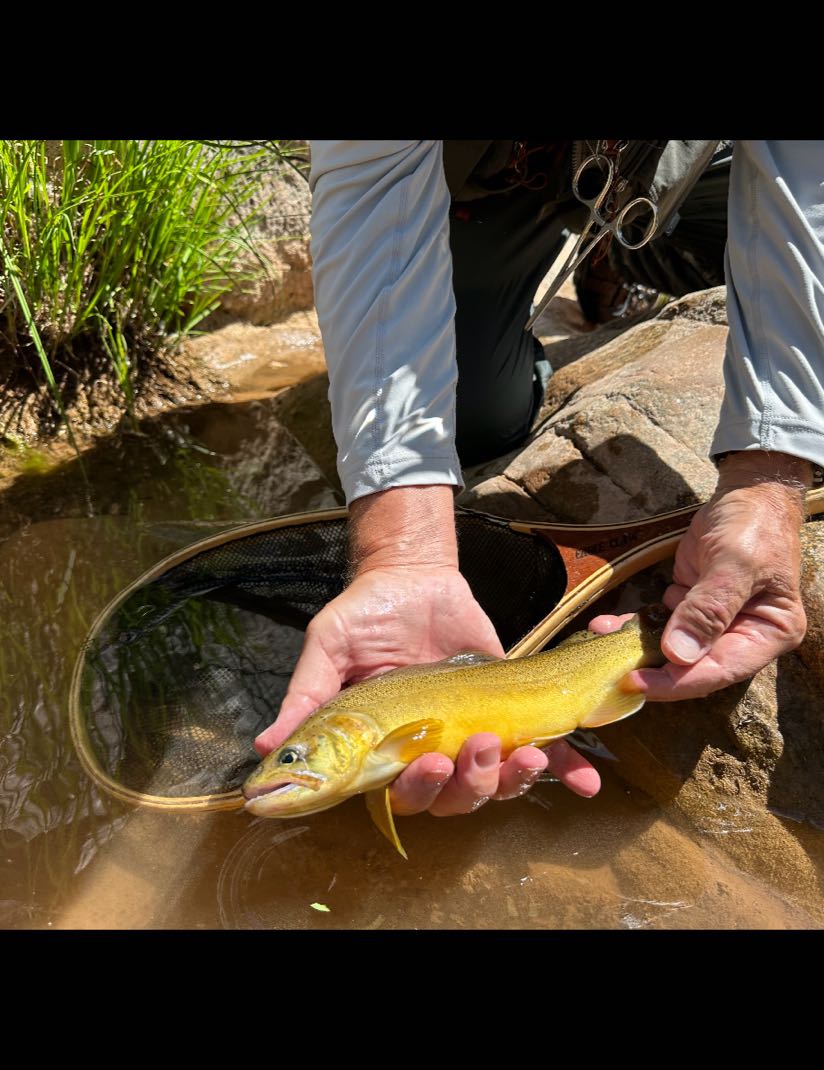
Apache Trout represent Arizona's true native treasure and catching one feels like connecting with the state's fishing heritage. These fish show stunning yellow and gold coloration with distinctive black spots, and they're only found in a handful of high-elevation streams in Arizona and New Mexico. They're incredibly sensitive to water quality and habitat changes, which makes encountering them in their natural environment something special. Apache trout tend to hold in the deeper pools and feed actively during morning and evening hours. They fight with surprising strength for their size and have a wariness that comes from thousands of years of natural selection.
Brook Trout bring that classic eastern charm to Arizona's high country, though these aren't native fish, they've established wild populations that reproduce naturally. The males show incredible colors during spawning season with bright orange bellies and red fins outlined in white. These fish love cold, well-oxygenated water and often occupy the headwater sections of streams where the gradient stays steep. They're opportunistic feeders that will rise to dry flies, smash streamers, or sip nymphs depending on conditions. Brook trout rarely grow large in these mountain streams, but their willingness to eat and beautiful coloration make every fish a prize.
Rainbow Trout in these backcountry streams display the deep colors and fighting spirit that only wild fish possess. Unlike their hatchery cousins, these rainbows show bright pink stripes, dark backs, and the kind of muscle tone that comes from battling current and hunting real food. They're aggressive feeders during the right conditions but can become incredibly selective when fishing pressure increases or weather patterns change. Wild rainbows jump more, fight harder, and test your equipment in ways that stocked fish never do. They occupy all types of water from fast riffles to deep pools and adapt their feeding behavior to match available food sources.
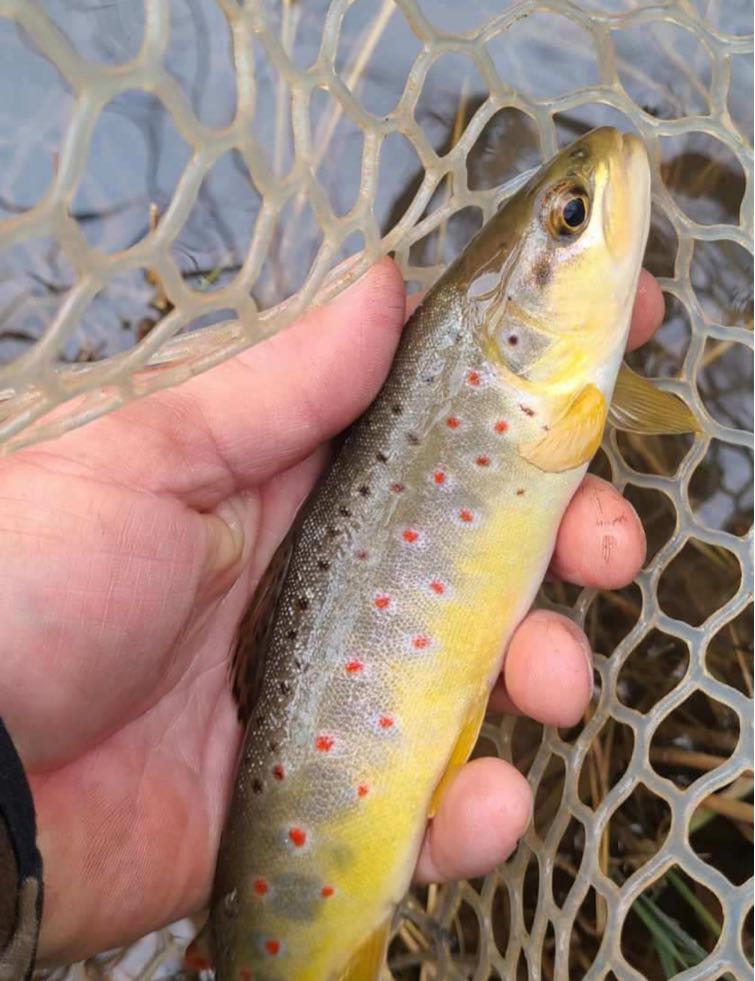
Brown Trout represent the ultimate challenge in these clear mountain streams, combining size potential with the wariness that makes them legendary among serious anglers. These fish often claim the best holding water and defend it aggressively against other trout. Browns feed heavily at low light periods and can be incredibly difficult to fool during bright conditions. When you do hook a wild brown in this type of water, expect a fight that involves every piece of cover in the immediate area. They use the current, structure, and their experience to test every knot and connection point on your setup.
Time to Book Your Spot
This backcountry adventure delivers the kind of fishing experience that reminds you why you picked up a fly rod in the first place. Wild trout, pristine water, and country that demands your best effort – it's everything that's right about this sport. The single-angler format means you get personalized instruction and access to techniques that work specifically for Arizona's high country fishing. These spots don't fish well every day of the year, and weather can shut things down quickly, so when conditions align, you want to be ready. If you've got the hiking legs and fishing skills to handle challenging water, this trip will show you a side of Arizona that most people never see. Contact Lo Water Guide Service to check availability and start planning your backcountry fishing adventure.
 Private Trip
 Backcountry Fishing
 Phoenix, AZ


 Remote Arizona backcountry creeks with wild colorful trout