Little Guppy Cabin Wildlife Tour Experience
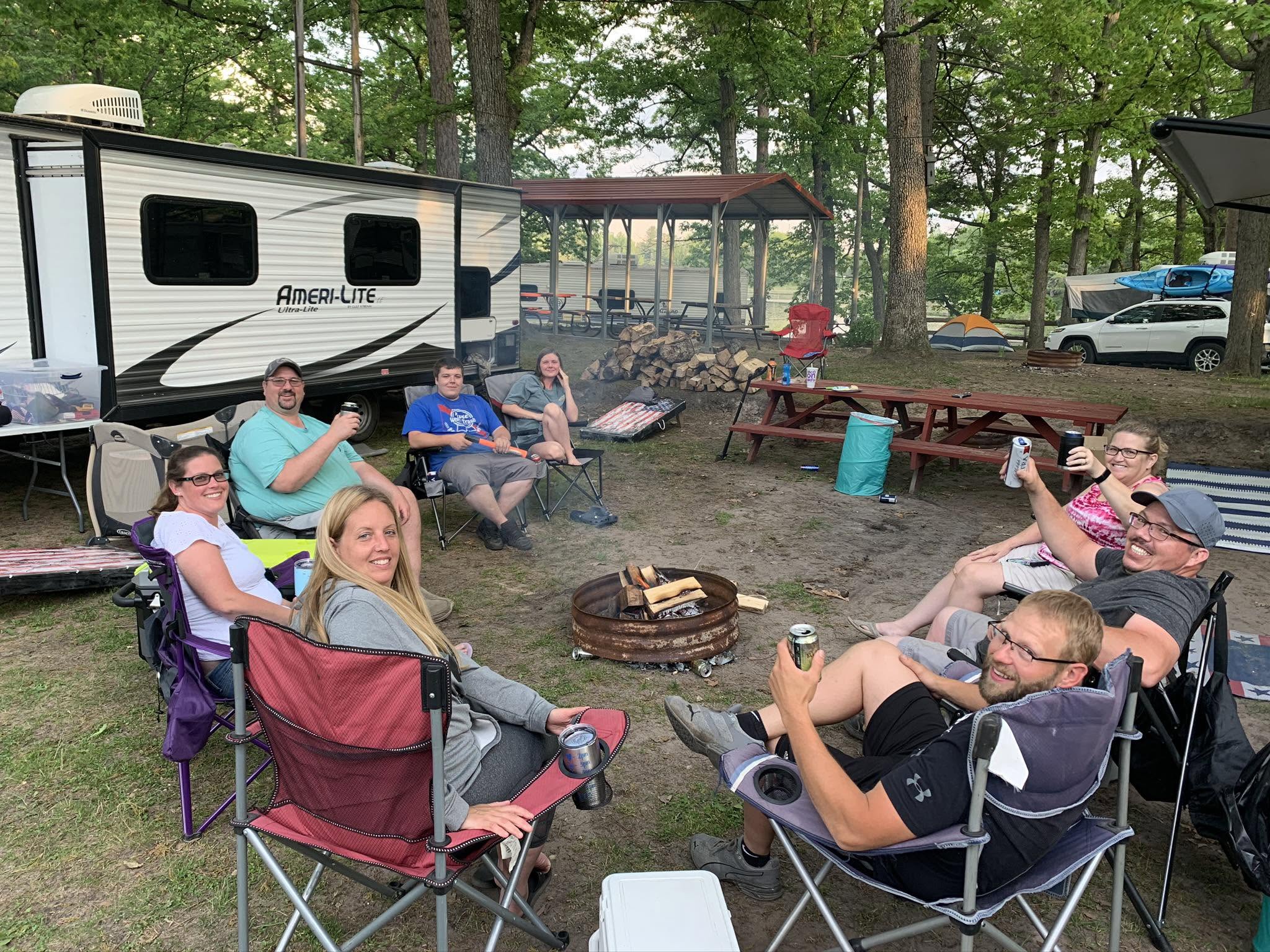
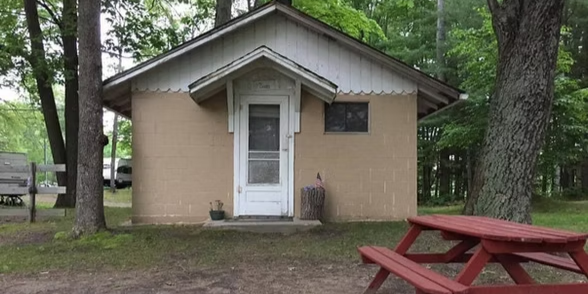
Tucked away in the heart of Hale, Michigan, the Little Guppy Cabin serves as your perfect base camp for exploring some of the state's most diverse wildlife habitats. This isn't just a cabin rental – it's your gateway to discovering the rich ecosystems that make northern Michigan a wildlife enthusiast's paradise. At just $50 per night for up to 5 guests, you're getting incredible value for a location that puts you right in the middle of prime wildlife viewing territory. The cabin's lakeside setting means you'll wake up to the sounds of nature every morning, and with Logan Hills Campground's expert guides available to show you the best spots, you're guaranteed to see wildlife that most visitors miss.
What to Expect on Tour
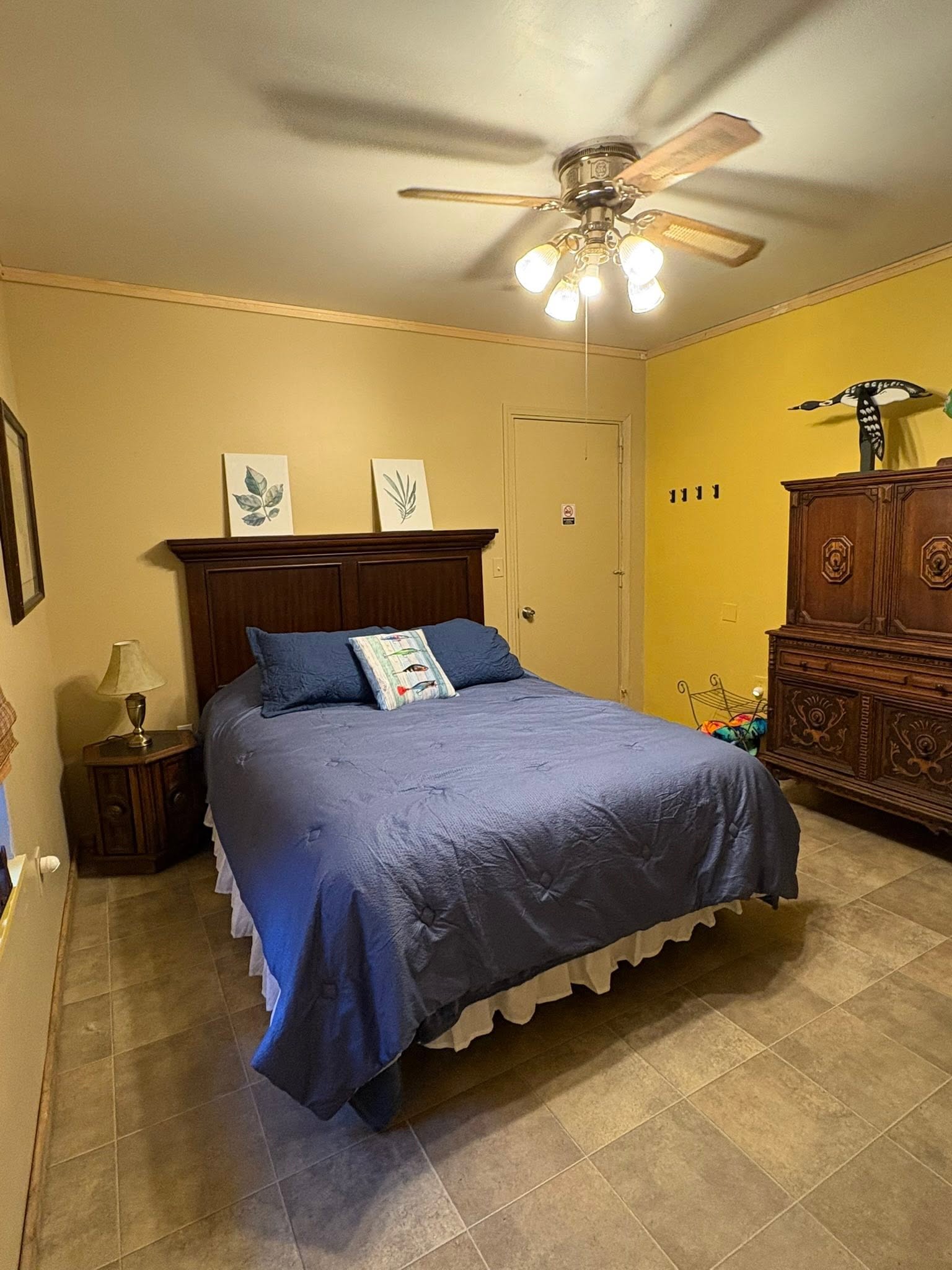
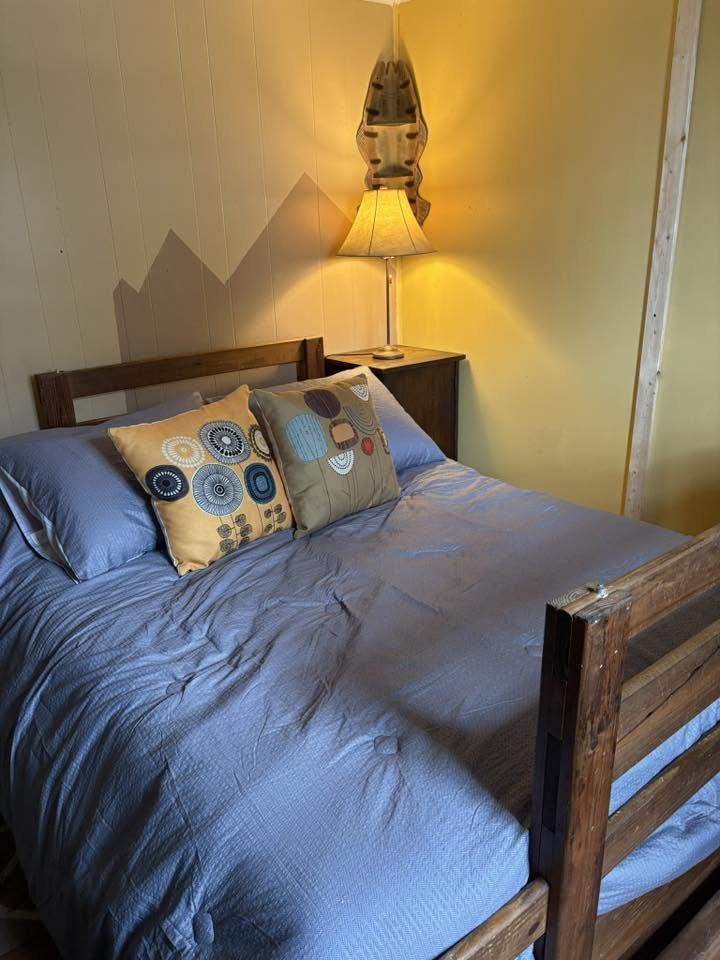
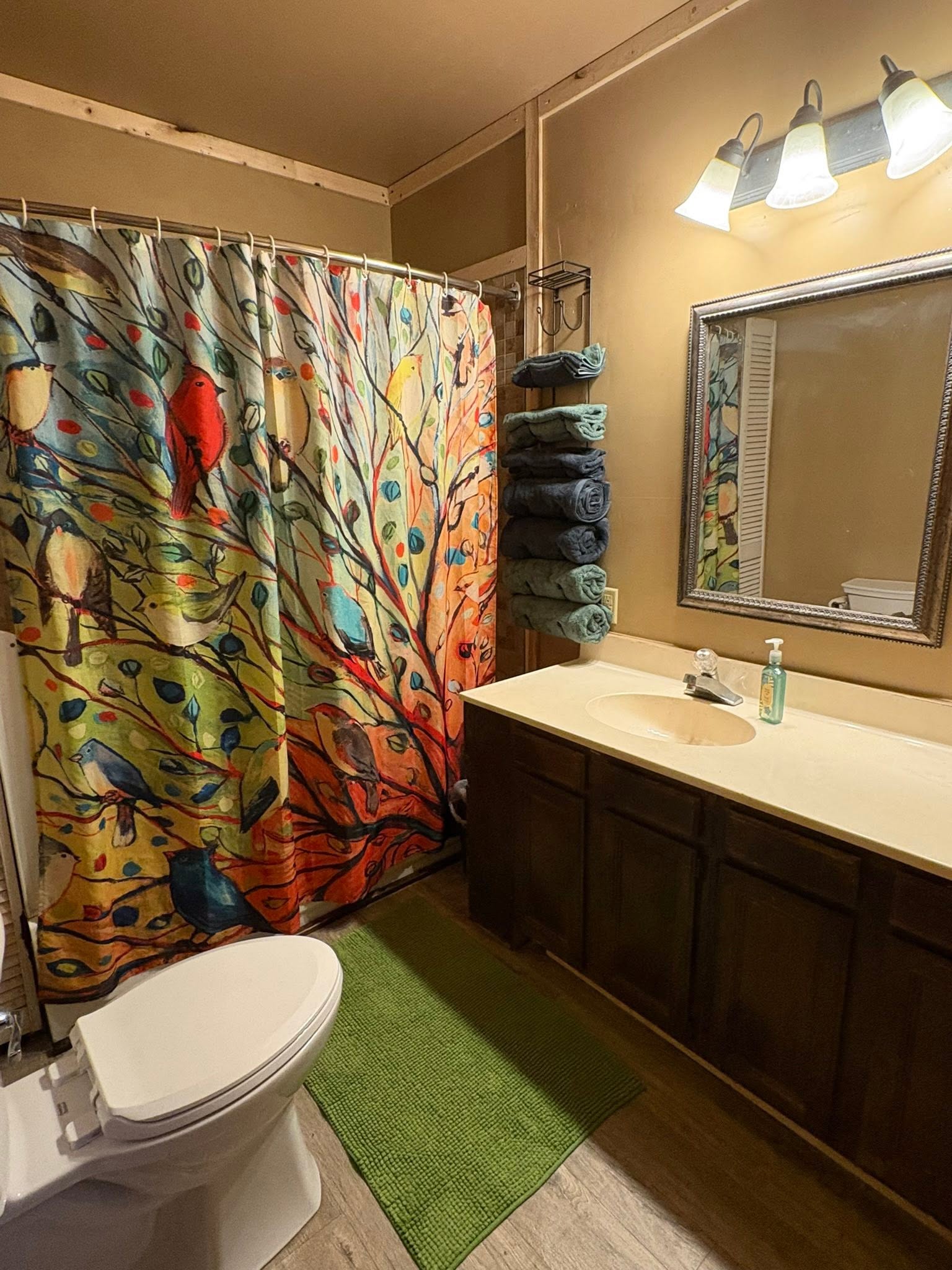
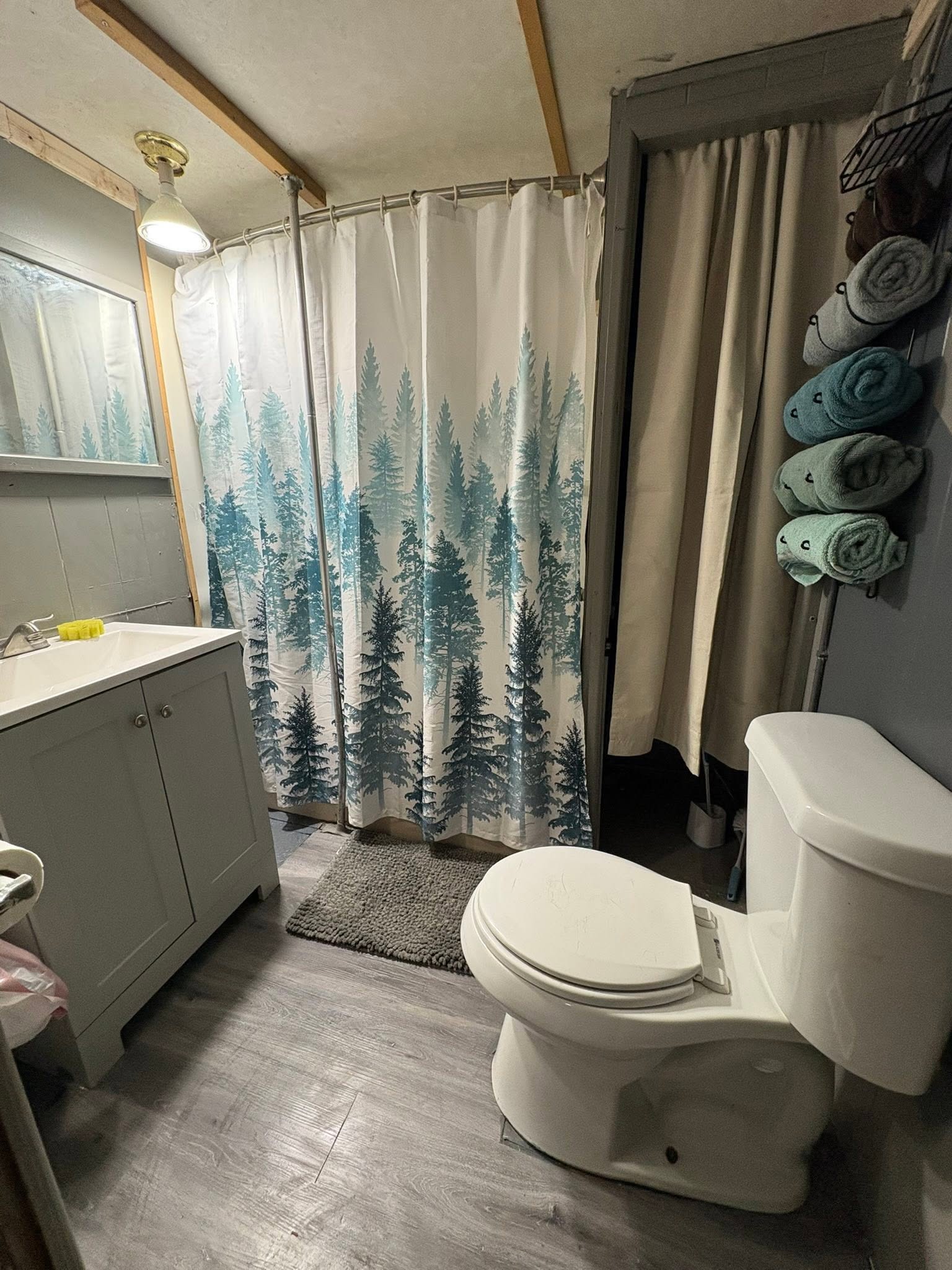
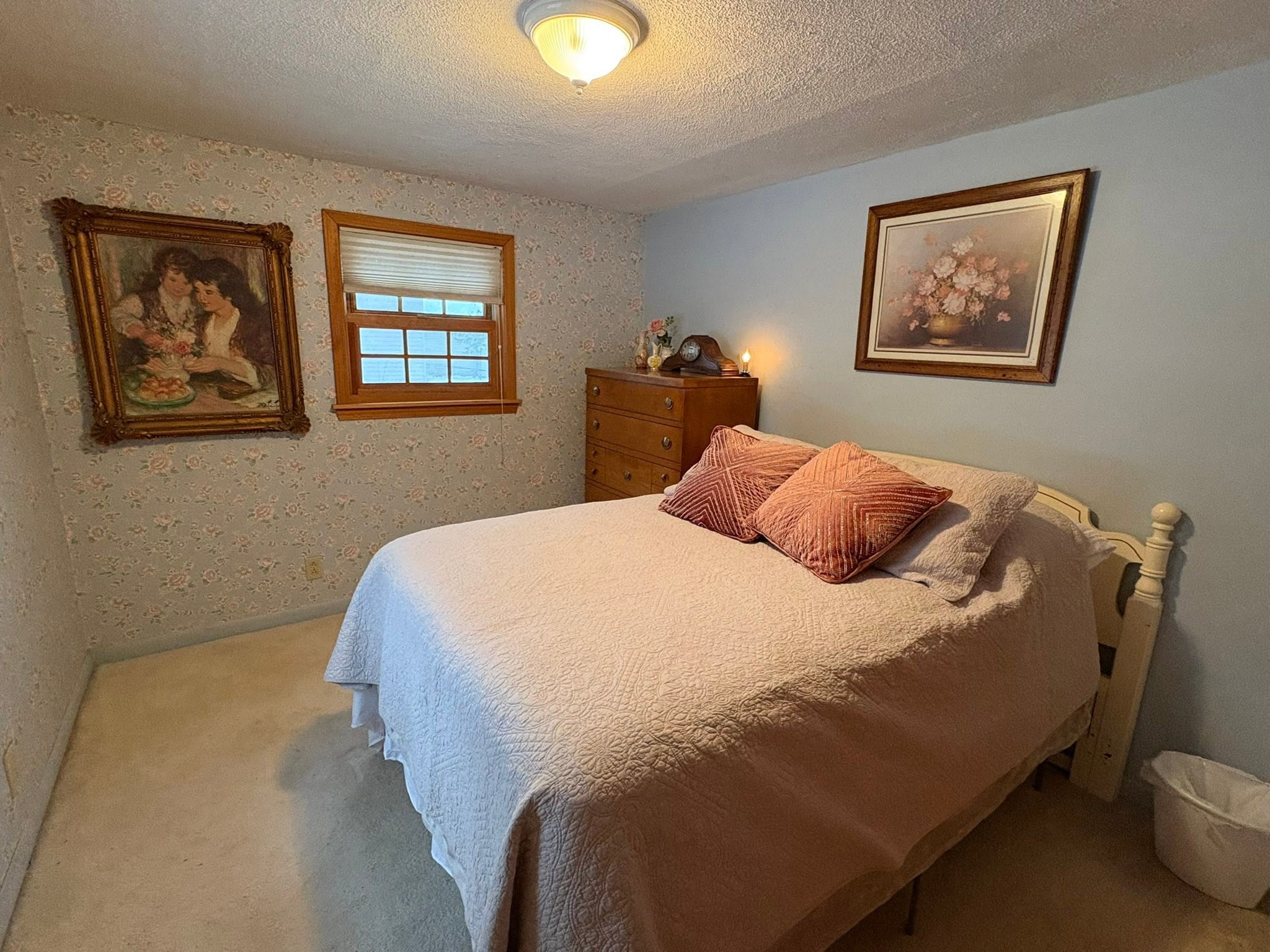
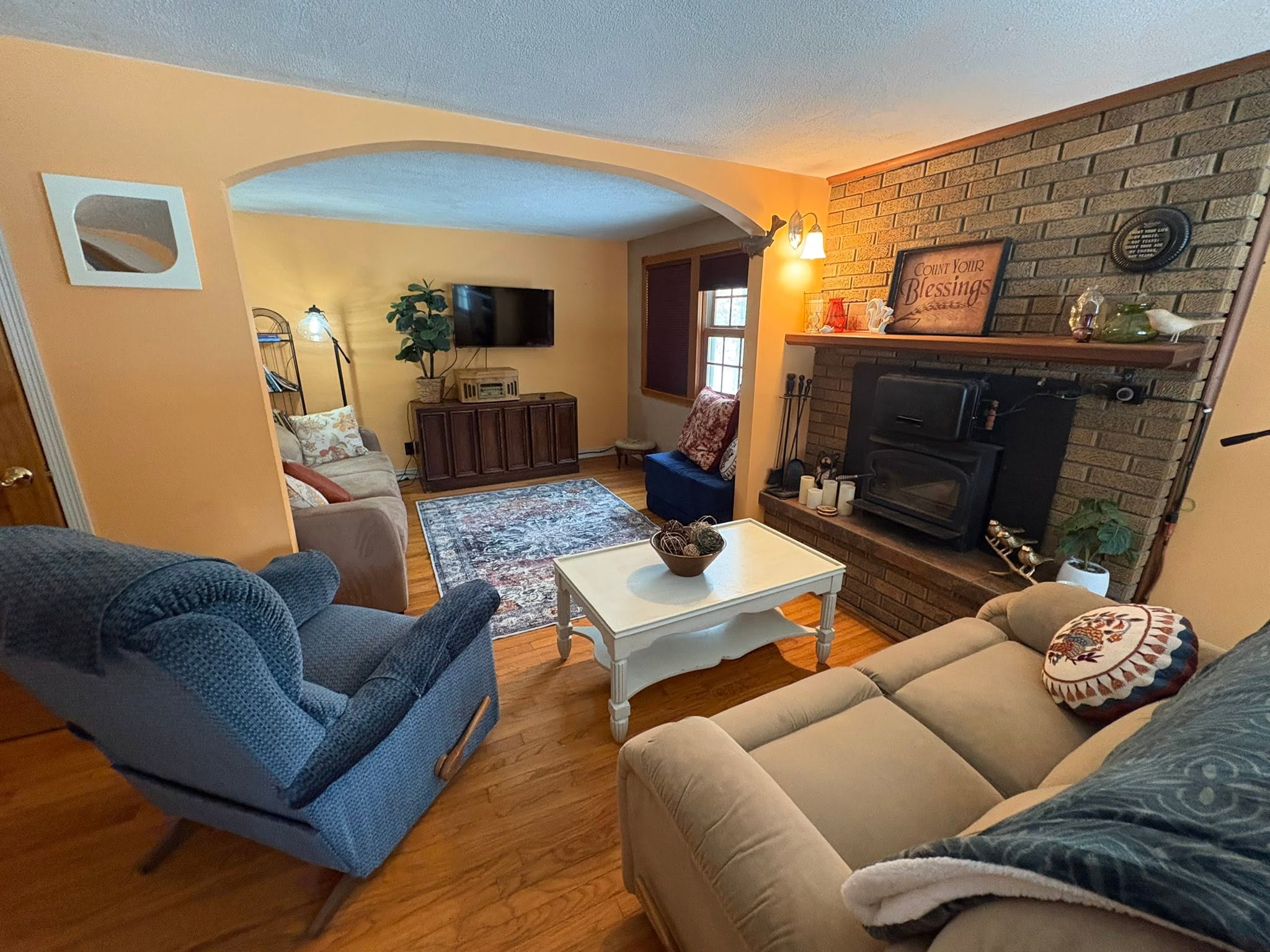
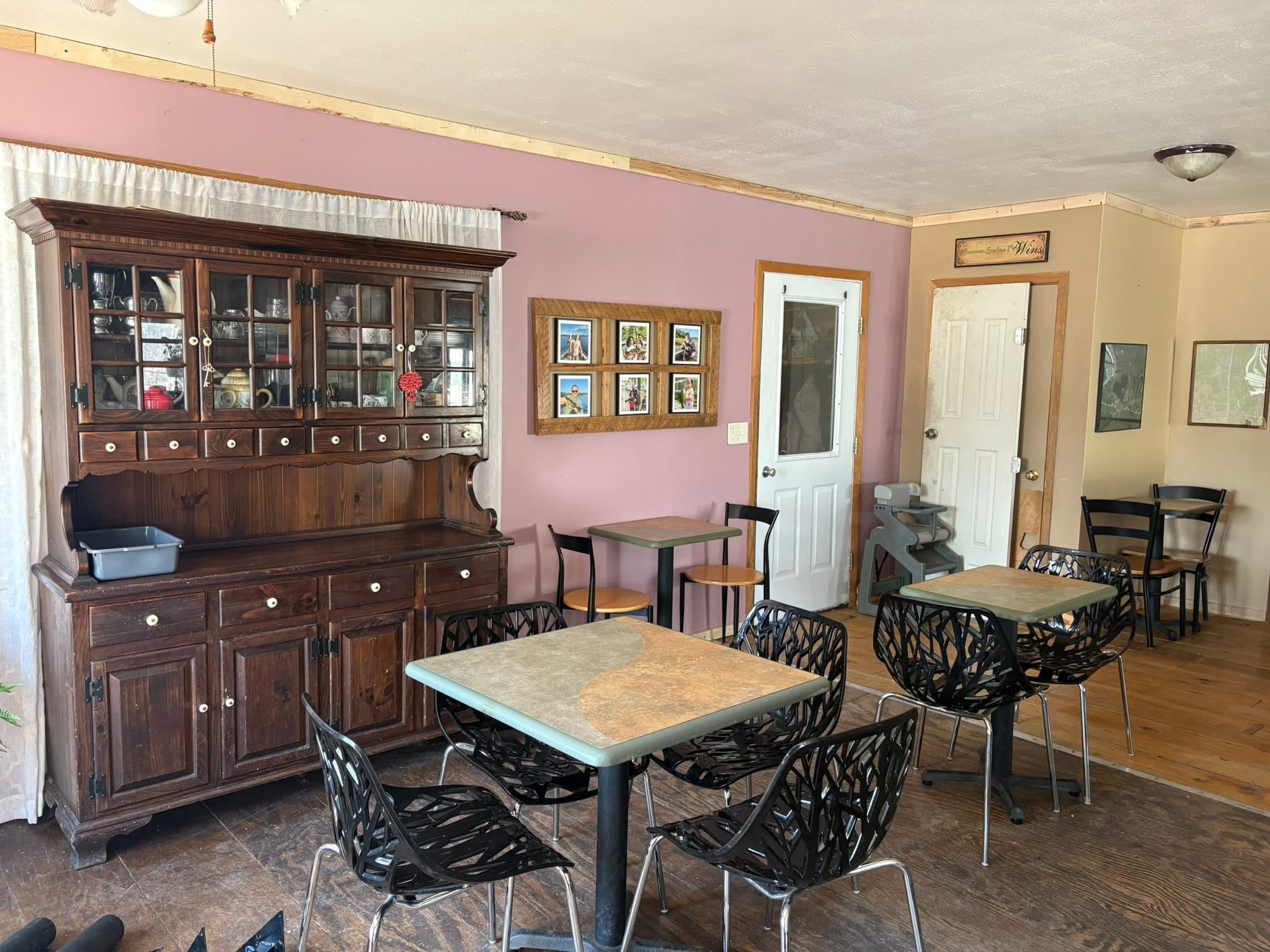
Your wildlife tour starts right from your cabin door, where the Little Guppy's waterfront location gives you immediate access to wetland habitats that attract dozens of species throughout the day. The cabin itself is perfectly sized for small groups – featuring a cozy bedroom with full and twin bunk beds, plus two pull-out couches in the common area where you can spread out maps and plan your next wildlife viewing adventure. The real magic happens outside, though. Your private picnic table becomes the perfect spot for early morning coffee while you watch for great blue herons fishing in the shallows, and the fire ring is ideal for evening discussions about the day's sightings. The cabin includes electricity and a sink with cold water, so you can keep your binoculars charged and cameras ready. Just remember to pack your own towels and bedding – most wildlife enthusiasts prefer their own gear anyway. The location puts you within walking distance of several prime viewing areas, and Logan Hills' guides know exactly when and where different species are most active.
Tour Routes & Techniques
Logan Hills Campground has developed specific wildlife touring routes that take advantage of Hale's unique geography, where dense forests meet open water and wetlands create perfect habitat diversity. Your guides use spotting scopes and know the local animal behavior patterns, so they can position your group for the best viewing opportunities. Early morning tours focus on the lake edges where mammals come to drink and waterfowl are most active. The technique here is patience and positioning – guides will set up viewing stations downwind from game trails and water sources. Afternoon tours shift to forest edges where different species emerge as temperatures cool. Evening tours are legendary for owl encounters, as guides use specific call techniques to locate and observe these nocturnal hunters. The cabin's location means you can easily join multiple tour times during your stay, and guides adjust their approaches based on seasonal wildlife patterns and recent activity signs. Weather plays a huge role in wildlife movement, and experienced guides know how to read conditions and adapt tour routes accordingly.
Target Species Breakdown
White-tailed deer are the stars of Hale's wildlife scene, and your cabin location puts you right in their preferred habitat zone. These adaptable animals are most active during dawn and dusk hours, making them perfect for early morning and evening viewing sessions. Mature bucks can weigh over 200 pounds and develop impressive antler spreads, while does with fawns provide some of the most engaging wildlife viewing experiences you'll find anywhere. The best time to spot them is during their evening feeding routine when they move from dense cover to open areas near the water. Guests love photographing deer because they're large enough to capture clearly but wild enough to provide that authentic outdoor experience.
Great blue herons are the lakeside celebrities that make the Little Guppy's waterfront location so special for wildlife touring. These magnificent birds stand over four feet tall with wingspans reaching six feet, and they're incredibly patient hunters that provide excellent viewing opportunities. You'll often spot them in the shallow areas right in front of your cabin, especially during early morning hours when fish are most active. Their hunting technique is fascinating to watch – they'll stand motionless for long periods before striking with lightning speed. Spring through early fall offers the best viewing, and guides know their favorite fishing spots along the shoreline. Guests are always amazed by how close these large birds will allow respectful observers to get.
Wild turkeys have made a remarkable comeback in Michigan, and the Hale area supports healthy flocks that provide exciting tour encounters. These impressive birds can weigh up to 25 pounds and are much more agile than most people expect – they're strong fliers despite their size and can run up to 20 miles per hour through dense forest. Spring gobbling season offers the most dramatic encounters, but fall flocks provide excellent viewing opportunities as well. Turkeys are most active in the early morning when they leave their roost trees and in late afternoon when they're feeding before returning to roost. Tour guests are consistently surprised by turkey intelligence and social behavior, especially when observing family groups with their complex communication patterns.
Bald eagles have established year-round territories in the Hale region, making them a top-rated species for wildlife tours from the Little Guppy Cabin. These powerful raptors hunt the same waters you'll be viewing from your cabin, and their presence indicates a healthy ecosystem. Adult eagles are unmistakable with their white heads and tails, but younger birds present identification challenges that guides help explain during tours. Peak viewing happens during fish spawning seasons when eagles concentrate around productive fishing areas. Their fishing technique is spectacular – they'll dive from significant heights to snatch fish from the surface with incredible precision. Guests often witness territorial displays and feeding behaviors that provide world-class photography opportunities.
Black bears are present in the area but require specialized tour techniques and safety knowledge that Logan Hills guides provide. These powerful omnivores can weigh over 400 pounds and are surprisingly agile climbers and swimmers. Bear viewing requires understanding their seasonal food preferences and movement patterns – spring tours focus on areas with emerging vegetation, while fall tours target natural food sources like oak groves and berry patches. Safety protocols are essential, and guides maintain appropriate distances while providing viewing opportunities. Most bear encounters happen during early morning or evening hours when they're most active. Guests find bear tours particularly memorable because of the combination of excitement and respect these impressive animals command.
Book
 Private Trip
 Wildlife
 Hale, MI
 Affordable lakeside cabin rental for up to 5 guests nightly