Half Day Trout Fishing Trip on Lake Lanier
If you're looking for a solid day on the water with some quality trout action, this half-day trip covers some of Georgia's most productive trout waters. We'll hit Lake Burton, Chatuge, Rabun, and Seed - each one offering its own character and fishing opportunities. These mountain lakes sit in the heart of North Georgia's trout country, where cool, oxygenated water creates perfect conditions for both stocked and wild fish. You'll have five hours to work these waters, whether you're bringing the kids for their first fishing experience or you're an experienced angler wanting to explore new territory. The scenery alone makes it worth the trip, but when you add in the chance to hook into some beautiful trout and feisty spotted bass, you've got yourself a day to remember.
What to Expect on the Water
This trip takes you to four distinct lake systems, each with its own fishing personality. Lake Burton offers deeper structure and cooler water that holds trout year-round, while Lake Chatuge provides excellent shallow water opportunities during the right conditions. Rabun and Seed lakes round out the experience with varied terrain and consistent action. We'll spend our five hours moving between the most productive areas, reading the water and adjusting our approach based on what the fish are telling us. The guest capacity is kept small at just two people, which means you get personalized attention and plenty of room to fish comfortably. Don't worry about bringing lunch - we keep this trip focused on fishing time, so pack some snacks and water if you think you'll need them. The pace is relaxed but purposeful, giving you time to really learn the water and develop your technique.
Techniques & Tackle
We'll be using a variety of approaches depending on conditions and what's working best that day. Trolling is often our bread and butter on these lakes, especially when covering water to locate active fish. We'll run everything from small spoons and spinners to more sophisticated setups with downriggers when we need to get deep. For the spotted bass, we might switch things up with some casting to structure or working the shoreline with topwater baits during the right conditions. The beauty of having multiple lakes to work with is that we can adapt our strategy - if the trout are being finicky on one lake, we can move to another and try a completely different approach. All tackle and bait are provided, but if you have favorite rods or lures you like to fish with, feel free to bring them along. I always enjoy seeing what other anglers are having success with, and sometimes your local knowledge from other waters can translate well to these Georgia mountain lakes.
Target Species
Brook Trout are the native jewel of these mountain waters, and catching one is always special. These beautifully marked fish prefer the cooler, more oxygenated areas of the lakes and can be found around springs and deeper structure. They typically run smaller than the other trout species, but what they lack in size they make up for in fight and beauty. Fall and early spring are prime times for brookies, when water temperatures drop and they become more active. The white-edged fins and distinctive spotted pattern make them easy to identify, and they're a favorite among anglers who appreciate the connection to Georgia's fishing heritage.
Spotted Bass bring a different kind of excitement to the trip. These scrappy fighters are aggressive and fun to catch, often found around rocky structure and drop-offs. They're active throughout most of the year and will hit a variety of lures and baits. Spots typically run one to three pounds in these lakes, but they fight harder than their size suggests. They're also great for newer anglers because they're generally less finicky than trout and provide consistent action when conditions are right.
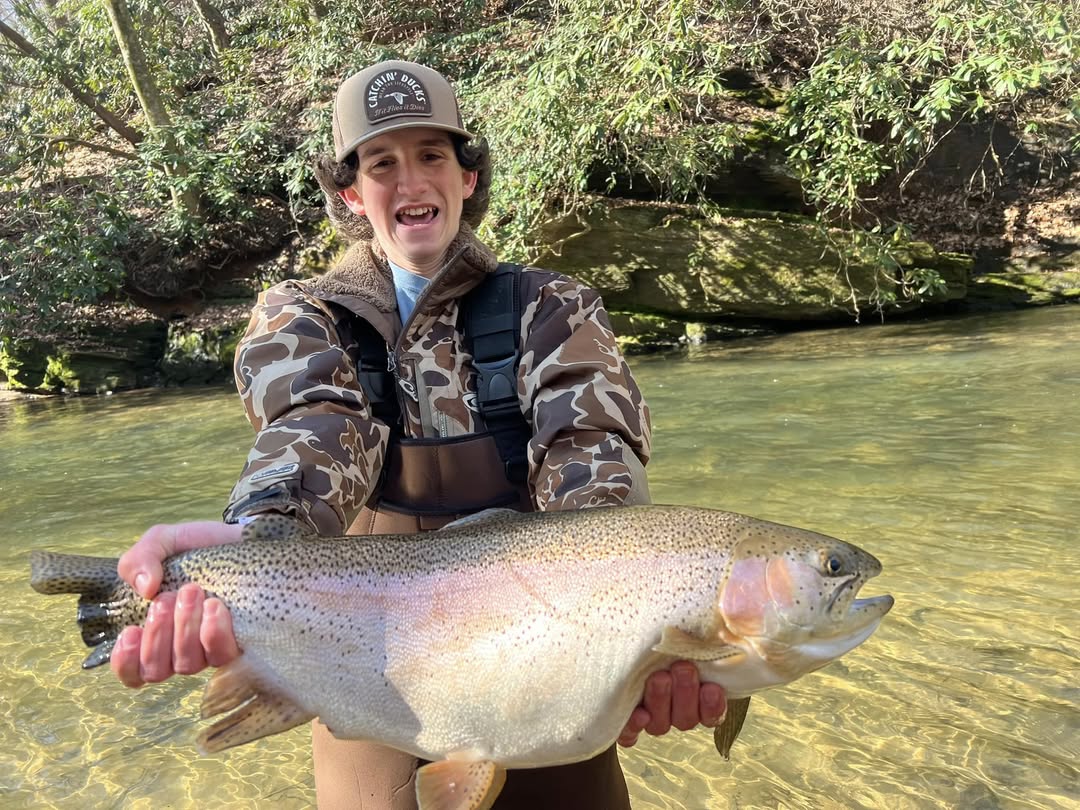
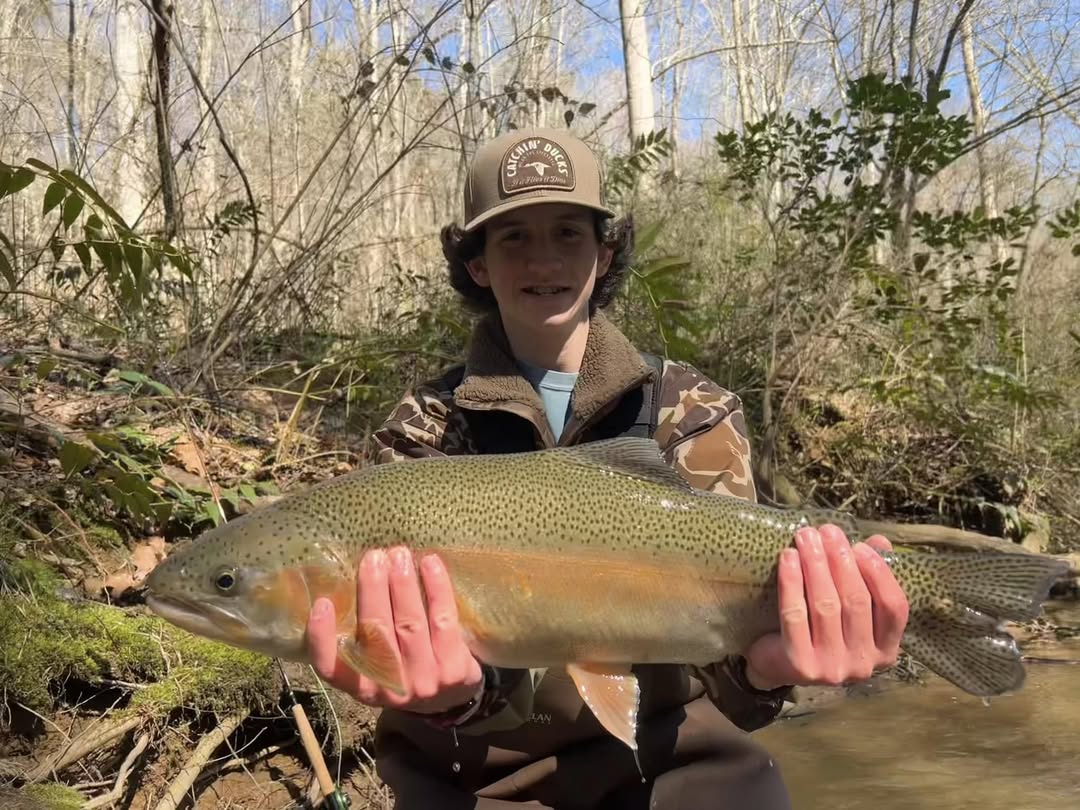
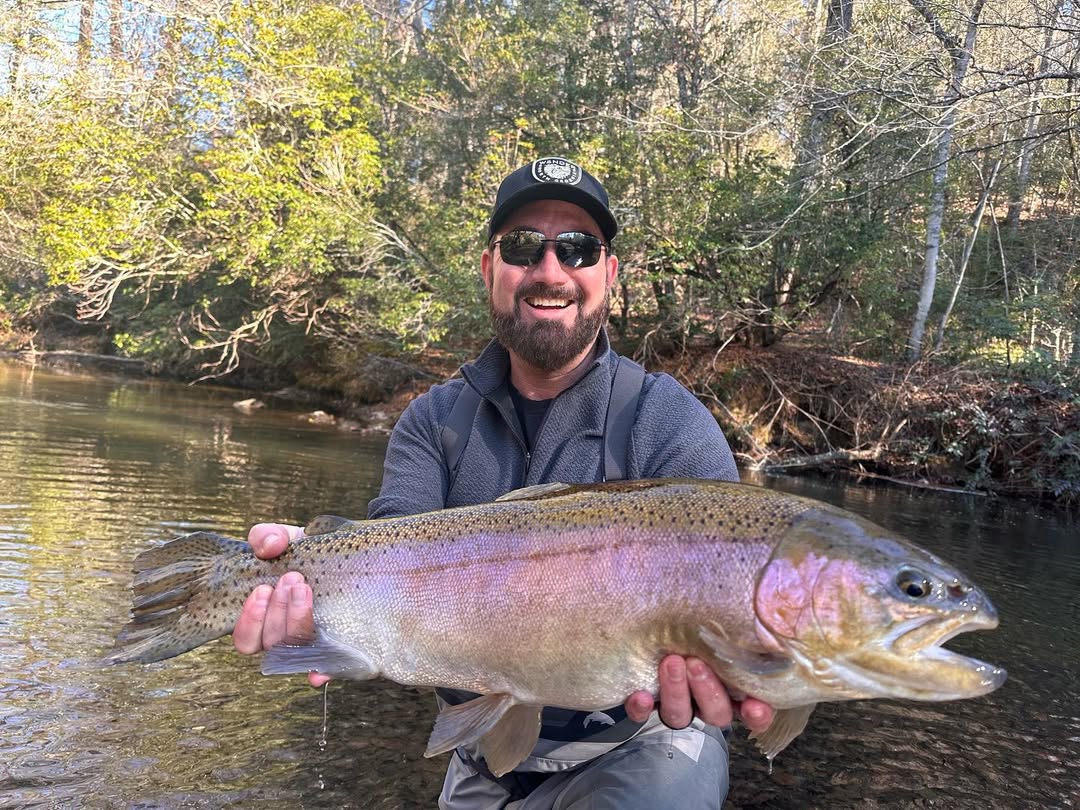
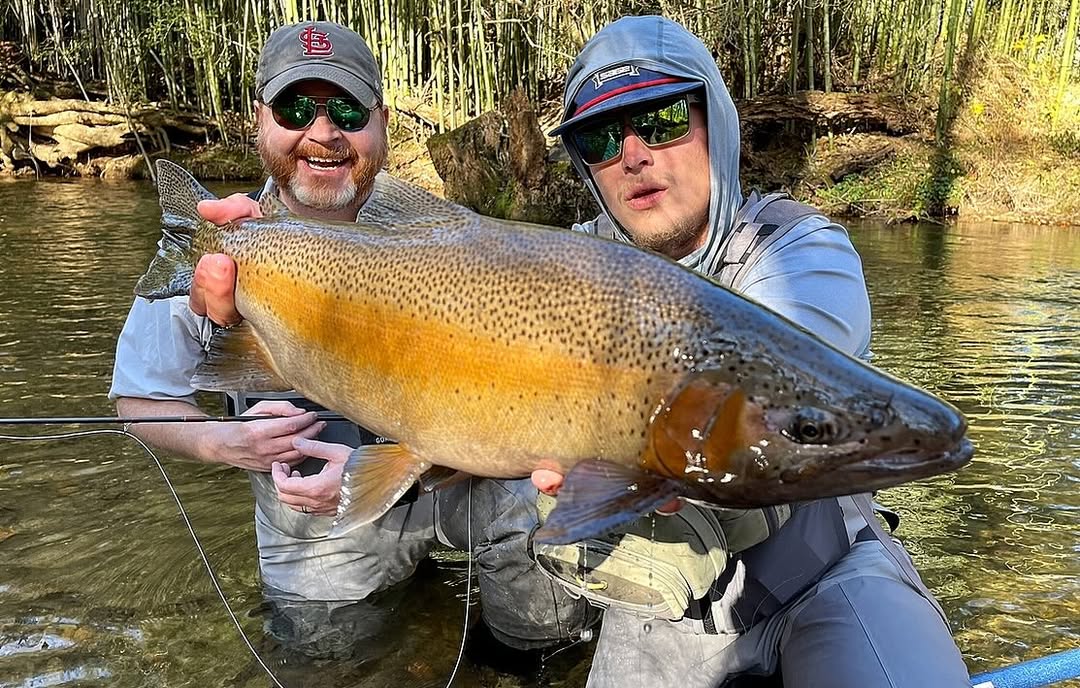
Rainbow Trout are probably what most people think of when they picture trout fishing, and these lakes hold some beautiful specimens. Stockers provide reliable action, especially in the cooler months, while the occasional holdover or wild fish can really make your day. Rainbows are active feeders and will take everything from worms and PowerBait to small lures and flies. They're found throughout the water column depending on season and temperature, and their aerial displays when hooked always add excitement to the trip.
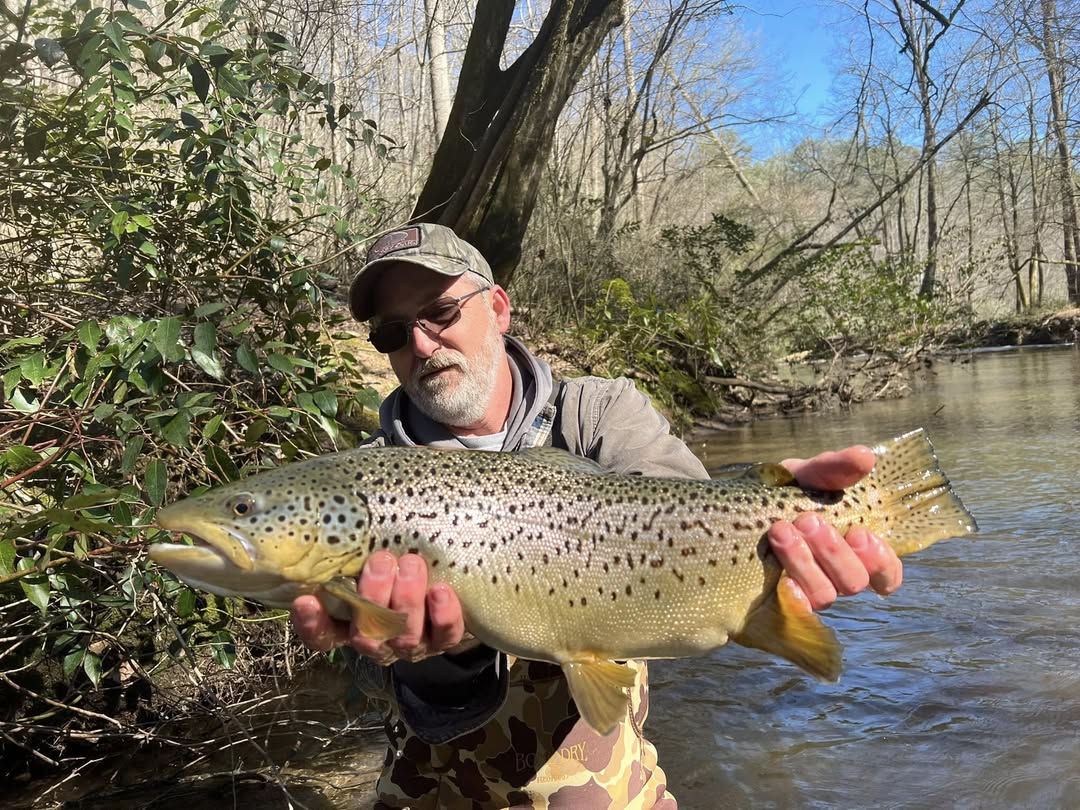
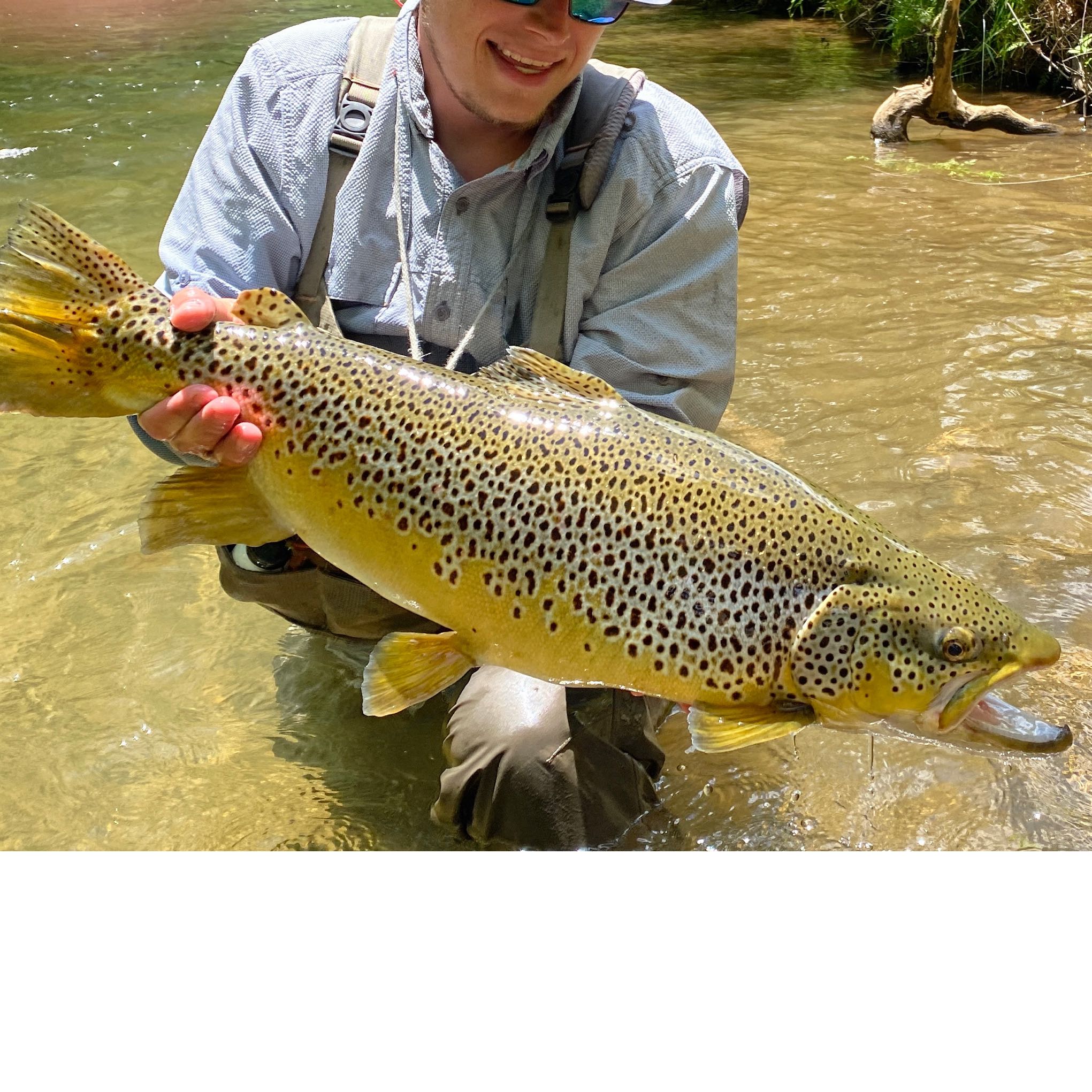
Brown Trout are the smart guys of the group - they can be challenging to catch but incredibly rewarding when you connect. These fish often grow larger than the other trout species and have a reputation for being selective feeders. They prefer deeper water and structure during the day, though they can be caught with patience and the right approach. Browns are most active during low-light conditions, and early morning or late in our trip can be prime time. When you hook a good brown, you know it - they use their weight and experience to test your drag and your patience.
Time to Book Your Spot
This half-day trip gives you a real taste of what North Georgia trout fishing is all about. You'll work four different lakes, learn techniques that you can use on future fishing adventures, and hopefully put some beautiful fish in the boat. The small group size means you get the attention and instruction that makes the difference between just going fishing and really learning to fish these waters effectively. Whether you're introducing someone new to the sport or looking to expand your own knowledge of Georgia's mountain lakes, this trip delivers the goods. The combination of scenic beauty, varied fishing opportunities, and quality time on the water makes this a top-rated choice for anglers of all skill levels. Don't wait too long to book - the best fishing windows fill up fast, especially during prime seasons when the trout are most active.
 Private Trip
 Lakes/Reservoirs/Ponds Fishing
 Cornelia, GA


 Half-day trout fishing adventure on Georgia's scenic lakes