Naples Backwater Fishing with Chasin' Tails
When you're ready to get away from the crowds and fish some of the most productive shallow water in Southwest Florida, Captain Geoff and his crew at Naples Fishing Charters know exactly where to take you. The Naples backwaters are a maze of mangrove creeks, grass flats, and oyster bars that hold some of the best inshore fishing you'll find anywhere. This isn't your typical charter boat grind – we're talking about getting up close and personal with fish in their natural habitat, where every cast counts and the action can go from zero to hero in seconds.
What to Expect on the Water
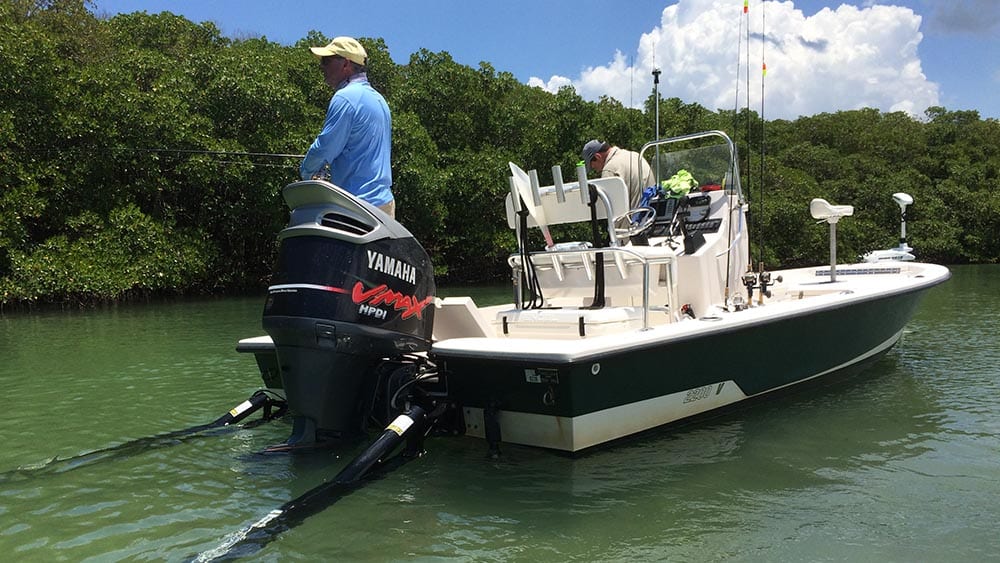
Your day starts early when Captain Geoff picks you up at one of Naples' boat ramps, ready to head into the backcountry where the big boats can't follow. With only three anglers max on each trip, you'll get the personalized attention that makes all the difference between going home empty-handed or with fish stories that'll last a lifetime. The shallow draft boat slides through water barely deep enough to float, putting you right where the fish live and feed. These backwater spots change with the tides, seasons, and weather, so Captain Geoff's local knowledge becomes your biggest advantage. He's been working these waters for years, reading the subtle signs that tell him where to find feeding fish – bird activity, bait movement, tide changes, and those little ripples that mean game fish are working below the surface.
Techniques and Tackle Setup
Backwater fishing is all about finesse and knowing when to switch tactics. Captain Geoff keeps the boat stocked with everything you need, from light spinning gear perfect for sight fishing redfish on the flats to heavier tackle when the tarpon show up. You'll learn to work live bait around structure – letting a pinfish or pilchard drift naturally past a mangrove undercut where a big snook might be lurking. When the fish are spooky, we'll switch to artificial lures, throwing soft plastics on jig heads or working topwater plugs that drive fish crazy in the early morning calm. The key is staying quiet and making accurate casts. In these shallow backwaters, fish can see and hear everything, so stealth matters as much as skill. Captain Geoff will coach you through reading the water, spotting fish before they spot you, and making those crucial presentations that turn follows into hookups.
Top Catches This Season
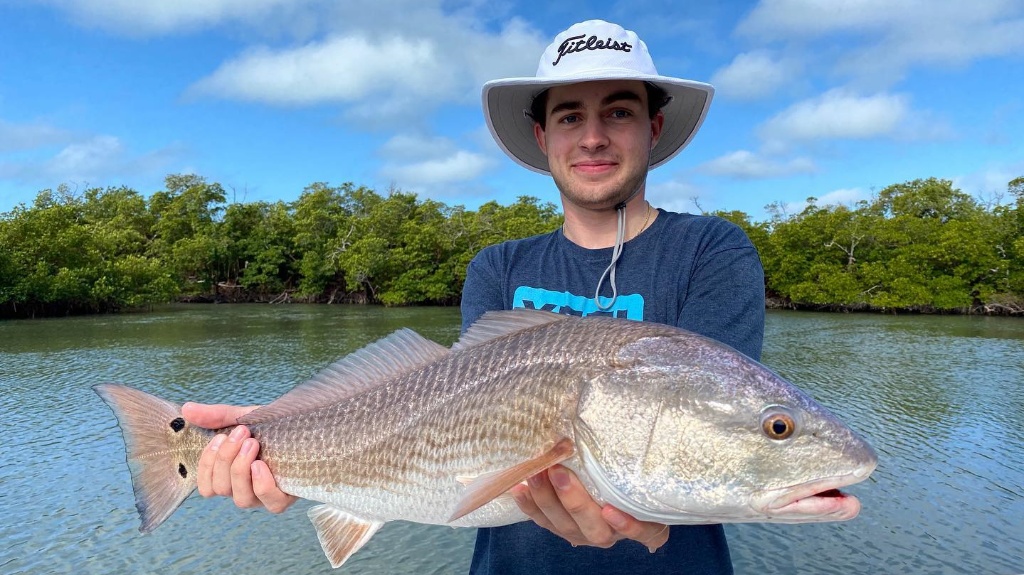
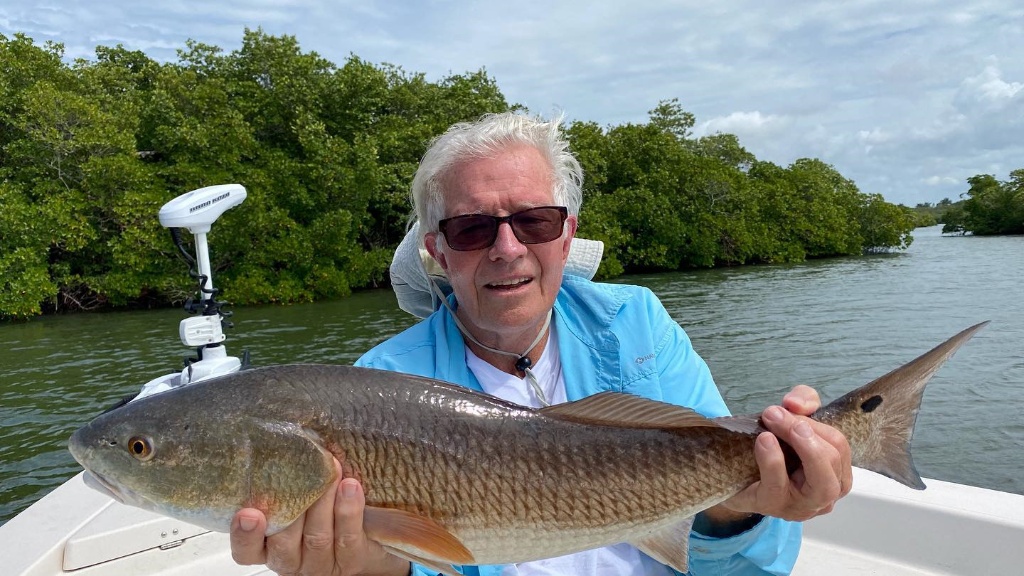
The Naples backwaters hold an incredible variety of saltwater species, each with their own personality and fighting style. Redfish are the bread and butter here – these copper-colored bruisers love cruising the shallow flats and hanging around oyster bars where they can ambush crabs and baitfish. They're aggressive fighters that make long runs and test your drag, typically running 18 to 30 inches with the occasional oversized bull pushing 35 inches or more. Spring through fall offers the most consistent action, but winter can produce some of the biggest fish when they school up in deeper pockets. What makes reds so special is the way they eat – sometimes delicate as a whisper, other times crushing a bait so hard it nearly pulls the rod from your hands.
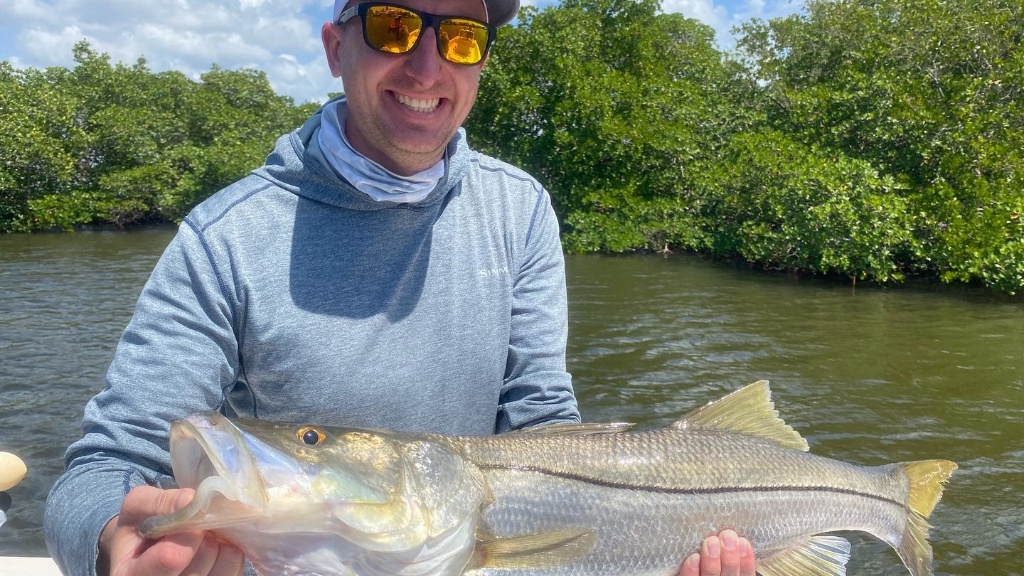
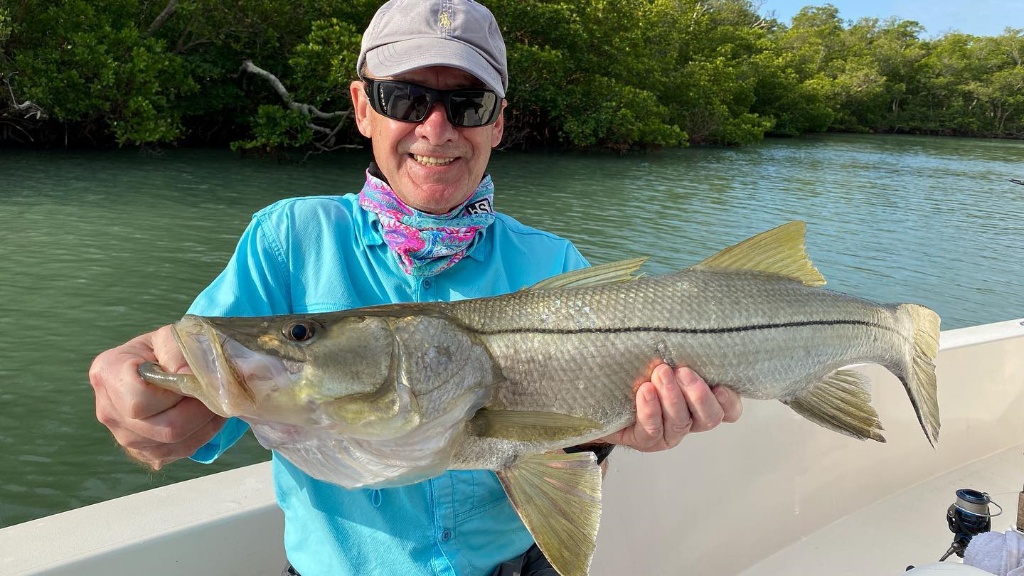
Snook are the glamour fish of the backwaters, and Captain Geoff knows every mangrove point and creek mouth where they set up to feed. These silvery predators with the distinctive black lateral line are ambush hunters that explode from cover to nail prey. They're incredibly structure-oriented, so expect to make precise casts tight to mangroves, docks, and fallen trees. A good backwater snook runs 24 to 32 inches, with true trophy fish over 35 inches always a possibility. The warmer months from May through September are prime time, when snook move shallow to spawn and feed aggressively. They're notorious for their gill-rattling jumps and powerful runs straight back to cover.
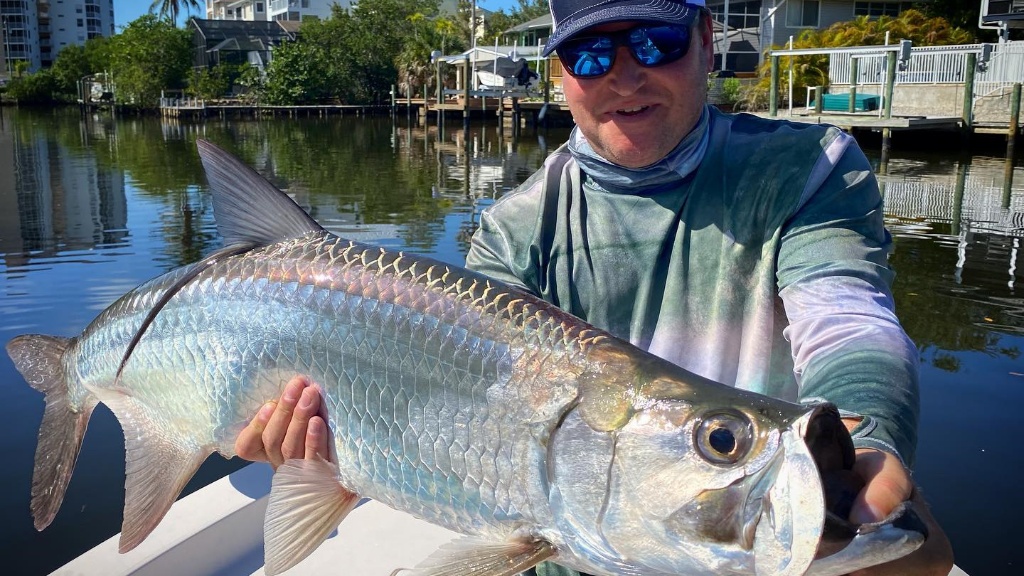
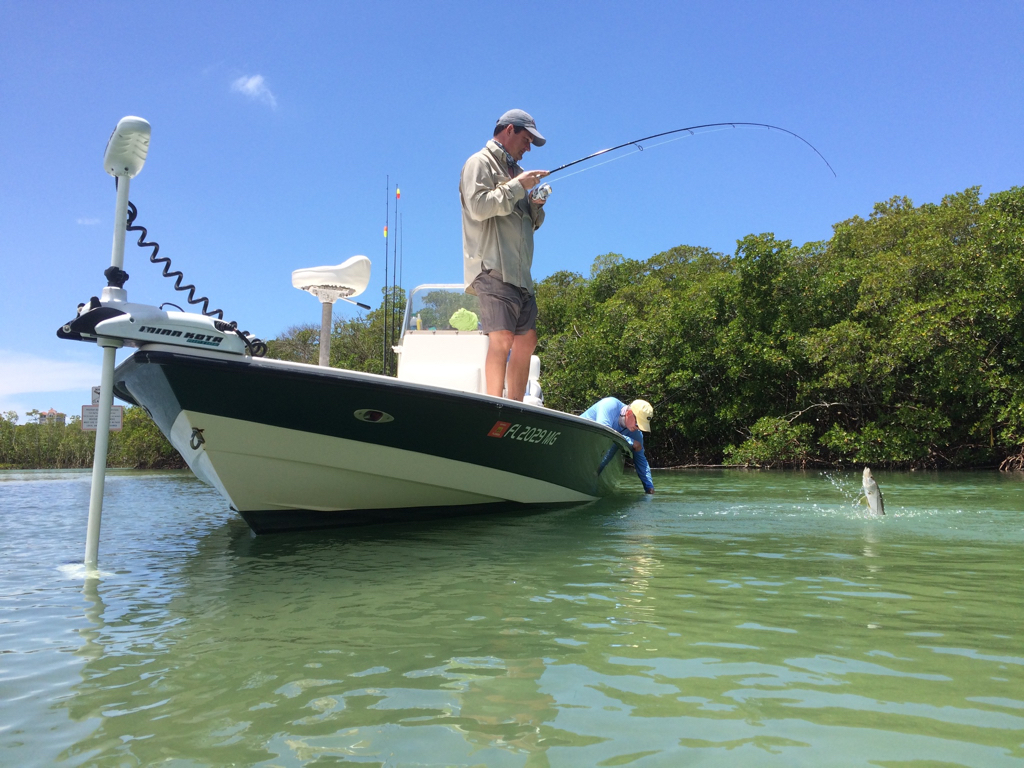
When tarpon roll into the backwaters, everything else takes second place. These silver kings range from juvenile fish in the 20 to 40-pound class up to full-grown giants over 100 pounds that somehow squeeze into surprisingly shallow water. Tarpon fishing requires patience and strong tackle – these fish are pure muscle and attitude wrapped in prehistoric scales. They jump repeatedly when hooked, shaking their heads violently to throw the hook. Even a smaller tarpon will test every knot and connection on your tackle. Peak season runs from April through July, when fish move through the area as part of their annual migration. Landing one is always a celebration, but the real thrill is watching a six-foot fish launch itself completely out of the water just boat-length away.
Sea trout might not be the strongest fighters, but they make up for it with sheer numbers and willingness to bite. These spotted beauties love grass flats where they feed on shrimp, small crabs, and baitfish. A good trout runs 15 to 20 inches, with bigger fish called "gator trout" pushing 24 inches or more. They're perfect for learning backwater techniques since they're relatively easy to hook and forgiving of presentation mistakes. Cooler months often produce the biggest trout as they school up in deeper holes and channels. Their soft mouths require a gentle touch, but their distinctive spotted pattern and sweet meat make them a customer favorite.
Black drum round out the target species list with their bottom-feeding habits and bulldogging fight style. These fish use crushing pharyngeal teeth to crack open oysters, crabs, and other shellfish, making them perfect targets around oyster bars and shell bottom. They're not fancy fighters – no jumps or blazing runs – but they use their broad sides to fight you all the way to the boat. Drum range from schooling fish in the 2 to 5-pound range up to true giants over 30 pounds that look more like small sharks when they surface. They bite year-round but peak during cooler months when they congregate in deeper backwater holes.
Time to Book Your Spot
 Private Trip
 Inshore Fishing
 Naples, FL


 Target redfish, snook, and tarpon in Naples backwaters