Tampa Bay Flats Fishing: 6-Hour Private Charter
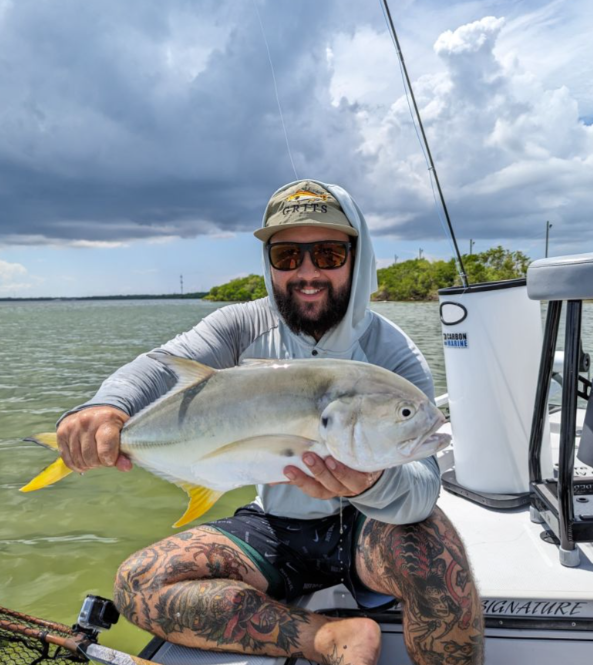
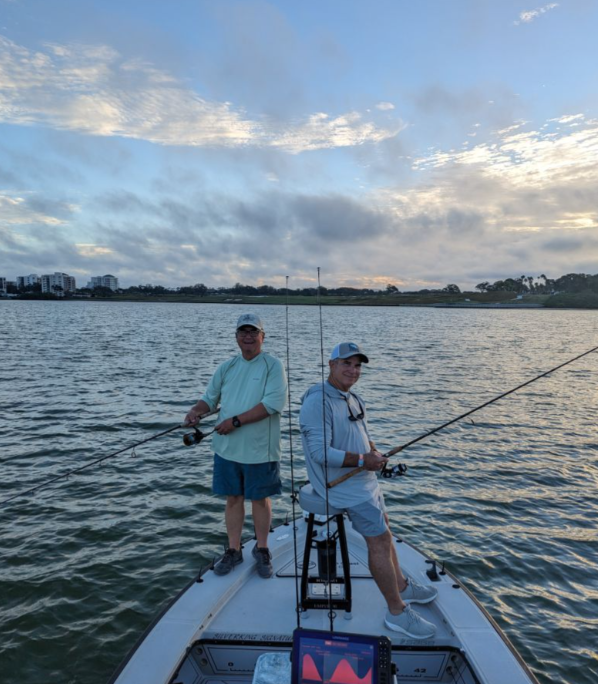
Picture this: you're standing on the bow at first light, watching the sun paint Tampa Bay's shallow waters gold while your captain poles quietly through the grass flats. That's what you're signing up for with Nature Coast Fly Co.'s extended 6-hour private charter. This isn't your typical half-day trip—we're talking about a full morning and afternoon on some of Florida's most productive inshore waters, with enough time to really dial in on the fish and explore multiple spots without feeling rushed. Whether you're after that first redfish on fly or looking to add a Tampa Bay tarpon to your logbook, this trip gives you the hours needed to make it happen.
What to Expect on the Water
Your day kicks off at 7 AM sharp, when the morning bite is just getting started and the water's still cool from the night. You'll have the boat to yourself and one buddy—no crowded decks or fighting for the best casting positions. The beauty of a 6-hour charter is flexibility. Want to spend the first few hours sight-fishing the flats for reds and snook, then move to deeper structure for sheepshead in the afternoon? Your captain's got you covered. Feel like chasing tarpon rolling in the channels? Just speak up. This is your show, and the extended timeframe means you can adjust the game plan based on conditions, tides, and what's biting. Everything's included—your Florida fishing license, a well-stocked cooler to keep your catch fresh, and top-shelf tackle that can handle everything from finicky sheepshead to hundred-pound tarpon. Plus, you've got that peace of mind with free cancellation if you give 3 days' notice and the weather doesn't cooperate.
Flats Techniques & Tactics
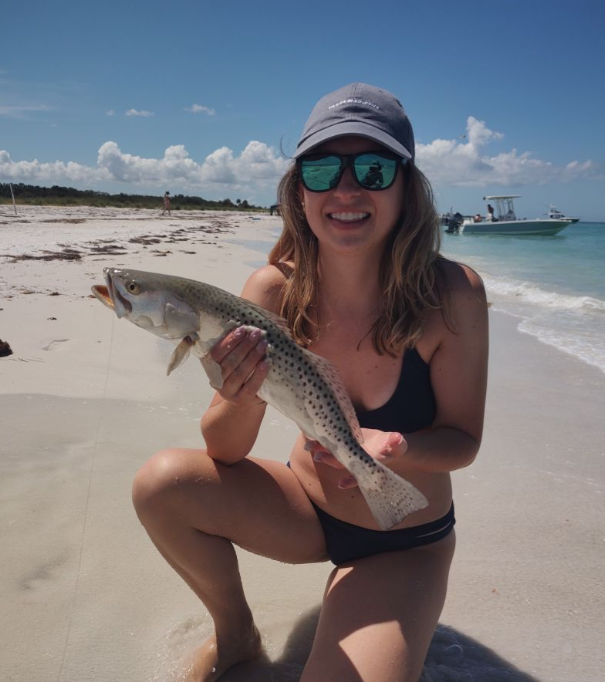
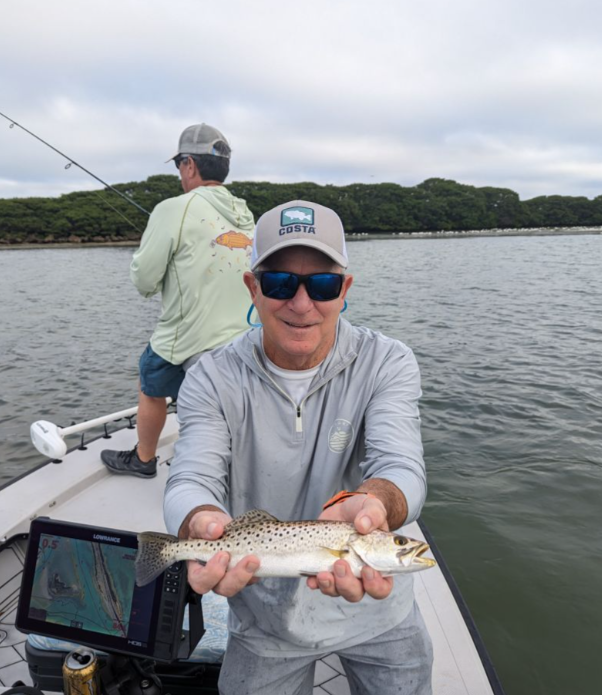
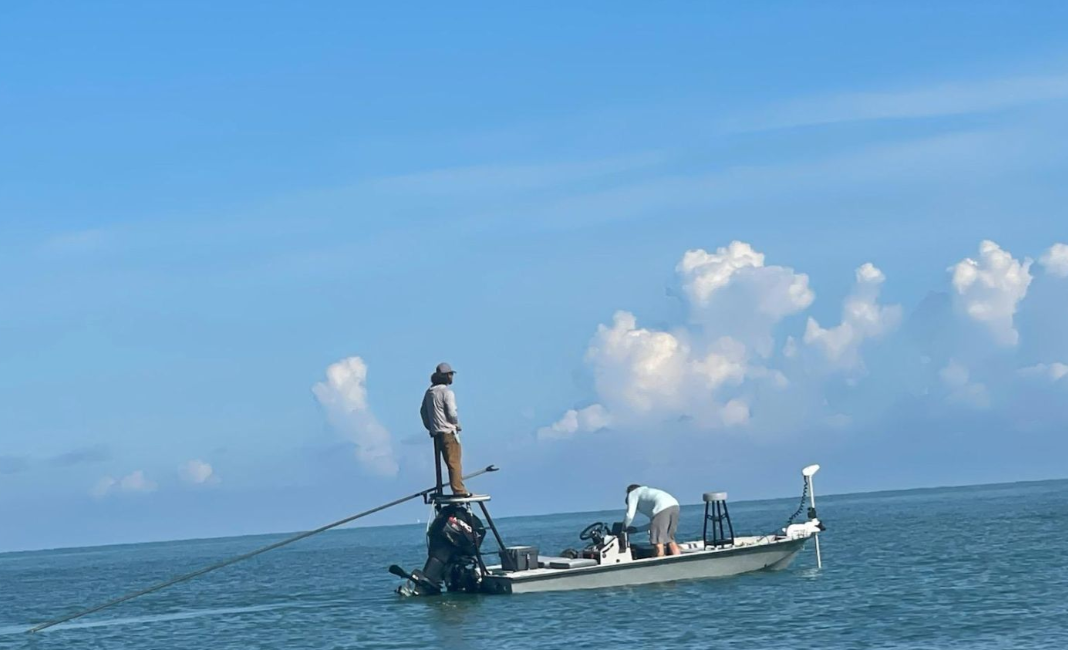
Tampa Bay's flats fishing is all about reading water and staying quiet. Your captain will be poling or running the trolling motor on low, keeping noise to a minimum while you scan the shallows for tails, wakes, and shadows. Most of the action happens in 2-6 feet of water over grass beds, oyster bars, and sandy potholes where baitfish congregate. You'll be sight-casting with both live bait and artificials—think live shrimp under popping corks for reds, or working topwater plugs over grass lines at dawn. When the bite slows on the flats, your captain might move to deeper dock lines and mangrove shorelines where snook hang in the shade, or hit some nearshore structure for sheepshead and whatever else is hungry. The gear setup varies by target species, but expect medium to medium-heavy spinning rods with 15-20 lb braid, plus some heavier tackle on standby in case the tarpon show up. Circle hooks are the standard for live bait, and your captain will have a selection of jigs, spoons, and soft plastics to match the conditions.
Species You'll Want to Hook
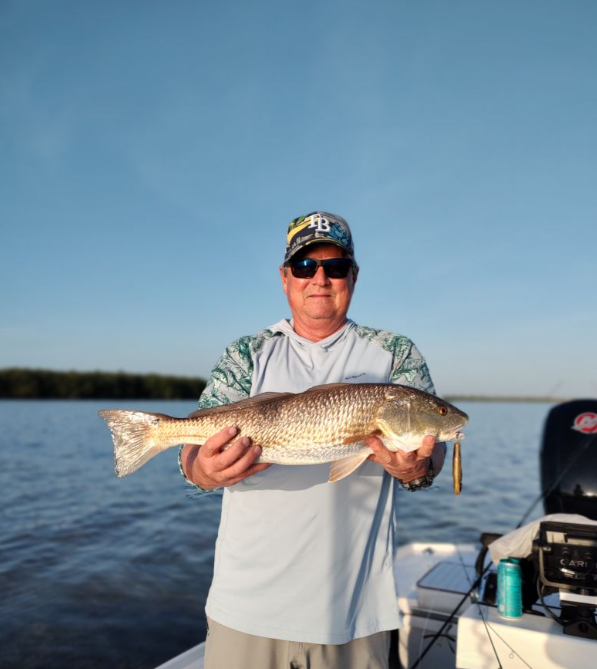
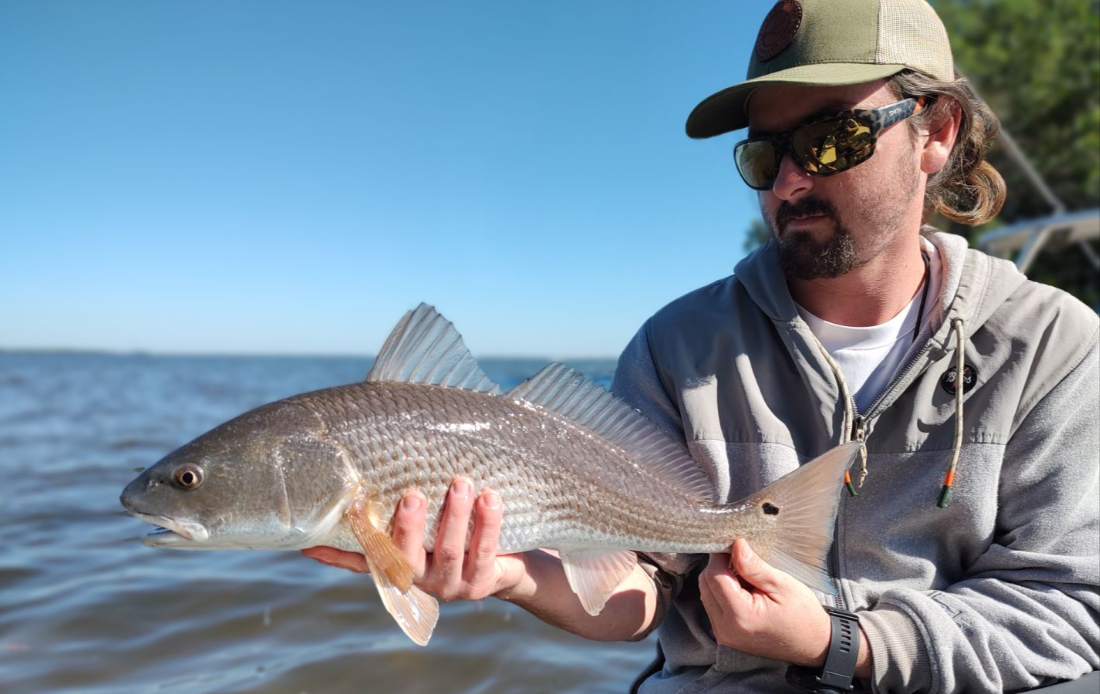
Redfish are the bread and butter of Tampa Bay flats fishing, and for good reason. These copper-colored bruisers love the shallow grass flats and oyster bars, especially during moving tides. Most of the slot-sized fish here run 18-27 inches and put up a solid fight, making long runs and trying to wrap you around every piece of structure they can find. Spring through fall offers the most consistent action, but winter can produce some of the biggest fish when they school up in deeper water. What makes reds special is how they feed—you'll actually see their tails sticking out of the water as they root around for crabs and shrimp, giving you that perfect sight-fishing opportunity.
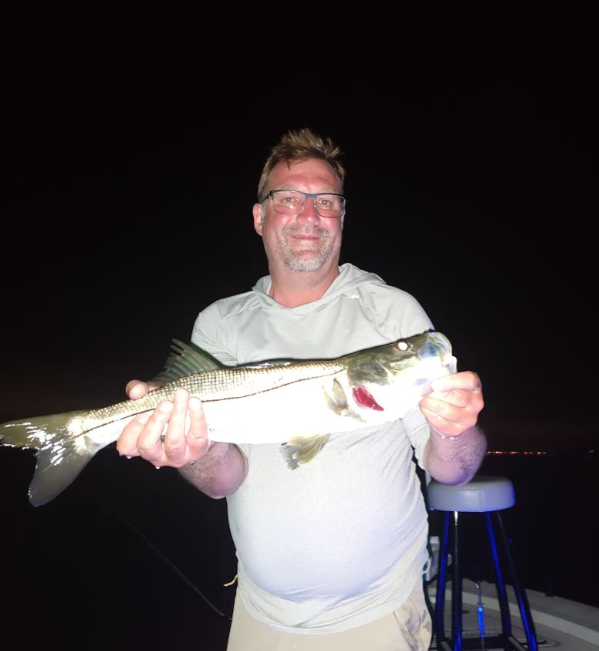
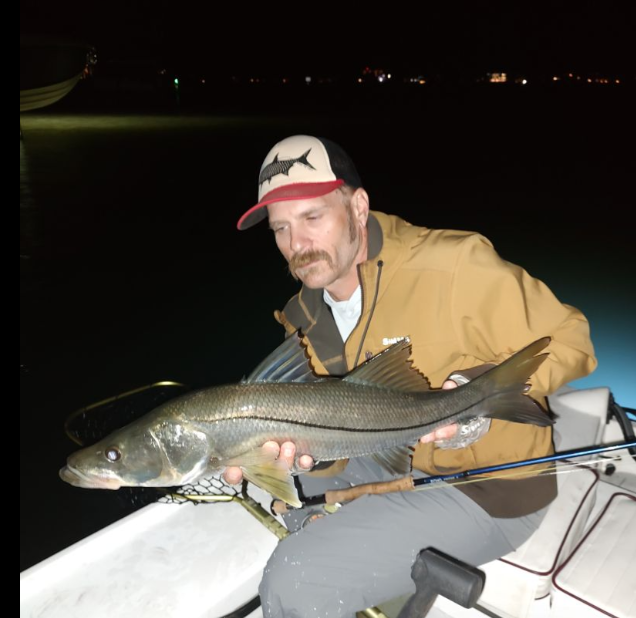
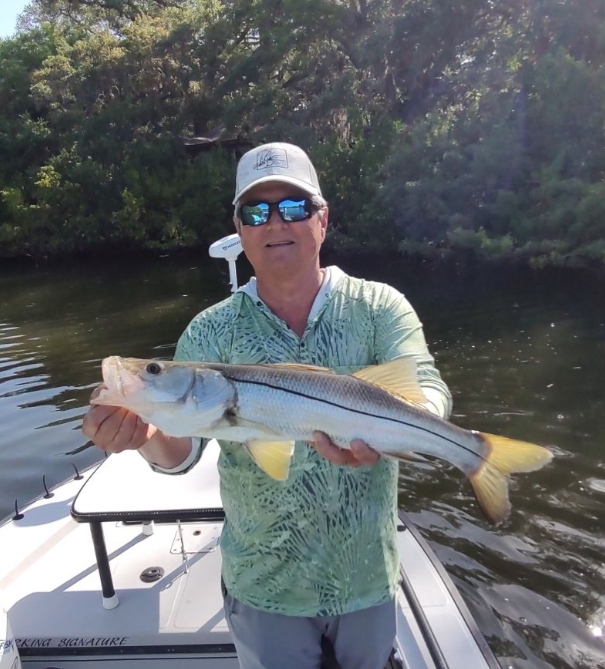
Snook are the glamour species that keep anglers coming back to these waters year after year. These ambush predators love hanging around docks, mangroves, and bridge pilings, waiting to crush whatever swims by. Tampa Bay snook typically range from 20-35 inches, with some true giants pushing 40-plus. They're notorious for their gill-rattling jumps and their ability to cut you off on structure if you're not ready. Summer is prime time when they're most active, but spring and fall can produce some epic topwater action during the low-light periods. The challenge with snook is their razor-sharp gill plates and their habit of running straight back to cover—land one, and you'll understand why they're considered one of Florida's premier gamefish.
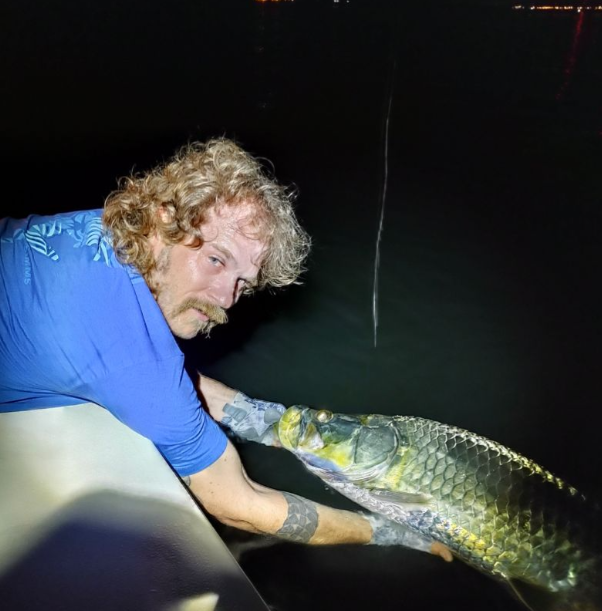
Tarpon are what fishing dreams are made of, and Tampa Bay sees them from late spring through early fall. Even the smaller "juvenile" tarpon here can reach 50-100 pounds, and when one of these silver kings goes airborne right next to the boat, you'll never forget it. They're incredibly strong fighters that can peel off hundreds of yards of line in their initial run, then spend the next 30 minutes trying to throw the hook with spectacular jumps. The best tarpon action usually happens around deeper channels, bridges, and bait schools, often in 10-20 feet of water. What makes them so special is the sheer power—these fish can easily spool you if your drag isn't set right or if you're not prepared for that first explosive run.
Sheepshead might not win any beauty contests, but they're some of the tastiest fish swimming in Tampa Bay. These black-and-white striped bottom dwellers love hanging around structure like docks, bridges, and oyster bars, using their human-like teeth to crush crabs, barnacles, and fiddler crabs. Most sheepshead here run 2-5 pounds, with occasional fish pushing 8-10 pounds during the winter months. They're notorious bait stealers—you'll swear you never felt a bite, then reel up to find your shrimp completely gone. The key is using small hooks, light sinkers, and staying in direct contact with your bait. Winter through early spring offers the best sheepshead fishing when they move into shallow water to spawn.
Ladyfish are
 Private Trip
 Flats/Shallows Fishing
 Clearwater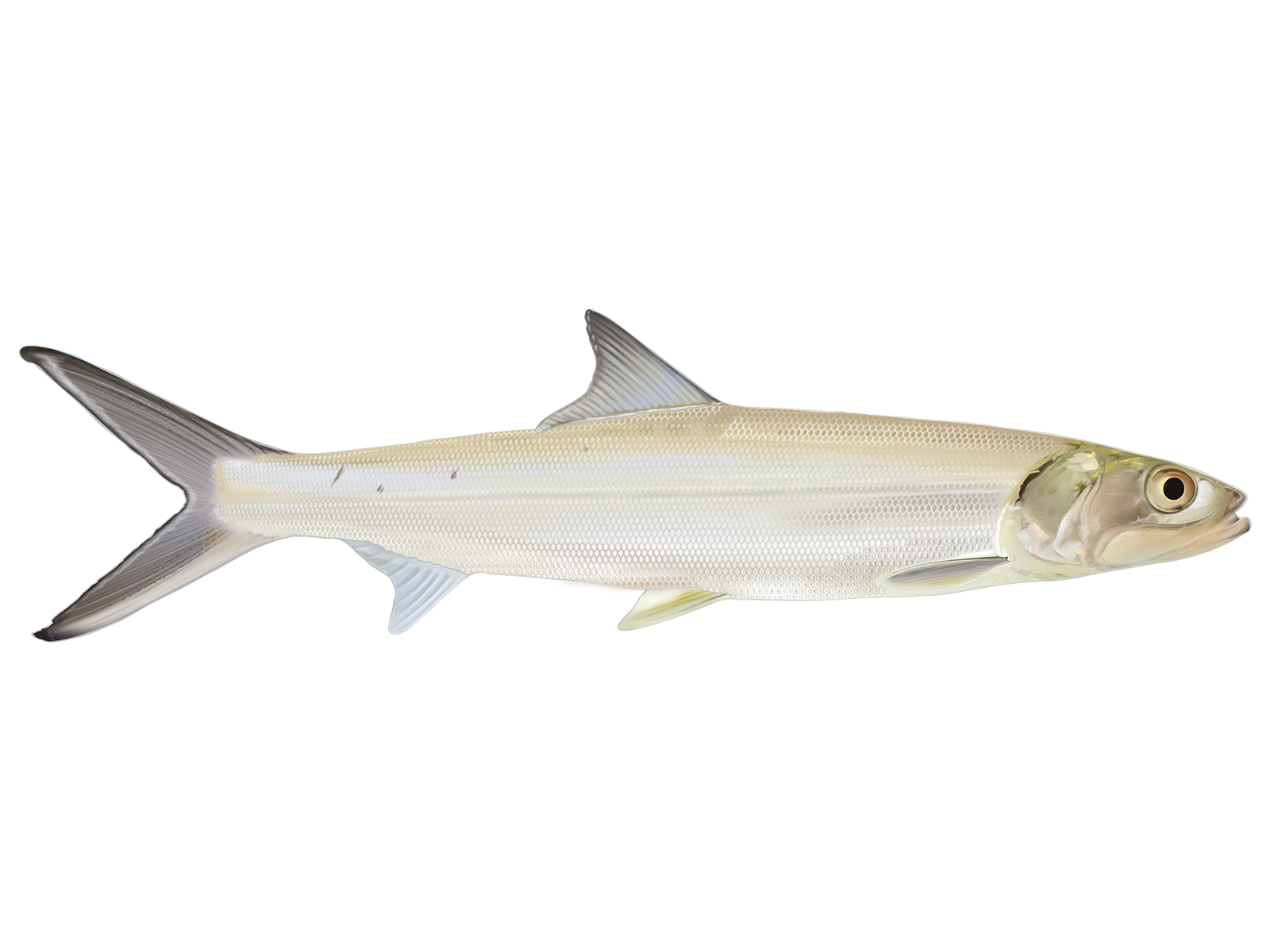


 Six-hour private flats fishing trip for two anglers maximum