Inshore Half-Day Charter: Flounder & Sharks
When you're looking for a solid half-day fishing trip that won't break the bank or eat up your whole weekend, this inshore charter hits the sweet spot. We're talking about real California fishing here – leopard sharks cruising the shallows, flounder hanging tight to the bottom, and striped bass making their runs when conditions are right. Captain follows the bite, which means we're not locked into one spot if the fish aren't cooperating. With only four anglers max, you get plenty of room to work and actual one-on-one time with the crew. No standing shoulder-to-shoulder with twenty other people hoping for a chance at the rail.
What to Expect on the Water
This charter kicks off early, giving you the prime morning bite window when inshore species are most active. The boat heads out to proven spots along California's productive coastline, but don't expect a rigid itinerary. The captain reads conditions, watches the sonar, and moves based on what's happening that day. Some trips you'll be working sandy flats for flounder, other days we're targeting structure where leopard sharks patrol. The beauty of inshore fishing is the variety – you never know what's going to grab your bait next. All tackle comes included, from rods and reels down to hooks and sinkers. The crew rigs everything up and shows you exactly how to work each presentation. Whether you've been fishing for decades or this is your first time dropping a line, they adjust their approach to match your experience level. Most trips wrap up around late morning, so you still have half your day free.
Gear Setup & Techniques
Inshore fishing is all about matching your tackle to the target and conditions. We're using medium-action rods that give you the backbone to pull fish up from the bottom but still let you feel those subtle bites. Circle hooks are standard – they hook fish cleaner and reduce deep hooking, especially important when targeting species like leopard sharks that we often release. For flounder, it's all about getting your bait right on the deck and keeping it there. Live or fresh dead bait works best, and the crew knows exactly where to source the good stuff. Leopard sharks respond well to cut bait, particularly mackerel or sardines with some scent trail. When stripers are around, we might switch up to swimbaits or even throw some artificials if they're feeding aggressively. The captain handles all the boat positioning and electronics, so you can focus on feeling for bites and working your presentation. GPS and fish finder technology help locate productive bottom structure and bait schools, but reading the water and understanding fish behavior still makes the difference between a decent day and a memorable one.
Target Species
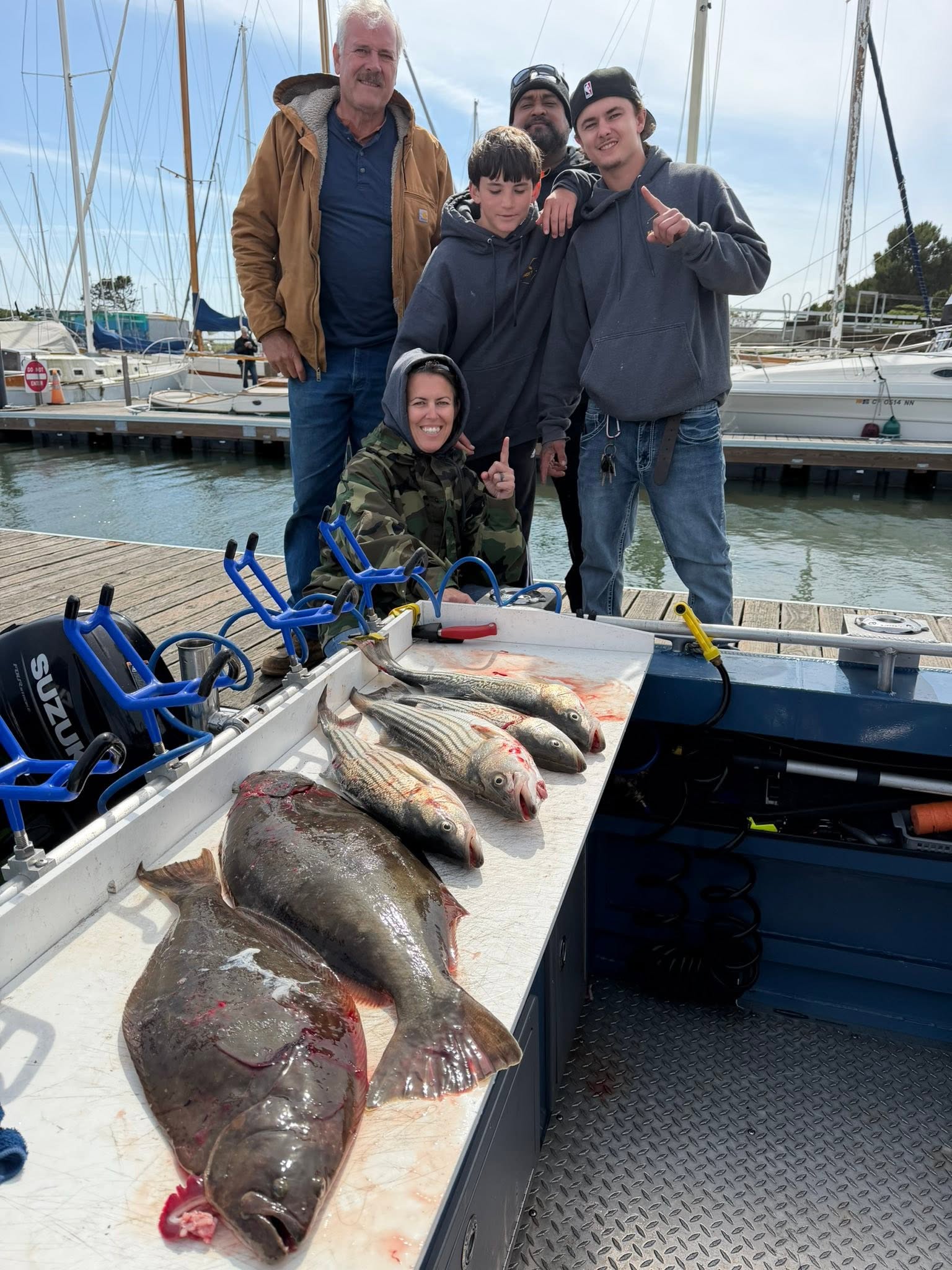
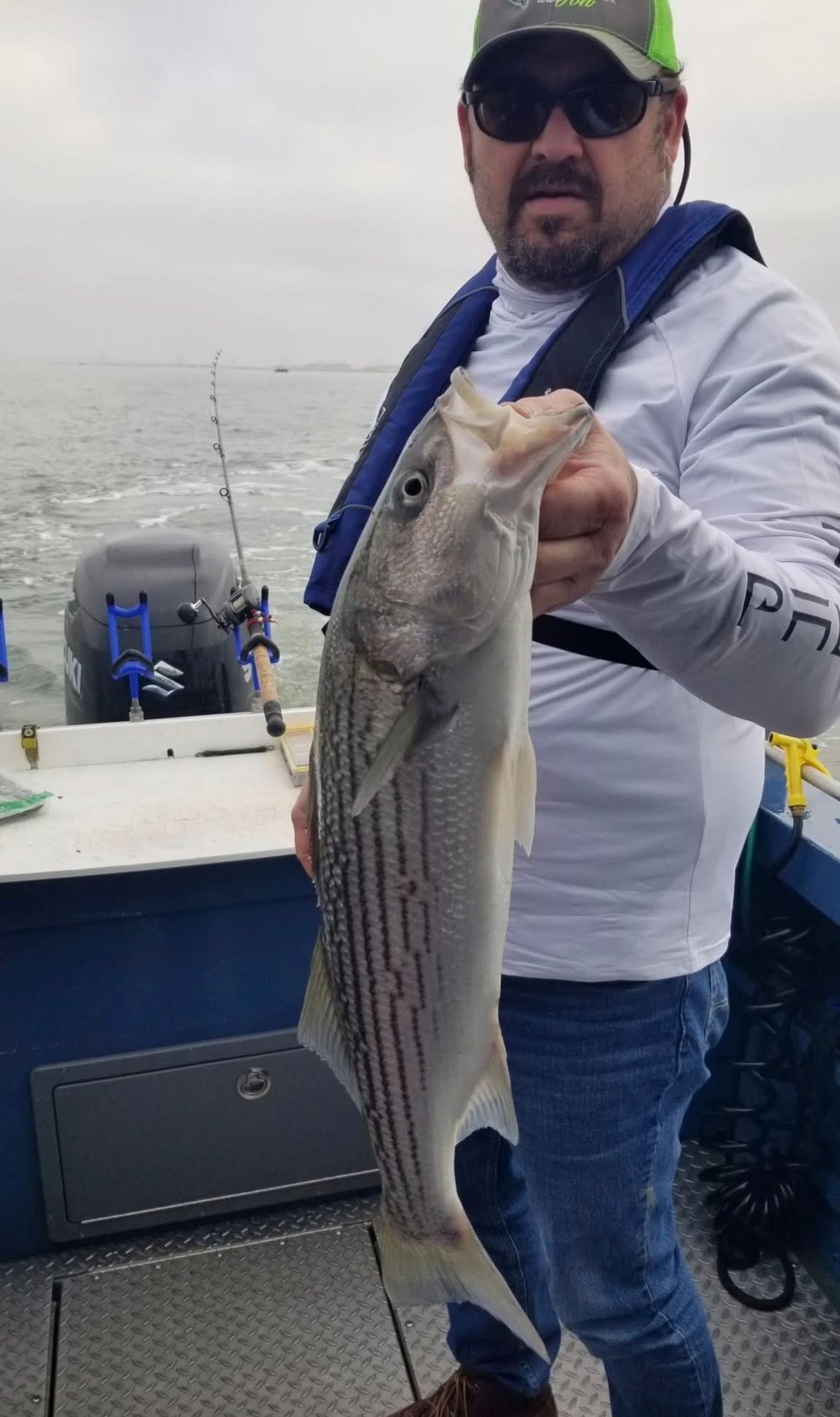
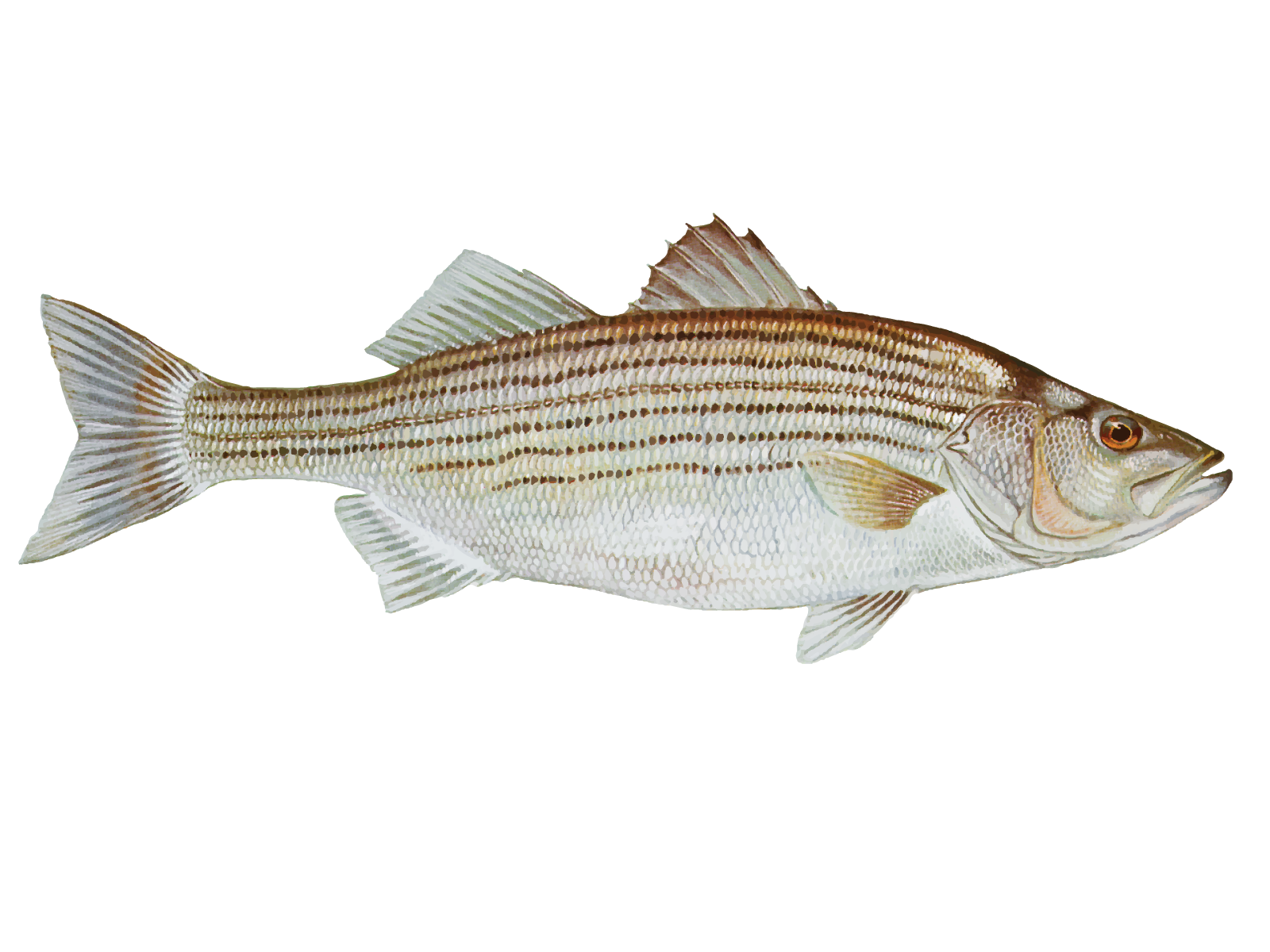
Striped bass are the crown jewel of California inshore fishing, and when they're on the bite, nothing else comes close. These fish are built for power – broad shoulders, deep body, and an attitude that shows up the second you set the hook. California stripers typically run anywhere from keeper size at 18 inches up to genuine bragging-rights fish pushing 40 pounds or better. They're most active during cooler months and around structure changes where baitfish get concentrated. What makes stripers special is how they fight – long runs, head shakes, and they use every bit of available current to their advantage. They're also excellent table fare when kept within regulations, with firm white meat that's perfect for grilling or making fish tacos.
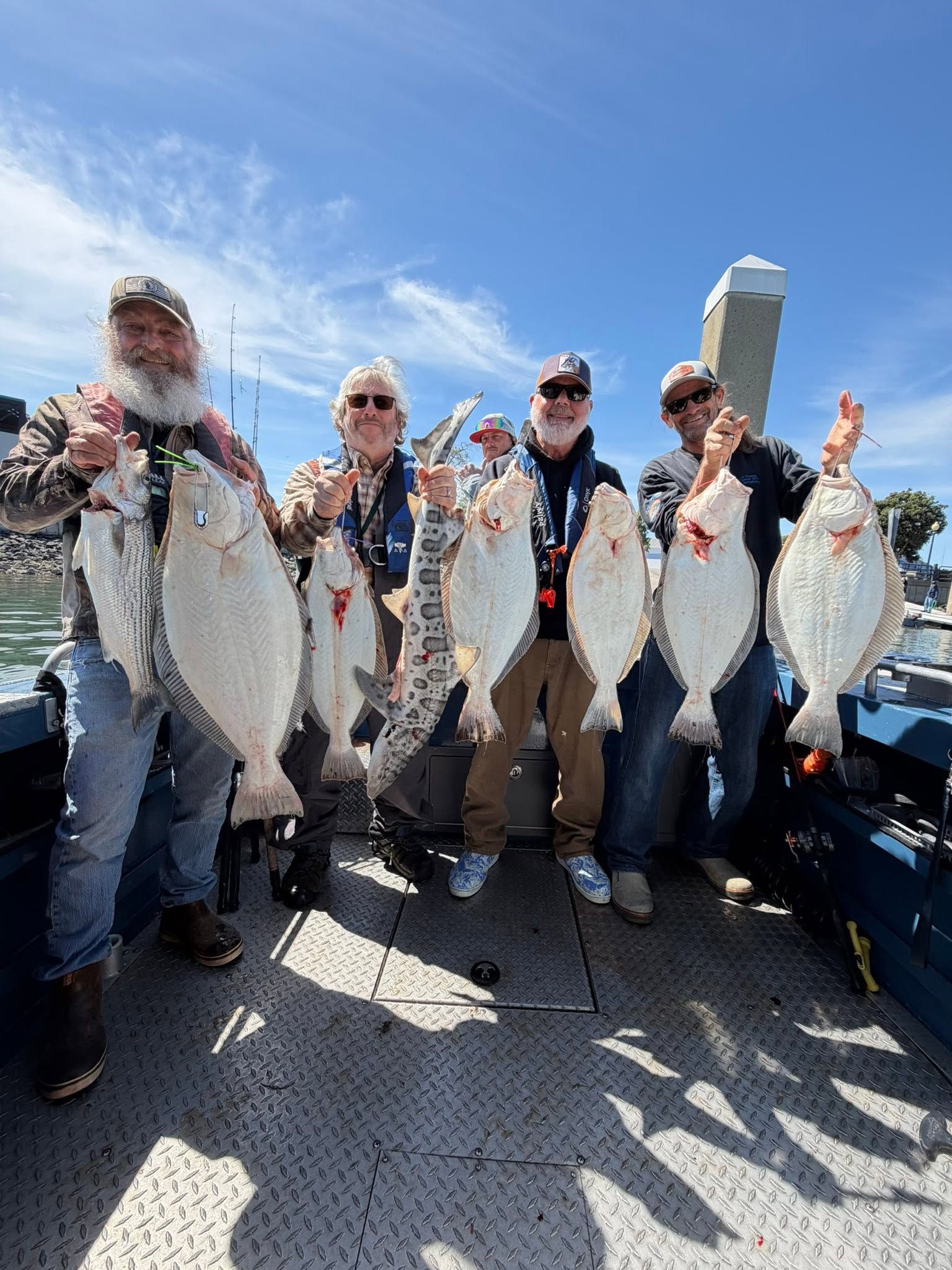
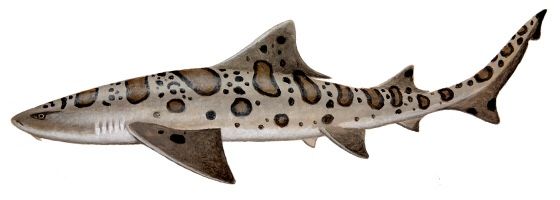
Leopard sharks are one of those species that surprises first-time anglers with their strength and tenacity. Despite their intimidating name, these are completely harmless sharks that cruise inshore waters looking for crabs, worms, and small fish. They average 3 to 4 feet long, though bigger females can stretch past 5 feet and really test your tackle. The fight is steady and determined – no flashy jumps, just solid resistance that keeps your rod bent. Leopard sharks are most active during warmer months and often move into surprisingly shallow water, sometimes just a few feet deep. They're beautiful fish with distinctive black spots over a gray-brown background, and they photograph well for those hero shots. Most anglers release them since they're not considered prime eating, but they're protected in some areas so the crew knows current regulations.
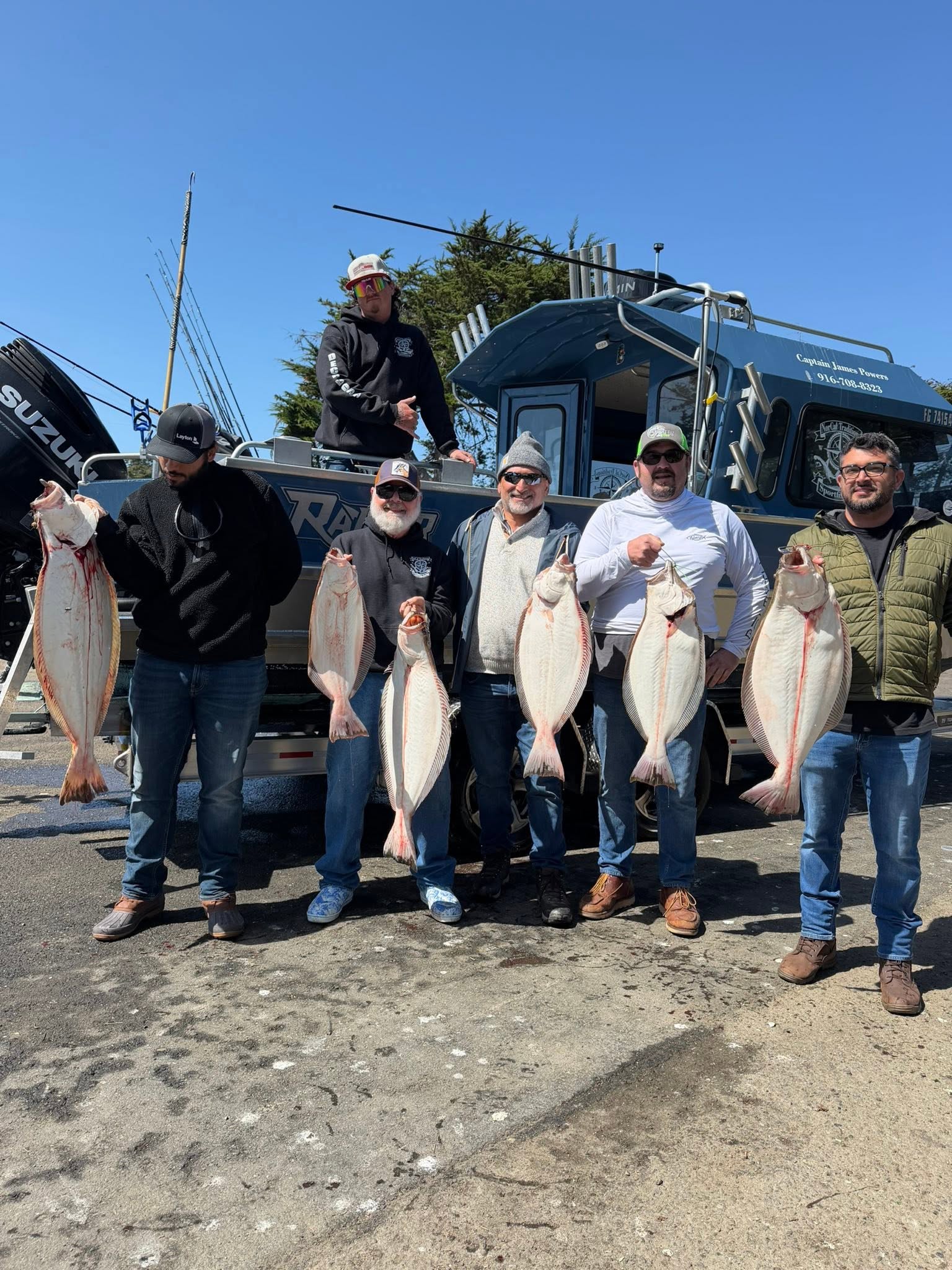
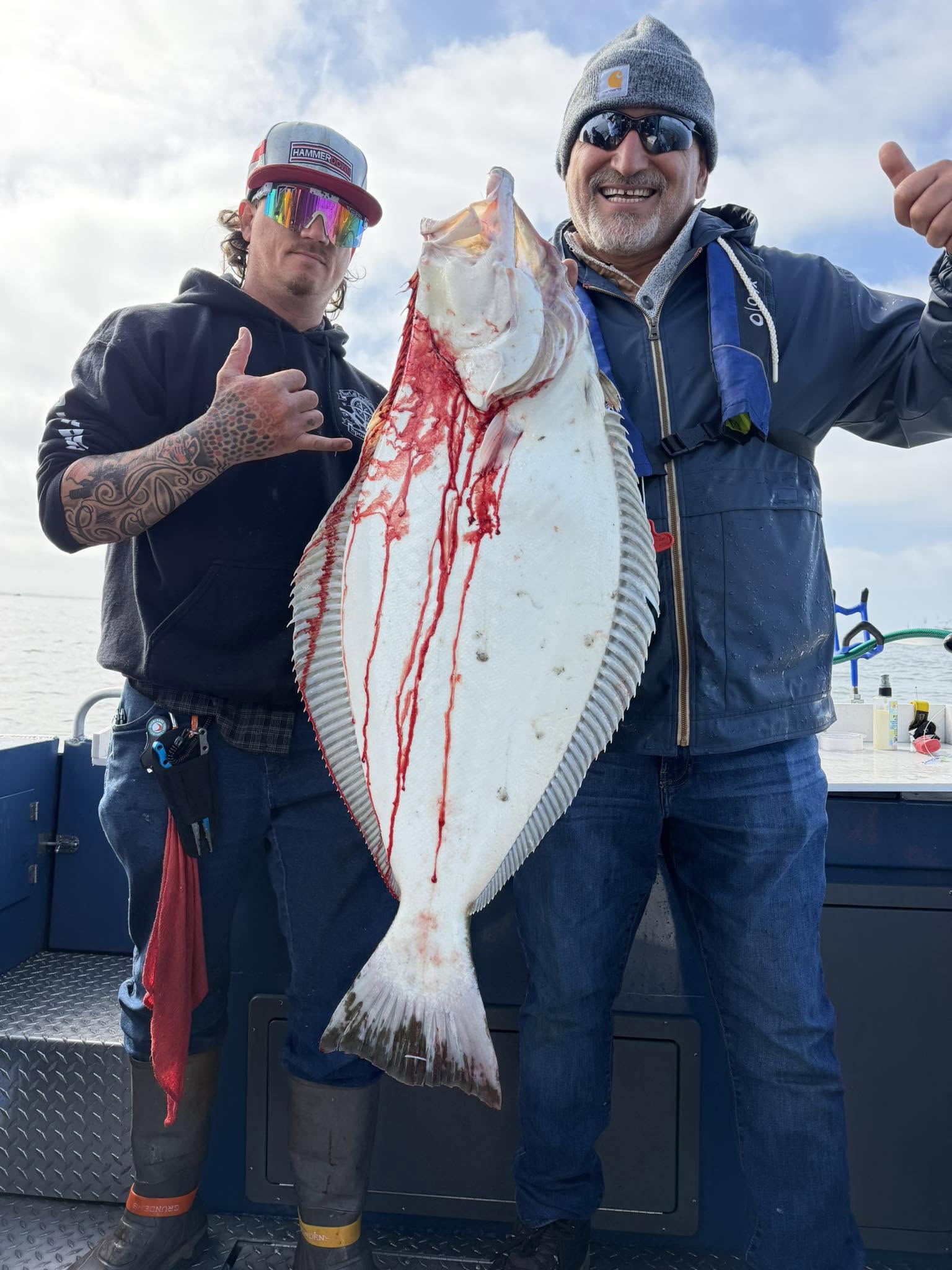
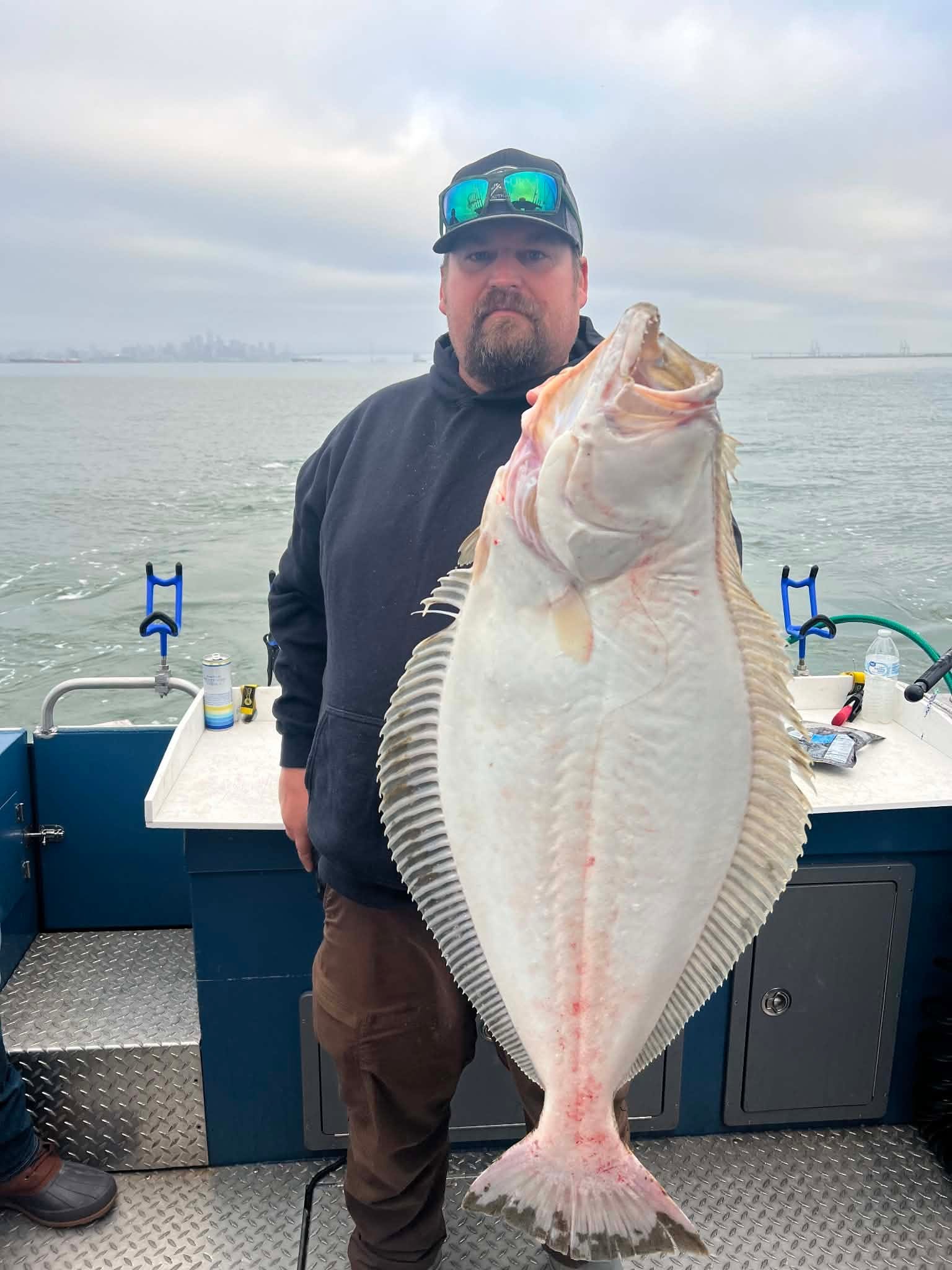
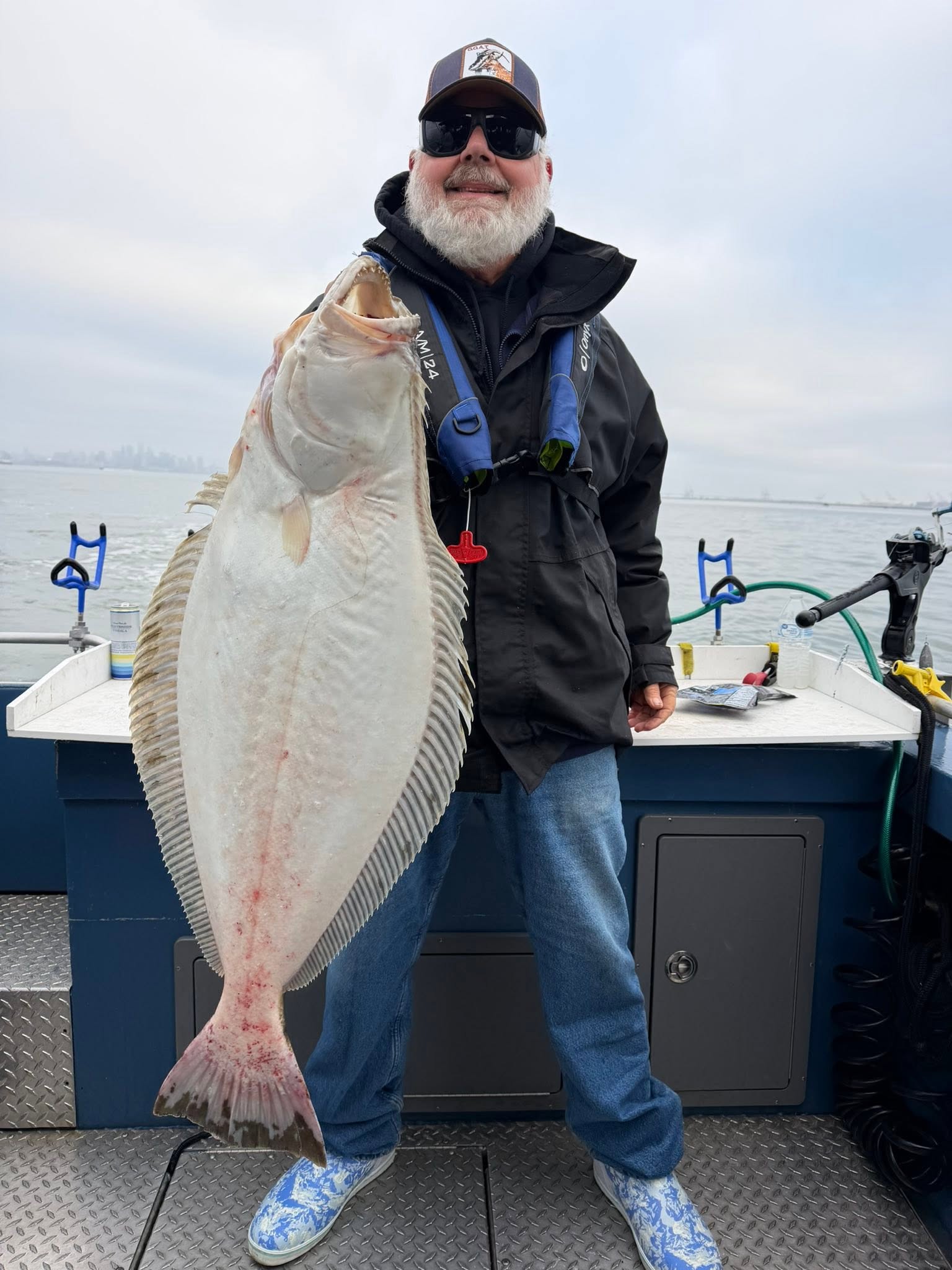
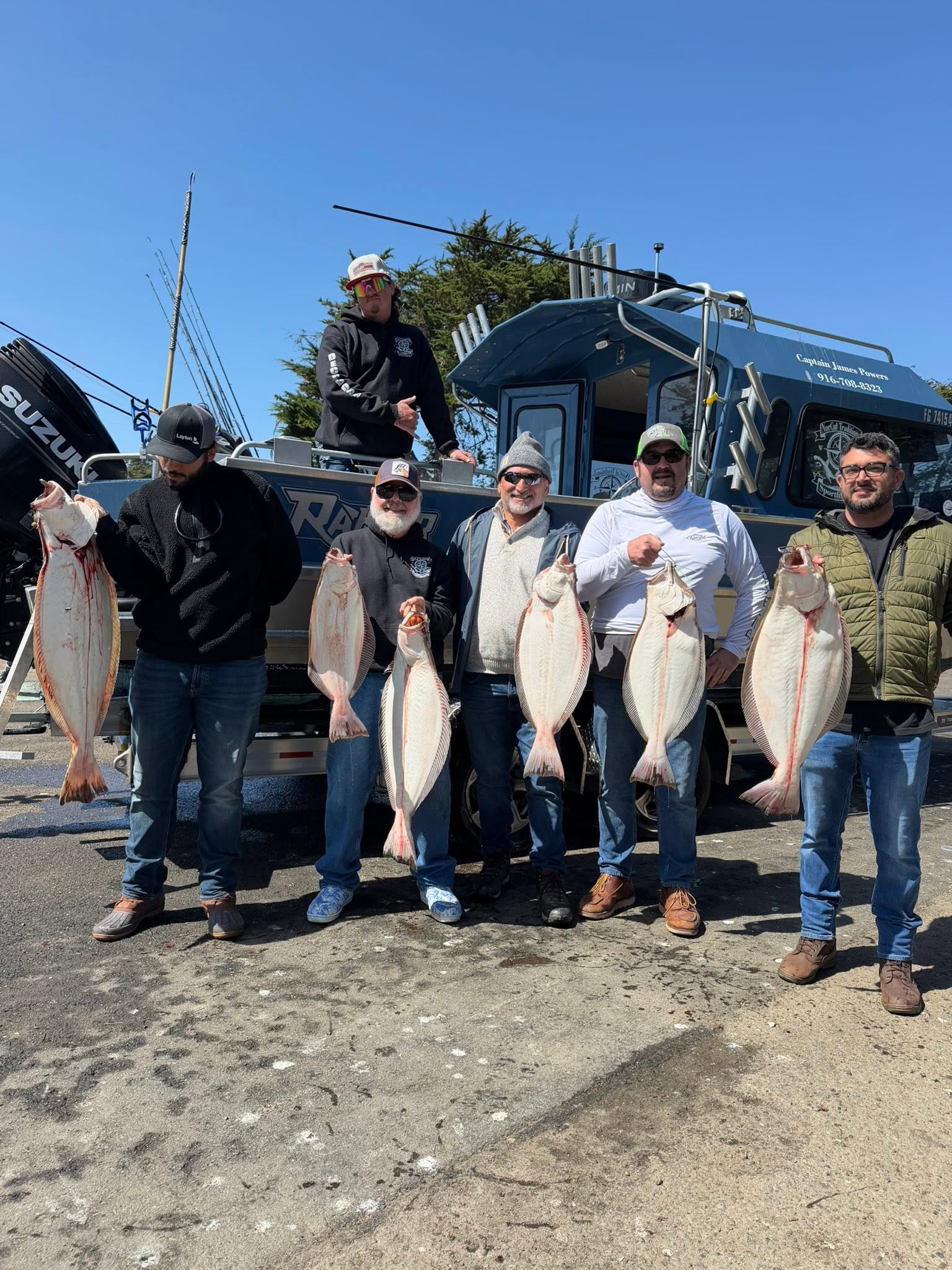
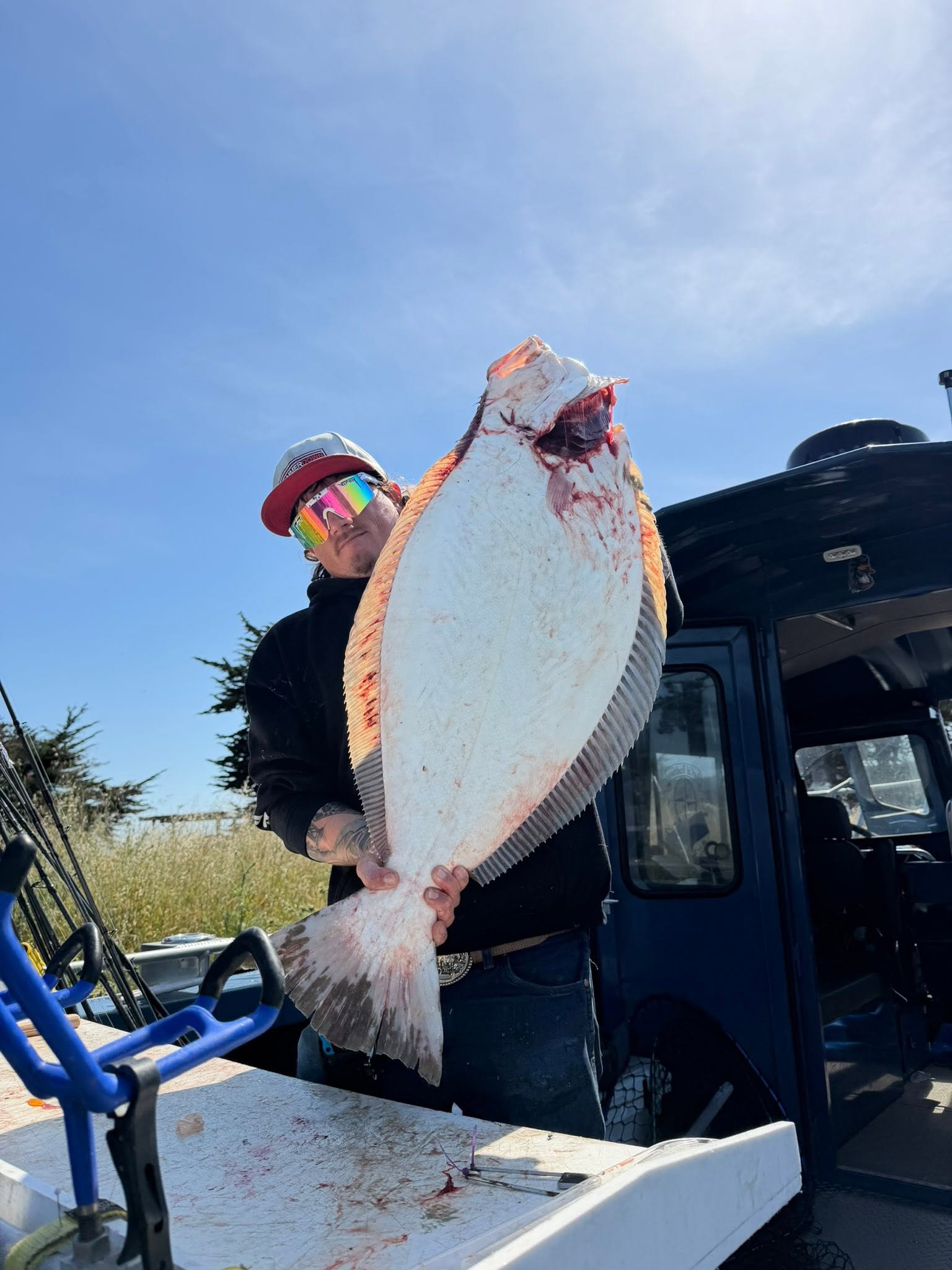
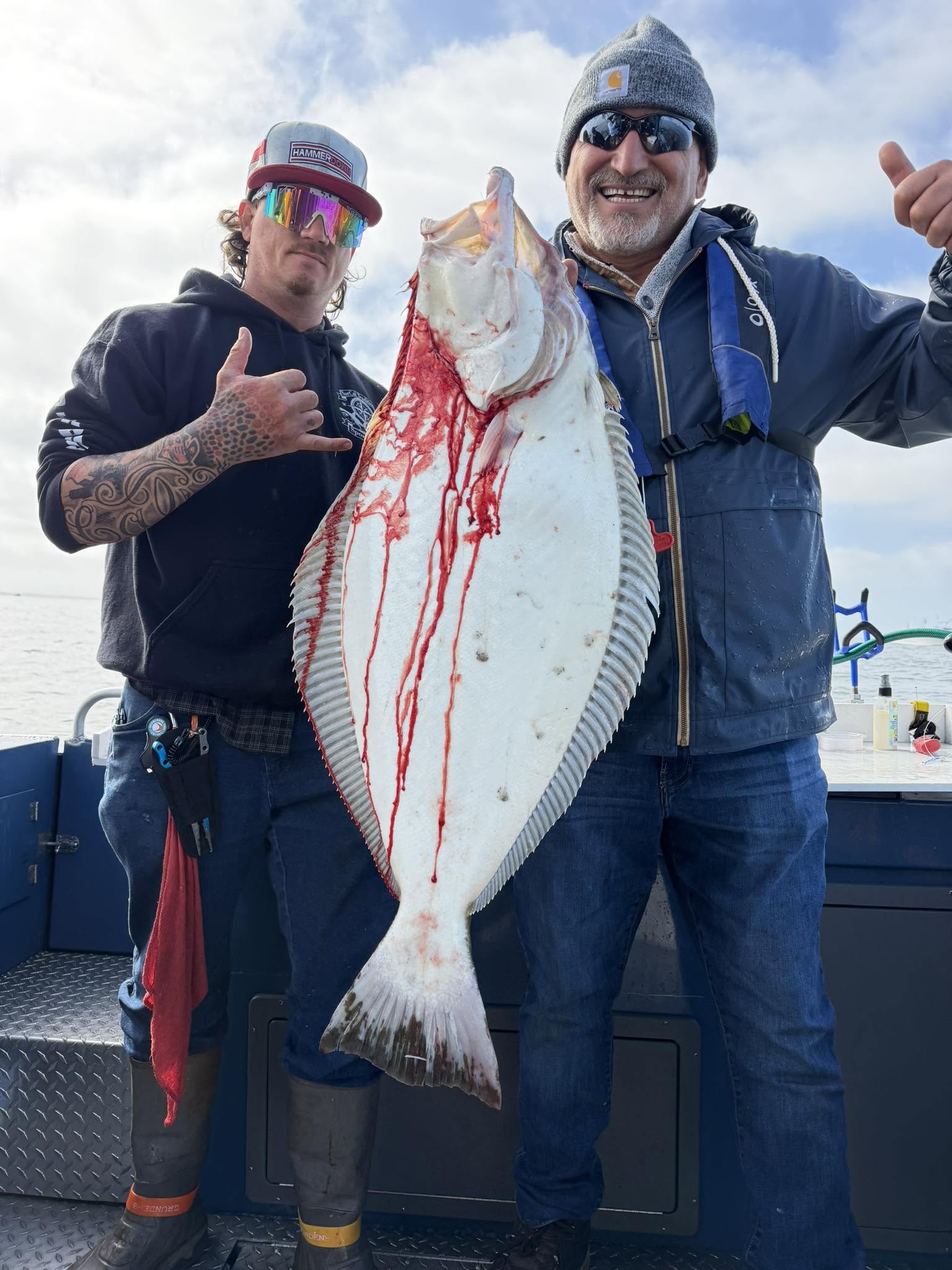
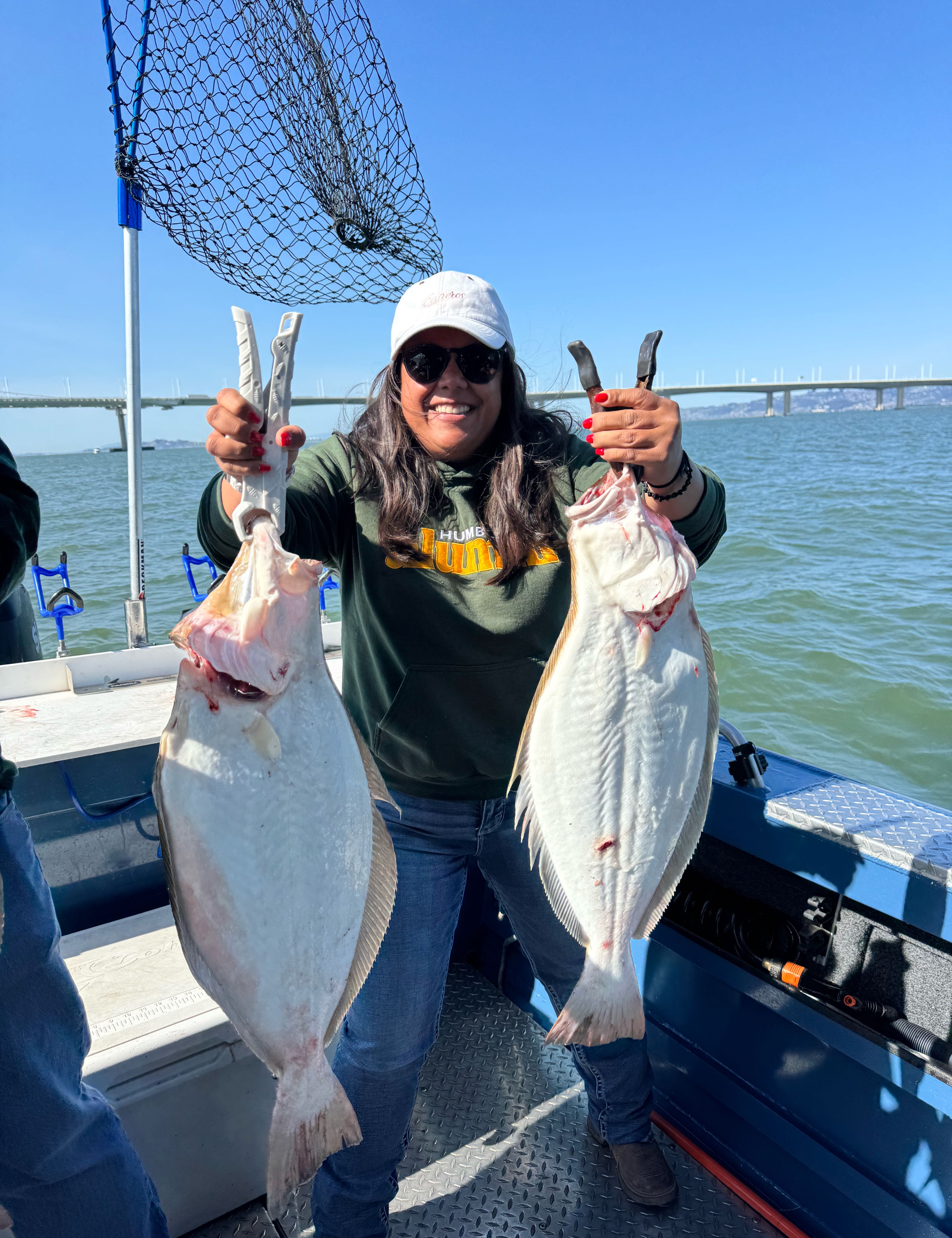
California flounder represent some of the best eating fish you can target inshore, and they're masters of camouflage that blend perfectly with sandy bottom. These flatfish typically range from just over the minimum size limit up to genuine doormat flounder that can stretch 2 feet long and weigh several pounds. Spring through fall offers the most consistent action, especially on incoming tides when they move up to feed in shallow water. Flounder have both eyes on one side of their head – a weird adaptation that lets them lie flat on the bottom while watching for prey above. The bite is often subtle, more like a gentle weight on your line than a hard strike. You have to pay attention and set the hook at the first sign of movement. Fresh flounder fillets are sweet, flaky, and perfect for fish and chips or pan-frying with simple seasonings.
Time to Book Your Spot
Half-day inshore charters fill up fast, especially during peak fishing months when word gets out about hot bites. With only four spots available, this isn't the kind of trip you can decide on last minute and expect availability. The small group size means better fishing, more personal attention, and higher success rates – but it also means limited space. Whether you're a local angler looking to dial in new techniques or a visitor wanting to experience authentic California fishing, this charter delivers without the crowds and chaos of larger boats. All gear is included, the crew handles the details, and you get prime morning fishing time without sacrificing your entire day. Book now and get ready to see why California's inshore waters have such a solid reputation among serious anglers.
 Private Trip
 Inshore Fishing
 San Francisco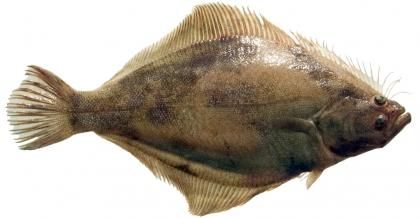
 Half
Half