Crystal River Kids Fishing Charter for Beginners
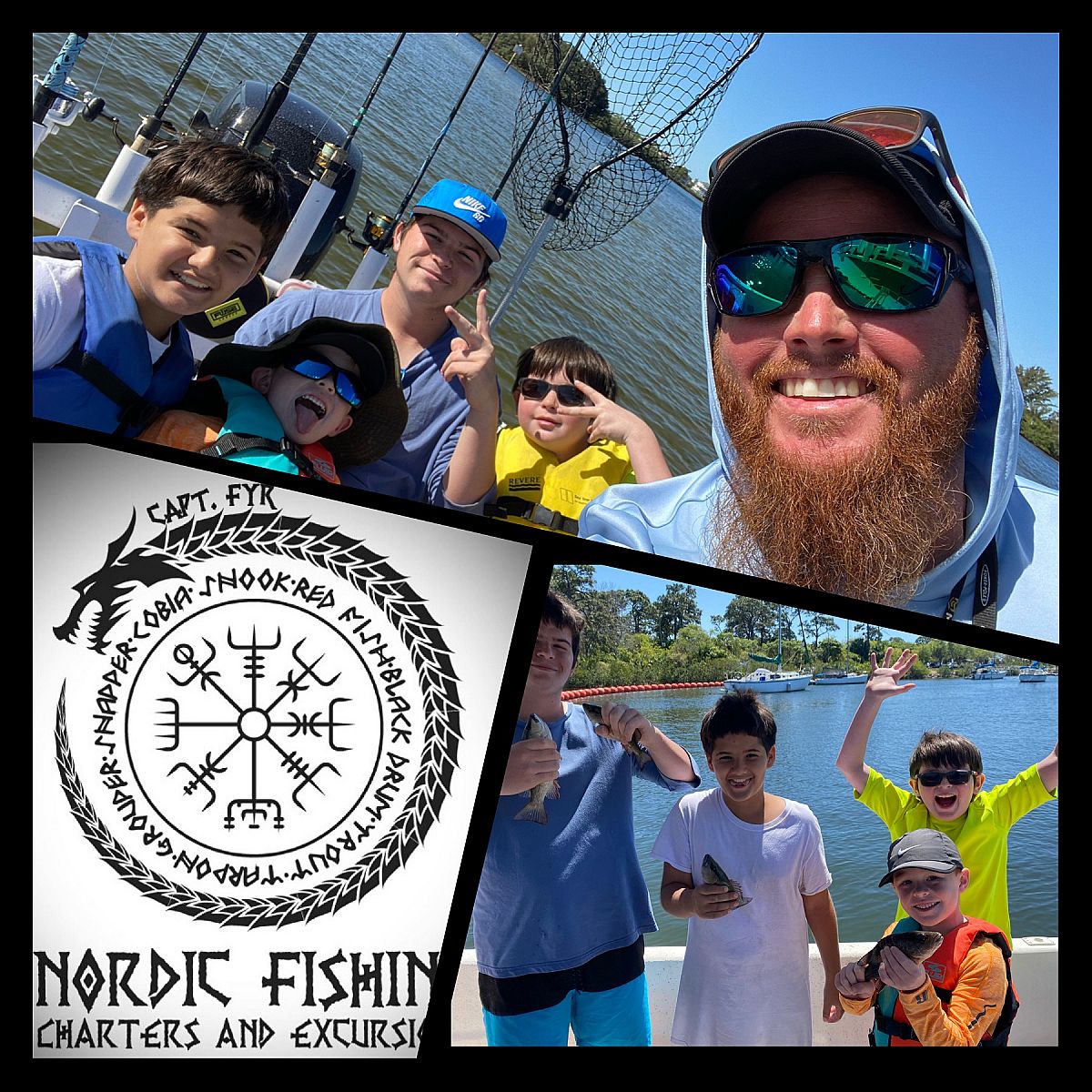
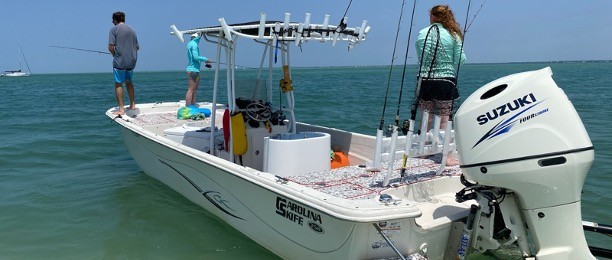
Captain Josh has been taking young anglers out on Crystal River's calm inshore waters for years, and he knows exactly how to turn a curious kid into a confident angler. This top-rated kids fishing charter is built specifically for beginners aged 7 to 15, with small groups of 4-6 young fishermen getting hands-on instruction from a USCG Master Captain. Starting bright and early at 8 a.m. from Anclote River Park, you'll spend six quality hours on the water learning real fishing techniques while targeting some of Florida's most exciting inshore species. Crystal River's protected waters and abundant fish populations make it the perfect classroom for young anglers ready to master their first cast, learn to read the water, and hopefully land their personal best.
What to Expect on the Water
This isn't your typical "throw a line and hope" fishing trip. Captain Josh structures each charter like a hands-on fishing school, teaching kids the fundamentals they'll use for life. You'll learn how to read water conditions, understand tidal movements, and identify productive fishing spots along Crystal River's grass flats and mangrove shorelines. The trip runs from 8 a.m. to around 2 p.m., giving everyone plenty of time to practice different techniques without feeling rushed. All fishing gear, tackle, ice, and water are included, so parents just need to pack sunscreen, snacks, lunch, and drinks for the crew. The boat accommodates 4-6 kids with a minimum of 4 needed to run the trip, ensuring each young angler gets personal attention and coaching throughout the day. Crystal River's sheltered inshore waters stay relatively calm, making it comfortable for first-time anglers who might get seasick on rough offshore trips.
Techniques You'll Master
Captain Josh focuses on proven inshore techniques that work consistently in Crystal River's diverse fishing environments. Kids start with basic live bait fishing using shrimp and pinfish, learning how to feel the difference between a fish bite and bottom structure. You'll practice drift fishing over grass flats where redfish and trout feed, understanding how wind and tide affect your presentation. The captain also introduces light tackle casting techniques, teaching proper rod handling and how to work soft plastics around mangrove roots and oyster bars where snook love to ambush prey. Each young angler learns to tie essential knots, properly set the hook, and fight fish using correct technique rather than just muscle. The boat carries age-appropriate spinning gear that's easy for smaller hands to manage, plus a selection of live bait, artificial lures, and terminal tackle proven to work in these waters. By the end of the trip, kids understand the basics of reading fish finder screens, recognizing productive water, and adapting their approach based on conditions.
Target Species Breakdown
Southern Kingcroaker might not be the flashiest fish in Crystal River, but these chunky bottom dwellers are perfect for teaching kids proper fish-fighting fundamentals. Running 10-14 inches on average, croakers feed actively throughout the day over sandy bottom areas and grass flats, making them reliable targets when other species get finicky. They hit live shrimp and small jigs with aggressive strikes that kids can easily feel, building confidence early in the trip. Croakers make excellent table fare too, so young anglers get the satisfaction of bringing dinner home. Peak action happens during moving tides when these fish move shallow to feed on small crustaceans stirred up by the current.
Snook represent the holy grail for many young inshore anglers, and Crystal River's mangrove-lined shores hold some beautiful fish. These ambush predators average 18-24 inches in the river system, with occasional larger fish pushing 30 inches and providing serious fights on light tackle. Kids learn patience targeting snook because these fish often follow lures multiple times before committing, teaching valuable lessons about persistence and lure presentation. Snook hit hardest during dawn and dusk periods, but Captain Josh knows specific mangrove points and dock structures where they feed throughout the day. The thrill of seeing a snook explode on a topwater plug or crush a live shrimp near structure creates fishing memories that last a lifetime.
White Grunt are the perfect species for building young angler confidence because they school up in good numbers and bite consistently when you find them. These 8-12 inch fish hang around hard bottom areas and structure, making that distinctive grunting sound when pulled from the water that always gets kids excited. They're excellent for teaching proper bottom fishing technique and hook-setting timing, since grunts are notorious for stealing bait if you're not paying attention. White grunt are also fantastic eating, so kids learn the complete fishing experience from catch to table. They bite best during slack tide periods when the current isn't too strong for young anglers to maintain bottom contact.
Sea Trout are Crystal River's bread-and-butter inshore species, and for good reason. These spotted beauties average 14-18 inches and provide steady action over the grass flats that dominate the area. Trout are perfect for teaching kids to fish different water depths and structure types, since they move between shallow flats and deeper grass beds based on tide, weather, and time of day. They hit both live bait and artificial lures readily, allowing young anglers to experiment with different presentations. Speckled trout make excellent table fare and are abundant enough that most kids will catch several during the trip. Cold fronts often trigger the best trout bite, when these fish school up in deeper holes and feed aggressively.
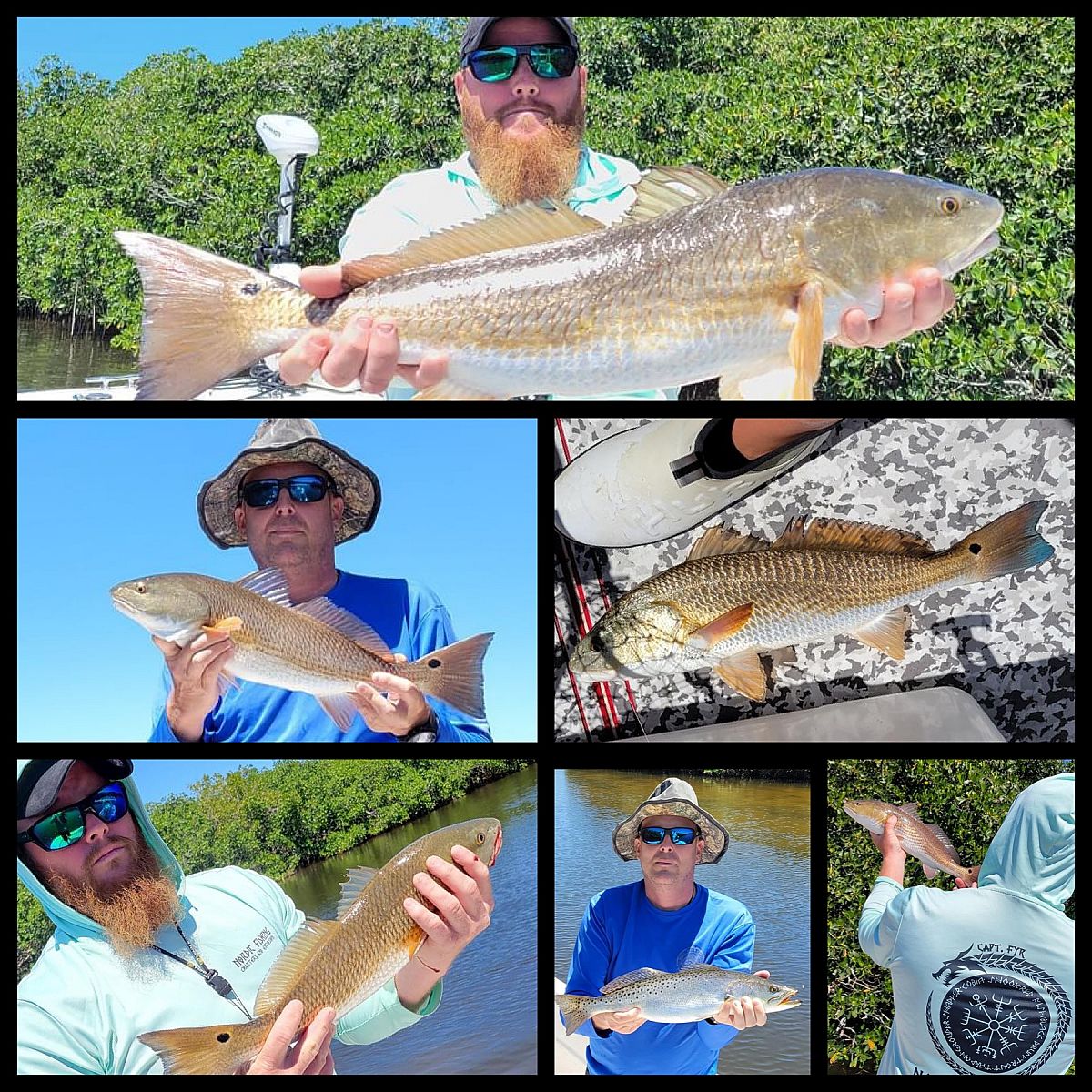
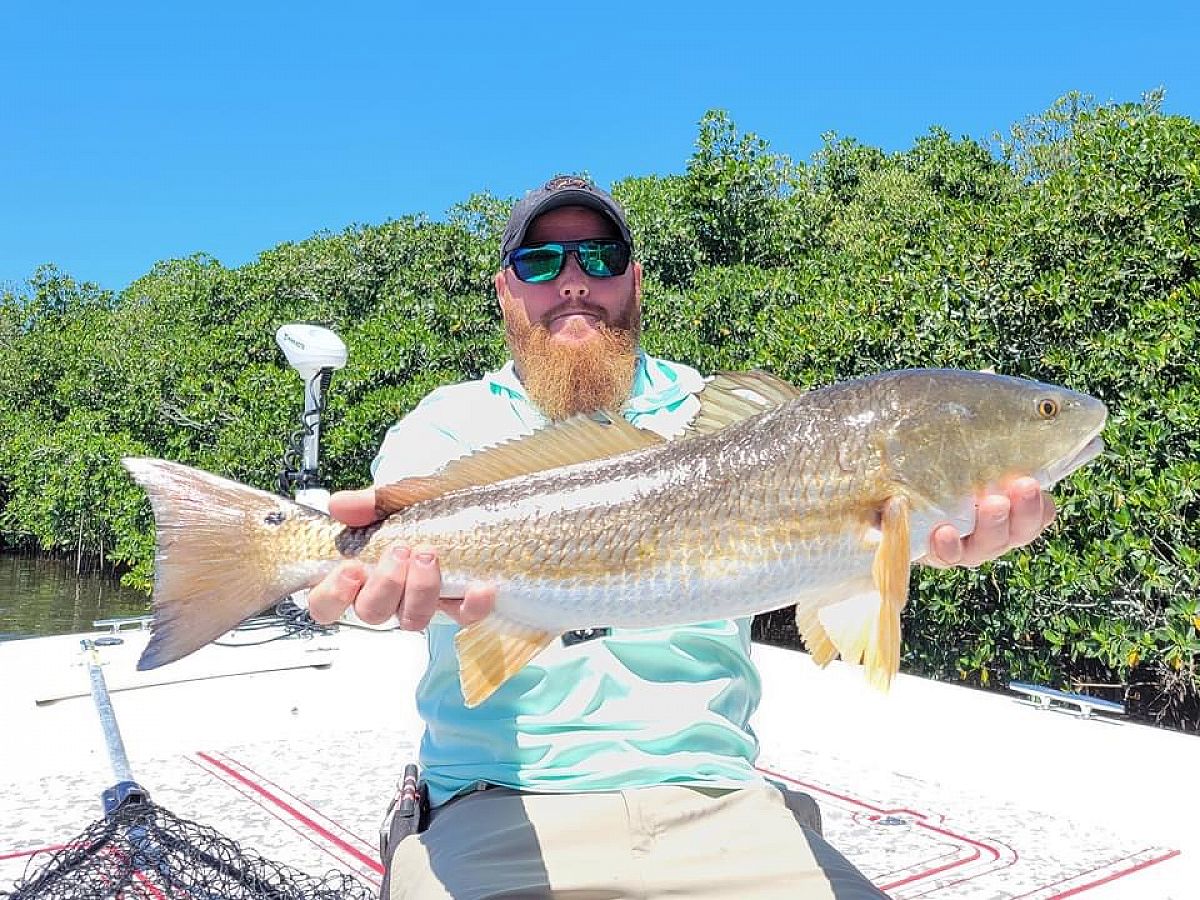
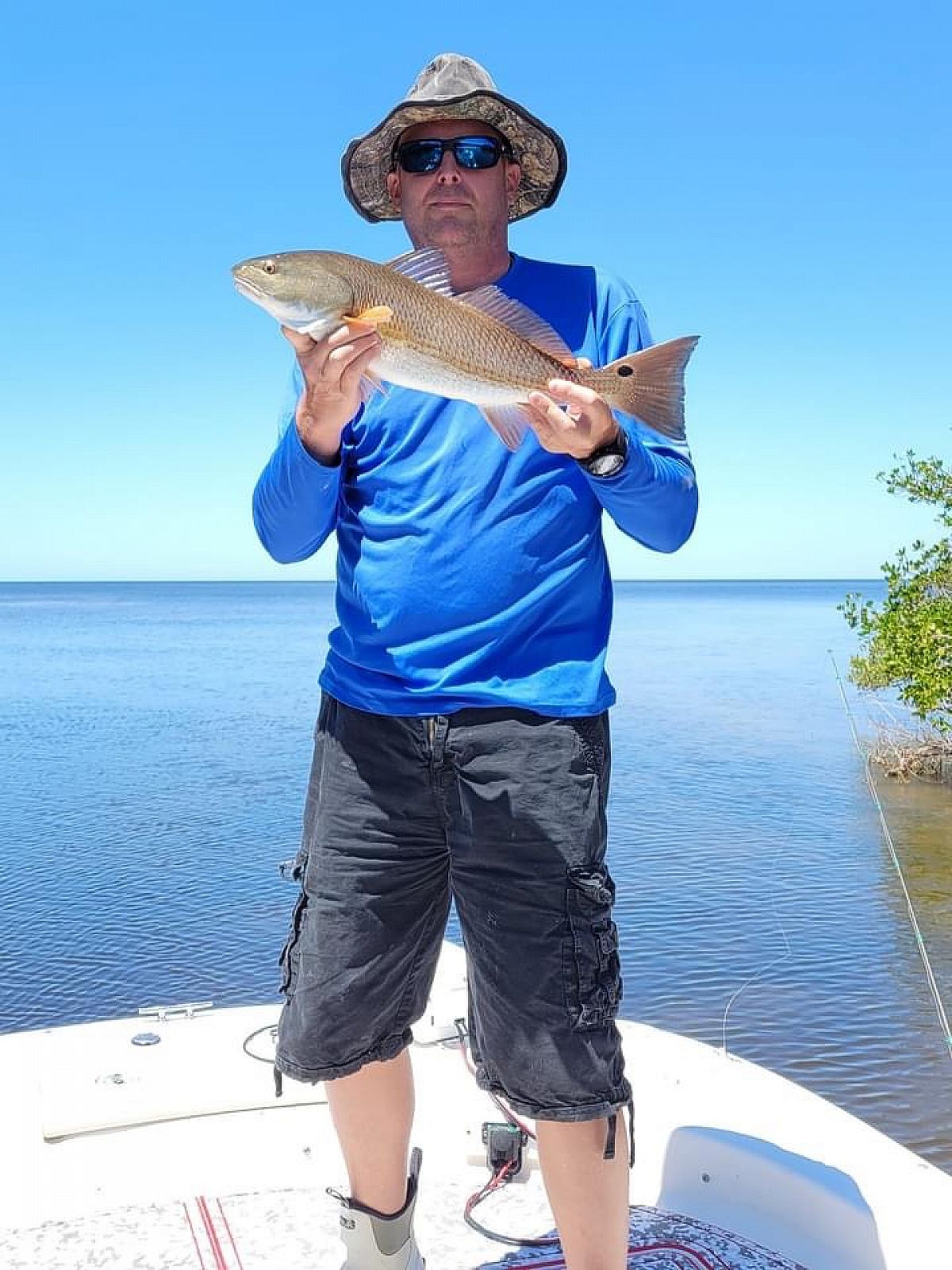
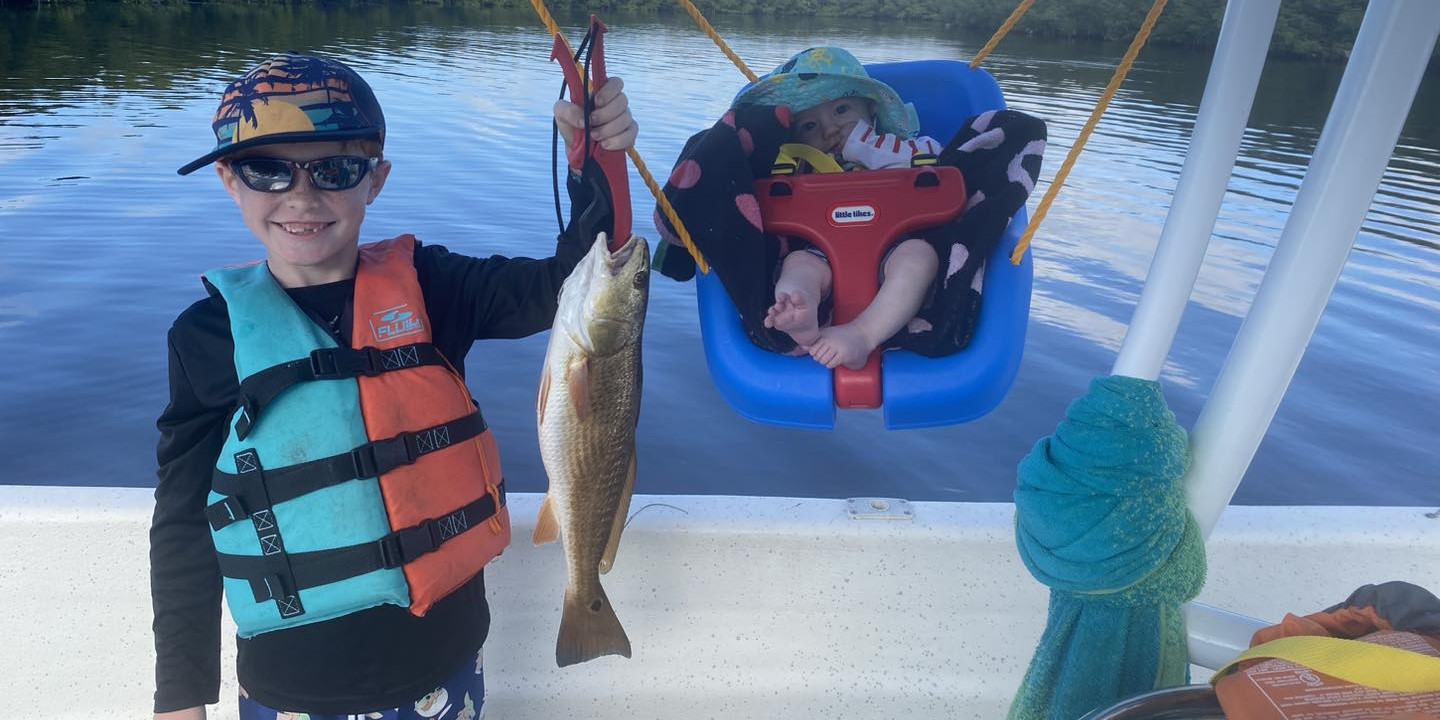
Redfish are the crown jewel of Crystal River's inshore fishery and the species most kids hope to encounter. These copper-colored bruisers average 20-26 inches in the river system, with their broad shoulders and bulldogging fight style providing serious excitement on light tackle. Reds feed in extremely shallow water along mangrove shorelines and oyster bars, sometimes with their backs out of water, creating visual fishing opportunities that get kids' hearts racing. They're remarkably hardy fish that handle catch-and-release
 Private Trip
 Inshore Fishing
 Tampa, FL


 Educational kids fishing charter for ages 7-15 beginners