Full Day Ice Fishing Trip in Maine
When the lakes freeze solid and most folks pack away their rods, that's when the real magic starts here in Maine. Guide Elias Allen has been putting anglers on fish through the hard water for years, and his full-day ice fishing trips are the real deal. You'll spend seven hours working productive holes across some of Orland's best winter fishing spots, targeting everything from hungry salmon to aggressive bass that feed hard under the ice. This isn't just dropping a line and hoping – it's active, hands-on fishing where you'll learn to read the water, work different depths, and dial in presentations that get fish to bite when conditions get tough.
What to Expect on the Water
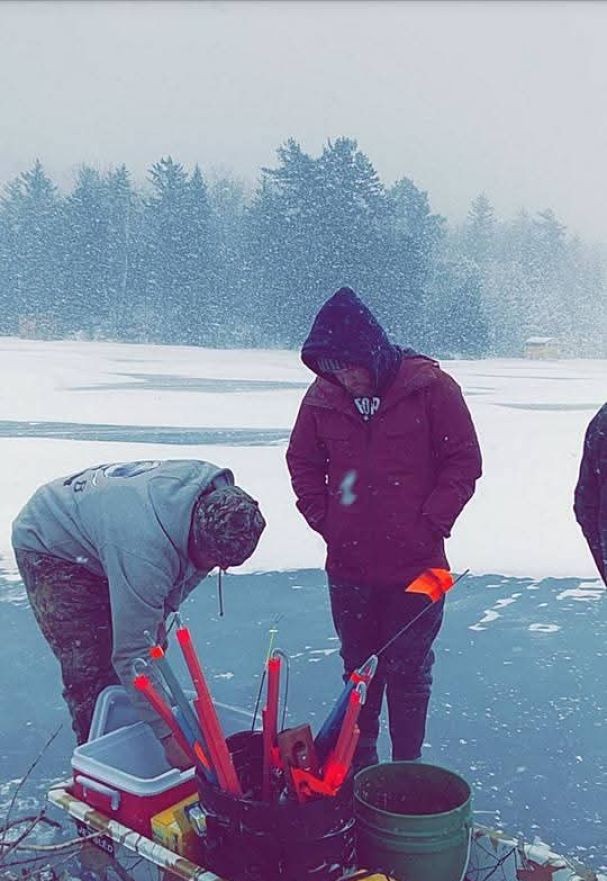
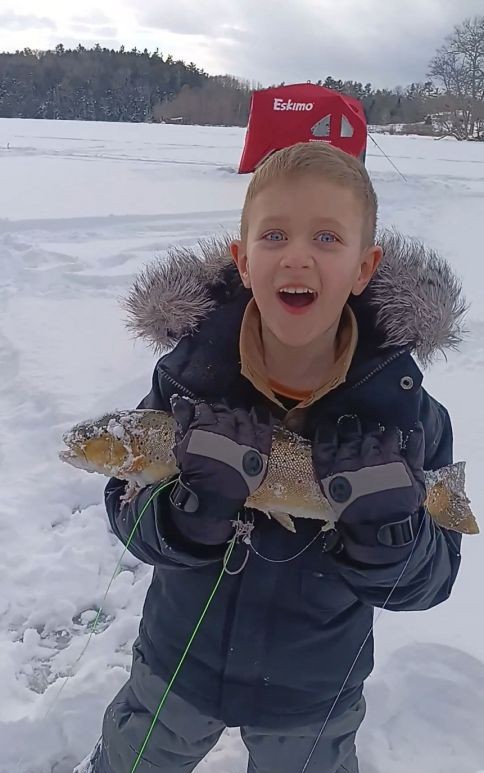
Your day kicks off early – we're talking 4:30 AM departure from the Big Apple Store on Acadia Highway – because that's when the fish are most active and you want to maximize your time on productive water. Elias provides everything you need, from rods and reels to bait and tackle, plus you'll be fishing from a heated Eskimo pop-up shelter that keeps you comfortable even when temps drop. The beauty of ice fishing in Maine is the variety – one minute you're jigging spoons for lake trout in deep water, the next you're working small presentations for crappie along structure. Lunch is included, which means more time fishing and less time worrying about what to pack. Whether you've never held an ice rod or you've been punching holes for decades, Elias adjusts his approach to match your experience level and keeps things engaging all day long.
Techniques & Tackle Setup
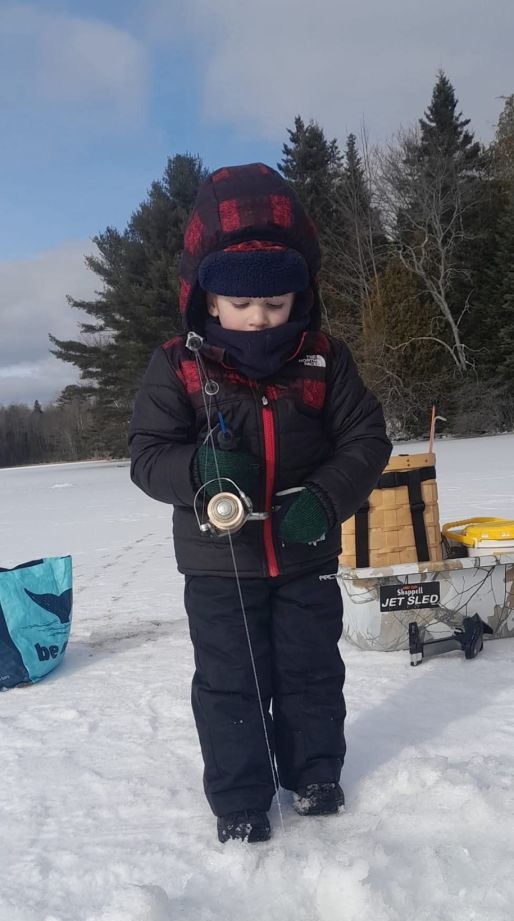
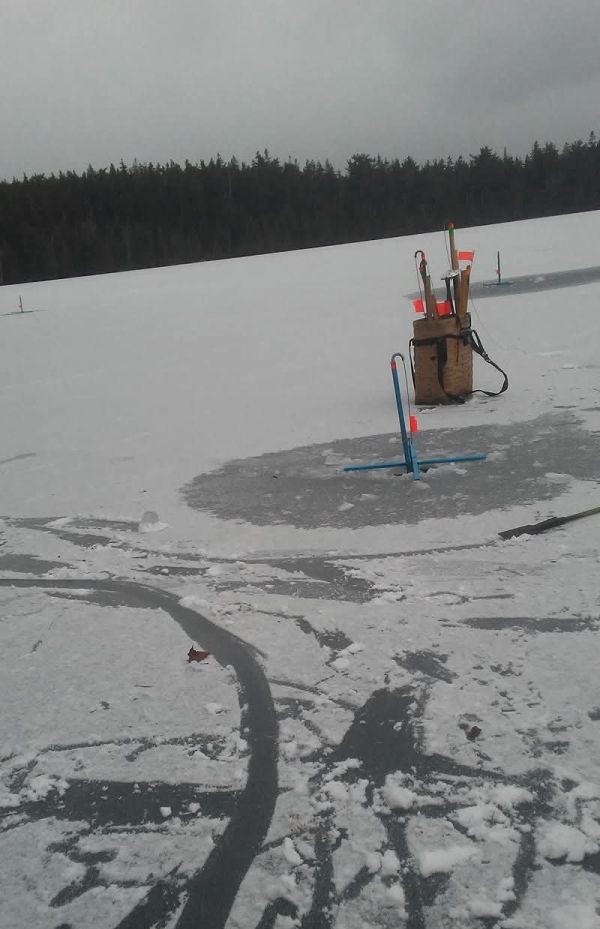
Ice fishing is all about precision and patience, but it's way more active than most people think. You'll be working multiple holes, switching between different rod actions and presentations based on what the fish are telling you. Elias runs quality gear – sensitive rods that let you feel every tap and bump, paired with smooth reels that won't freeze up when things get cold. The technique varies by species: vertical jigging with spoons and blade baits for the trout and salmon, finesse presentations with small jigs tipped with live bait for the perch and crappie, and aggressive action when the bass are fired up. The pop-up shelter isn't just about staying warm – it cuts wind and lets you focus on subtle bites that you might miss in harsh conditions. You'll learn to read your electronics, understand how fish relate to bottom structure in winter, and pick up tricks for keeping your line from freezing that'll serve you well on future ice trips.
Species You'll Want to Hook
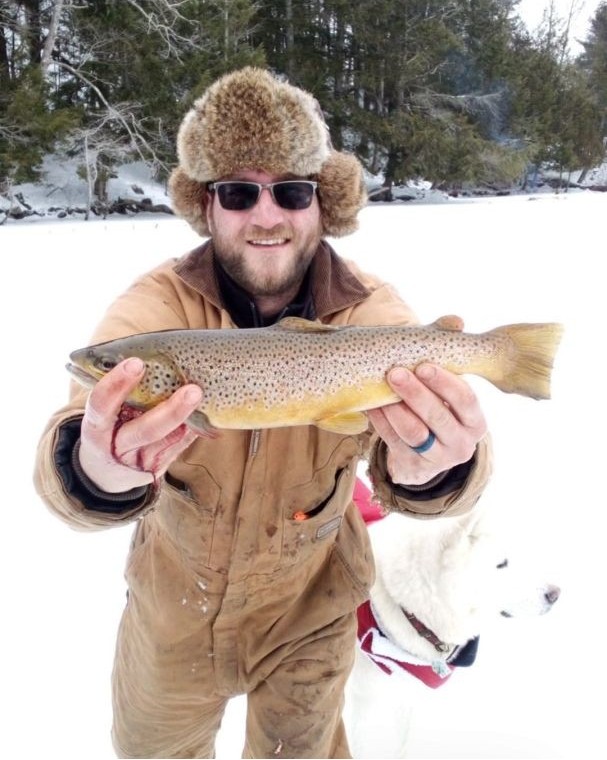
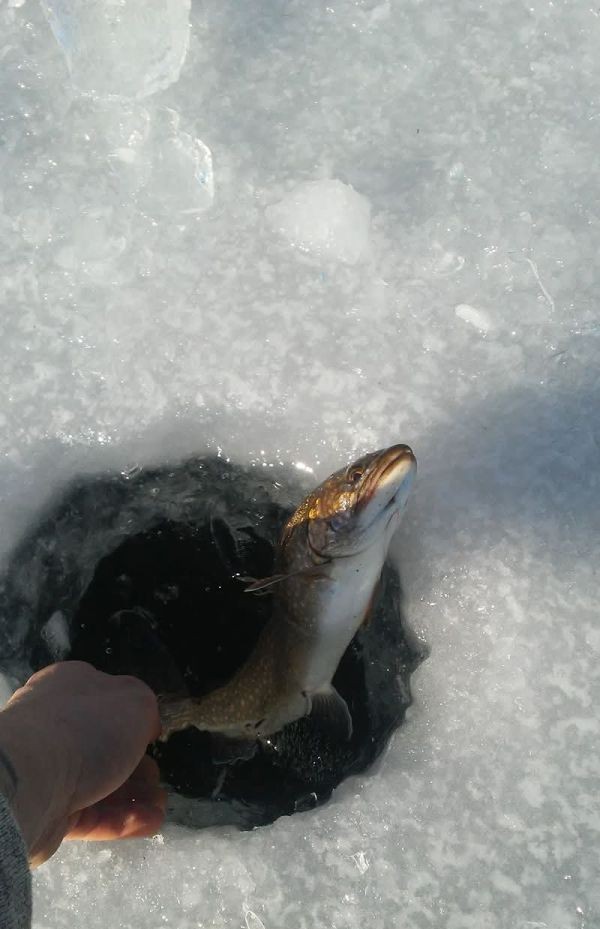
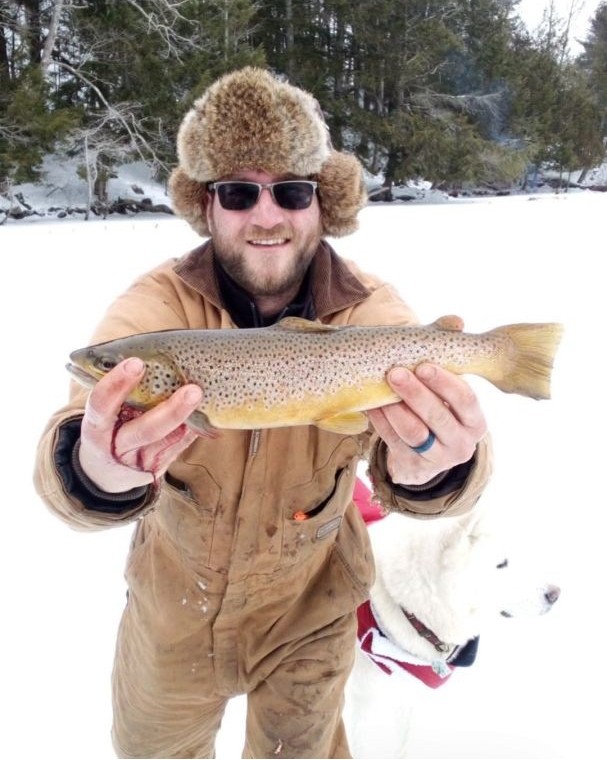
Lake trout are the heavyweight champions of Maine's ice fishing scene, and for good reason. These deep-water predators stay active all winter, cruising the thermocline and attacking anything that looks like an easy meal. They hit hard and fight harder, making long runs that'll test your drag system and your patience. Most of the lakers you'll encounter range from 18 to 26 inches, with the occasional monster pushing 30 inches or better. January through March is prime time because they're feeding heavily before the spring spawn, and they're not as spooky as they get in warmer months.
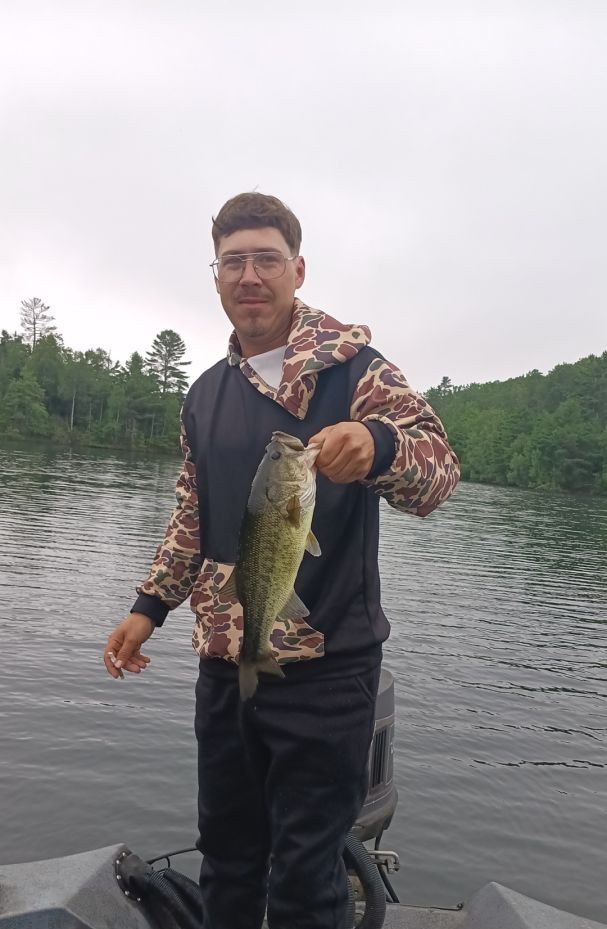
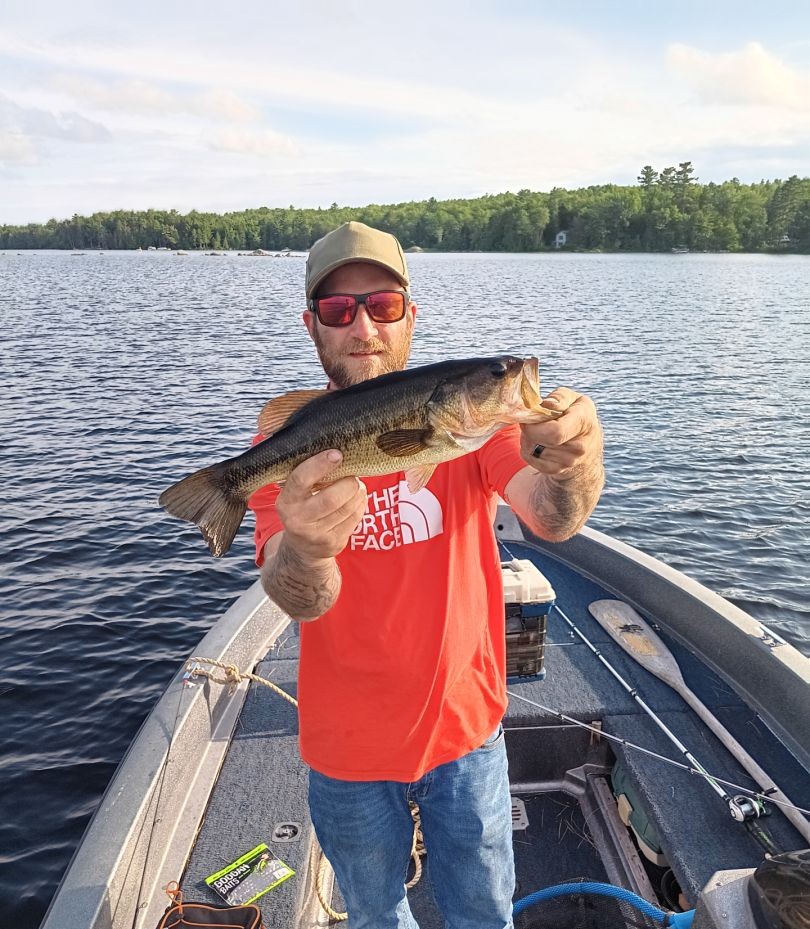
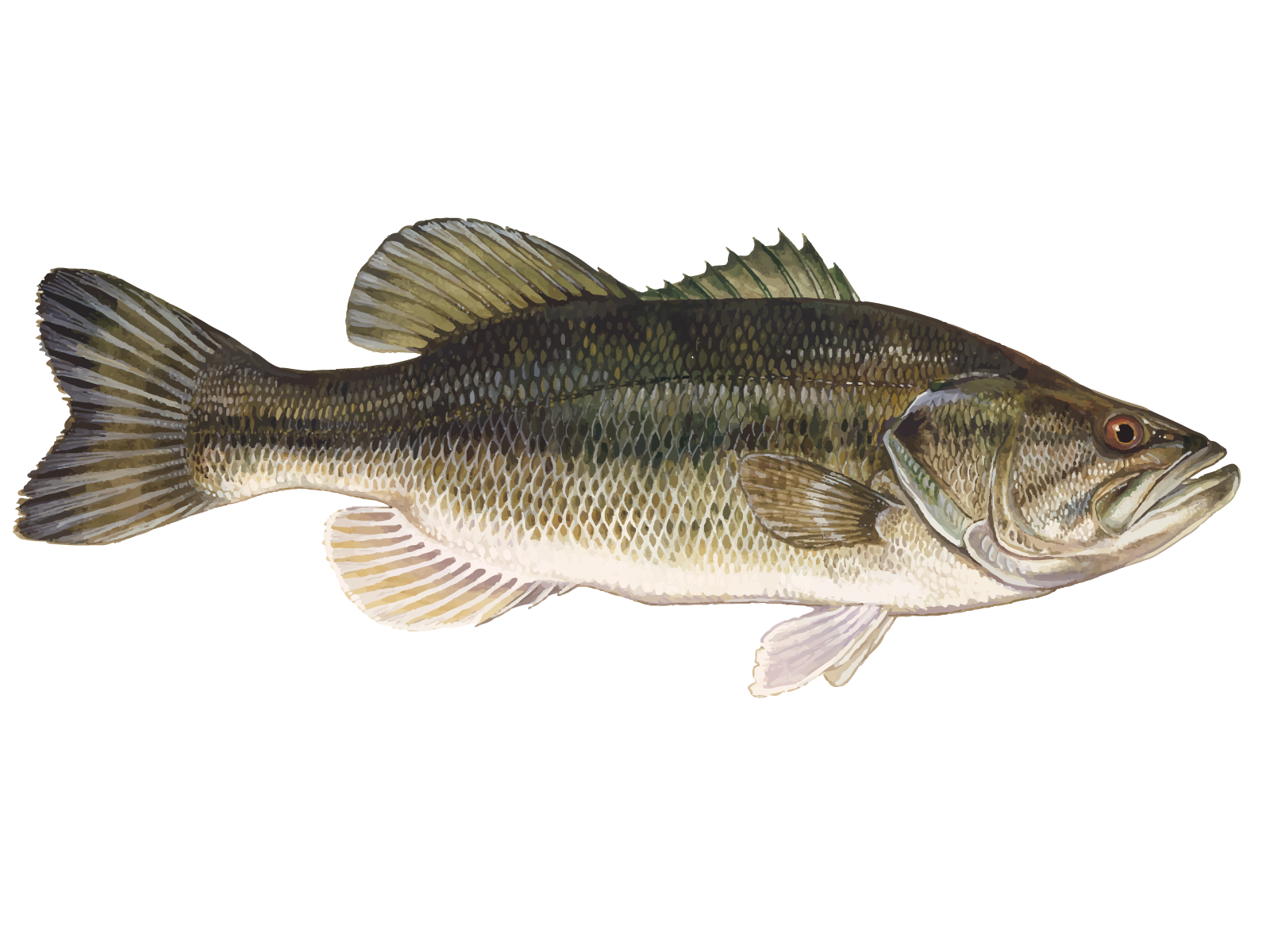
Largemouth bass might surprise you with how aggressive they get under the ice. While they're not as active as in summer, when they do feed, they hit with authority. The key is finding them around cover – submerged logs, weed edges, or drop-offs where they ambush baitfish. These bass typically run 14 to 20 inches, and they'll give you that classic largemouth fight even in cold water. The bite windows are shorter but more predictable, usually early morning and late afternoon when light conditions change.
Coho salmon are pure adrenaline on ice gear. These silver bullets are built for speed and endurance, making screaming runs that'll have your reel singing. They suspend in open water, chasing schools of smelt and other baitfish, which means you're often fishing in 30 to 60 feet of water. The payoff is worth it – cohos average 16 to 22 inches and fight like fish twice their size. They're most active during low-light periods, so that early start pays dividends when these fish are feeding.
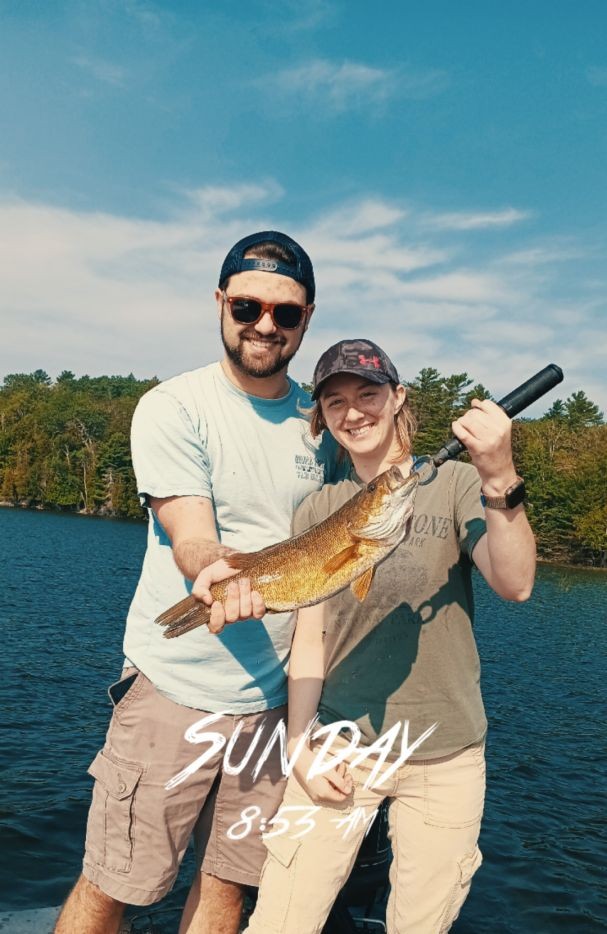
Smallmouth bass are pound-for-pound fighters that'll surprise you with their winter appetite. Unlike their largemouth cousins, smallies often school up in deeper water during winter, which means when you find one, there are usually more nearby. They're structure-oriented, holding tight to rocky points and drop-offs where they pick off crayfish and small baitfish. Most smallmouth range from 12 to 18 inches, but they fight with the intensity of much larger fish, making multiple jumps and strong runs.
Crappie are the ultimate ice fishing target for good reason – they school heavily, bite consistently, and taste fantastic on the table. These panfish suspend at specific depths, often relating to submerged timber or weed lines. Once you dial in the right depth and presentation, you can catch them steadily throughout the day. Maine crappie run larger than in many states, with 10 to 13-inch fish being common and the occasional slab pushing 14 inches or better. They're perfect for learning ice fishing fundamentals because they provide steady action and respond well to subtle presentation changes.
Time to Book Your Spot
This trip runs from January 1st through March 30th, which covers the prime ice fishing season when conditions are most stable and fish are most cooperative. With only one guest per trip, you get personalized instruction and can move at your own pace without worrying about keeping up with other anglers or sharing prime fishing time. Elias knows these waters inside and out, from the productive structure that holds fish to the safest routes across the ice. The combination of his local knowledge, quality gear, and hands-on teaching approach makes this one of the top-rated ice fishing experiences in Maine. Whether you're looking to try ice fishing for the first time or
 Private Trip
 Lakes/Reservoirs/Ponds Fishing
 undefined, undefined



 Seven-hour guided ice fishing trip targeting multiple freshwater species