Everglades Fly Fishing with Captain Bella
Picture yourself standing on the bow of a shallow-draft skiff, fly rod in hand, watching for the telltale flash of a redfish's copper sides in crystal-clear water. That's exactly what you'll get when you join Captain Bella for an 8-hour fly fishing adventure through the legendary waters of Everglades City and the Ten Thousand Islands. This isn't your typical crowded charter – we keep it intimate with just two anglers max, so you get personalized instruction and prime positioning for every cast. Whether you're already dialed in with your 8-weight or still figuring out your double haul, Captain Bella has the local knowledge and patience to put you on fish.
What to Expect on the Water
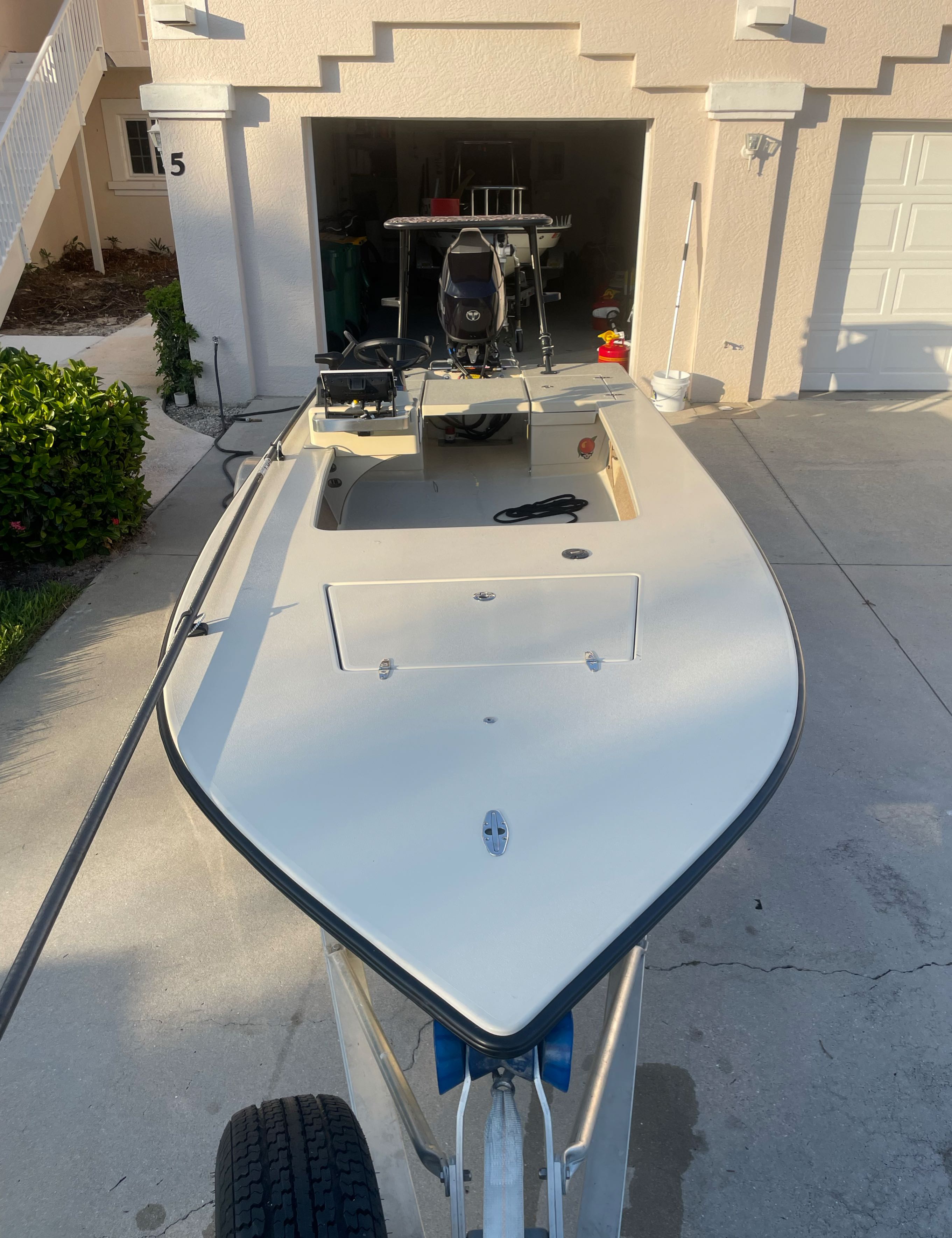
Your day kicks off early when we meet at the dock in Everglades City, the gateway to some of Florida's most pristine backcountry fishing. Captain Bella will have the skiff rigged and ready, complete with quality fly rods and a selection of proven patterns that match whatever's happening on the water that day. We'll cruise through shallow mangrove creeks, across expansive grass flats, and along oyster bars where gamefish love to hunt. The beauty of an 8-hour trip is we're not rushed – if the tarpon are rolling in one spot or the snook are crushed up under the mangroves, we can adjust our game plan and stay on the bite. You'll learn to read the water like a local, spotting nervous baitfish, following bird action, and identifying the subtle changes in water color that signal structure below.
Fly Fishing the Backcountry
Everglades fly fishing is all about sight fishing in skinny water, and Captain Bella specializes in putting anglers in position for those heart-stopping moments when you spot your target before making the cast. We're talking water so shallow you can see fish from 50 yards away – redfish tailing on the flats, snook ambushing bait along mangrove shorelines, and tarpon rolling in deeper channels. The technique here is precision over power. You'll use 7 to 9-weight rods matched with floating or intermediate lines, depending on conditions. Captain Bella carries an arsenal of proven flies – Clouser Minnows for the grass flats, Deceivers for open water, crab patterns for reds on the bottom, and topwater poppers for when fish are feeding aggressively on the surface. If you're new to saltwater fly fishing, don't sweat it. The captain breaks down everything from proper casting angles to fighting fish on light tackle, and there's plenty of time to practice your technique between spots.
Species You'll Want to Hook
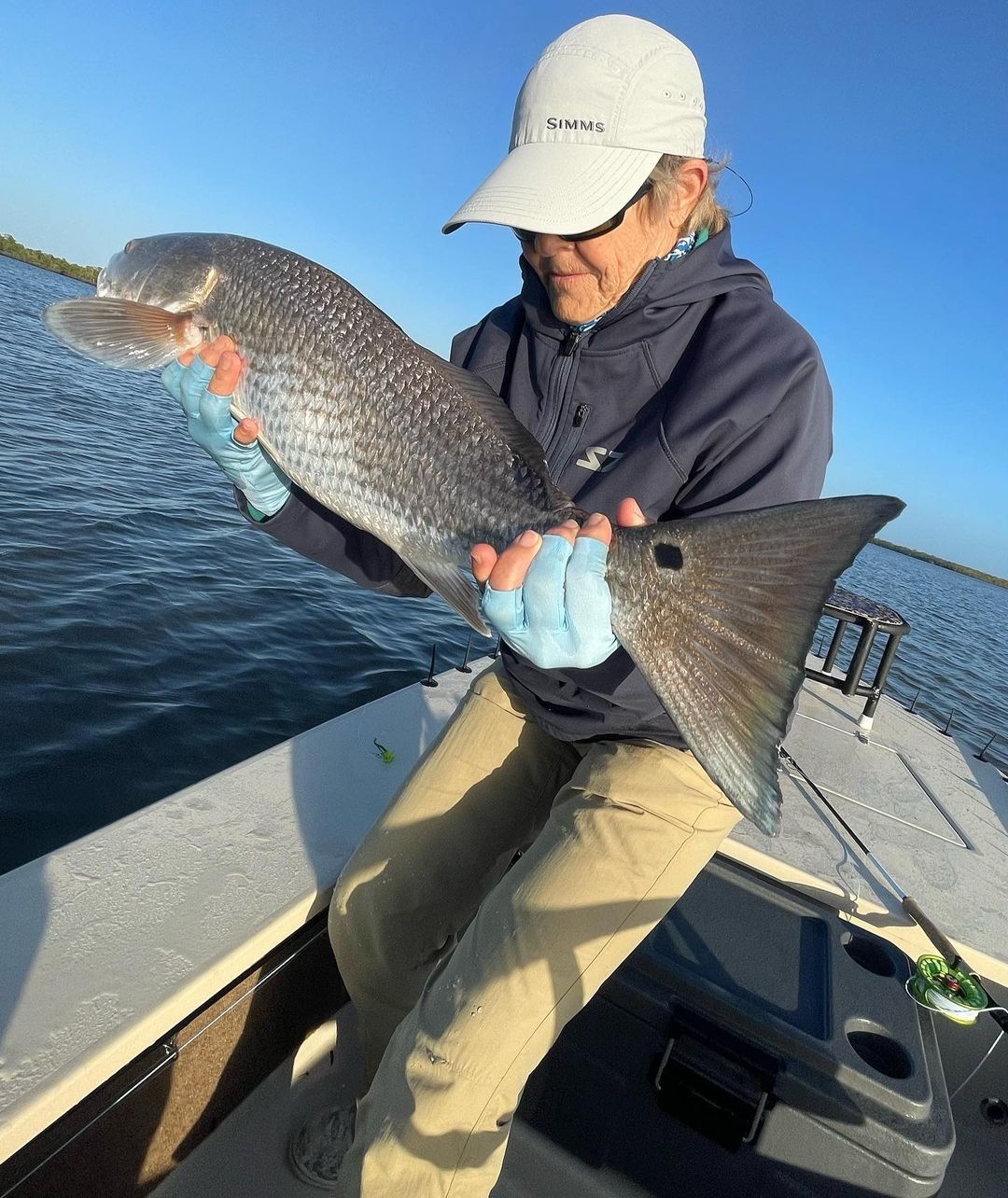
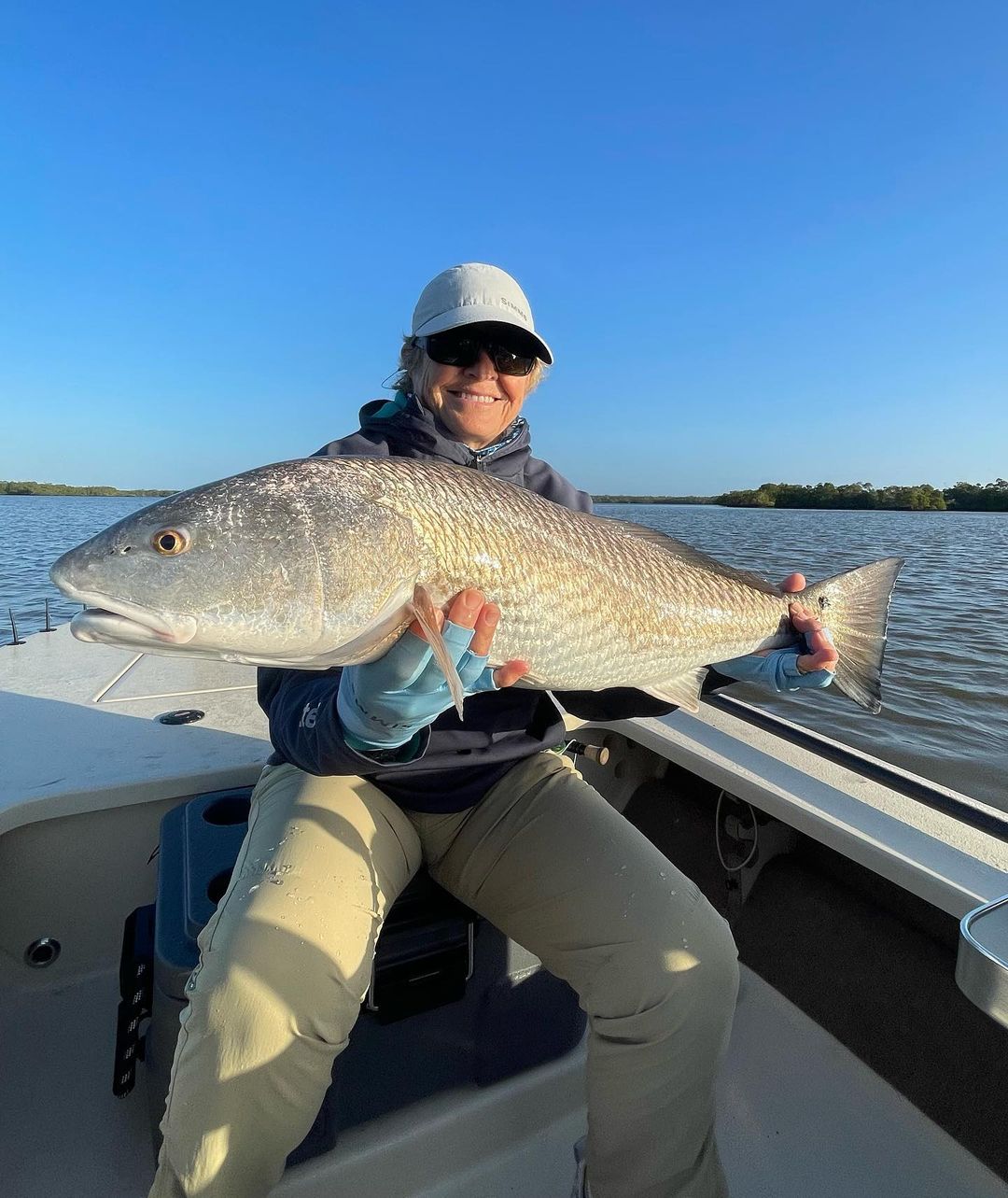
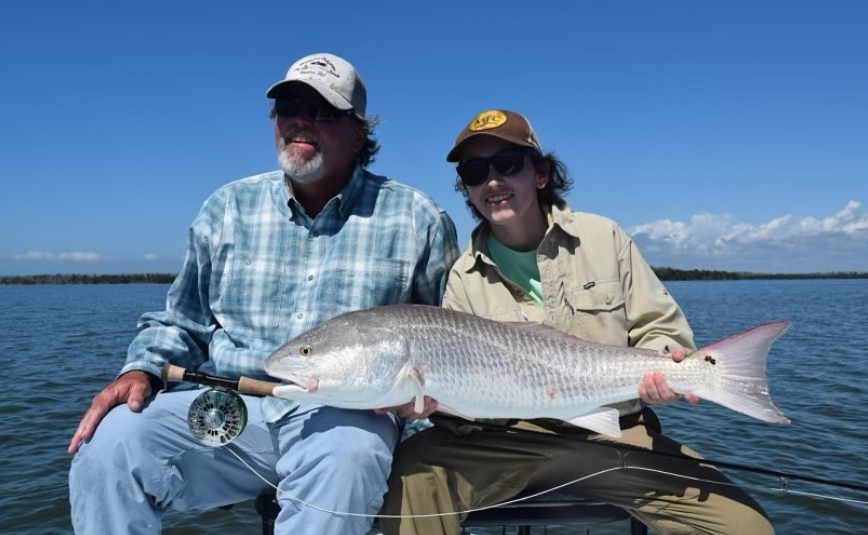
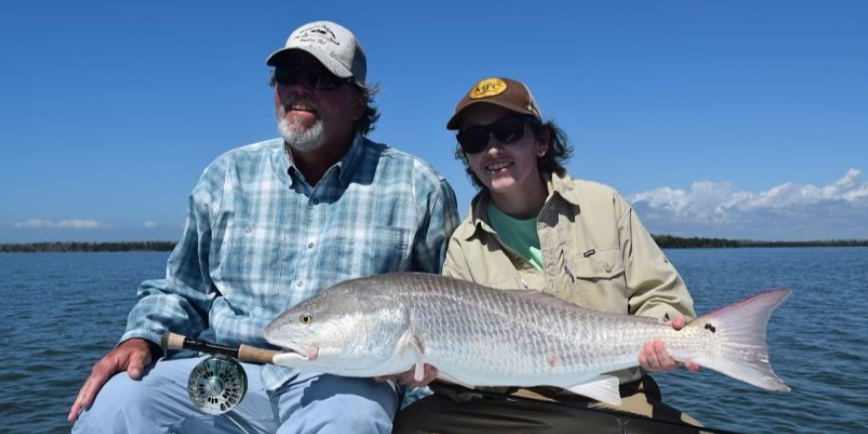
Redfish are the bread and butter of Everglades fly fishing, and for good reason. These copper-colored bruisers cruise the flats year-round, often in water barely deep enough to cover their backs. You'll spot them by their distinctive black spots and that classic "tailing" behavior when they're rooting around for crabs in the shallows. Reds in the 20 to 30-inch range are common here, with plenty of oversized bulls mixed in during the cooler months. They eat aggressively and fight dirty, making long runs toward structure. What makes them special is how smart they can be – spook one and it might shut down the whole school.
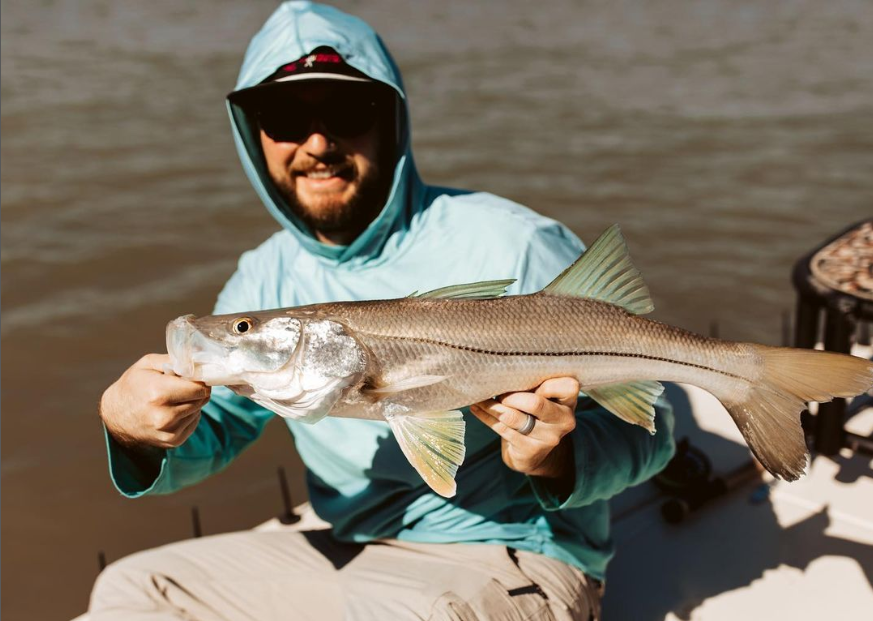
Snook are the ultimate ambush predators, and the mangrove country around Everglades City holds some of Florida's best populations. These silver-sided rockets love structure – fallen trees, dock pilings, mangrove overhangs – anywhere they can hide and pounce on passing baitfish. Summer months bring the best snook action when they're most active, though you'll find them year-round in the deeper creeks. A 20-pound snook on an 8-weight fly rod is pure magic, especially when it decides to gill-walk across the surface. They've got sharp gill plates and aren't afraid to use them, so Captain Bella always brings a quality net.
Sea trout might not win any beauty contests, but they make up for it with pure eating quality and cooperative attitudes on the fly. These spotted gamefish love grass flats and are often the first species beginners connect with. They school up in good numbers during the winter months, and when you find one, there are usually more nearby. Trout in the 15 to 20-inch range are perfect on light tackle, and they'll readily eat both baitfish patterns and shrimp imitations. Captain Bella knows all the productive trout flats where you can sight-cast to individual fish rather than just blind-casting and hoping.
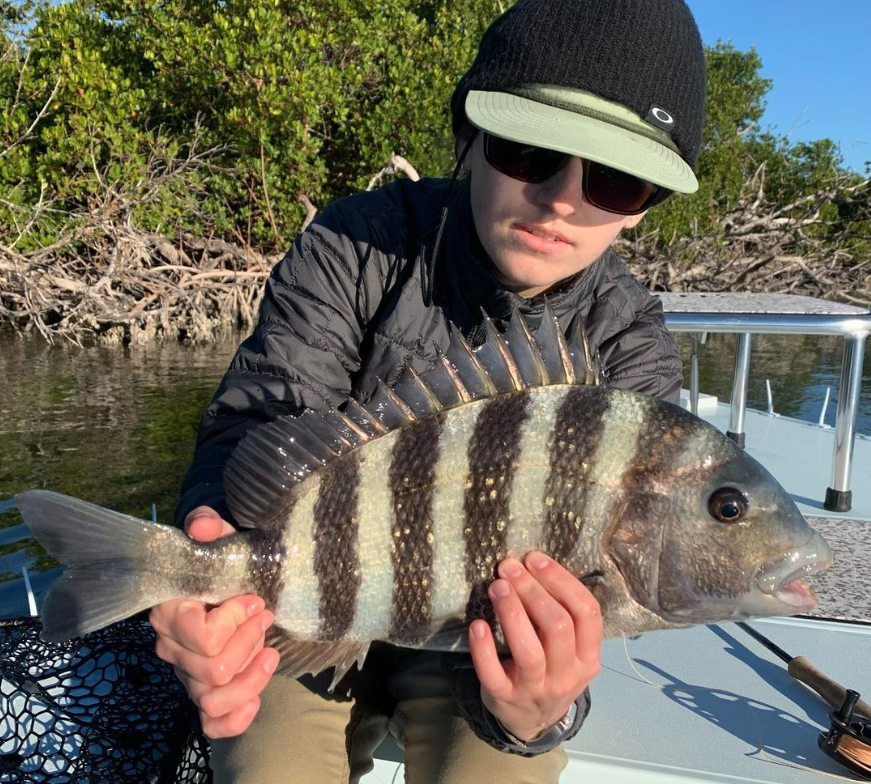
Sheepshead are the ultimate test of your fly presentation skills. These black-and-white striped fish are notorious bait stealers, but get your crab pattern in front of one just right and you're in for a surprisingly strong fight. They hang around structure like dock pilings and oyster bars, using their powerful jaws to crush shellfish. Winter and early spring offer the best sheepshead action when they move into shallow water to spawn. Don't let their reputation fool you – a 5-pound sheepshead will test your drag and your patience.
Tarpon are the kings of the backcountry, and when one of these silver giants crashes your fly, everything else becomes background noise. The Ten Thousand Islands area sees excellent tarpon fishing from late spring through early fall, with fish ranging from juvenile "baby" tarpon around 20 pounds up to mature fish pushing triple digits. Tarpon are sight-fishing at its finest – watching a 100-pound fish slowly rise to eat your fly is something that stays with you forever. Captain Bella knows the seasonal patterns, from the residential fish that live in the backcountry creeks to the migrating schools that pass through on their way up the coast. Just remember, tarpon fishing requires patience and strong arms.
Time to Book Your Spot
 Private Trip
 Backcountry Fishing
 Sarasota


 Eight-hour fly fishing charter targeting five species in pristine waters