Everglades Fly Fishing Charter with Captain Bella
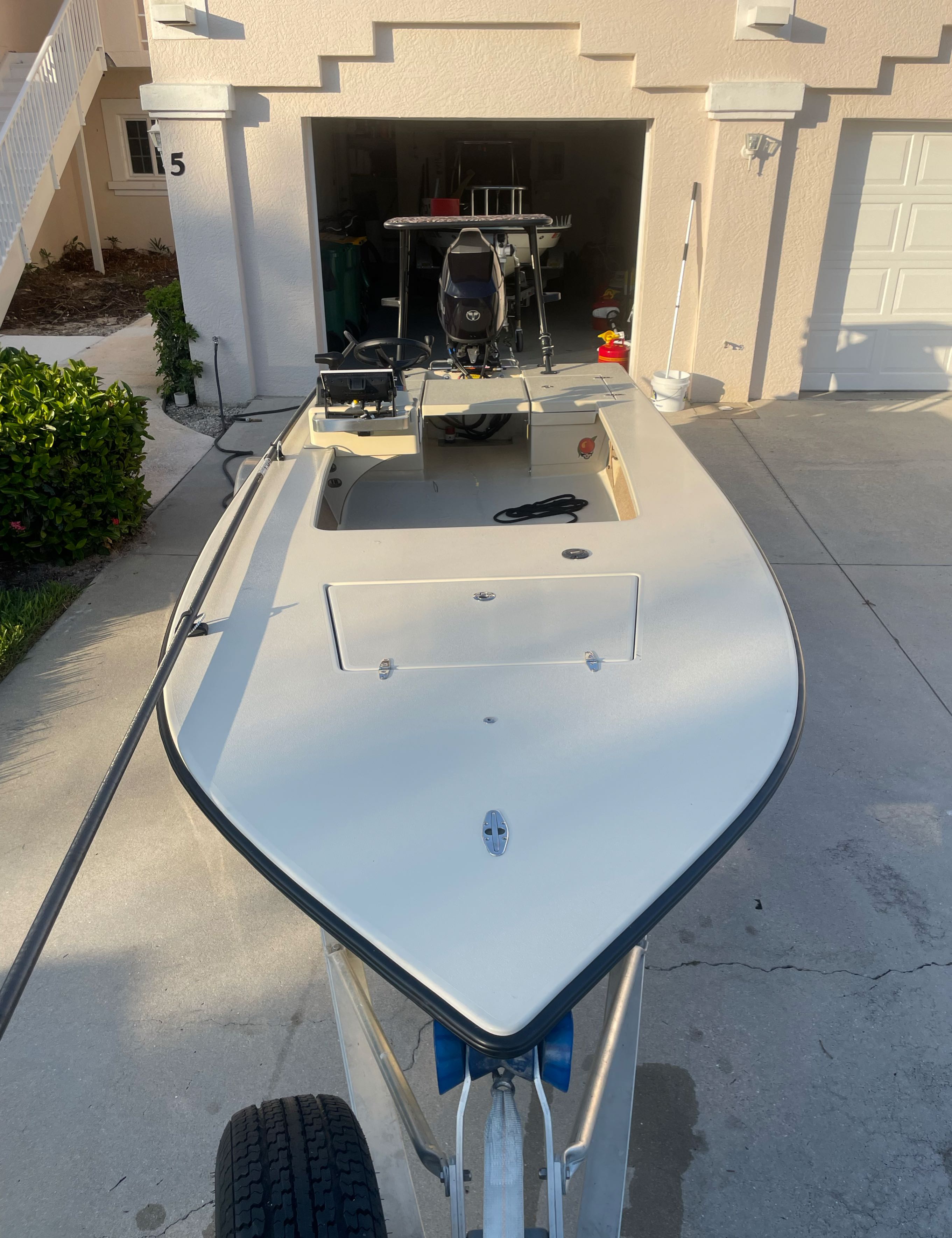
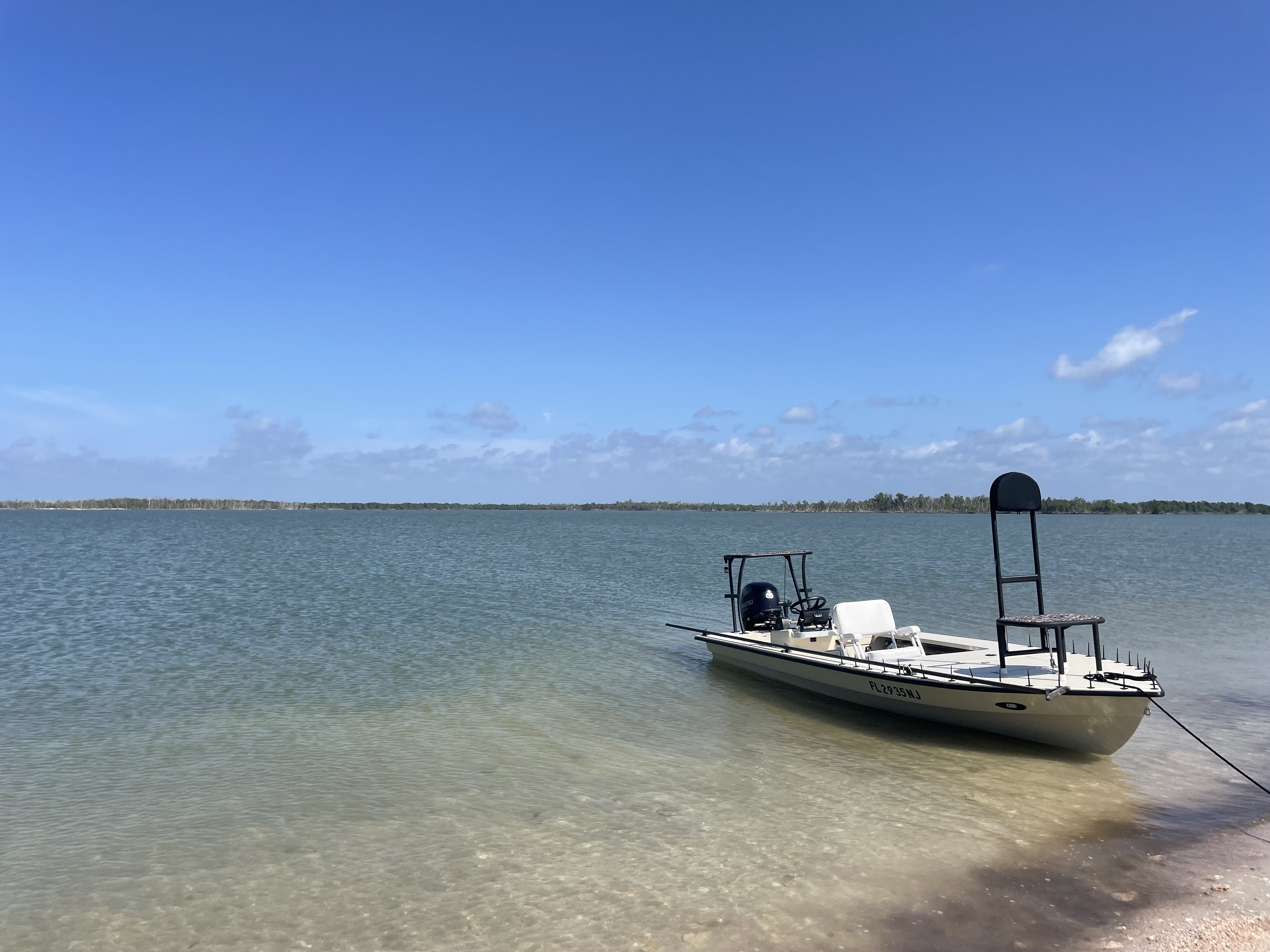
Picture this: you're standing on the bow of a flats boat, rod in hand, watching the morning sun cast golden light across the endless sawgrass of the Florida Everglades. The water is gin-clear, and you can see fish moving through the shallows like ghosts. This is what you get when you book a 4-hour charter with Captain Bella and On Fly Guide Co. – a chance to fish some of the most productive and pristine backcountry waters in South Florida. The Everglades and Ten Thousand Islands region is a fly angler's paradise, where every cast could bring a redfish, snook, or even a rolling tarpon. With space for just two guests, this isn't a cattle-boat operation – it's an intimate, world-class fishing experience tailored to serious anglers who want to target the Big Five species that call these waters home.
What to Expect on the Water
Captain Bella knows these waters like her own backyard, and she'll put you on fish from the moment you step aboard. The 4-hour window gives you enough time to cover serious ground without feeling rushed, whether you're poling through skinny water chasing tailing reds or drifting structure for sheepshead. The beauty of fishing the Everglades is the sheer variety – one minute you're sight-casting to cruising snook along a mangrove shoreline, the next you're working a school of sea trout over grass flats. The backcountry here is all about reading the water and adapting your approach. Captain Bella will position the boat to give you clean shots at fish, calling out targets and helping with fly selection based on conditions. The intimate two-person setup means you'll get personalized coaching and plenty of opportunities to handle the rod. Don't worry about bringing your own gear – everything from rods to flies is provided, though seasoned anglers are welcome to bring their favorite setups.
Fly Tactics & Backcountry Basics
Everglades fly fishing is all about stealth and precision. You'll be working with 8 and 9-weight rods most of the day, throwing everything from small shrimp patterns to larger streamers depending on what's feeding. The flats fishing here requires sharp eyes and quick reflexes – Captain Bella will spot fish and give you direction, but you need to be ready to make accurate casts on demand. Sight-fishing is the name of the game, whether you're targeting redfish cruising the shallows or snook lying in ambush along the mangroves. The boat will be poled or run on electric motor to keep noise down, and you'll spend most of your time on the casting platform getting shots at individual fish or small schools. Strip-setting is crucial since you're fishing barbless flies, and Captain Bella will coach you through fighting techniques for each species. The tides drive everything out here, so timing is key – she'll plan the trip around optimal water levels and feeding windows to maximize your shots at quality fish.
Species You'll Want to Hook
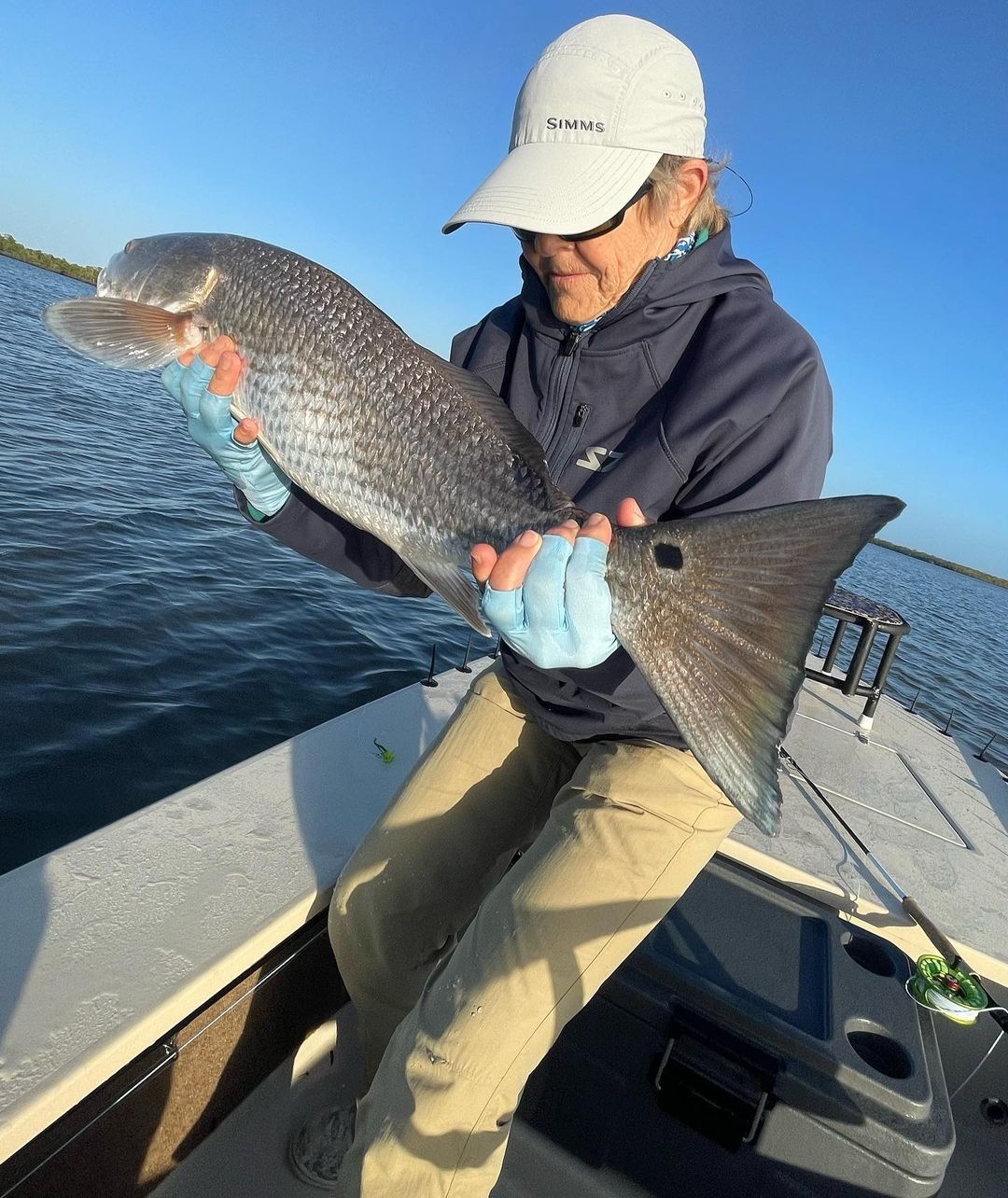
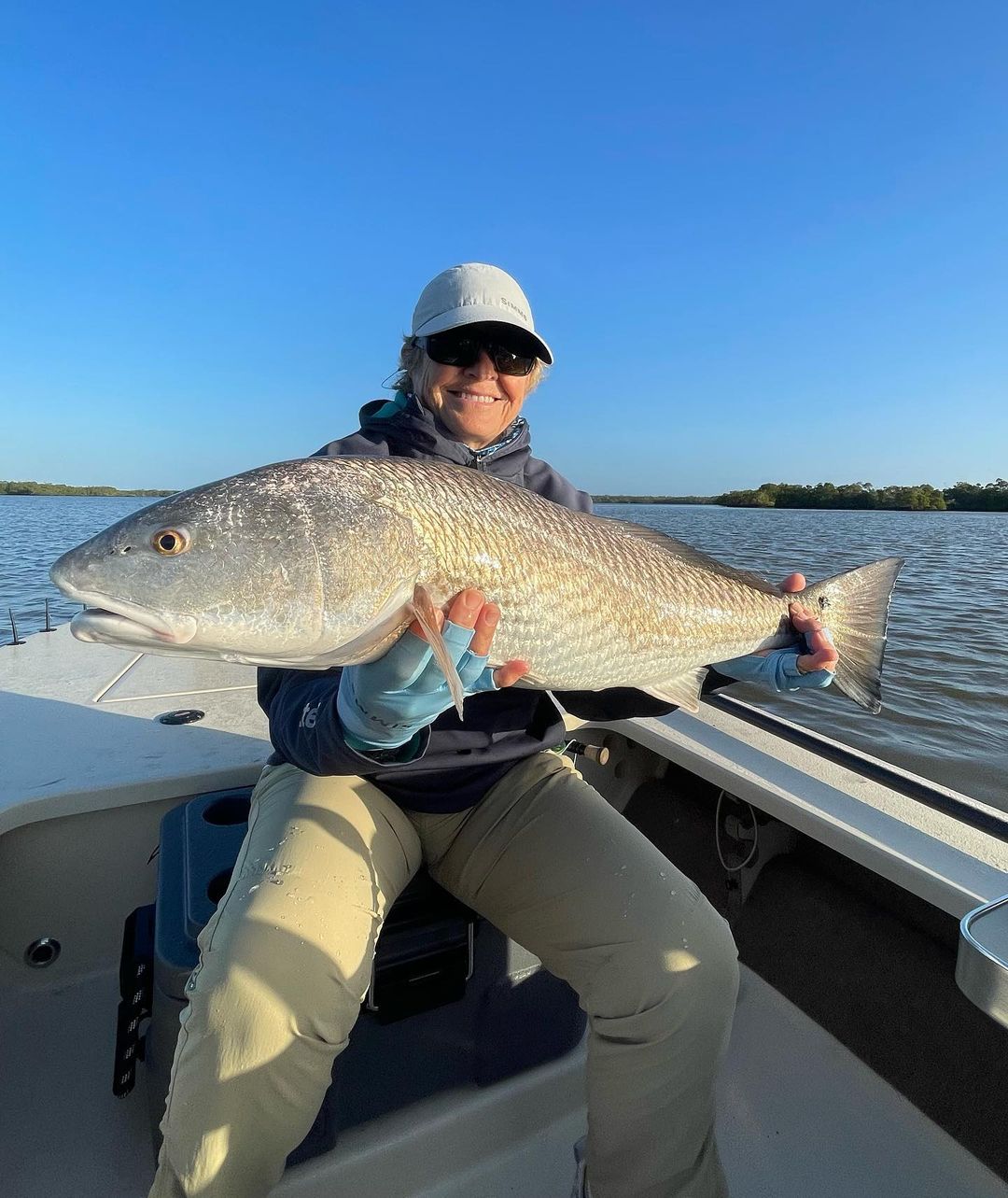
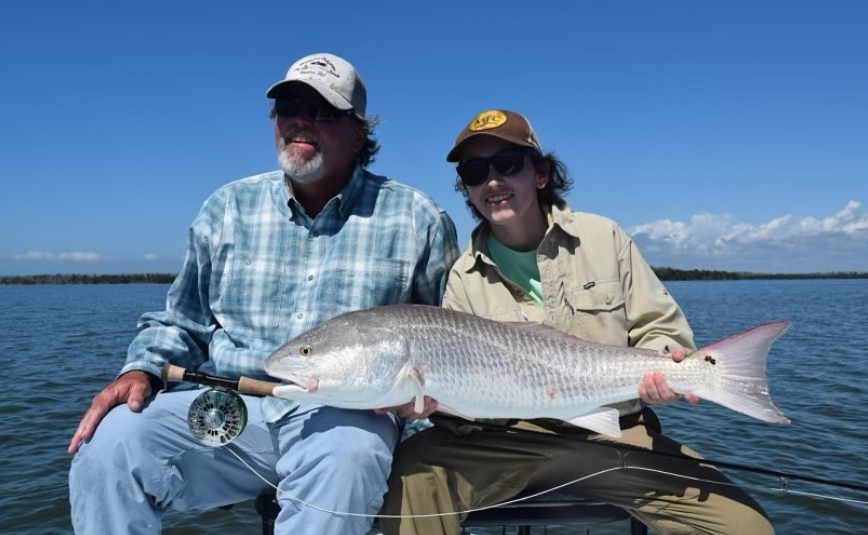
Redfish are the bread and butter of Everglades fishing, and for good reason. These copper-colored bruisers cruise the flats in pods, their backs often visible as they push water in skinny areas. Reds here typically run 18 to 30 inches, with some real bulls mixed in during certain times of year. They're most active during moving tides, especially around oyster bars and grass edges. What makes redfish so addictive is their aggressive take – when they eat your fly, there's no mistaking it. They'll make strong runs and use their broad sides to fight you all the way to the boat.
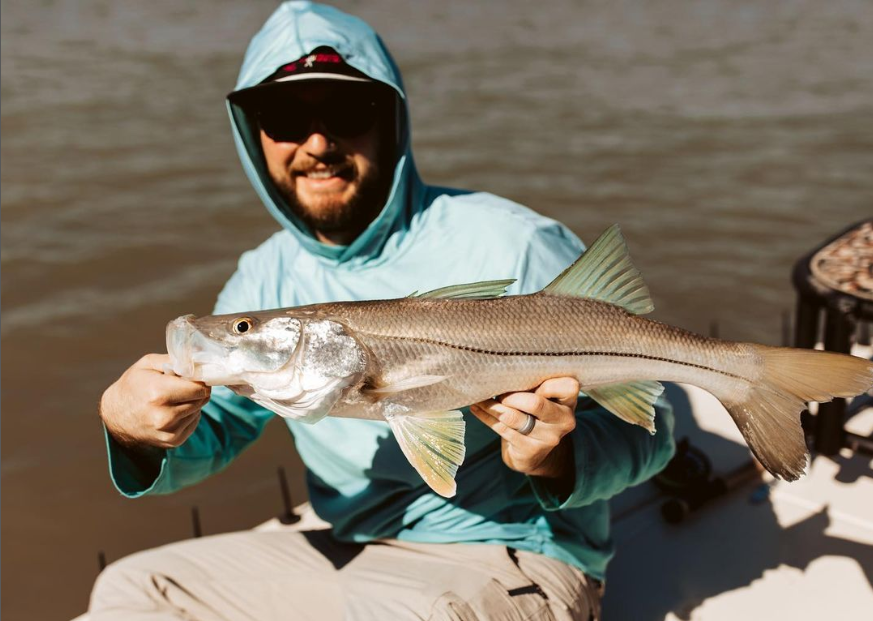
Snook are the glamour fish of the backcountry, and the Everglades population is legendary. These ambush predators love structure – mangrove overhangs, creek mouths, and downed trees are all prime real estate. Snook here can range from schoolie-sized fish up to true slobs pushing 35 inches. They're most active during warmer months, but the Everglades' year-round mild temps mean you can target them in any season. The challenge with snook is getting your fly close to cover without hanging up, then being ready for their explosive strike. They'll jump, they'll run for structure, and they'll test your drag system.
Tarpon fishing in the Everglades is something special – these silver kings use the backcountry as nursery habitat, meaning you'll encounter fish from 20 pounds up to triple-digit monsters. Baby tarpon are active year-round and provide incredible action on lighter tackle, while the big fish show up seasonally during their migrations. There's nothing like watching a 100-pound tarpon come out of the water after eating your fly. Even the smaller fish are acrobatic fighters that will give you a workout and create memories that last a lifetime.
Sea trout might not get the same respect as snook or tarpon, but they're fantastic fly rod fish that often save the day when other species are finicky. The Everglades produces some real doormat trout, especially around grass flats and deeper potholes. They're excellent table fare and willing biters, making them perfect for anglers new to saltwater fly fishing. Trout here are most active during cooler months and low-light periods, and they'll often feed in schools when conditions are right.
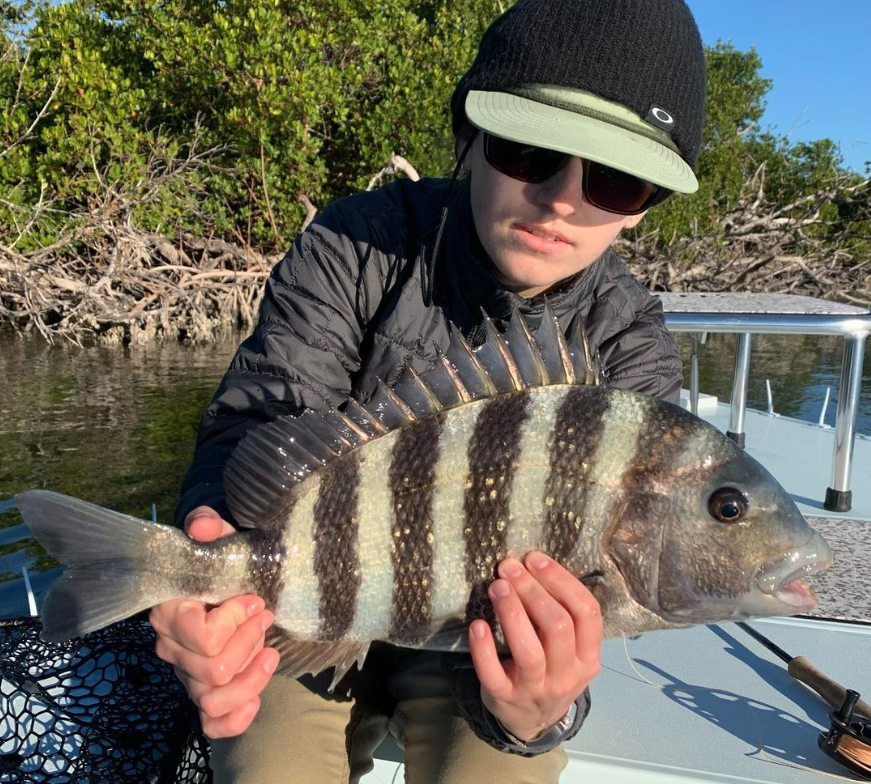
Sheepshead are the technical challenge of the group – these black-and-white striped fish are incredibly structure-oriented and have mouths that can crush crabs with ease. They're found around oyster bars, bridge pilings, and any hard structure in the backcountry. Sheepshead require a different approach entirely, with small flies and delicate presentations. They're notorious bait stealers, but when you hook one, they fight harder than their reputation suggests. Plus, they're fantastic eating if you decide to keep a few for the table.
Time to Book Your
 Private Trip
 Backcountry Fishing
 Sarasota


 Target redfish, snook, tarpon, and sea trout on fly