Beginner-Friendly Tampa Bay Fishing Charter
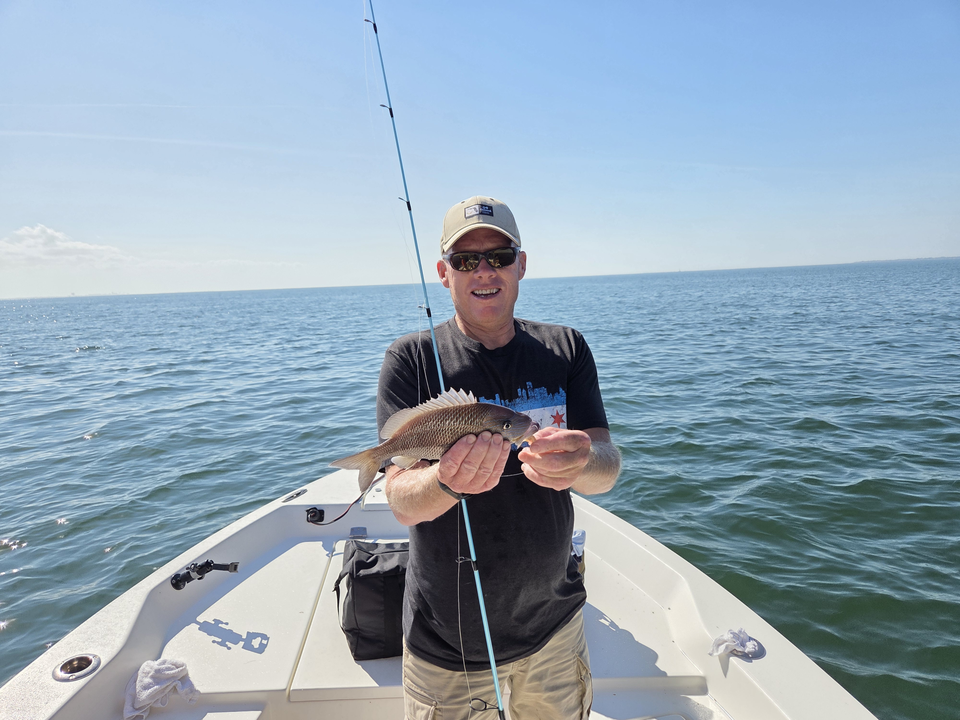
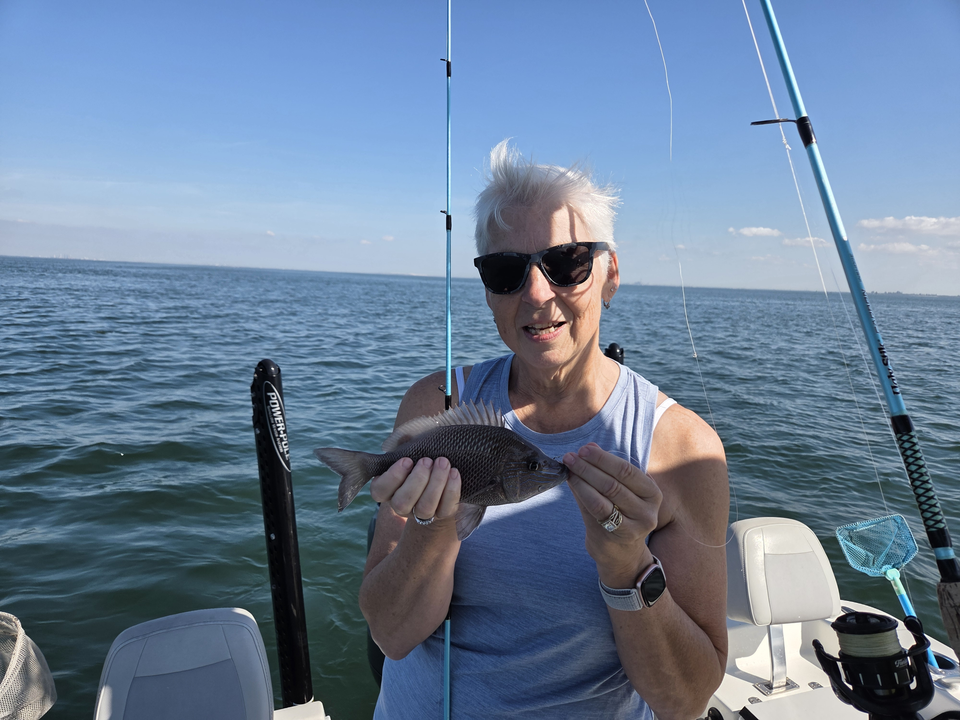
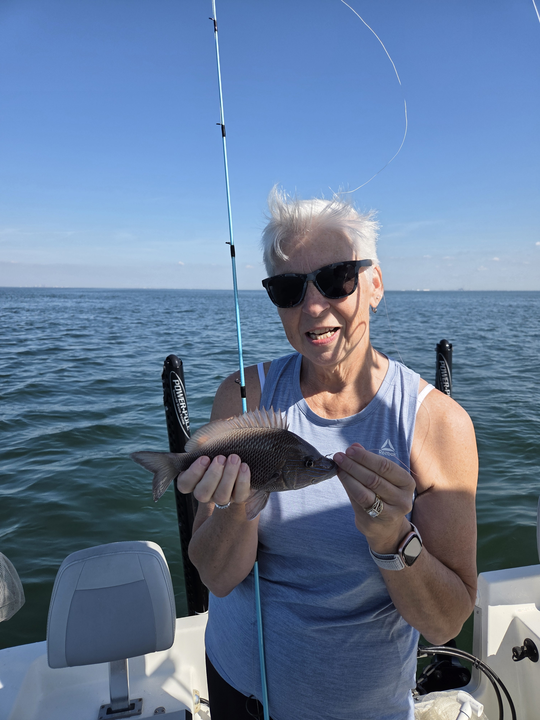
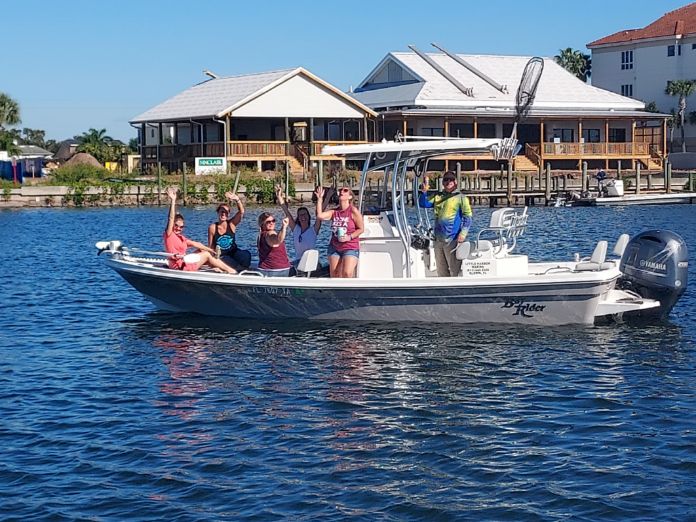
Looking for the perfect introduction to Tampa Bay fishing? Captain Brian's 4-hour charter aboard Optimus Fishing Charters delivers exactly what first-time anglers need—patience, expert instruction, and productive fishing spots that'll have you hooked from the first cast. This isn't some rushed tourist trap where you're thrown a rod and left to figure it out. Brian takes time to teach proper techniques while working the inshore flats and coastal waters where Tampa Bay's best fish love to hang out. Whether you've never held a fishing rod or just need to shake off some rust, this charter sets you up for success with quality gear, local knowledge, and a comfortable ride that keeps the focus on catching fish.
What to Expect on the Water
Your day starts with a thorough briefing on the boat, where Captain Brian walks you through the basics—how to hold your rod, proper casting technique, and what to feel for when a fish hits your bait. The beauty of this charter lies in its flexibility. Brian reads the conditions and adjusts the plan accordingly, whether that means working the grass flats for redfish in the morning or heading to structure for Spanish mackerel when the tide changes. You'll cover inshore waters and venture up to 10 miles offshore depending on where the fish are biting. The boat stays comfortable throughout the trip, giving you a stable platform to learn proper fishing fundamentals without fighting rough seas. This charter accommodates two guests in the base rate, with room for additional anglers at $50 per person—perfect for couples or small groups who want personalized attention.
Gear and Techniques
Captain Brian provides all the high-quality tackle you'll need, from light spinning gear perfect for trout and redfish to heavier setups when targeting Spanish mackerel or sharks. You'll learn multiple techniques throughout the day—live bait fishing with shrimp and pinfish, artificial lure presentation, and bottom fishing around structure. The key here is understanding how different species feed and what presentation triggers strikes. For redfish, that might mean quietly working a soft plastic bait through shallow grass beds. Spanish mackerel often require faster-moving spoons or small jigs worked through the water column. Brian explains the why behind each technique, so you're not just following instructions but actually learning to read the water and understand fish behavior. By the end of four hours, you'll have hands-on experience with tackle selection, bait presentation, and proper fish handling techniques that'll serve you well on future fishing adventures.
Customer Stories
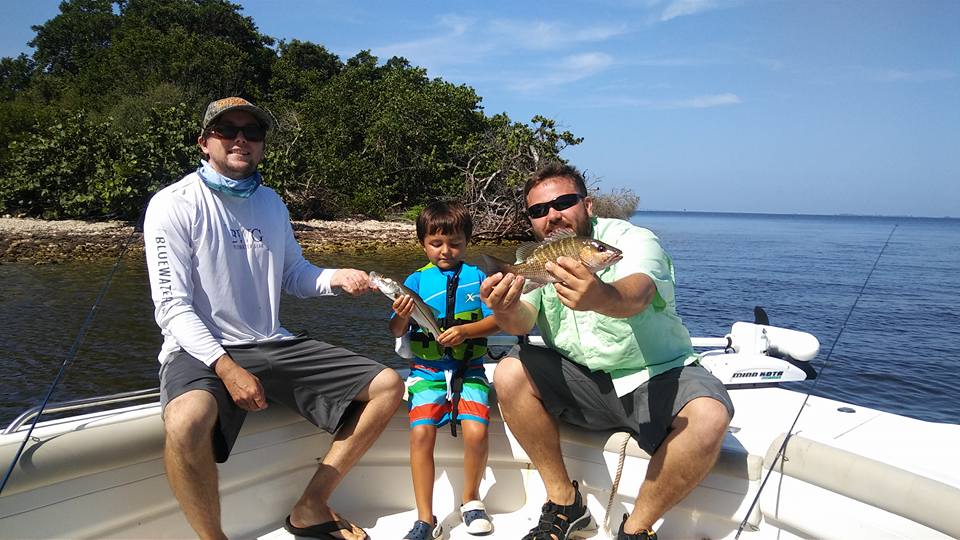
"Weather was perfect for our family fishing trip with Captain Brian! We were all beginners, and I know I had forgotten more than I remembered. He was very patient and showed us techniques while explaining everything that he did. We all had a great time. And after living in Florida for over 30 years, I finally caught a snook!" - Lynne Vadelund
"Brian is absolutely top notch. He works hard to find and put you on fish, and he is dang good at it highly recommend." - Ryan Linsrnmann
Species You'll Want to Hook
Spanish Mackerel are Tampa Bay's speed demons, and they'll test your reflexes from the moment they hit your lure. These silver torpedoes typically run 1-3 pounds and feed aggressively during moving tides, especially around structure and bait schools. Fall and winter months offer the most consistent action, when cooler water temperatures push Spanish mackerel into the bay seeking warmer shallows. What makes them so exciting is their explosive strikes and acrobatic fights—they'll rip line off your reel and jump repeatedly before you get them to the boat. Their razor-sharp teeth require wire leaders, giving beginners good practice with different tackle setups.
Redfish represent Tampa Bay's signature inshore species, and hooking your first "red" creates lifelong fishing addicts. These copper-colored bruisers range from 18-27 inches in the slot limit, providing perfect action for light tackle. Redfish patrol grass flats and oyster bars year-round, using their sensitive barbels to root out crabs and shrimp. They're ambush predators that inhale baits with surprising subtlety—you'll learn to detect the gentle "tick" that signals a redfish pickup. Once hooked, they make powerful runs toward structure, testing your drag and teaching proper fish-fighting techniques. Their willingness to eat both live and artificial baits makes them ideal targets for learning different presentation methods.
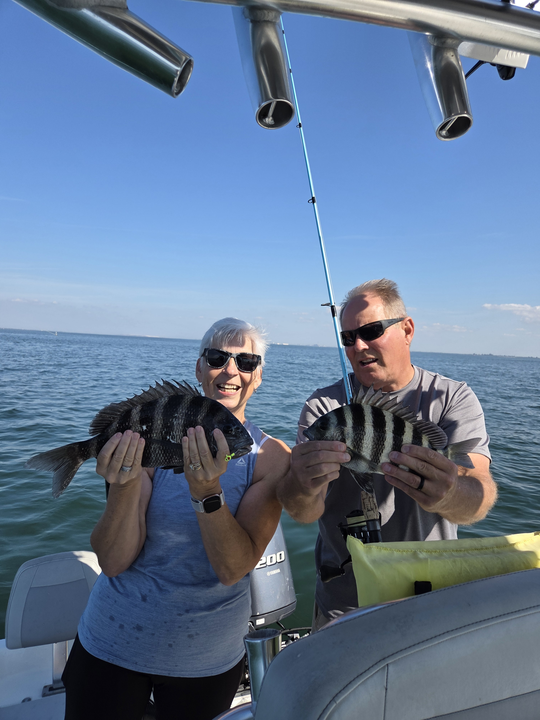
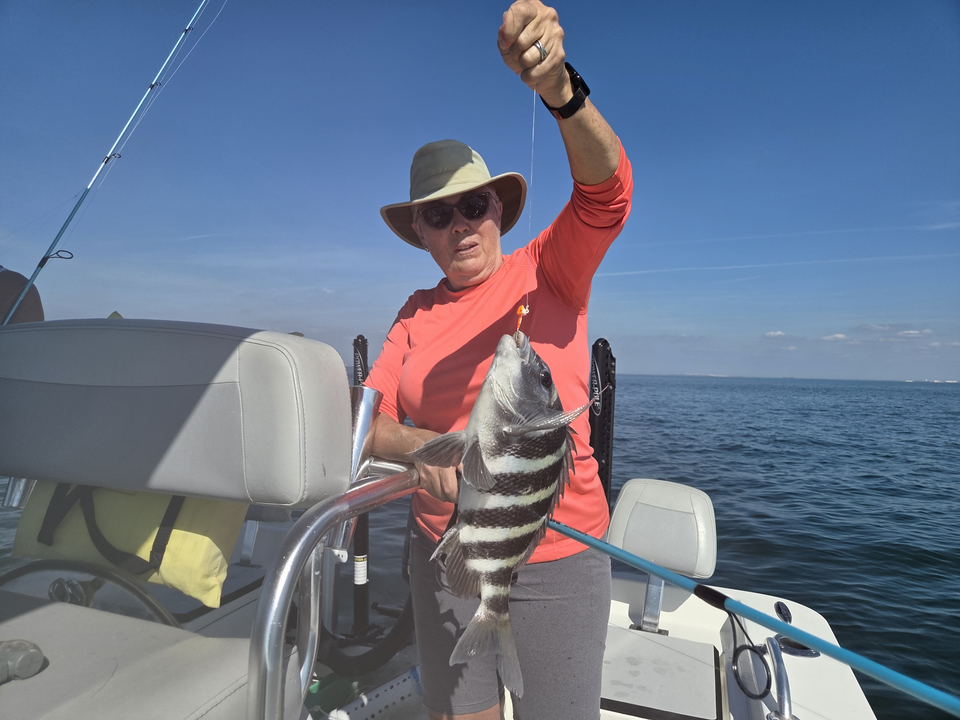
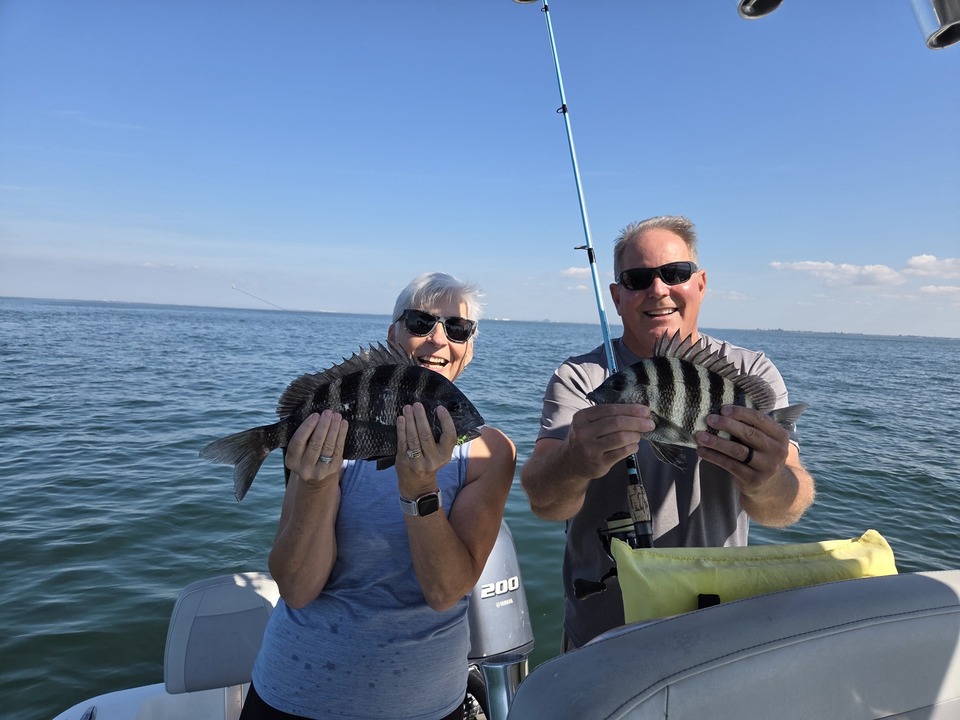
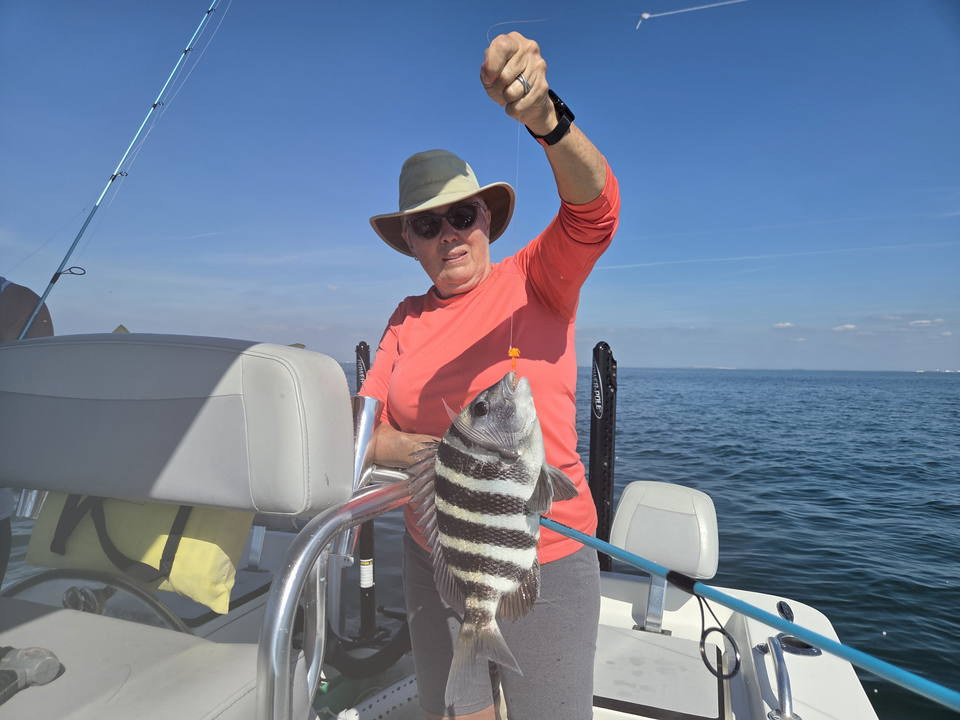
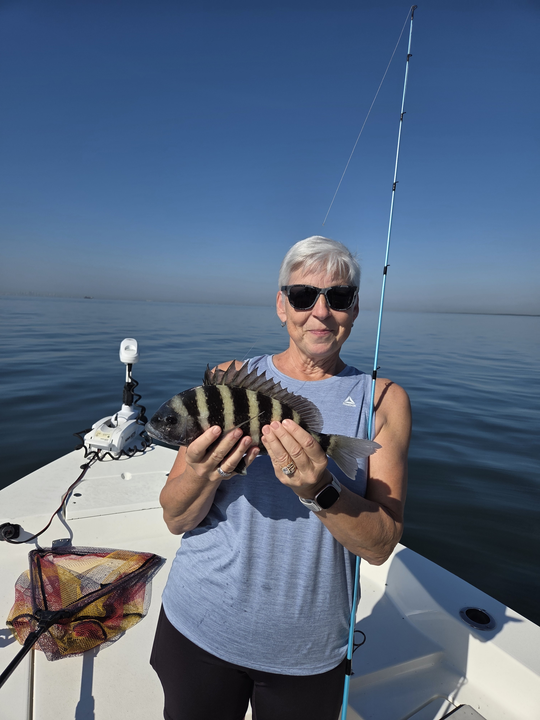
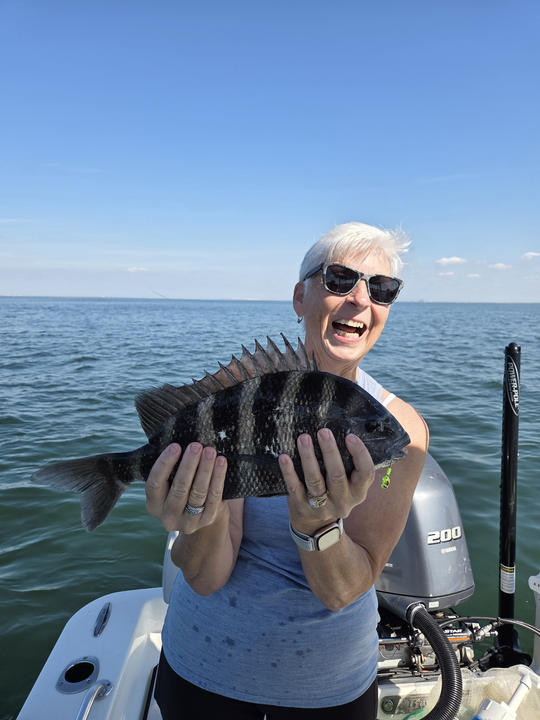
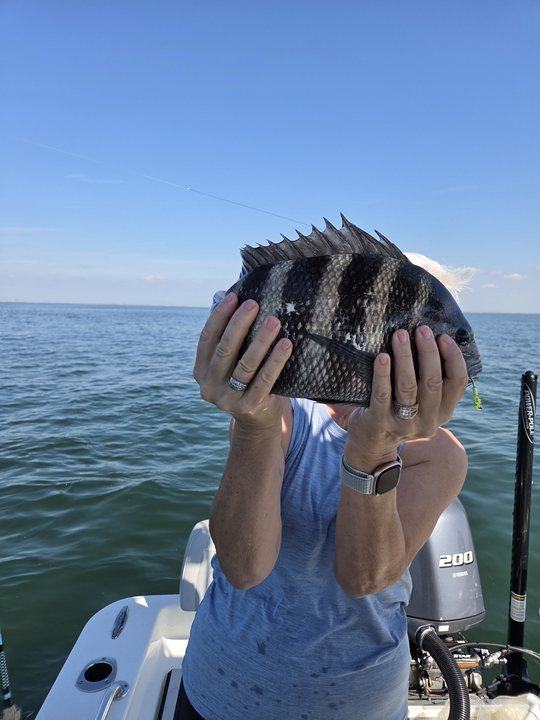
Sheepshead earn their nickname as the "convict fish" thanks to distinctive black stripes, but anglers know them as the ultimate light-tackle challenge. These structure-loving fish have human-like teeth designed for crushing barnacles and crabs, requiring precise bait presentation and lightning-fast hook sets. Sheepshead typically weigh 2-8 pounds around Tampa Bay and provide excellent table fare for successful anglers. They're year-round residents but bite best during cooler months when they school up around bridges, docks, and rock piles. What makes sheepshead fishing so rewarding is the technical skill required—you'll learn to feel subtle bites, maintain proper bait position, and develop the timing needed for consistent hook-ups.
Snook fishing represents the holy grail for many Tampa Bay anglers, and these ambush predators deliver heart-stopping strikes when conditions align. Currently under harvest moratorium, snook provide catch-and-release excitement with their explosive surface strikes and acrobatic fights. These silver-sided predators love structure and moving water, positioning themselves in current breaks where baitfish get swept past their hiding spots. Snook fishing teaches patience and precision—they're moody fish that require exact bait placement and can turn on or off based on subtle environmental changes. When they do feed, snook provide some of the most visual and exciting fishing in Tampa Bay, often striking baits right at the surface near mangrove shorelines.
Tripletail offer one of fishing's most unique experiences, as these oddly-shape
 5.0(2 Reviews)
 Private Trip
 Inshore Fishing
 Tampa Bay


 Four-hour guided fishing charter targeting redfish and Spanish mackerel