Family-Friendly Inshore Fishing Charter North Carolina
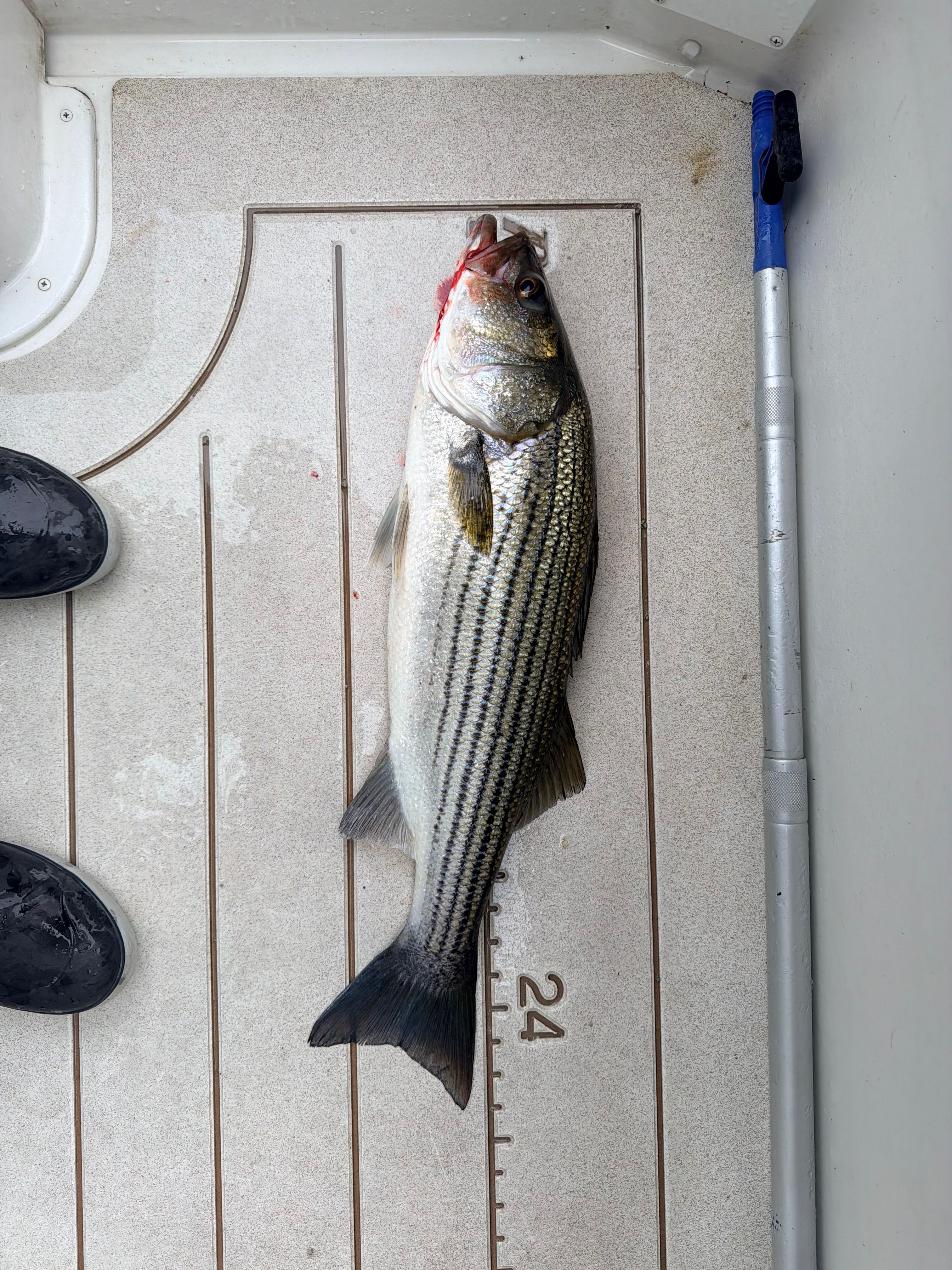
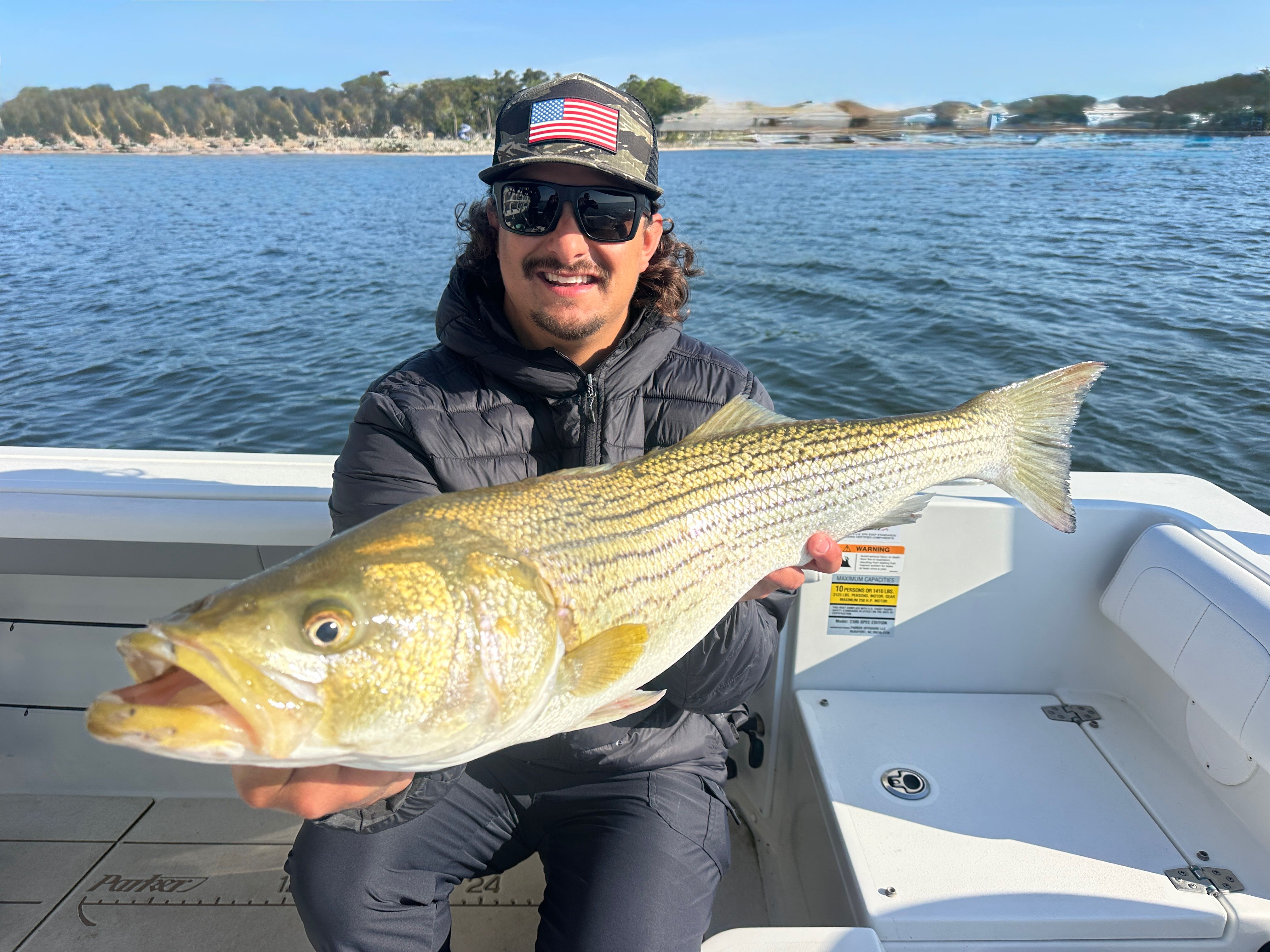
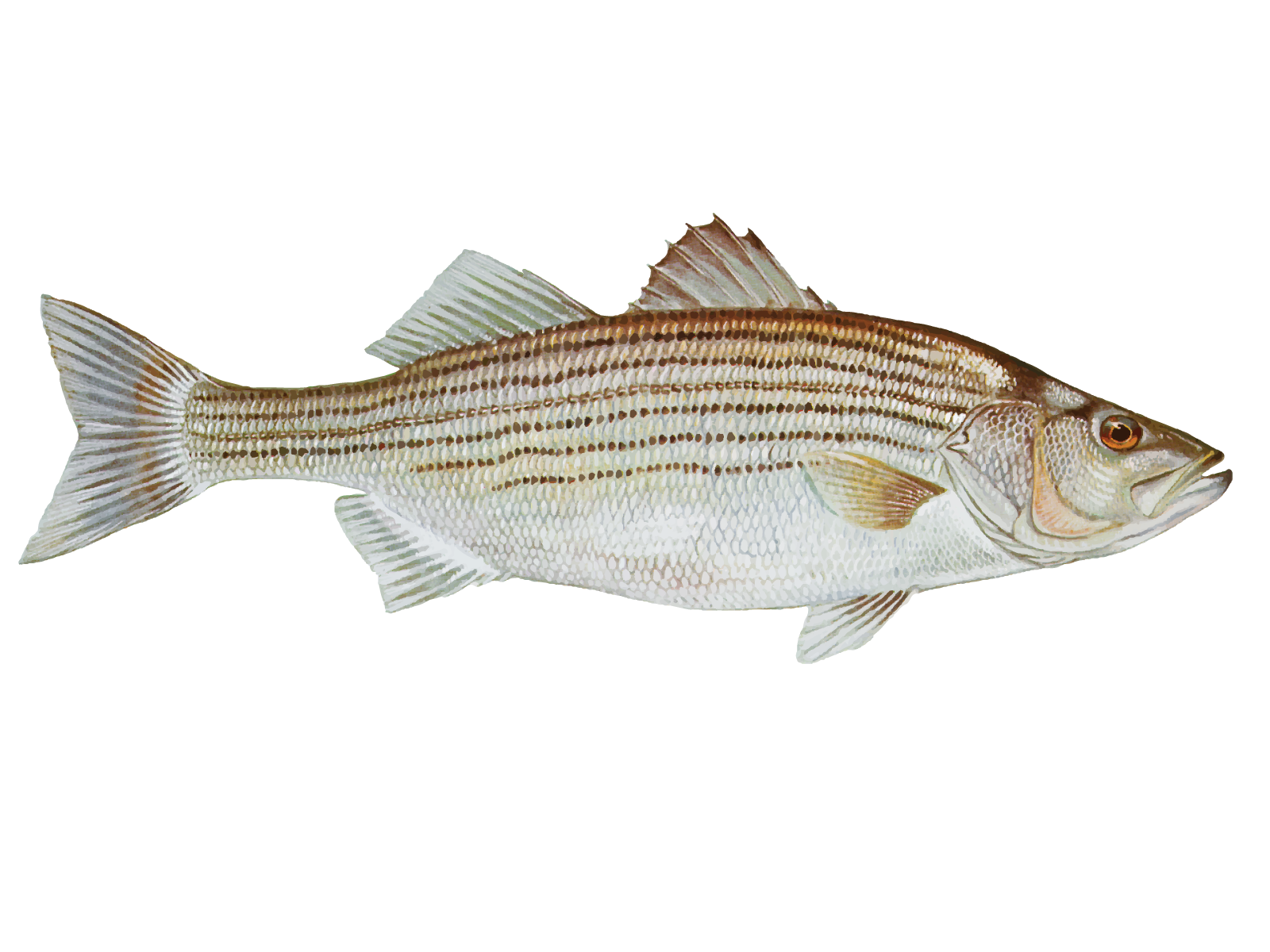
Captain Dave's family-friendly inshore fishing charter in North Carolina brings together everything you need for an outstanding day on the water. Running from October 15 through July 31, these guided trips are perfect for families looking to introduce kids to fishing or seasoned anglers wanting to target multiple species in one outing. You'll fish the productive waters around North Carolina's inshore flats, marsh grass, docks, and structure where redfish, sea trout, flounder, bluefish, striped bass, and black drum call home. With fishing licenses included for up to three guests, plus all rods, tackle, and gear provided, you can focus on what matters most—enjoying quality time with your crew while learning from an experienced captain who knows these waters inside and out.
What to Expect on the Water
Your adventure starts when you meet Captain Dave at the launch, where he'll assess conditions and head to the spots that are fishing best that day. These aren't cookie-cutter trips—every outing is tailored to current weather, tides, and where the fish are holding. You'll move between several productive areas during your time out, from shallow grass flats where redfish cruise to deeper structure that holds striped bass and black drum. The captain provides hands-on instruction for everyone aboard, whether you're helping a five-year-old with their first cast or fine-tuning your technique for targeting speckled trout around docks. The boat stays comfortable with a maximum of three guests, so there's plenty of room to fish without getting tangled lines or feeling crowded. Each spot offers something different—you might start the morning working topwater lures over grass beds, then switch to bottom rigs around bridge pilings, and finish by casting soft plastics along marsh edges where multiple species feed.
Techniques & Tackle Setup
Captain Dave comes prepared with a full arsenal of tackle and techniques to match whatever the fish are doing. You'll use everything from live bait rigs for bottom-dwelling flounder and black drum to artificial lures that trigger aggressive strikes from redfish and sea trout. The approach changes based on the season, conditions, and target species—spring trips might focus on shallow-water sight fishing for reds, while fall outings could involve working deeper channels for striped bass. All rods are rigged and ready, with the captain explaining how each setup works and why certain presentations work better in different situations. Kids get scaled-down gear that's easy to handle, while adults can try more advanced techniques if they're interested. You'll fish around a variety of structure types that North Carolina's inshore waters are famous for—old dock pilings, bridge supports, oyster bars, and grass lines that concentrate baitfish and the predators that feed on them. The captain reads the water constantly, adjusting tactics based on what he's seeing and how fish are responding.
Customer Stories
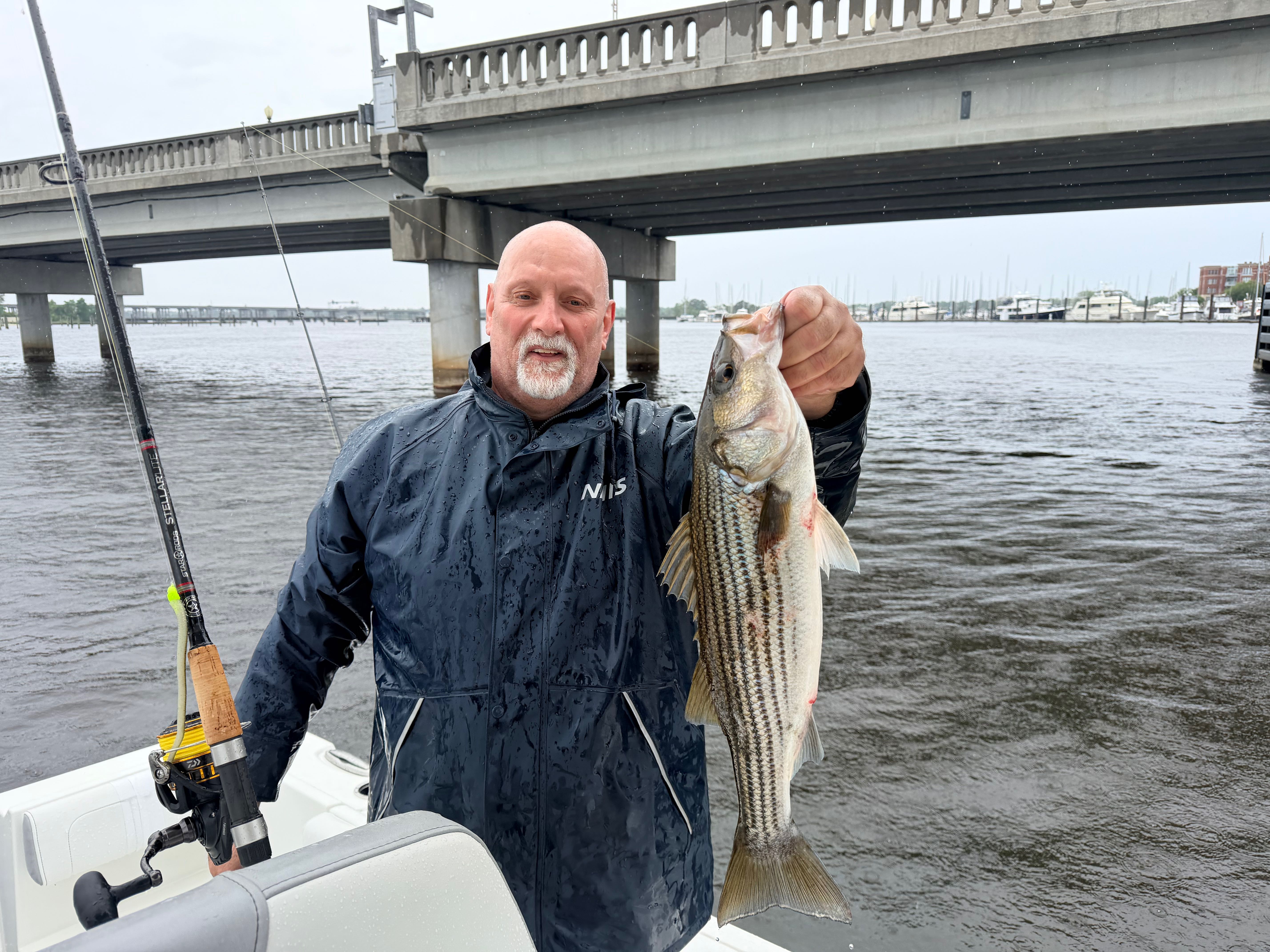
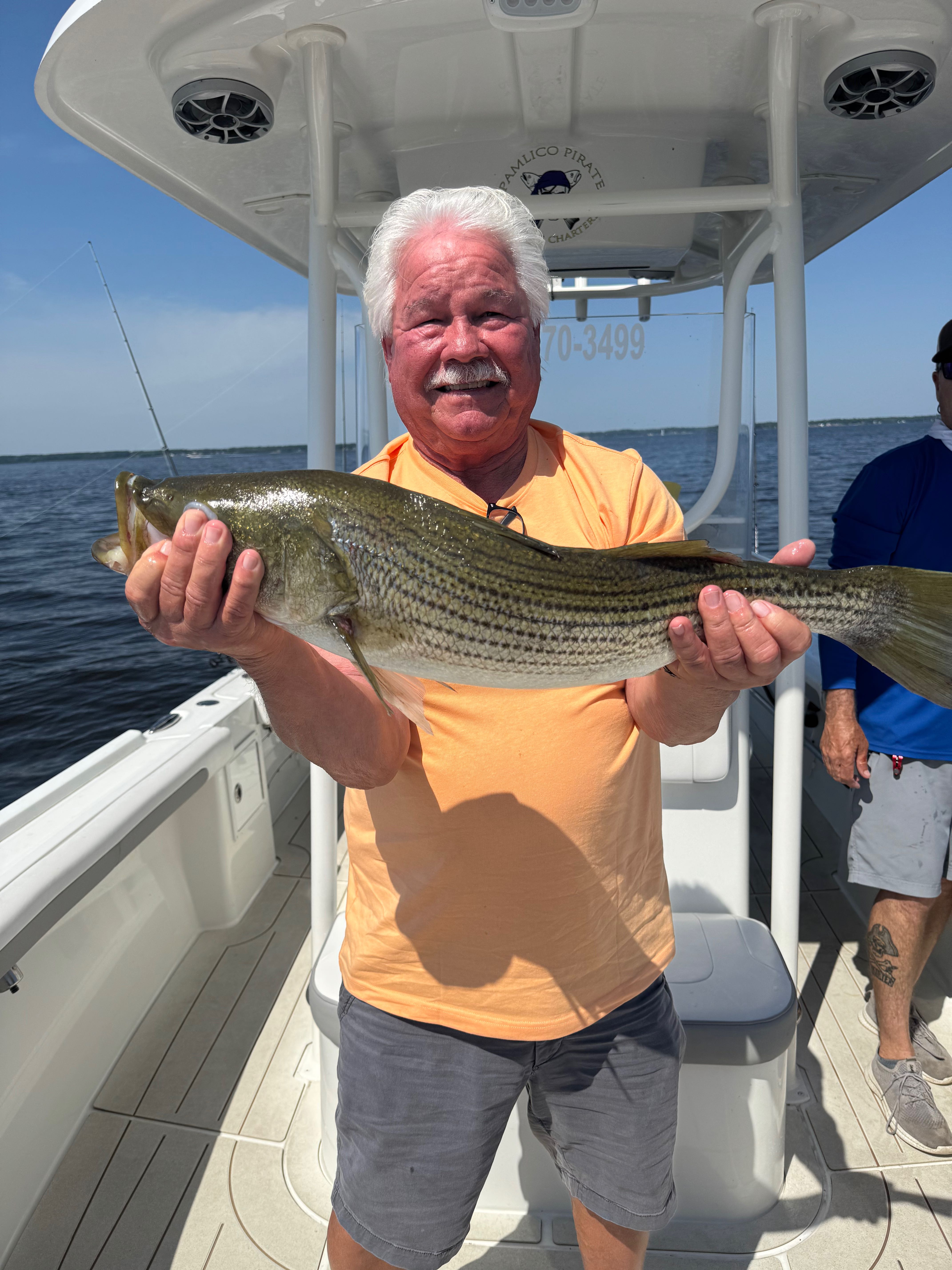
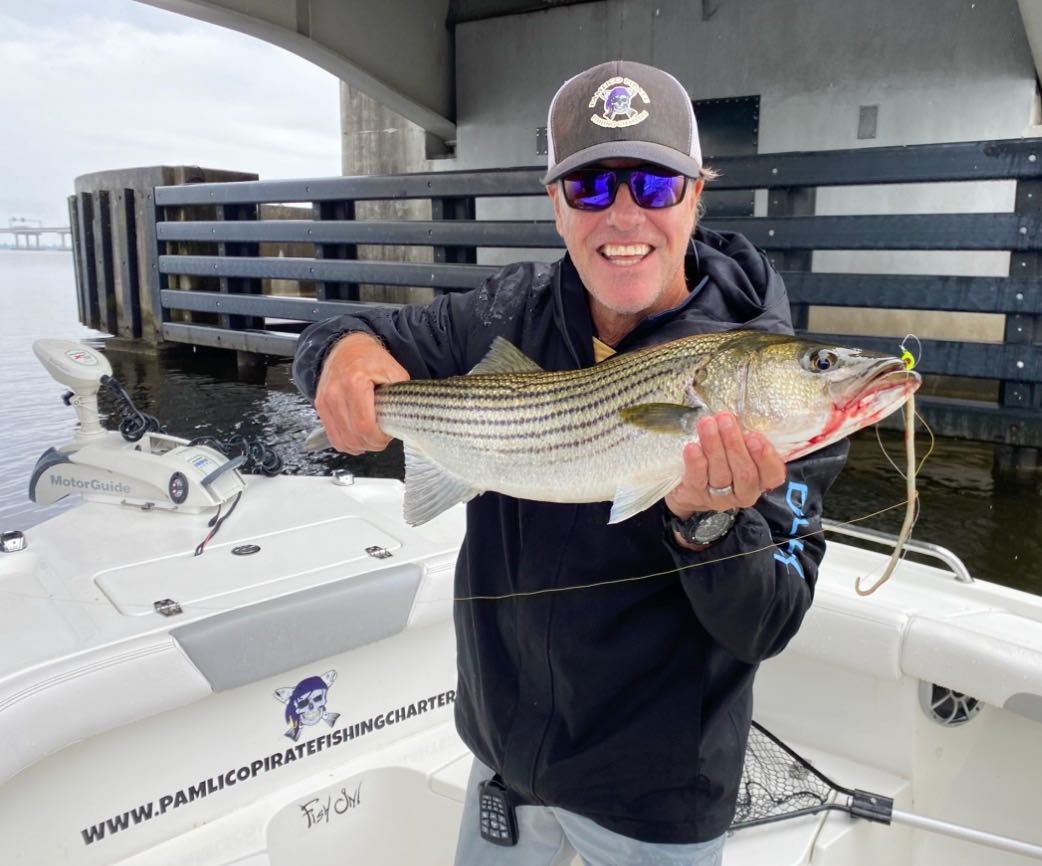
"My son and I met Capt Dave at the Bridgeton Ramp just north of New Bern due to the weather conditions and where the fish were projected to be. For the first half of the trip, it was overcast with a slight breeze and spotty light rain, and the second half was just rainy. Capt Dave took us to the railroad trestle, and we fished around the pylons. We got a few hits, and my son caught two stripers. We were one day past the season, so we had to throw them back. We also got a couple of big blue hits, but weren't able to set the hook. We tried another area for blues around the Trent River bridge and another area for red drum. Given the drought (water salinity) and generally poor weather conditions (cool temperature and rain), the fish were just not interested in anything we were offering. Capt Dave really tried to get us fish by trying different places and different lures, but some days the fish just aren't interested. I guess that's why it's called fishing and not catching! Capt Dave did a great job, and we've decided to come back another time." - Stanley Stasiewicz
Species You'll Want to Hook
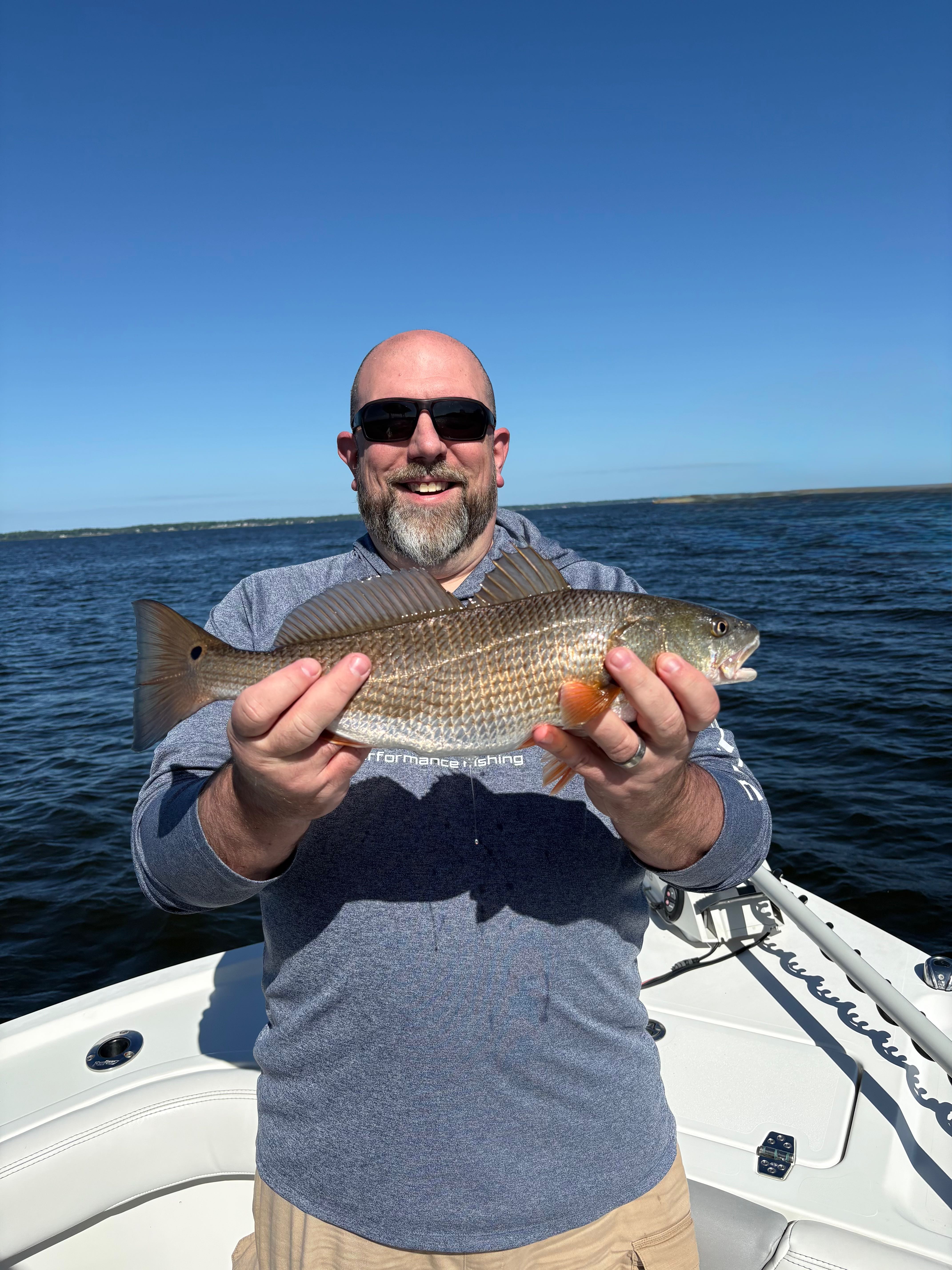
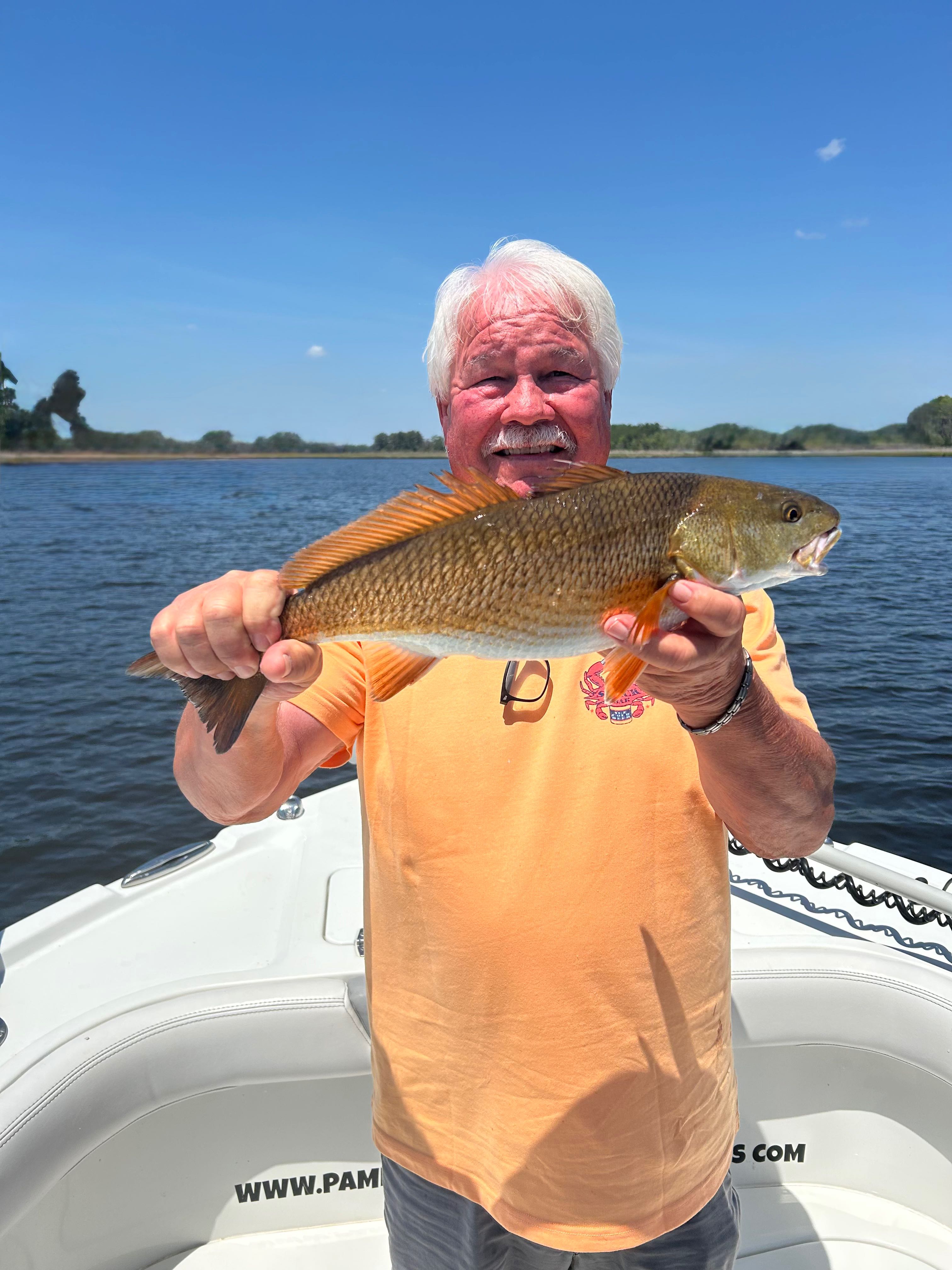
Redfish are the crown jewel of North Carolina inshore fishing, and these copper-colored fighters provide some of the most exciting action you'll find in shallow water. These fish average 18-27 inches in the slot limit, with plenty of oversized bulls mixed in during fall months. Reds feed aggressively in skinny water around grass flats and oyster bars, often giving away their location with wakes and tails sticking out of the water. They hit hard and fight even harder, making long runs and using their broad sides to pull drag. Spring through fall offers the best action, though winter fishing can be productive when you find schools in deeper holes.
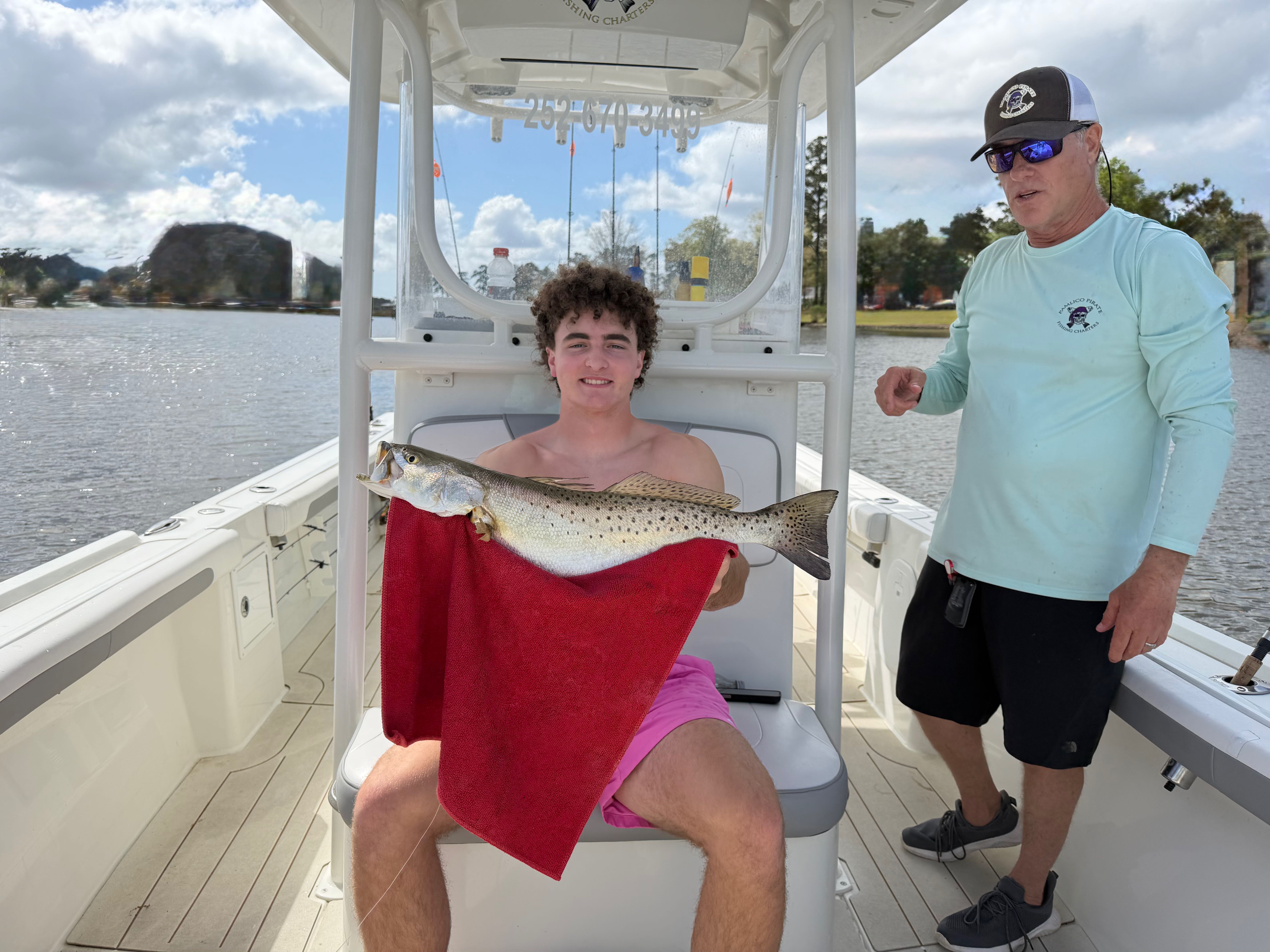
Sea trout, locally called specks, are abundant in North Carolina's estuaries and offer consistent action for families. These beautiful fish with distinctive spots along their sides typically run 12-18 inches, with occasional gator trout exceeding 20 inches. They're cooperative biters that respond well to both live bait and artificial lures, making them perfect for kids learning to fish. Specks prefer areas with moving water around grass beds, docks, and channel edges, and they feed actively during low-light periods. Their soft mouths require a gentle touch when fighting them, teaching young anglers proper fish-handling techniques.
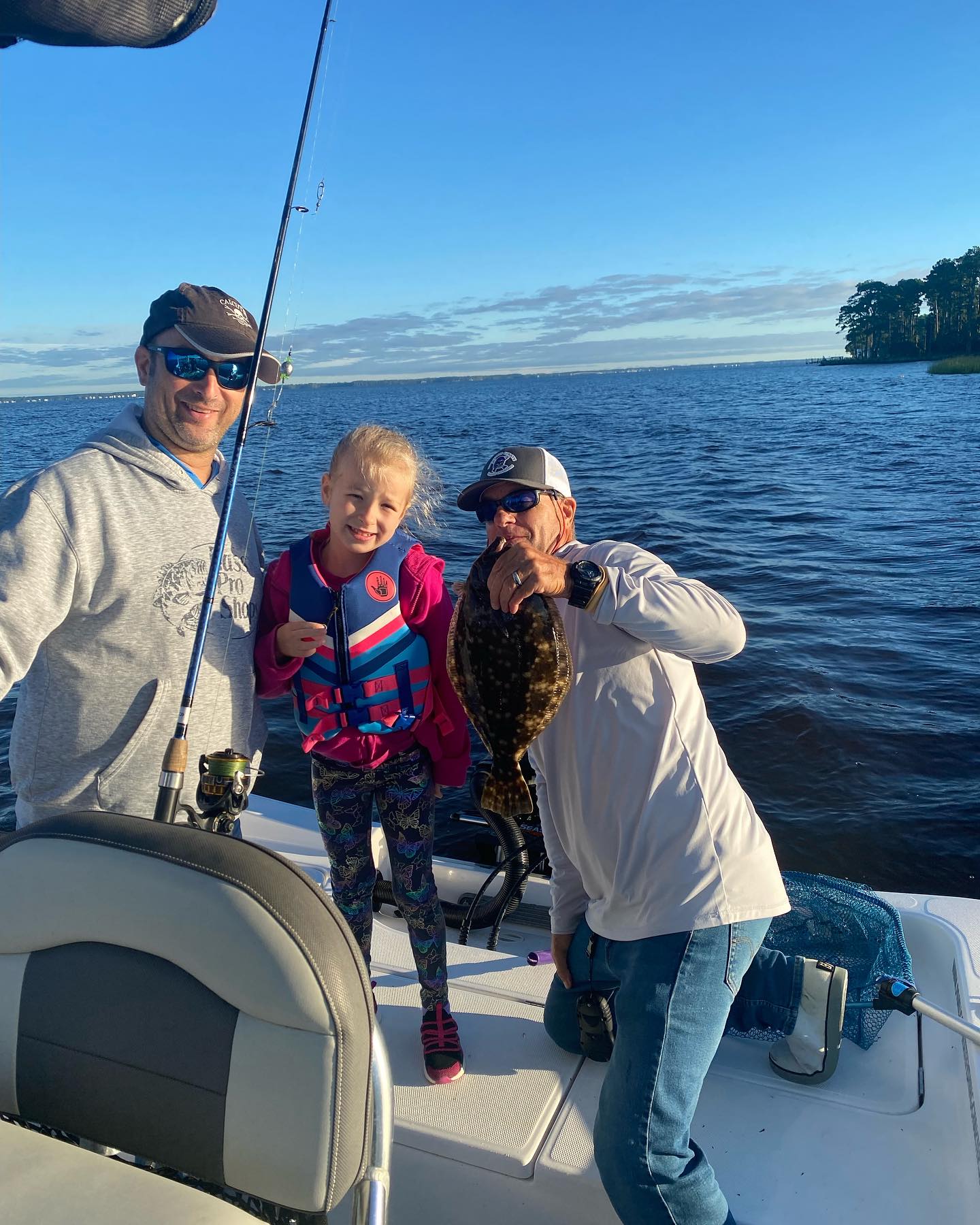
Flounder are the masters of camouflage, lying flat on sandy bottoms waiting to ambush passing baitfish. These "flatties" provide a different type of fishing challenge, requiring patience and the right presentation to entice strikes. North Carolina flounder can reach impressive sizes, with keeper fish starting at 15 inches and doormat-sized specimens exceeding 20 inches not uncommon. They're excellent table fare, making them a favorite target for families who want to take home dinner. Fall migration periods offer the best shot at larger fish as they move toward inlet areas.
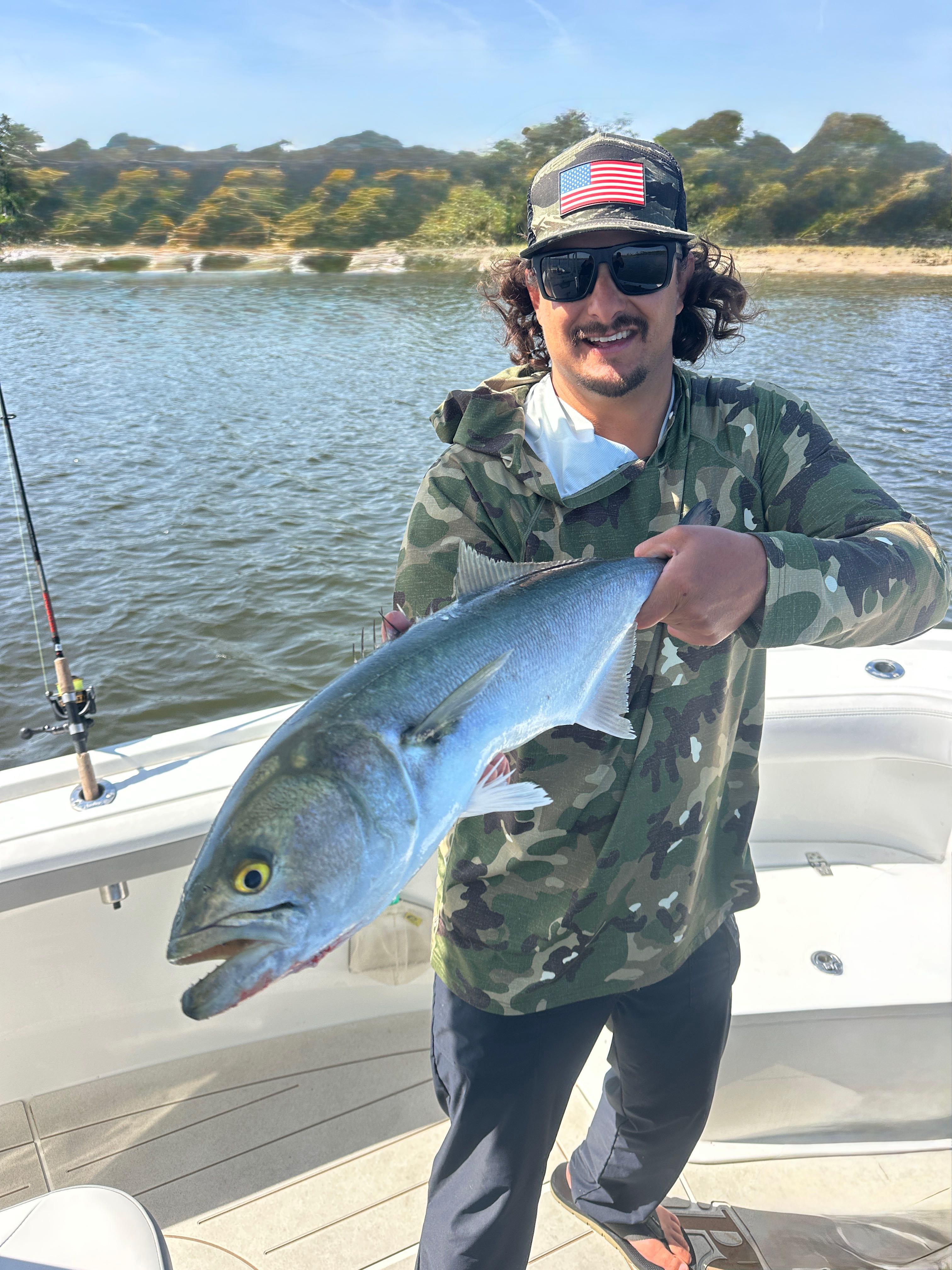
Bluefish earn their reputation as some of the most aggressive predators in North Carolina waters, attacking lures with reckless abandon
 5.0(1 Reviews)
 Private Trip
 Inshore Fishing
 North Carolina



 Family-friendly inshore charter targets six popular species year-round