8-Hour Yellowstone Backcountry Fishing Adventure
When you're looking for world-class trout fishing away from the tourist crowds, this 8-hour charter into Yellowstone's backcountry is exactly what you need. We're talking about walking into some of the most pristine waters you'll ever cast a line in – places where the fish haven't seen a fly in weeks, maybe months. This isn't your typical roadside fishing trip. We'll hike off the beaten path to reach secluded streams and alpine lakes where native trout have been thriving for generations. You'll get a full day of one-on-one instruction while we explore waters that most visitors never even know exist.
What to Expect on the Water
Yellowstone's two million acres hold more fishable water than you could cover in ten lifetimes, and that's what makes this trip so special. We'll spend the day walk-wading through pristine streams and rivers – no boats allowed in the park, which keeps things wild and authentic. Your day starts early as we hike into backcountry spots where the fishing pressure is practically zero. The water here runs crystal clear, and you'll be amazed at how spooky these fish can be in the gin-clear conditions. Between fishing spots, I'll share stories about the park's history and the incredible ecosystem that supports these healthy trout populations. We'll break for a streamside lunch where you can soak in the scenery and talk through the morning's action. This is fly fishing the way it was meant to be – just you, the water, and some of the smartest trout on the planet.
Techniques & Gear Setup
Fishing Yellowstone's backcountry requires a different approach than your typical lake fishing. We'll be using fly rods exclusively, focusing on techniques that work in these unique conditions. Dry fly fishing is king here during the right hatches, but we'll also work nymph rigs and streamers depending on what the fish are telling us. The water clarity means long, light leaders and smaller flies than you might expect. I'll teach you how to read the water in these mountain streams – where the fish hold, how the current breaks work, and why that undercut bank is pure gold. We'll cover proper wading technique since these rocky bottoms can be tricky, and I'll show you how to approach spooky trout without spooking the entire pool. The high elevation means the fishing can change quickly with weather, so we'll adjust tactics throughout the day based on conditions.
Species You'll Want to Hook
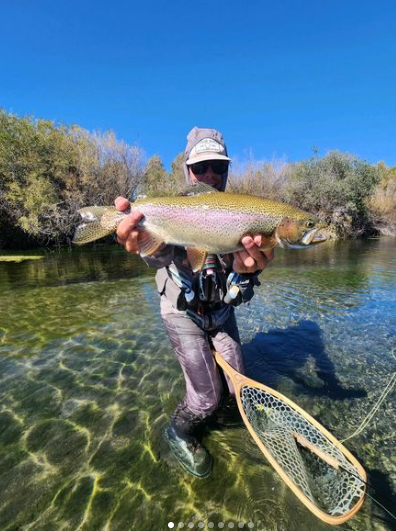
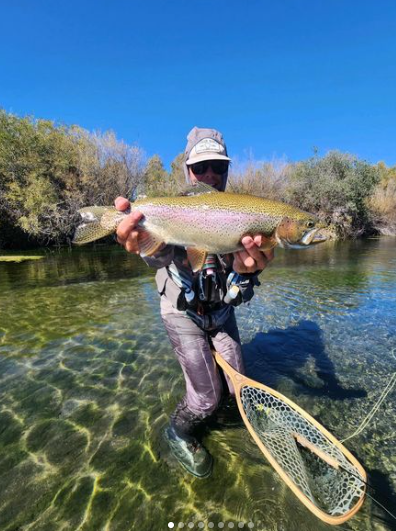
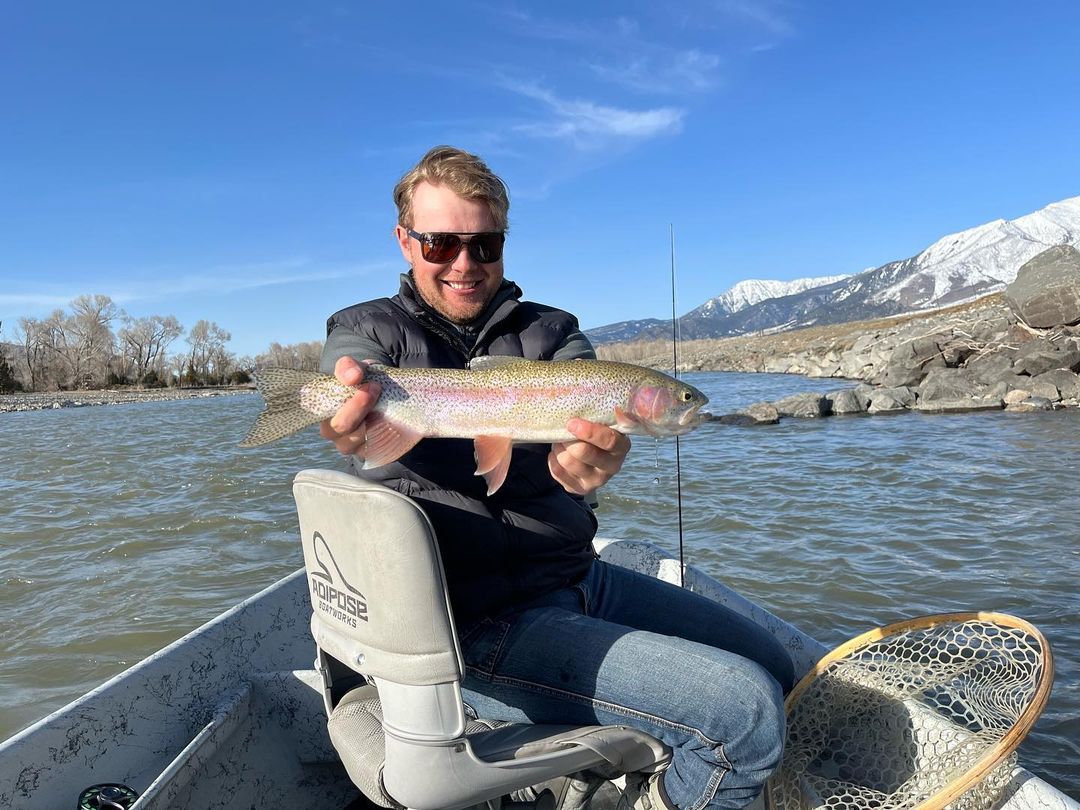
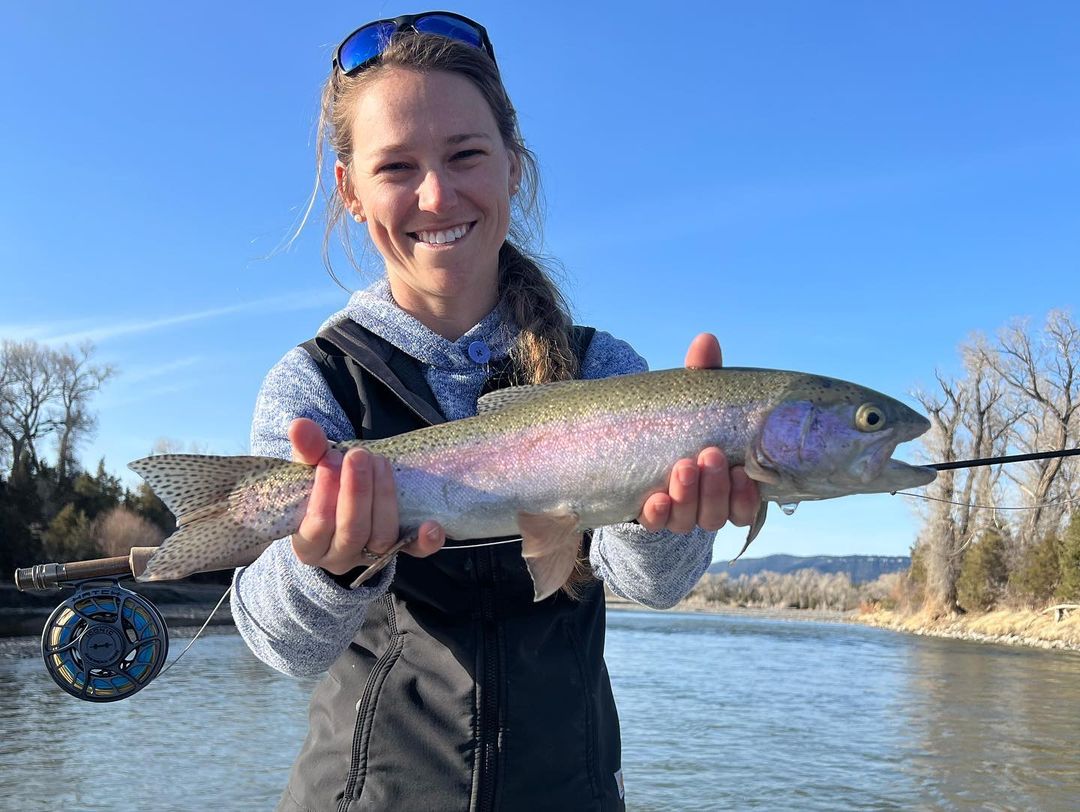
Rainbow Trout are the acrobats of Yellowstone's waters, and hooking one here is something special. These fish average 12-16 inches but fight like they're twice that size. They love the faster water and will absolutely hammer a well-presented dry fly during evening hatches. Peak season runs from late June through September, and these rainbows have that classic silver-bright coloration that only comes from pristine water. What makes them exciting is their aggressive feeding behavior – when they're on, they're really on.
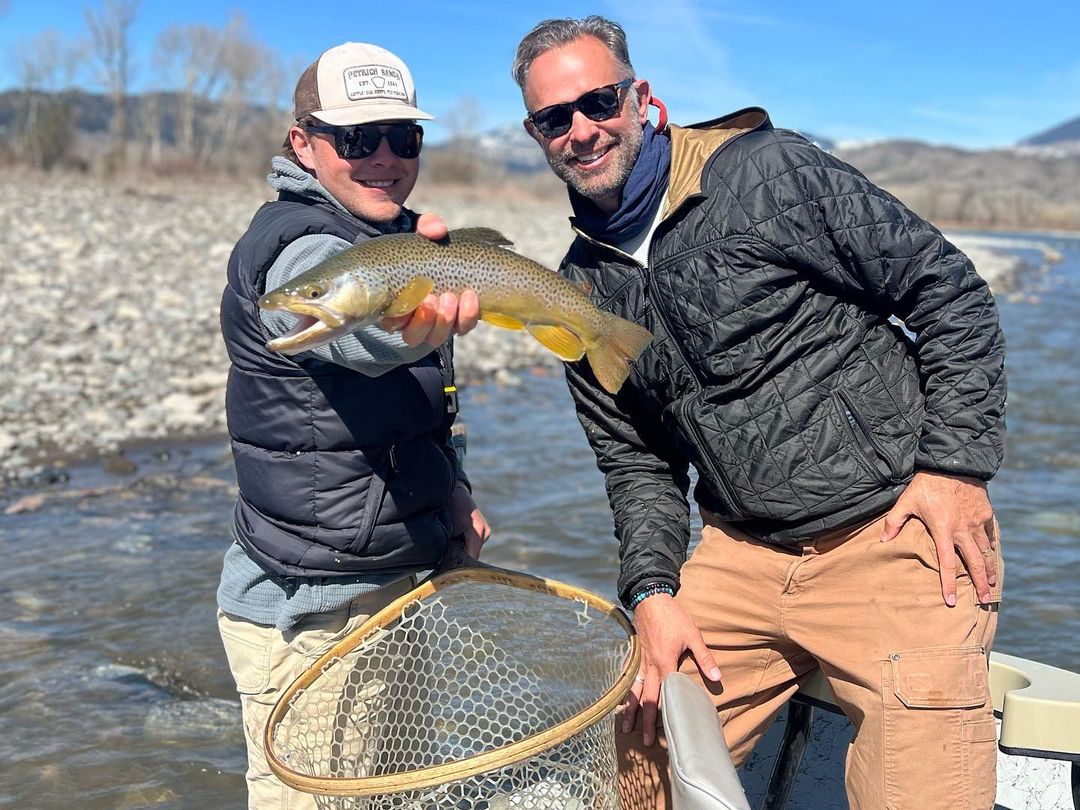
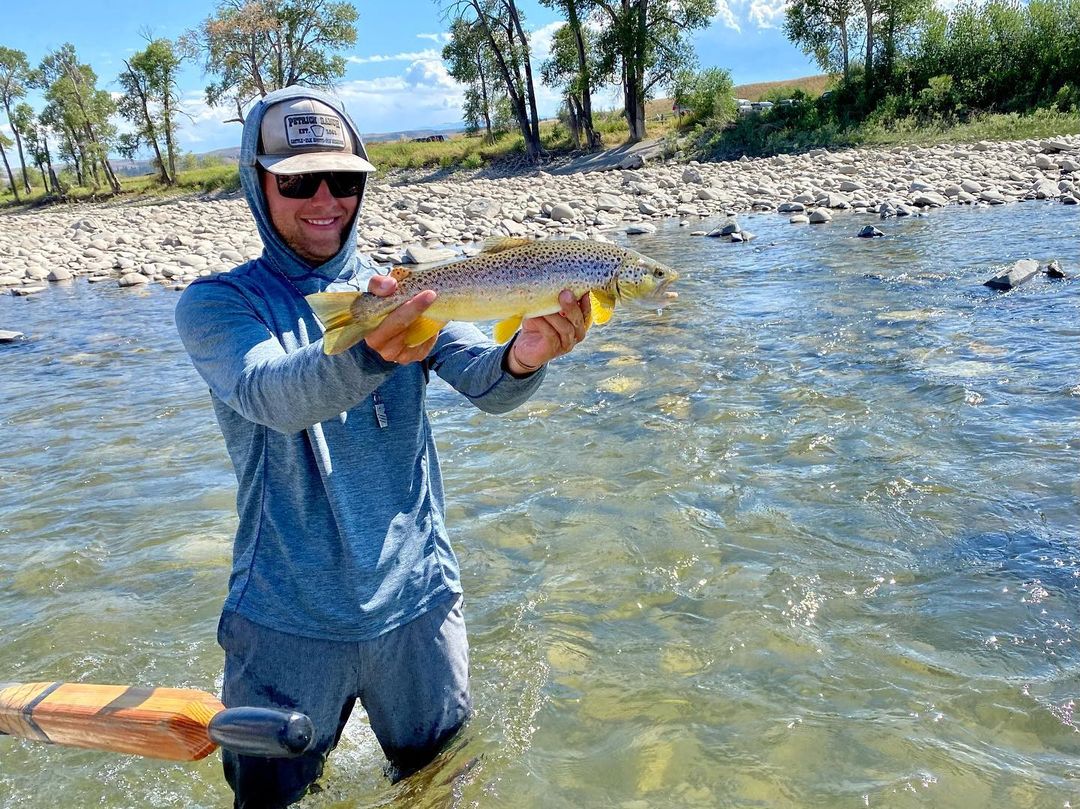
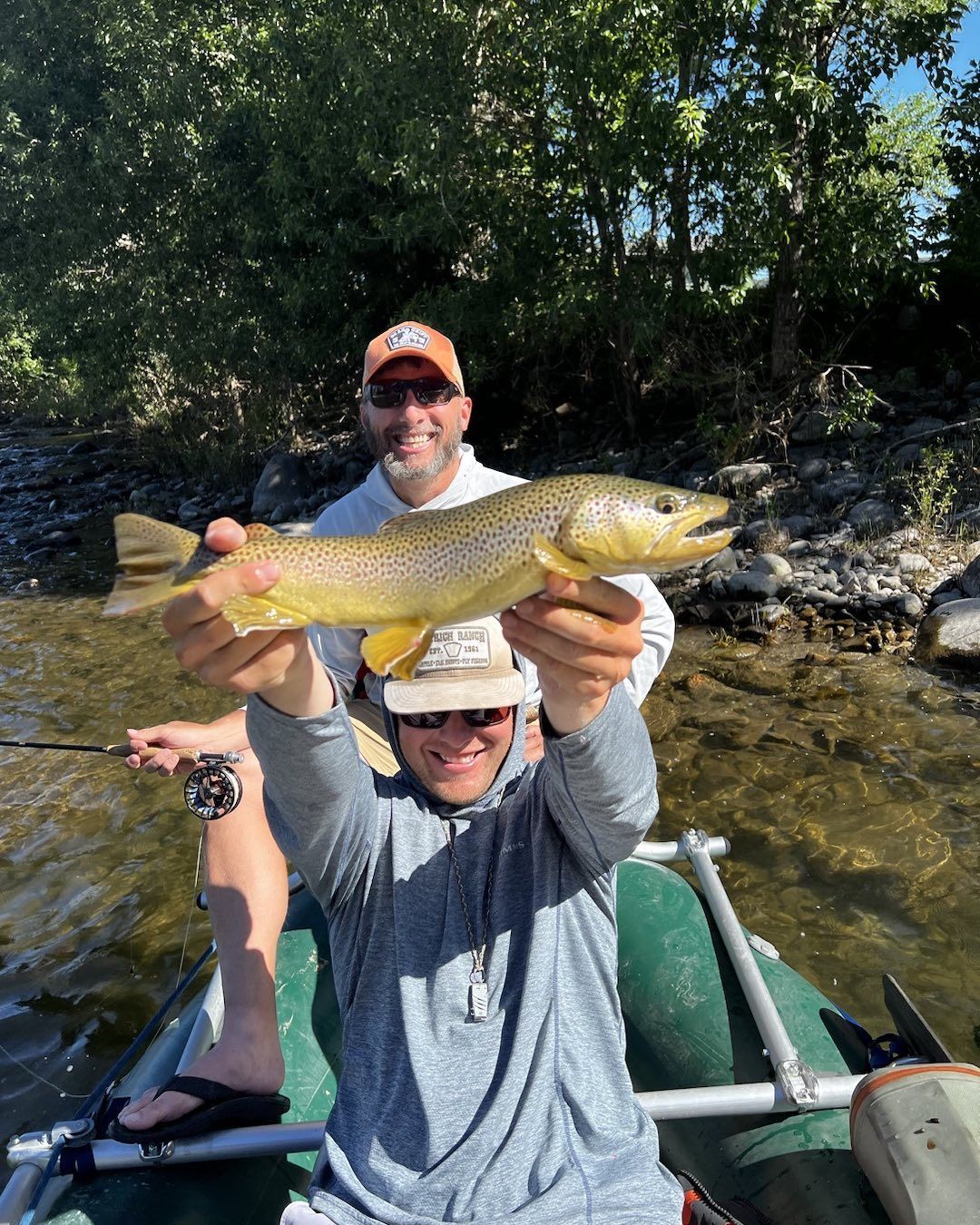
Brown Trout in Yellowstone are the smartest fish you'll encounter, hands down. These guys can live over a decade and grow to impressive sizes, with 18-20 inchers not uncommon in the right spots. They're most active during low-light periods, making early morning and late evening prime time. Browns are notorious for following flies without committing, so you'll learn patience and precision. Fall is when they really turn on as they prep for spawning, but catching one any time of year is a badge of honor among serious anglers.
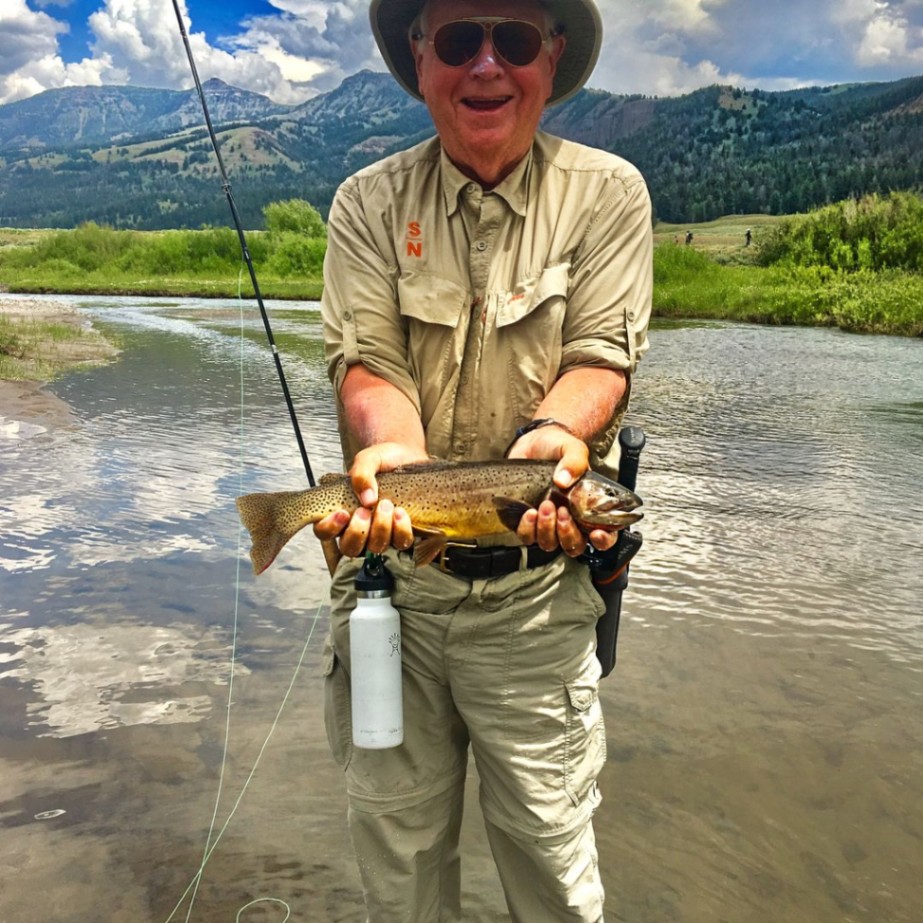
Cutthroat Trout are Yellowstone's natives and absolutely gorgeous fish. The Yellowstone cutthroat subspecies is found nowhere else on earth, making every catch special. They typically run 14-18 inches and have those distinctive red slashes under their jaws. These fish are more willing to eat than browns but still require good presentation. They thrive in the park's high-elevation waters and are most active from July through early October. Catching a native cutthroat in its home water is what fly fishing dreams are made of.
Brook Trout might be the prettiest fish swimming in Yellowstone's waters. While they're not native, they've established populations in some of the park's remote lakes and streams. These char typically run smaller – 8-12 inches – but their colors are absolutely stunning, especially during fall. They're aggressive feeders and will often save the day when other species are being finicky. The hike to reach good brook trout water is usually worth it for the scenery alone.
Time to Book Your Spot
This top-rated backcountry experience fills up fast, especially during peak season when the fishing is at its best. You're getting exclusive access to some of Yellowstone's most productive waters with a guide who knows exactly where to find fish when others are striking out. The combination of expert instruction, pristine fishing locations, and the chance to catch native species makes this a customer favorite year after year. Whether you're new to fly fishing or a seasoned angler looking for that next-level experience, this 8-hour adventure delivers. Don't wait – the best dates book months in advance, and you don't want to miss your chance to fish some of the most renowned trout water in the world.
 Private Trip
 Backcountry Fishing
 Livingston, MT


 Eight-hour guided fly fishing charter in Yellowstone's pristine waters