Montana Fishing | 8 Hour Charter Trip
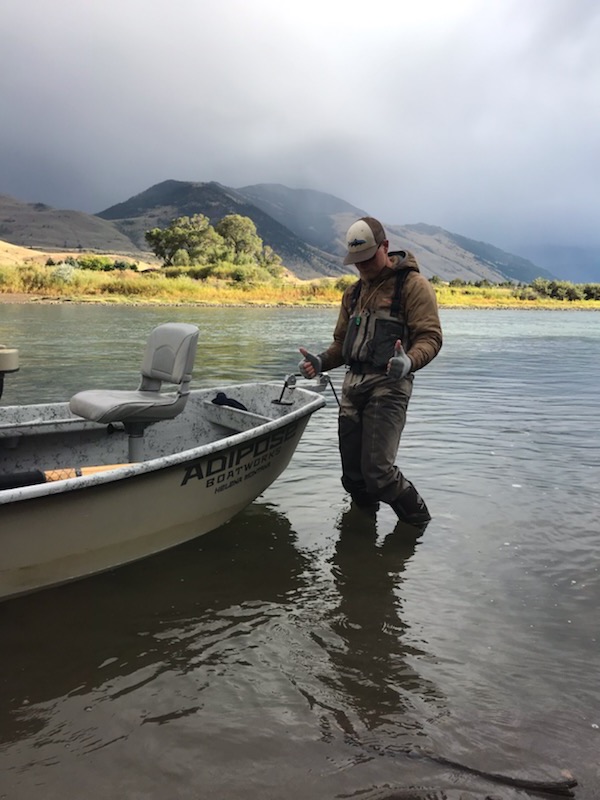
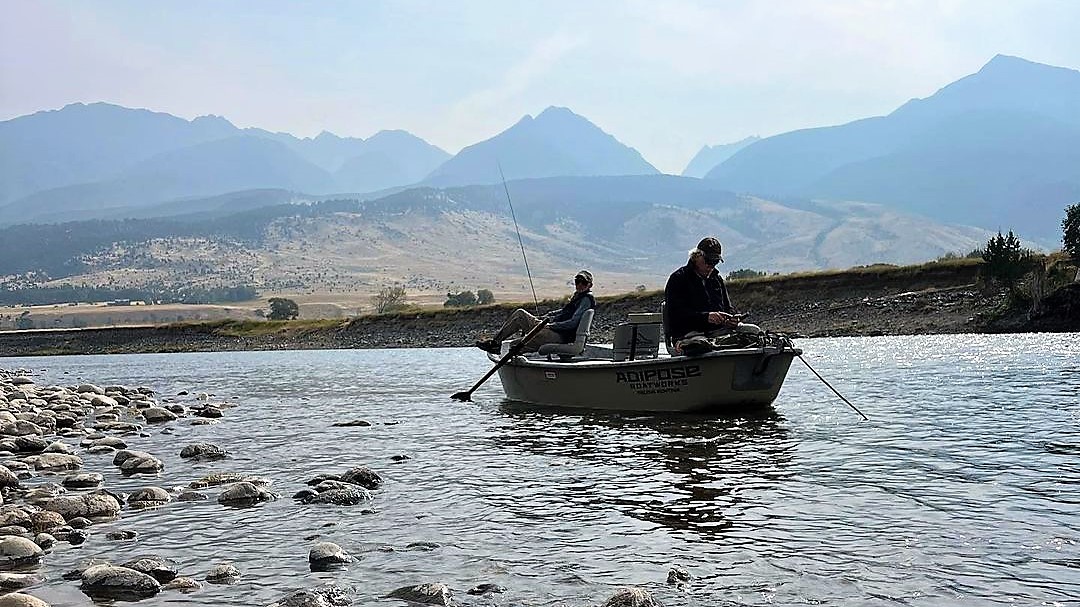
Picture this: you're drifting down nearly 100 miles of prime Montana water, casting big hoppers to rising trout while snow-capped peaks tower around you. That's what we're talking about when we say the Yellowstone River delivers world-class fishing. Flowing straight out of Yellowstone National Park, this legendary waterway offers some of the finest dry fly action you'll find anywhere in the West. Our 8-hour charter puts you right in the heart of it all, with lunch included and room for up to two anglers ready to experience what makes this river so special.
What to Expect on the Water
Your day starts early, but trust me - you'll be glad we got you out there when the fish are active. The Yellowstone runs clean and cold, creating perfect conditions for quality trout fishing from late spring through early fall. We're not just talking about catching fish here; we're talking about dry fly paradise. When those hoppers start hitting the water in summer, the action gets downright addictive. You'll spend most of your time sight-fishing to rising browns and rainbows, watching them come up to crush your fly on the surface. Between productive stretches, keep your eyes peeled for elk, deer, and maybe even a bear wandering down for a drink. The scenery alone is worth the trip, but when you combine it with consistent fishing, you've got something really special. We'll float through different sections depending on conditions, but every stretch has its own character and fish populations.
Techniques & Tactics
This isn't your typical technical nymphing trip - though we'll have those flies ready if conditions call for it. The Yellowstone is famous for its hopper fishing, and summer months are when this technique really shines. We're talking size 8-12 foam hoppers, terrestrials, and attractor patterns that get fish looking up. Your casting doesn't need to be perfect, but accuracy helps when we're targeting specific risers or working the banks where big browns like to hunt. We'll provide all the gear you need, from 5-6 weight rods perfect for this water to a selection of proven local patterns. The boat gives us mobility to cover water efficiently and position you for the best shots at feeding fish. When the hopper bite slows down, we might switch to nymphs or streamers, but honestly, the surface action is usually so good you won't want to fish anything else. The key is reading the water and understanding where trout like to position themselves in this big river system.
Top Catches This Season
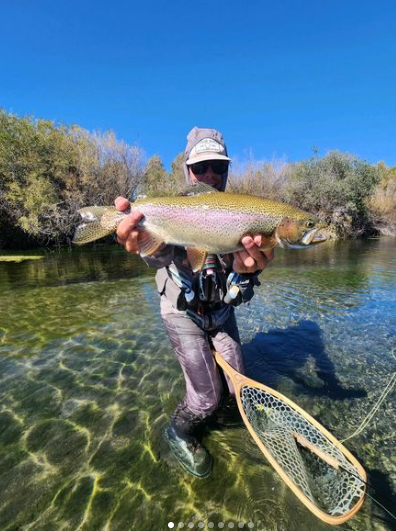
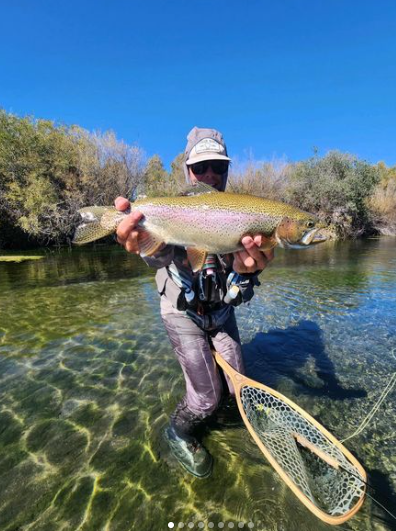
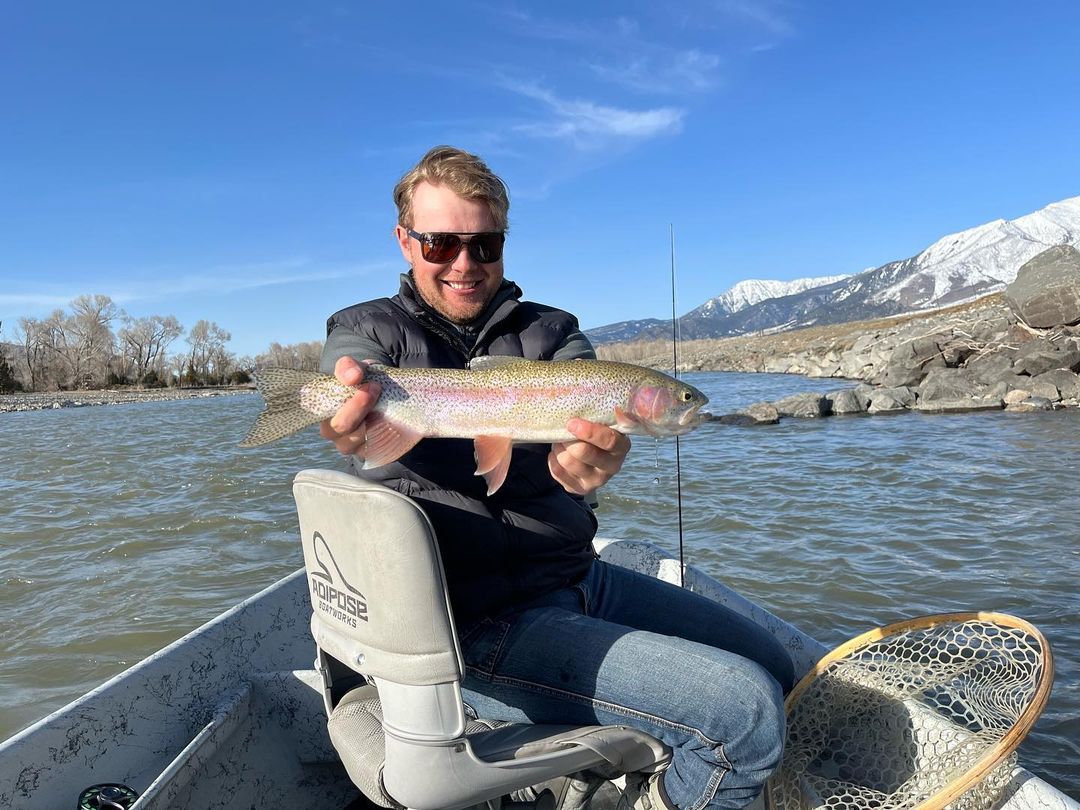
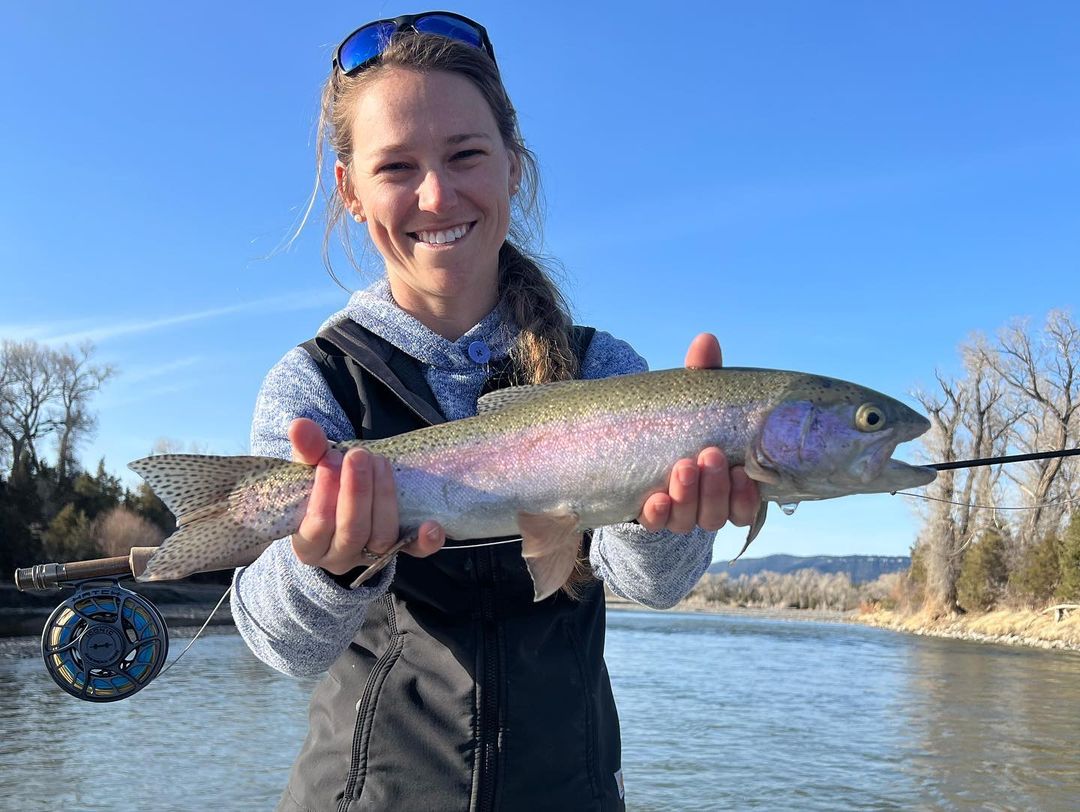
Rainbow Trout are the workhorses of this system, and they fight like they've got something to prove. These aren't your typical stocked rainbows - we're talking wild fish that average 14-16 inches with plenty of bigger ones mixed in. They hit hard and run fast, especially when they're feeding on the surface. Best action typically happens from June through September when insect activity peaks and water temperatures are ideal. What makes these fish special is their willingness to come up for dry flies and their aggressive nature once hooked. You'll find them throughout the river system, but they really concentrate in the deeper runs and along current seams where food gets funneled to them.
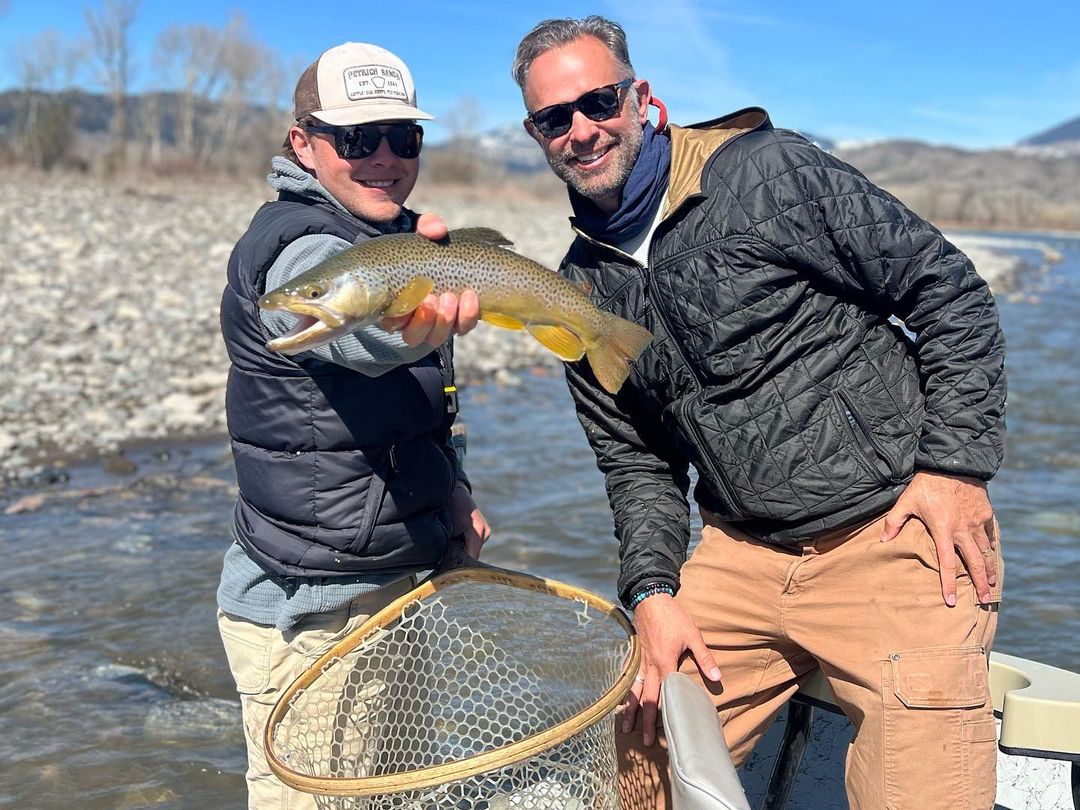
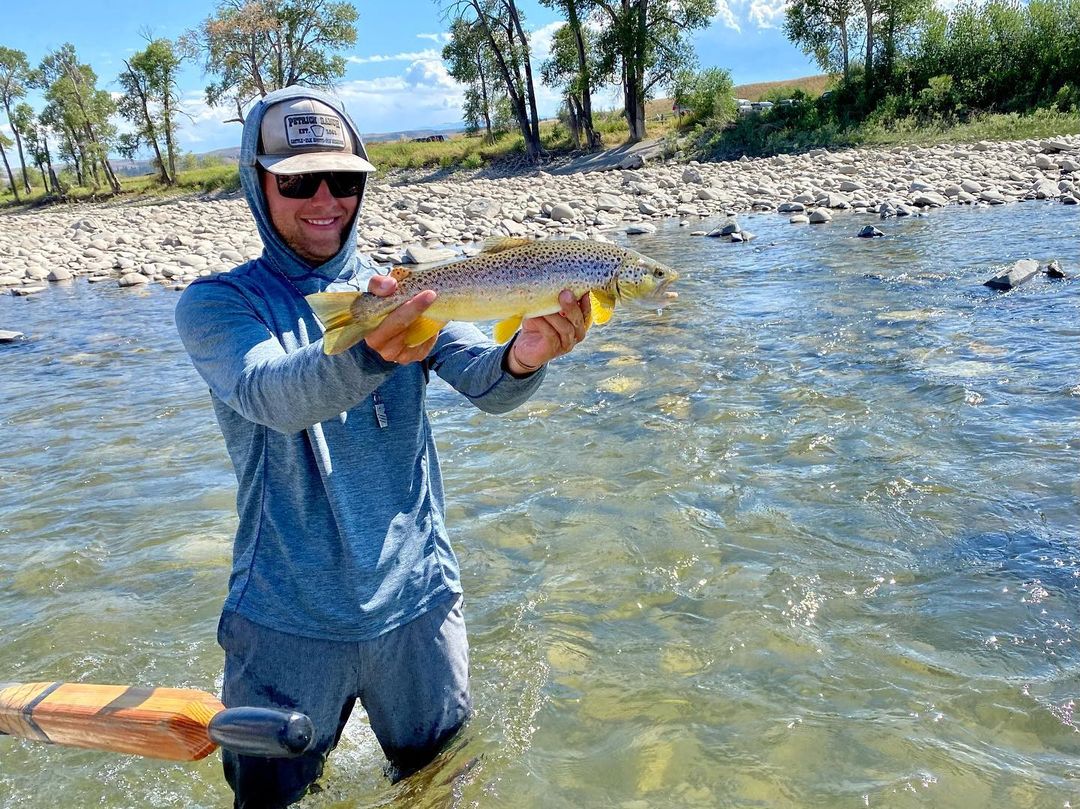
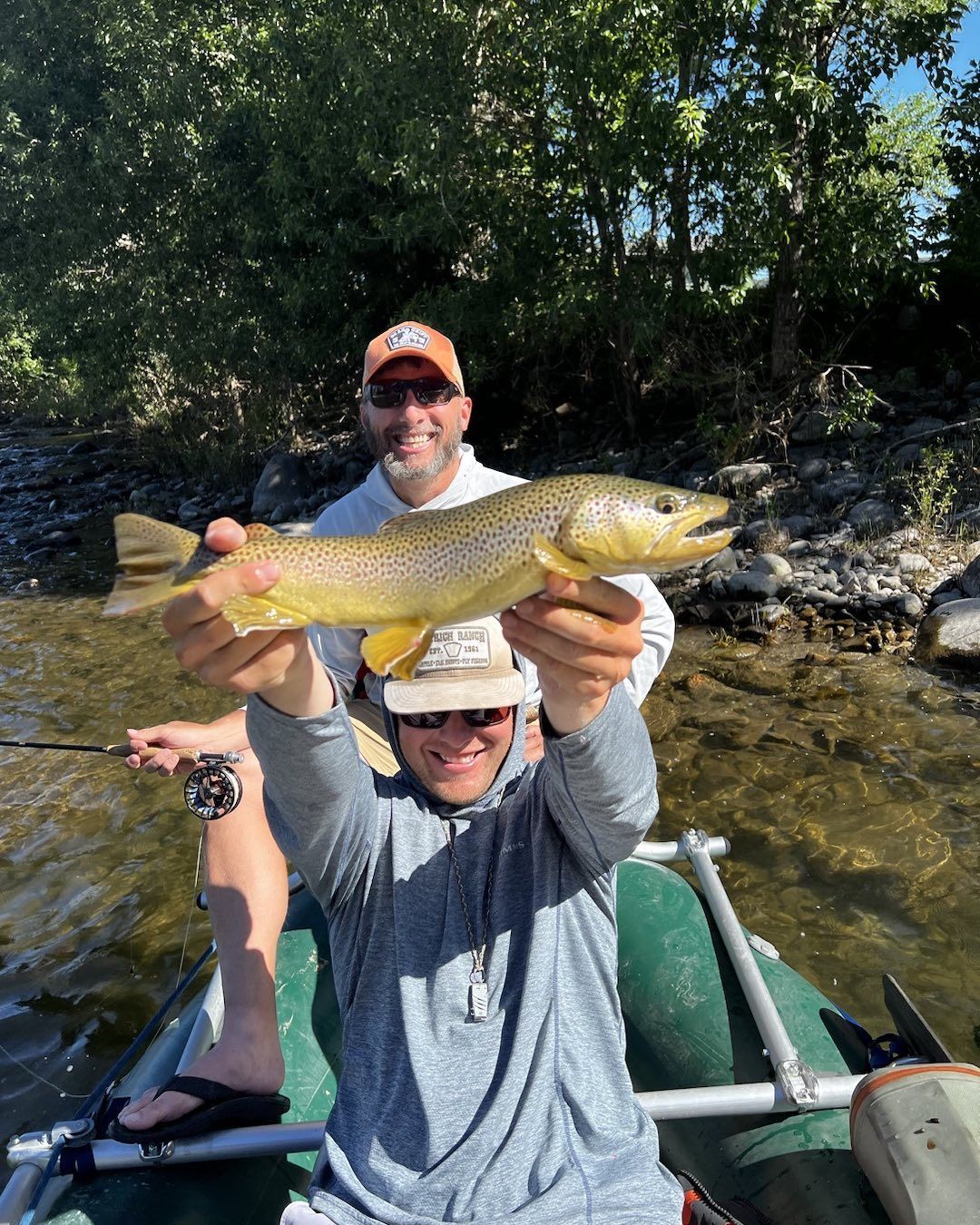
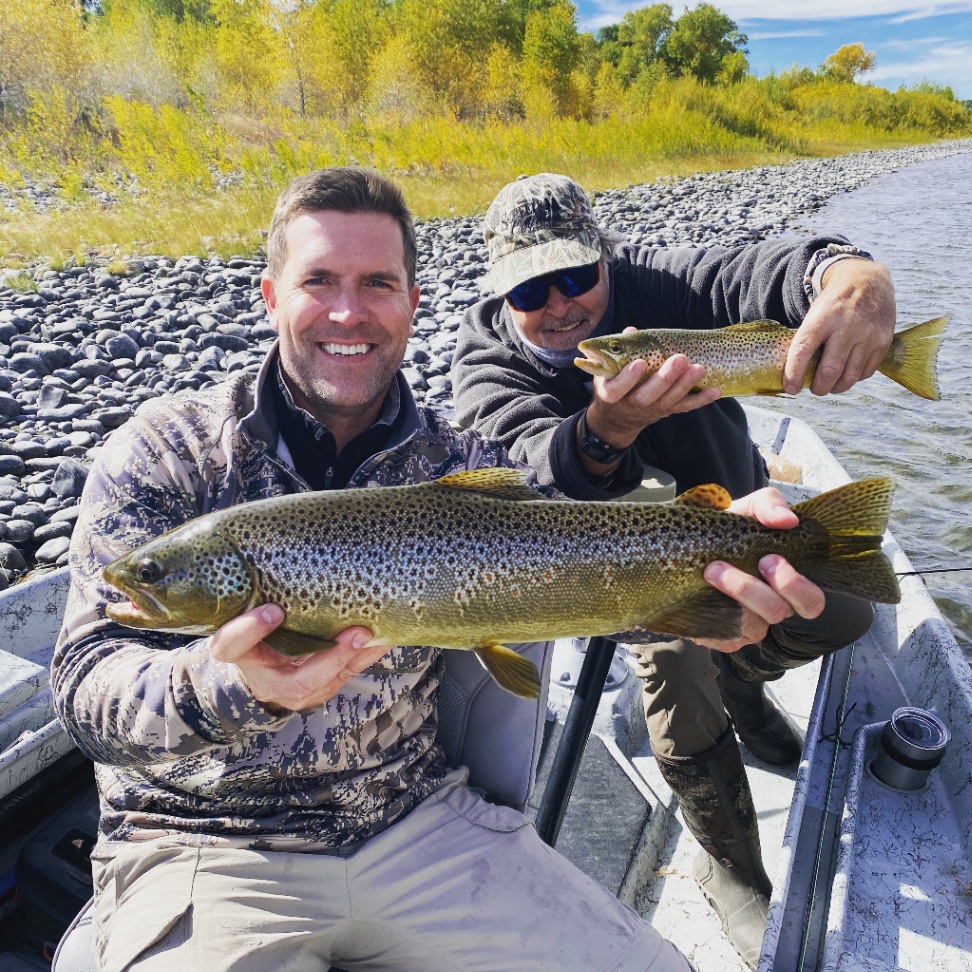
Brown Trout are the prize fish most anglers dream about. These guys can get seriously large, with 18-20 inchers being regular catches and fish over 22 inches always possible. Browns are more selective than rainbows, but when they decide to feed, they commit fully. They love structure - undercut banks, log jams, deeper holes - and they're notorious for crushing hoppers late in the day. Fall months can be phenomenal for browns as they start their pre-spawn feeding, but summer hopper fishing produces some of the most exciting surface strikes you'll ever see. These fish have serious attitude and the size to back it up.
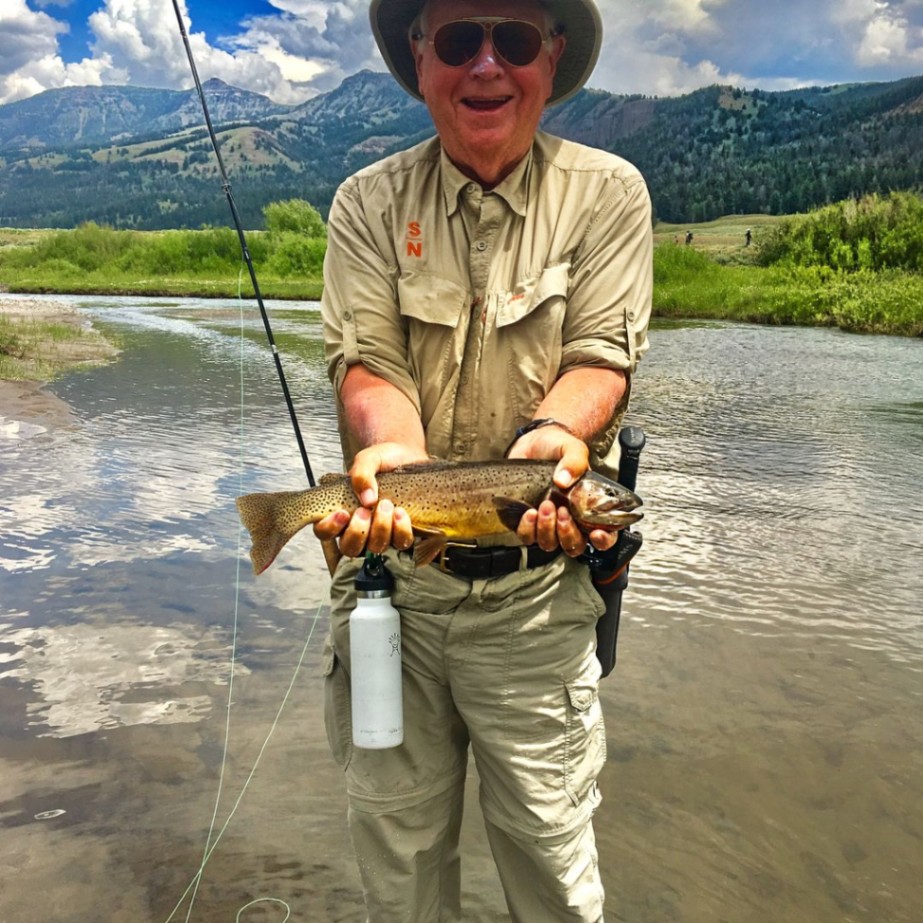
Cutthroat Trout bring that classic Western flavor to your day, with their distinctive red slash marks and eagerness to rise. They're typically smaller than the browns and rainbows, running 12-15 inches on average, but they make up for size with pure enthusiasm. Cutthroats are often the first to rise to your fly and the most willing to chase a well-presented hopper. They're native to this drainage, so catching them feels like connecting with the true spirit of Montana fishing. Look for them in the faster water and around rocky structure where they can dart out to grab insects.
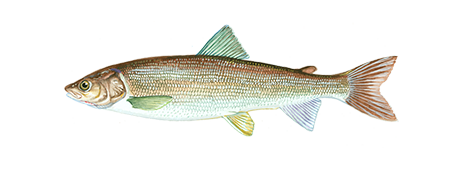
Mountain Whitefish might not be the target species, but they're part of the ecosystem and surprisingly fun on light tackle. These native fish hit nymphs aggressively and provide steady action when trout fishing slows down. They're an important forage species for larger trout, so seeing healthy whitefish populations is actually a great sign for the overall fishery. While they won't win any beauty contests, they fight well and help fill out a productive day on the water.
Time to Book Your Spot
Look, I've guided a lot of rivers, and the Yellowstone consistently delivers the kind of fishing that keeps people coming back year after year. The combination of big water, healthy fish populations, and that classic Montana backdrop creates something you just can't replicate anywhere else. Our 8-hour trips give you enough time to really get into the rhythm of the river and experience different techniques as conditions change throughout the day. With lunch taken care of and all gear provided, you just need to show up ready to fish. Peak season books up fast, especially those summer months when the hopper fishing is at its best. Don't wait until the last minute - give us a call and let's get you set up for a day you'll be talking about for years to come.
 Private Trip
 River Fishing
 Livingston, MT


 Eight-hour guided fishing charter on Yellowstone River