Offshore Trip - Montauk
When you're ready to leave the nearshore crowds behind and chase the big fish, Push the Limit Sportfishing's offshore trips out of Montauk put you right in the action. We're talking 30 to 80 miles out into the deep blue, where the Continental Shelf drops off and the real monsters live. This is where marlin patrol the surface, bluefin tuna cruise in schools, and mako sharks turn your drag into a screaming machine. With just 4 anglers max, you'll have plenty of room to work and won't be fighting for rod time when the bite gets hot.
What to Expect on the Water
This isn't your typical half-day bay trip – we're heading way offshore where the water turns from green to that deep cobalt blue that gets every angler's heart pumping. Depending on conditions and what's biting, we might run anywhere from 30 miles out to the closer canyon edges, or push it to 80 miles when the fish are really stacked up on the distant underwater mountains. The ride out gives you time to rig up, talk strategy, and watch the depth finder as we leave the continental shelf behind. Once we hit our first spot, it's game on. We'll be trolling spreads, working live bait, and reading the water for signs of life. Bird activity, temperature breaks, and bait schools all tell a story, and our captain knows how to read it. Pack yourself a full day's worth of food if you're doing the full-day option – when you're this far out, lunch breaks happen between fish, not on a schedule.
Trolling Tactics & Top Gear
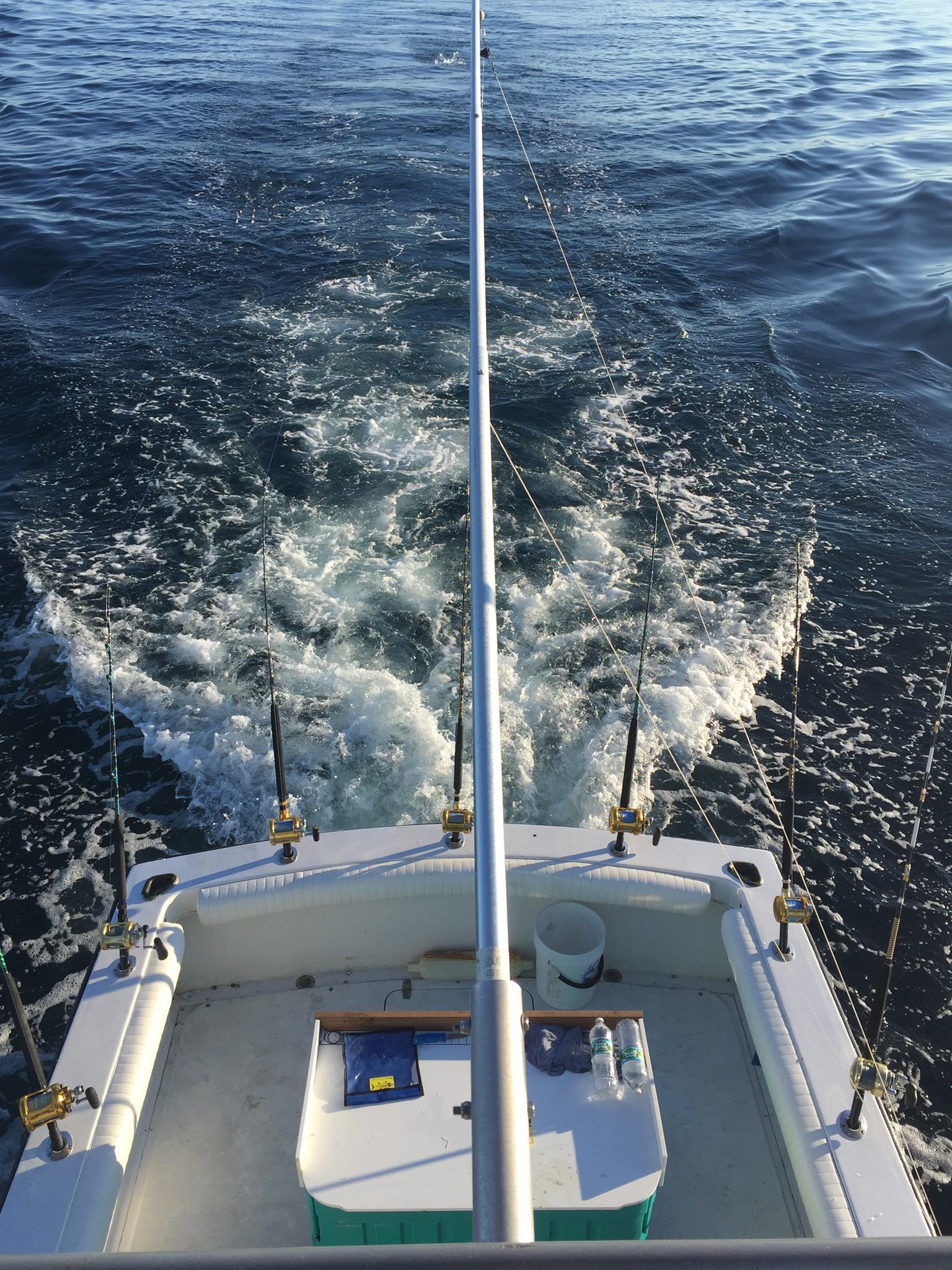
Out here in the deep water, trolling is king, but we're not just dragging baits around hoping for luck. We run a proper spread with different lures working at various distances and depths – ballyhoo rigs, cedar plugs, spreader bars, and teasers all designed to mimic a school of baitfish getting hammered. The outriggers keep everything spread out nice and wide, and we've got quality Penn and Shimano reels spooled with enough line to handle long runs. When we mark fish or find a temperature break, we might switch it up with live bait – nothing beats a frisky mackerel or bluefish when the tuna are being picky. The boat's equipped with a fighting chair for the serious battles, but most fish get worked standing up with a good harness. Circle hooks are the standard for most setups – they hook cleaner and give the fish a better chance if they're going back. We keep the spread moving at 6 to 8 knots most of the time, but speed changes based on conditions and what species we're targeting.
Top Catches This Season
The mahi mahi are absolute customer favorites out here, and for good reason. These fish are pure eye candy with their electric green and gold colors, and they fight like they're twice their size. Most of the bulls we see run 20 to 40 pounds, but occasionally a real stud shows up pushing 50. They love floating debris, so when we spot a log line or weed patch, there's a good chance these beauties are underneath. What makes mahi special is they're aggressive feeders – once you hook one, the school usually stays fired up, so multiple hookups are common. They hit trolled baits hard and put on an aerial show that'll have you reaching for your phone.
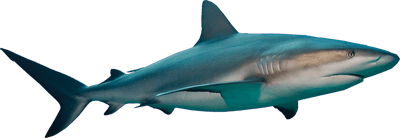
Shortfin mako sharks are the speed demons of the offshore world, and hooking into one is like grabbing onto a rocket. These fish can hit 40 mph and jump completely clear of the water – sometimes multiple times in a single fight. The makos we see off Montauk typically run 100 to 300 pounds, with the occasional monster pushing over 400. Summer into fall is prime time, when the water temps hit their sweet spot in the 70s. What gets people hooked on mako fishing is the pure power and unpredictability – you never know if they're going to sound deep, make blazing runs, or launch themselves skyward. They're also fantastic eating, with meat that tastes more like swordfish than typical shark.
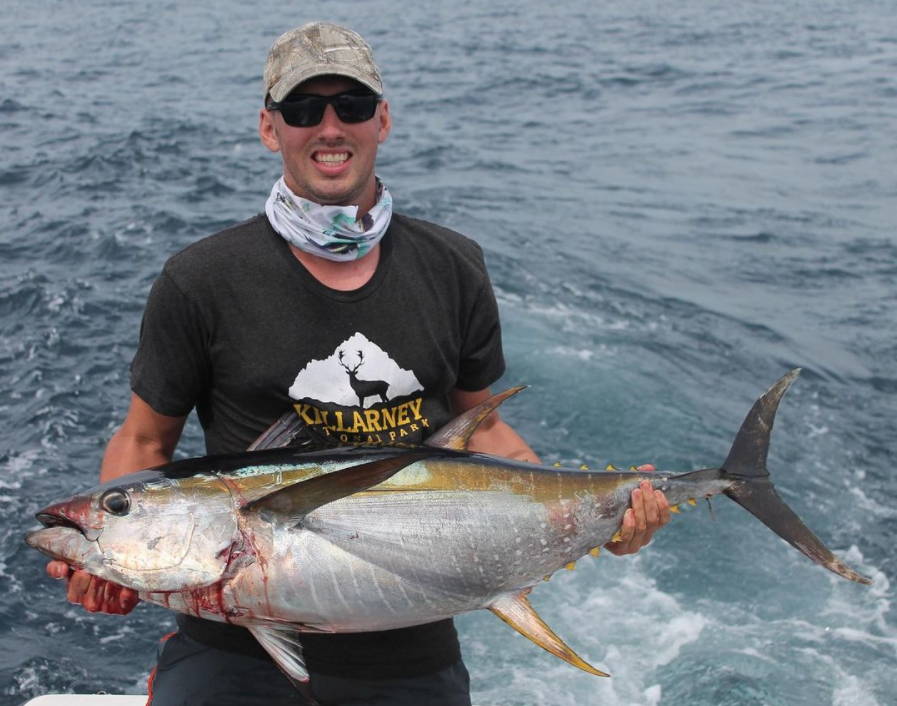
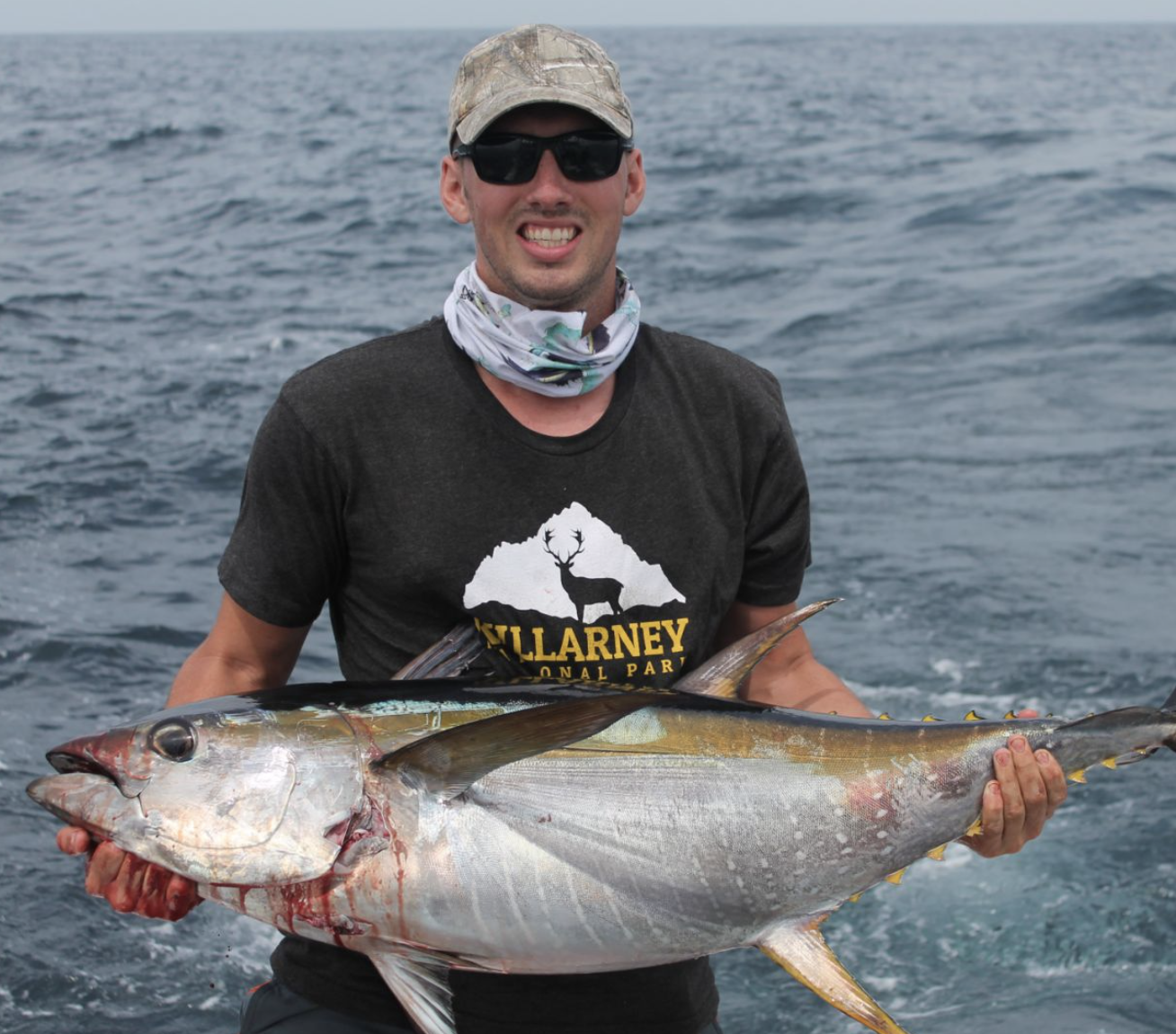
Yellowfin tuna are the workhorses of the offshore scene, and these fish will test your endurance as much as your tackle. The schoolie fish run 30 to 60 pounds and travel in pods, while the big singles can push over 100. Yellowfins are smart – they'll follow your spread for miles without committing, then suddenly explode on a bait when you least expect it. Once hooked, they make long, steady runs that'll burn your forearms, and they don't give up until they're at the boat. Late summer and fall are prime time when they push closer to shore following bait schools. The meat is sushi-grade, so you're looking at fish that would cost serious money at a high-end restaurant.
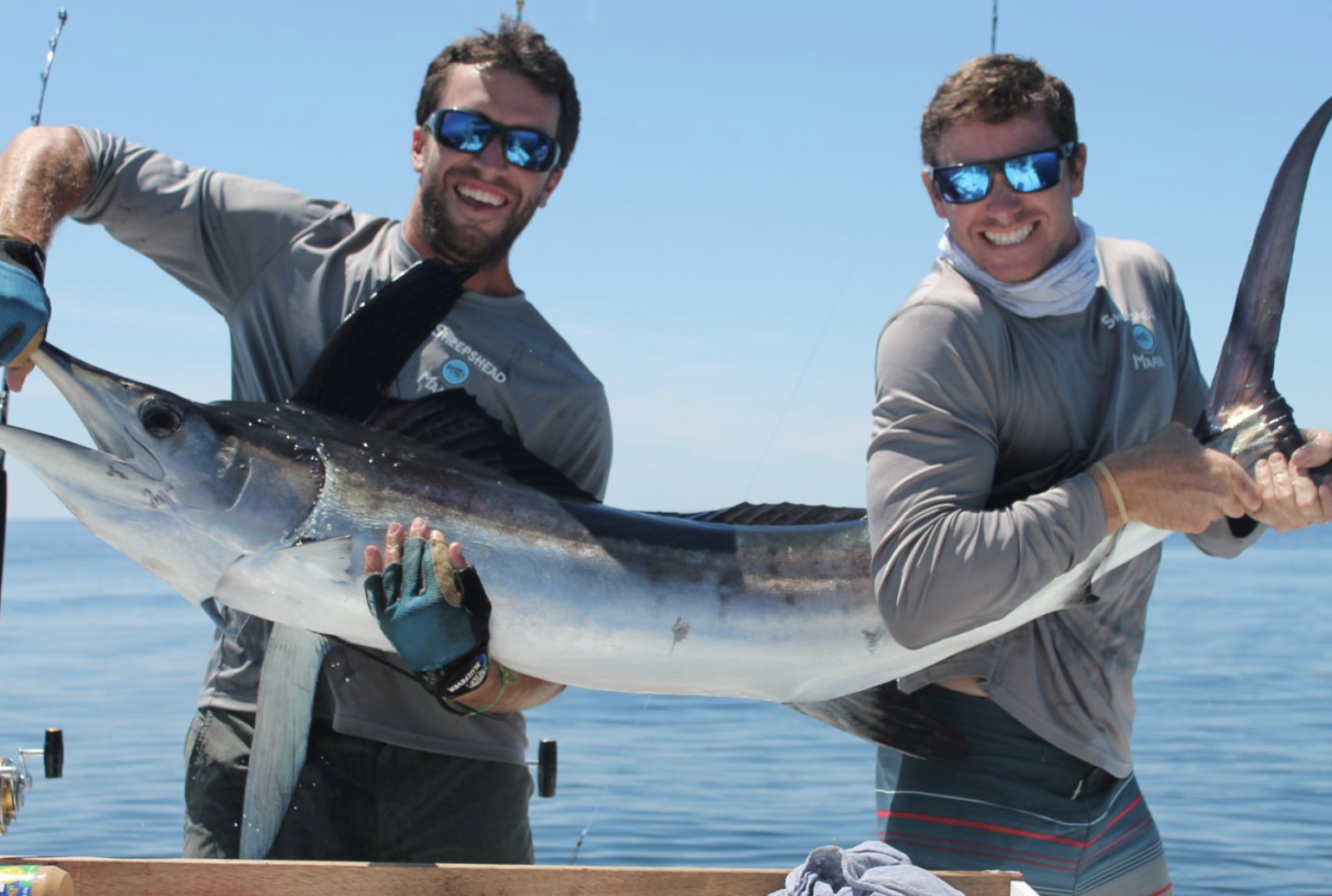
White marlin are the holy grail for many offshore anglers, and Montauk's waters produce some beautiful fish each season. These billfish are smaller than their blue marlin cousins, typically running 40 to 80 pounds, but they're acrobatic fighters that put on a show. They love ballyhoo presentations and often come up behind the spread multiple times before committing. When a white marlin lights up and crashes a bait, it's one of fishing's most exciting moments. Most anglers choose to release these magnificent fish, and watching one swim away healthy is just as rewarding as the fight itself. Peak season runs from mid-summer through early fall when water temperatures are optimal.
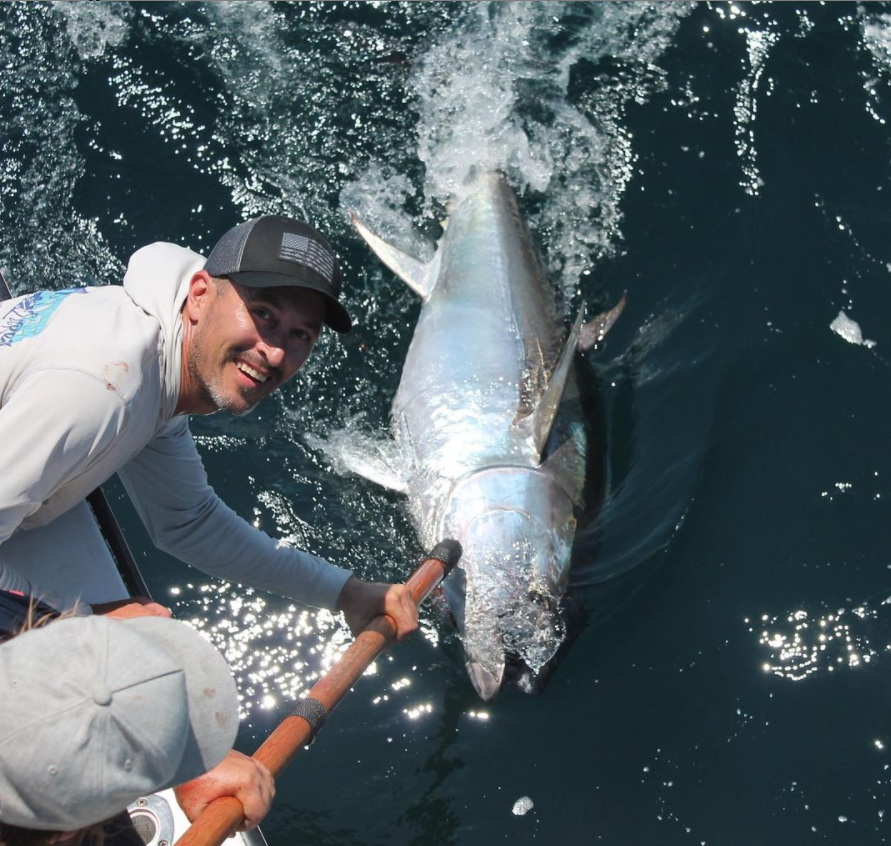
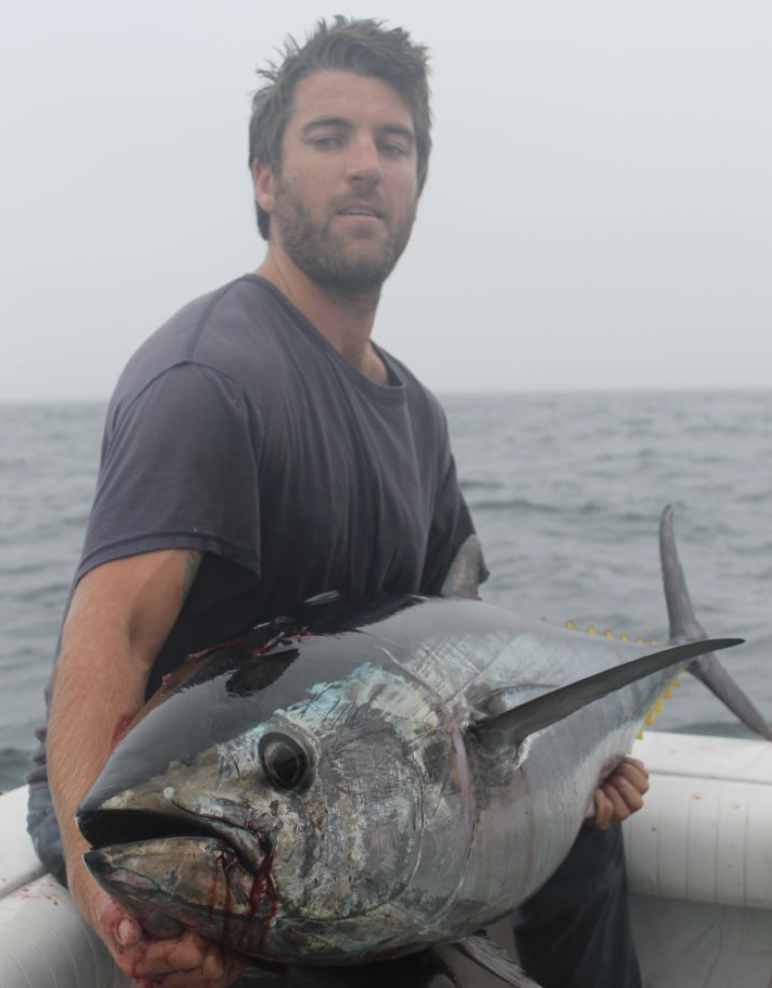
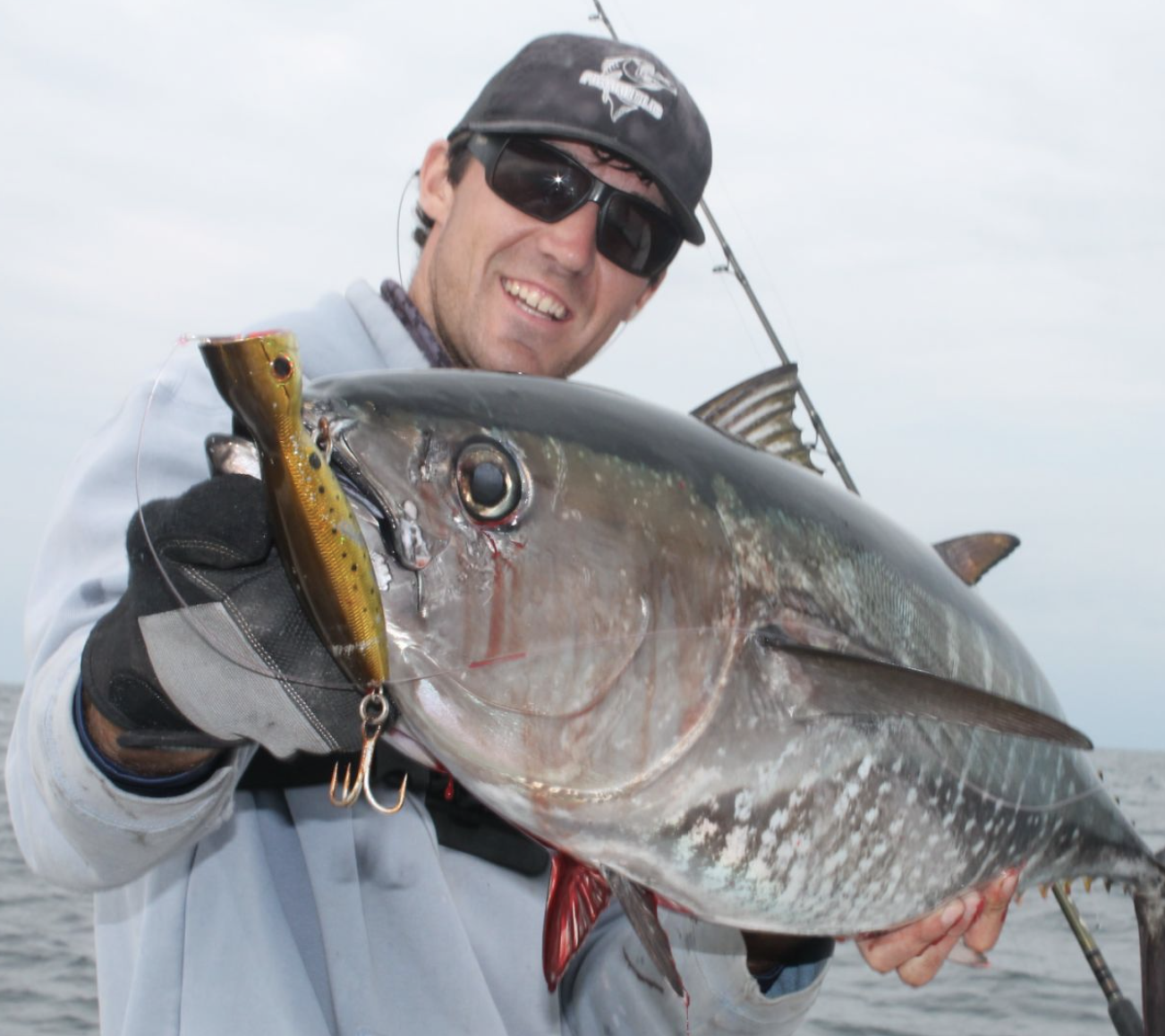
Bluefin tuna are the ultimate prize fish – powerful, intelligent, and incredibly valuable. The bluefins off Montauk range from school fish around 30 pounds up to giant-class fish over 200. These are the fish that commercial fishermen dream about, and recreational anglers respect above all others. Bluefins are notoriously finicky eaters, often requiring perfect
 Private Trip
 Offshore Fishing
 Montauk, NY



 Target marlin, tuna, wahoo, mahi, and sharks offshore