Private Chesapeake Bay Inshore Fishing Charter
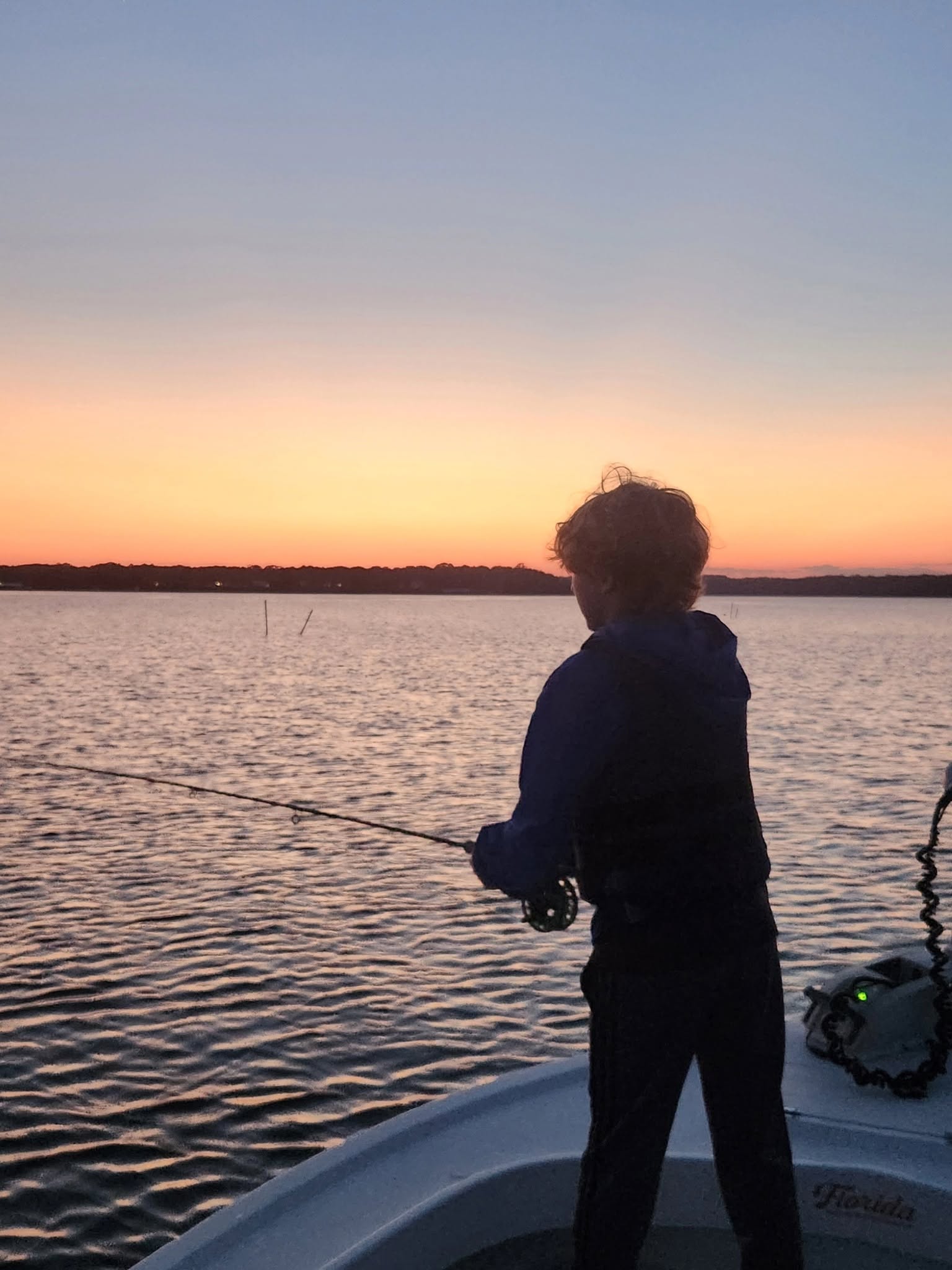
There's nothing quite like having the entire boat to yourself and your crew when you're fishing the Chesapeake Bay. This private inshore charter gives you and up to three buddies the freedom to fish at your own pace while targeting some of the Bay's most popular species. Captain Benjamin Lane knows these waters like the back of his hand, and he's got the laid-back approach that makes for a perfect day on the water. Whether you're looking to fill the cooler or just enjoy some quality time with friends and family, this trip delivers exactly what you're after.
What to Expect on the Water
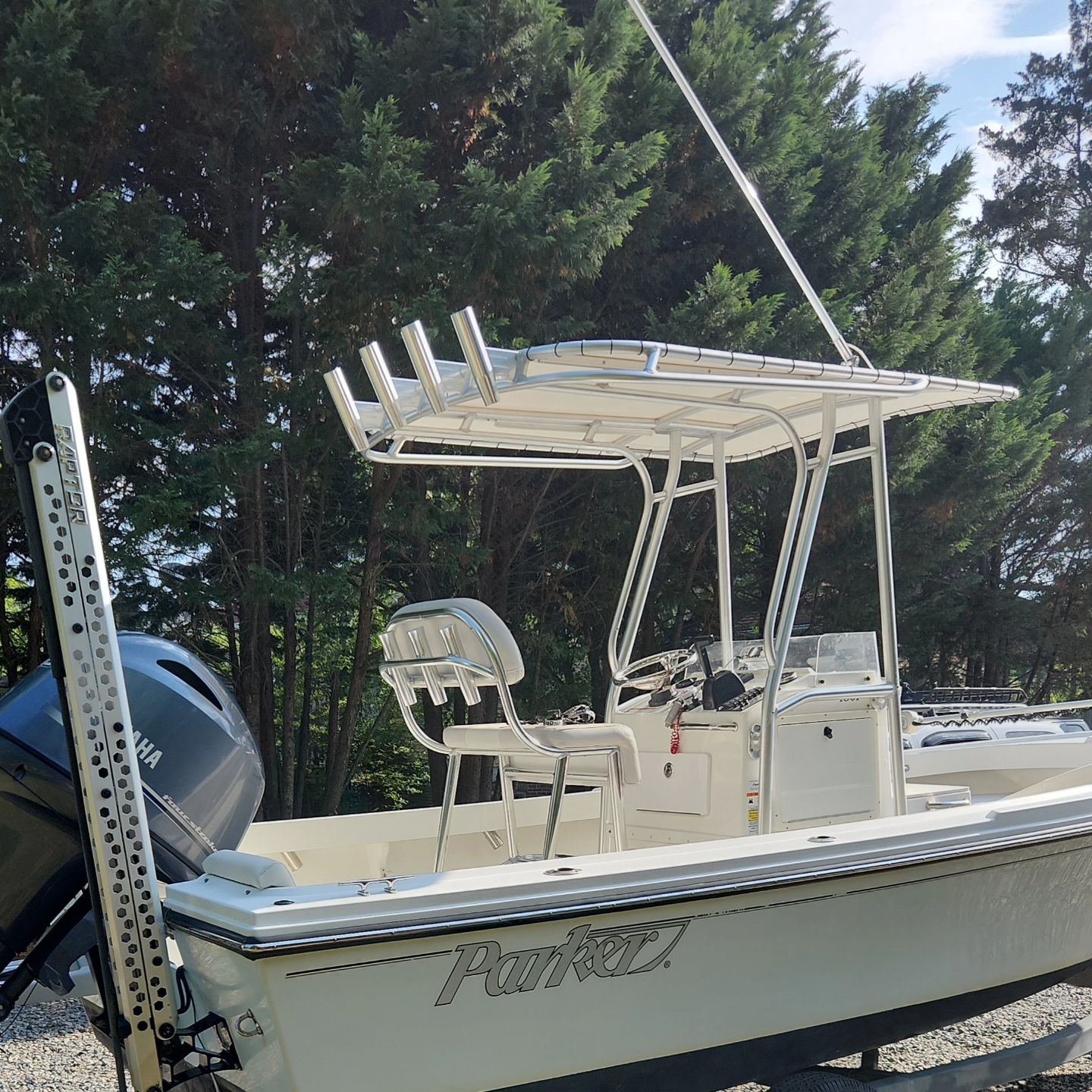
Your day starts bright and early at 6:30 AM when the fish are most active and the Bay is calm. You've got three different trip lengths to choose from depending on how much time you want to spend fishing – a quick 4-hour morning run, a solid 6.5-hour half-day, or go all-out with the 8.5-hour full day adventure. Captain Lane will have all your gear ready to go, including rods, reels, tackle, and even your fishing license, so you can roll up empty-handed if you want. The boat is set up specifically for inshore fishing, with plenty of room to move around and all the electronics needed to find where the fish are holding. You'll be targeting structure, grass beds, and channel edges where the Bay's best fish like to hang out. The atmosphere is relaxed but focused – Captain Lane knows when to crack jokes and when to get serious about putting fish in the boat.
Inshore Tactics & Gear Setup
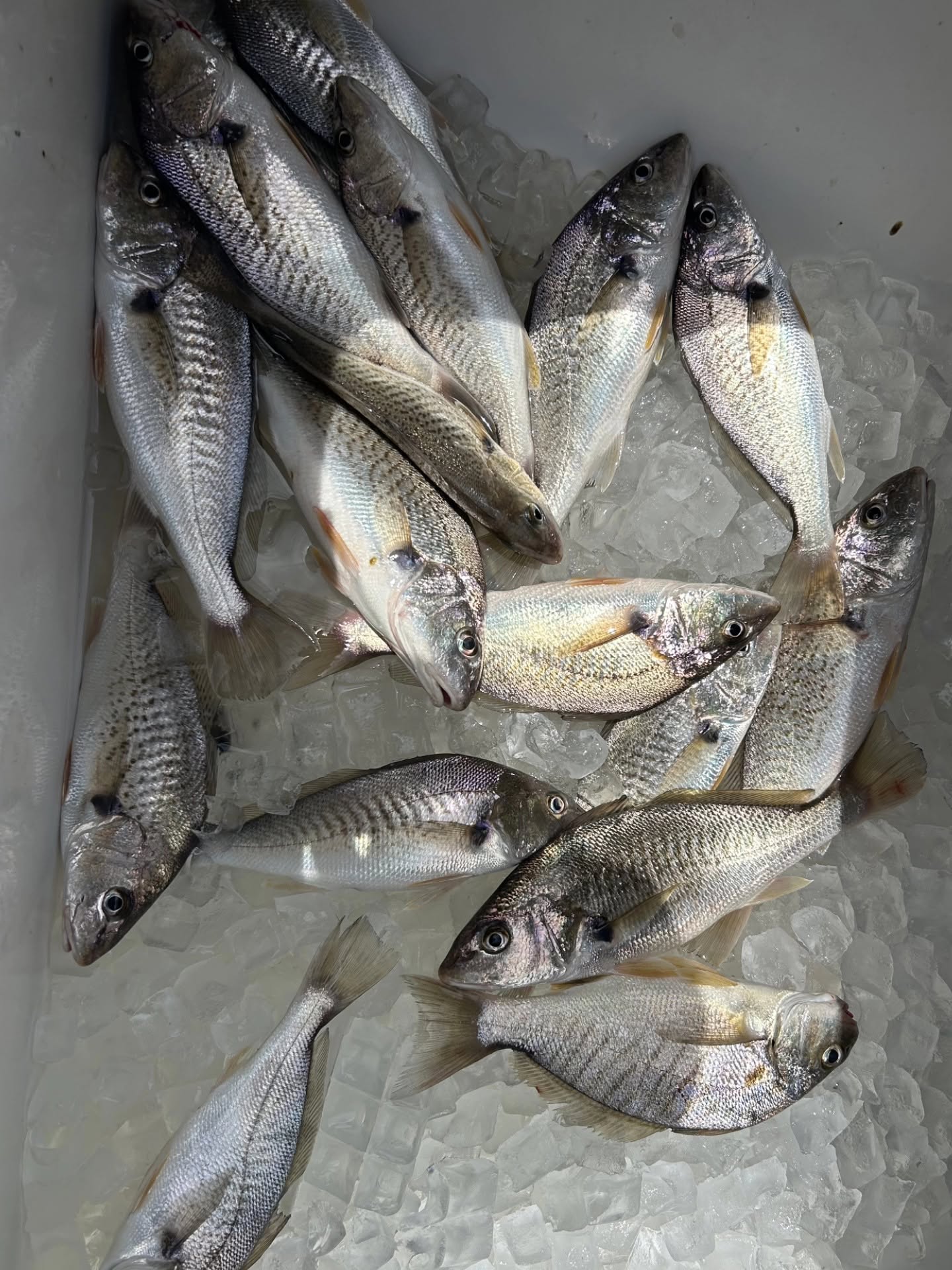
Chesapeake Bay inshore fishing is all about reading the water and adapting to what the fish want on any given day. You'll be using a mix of live bait, cut bait, and artificials depending on what species you're targeting and what's working best. Light tackle spinning gear is the name of the game here – sensitive enough to feel those subtle bites but with enough backbone to handle a nice-sized rockfish or red drum. Captain Lane runs everything from bottom rigs for the stripers and spot to topwater plugs when the Spanish mackerel are busting bait on the surface. The boat is equipped with quality fish finders and GPS, so you're not wasting time guessing where the fish might be. You'll learn to work grass edges, oyster bars, and drop-offs where baitfish congregate and predators follow. The beauty of inshore fishing in the Bay is the variety – you might be sight-fishing for reds in shallow water one minute and dropping down for keeper rockfish the next.
Top Catches This Season
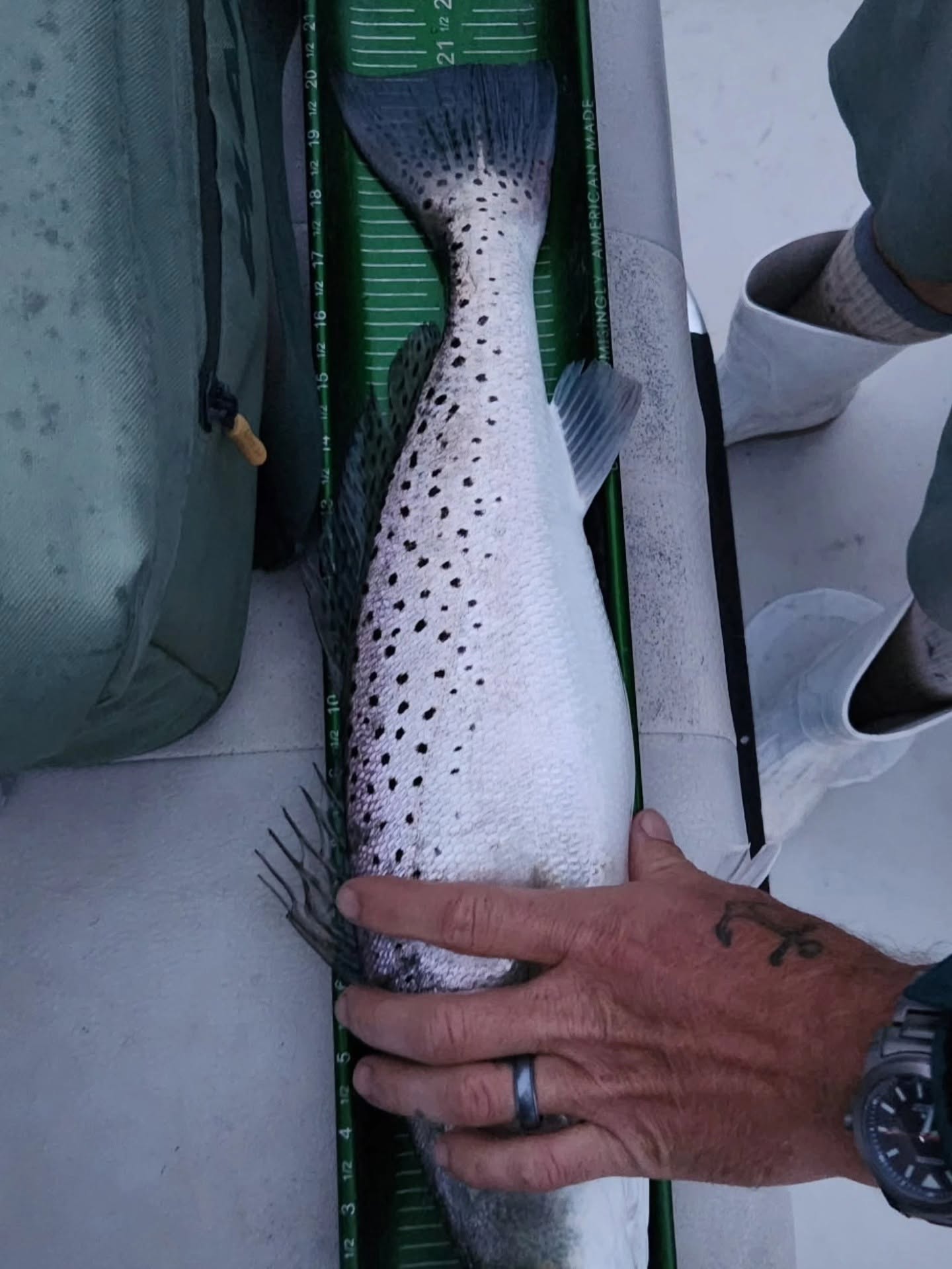
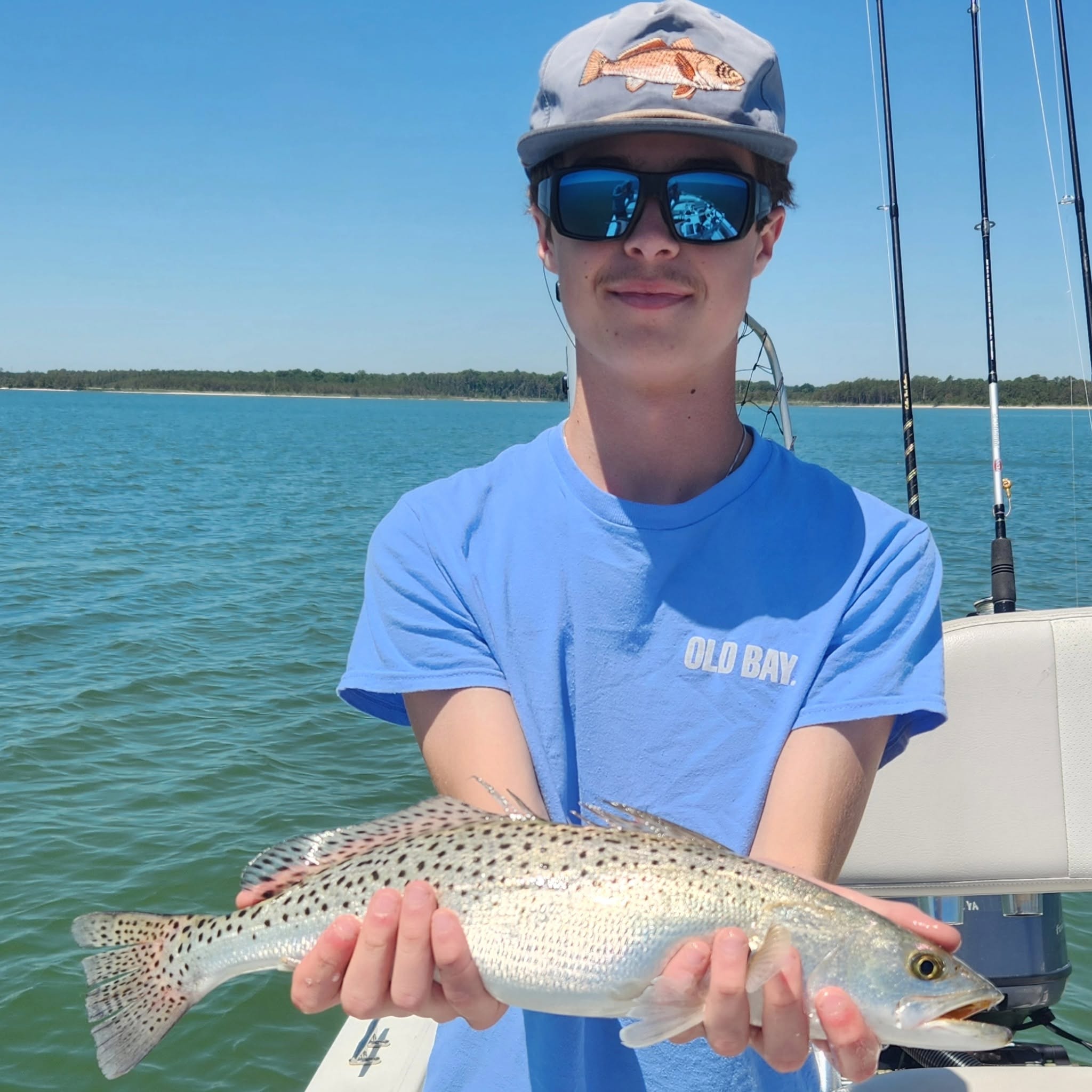
Sea trout are one of the most consistent fish you'll encounter on these Bay trips, and they're a blast to catch on light tackle. These speckled beauties love the grass beds and will hit both live minnows and soft plastic baits with equal enthusiasm. Most of the trout you'll catch run between 14-18 inches, with the occasional citation-sized fish pushing over 20 inches. Spring and fall are prime time for sea trout, when they're actively feeding in preparation for their seasonal movements. What makes them so fun is their aggressive strike and the way they'll jump when hooked – definitely a crowd pleaser for kids and first-time anglers.
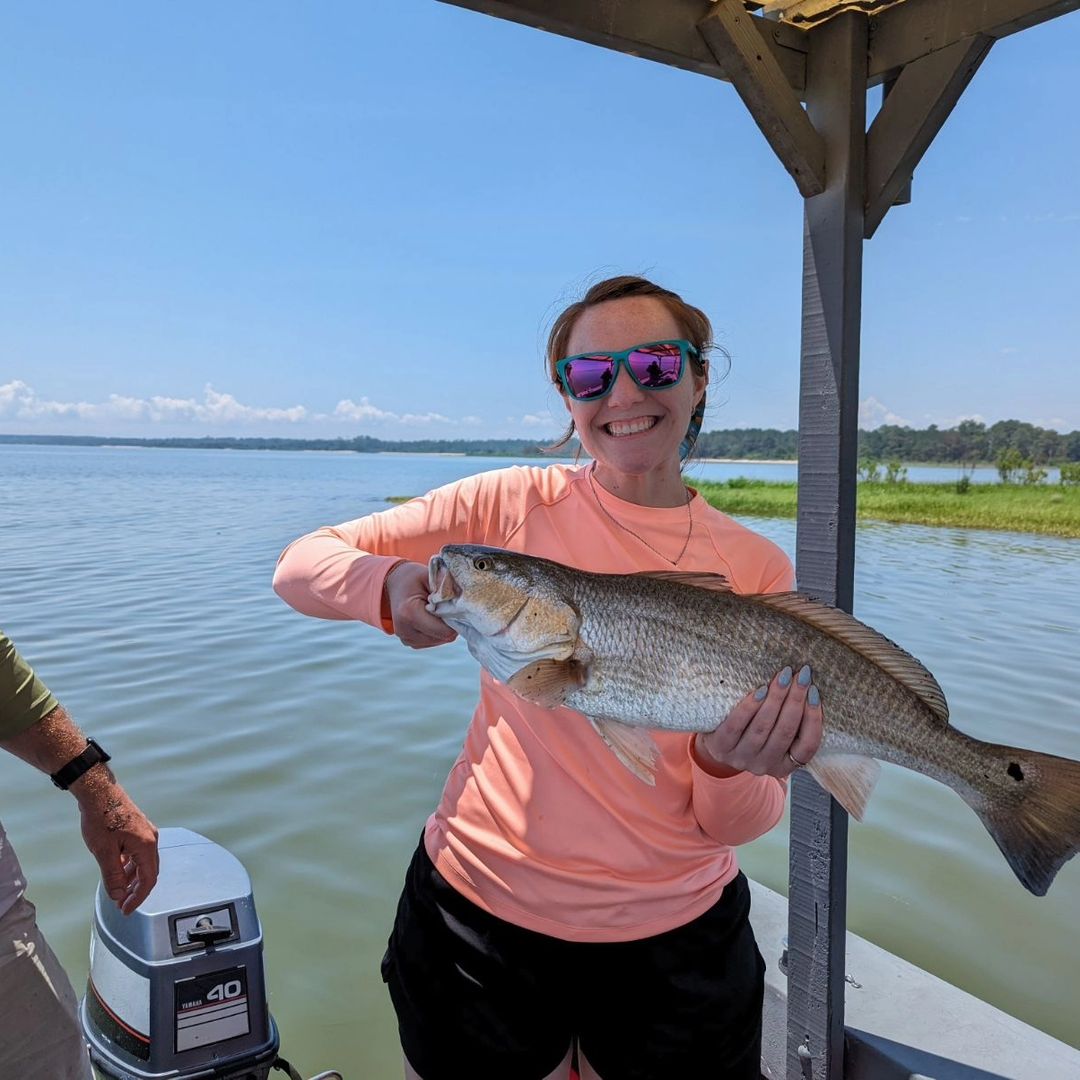
Redfish, or red drum as the locals call them, are the true prize of Chesapeake Bay inshore fishing. These copper-colored fighters can range anywhere from schoolie-sized 18-inchers up to bull reds that'll test your drag and your arms. The best part about targeting reds is that you can often sight-fish for them in shallow water, watching their backs and tails as they cruise the flats looking for crabs and baitfish. They're notorious for their powerful runs and stubborn fighting style – once hooked, a red drum will use every trick in the book to get free. Peak season runs from late spring through early fall, with September and October being particularly productive months.
Rock bass, which is what Bay anglers call striped bass, are the bread and butter of Chesapeake fishing. These fish are here year-round, though the size and numbers vary with the seasons. Spring brings the trophy-sized cows up from their winter haunts, while summer and fall offer consistent action with keeper-sized fish. Rockfish are smart and can be finicky eaters, which makes landing them that much more satisfying. They'll hit everything from live eels to topwater plugs, and their strength and stamina make every fight memorable. The 18-inch minimum size limit means you're only keeping quality fish, and there's nothing like fresh rockfish on the dinner table.
Spanish mackerel bring the speed and excitement to Bay fishing, especially during their summer runs. These silver bullets can appear seemingly out of nowhere, turning a slow day into non-stop action in minutes. They love to feed on the surface, often revealing their presence by the diving birds and splashing bait. Spanish macs are perfect for light tackle fishing – they hit hard, run fast, and jump like crazy. Most fish run between 1-3 pounds, but what they lack in size they make up for in attitude. They're also excellent table fare when prepared fresh, with firm white meat that's perfect for the grill.
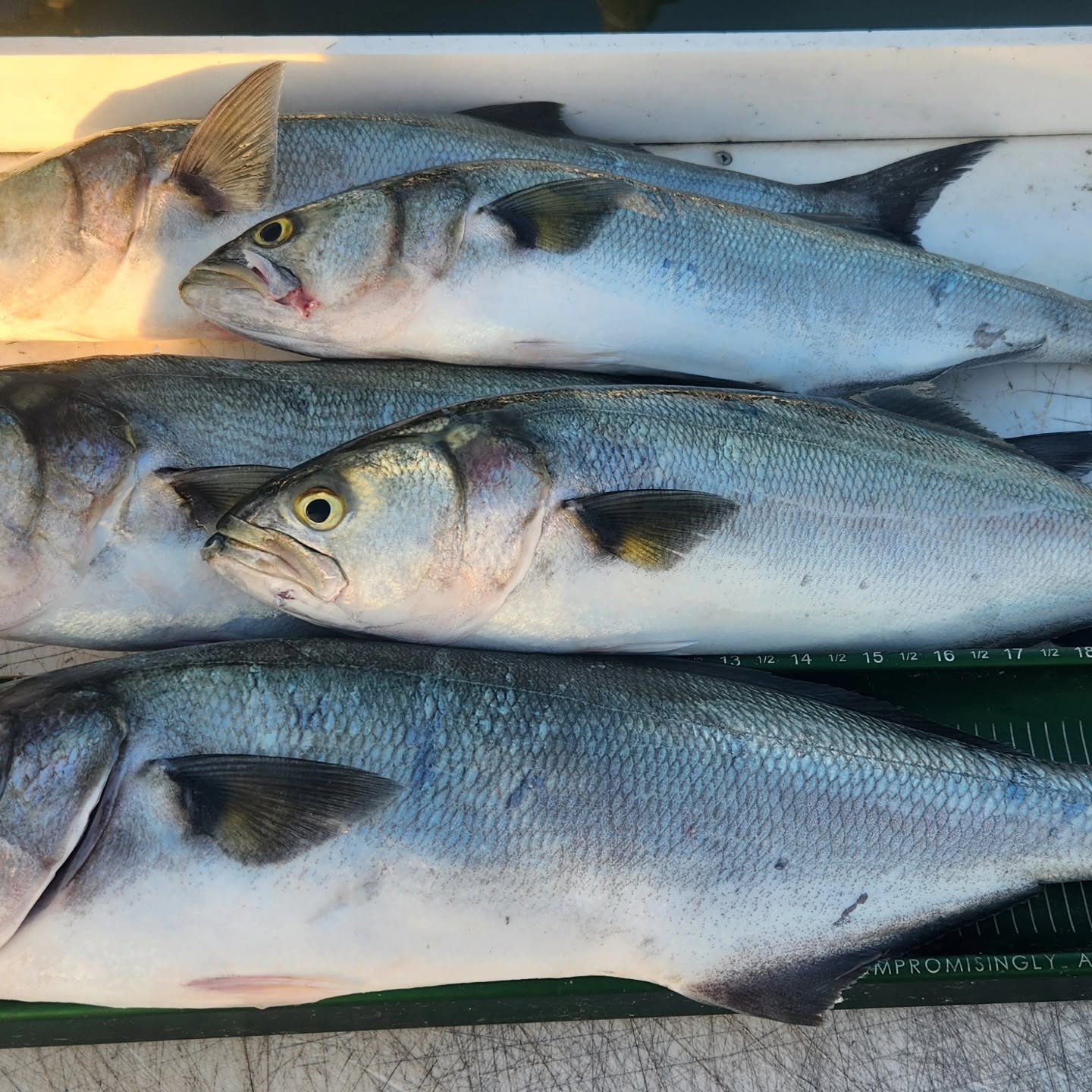
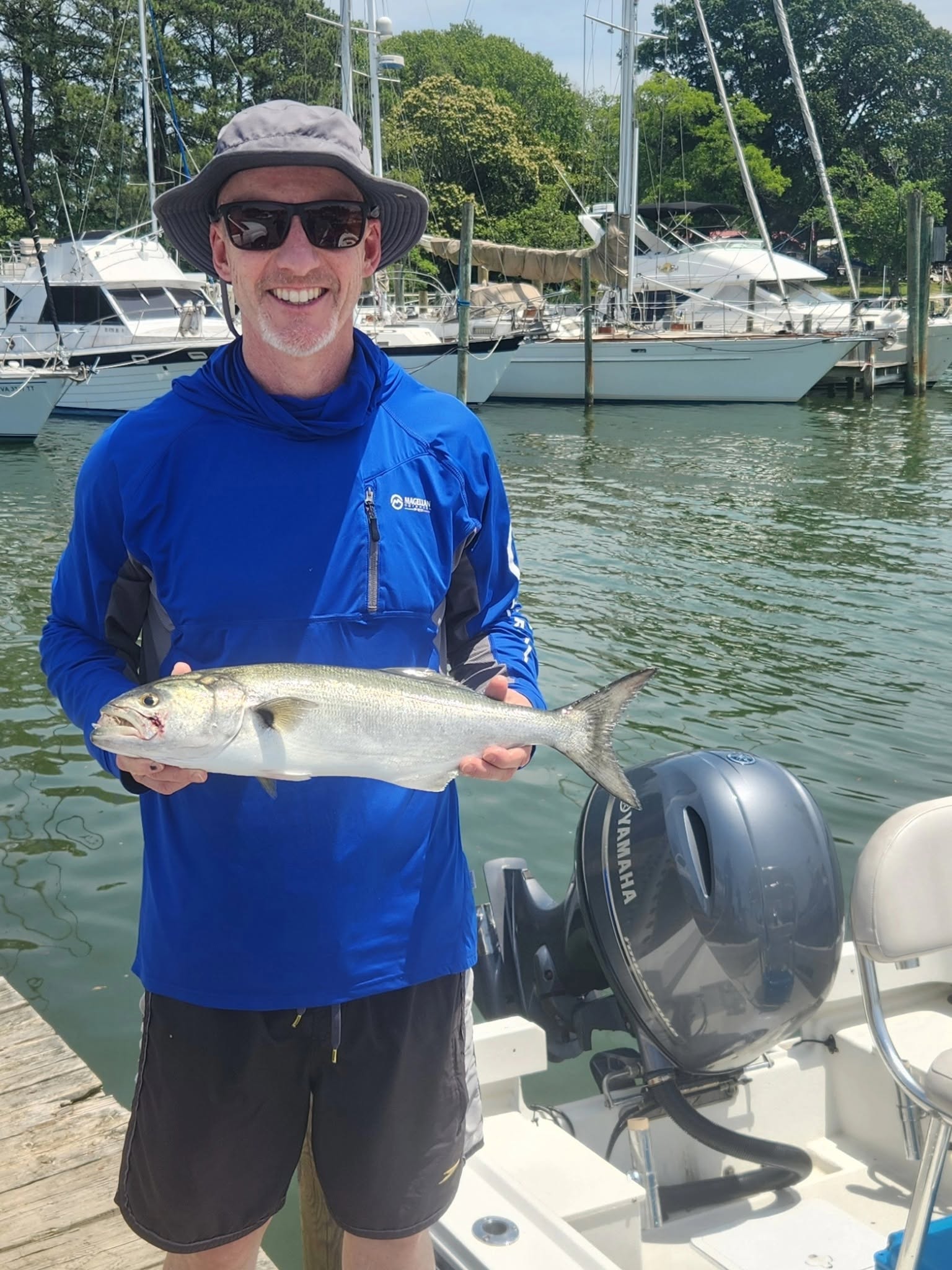
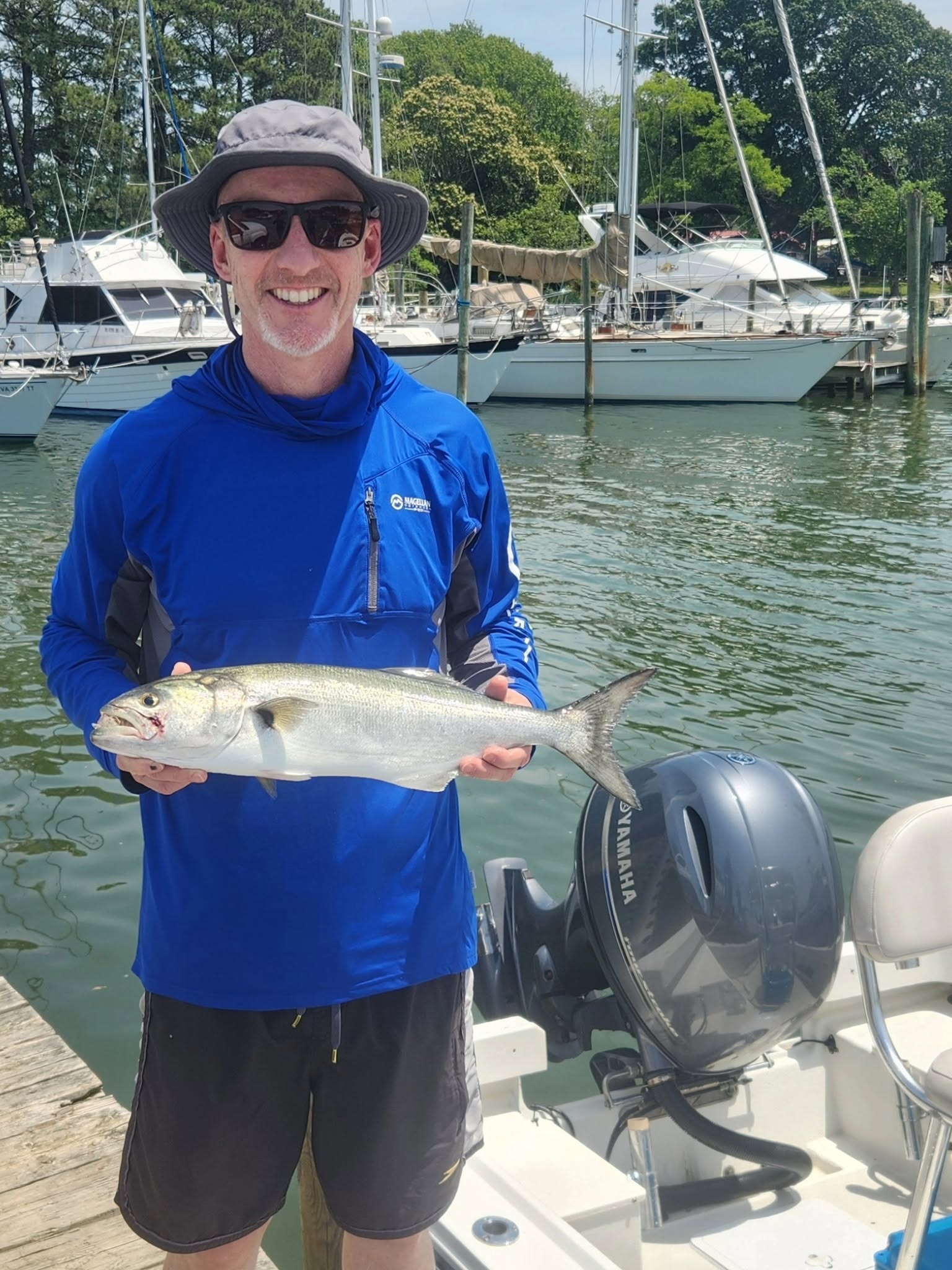
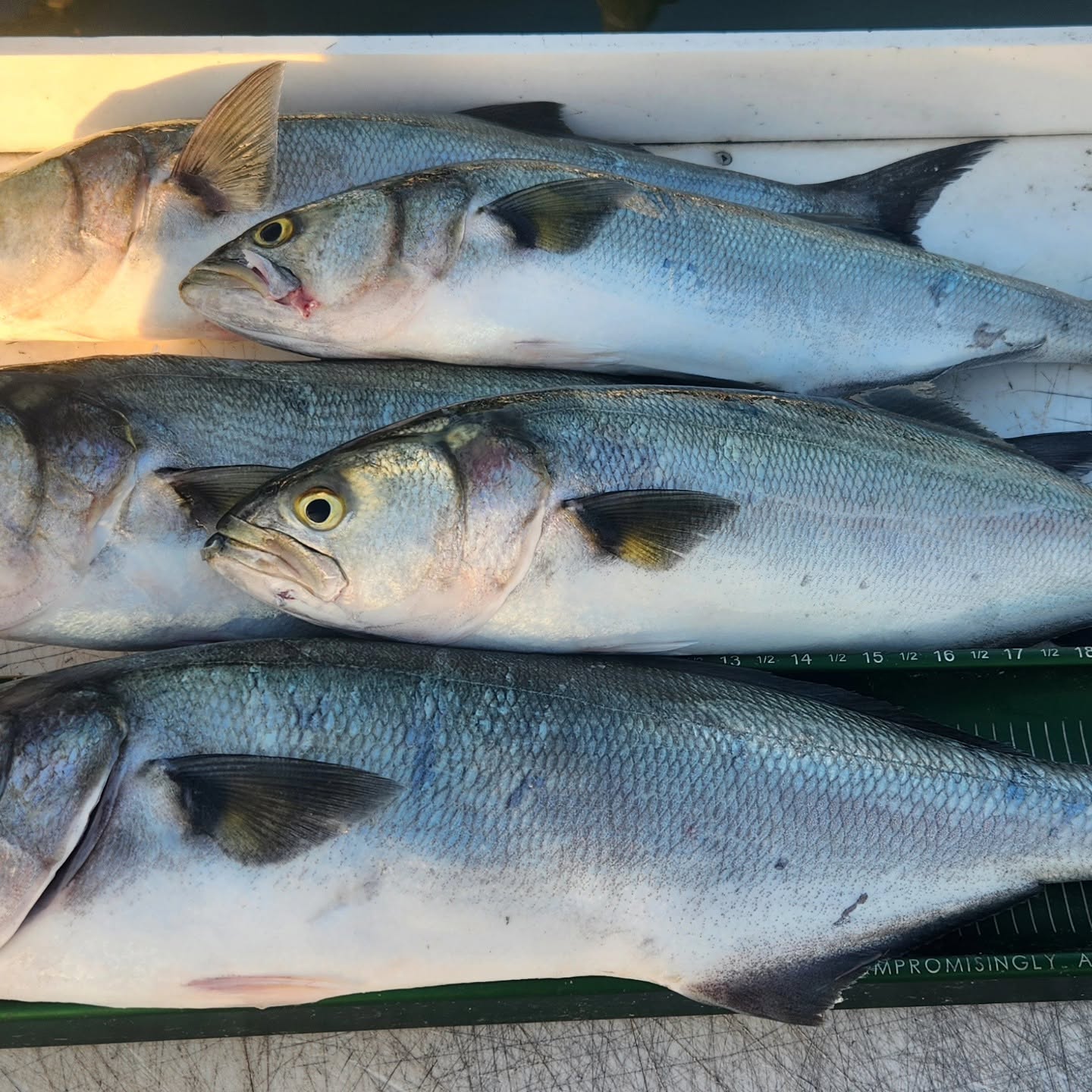
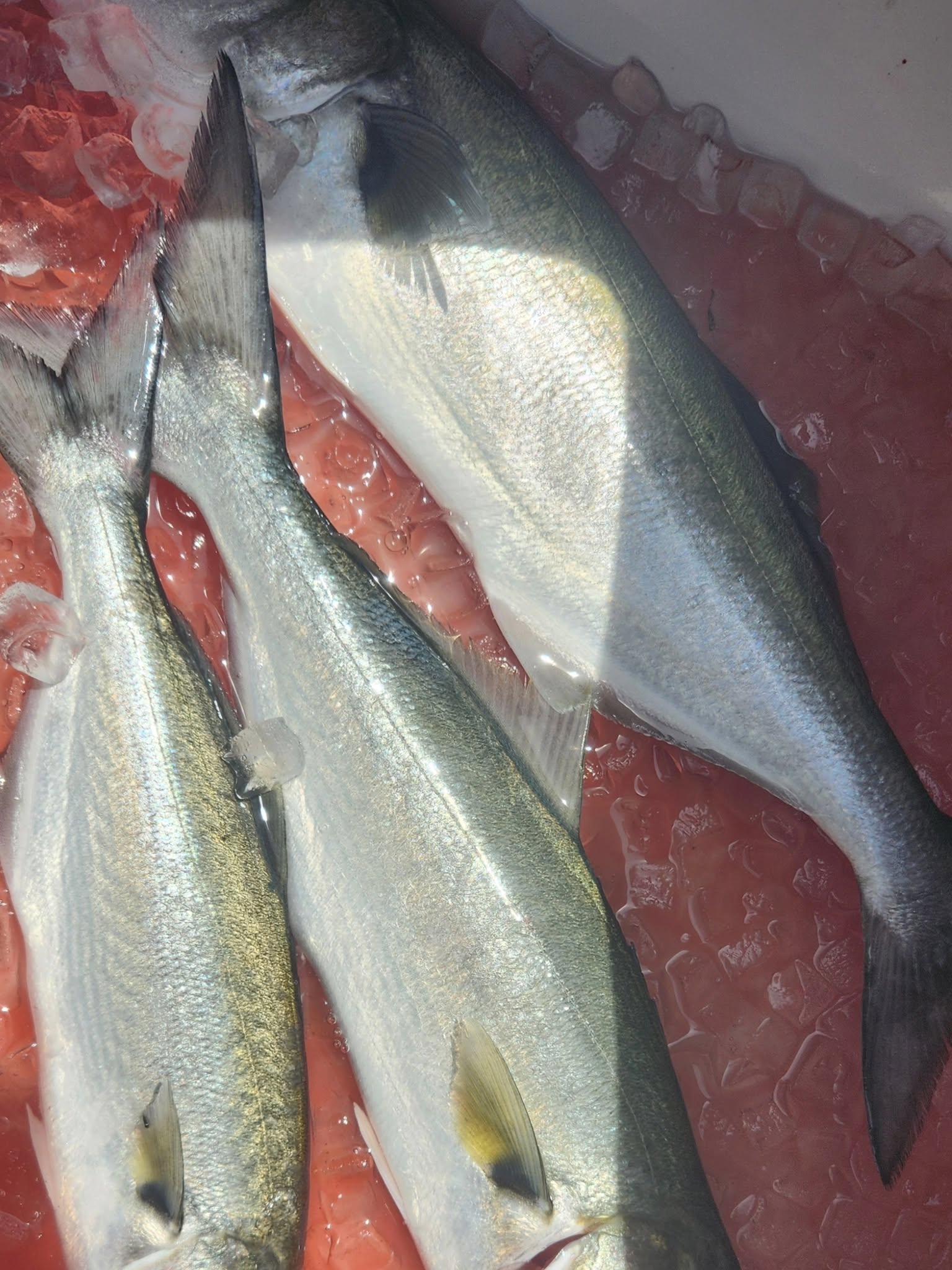
Bluefish round out the target species list and bring their own brand of chaos to the fishing. These toothy predators travel in schools and when you find them, the action can be absolutely wild. Blues are aggressive feeders that'll hit just about anything you throw at them, making them perfect for beginners who want to feel that rod bend. They range from smaller "snapper" blues perfect for kids to catch up to chopper blues that can exceed 10 pounds. The key with bluefish is having a good pair of pliers and knowing how to handle them safely – those teeth are no joke. They're also fantastic eating when bled and iced properly, despite what some people might tell you.
Time to Book Your Spot
Captain Benjamin Lane
 Private Trip
 Inshore Fishing
 Chesapeake Bay


 Private inshore fishing for 1-4 guests with flexible scheduling options