Florida Fishing Charter Flats Fishing
Looking for a quick fishing fix that packs a serious punch? This 2-hour flats fishing charter out of Cocoa puts you right in the heart of some of Florida's most productive shallow water fishing grounds. You'll be targeting hard-fighting species like snook, redfish, tarpon, and black drum in the crystal-clear waters where the Indian River meets the Atlantic. Perfect for couples, buddies, or anyone wanting to maximize their time on the water without burning a whole day. Captain will put you on fish fast, and with only 2 anglers max, you'll get plenty of shots at these world-class gamefish.
What to Expect on the Water
This isn't your typical deep-sea grind. Flats fishing is all about stealth, precision, and reading the water like a book. You'll be working skinny water – sometimes just 2-3 feet deep – where fish come to feed and cruise. The boat will be positioned using a push pole or trolling motor to stay quiet, and you'll sight-cast to fish you can actually see. It's visual fishing at its finest. The Cocoa flats offer incredible variety, from mangrove shorelines where snook ambush baitfish to open grass beds where redfish tail in the shallows. Water clarity here is top-notch, especially on the incoming tide when everything comes alive. Your captain knows these waters inside and out – every pothole, every drop-off, every spot where fish stack up during different tide phases.
Tackle & Techniques
All gear is provided, but if you're curious about what you'll be throwing, expect to fish with spinning tackle in the 2500-4000 size range spooled with 10-20lb braid. Lures of choice include soft plastics like DOA shrimp, paddle tails, and jerk baits rigged weedless for working around structure. Live bait is killer out here too – pilchards, shrimp, and pinfish are local favorites that these fish can't resist. You'll be making accurate casts to specific targets like mangrove roots, oyster bars, and channel edges where fish hold. The key is presentation – these fish see a lot of pressure, so natural-looking baits with subtle action often outperform flashy offerings. Your guide will coach you through the cast-and-retrieve techniques that work best for each species, whether it's a slow roll for redfish or an aggressive twitch for snook.
Species You'll Want to Hook
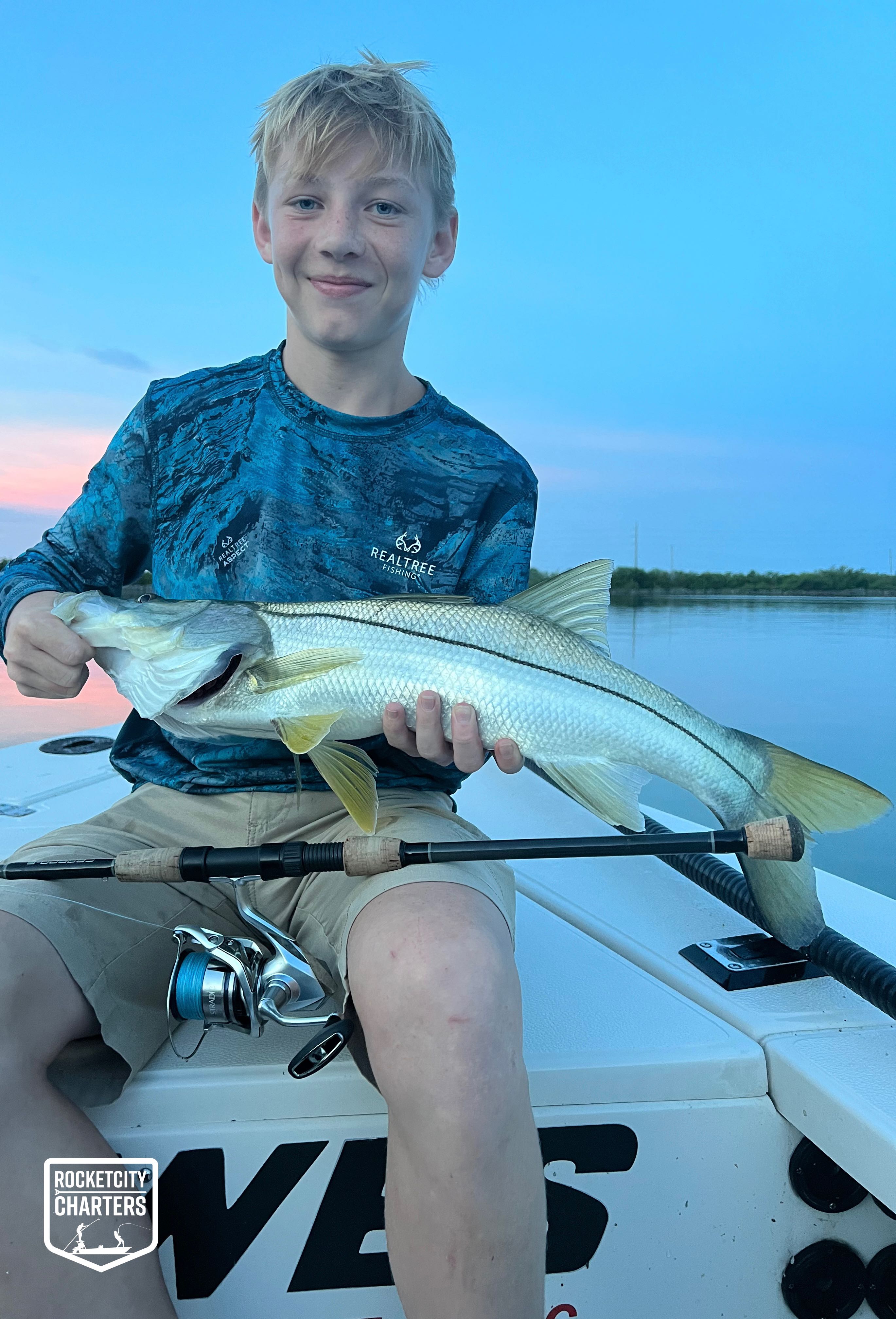
Snook are the poster fish of Florida flats fishing, and for good reason. These ambush predators love structure – you'll find them tucked under mangrove overhangs, around dock pilings, and along oyster bars. They're most active during dawn, dusk, and around the new and full moon phases when they feed aggressively. A good Cocoa snook runs 20-28 inches, but don't be surprised if you hook into a slot-busting giant over 35 inches. They fight dirty too, jumping and gill-rattling like a largemouth bass on steroids. What makes them special is their wariness – you need a perfect presentation to fool a big snook, making every hookup feel earned.
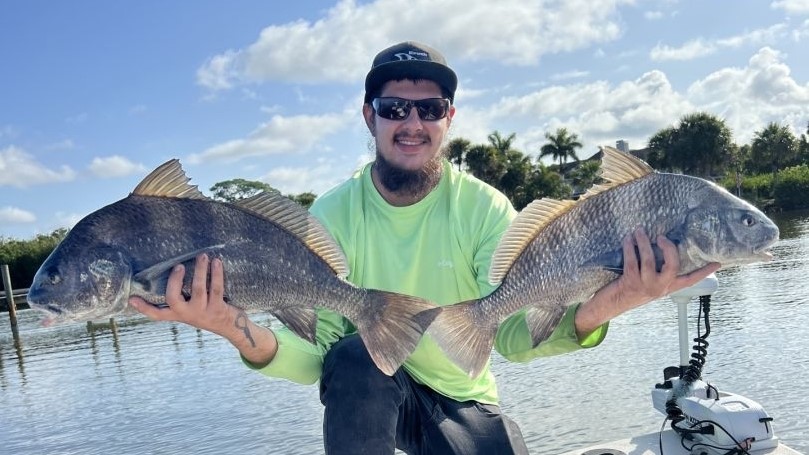
Black drum are the bulldogs of the flats, and Cocoa's got some real bruisers. These fish cruise in schools, often tailing in shallow water as they root around oyster beds for crabs and worms. Prime time is spring through fall, with the biggest fish showing up during their spawning runs in late winter and early spring. A decent black drum here starts at 20 pounds, but 40-50 pounders are definitely in play. They don't jump, but they'll test your drag and your patience with their relentless, head-shaking runs. The thrill comes from spotting their copper-colored backs in skinny water and making that perfect cast ahead of the school.
Tarpon turn every angler into a believer. From May through October, juvenile tarpon between 10-80 pounds cruise these flats looking for easy meals. They're incredibly spooky and require long, accurate casts with subtle presentations. When you hook one, all hell breaks loose – these silver kings launch themselves completely out of the water in spectacular aerial displays. Even a 30-pound tarpon fights like it weighs twice that, making multiple jumps and long runs that'll have your arms burning. The Cocoa area is renowned for its year-round tarpon population, with fish moving through on every tide.
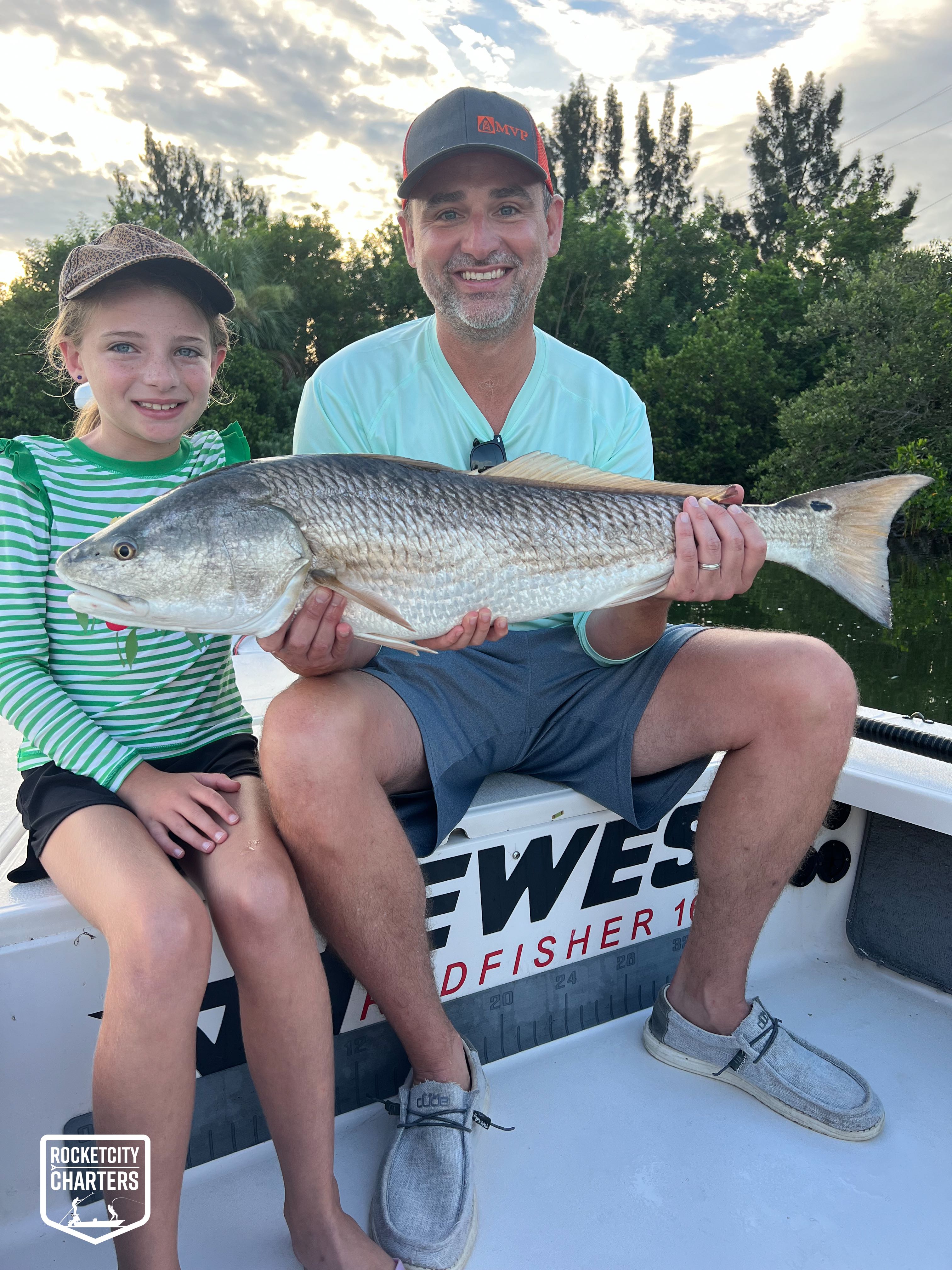
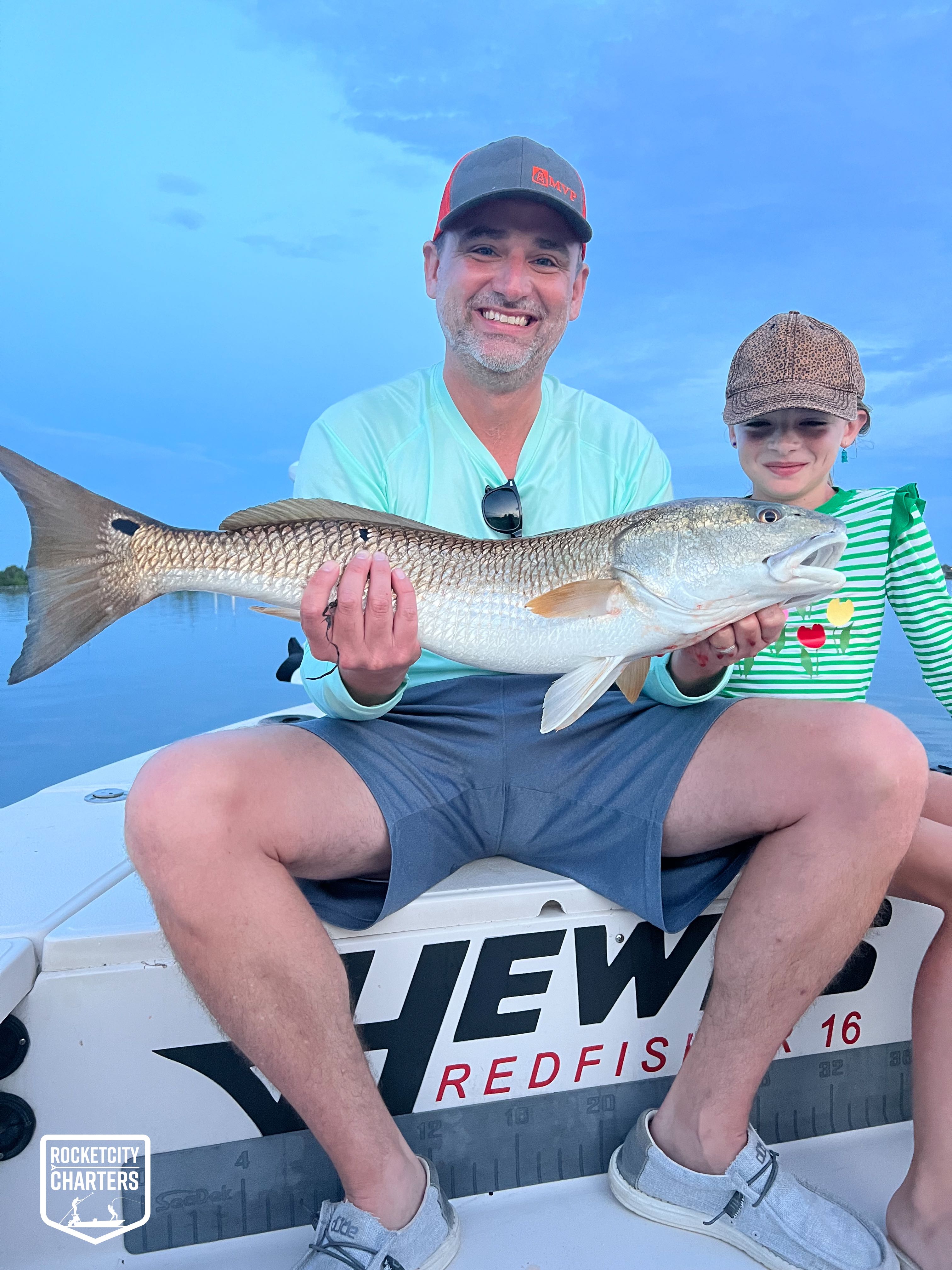
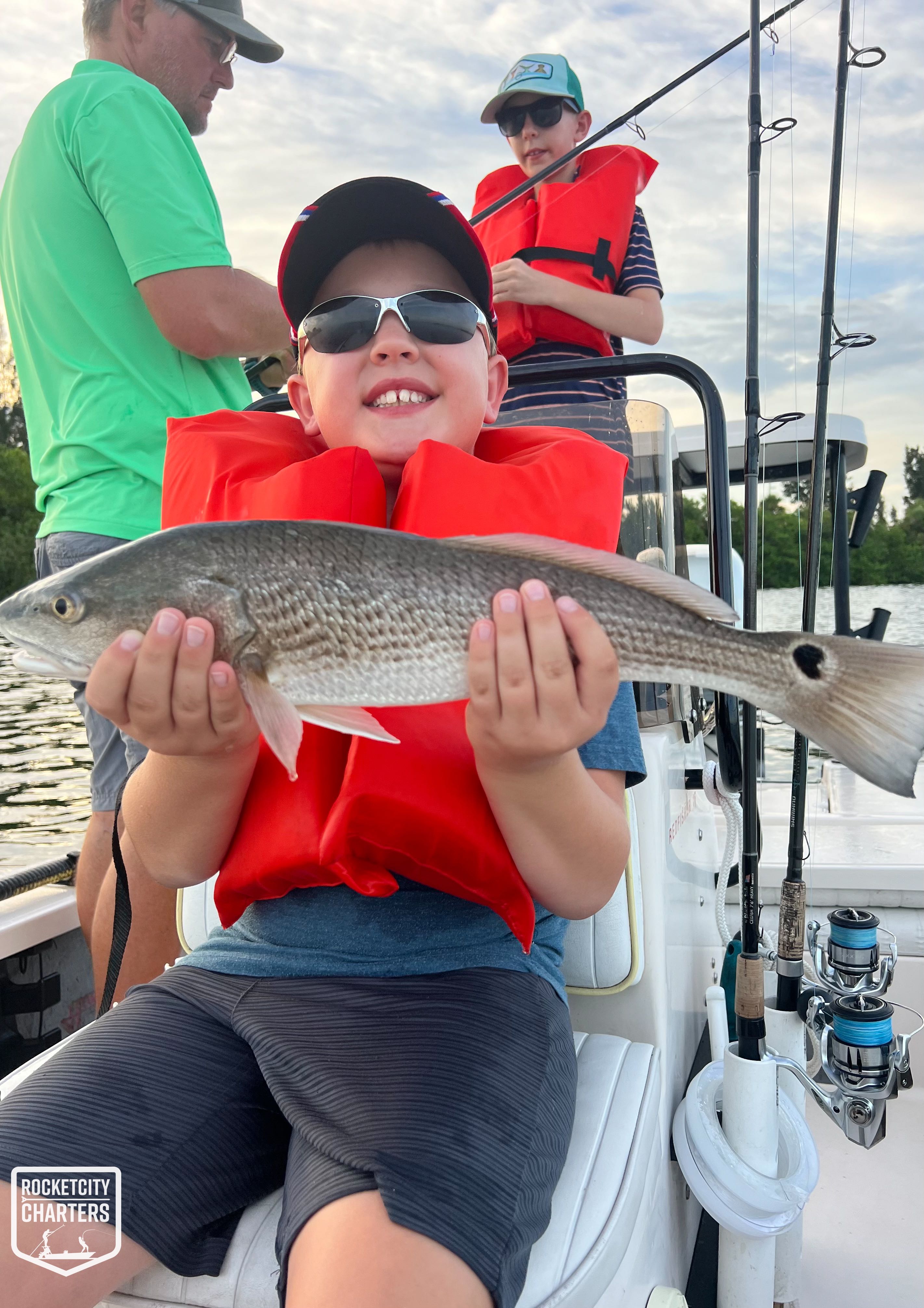
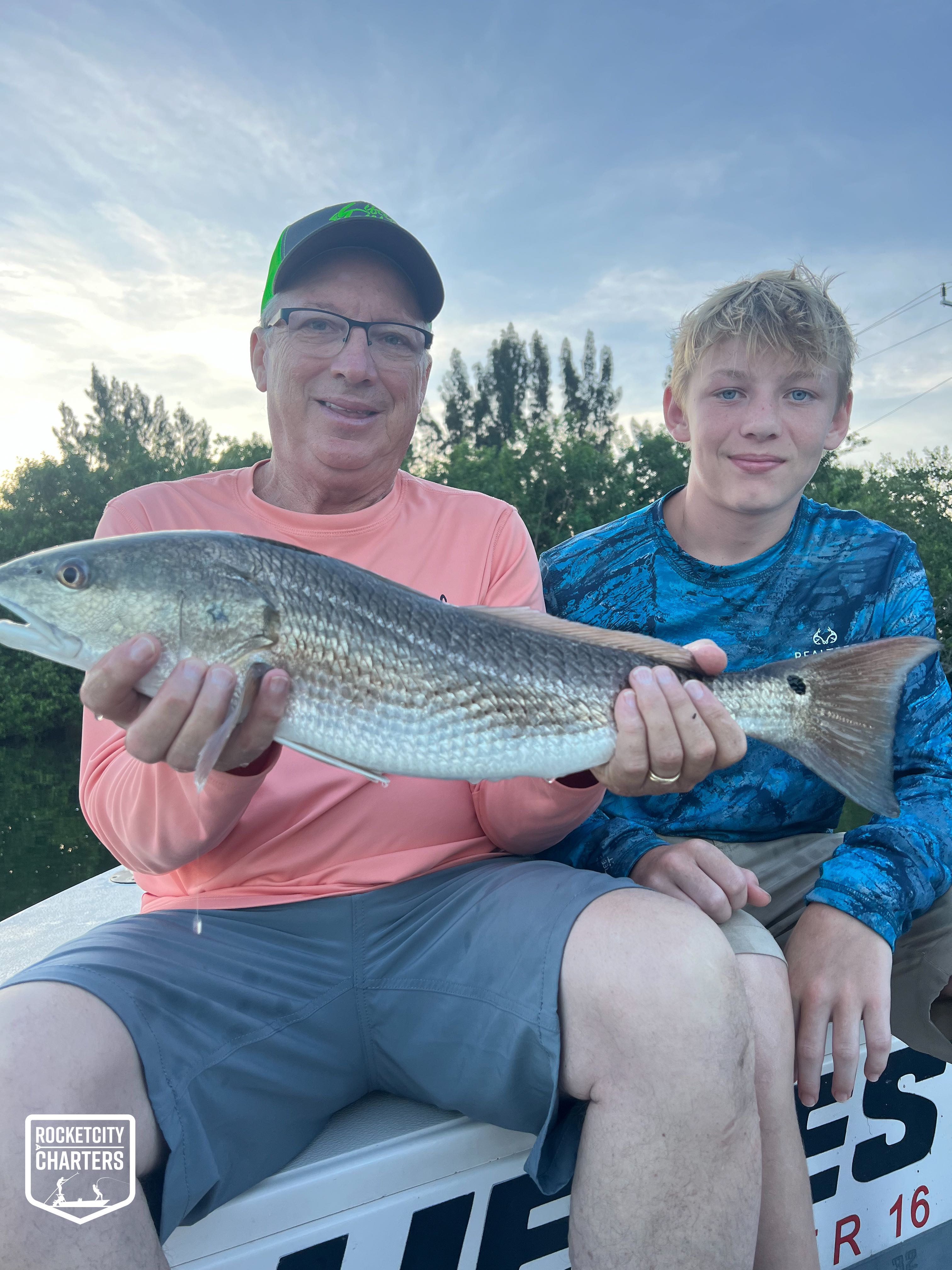
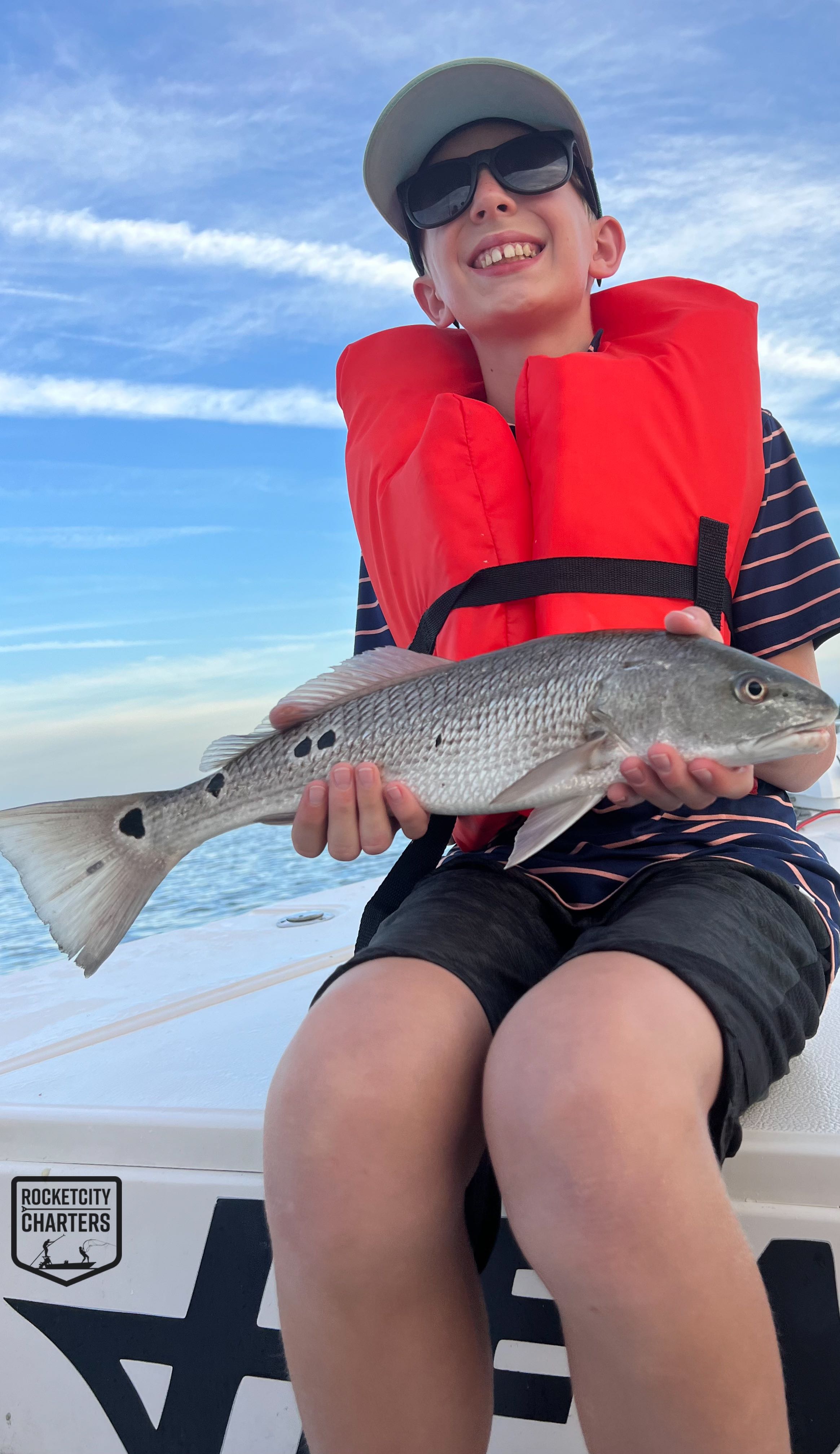
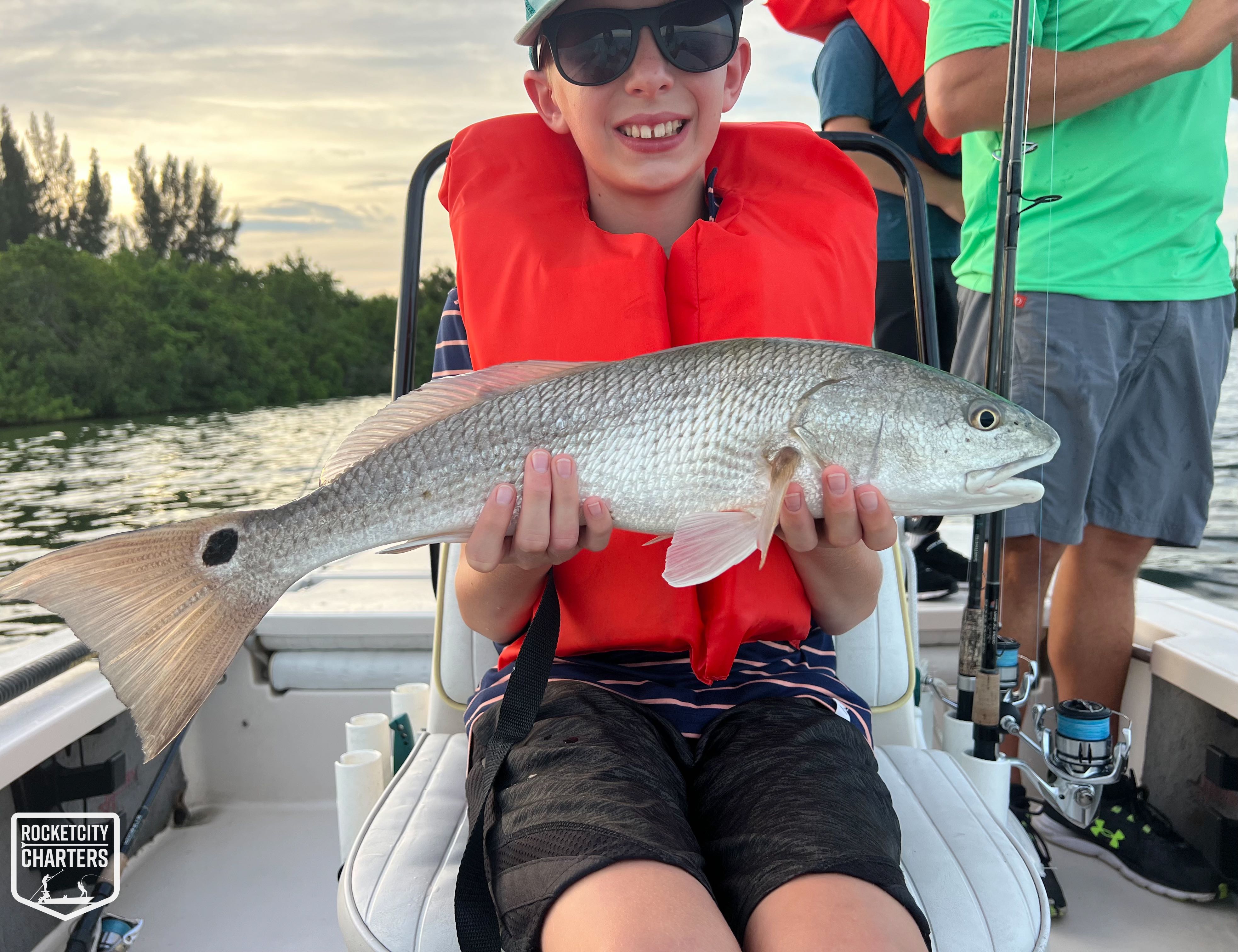
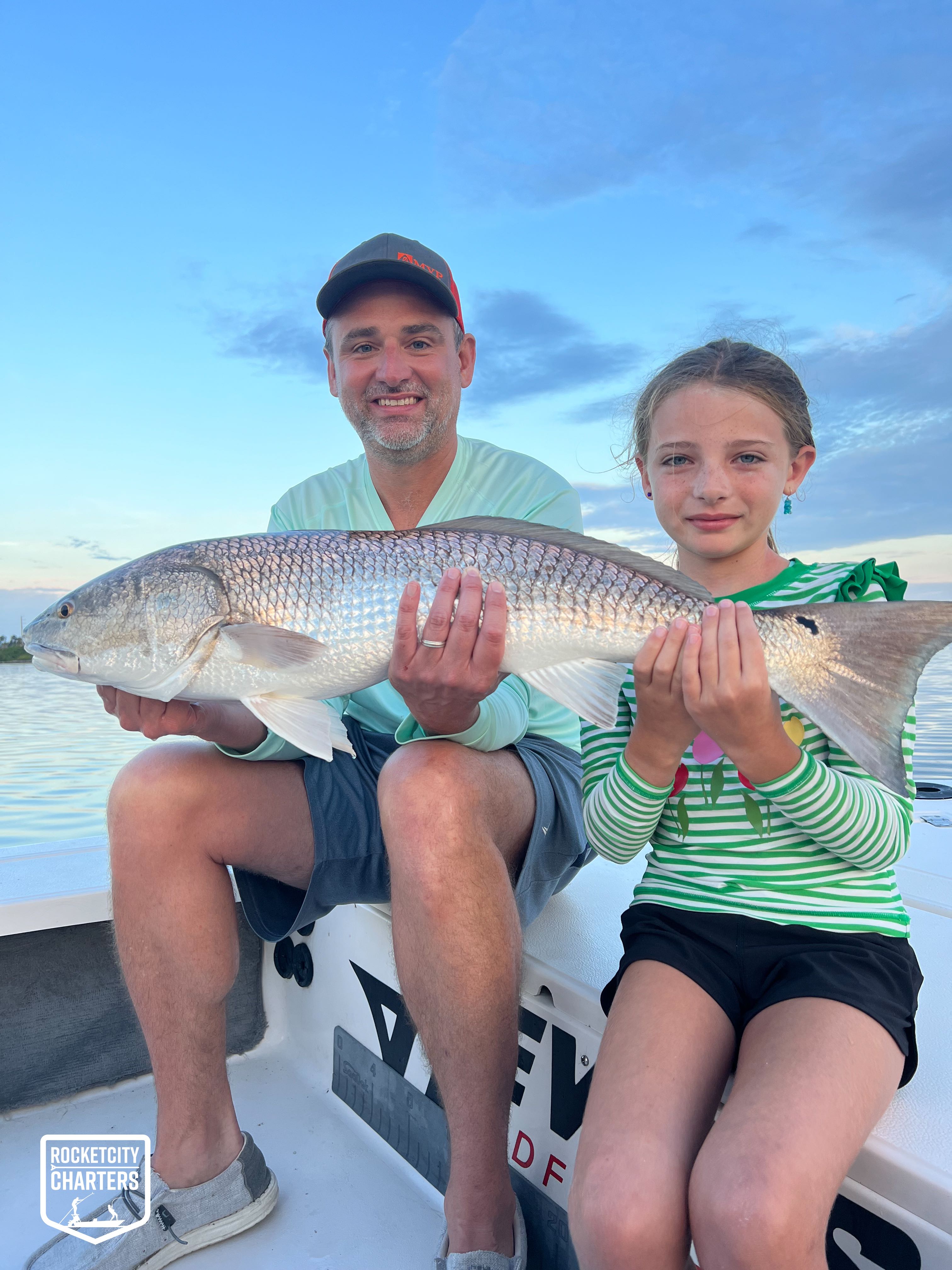
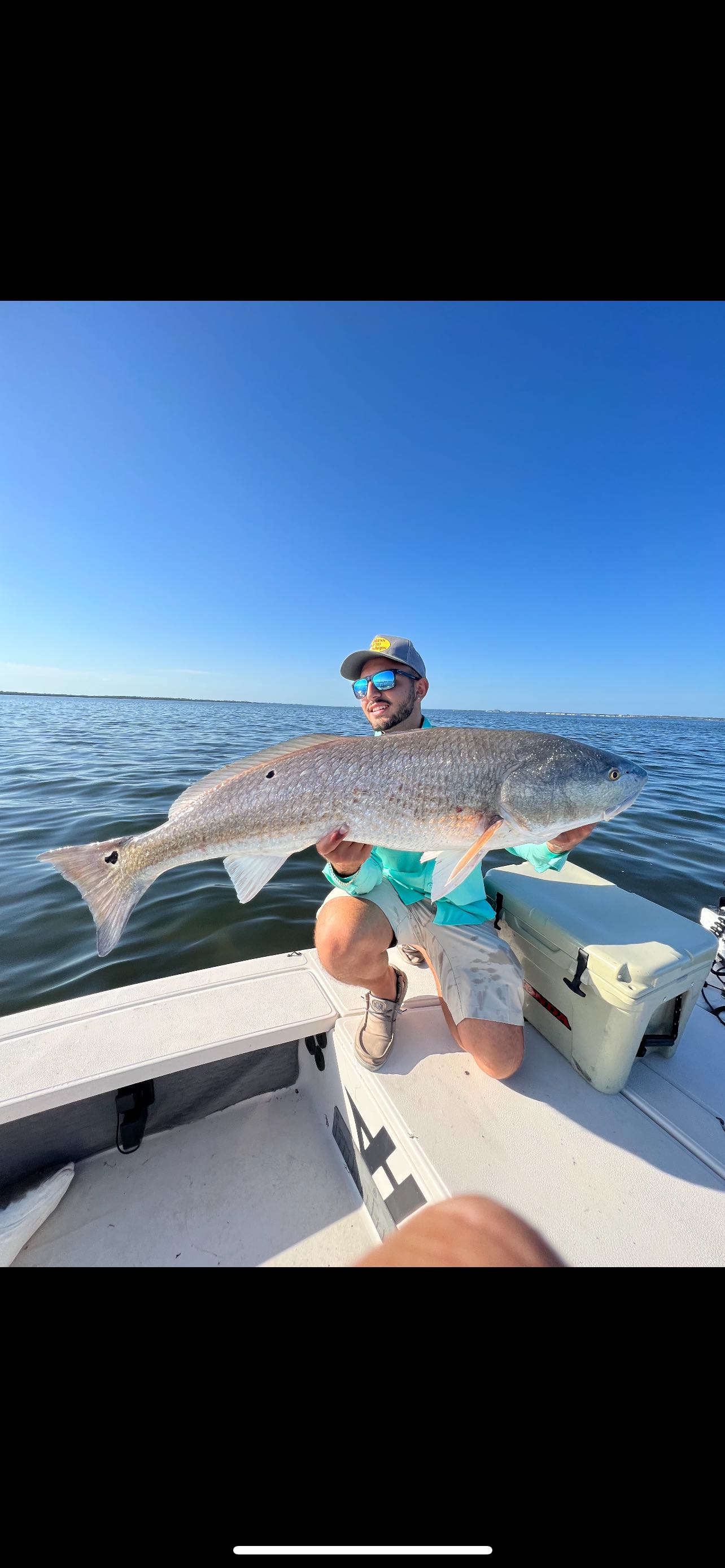
Redfish are the bread and butter of flats fishing, and Florida's Indian River system produces some absolute studs. These copper-colored fighters are most active during moving water, especially the first two hours of incoming tide. You'll spot them tailing in grass beds, cruising channel edges, or ganged up around structure. Reds between 18-27 inches are the sweet spot – slot-sized fish that fight hard and taste even better. What's cool about redfish is their predictability; once you learn their patterns, you can consistently find them in the same types of spots day after day.
Crevalle jack might not win any beauty contests, but they make up for it with pure, raw power. These yellow-sided bulldogs show up in schools, often blowing up baitfish on the surface in feeding frenzies that'll get your heart pumping. They're not picky eaters – anything that moves fast and looks like a fleeing baitfish will get hammered. A 15-pound jack will fight harder than most fish twice its size, making blistering runs and testing every knot in your system. They're perfect for beginners because they're aggressive and forgiving, but they'll humble even experienced anglers with their never-quit attitude.
Time to Book Your Spot
Two hours might sound short, but it's plenty of time to experience why flats fishing has such a devoted following. You'll walk away with a new appreciation for shallow
 Private Trip
 Flats/Shallows Fishing
 Cocoa, FL


 Two-hour flats fishing adventure in scenic Cocoa waters.