Flats Fishing Charter in Florida Waters
Picture yourself poling through crystal-clear shallow water, scanning for tailing redfish and cruising snook in some of Florida's most productive flats. This 4-hour charter with RocketCityCharters puts you right in the heart of world-class sight fishing action, where every cast counts and the adrenaline never stops. We handle all the details – premium tackle, fishing license, cold water, and ice – so you can focus on what matters: hooking into Florida's legendary inshore species. Plus, we'll capture your best moments with professional photos and video, giving you bragging rights that'll last long after you head home.
What to Expect on the Water
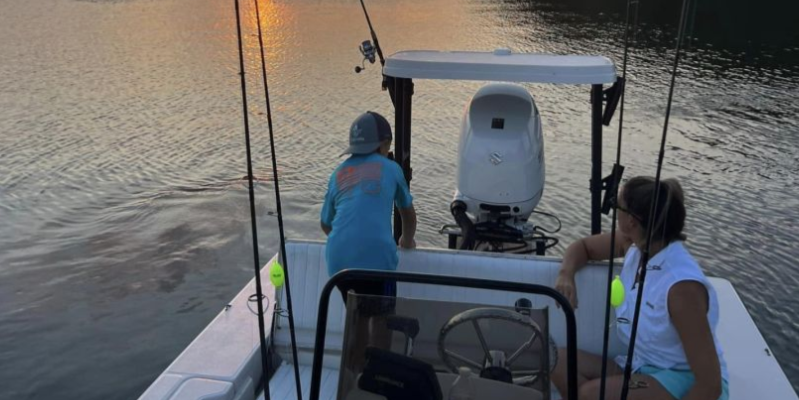
Your day starts early when the flats come alive with feeding fish. We'll meet you at the dock where our shallow-draft skiff waits, rigged and ready for serious sight fishing. The boat's designed specifically for flats work – quiet, stable, and able to float in water so thin you'll swear we're running on land. As we pole into the shallows, keep your eyes peeled for nervous water, tailing fish, and those telltale wakes that give away a cruising redfish. The atmosphere is pure Florida – mangrove islands, crystal water, and enough fish to keep your rod bent all morning. With space for just two anglers, you'll get personal attention and prime casting position whether you're a seasoned pro or picking up a rod for the first time. The action builds throughout the trip as we hit different flats based on tide, wind, and where the fish are showing up.
Sight Fishing & Light Tackle
Flats fishing is all about precision and presentation. We'll set you up with light spinning gear perfectly matched to the conditions – typically 3000-size reels spooled with 15-20 pound braid and fluorocarbon leaders that won't spook these wary fish. Your arsenal includes everything from topwater plugs for aggressive morning bites to soft plastics that drive redfish absolutely crazy. The key to success out here is learning to read the water and make accurate casts to fish you can actually see. I'll position the boat using a push pole to keep things dead quiet while you work on your presentation. Expect to throw everything from DOA shrimp under mangroves to MirrOlure topwaters over grass beds. The water clarity lets you watch fish react to your lure in real-time – there's nothing quite like seeing a big red turn and crush your bait in two feet of water. We'll adjust techniques throughout the trip based on conditions, sometimes drifting and casting, other times anchoring up on productive spots where the fish are stacked.
Top Catches This Season
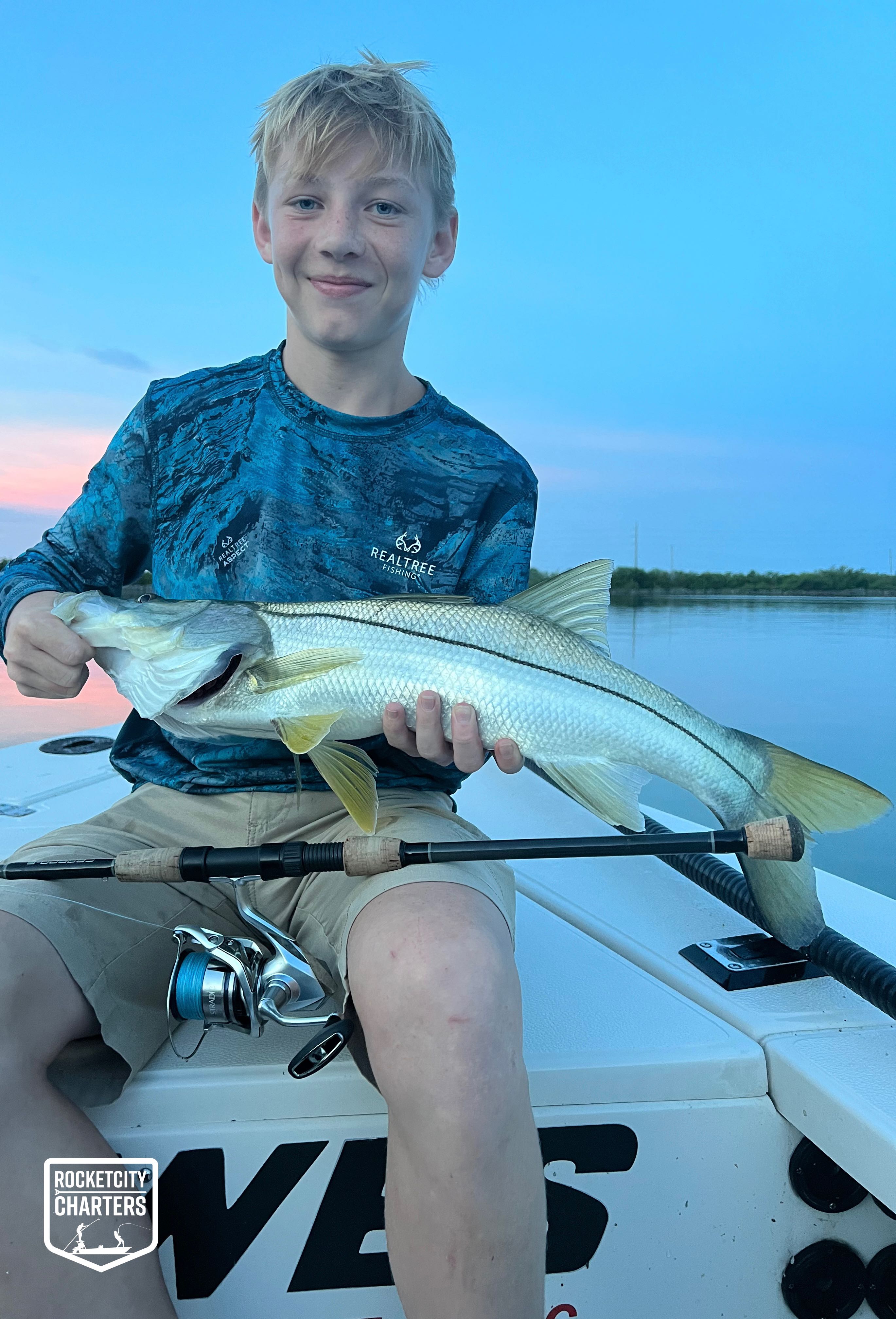
Snook are the kings of Florida flats, and these ambush predators know how to put up a fight. You'll find them lurking around mangrove shorelines, docks, and oyster bars where they can surprise unsuspecting baitfish. These fish are incredibly structure-oriented and will try to cut your line on anything they can find the second they feel the hook. What makes snook so exciting is their explosive strikes and acrobatic fights – they'll jump, gill-rattle, and run straight for cover. Best action happens during warmer months when they're most active, though we catch them year-round in South Florida waters. Slot-size fish run 28-32 inches, but don't be surprised if we hook into a real tank pushing 40 inches and 20+ pounds.
Black drum are the bulldogs of the flats – once they get their heads down, you're in for a serious tug-of-war. These bottom feeders cruise the shallows looking for crabs and shrimp, often in small schools that'll keep you busy for hours. You'll spot them by their distinctive black spots and thick, muscular bodies built for grinding out long fights in shallow water. They're not flashy like tarpon or snook, but pound-for-pound they're some of the strongest fish you'll tangle with. Peak season runs through cooler months when they move up shallow to feed, with fish ranging from 5-pound juveniles to 30-pound giants that'll test your drag and your patience.
Tarpon bring the wow factor to any flats trip. Even smaller juvenile tarpon in the 20-60 pound range will absolutely wreck you with their aerial displays and stamina. These silver kings are pure muscle and attitude, jumping repeatedly and fighting until they're completely exhausted. You'll find them rolling on the surface during warmer months, often in large schools that create a feeding frenzy atmosphere. The sight of a 4-foot tarpon exploding out of the water just yards from the boat is something you'll never forget. They're catch-and-release only, but the memories and photos make them priceless.
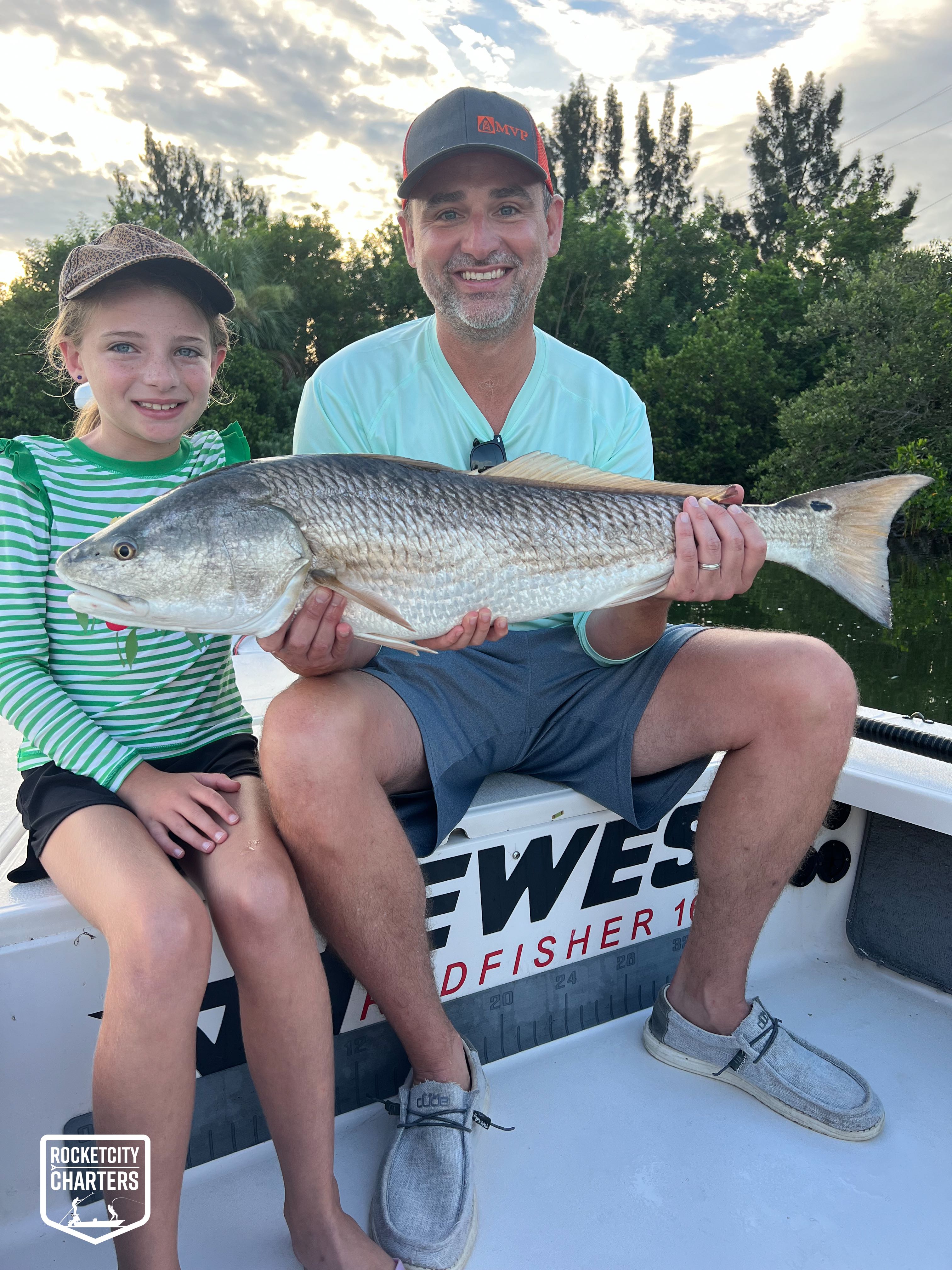
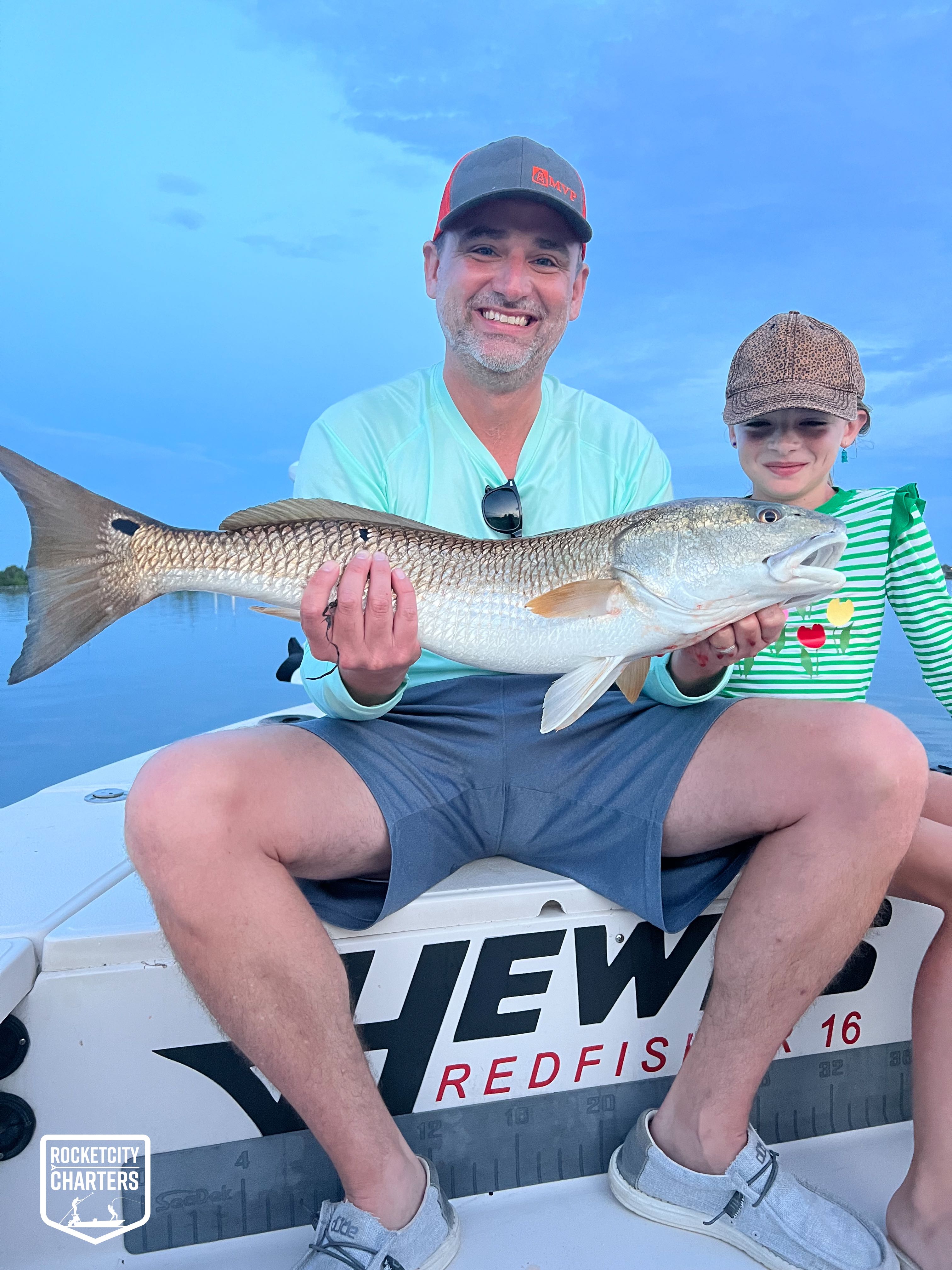
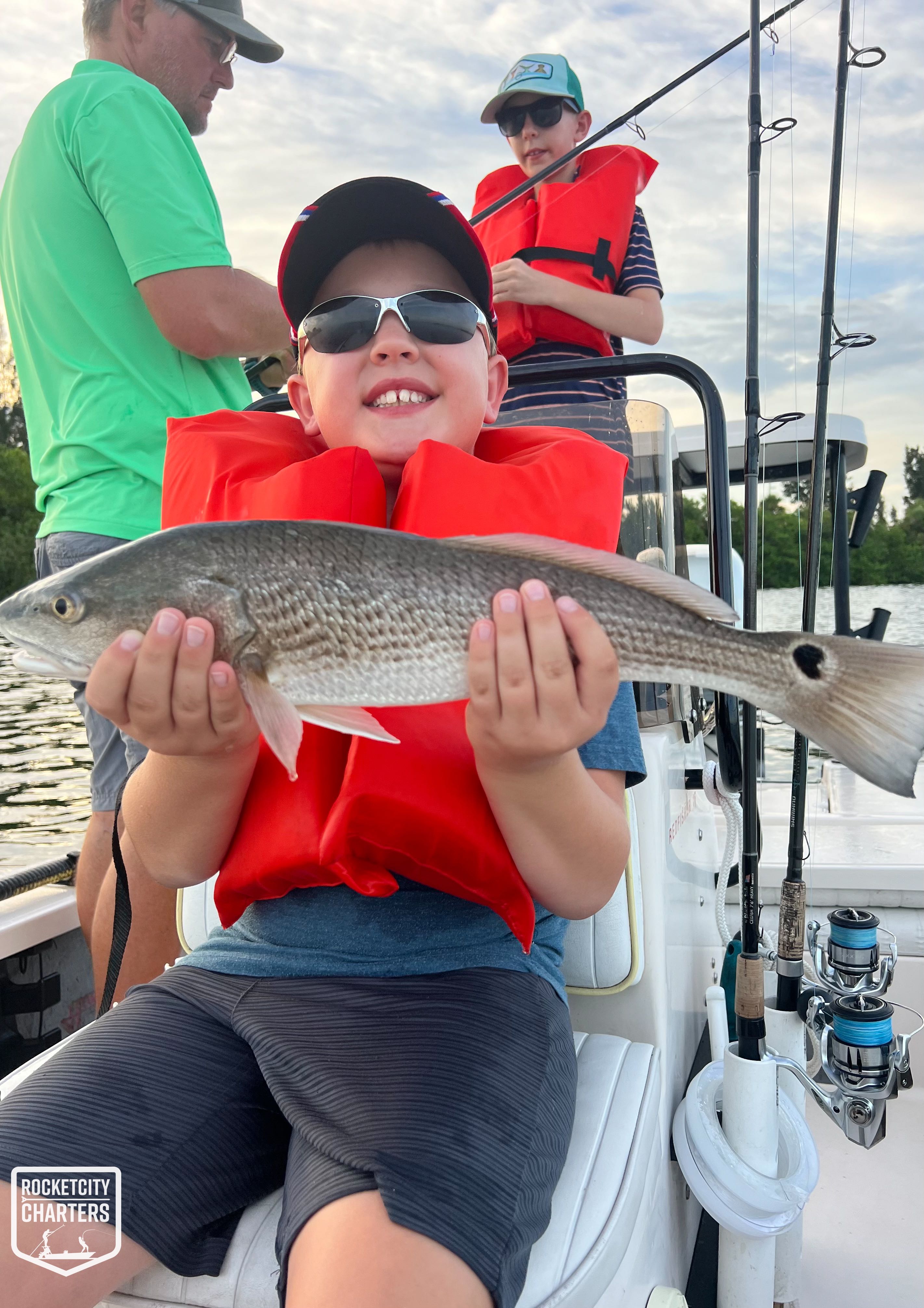
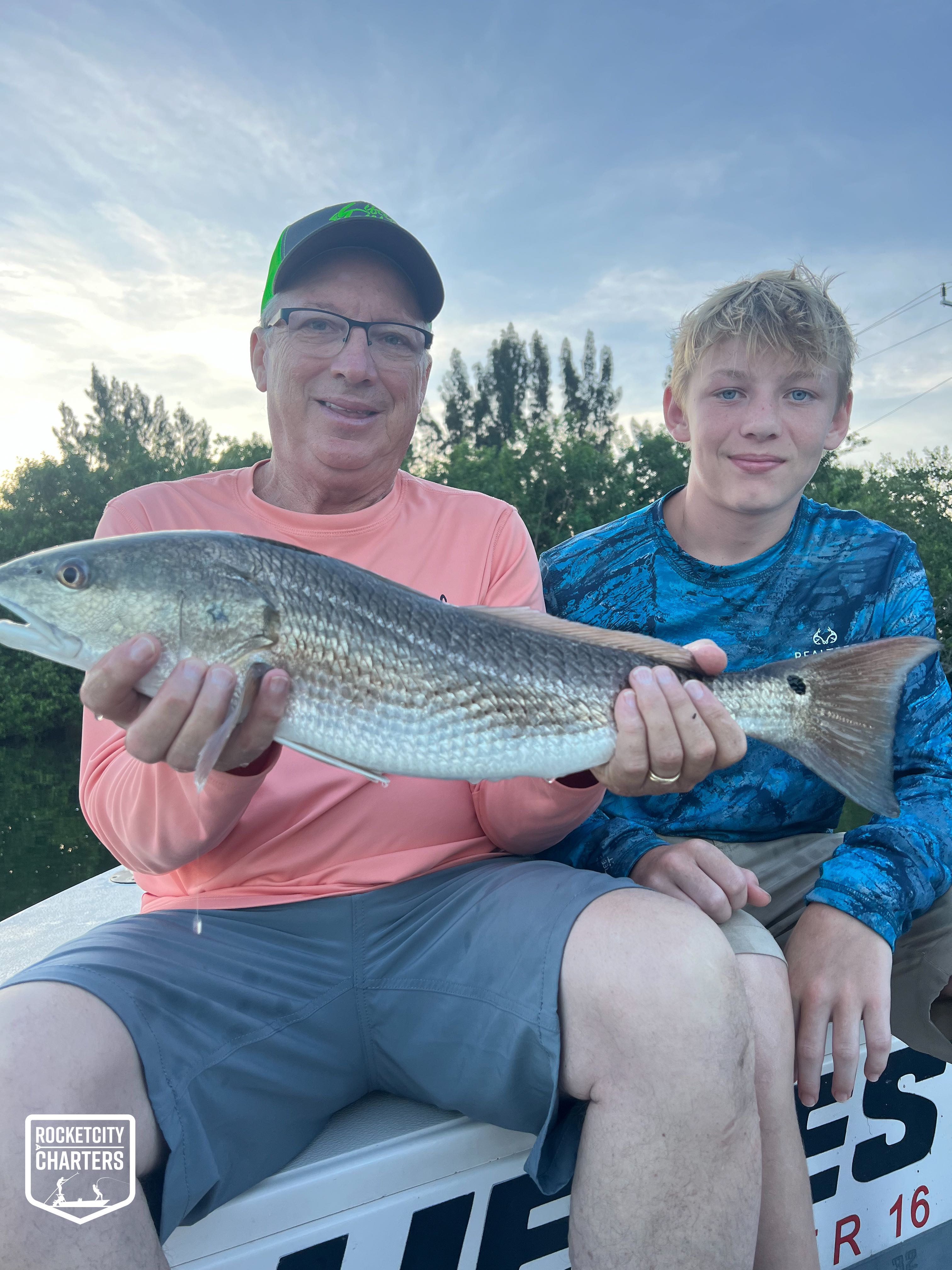
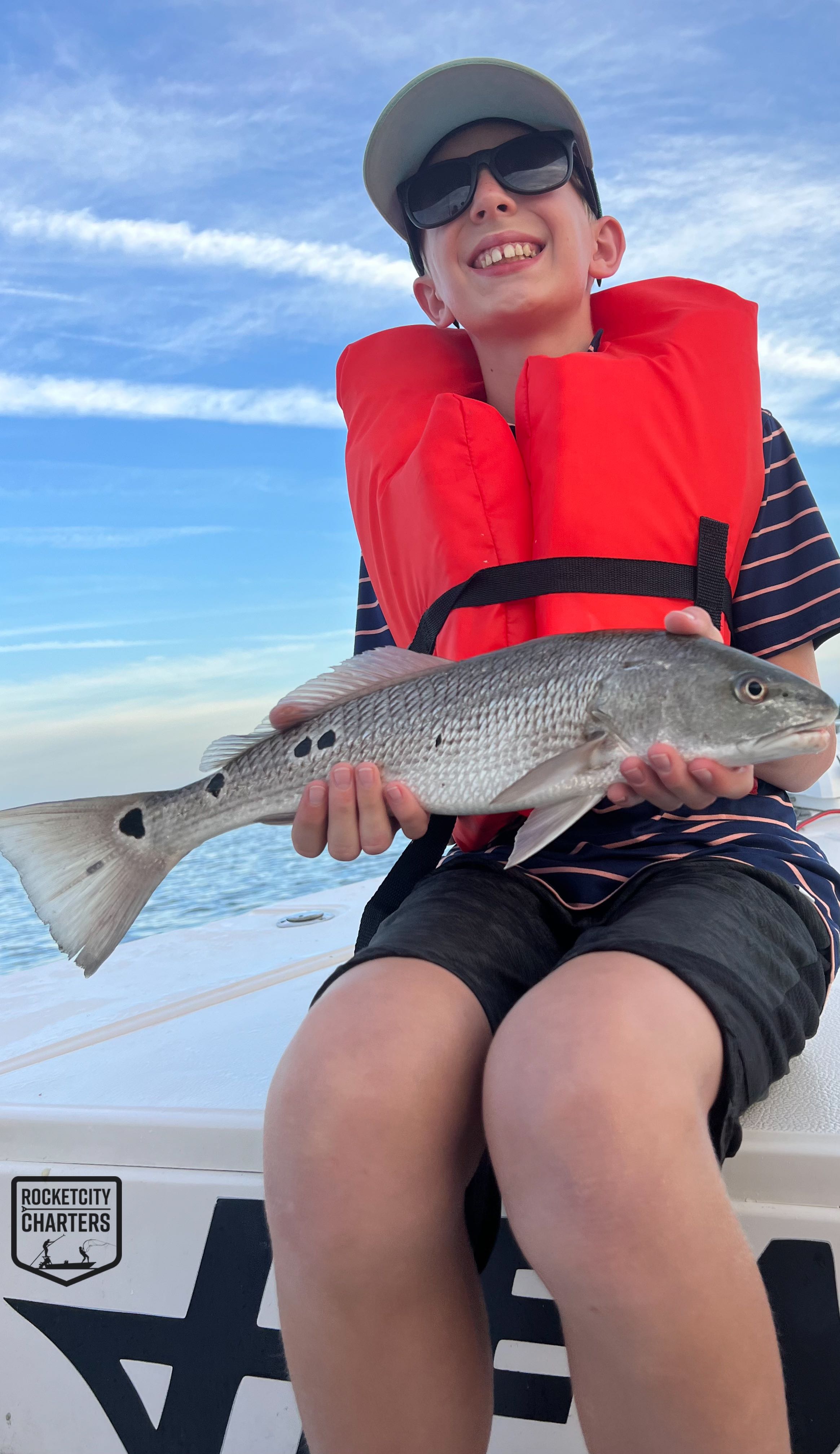
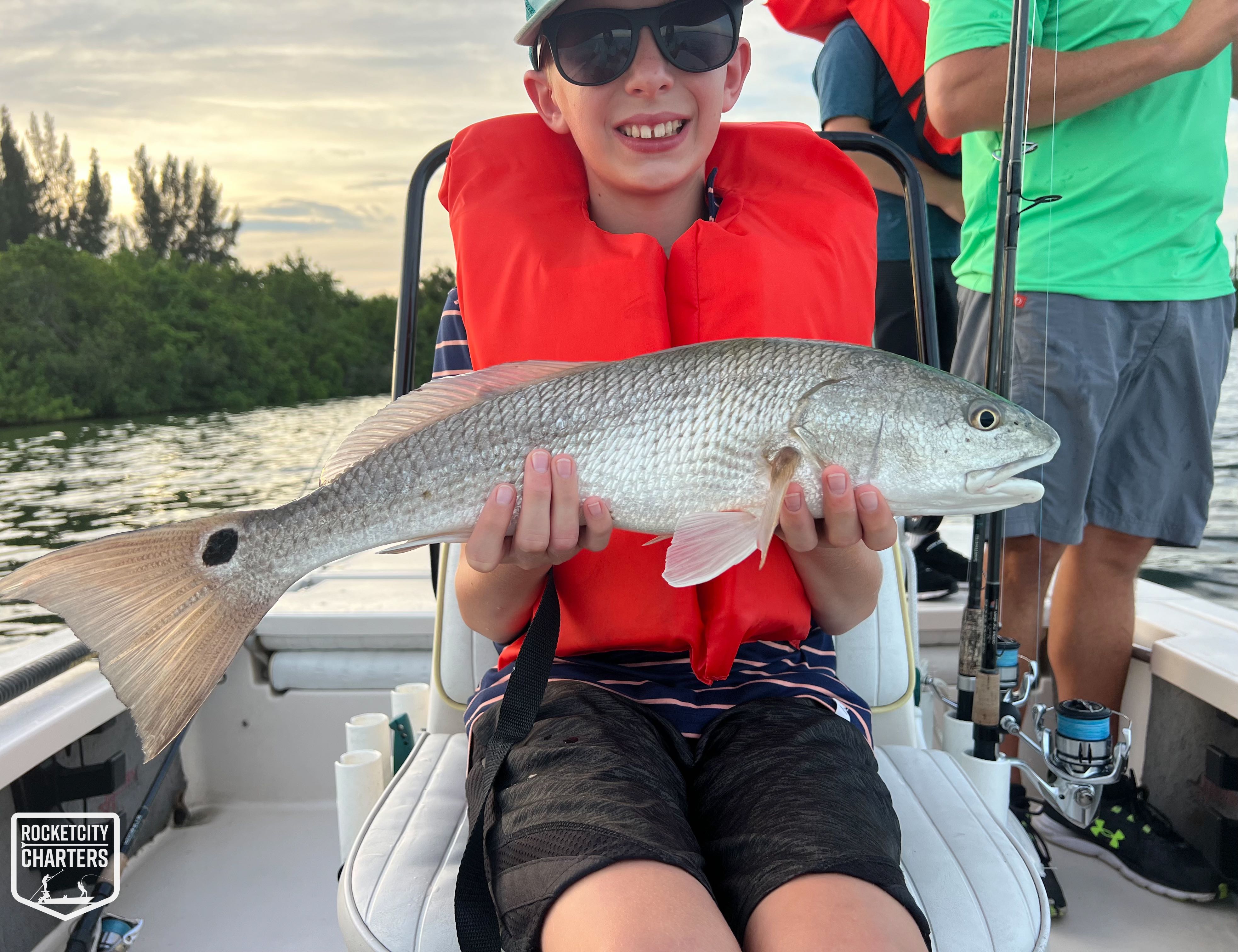
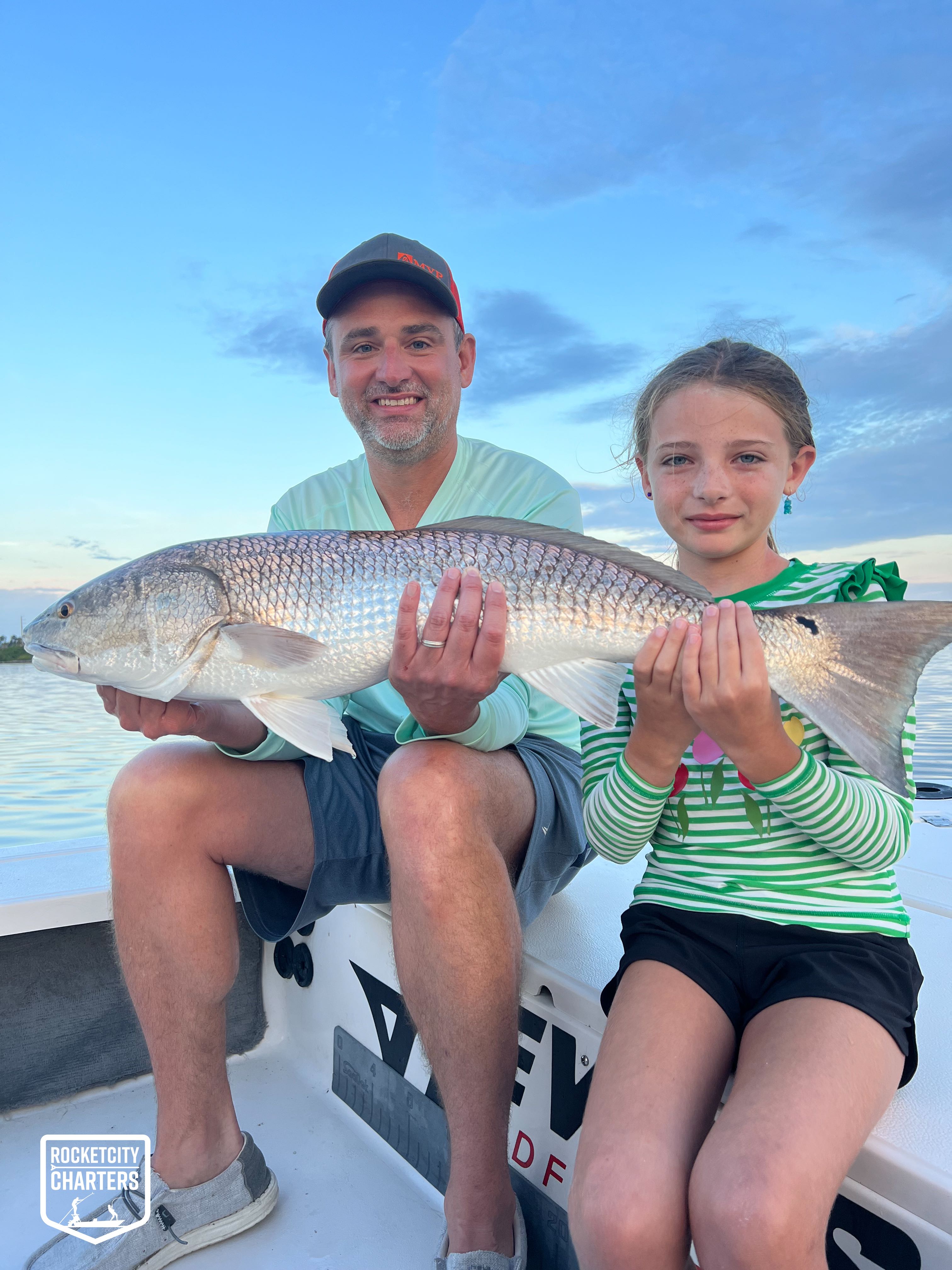
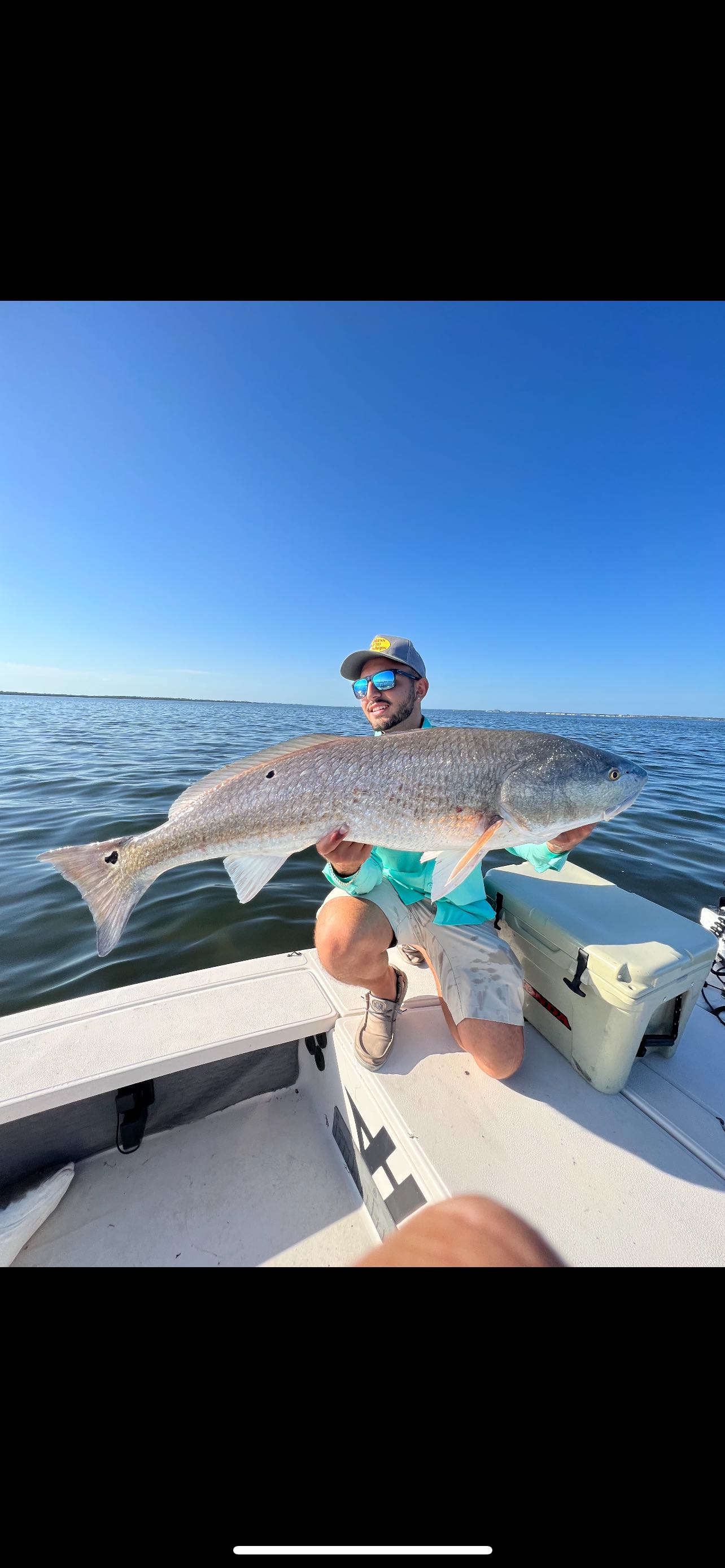
Redfish are what put Florida flats fishing on the map, and for good reason. These copper-colored bruisers are perfectly designed for shallow water living, with their underslung mouths and powerful tails built for rooting around oyster bars and grass beds. You'll spot them by their bronze backs and signature black spot near the tail, often cruising in small groups or tailing in ultra-shallow water. Reds are notorious for their bulldogging fights and their ability to find every piece of structure on the flat. They're active year-round in Florida waters, with fall and spring offering the most consistent action. Slot fish run 18-27 inches, but oversized bulls pushing 40+ inches show up regularly and will absolutely smoke your drag.
Crevalle Jack round out the mix with pure, relentless power. These yellow-sided torpedoes hunt in packs and fight like they're twice their size. When you hook into a school of jacks, be ready for fast action and screaming runs that'll have you questioning your knot-tying skills. They're not the prettiest fish in the water, but they make up for it with sheer determination and fighting ability. You'll find them year-roun

 Private Trip
 Flats/Shallows Fishing
 Cocoa, FL


 Four-hour flats fishing charter targets redfish and snook