Naples Backwater Fishing for Trophy Inshore Species
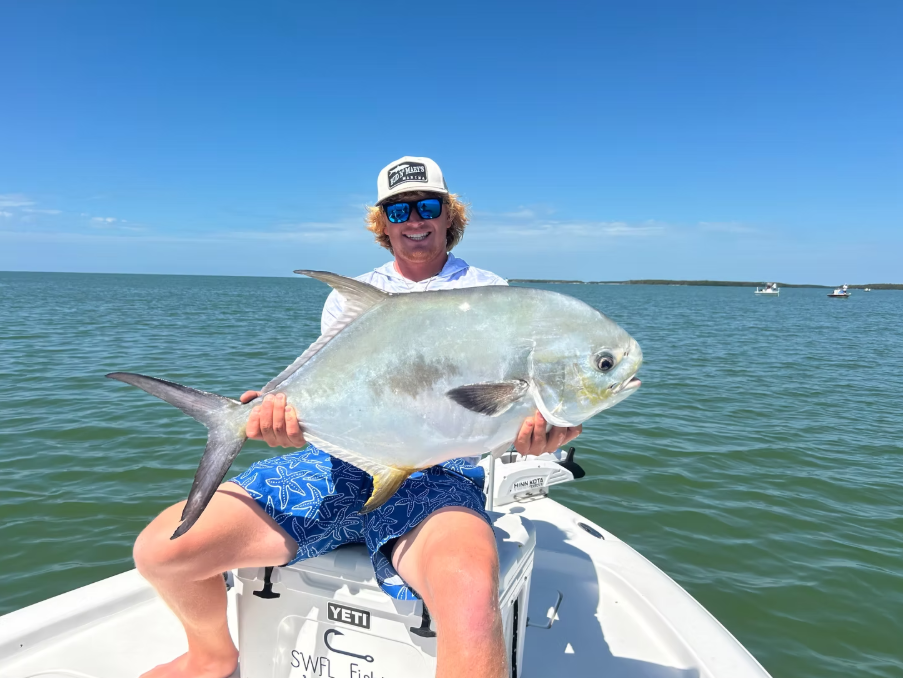
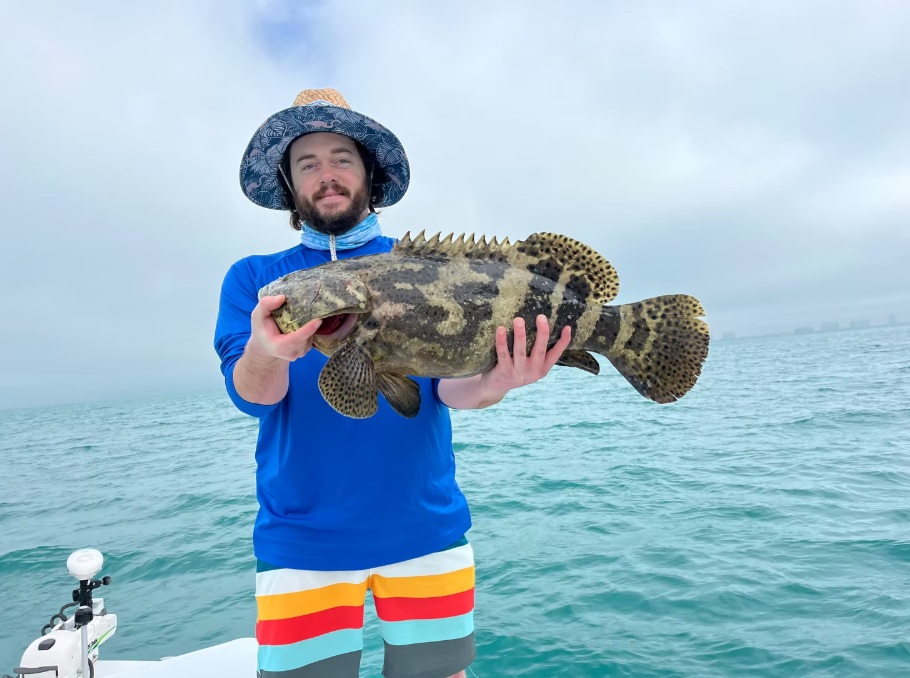
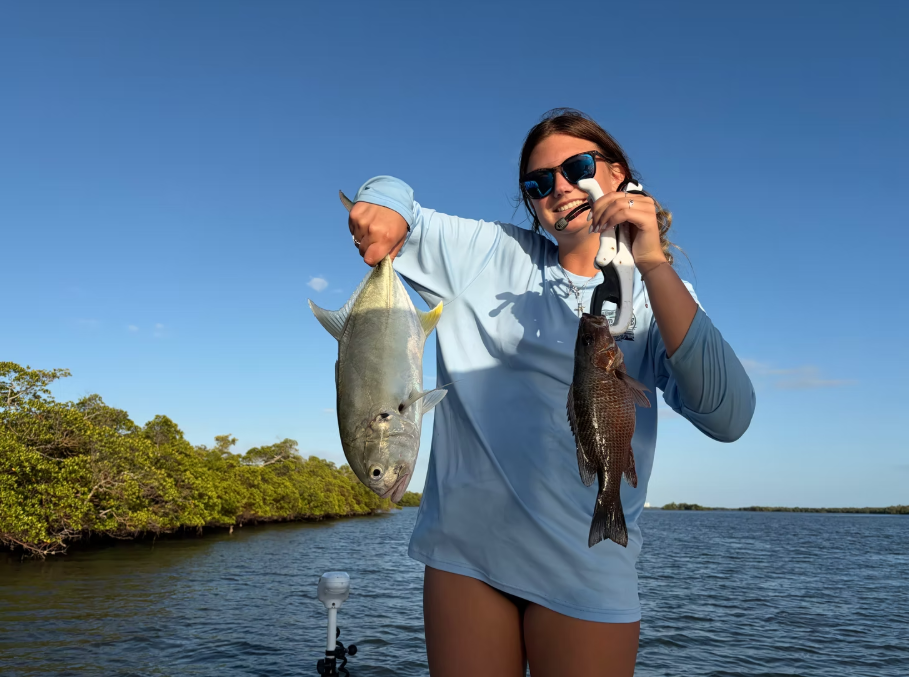
The backwaters around Naples hold some of Southwest Florida's most productive fishing spots, and this half-day charter puts you right in the heart of the action. Captain Parker knows these waters like the back of his hand – every oyster bar, grass flat, and mangrove creek that holds fish throughout the year. You'll spend four solid hours working the 10,000 Islands region, where shallow water fishing meets big fish opportunities. Whether you're casting topwater plugs at first light or working live bait through the mangroves, this trip delivers the kind of inshore fishing that keeps anglers coming back to Southwest Florida year after year.
What to Expect on the Water
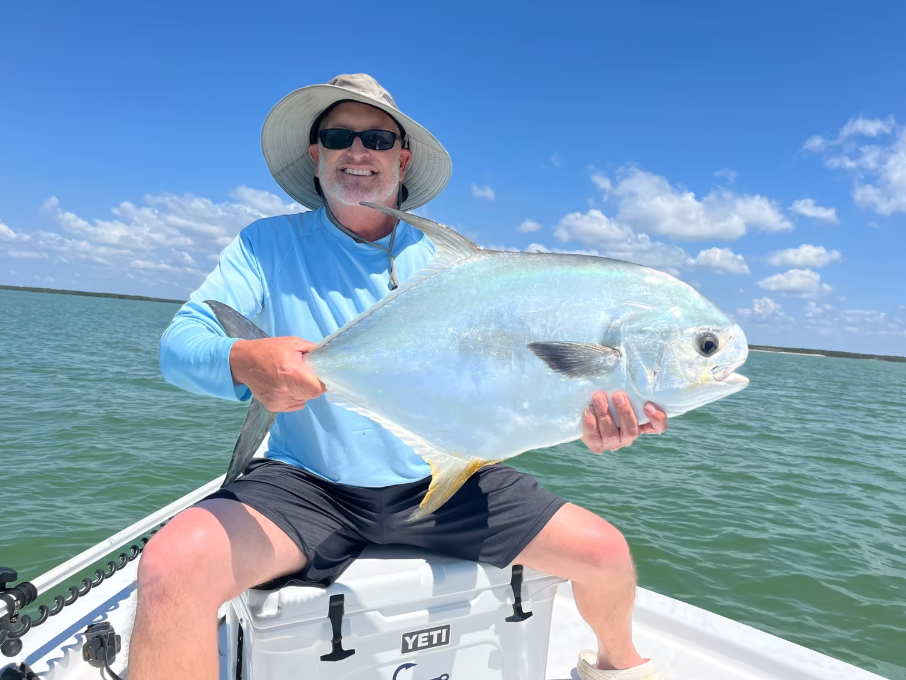
Your morning starts with a quick boat ride to some of the most fish-rich waters in Southwest Florida. The 10,000 Islands area offers everything an inshore angler could want – miles of grass flats, protected mangrove shorelines, and tidal creeks that funnel baitfish and predators together. Captain Parker reads the conditions each day and adjusts the game plan accordingly. High tide might mean working the shallow flats for cruising redfish, while low water could have you sight-casting to snook tucked up in the mangrove roots. The boat stays in skinny water most of the trip, rarely going deeper than six feet, which puts you in prime habitat for the species that make Southwest Florida famous. You'll cover different types of structure throughout the four hours – from sandy potholes that hold trout to rocky points where tarpon roll. The captain provides all the tackle and knows which baits and lures work best for each spot and tide stage.
Techniques & Tackle Setup
This charter runs on light tackle that matches the shallow water environment perfectly. You'll fish with spinning rods spooled with 15-20 pound braid, which gives you the sensitivity to feel subtle bites but enough backbone to handle bigger fish in structure. Captain Parker switches between live bait and artificials depending on what the fish want that day. Live shrimp work great for redfish and trout, while pinfish and sardines get the attention of snook and tarpon. On the artificial side, expect to throw everything from topwater plugs during low-light periods to soft plastics when fish are holding tight to cover. The captain teaches proper casting techniques for different situations – like how to skip a bait under overhanging mangroves or work a popping cork over grass beds. Sight-fishing plays a big role when conditions allow, so you'll learn to spot fish in shallow water and make accurate presentations. The boat stays positioned with the trolling motor to keep noise down and give everyone clear casting lanes to productive water.
Species You'll Want to Hook
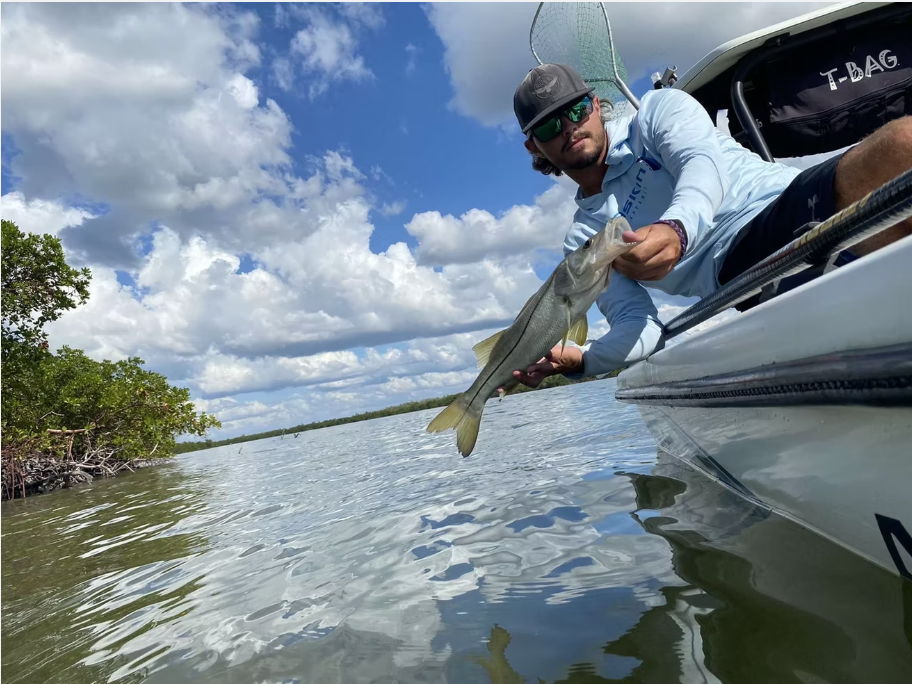
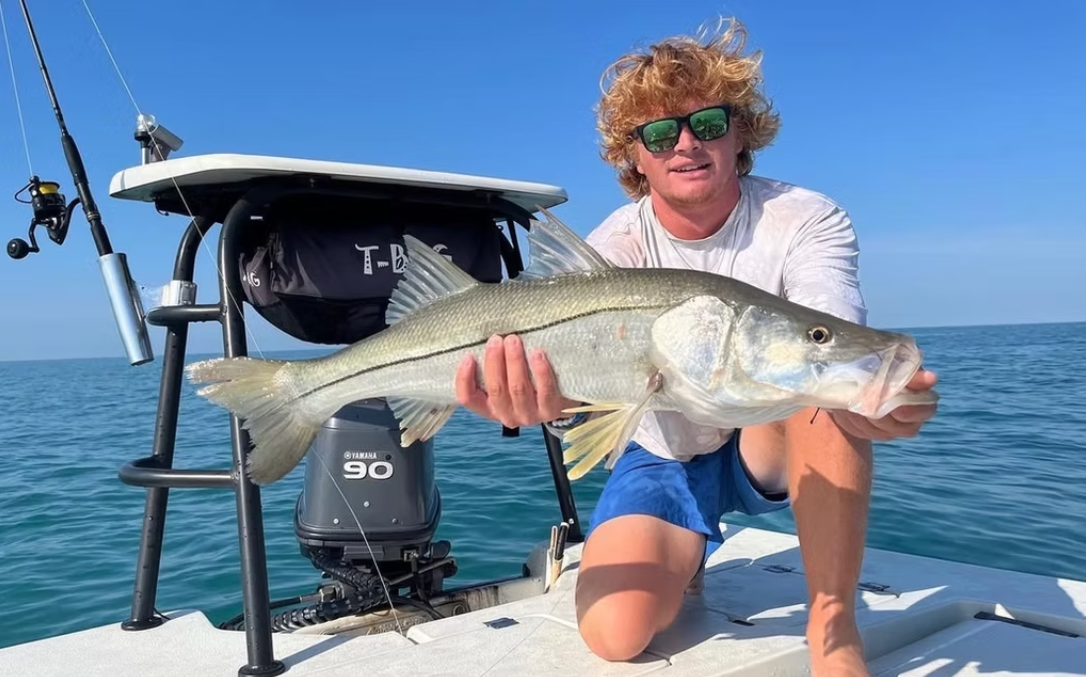
Snook are the bread and butter of Southwest Florida inshore fishing, and these backwaters hold some beautiful fish year-round. They love structure – mangrove edges, docks, oyster bars, anywhere they can ambush baitfish. Snook hit hard and fight dirty, using their gill plates and any nearby structure to try to break you off. The slot size runs from 28 to 33 inches, and a keeper snook makes for excellent table fare. Best action typically happens during moving water, especially the last two hours of incoming tide when bait gets pushed up into the shallows.
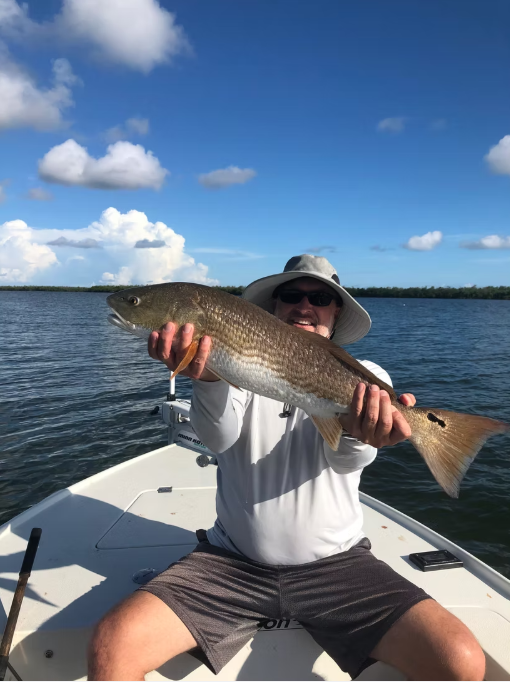
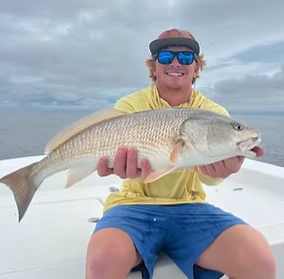
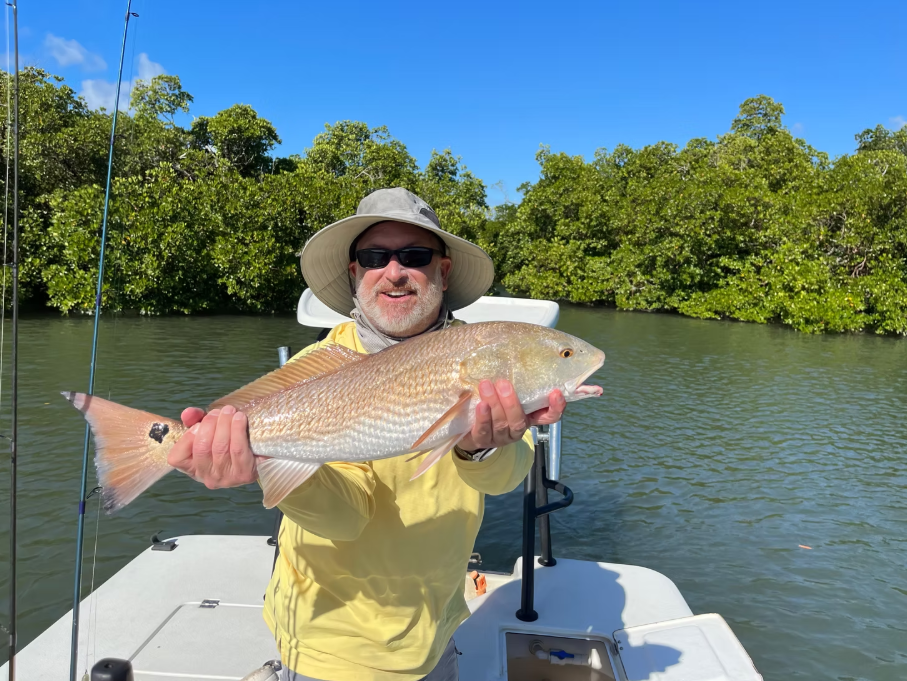
Redfish patrol these flats in schools, and when you find them, the action can be fast and furious. They're not picky eaters – live shrimp, cut bait, or a well-presented soft plastic will all get their attention. Reds fight with pure power, making long runs and using their broad tails to good advantage. You'll find them tailing in super shallow water during high tide, cruising the grass flats, or holding around oyster bars. The slot runs from 18 to 27 inches, and these fish are perfect for the dinner table.
Tarpon show up in good numbers, especially during the warmer months from April through October. Even the smaller tarpon in the backwaters – fish in the 20 to 60-pound range – will test your tackle and skills. They're famous for their jumping ability and can throw the hook if you don't keep proper pressure. Live bait works best, particularly sardines or large shrimp. When a tarpon eats your bait, there's no mistaking it – the rod loads up and the fight begins immediately.
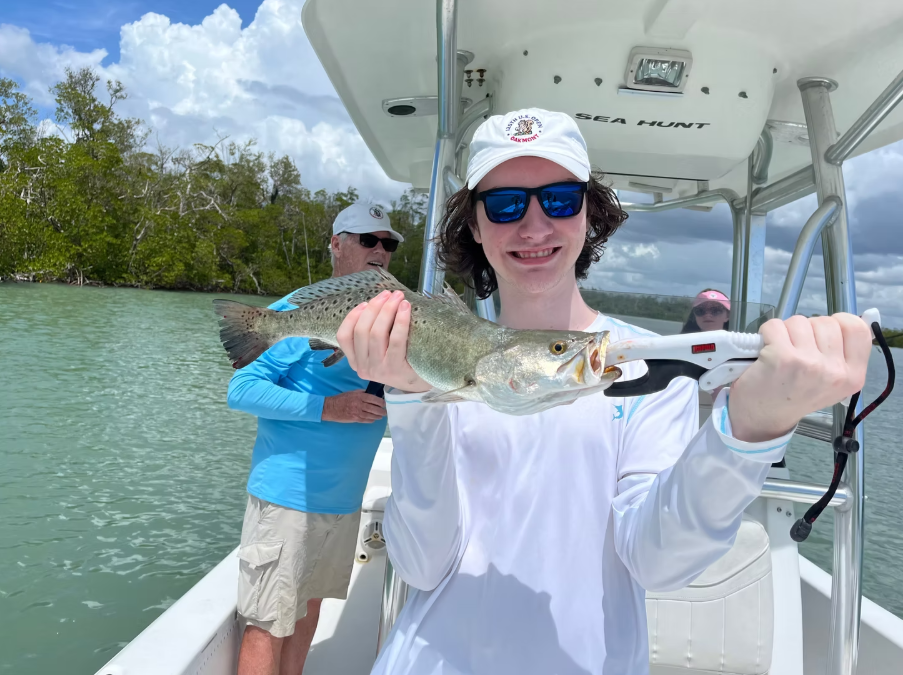
Speckled trout love the grass flats and are one of the most consistent biters in these waters. They're structure-oriented but roam more than snook or redfish. Trout respond well to both live and artificial baits, making them perfect for anglers who want to practice different techniques. They're excellent eating and relatively easy to catch once you locate a school. Look for them around grass beds, sandy potholes, and areas where depth changes create current breaks.
Sheepshead are the technical fish of the bunch, with mouths full of crushing teeth designed to eat crabs and barnacles off structure. They're notorious bait stealers but incredibly good eating. Fiddler crabs and live shrimp work best, fished tight to structure like docks, bridges, or rocky areas. The bite is subtle – often just a slight tap – so you need to stay alert and set the hook quickly. Sheepshead fishing teaches you to be a better angler because they demand patience and finesse.
Time to Book Your Spot
This half-day charter delivers exactly what Southwest Florida inshore fishing is all about – diverse species, beautiful scenery, and the chance to learn from a captain who lives and breathes these waters. Four hours gives you enough time to hit multiple spots and target different species without feeling rushed. The 10,000 Islands area produces fish year-round, but each season brings different opportunities and techniques. Captain Parker's local knowledge makes the difference between a good day and a great day on the water. Whether you're new to saltwater fishing or looking to sharpen your inshore skills, this trip provides
 Private Trip
 undefined, undefined


 Four-hour guided charter through Naples' famous 10,000 Islands backwaters