Private Semi-Guided Fishing Pack Trips - Idaho
Picture this: you're miles deep into Idaho's backcountry, where the only sounds are rushing water and maybe a hawk circling overhead. That's what you get with Saddle Horn Outfitters' semi-guided fishing pack trips. At $350 per person per day with a 4-day minimum, this isn't your typical day-trip experience. We're talking about getting you into remote waters where the fish haven't seen a dozen lures every morning. You'll need to be comfortable spending up to 8 hours in the saddle on pack days, but don't worry if you've never ridden before—our horses and mules know these mountain trails like the back of their hooves.
What to Expect on the Water
This semi-guided setup gives you the best of both worlds. You get professional support getting into prime fishing territory, but once you're there, you call the shots. No guide hovering over your shoulder telling you which fly to tie on or where to cast. It's perfect for anglers who know their way around a rod but want access to waters that would take years to find on their own. The remote country we access holds some serious fish—cutthroat, browns, and lake trout that have room to grow and fight like they mean it. You're looking at crystal-clear alpine lakes and streams where a 20-inch fish isn't just possible, it's likely. Keep in mind this price doesn't cover your fishing license, and you'll see a 6% Idaho sales tax added to your final bill.
Pack Trip Logistics
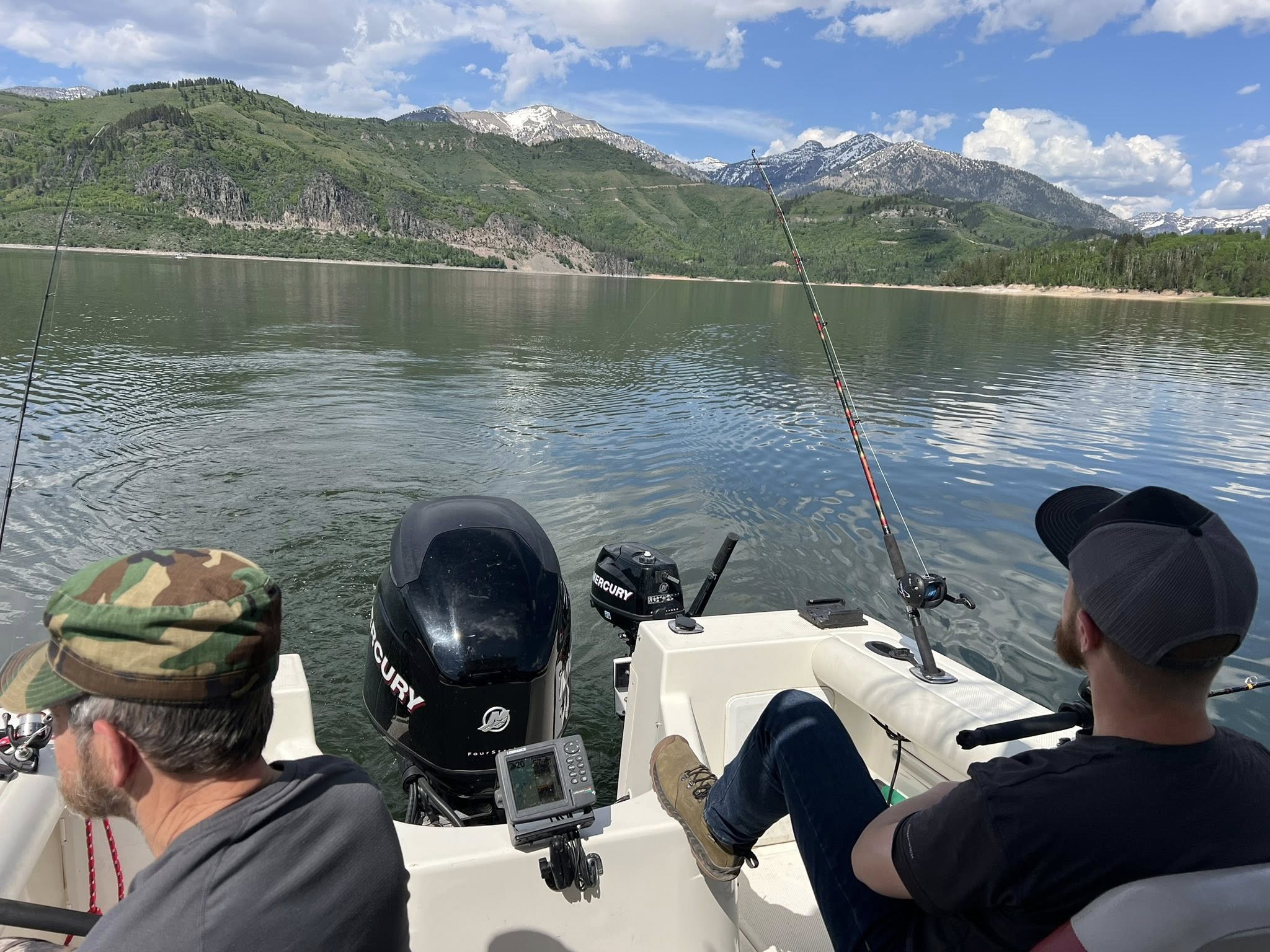
Getting to these hidden gems requires some real mountain travel. Our pack string carries all the gear while you focus on staying in the saddle and taking in country most folks will never see. The horses do the heavy lifting—literally. We're hauling in camp supplies, fishing gear, and everything needed to keep you comfortable in the backcountry for multiple days. The terrain varies from dense timber to open meadows, with elevation changes that'll remind you why these fish grow so healthy. Streams run cold and clean, fed by snowmelt and springs that keep water temperatures perfect year-round. Lakes sit in cirques carved by ancient glaciers, some so clear you can watch fish cruising 15 feet down. No cell service, no traffic noise—just you, the water, and fish that have never seen a crowd.
Species You'll Want to Hook
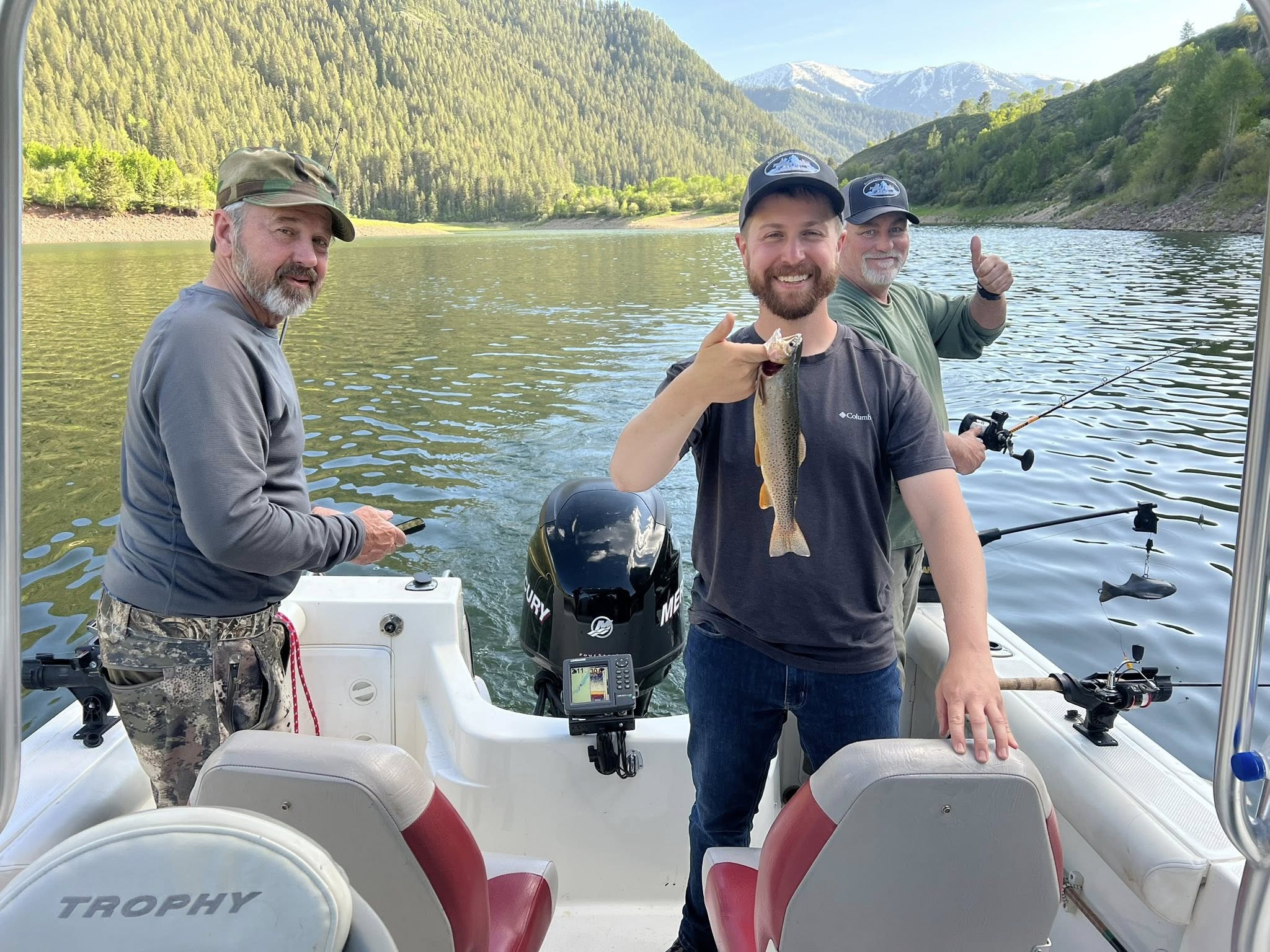
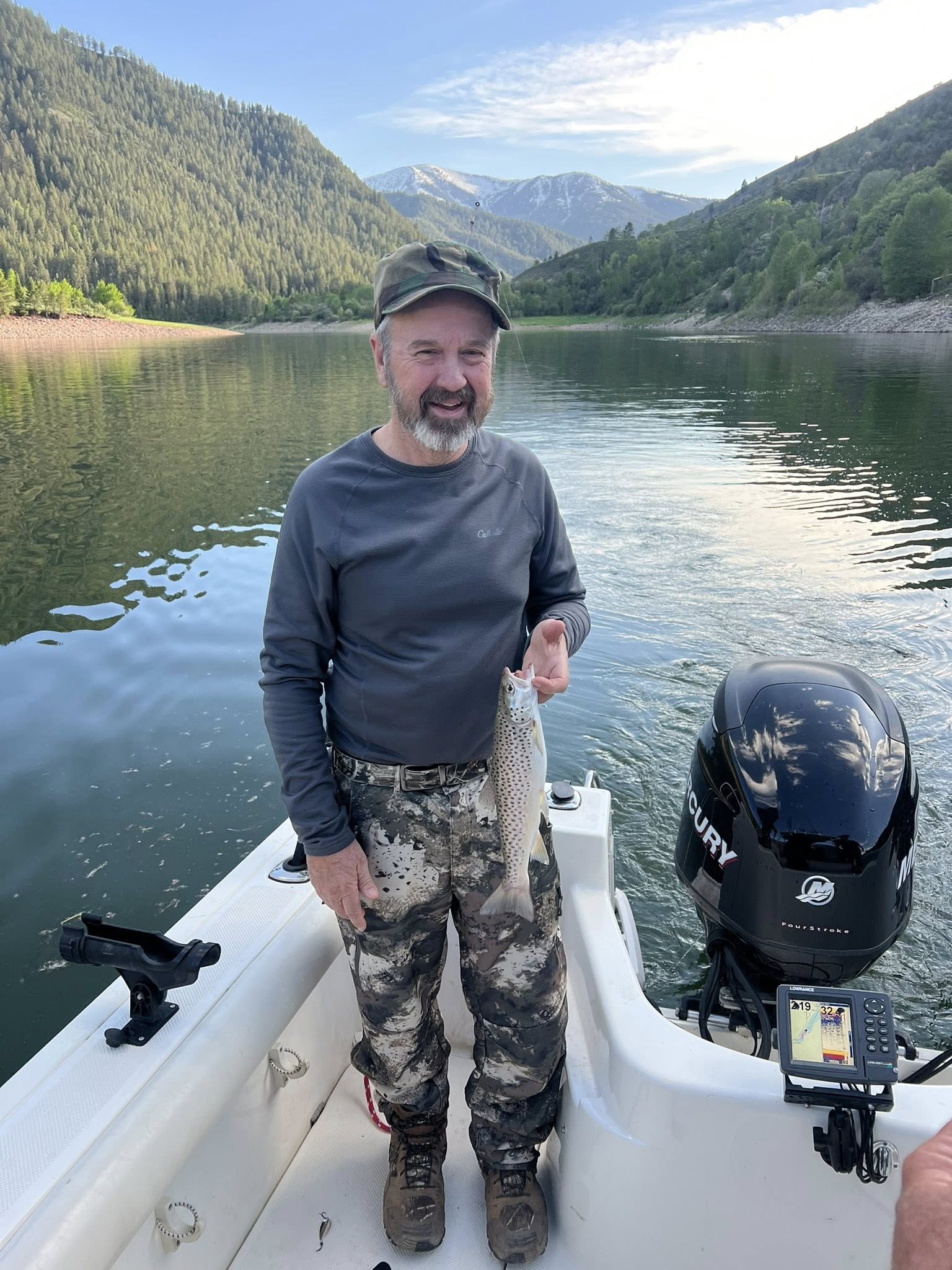
Cutthroat Trout are the stars of these high-country waters. Idaho's native cutthroat populations thrive in remote lakes and streams where they've got room to grow and plenty of natural food. These fish are aggressive and curious, often willing to hit dry flies with enthusiasm that'll surprise you. Peak season runs from July through September when water temperatures warm enough for active feeding. Cutthroat in these backcountry waters commonly reach 16-20 inches, with their distinctive red slash marks making every catch a photo opportunity. They fight clean and jump often, giving you the full mountain trout experience.
Brown Trout bring a different challenge to these waters. Known for being selective and smart, browns in remote Idaho lakes and streams grow fat on abundant insect life and smaller fish. Fall months can be especially productive as browns move into pre-spawn feeding mode. These fish tend to be opportunistic in backcountry settings where food sources vary seasonally. A 18-inch brown from pristine mountain water fights harder than any farm pond fish you've ever hooked. They're known for making long runs and using current to their advantage, testing both your drag system and your nerve.
Lake Trout represent the trophy potential of these pack-in trips. In deeper alpine lakes, lake trout grow slowly but reach impressive sizes—fish over 30 inches aren't uncommon in the right waters. They prefer cooler water and often hold deep during summer months, making early morning and evening the prime windows. Lake trout fishing requires patience and often heavier tackle, but the payoff is worth it. These fish provide steady, powerful fights that can last 10-15 minutes with larger specimens. They're also excellent table fare, making them a practical target for multi-day trips where fresh protein is welcome.
Time to Book Your Spot
Semi-guided pack trips fill up fast, especially for prime summer and early fall dates. The combination of world-class fishing access and the independence to fish your own style makes this a customer favorite among serious anglers. You're not just buying a fishing trip—you're investing in access to some of Idaho's most pristine waters and the kind of fishing stories that last a lifetime. The 4-day minimum gives you time to really explore different waters and adjust your techniques to what the fish are doing. Ready to experience what remote Idaho fishing is all about? These dates won't stay open long, and the fish are always biting somewhere in this top-rated backcountry territory.
 Private Trip
 River Fishing
 Preston, ID


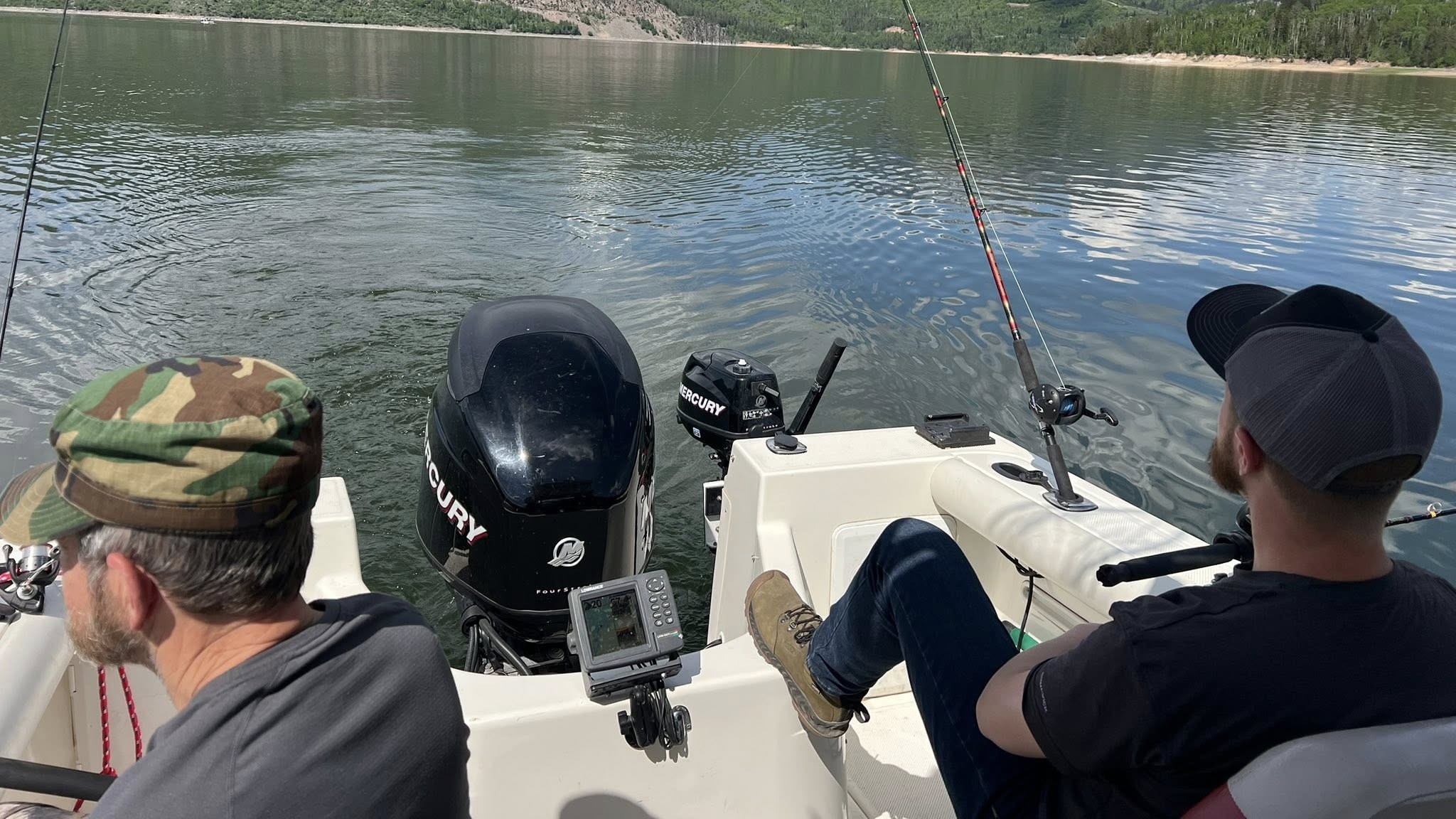
 Semi-guided fishing trips in Idaho's remote backcountry wilderness