Chesapeake Bay Winter Striped Bass Fishing
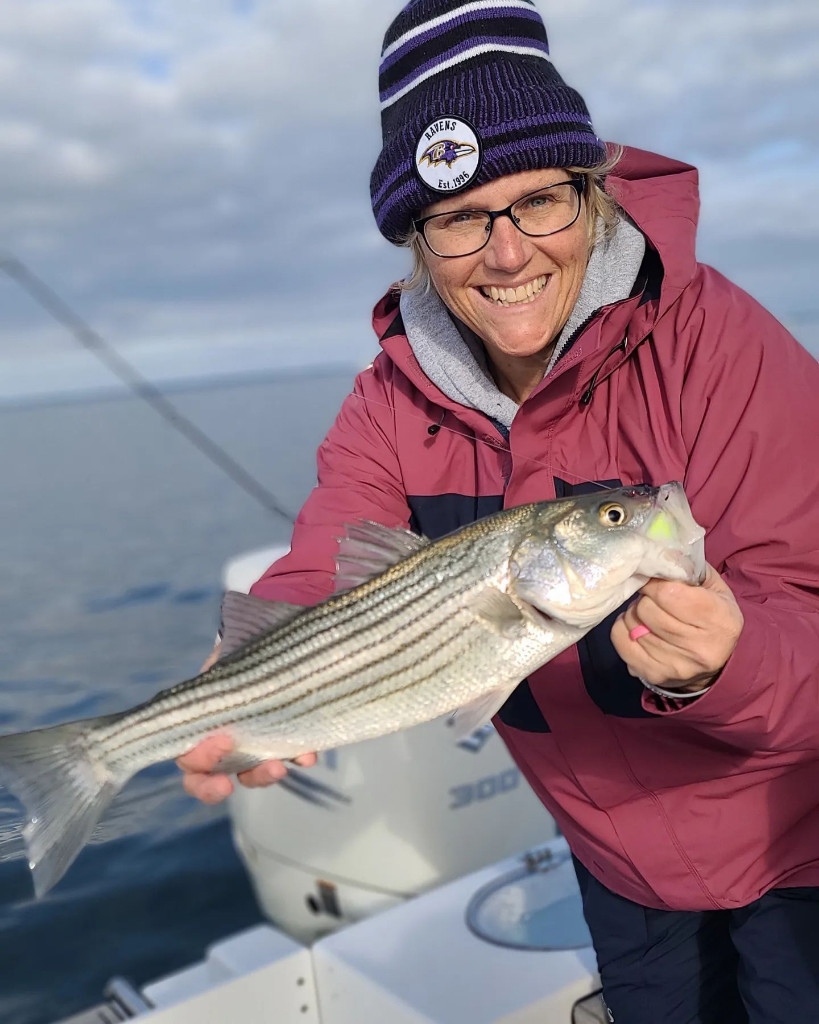
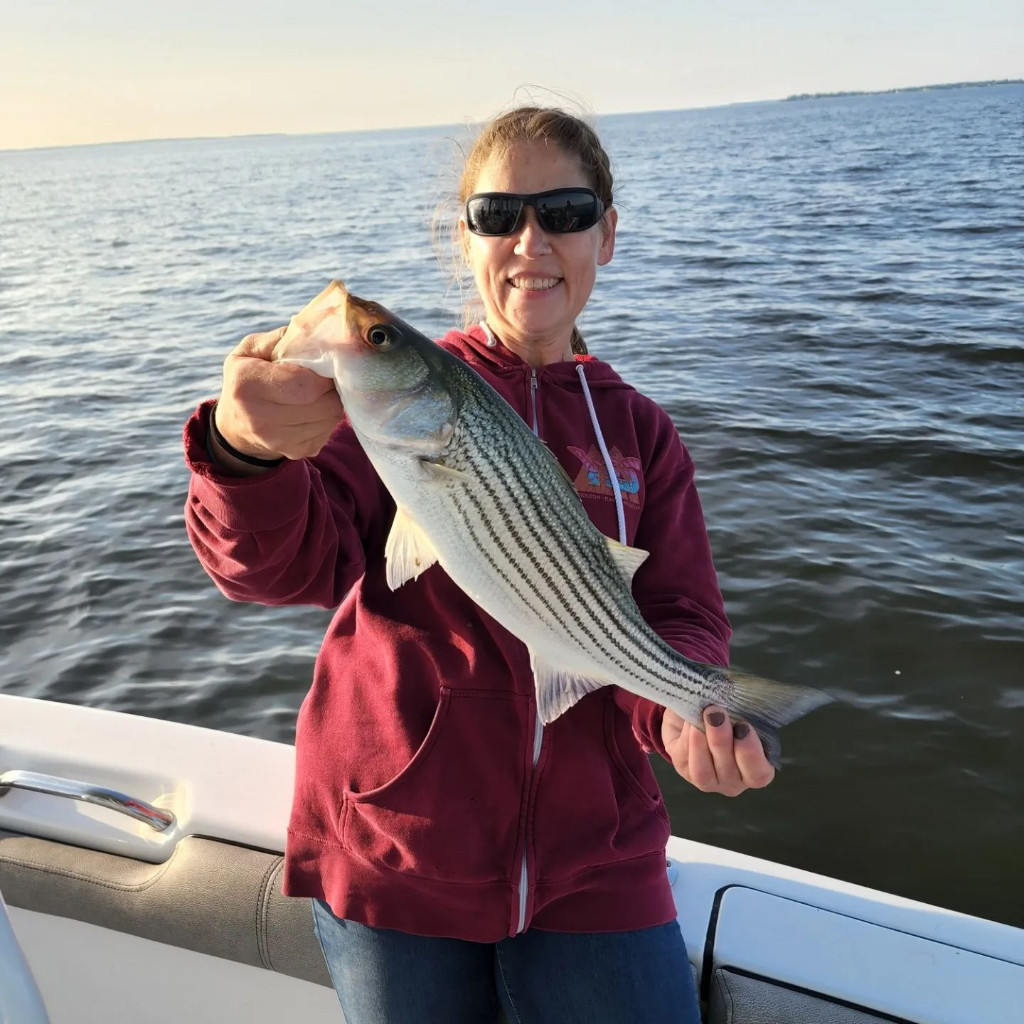
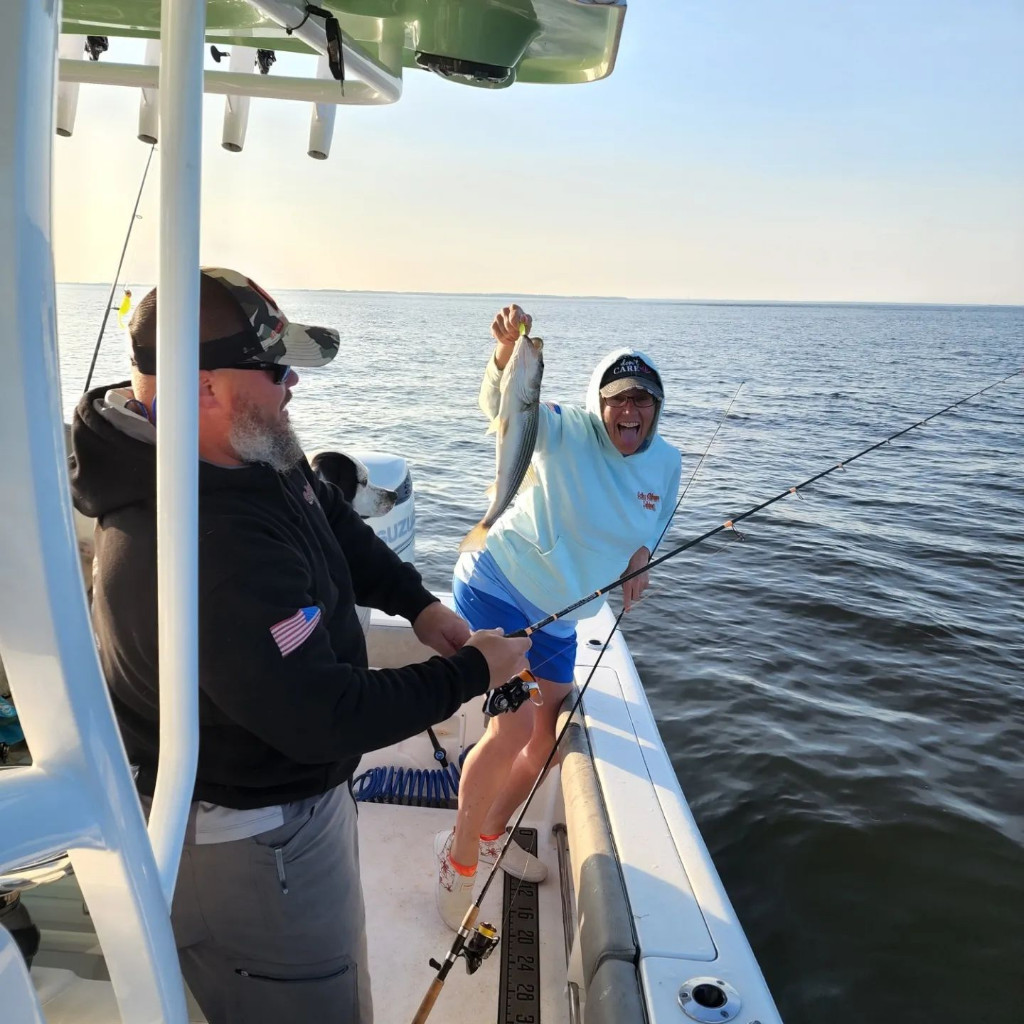
Winter striped bass fishing in the Chesapeake Bay isn't for the faint of heart, but it's when some of the best fish of the year show up. When most anglers pack up their gear for the season, that's exactly when trophy stripers move into prime feeding zones. This catch and release adventure with Salty Siren Fishing puts you right where the action happens during the coldest months. You'll feel that bite of winter air on your face while working some of the most productive waters on the East Coast. With space for just three guests, you get personalized attention and the best shot at hooking into fish that'll have you talking all year long.
What to Expect on the Water
Winter fishing in the Chesapeake is a completely different game than summer trips. The bay transforms into a haven for serious anglers who know that cold water means aggressive, hungry fish. You'll be targeting areas where stripers school up during their winter patterns - deep channels, structure breaks, and current edges that hold baitfish. The smaller group size means more room to fish, better coaching from your captain, and no crowded boat deck when you're fighting a big fish. Dress in layers and bring waterproof gear because you'll be out there in real weather. The cold keeps the weekend warriors home, but it also concentrates the fish into predictable spots. Your captain knows these winter haunts like the back of their hand, from the shipping channels to the creek mouths where stripers ambush prey.
Techniques & Winter Tactics
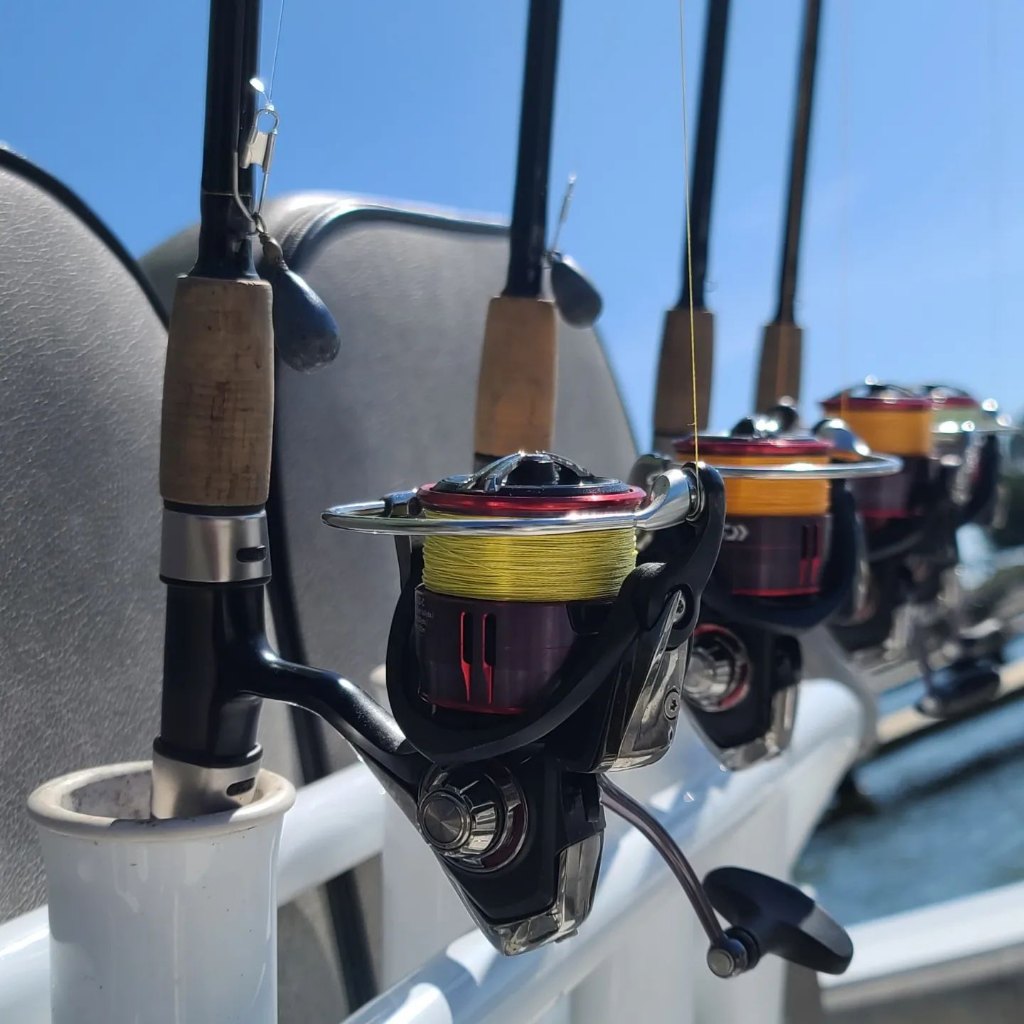
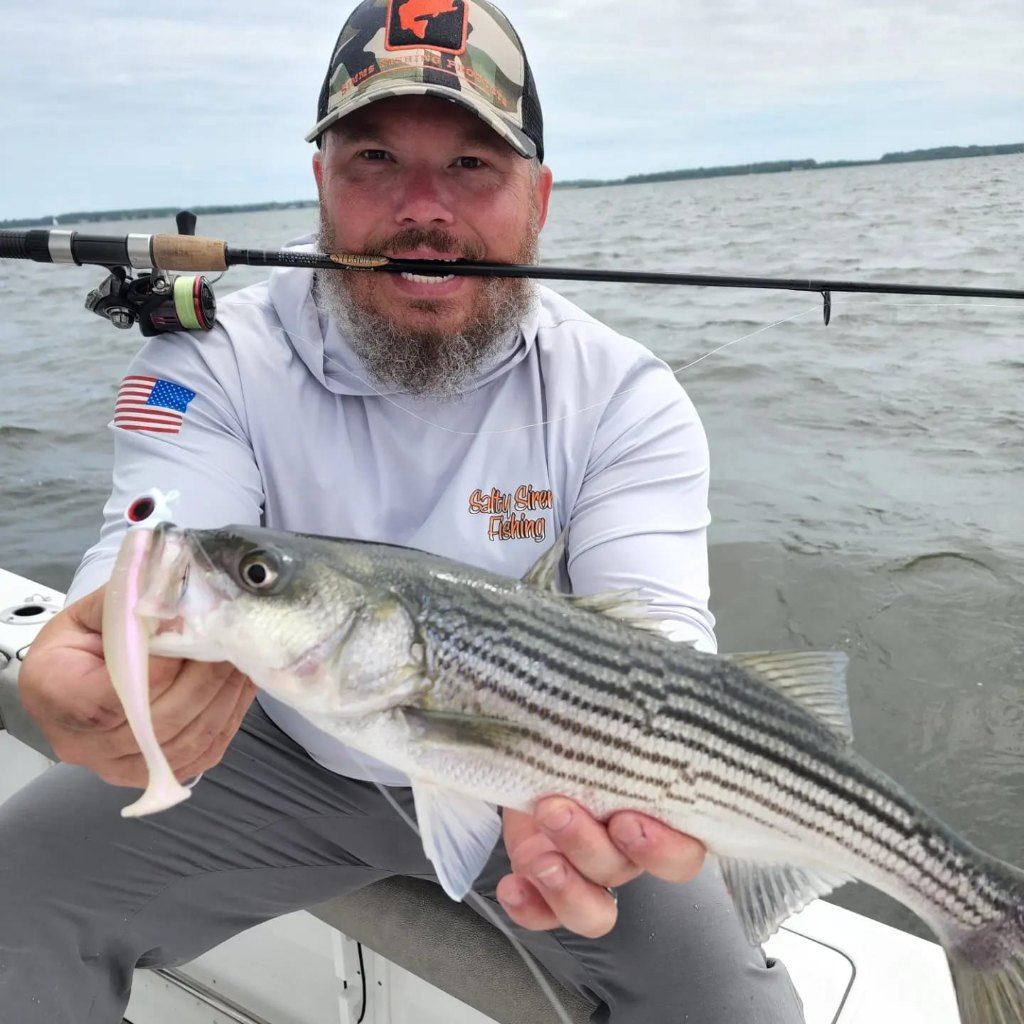
Winter striper fishing relies on different techniques than warm weather fishing. You'll be working with heavier jigs, live bait presentations, and slow trolling methods that match the fish's cold-water metabolism. Stripers move slower in winter but they hit harder when they commit. Your captain will have you fishing everything from deep jigging spoons to live spot and cut bait, depending on what the fish want that day. The electronics play a huge role - finding those temperature breaks and bait schools that draw in the big fish. You'll learn to read the fish finder, understand how winter currents work, and pick up techniques that work specifically in cold water conditions. The gear stays heavier too - medium-heavy to heavy action rods that can handle big fish in strong winter currents and wind. Circle hooks are mandatory for catch and release, ensuring every fish swims away healthy to fight another day.
Top Catches This Season
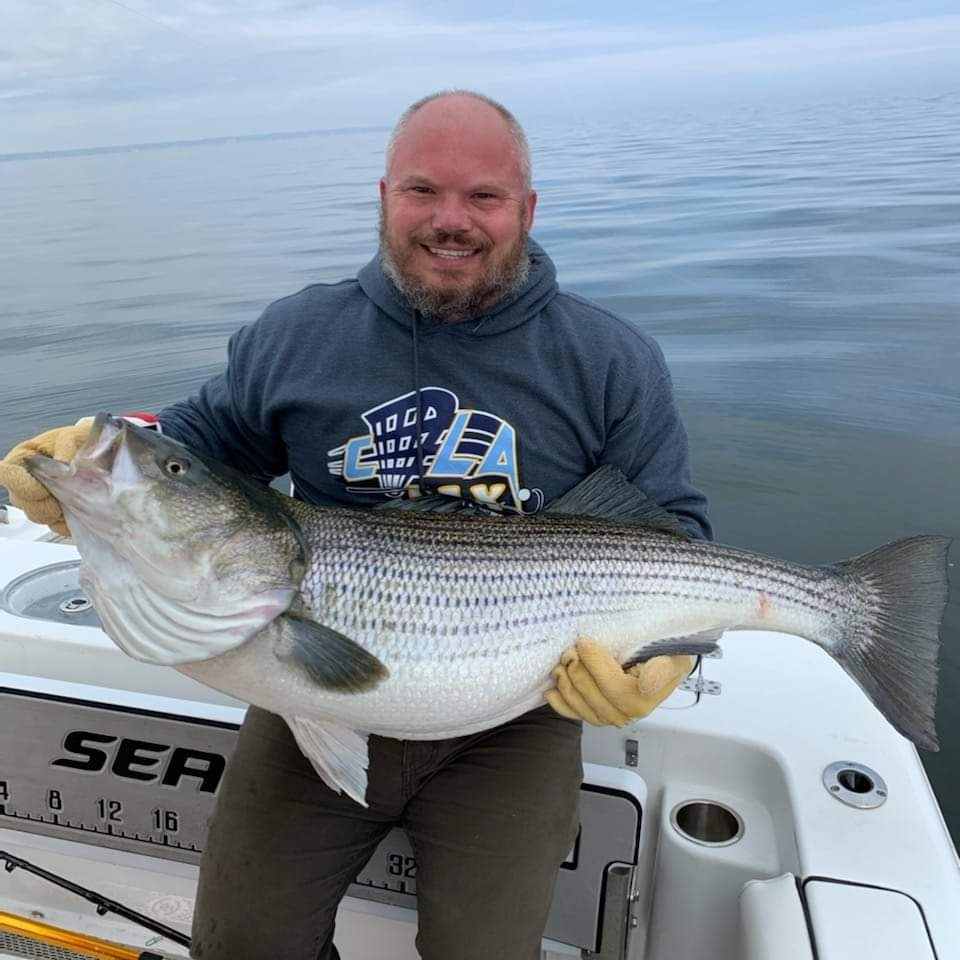
Winter striped bass in the Chesapeake are the real deal. These fish have been feeding hard all fall, building up for winter, and they're in prime condition. You're looking at fish ranging from keeper-sized 20-inchers all the way up to true trophies pushing 40 inches or more. The beauty of winter fishing is that you never know when that fish of a lifetime might grab your bait. Redfish become more predictable in winter too, holding in deeper grass edges and channel drops where they're easier to target consistently. White perch school up tight during cold months, providing steady action when the stripers are being finicky. Spanish mackerel stick around longer than most people think, especially during mild winter stretches. Bluefish run in big schools through winter, and when you find them, it's game on with fast action that'll warm you up quick.
Species You'll Want to Hook
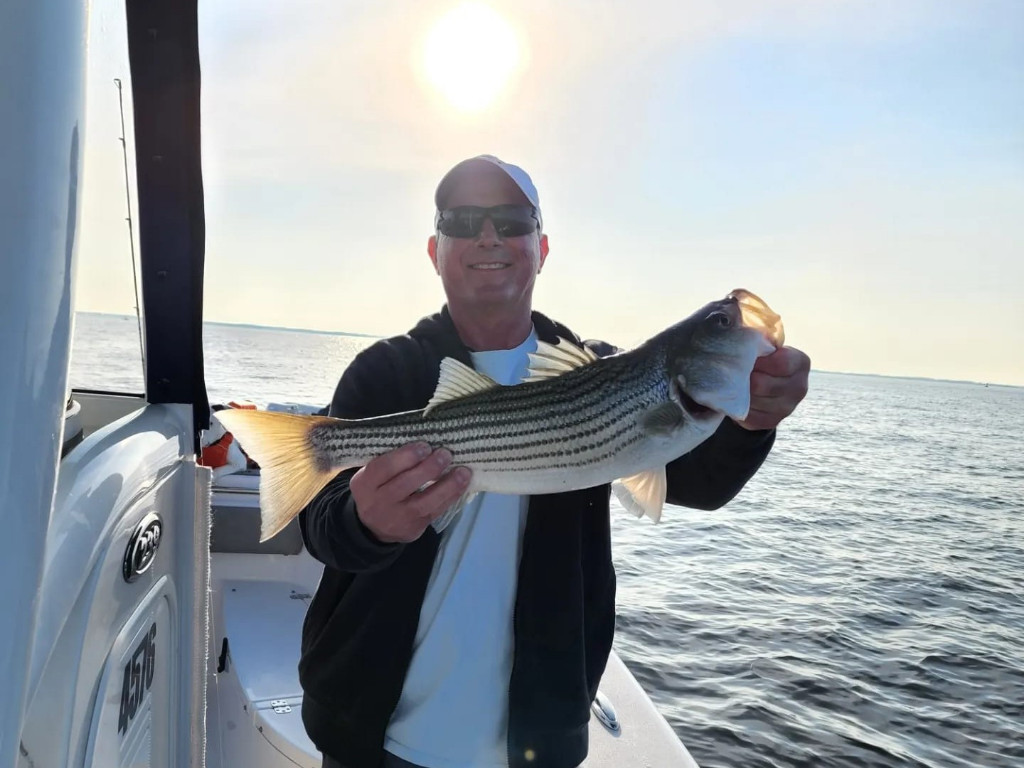
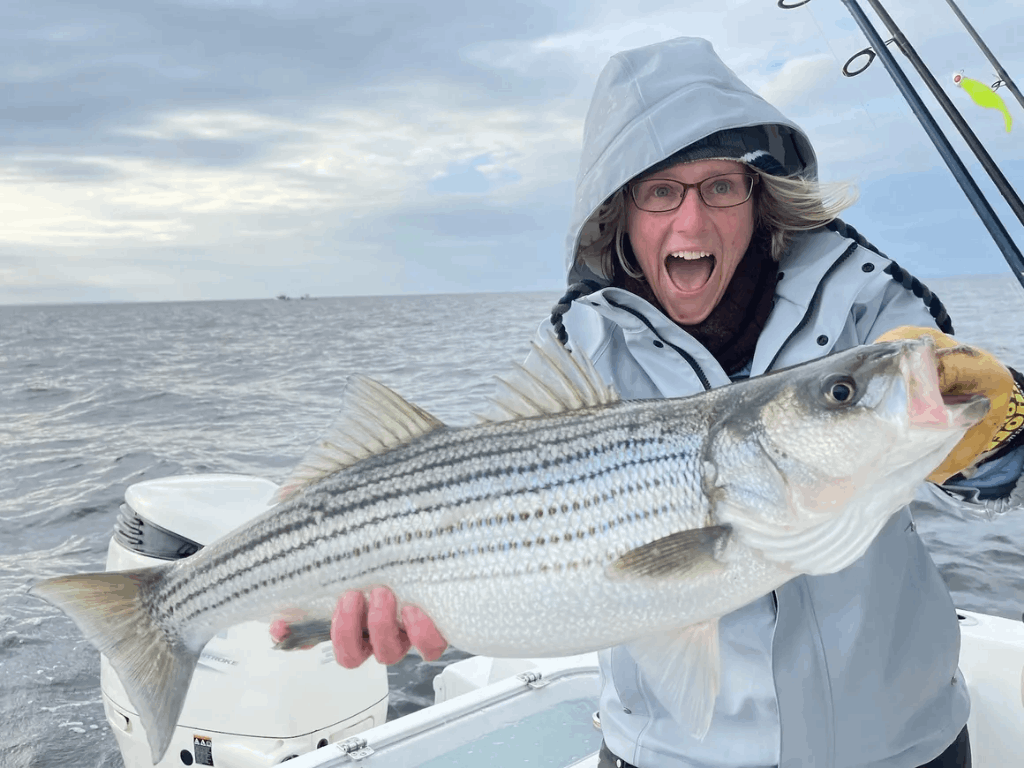
Striped bass are the star of the show during winter months in the Chesapeake. These fish hit differently in cold water - they're more deliberate, but when they commit, they fight with everything they've got. Winter stripers range from schoolie fish around 18-24 inches up to true trophies over 35 inches. The best fishing typically runs from December through February, when big fish stage in deeper water near their wintering areas. What makes winter stripers special is their condition - they're thick, healthy, and full of fight. The satisfaction of releasing a big winter striper back to fight another day is what keeps anglers coming back year after year.
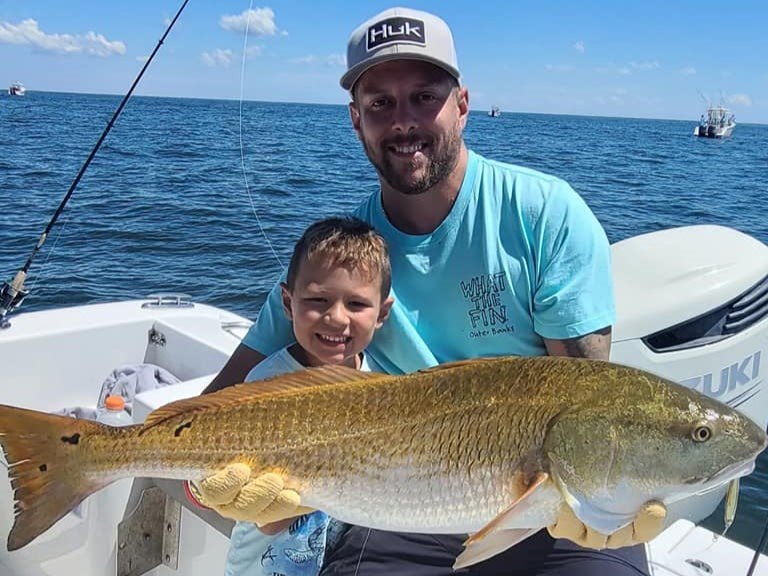
Redfish are year-round residents that actually become easier to pattern in winter. They move to slightly deeper water and hold tighter to structure, making them more predictable than during warmer months. These copper-colored bulldogs typically run 20-30 inches in the bay and provide some of the strongest fights you'll experience. Winter redfish are less spooky and more willing to eat a well-presented bait, making them a favorite target when weather keeps you in more protected waters.
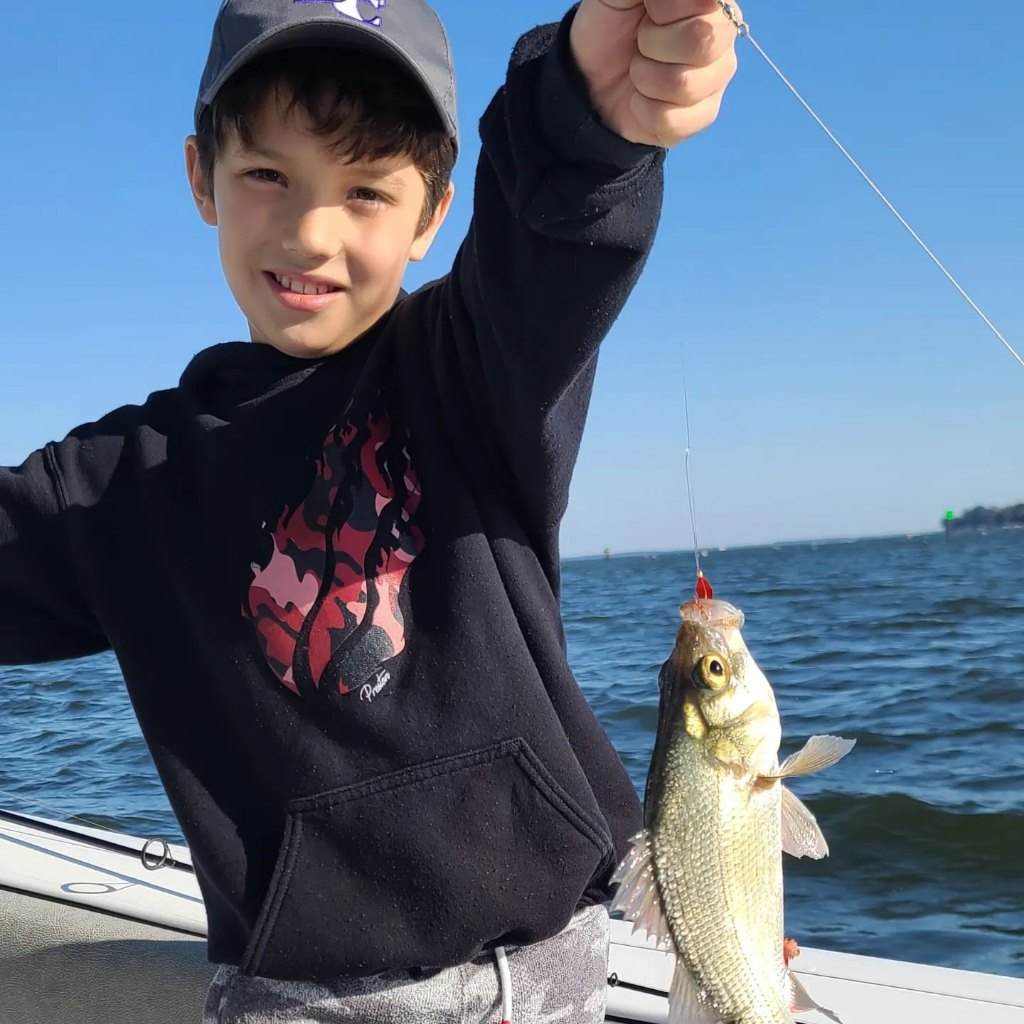
White perch might not be the biggest fish in the bay, but they're absolute lifesavers on tough winter days. These silver fighters school up in massive numbers during cold months, often holding in 15-25 feet of water near channel edges. They hit hard, fight surprisingly well for their size, and when you find a school, you can catch them steady. Many winter trips turn into white perch bonanzas when conditions aren't right for stripers.
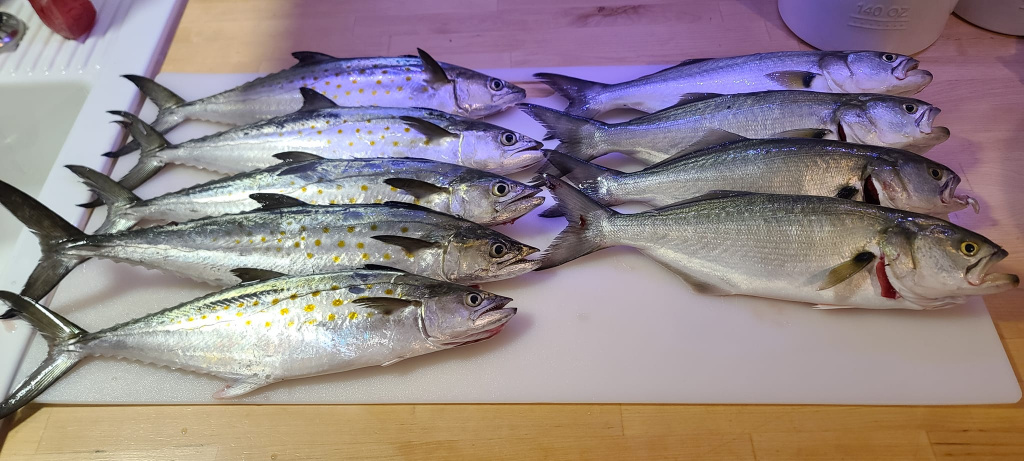
Spanish mackerel are the speed demons of the bay, and they stick around through mild winter periods longer than most anglers realize. These chrome bullets typically run 14-18 inches and provide some of the fastest action you'll see. When a school of Spanish moves through, it's non-stop action with fish hitting almost as soon as your bait hits the water. Their razor-sharp teeth and lightning-fast runs make every hookup exciting.
Bluefish are the bay's top predators, and winter schools can be absolutely massive. These green-backed fighters range from cocktail blues around 12 inches up to gator blues pushing 15 pounds or more. Winter bluefish are aggressive, hungry, and travel in big schools that can provide hours of steady action. They're also excellent fighters that'll test your drag and give you a real workout on appropriate tackle.
Time to Book Your Spot
Winter fishing in the Chesapeake Bay offers some of the year's best opportunities for serious anglers. While others are waiting for spring, you'll be out there targeting
 Private Trip
 Inshore Fishing
 Annapolis, MD

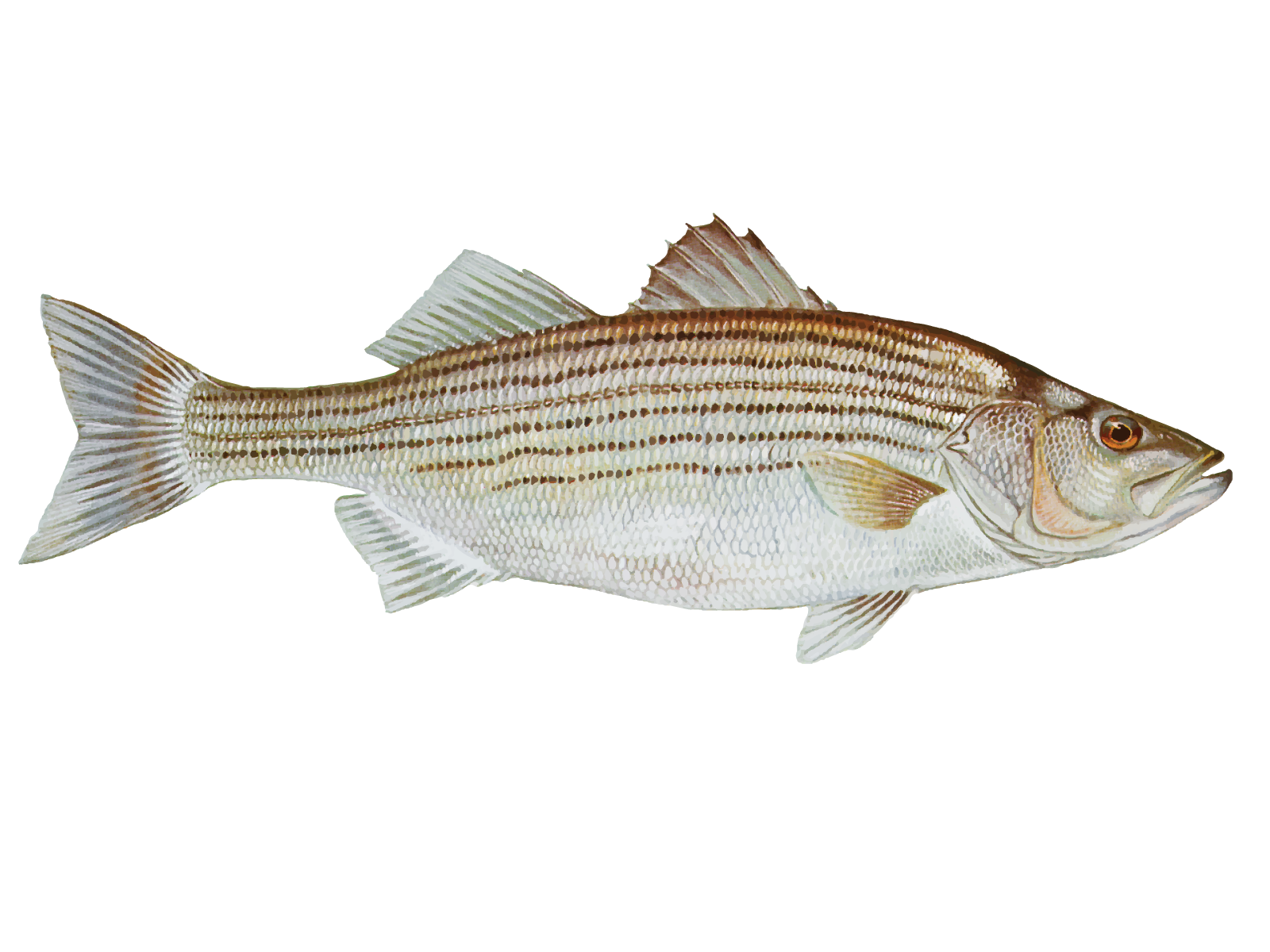


 Winter striped bass fishing in Chesapeake Bay waters